...

사출 성형 결함 및 솔루션이란 무엇인가요?

• ZetarMold Engineering Guide
• Plastic Injection Mold Manufacturing Since 2005
• Built by ZetarMold engineers for buyers comparing mold and molding solutions.

Injection molding defects are common challenges in the manufacturing process that affect product 품질1 and production efficiency. Understanding their causes and solutions is essential for improving results.

For broader context, compare this topic with 사출 금형 설계supplier sourcing guide.

Common injection molding defects include 뒤틀림2, sink marks, short shots, and air traps. Solutions range from adjusting temperature, pressure, or material to optimizing mold design and process parameters.

🏭 ZetarMold Factory Insight
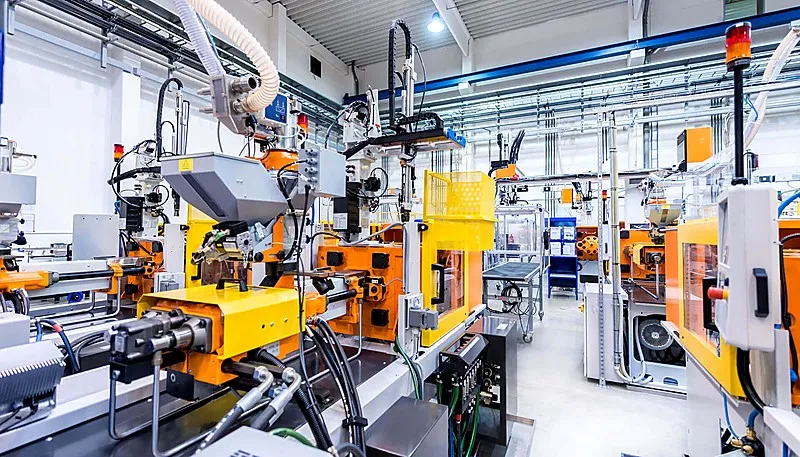
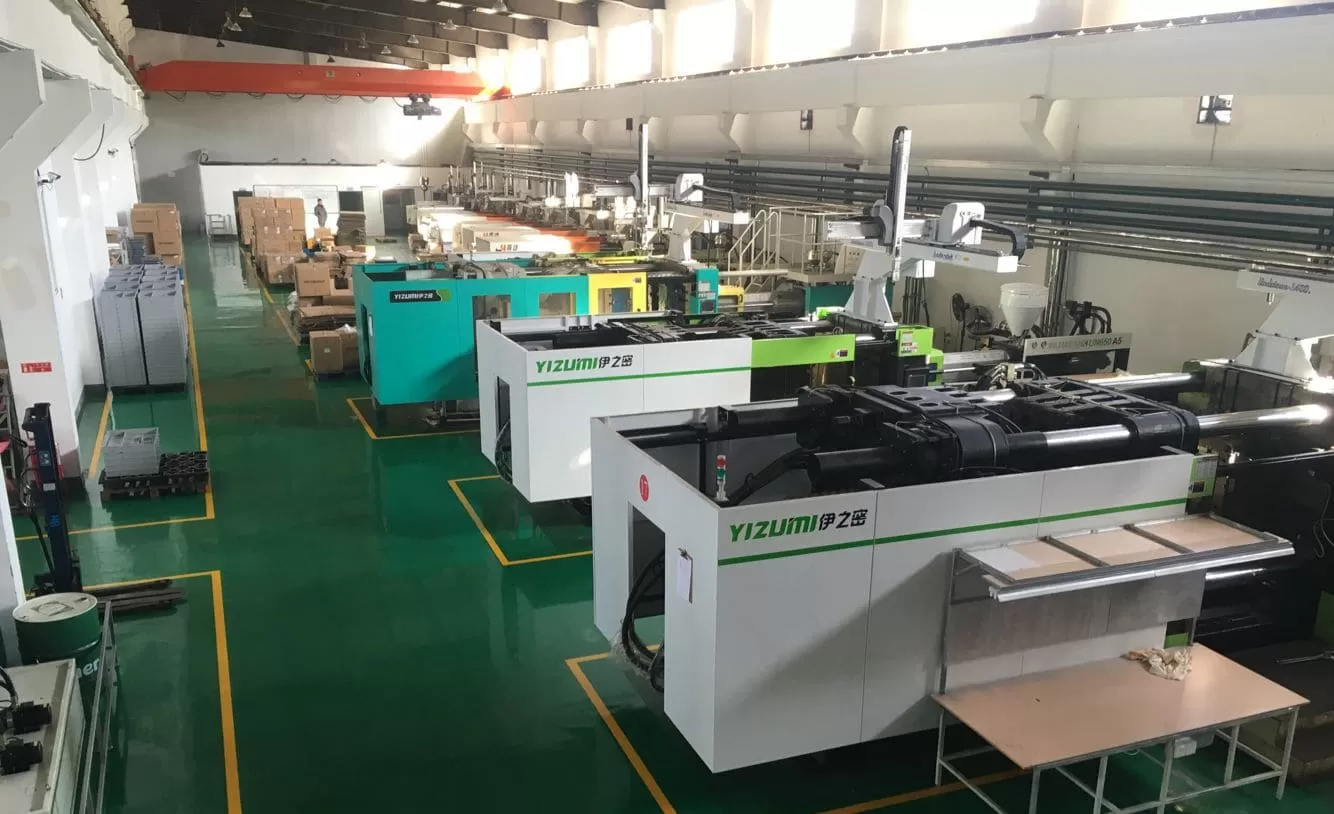
At our Shanghai factory, we run 47 injection molding machines ranging from 90T to 1850T. With 20+ years of hands-on experience troubleshooting injection molding defects, we have seen every type of short shot, flash, flow mark, and weld line — and we know exactly which process adjustments solve each one.

이러한 결함의 근본 원인을 이해하고 올바른 솔루션을 적용하면 제조 공정을 크게 개선할 수 있습니다. 결함 예방 및 해결을 위한 효과적인 전략을 자세히 알아보세요.
사출 성형 결함
사출 성형 결함

“Warping is a common injection molding defect.”True

Warping occurs when uneven cooling causes distortion in the part’s shape. This can be solved by controlling mold temperature and cooling rates.

“Defects in injection molding are always due to poor mold design.”False

금형 설계가 결함의 원인이 될 수 있지만 재료 선택, 온도 및 압력과 같은 요인도 결함 형성에 중요한 역할을 합니다.

플라스틱 사출 성형이란 무엇인가요?

플라스틱 사출 성형은 일상용품부터 복잡한 부품까지 다양한 제품을 생산하는 데 사용되는 제조 공정입니다. 속도, 정밀도, 비용 효율성을 제공합니다.

주요 내용
  • Injection molding defects can significantly impact product quality, production efficiency, and cost.
  • Common defects include short shots, flash, dents, warping, flow marks, silver streaks, and weld lines.
  • Most defects originate from four root causes: improper material preparation, mold design flaws, incorrect machine parameter settings, or poor product design.
  • Systematic defect analysis—combined with proper process control—can reduce scrap rates by 60–80%.

플라스틱 사출 성형은 녹인 플라스틱을 금형에 주입하여 부품을 성형하는 공정입니다. 자동차, 전자, 소비재와 같은 산업에서 사용되며 높은 효율성, 정밀도, 유연성을 제공합니다.

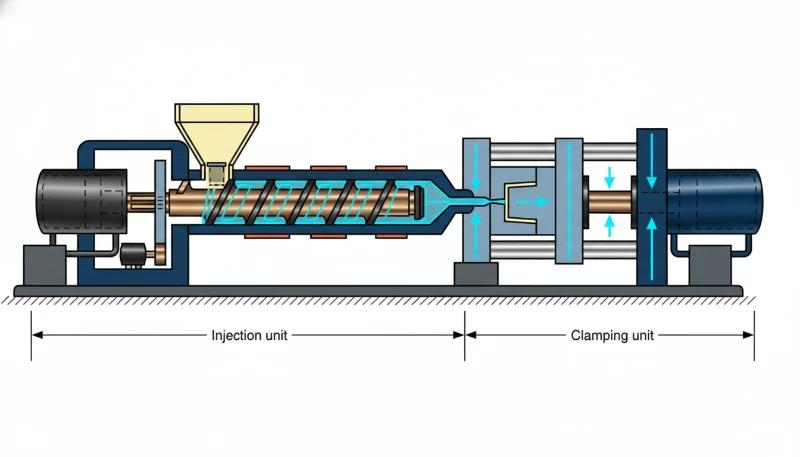
그리고 사출 성형3 process refers to the process of making semi-finished products of a certain shape from molten raw materials through operations such as pressurization, injection, cooling, and separation.

“Plastic injection molding allows for high-volume production of parts.”True

이 공정은 매우 효율적이어서 일관된 품질로 대규모 제조에 이상적입니다.

“Plastic injection molding is only suitable for simple products.”False

사출 성형은 복잡한 디자인을 포함하여 단순하고 복잡한 부품을 모두 생산할 수 있어 다양한 산업 분야에서 활용도가 높습니다.

사출 성형 제품의 쇼트 샷의 원인과 그 해결책은 무엇입니까?

The causes of short shots of injection molding products and their solutions are the main categories or options explained in this section. Short shots occur when the molten plastic doesn’t fully fill the mold, leading to incomplete parts. Identifying the causes and solutions is essential for ensuring product quality and manufacturing efficiency.

사출 성형에서 쇼트 샷은 사출 압력 부족, 낮은 금형 온도 또는 부적절한 재료 흐름과 같은 요인으로 인해 발생합니다. 해결 방법으로는 처리 매개변수 조정, 금형 설계 개선, 올바른 재료 사용 등이 있습니다.

정의

숏샷은 몰드 캐비티가 완전히 채워지지 않은 경우입니다.

쇼트 샷의 원인

Mold temperature, material temperature, or injection pressure and speed are too low. Raw material plasticization is uneven, exhaust is poor, raw material fluidity is insufficient, the part is too thin or the gate size is too small, and the polymer melt solidifies prematurely due to unreasonable structural design.

솔루션

Material: Choose a material that flows better, like toolox44.

Mold design: Fill thick walls before filling thin walls to avoid holding, increase the number of gates and runner size, reduce process and flow resistance, and set the position and size of the exhaust port appropriately to avoid poor exhaust.

Injection molding machine: Check if the check valve and the inner wall of the barrel are severely worn, and check if there is material or bridge in the feed port.

Process conditions: increase injection pressure and injection speed, enhance shear heat, increase injection volume, increase barrel temperature and mold temperature.

“Increasing injection pressure can reduce short shots.”True

사출 압력이 높을수록 금형이 완전히 채워지므로 짧은 사출이 발생할 가능성이 줄어듭니다.

“Short shots are only caused by equipment malfunctions.”False

장비 오작동으로 인해 짧은 샷이 발생할 수 있지만 금형 설계, 재료 점도, 공정 파라미터와 같은 다른 요인도 중요한 역할을 합니다.

사출 성형 제품의 플래시의 원인과 해결책은 무엇입니까?

사출 성형에서 플래시는 금형 캐비티에서 새어 나와 원치 않는 돌출부를 만드는 과도한 재료를 말합니다. 이는 부품 품질에 영향을 미치고 비용을 증가시킬 수 있습니다.

플래시는 높은 사출 압력, 마모된 금형 또는 부적절한 금형 설계와 같은 요인으로 인해 발생합니다. 솔루션에는 정밀도와 품질을 보장하기 위한 압력 조정, 냉각 최적화, 금형 유지 관리가 포함됩니다.

정의

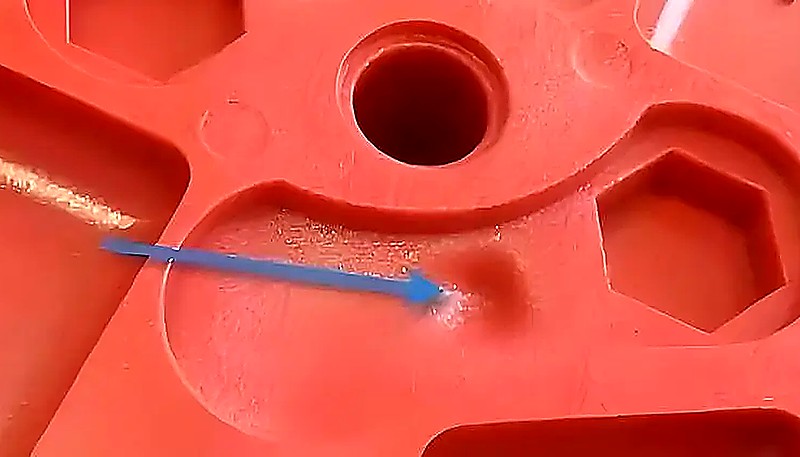
플래시는 금형 파팅 표면 또는 이젝터 핀에 있는 여분의 플라스틱입니다.

플래시의 원인

클램핑 력 부족, 금형 문제, 성형 조건 불량, 배기 시스템 설계가 잘못되었습니다.

솔루션

Mold design: Design the mold so it can close tightly when clamped. Check the size of the exhaust port and clean the mold surface.

Injection molding flash defect on plastic component
Flash defect example on an injection

Injection molding machine: select an injection molding machine with the right tonnage for the part’s projected area.

Molding process: increase injection time, reduce injection speed, reduce barrel temperatureand nozzle temperature, reduce injection pressure and holding pressure.

“High injection pressure causes flash.”True

과도한 압력은 용융된 플라스틱을 금형 캐비티를 지나치게 밀어내어 플래시를 형성합니다.

“Flash always means the injection pressure is too high.”False

Flash can also result from insufficient clamping force, worn mold parting lines, or excessive melt temperature — not just high injection pressure. Diagnosing the true root cause before adjusting parameters prevents creating new defects.

🏭 ZetarMold Factory Insight
In our experience at the Shanghai factory, flash problems on high-tonnage presses (above 1000T) almost always trace back to mold wear rather than process settings. Our in-house mold manufacturing team can re-cut parting lines and replace worn inserts within 24 hours, which is critical when you are running production across 400+ material grades and cannot afford days of downtime.

Beyond pressure-related causes, flash can also result from mold wear and inadequate clamp force. When mold cavities become worn over time, the clearance between mold plates increases, allowing molten plastic to escape during injection. Regular mold maintenance—including polishing parting lines and replacing worn inserts—is essential for preventing flash. Additionally, ensuring the injection molding machine provides sufficient clamp force for the mold size helps keep the mold tightly closed during the high-pressure injection phase.

“Worn-out molds can cause flash.”True

금형이 손상되거나 마모되면 틈이 생겨 재료가 빠져나가 플래시가 발생하게 됩니다. 이 문제를 방지하려면 정기적인 유지보수가 중요합니다.

“Flow marks only appear on transparent parts.”False

Flow marks can occur on any plastic part regardless of transparency. They are caused by uneven melt flow speed, low mold temperature, or insufficient injection pressure during cavity filling.

사출 성형 제품의 플로우 마크의 원인과 해결 방법은 무엇입니까?

The causes of flow marks of injection molding products and their solutions are the main categories or options explained in this section. Flow marks in injection molding can compromise the surface finish of products, making them less visually appealing and functional. Identifying the causes and solutions is key to improving product quality.

흐름 자국은 고르지 않은 냉각, 부적절한 사출 속도 또는 부적절한 환기로 인해 발생합니다. 솔루션에는 금형 온도 조정, 사출 속도 최적화, 환기 개선을 통해 균일한 충진 및 냉각이 이루어지도록 하는 것이 포함됩니다.

정의

플로우 마크는 부품 표면에 파도처럼 보이는 성형 결함입니다. 플라스틱이 금형에 너무 느리게 흐르기 때문에 발생하며, 플라스틱이 개구리처럼 뛰어오른 것처럼 보입니다.

흐름 표시의 원인

금형 온도 및 재료 온도가 너무 낮거나 사출 속도 및 압력이 너무 낮고 러너 및 게이트 크기가 너무 작으며 제품 구조로 인해 충전 및 흐름 시 가속도가 너무 큽니다.

솔루션

Mold design: Make the cold well in the runner bigger, make the runner and gate bigger, make the main runner shorter or use a hot runner instead.

Process conditions: Make the injection speed faster, make the injection pressure and holding pressure higher, make the holding time longer, make the mold temperature and material temperature higher.

“Silver streaks are caused by moisture in the resin.”True

수지에 수분이 있으면 성형 중에 수증기가 발생하여 표면에 은색 줄무늬가 생깁니다. 성형 전에 적절히 건조하면 이 문제를 해결할 수 있습니다.

“Silver streaks only affect appearance, never structural integrity.”False

While silver streaks are primarily cosmetic, the underlying cause — moisture contamination or thermal degradation — can weaken the polymer matrix and reduce mechanical performance in critical applications.

사출 성형 제품의 은색 줄무늬의 원인과 해결 방법은 무엇입니까?

The causes of silver streaks of injection molding products and their solutions are the main categories or options explained in this section. Silver streaks in injection molding are caused by issues like moisture, temperature fluctuations, or improper material handling, affecting the aesthetic and performance of the products.

은색 줄무늬는 수지의 수분, 일관되지 않은 용융 온도 또는 오염으로 인해 발생하는 경우가 많습니다. 해결 방법으로는 재료를 적절히 건조하고, 가공 조건을 안정적으로 유지하고, 고품질 수지를 사용하여 제품을 더 매끄럽게 만드는 것이 있습니다.

정의

은색 줄무늬는 물, 공기 또는 탄화된 물질이 부품 표면에 흐름 방향으로 분포되어 있는 경우입니다.

은색 줄무늬의 원인

원료의 수분 함량이 너무 높거나, 원료에 공기가 갇혀 있거나, 폴리머 분해: 재료가 오염되었거나, 배럴 온도가 너무 높거나, 사출량이 충분하지 않습니다.

솔루션

Content: Dry the raw material based on the data provided by the raw material supplier before injection molding.

Mold design: Make sure there are enough vents.

Molding process: Choose the right injection molding machine and mold, clean the old material completely from the barrel when changing materials, improve the exhaust system, and lower the melt temperature, injection pressure or injection speed.

“Inconsistent cooling causes dents in injection molded parts.”True

냉각 속도가 고르지 않으면 응력과 뒤틀림이 발생하여 성형품에 눈에 띄는 흠집이 생깁니다.

“All dent issues in injection molding can be fixed by adjusting cooling settings alone.”False

While cooling adjustments help, dent formation is also driven by insufficient holding pressure, undersized gates, and wall-thickness ratios exceeding recommended limits. A combined approach addressing pressure, time, and design is more effective.

사출 성형 제품의 함몰 원인과 그 해결책은 무엇입니까?

사출 성형 제품의 함몰은 부적절한 설정, 재료 결함 또는 냉각 문제로 인해 발생하는 일반적인 문제입니다. 이러한 문제를 해결하면 제품 품질을 보장하고 낭비를 줄일 수 있습니다.

사출 성형 제품의 함몰은 일관되지 않은 냉각, 재료 흐름 불량 또는 잘못된 금형 설계로 인해 발생하는 경우가 많습니다. 솔루션에는 냉각 속도 최적화, 사출 압력 조정, 적절한 금형 설계 등이 포함됩니다.

정의

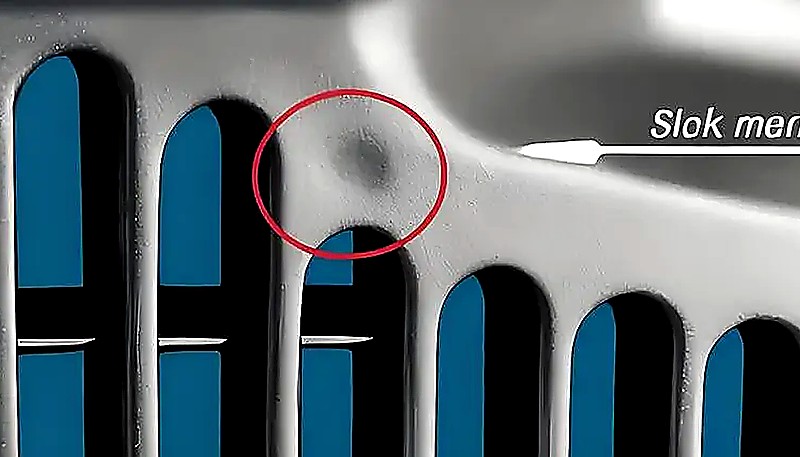
덴트는 부품의 표면이 벽 두께만큼 오목하게 들어간 상태입니다.

덴트 형성의 원인

사출 압력 또는 유지 압력이 너무 낮거나 유지 시간 또는 냉각 시간이 너무 짧거나 용융 온도 또는 금형 온도가 너무 높으며 부품 구조 설계가 부적절합니다.

솔루션

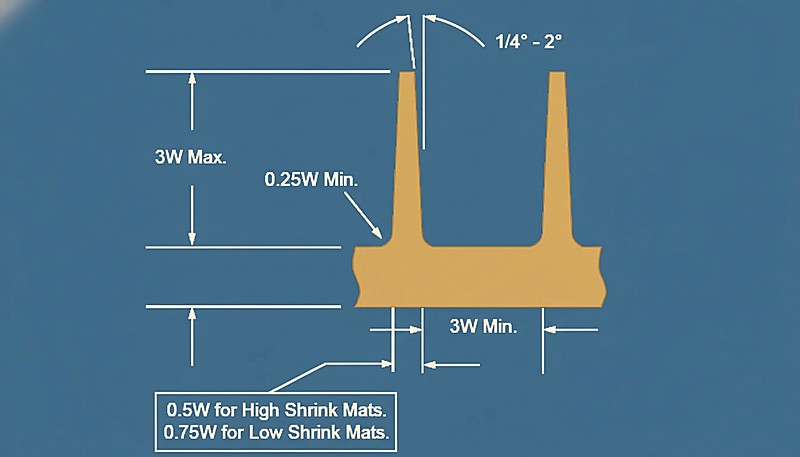
Design structure: Corrugate the surface that is easy to dent, reduce the thick wall size of the part, minimize the thickness-to-diameter ratio, the adjacent wall thickness ratio should be controlled at 1.5~2, and try to make a smooth transition, redesign the thickness of the reinforcement ribs, countersunk holes and corner ribs, and their thickness is generally recommended to be 40-80% of the basic wall thickness.

Dents on Injection Molding Products
Dent defects visible on injection molded

Molding process: Increase injection pressure and holding pressure, increase gate size or change gate position.

“Welding marks are caused by improper injection molding settings.”True

용접 자국은 온도, 속도 또는 금형 설계를 잘못 조정하여 플라스틱 흐름이 효과적으로 접착되지 않아 발생할 수 있습니다.

“Welding marks can be completely eliminated by simply increasing injection speed.”False

Increasing injection speed alone may not resolve weld marks if the root cause is gate placement, insufficient melt temperature, or lack of venting near the knit line. A holistic approach covering mold design, process parameters, and material selection yields better results.

사출 성형 제품의 용접 자국의 원인과 해결책은 무엇입니까?

The causes of welding marks of injection molding products and their solutions are the main categories or options explained in this section. Welding marks in injection molding occur when two plastic flows meet and fail to bond properly, leaving visible scars on the final product.

용접 자국은 부적절한 금형 설계, 부적절한 사출 속도 또는 불충분한 온도 제어로 인해 발생합니다. 솔루션에는 금형 설계 최적화, 사출 속도 조정, 흐름 일관성 향상을 위한 금형 온도 제어 등이 포함됩니다.

정의

용접 자국은 두 개의 재료 흐름이 만나 서로 용접되어 표면에 결함이 생기는 것을 말합니다.

용접 마크의 원인

부품에 구멍, 인서트 또는 멀티 게이트 사출 성형 모드가 있거나 부품의 벽 두께가 고르지 않은 경우 용접 자국이 발생할 수 있습니다.

Material: Select a resin grade with higher melt flow index to ensure the two flow fronts bond more effectively when they meet.

Product design: Adjust wall thickness transitions and minimize sharp corners near the weld line area. Uniform wall thickness keeps both flow fronts at similar temperatures.

Mold design: Relocate gates to move the weld line to a non-critical area. Add overflow wells near the weld location to push cold material out of the joint zone, and ensure adequate venting.

Process conditions: Raise melt and mold temperature to keep the flow fronts hotter when they meet. Increase injection speed to reduce the time between flow front separation and reunion, and adjust holding pressure to improve fusion at the knit line.

Process conditions: Make the plastic hotter and use less stuff to keep it from sticking to the mold.Scorch marks are when the air in the mold can’t get out fast enough and the plastic burns at the end of the flow.

How Can You Systematically Reduce Injection Molding Defects?

This section is about systematically reduce injection molding defects and its impact on cost, quality, timing, or sourcing risk. Injection molding defects — short shots, flash, flow marks, silver streaks, dents, and weld lines — share a common root: the process window drifted away from the validated sweet spot. When you trace each defect back to its cause, the pattern is remarkably consistent across materials and machine sizes.

From our experience running over 400 material grades across 47 presses in Shanghai, the single biggest lever is disciplined first-article validation followed by consistent process monitoring. Most defects that reach production could have been caught during mold sampling — if you know what to look for and set your process windows correctly from day one.

Whether you are troubleshooting an existing mold or qualifying a new tool, the checklist is the same: verify material drying, confirm gate and runner dimensions, validate packing pressure and hold time, and inspect the first 50 shots before signing off. Our engineering team follows this protocol on every project — and it keeps our scrap rate well below industry average.

Need expert help with your 사출 성형 project? Upload your design files and get DFM feedback, process recommendations, and a competitive quote from our team.

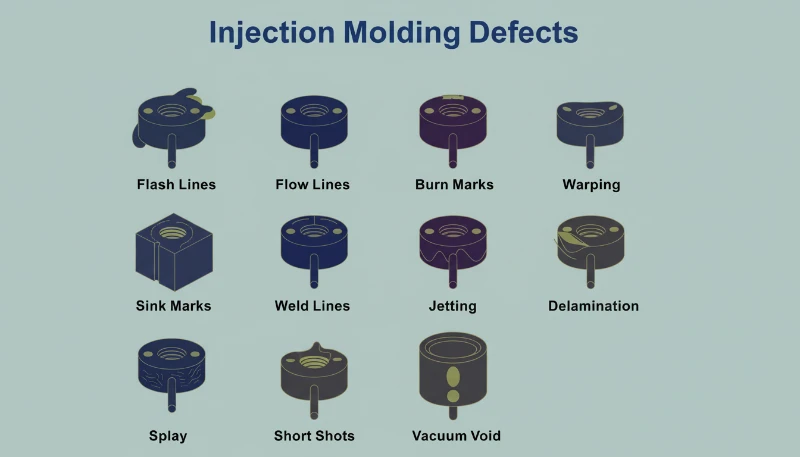
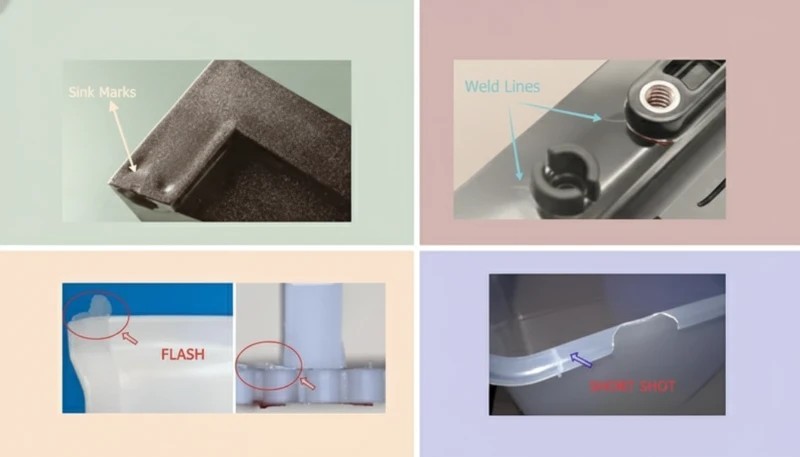
Visual guide to common injection molding defects
Visual guide to common injection molding

자주 묻는 질문

What is the most common injection molding defect?

Short shots are widely considered the most common injection molding defect, occurring when the mold cavity does not fill completely during the injection phase. They typically result from insufficient injection pressure, low melt temperature, or inadequate venting in the cavity. In production environments, short shots often appear when material viscosity changes due to inconsistent drying or when gate size is too restrictive for the part geometry. Addressing the root cause — rather than simply increasing pressure — prevents recurrence and maintains cycle time without introducing secondary defects like flash or burn marks.

How Do You Prevent Flash in Injection Molding?

Flash prevention starts with ensuring adequate clamping force for the projected area of the part. If the machine tonnage is sufficient, check mold parting-line condition — worn or damaged surfaces allow molten plastic to escape during the high-pressure injection phase. Reduce injection speed and pressure at the transition point, lower melt temperature slightly, and verify that vent depth is within specification. For high-precision parts, regular mold polishing and timely insert replacement keep flash under control without sacrificing fill quality or cycle time.

Can Injection Molding Defects Be Fixed Without Changing the Mold?

Many defects — including short shots, silver streaks, flow marks, and sink marks — can be resolved through process adjustments without any mold modification. Increasing melt temperature, adjusting injection speed, extending hold pressure and time, or improving material drying are common first-line fixes. However, defects caused by fundamental gate placement errors, insufficient vent channels, or wall-thickness ratios below 1.5:1 often require mold rework. A systematic DOE-driven approach helps identify which parameter changes will have the biggest impact before you commit to costly tool modifications.

Why Do Silver Streaks Appear on Injection Molded Parts?

Silver streaks appear when moisture, trapped air, or degraded polymer travels along the flow front and deposits on the part surface as visible silver-white lines. The most common cause is insufficient material drying — hygroscopic resins like ABS, nylon, and polycarbonate require 2 to 4 hours of dehumidifying drying at material-specific temperatures before processing. Other contributors include excessive barrel temperature causing thermal degradation, and inadequate venting in the mold cavity. Consistent drying protocols and barrel temperature monitoring eliminate the vast majority of silver streak issues in production.

How Can ZetarMold Help with Injection Molding Defect Analysis?

ZetarMold provides comprehensive defect analysis as part of every molding project. With 47 presses from 90T to 1850T and 20+ years of troubleshooting experience across 400+ material grades, our engineering team identifies root causes during first-article sampling and sets validated process windows before production begins. We share process data, inspection reports, and corrective-action details transparently so you understand exactly what is happening and why. Upload your 3D design files to receive DFM feedback, a process recommendation, and a competitive quote tailored to your specific part geometry and material requirements.


  1. quality: Quality is a production discipline that connects DFM, mold validation, process windows, inspection plans, and corrective action into repeatable output.

  2. 워피지: Warpage refers to the deformation of an injection molded part caused by uneven shrinkage due to differential cooling rates, fiber orientation, or material flow direction.

  3. injection molding: injection molding refers to is the production process that melts plastic, injects it into a mold cavity, cools the part, and repeats the cycle for stable volume manufacturing.

최신 게시물
Facebook
트위터
LinkedIn
Pinterest
Mike Tang 사진
마이크 탕

Hi, I'm the author of this post, and I have been in this field for more than 20 years. and I have been responsible for handling on-site production issues, product design optimization, mold design and project preliminary price evaluation. If you want to custom plastic mold and plastic molding related products, feel free to ask me any questions.

나와 연결하기 →

빠른 견적 요청하기

다음을 통해 도면 및 세부 요구 사항을 보내세요. 

Emial:[email protected]

또는 아래 문의 양식을 작성하세요:

빠른 견적 요청하기

다음을 통해 도면 및 세부 요구 사항을 보내세요. 

Emial:[email protected]

또는 아래 문의 양식을 작성하세요:

빠른 견적 요청하기

다음을 통해 도면 및 세부 요구 사항을 보내세요. 

Emial:[email protected]

또는 아래 문의 양식을 작성하세요:

빠른 견적 요청하기

다음을 통해 도면 및 세부 요구 사항을 보내세요. 

Emial:[email protected]

또는 아래 문의 양식을 작성하세요:

빠른 견적 요청하기

다음을 통해 도면 및 세부 요구 사항을 보내세요. 

Emial:[email protected]

또는 아래 문의 양식을 작성하세요:

브랜드에 대한 빠른 견적 요청하기

다음을 통해 도면 및 세부 요구 사항을 보내세요. 

Emial:[email protected]

또는 아래 문의 양식을 작성하세요:

댓글 작성하기

이 도움말에 대한 자세한 내용을 보려면 "[email protected]"으로 이메일 주소를 입력하세요.

빠른 견적 요청하기

다음을 통해 도면 및 세부 요구 사항을 보내세요. 

Emial:[email protected]

또는 아래 문의 양식을 작성하세요:

빠른 견적 요청하기

다음을 통해 도면 및 세부 요구 사항을 보내세요. 

Emial:[email protected]

또는 아래 문의 양식을 작성하세요: