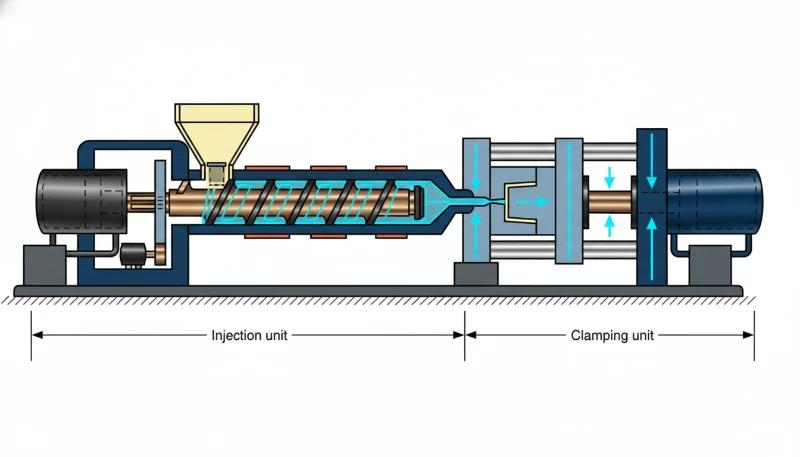
Los defectos del moldeo por inyección son problemas habituales del proceso de fabricación que afectan a la calidad1 del producto y a la eficiencia productiva. Comprender sus causas y soluciones es esencial para mejorar los resultados.
Para ampliar el contexto, compare este tema con el diseño de moldes de inyección y la guía de selección de proveedores.
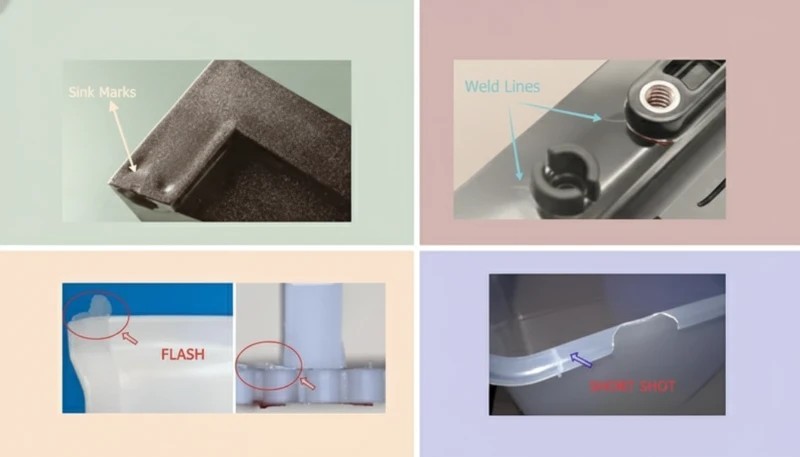
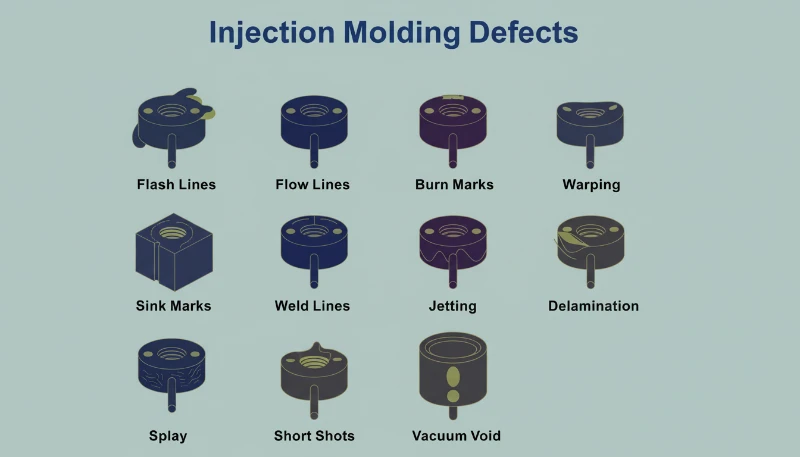
Entre los defectos habituales están el alabeo2, las marcas de hundimiento, los llenados incompletos y las bolsas de aire. Las soluciones abarcan desde ajustar temperatura, presión o material hasta optimizar el molde y los parámetros del proceso.
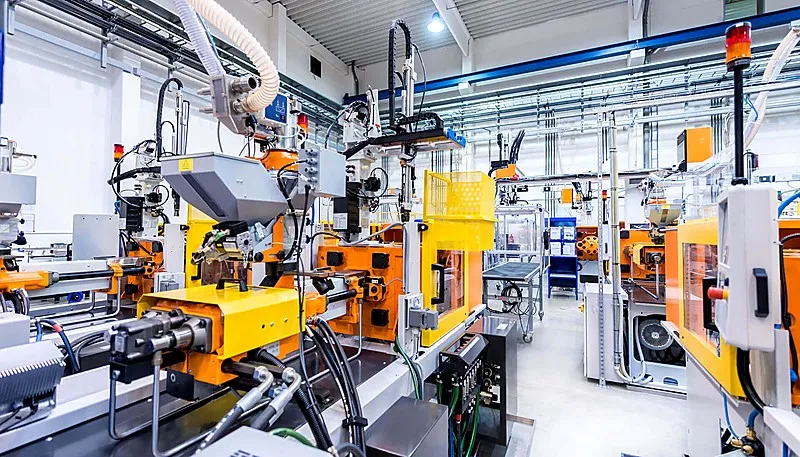
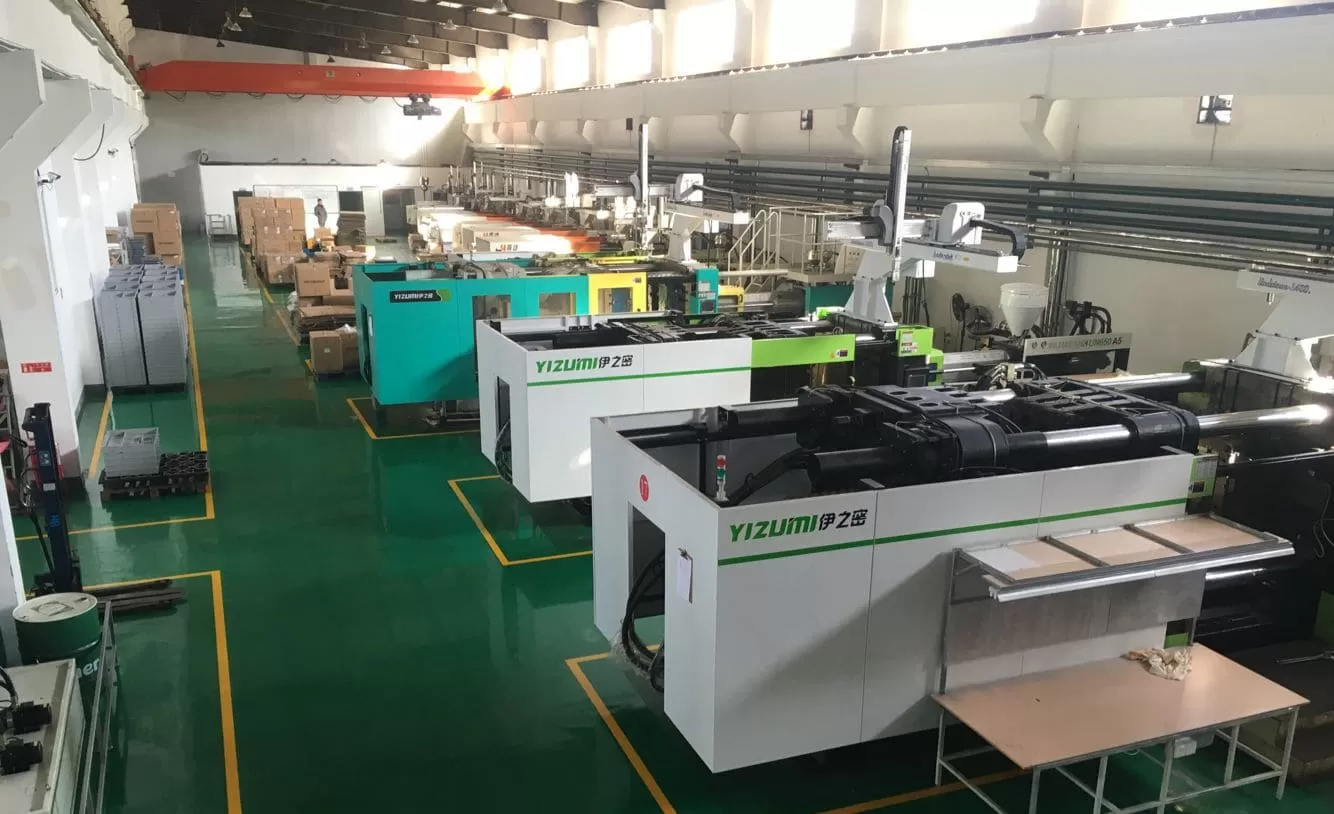
En nuestra fábrica de Shanghai, operamos 47 máquinas de moldeo por inyección que van desde 90T hasta 1850T. Con más de 20 años de experiencia práctica en la resolución de problemas de defectos de moldeo por inyección, hemos visto todo tipo de tiro corto, rebaba, marca de flujo y línea de soldadura, y sabemos exactamente qué ajustes de proceso resuelven cada uno.
Comprender las causas fundamentales de estos defectos y aplicar las soluciones correctas puede mejorar significativamente su proceso de fabricación. Profundice para explorar estrategias eficaces de prevención y resolución de defectos.
"El alabeo es un defecto común del moldeo por inyección."True
El alabeo se produce cuando un enfriamiento desigual provoca distorsiones en la forma de la pieza. Esto puede solucionarse controlando la temperatura del molde y la velocidad de enfriamiento.
"Los defectos del moldeo por inyección siempre se deben a un diseño deficiente del molde."False
Aunque el diseño del molde puede contribuir a los defectos, factores como la elección del material, la temperatura y la presión también desempeñan un papel importante en la formación de defectos.
¿Qué es el moldeo por inyección de plásticos?
El moldeo por inyección de plástico es un proceso de fabricación utilizado para producir una amplia gama de productos, desde artículos cotidianos hasta componentes complejos. Ofrece velocidad, precisión y rentabilidad.
- Los defectos del moldeo por inyección pueden afectar significativamente la calidad del producto, la eficiencia de producción y el coste.
- Los defectos habituales incluyen llenados incompletos, rebabas, abolladuras, alabeo, marcas de flujo, estrías plateadas y líneas de soldadura.
- La mayoría de los defectos se originan en cuatro causas fundamentales: preparación inadecuada del material, fallos de diseño del molde, ajustes incorrectos de los parámetros de la máquina o un diseño deficiente del producto.
- El análisis sistemático de defectos, combinado con un control correcto del proceso, puede reducir los desperdicios un 60–80%.
El moldeo por inyección de plástico es un proceso en el que se inyecta plástico fundido en moldes para formar piezas. Se utiliza en sectores como la automoción, la electrónica y los bienes de consumo, y ofrece gran eficacia, precisión y flexibilidad.
El proceso de moldeo por inyección3 consiste en obtener productos semielaborados de una forma determinada a partir de materias primas fundidas mediante presurización, inyección, enfriamiento y separación.
"El moldeo por inyección de plástico permite producir piezas en grandes volúmenes."True
El proceso es muy eficaz, por lo que resulta ideal para la fabricación a gran escala con una calidad constante.
"El moldeo por inyección de plástico solo es adecuado para productos sencillos."False
El moldeo por inyección puede producir piezas simples y complejas, incluidos diseños intrincados, lo que lo hace versátil para diversas industrias.
¿Cuáles son las causas de los tiros cortos de los productos de moldeo por inyección y sus soluciones?
Las causas de los llenados incompletos en productos moldeados por inyección y sus soluciones son las principales categorías u opciones explicadas en esta sección. Los llenados incompletos se producen cuando el plástico fundido no llena por completo el molde, dando lugar a piezas incompletas. Identificar las causas y soluciones es esencial para garantizar la calidad del producto y la eficiencia de fabricación.
Los disparos cortos en el moldeo por inyección se deben a factores como una presión de inyección insuficiente, una baja temperatura del molde o un flujo de material inadecuado. Las soluciones pasan por ajustar los parámetros de procesamiento, mejorar el diseño del molde y asegurarse de que se utiliza el material adecuado.
Definición
El tiro corto es cuando la cavidad del molde no se llena del todo.
Causas del tiro corto
La temperatura del molde, la temperatura del material o la presión y velocidad de inyección son demasiado bajas. La plastificación de la materia prima es desigual, la ventilación es deficiente, la fluidez de la materia prima es insuficiente, la pieza es demasiado fina o la compuerta es demasiado pequeña, y la masa fundida de polímero se solidifica prematuramente debido a un diseño estructural inadecuado.
Soluciones
Material: elija uno que fluya mejor, como toolox44.
Diseño del molde: llene las paredes gruesas antes que las finas para evitar retenciones, aumente el número de compuertas y el tamaño de los canales, reduzca la resistencia del proceso y al flujo y establezca adecuadamente la posición y el tamaño del orificio de ventilación para evitar una evacuación deficiente.
Máquina de moldeo por inyección: compruebe si la válvula antirretorno y la pared interior del cilindro están muy desgastadas y si hay material o un puente en la boca de alimentación.
Condiciones del proceso: aumentar la presión y la velocidad de inyección, incrementar el calor por cizallamiento y el volumen de inyección, y elevar las temperaturas del cilindro y del molde.
"Aumentar la presión de inyección puede reducir las inyecciones incompletas."True
Una mayor presión de inyección ayuda a garantizar que el molde se llene completamente, reduciendo la probabilidad de disparos cortos.
"Los llenados incompletos solo se deben a fallos del equipo."False
Aunque el mal funcionamiento del equipo puede causar disparos cortos, otros factores como el diseño del molde, la viscosidad del material y los parámetros de procesamiento también desempeñan un papel importante.
¿Cuáles son las causas de la inflamación de los productos de moldeo por inyección y sus soluciones?
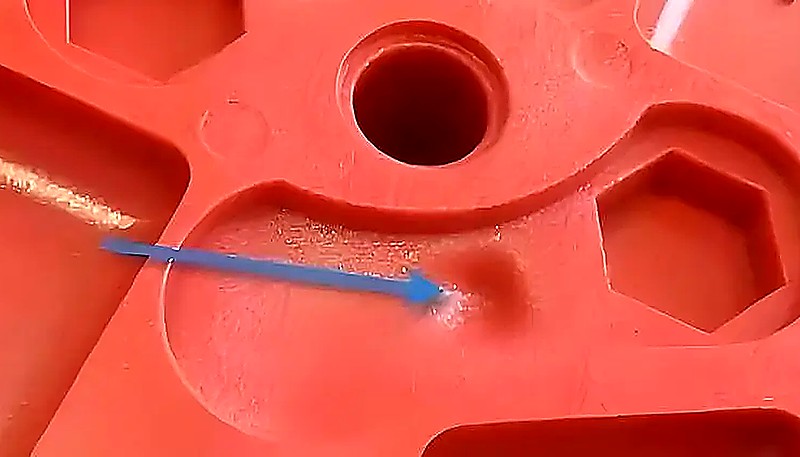
Las rebabas en el moldeo por inyección se refieren al exceso de material que se escapa de la cavidad del molde, creando salientes no deseados. Puede afectar a la calidad de la pieza y aumentar los costes.
Las rebabas se deben a factores como una presión de inyección elevada, moldes desgastados o un diseño inadecuado de los moldes. Las soluciones pasan por ajustar la presión, optimizar la refrigeración y mantener los moldes para garantizar la precisión y la calidad.
Definición
La rebaba es el plástico sobrante en la superficie de separación del molde o en el pasador eyector.
Causas del flash
fuerza de sujeción insuficiente, problemas con el molde, malas condiciones de moldeo, diseño incorrecto del sistema de escape .
Soluciones
Diseño del molde: diseñe el molde para que pueda cerrar herméticamente al sujetarlo. Compruebe el tamaño del puerto de escape y limpie la superficie del molde.
Máquina de moldeo por inyección: seleccione una máquina de moldeo por inyección con el tonelaje adecuado para el área proyectada de la pieza.
Proceso de moldeo: aumente el tiempo de inyección, reduzca la velocidad de inyección, reduzca la temperatura del cilindro y de la boquilla, y reduzca la presión de inyección y la presión de mantenimiento.
"Una presión de inyección elevada causa rebabas."True
Una presión excesiva empuja el plástico fundido más allá de la cavidad del molde, lo que provoca la formación de rebabas.
"La rebaba siempre significa que la presión de inyección es demasiado alta."False
La rebaba también puede resultar de una fuerza de cierre insuficiente, líneas de partición del molde desgastadas o una temperatura de fusión excesiva, no solo de una alta presión de inyección. Diagnosticar la verdadera causa raíz antes de ajustar los parámetros evita crear nuevos defectos.
Según nuestra experiencia en la fábrica de Shanghai, los problemas de rebaba en prensas de alta tonelaje (por encima de 1000T) casi siempre se remontan al desgaste del molde en lugar de a los ajustes del proceso. Nuestro equipo interno de fabricación de moldes puede volver a cortar líneas de partición y reemplazar insertos desgastados en menos de 24 horas, lo cual es crucial cuando se está ejecutando producción en más de 400 grados de material y no puede permitirse días de inactividad.
Además de las causas relacionadas con la presión, las rebabas también pueden deberse al desgaste del molde y a una fuerza de cierre insuficiente. Cuando las cavidades del molde se desgastan con el tiempo, aumenta la holgura entre las placas, lo que permite que el plástico fundido escape durante la inyección. El mantenimiento periódico del molde—incluido el pulido de las líneas de partición y la sustitución de los insertos desgastados—es esencial para evitar las rebabas. Además, garantizar que la máquina de moldeo por inyección proporcione suficiente fuerza de cierre para el tamaño del molde ayuda a mantenerlo firmemente cerrado durante la fase de inyección a alta presión.
"Los moldes desgastados pueden causar rebabas."True
Los moldes dañados o desgastados crean huecos por los que se escapa el material, lo que provoca rebabas. El mantenimiento regular es clave para evitar este problema.
"Las marcas de flujo solo aparecen en piezas transparentes."False
Las marcas de flujo pueden ocurrir en cualquier pieza de plástico, independientemente de su transparencia. Son causadas por una velocidad de flujo de fusión desigual, baja temperatura del molde o presión de inyección insuficiente durante el llenado de la cavidad.
¿Cuáles son las causas de las marcas de fluidez de los productos de moldeo por inyección y sus soluciones?
Las causas de las marcas de flujo en los productos moldeados por inyección y sus soluciones son las principales categorías u opciones explicadas en esta sección. Las marcas de flujo en el moldeo por inyección pueden perjudicar el acabado superficial de los productos y reducir su atractivo visual y funcionalidad. Identificar las causas y las soluciones es clave para mejorar la calidad del producto.
Las marcas de flujo se producen debido a un enfriamiento desigual, una velocidad de inyección inadecuada o una ventilación insuficiente. Las soluciones incluyen el ajuste de la temperatura del molde, la optimización de la velocidad de inyección y la mejora de la ventilación para garantizar un llenado y una refrigeración uniformes.
Definición
Las marcas de flujo son un defecto de moldeo que parece ondas en la superficie de la pieza. La causa es que el plástico fluye demasiado despacio en el molde, lo que hace que parezca que ha saltado como una rana.
Causas de las marcas de flujo
La temperatura del molde y del material son demasiado bajas, la velocidad y la presión de inyección son demasiado bajas, el tamaño del canal y de la compuerta son demasiado pequeños y, debido a la estructura del producto, la aceleración es demasiado grande durante el llenado y el flujo.
Soluciones
Diseño del molde: agrandar el pozo frío del canal, agrandar el canal y la compuerta, acortar el canal principal o utilizar en su lugar un canal caliente.
Condiciones de proceso: aumentar la velocidad de inyección, elevar la presión de inyección y de mantenimiento, prolongar el tiempo de mantenimiento y aumentar la temperatura del molde y del material.
"Las vetas plateadas se deben a la humedad de la resina."True
La humedad en la resina provoca burbujas de vapor durante el moldeo, que crean vetas plateadas en la superficie. Un secado adecuado antes del moldeado resuelve este problema.
"Las vetas plateadas solo afectan al aspecto, nunca a la integridad estructural."False
Si bien las vetas plateadas son principalmente cosméticas, la causa subyacente — contaminación por humedad o degradación térmica — puede debilitar la matriz polimérica y reducir el rendimiento mecánico en aplicaciones críticas.
¿Cuáles son las causas de las rayas plateadas de los productos de moldeo por inyección y sus soluciones?
Las causas de las vetas plateadas en los productos moldeados por inyección y sus soluciones son las principales categorías u opciones explicadas en esta sección. Las vetas plateadas en el moldeo por inyección se deben a problemas como la humedad, las fluctuaciones de temperatura o una manipulación inadecuada del material, y afectan a la estética y al rendimiento de los productos.
Las vetas plateadas suelen deberse a la humedad de la resina, a temperaturas de fusión irregulares o a la contaminación. Las soluciones pasan por un secado adecuado de los materiales, unas condiciones de procesado estables y el uso de resinas de alta calidad para garantizar productos más lisos.
Definición
Las vetas plateadas se producen cuando el agua, el aire o el material carbonizado se distribuyen por la superficie de la pieza en la dirección del flujo.
Causas de las rayas plateadas
El contenido de humedad en la materia prima es demasiado alto, el aire queda atrapado en la materia prima, degradación del polímero: el material está contaminado; la temperatura del barril es demasiado alta; el volumen de inyección es insuficiente.
Soluciones
Contenido: seque la materia prima antes del moldeo por inyección basándose en los datos proporcionados por su proveedor.
Diseño del molde: asegúrese de que haya suficientes respiraderos.
Proceso de moldeo: elija la máquina de moldeo por inyección y el molde adecuados, limpie por completo el material anterior del cilindro al cambiar de material, mejore el sistema de ventilación y reduzca la temperatura del fundido, la presión de inyección o la velocidad de inyección.
"Una refrigeración irregular causa abolladuras en las piezas moldeadas por inyección."True
Las velocidades de enfriamiento desiguales provocan tensiones y deformaciones, causando abolladuras visibles en los productos moldeados.
"Todos los problemas de abolladuras en el moldeo por inyección pueden solucionarse ajustando únicamente la configuración de refrigeración."False
Si bien los ajustes de enfriamiento ayudan, la formación de hundimientos también es impulsada por una presión de mantenimiento insuficiente, entradas de tamaño insuficiente y relaciones de espesor de pared que exceden los límites recomendados. Un enfoque combinado que aborde presión, tiempo y diseño es más efectivo.
¿Cuáles son las causas de las abolladuras de los productos de moldeo por inyección y sus soluciones?
Las abolladuras en los productos moldeados por inyección son problemas comunes causados por ajustes inadecuados, defectos del material o problemas de refrigeración. Solucionarlos garantiza la calidad del producto y reduce los residuos.
Las abolladuras en los productos moldeados por inyección suelen deberse a una refrigeración irregular, un flujo deficiente del material o un diseño incorrecto del molde. Las soluciones pasan por optimizar los índices de refrigeración, ajustar las presiones de inyección y garantizar un diseño adecuado del molde.
Definición
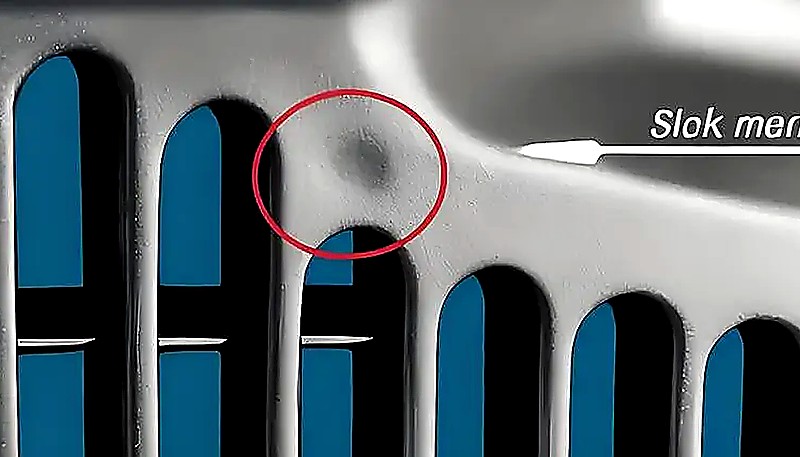
La abolladura se produce cuando la superficie de la pieza es cóncava en el espesor de la pared.
Causas de la formación de abolladuras
La presión de inyección o la presión de mantenimiento es demasiado baja, el tiempo de mantenimiento o el tiempo de enfriamiento es demasiado corto, la temperatura de la masa fundida o la temperatura del molde es demasiado alta y el diseño de la estructura de la pieza es inadecuado.
Soluciones
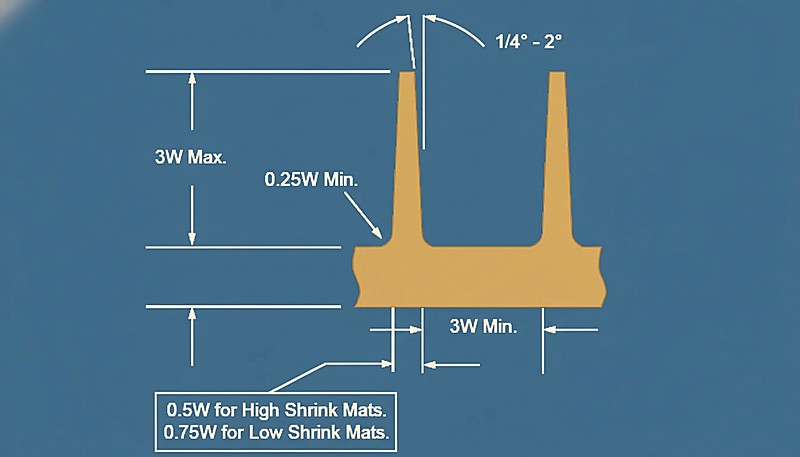
Estructura de diseño: corrugue la superficie que se abolla con facilidad, reduzca el tamaño de la pared gruesa de la pieza, minimice la relación entre espesor y diámetro, controle la relación entre espesores de paredes adyacentes en 1.5~2 e intente realizar una transición suave; rediseñe el espesor de los nervios de refuerzo, los orificios avellanados y los nervios de esquina. Por lo general, se recomienda que su espesor sea del 40-80% del espesor básico de pared.
Proceso de moldeo: aumente las presiones de inyección y mantenimiento, aumente la compuerta o cambie su posición.
"Las líneas de soldadura se deben a ajustes incorrectos del moldeo por inyección."True
Las marcas de soldadura pueden deberse a un mal ajuste de la temperatura, la velocidad o el diseño del molde, lo que provoca una unión ineficaz del flujo de plástico.
"Las líneas de soldadura pueden eliminarse por completo simplemente aumentando la velocidad de inyección."False
Aumentar solo la velocidad de inyección puede no resolver las marcas de soldadura si la causa raíz es la ubicación de la compuerta, una temperatura de fusión insuficiente o la falta de ventilación cerca de la línea de unión. Un enfoque holístico que cubra el diseño del molde, los parámetros del proceso y la selección del material produce mejores resultados.
¿Cuáles son las causas de las marcas de soldadura de los productos de moldeo por inyección y sus soluciones?
Las causas de las marcas de soldadura en productos moldeados por inyección y sus soluciones son las principales categorías explicadas en esta sección. Estas marcas aparecen cuando dos flujos de plástico se encuentran y no se unen correctamente, dejando cicatrices visibles en el producto final.
Las marcas de soldadura se deben a un diseño incorrecto del molde, a una velocidad de inyección inadecuada o a un control insuficiente de la temperatura. Las soluciones incluyen la optimización del diseño del molde, el ajuste de la velocidad de inyección y el control de la temperatura del molde para mejorar la consistencia del flujo.
Definición
La marca de soldadura se produce cuando dos corrientes de material se encuentran y se sueldan, y provoca un defecto en la superficie.
Causas de la marca de soldadura
Si hay agujeros, insertos o modo de moldeo por inyección de varias compuertas en la pieza, o si el grosor de la pared de la pieza es desigual, pueden producirse marcas de soldadura.
Material: Seleccione un grado de resina con un índice de fluidez más alto para garantizar que los dos frentes de flujo se unan de manera más efectiva cuando se encuentren.
Diseño del producto: Ajuste las transiciones de espesor de pared y minimice las esquinas afiladas cerca del área de la línea de soldadura. Un espesor de pared uniforme mantiene ambos frentes de flujo a temperaturas similares.
Diseño del molde: Reubica las entradas para mover la línea de unión a un área no crítica. Añade pozos de rebosadero cerca de la ubicación de la unión para expulsar el material frío de la zona de unión y asegura una ventilación adecuada.
Condiciones del proceso: Aumente la temperatura de fusión y del molde para mantener los frentes de flujo más calientes cuando se encuentren. Aumente la velocidad de inyección para reducir el tiempo entre la separación y reunión de los frentes de flujo, y ajuste la presión de mantenimiento para mejorar la fusión en la línea de unión.
Condiciones de proceso: caliente más el plástico y use menos material para evitar que se adhiera al molde. Las marcas de quemado aparecen cuando el aire no sale suficientemente rápido y el plástico se quema al final del flujo.
¿Cómo puedes reducir sistemáticamente los defectos en el moldeo por inyección?
Esta sección trata sobre reducir sistemáticamente los defectos del moldeo por inyección y su impacto en el costo, la calidad, el tiempo o el riesgo de abastecimiento. Los defectos del moldeo por inyección (tiros cortos, rebaba, marcas de flujo, vetas plateadas, abolladuras y líneas de soldadura) comparten una raíz común: la ventana del proceso se alejó del punto óptimo validado. Cuando se rastrea cada defecto hasta su causa, el patrón es notablemente consistente en todos los materiales y tamaños de máquina.
Según nuestra experiencia ejecutando más de 400 grados de material en 47 prensas en Shanghai, la palanca más importante es una validación disciplinada del primer artículo seguida de un monitoreo constante del proceso. La mayoría de los defectos que llegan a producción podrían haberse detectado durante el muestreo del molde, si se sabe qué buscar y se establecen correctamente las ventanas de proceso desde el primer día.
Ya sea que esté solucionando problemas en un molde existente o calificando una nueva herramienta, la lista de verificación es la misma: verifique el secado del material, confirme las dimensiones de la compuerta y del canal, valide la presión de empaque y el tiempo de mantenimiento, e inspeccione los primeros 50 disparos antes de dar el visto bueno. Nuestro equipo de ingeniería sigue este protocolo en cada proyecto, y mantiene nuestra tasa de desperdicio muy por debajo del promedio de la industria.
¿Necesita ayuda experta con su proyecto de moldeo por inyección? Cargue sus archivos de diseño y reciba comentarios DFM, recomendaciones de proceso y un presupuesto competitivo de nuestro equipo.
Preguntas frecuentes
¿Cuál es el defecto más común en el moldeo por inyección?
Los llenados incompletos son ampliamente considerados el defecto más común del moldeo por inyección, ocurriendo cuando la cavidad del molde no se llena completamente durante la fase de inyección. Típicamente resultan de una presión de inyección insuficiente, baja temperatura de fusión o ventilación inadecuada en la cavidad. En entornos de producción, los llenados incompletos a menudo aparecen cuando la viscosidad del material cambia debido a un secado inconsistente o cuando el tamaño de la entrada es demasiado restrictivo para la geometría de la pieza. Abordar la causa raíz — en lugar de simplemente aumentar la presión — previene la recurrencia y mantiene el tiempo de ciclo sin introducir defectos secundarios como rebabas o marcas de quemado.
¿Cómo se previene la rebaba en el moldeo por inyección?
La prevención de rebabas comienza asegurando una fuerza de cierre adecuada para el área proyectada de la pieza. Si la tonelaje de la máquina es suficiente, revisa el estado de la línea de partición del molde — las superficies desgastadas o dañadas permiten que el plástico fundido escape durante la fase de inyección de alta presión. Reduce la velocidad y presión de inyección en el punto de transición, baja ligeramente la temperatura de fusión y verifica que la profundidad de ventilación esté dentro de las especificaciones. Para piezas de alta precisión, el pulido regular del molde y el reemplazo oportuno de los insertos mantienen las rebabas bajo control sin sacrificar la calidad de llenado ni el tiempo de ciclo.
¿Se pueden corregir los defectos del moldeo por inyección sin cambiar el molde?
Muchos defectos — incluidos llenados incompletos, vetas plateadas, marcas de flujo y marcas de hundimiento — pueden resolverse mediante ajustes de proceso sin ninguna modificación del molde. Aumentar la temperatura de fusión, ajustar la velocidad de inyección, extender la presión y tiempo de mantenimiento, o mejorar el secado del material son correcciones comunes de primera línea. Sin embargo, los defectos causados por errores fundamentales en la ubicación de las entradas, canales de ventilación insuficientes o relaciones de espesor de pared inferiores a 1.5:1 a menudo requieren retrabajo del molde. Un enfoque sistemático basado en DOE ayuda a identificar qué cambios de parámetros tendrán el mayor impacto antes de comprometerse con modificaciones costosas del herramental.
¿Por qué aparecen vetas plateadas en las piezas moldeadas por inyección?
Las vetas plateadas aparecen cuando la humedad, el aire atrapado o el polímero degradado viajan a lo largo del frente de flujo y se depositan en la superficie de la pieza como líneas plateado-blancas visibles. La causa más común es un secado insuficiente del material — las resinas higroscópicas como ABS, nailon y policarbonato requieren de 2 a 4 horas de secado deshumidificante a temperaturas específicas del material antes del procesamiento. Otros contribuyentes incluyen una temperatura excesiva del cilindro que causa degradación térmica y una ventilación inadecuada en la cavidad del molde. Los protocolos de secado consistentes y el monitoreo de la temperatura del cilindro eliminan la gran mayoría de los problemas de vetas plateadas en la producción.
¿Cómo puede ZetarMold ayudar con el análisis de defectos en el moldeo por inyección?
ZetarMold proporciona un análisis integral de defectos como parte de cada proyecto de moldeo. Con 47 prensas desde 90T hasta 1850T y más de 20 años de experiencia en resolución de problemas en más de 400 grados de materiales, nuestro equipo de ingeniería identifica las causas raíz durante el muestreo de primera pieza y establece ventanas de proceso validadas antes de que comience la producción. Compartimos datos de proceso, informes de inspección y detalles de acciones correctivas de manera transparente para que entiendas exactamente qué está sucediendo y por qué. Sube tus archivos de diseño en 3D para recibir comentarios de DFM, una recomendación de proceso y un presupuesto competitivo adaptado a la geometría específica de tu pieza y a los requisitos del material.
calidad: disciplina productiva que integra DFM, validación del molde, ventanas de proceso, planes de inspección y acciones correctivas para obtener resultados repetibles. ↩
alabeo: deformación de una pieza inyectada causada por una contracción desigual debida a diferentes velocidades de enfriamiento, orientación de fibras o dirección del flujo. ↩
moldeo por inyección: proceso productivo repetible que funde resina plástica, la inyecta en una cavidad, enfría la pieza solidificada y la expulsa para iniciar el siguiente ciclo. ↩