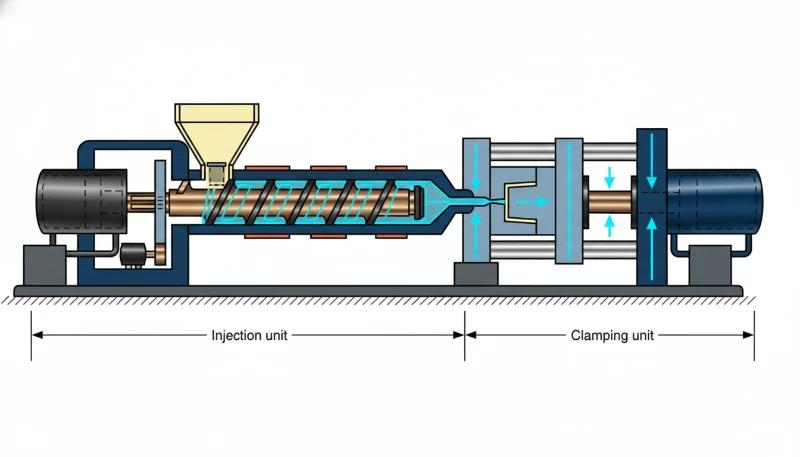
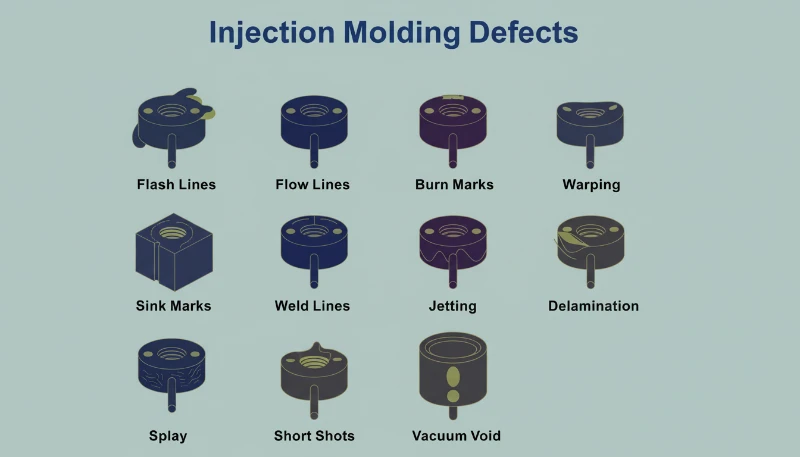
I difetti dello stampaggio a iniezione sono problemi comuni del processo produttivo che incidono sulla qualità1 del prodotto e sull’efficienza produttiva. Comprenderne cause e soluzioni è essenziale per migliorare i risultati.
Per un contesto più ampio, confronta questo argomento con la progettazione degli stampi a iniezione e la guida alla ricerca dei fornitori.
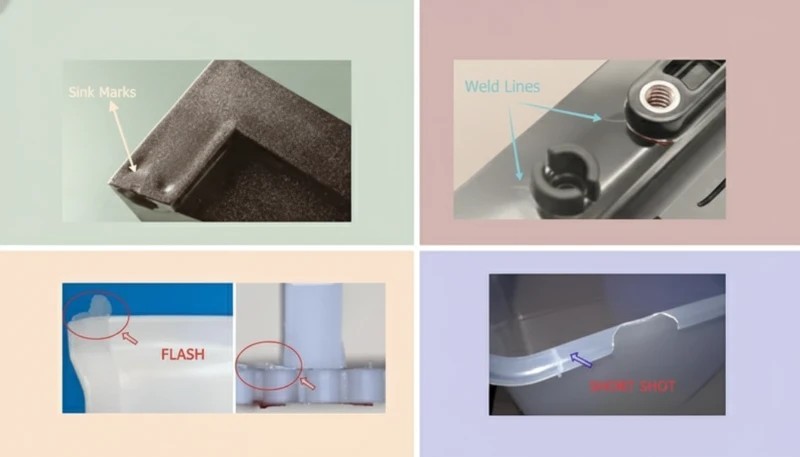
Tra i difetti comuni dello stampaggio a iniezione figurano deformazioni2, risucchi, riempimenti incompleti e sacche d’aria. Le soluzioni spaziano dalla regolazione di temperatura, pressione o materiale all’ottimizzazione della progettazione dello stampo e dei parametri di processo.
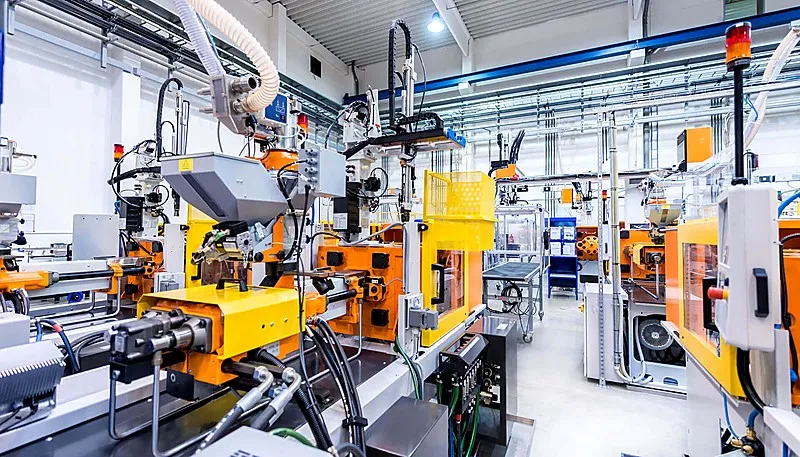
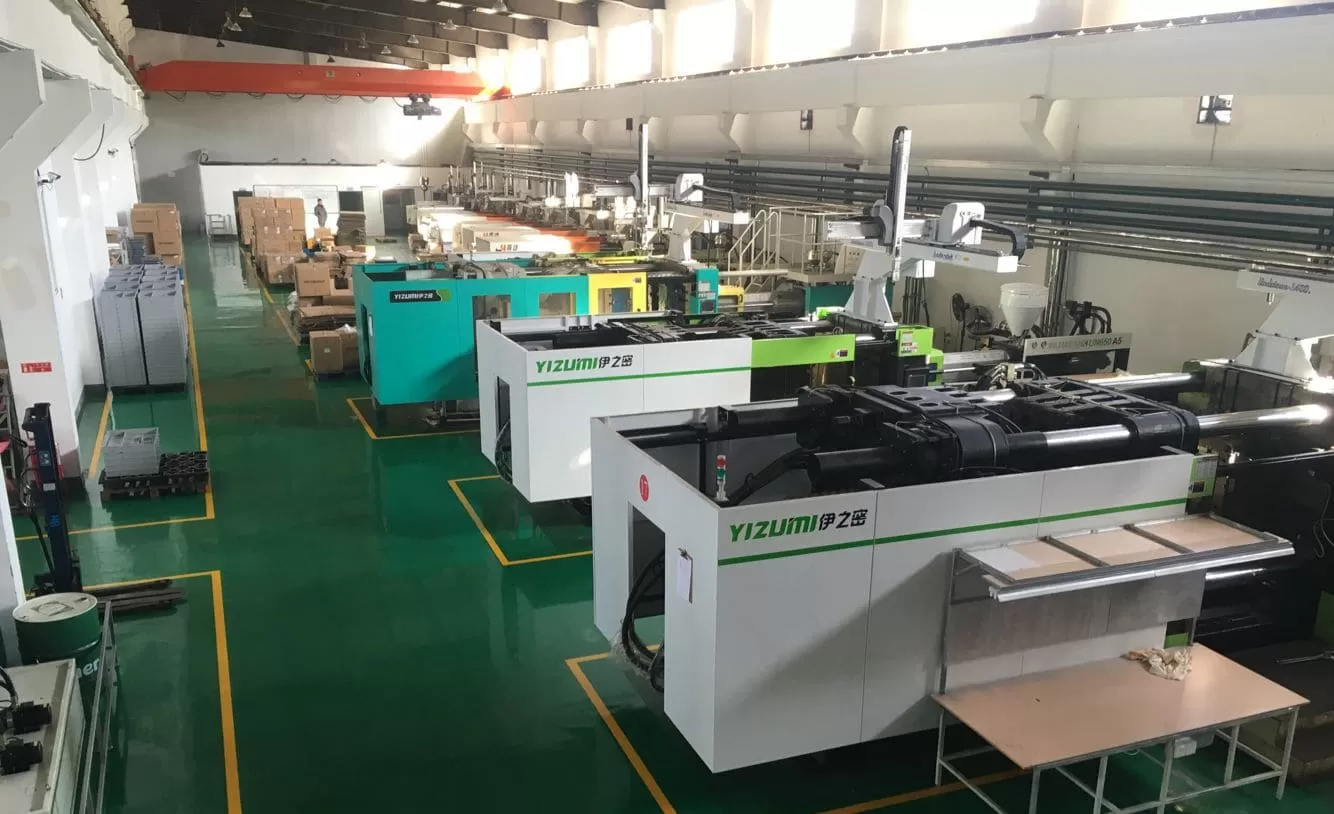
Nel nostro stabilimento di Shanghai utilizziamo 47 presse a iniezione da 90T a 1850T. Con oltre 20 anni di esperienza diretta nella risoluzione dei difetti di stampaggio a iniezione, abbiamo riscontrato ogni tipo di riempimento incompleto, bava, linea di flusso e linea di giunzione e sappiamo esattamente quali regolazioni di processo risolvono ciascun problema.
La comprensione delle cause di questi difetti e l’applicazione delle soluzioni corrette possono migliorare significativamente il vostro processo di produzione. Approfondite le strategie efficaci per la prevenzione e la risoluzione dei difetti.
"La deformazione è un difetto comune dello stampaggio a iniezione."True
La deformazione si verifica quando un raffreddamento non uniforme causa una distorsione della forma del pezzo. Questo problema può essere risolto controllando la temperatura dello stampo e la velocità di raffreddamento.
"I difetti nello stampaggio a iniezione sono sempre dovuti a una progettazione inadeguata dello stampo."False
Se la progettazione dello stampo può contribuire alla formazione dei difetti, anche fattori come la scelta del materiale, la temperatura e la pressione giocano un ruolo significativo nella formazione dei difetti.
Che cos’è lo stampaggio a iniezione di plastica?
Lo stampaggio a iniezione di plastica è un processo di produzione utilizzato per realizzare un’ampia gamma di prodotti, dagli articoli di uso quotidiano ai componenti più complessi. Offre velocità, precisione ed economicità.
- I difetti dello stampaggio a iniezione possono incidere notevolmente sulla qualità del prodotto, sull'efficienza produttiva e sui costi.
- I difetti comuni includono riempimenti incompleti, bava, ammaccature, imbarcamento, segni di flusso, striature argentate e linee di saldatura.
- La maggior parte dei difetti deriva da quattro cause principali: preparazione inadeguata del materiale, difetti di progettazione dello stampo, impostazione errata dei parametri macchina o progettazione inadeguata del prodotto.
- Un'analisi sistematica dei difetti, combinata con un adeguato controllo del processo, può ridurre i tassi di scarto del 60–80%.
Lo stampaggio a iniezione di plastica è un processo in cui la plastica fusa viene iniettata negli stampi per formare i pezzi. È utilizzato in settori come l’industria automobilistica, l’elettronica e i beni di consumo e offre elevata efficienza, precisione e flessibilità.
Il processo di stampaggio a iniezione3 consiste nel realizzare semilavorati di una determinata forma a partire da materie prime fuse, mediante operazioni quali pressurizzazione, iniezione, raffreddamento e separazione.
"Lo stampaggio a iniezione della plastica consente la produzione di pezzi in grandi volumi."True
Il processo è altamente efficiente e quindi ideale per la produzione su larga scala con una qualità costante.
"Lo stampaggio a iniezione della plastica è adatto solo a prodotti semplici."False
Lo stampaggio a iniezione può produrre pezzi semplici e complessi, anche con design intricati, rendendolo versatile per diversi settori.
Quali sono le cause degli scatti brevi dei prodotti di stampaggio a iniezione e le loro soluzioni?
Le cause delle iniezioni incomplete nei prodotti stampati a iniezione e le relative soluzioni costituiscono le principali categorie o opzioni illustrate in questa sezione. Un’iniezione incompleta si verifica quando la plastica fusa non riempie completamente lo stampo, producendo pezzi incompleti. Individuare le cause e le soluzioni è essenziale per garantire la qualità del prodotto e l’efficienza produttiva.
Le riprese brevi nello stampaggio a iniezione sono causate da fattori quali una pressione di iniezione insufficiente, una bassa temperatura dello stampo o un flusso di materiale inadeguato. Le soluzioni comprendono la regolazione dei parametri di lavorazione, il miglioramento della progettazione dello stampo e l’utilizzo del materiale giusto.
Definizione
Il colpo corto si verifica quando la cavità dello stampo non viene riempita completamente.
Cause del tiro corto
La temperatura dello stampo, la temperatura del materiale oppure la pressione e la velocità di iniezione sono troppo basse. La plastificazione della materia prima non è uniforme, lo sfiato è insufficiente, la fluidità della materia prima è inadeguata, il pezzo è troppo sottile o il punto di iniezione è troppo piccolo e il polimero fuso solidifica prematuramente a causa di una progettazione strutturale irrazionale.
Soluzioni
Materiale: scegliere un materiale con migliore scorrevolezza, come toolox44.
Progettazione dello stampo: riempire le pareti spesse prima di quelle sottili per evitare il mantenimento, aumentare il numero dei punti di iniezione e le dimensioni dei canali, ridurre la resistenza del processo e del flusso e impostare correttamente posizione e dimensioni dello sfiato per evitare un’evacuazione insufficiente.
Pressa a iniezione: verificare se la valvola di non ritorno e la parete interna del cilindro sono fortemente usurate e controllare se nella bocca di alimentazione sono presenti materiale o ponti.
Condizioni di processo: aumentare la pressione e la velocità di iniezione, incrementare il calore di taglio e il volume di iniezione, aumentare la temperatura del cilindro e dello stampo.
"Aumentare la pressione d’iniezione può ridurre le stampate incomplete."True
Una pressione di iniezione più elevata contribuisce a garantire il riempimento completo dello stampo, riducendo la probabilità di colpi corti.
"I riempimenti incompleti sono causati esclusivamente da malfunzionamenti delle apparecchiature."False
Se i malfunzionamenti dell'apparecchiatura possono causare scatti brevi, anche altri fattori come la progettazione dello stampo, la viscosità del materiale e i parametri di lavorazione giocano un ruolo importante.
Quali sono le cause dell’infiammabilità dei prodotti di stampaggio a iniezione e le relative soluzioni?
Il flash nello stampaggio a iniezione si riferisce al materiale in eccesso che fuoriesce dalla cavità dello stampo, creando sporgenze indesiderate. Può influire sulla qualità dei pezzi e aumentare i costi.
L’infiammabilità è causata da fattori quali l’elevata pressione di iniezione, l’usura degli stampi o una progettazione errata degli stessi. Le soluzioni comprendono la regolazione della pressione, l’ottimizzazione del raffreddamento e la manutenzione degli stampi per garantire precisione e qualità.
Definizione
Il flash è la plastica in eccesso sulla superficie di separazione dello stampo o sul perno di espulsione.
Cause del flash
Forza di serraggio insufficiente, problemi di stampo, condizioni di stampaggio inadeguate, progettazione errata del sistema di scarico.
Soluzioni
Progettazione dello stampo: progettare lo stampo affinché si chiuda saldamente sotto serraggio. Verificare le dimensioni dello sfiato e pulire la superficie dello stampo.
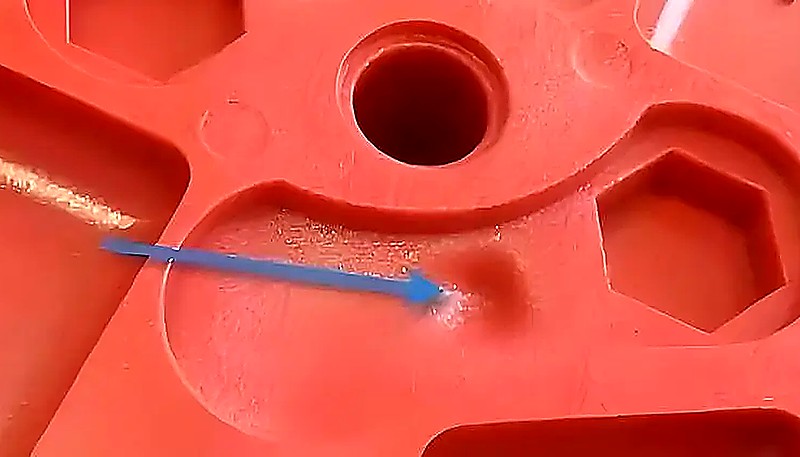
Pressa a iniezione: selezionate una pressa con un tonnellaggio adeguato all’area proiettata del componente.
Processo di stampaggio: aumentare il tempo di iniezione, ridurre la velocità di iniezione, ridurre la temperatura del cilindroe dell’ugello, ridurre la pressione di iniezione e quella di mantenimento.
"L'elevata pressione di iniezione provoca bava."True
L'eccessiva pressione spinge la plastica fusa oltre la cavità dello stampo, provocando la formazione di bolle.
"La bava indica sempre che la pressione di iniezione è troppo alta."False
Le bave possono derivare anche da una forza di chiusura insufficiente, da linee di divisione dello stampo usurate o da una temperatura eccessiva del fuso, non soltanto da un'elevata pressione di iniezione. Diagnosticare la vera causa primaria prima di modificare i parametri evita di creare nuovi difetti.
Nella nostra esperienza presso la fabbrica di Shanghai, i problemi di bava sulle presse ad alto tonnellaggio (oltre 1000T) sono quasi sempre riconducibili all'usura dello stampo anziché ai parametri di processo. Il nostro reparto interno di costruzione stampi può rilavorare le linee di divisione e sostituire gli inserti usurati entro 24 ore, un aspetto critico quando si produce con oltre 400 gradi di materiale e non ci si può permettere giorni di fermo.
Oltre alle cause legate alla pressione, la bava può derivare da usura dello stampo e forza di chiusura insufficiente. L’usura aumenta il gioco tra le piastre e consente la fuoriuscita del fuso. La manutenzione regolare, inclusa la lucidatura delle linee di divisione e la sostituzione degli inserti usurati, è essenziale. La pressa deve inoltre fornire forza di chiusura sufficiente per mantenere lo stampo chiuso durante l’iniezione ad alta pressione.
"Gli stampi usurati possono causare bave."True
Stampi danneggiati o usurati creano spazi vuoti, permettendo al materiale di fuoriuscire, con conseguente formazione di bolle. Una manutenzione regolare è fondamentale per evitare questo problema.
"I segni di flusso compaiono soltanto sui pezzi trasparenti."False
I segni di flusso possono comparire su qualsiasi componente plastico, indipendentemente dalla trasparenza. Sono causati da una velocità non uniforme del flusso di materiale fuso, da una bassa temperatura dello stampo o da una pressione di iniezione insufficiente durante il riempimento della cavità.
Quali sono le cause dei segni di scorrimento dei prodotti per lo stampaggio a iniezione e le relative soluzioni?
Le cause dei segni di flusso nei prodotti stampati a iniezione e le relative soluzioni sono le principali categorie illustrate in questa sezione. I segni di flusso possono compromettere la finitura superficiale dei prodotti, riducendone l’estetica e la funzionalità. Individuare cause e soluzioni è essenziale per migliorare la qualità del prodotto.
Le macchie di flusso si verificano a causa di un raffreddamento non uniforme, di velocità di iniezione inadeguate o di uno sfiato inadeguato. Le soluzioni comprendono la regolazione della temperatura dello stampo, l’ottimizzazione della velocità di iniezione e il miglioramento dello sfiato per garantire un riempimento e un raffreddamento uniformi.
Definizione
I segni di flusso sono un difetto di stampaggio che assomiglia a onde sulla superficie del pezzo. Sono causati dal flusso troppo lento della plastica nello stampo, che fa sembrare la plastica come se saltasse come una rana.
Cause dei segni di flusso
La temperatura dello stampo e del materiale è troppo bassa, la velocità e la pressione di iniezione sono troppo basse, le dimensioni del canale e della porta sono troppo piccole e, a causa della struttura del prodotto, l’accelerazione è troppo grande durante il riempimento e il flusso.
Soluzioni
Progettazione dello stampo: aumentare la sezione del pozzetto freddo, del canale di alimentazione e del punto d’iniezione; accorciare il canale principale oppure utilizzare un canale caldo.
Condizioni di processo: aumentare la velocità di iniezione, la pressione di iniezione e quella di mantenimento, prolungare il tempo di mantenimento e aumentare la temperatura dello stampo e del materiale.
"Le striature argentate sono causate dall'umidità nella resina."True
L'umidità nella resina provoca bolle di vapore durante lo stampaggio, che creano striature argentate sulla superficie. Una corretta asciugatura prima dello stampaggio risolve questo problema.
"Le striature argentate incidono soltanto sull’aspetto, mai sull’integrità strutturale."False
Sebbene le striature argentate siano principalmente un difetto estetico, la causa sottostante — contaminazione da umidità o degradazione termica — può indebolire la matrice polimerica e ridurre le prestazioni meccaniche nelle applicazioni critiche.
Quali sono le cause delle striature argentate dei prodotti per lo stampaggio a iniezione e le relative soluzioni?
Le cause delle striature argentate sui prodotti stampati a iniezione e le relative soluzioni sono le principali categorie o opzioni descritte in questa sezione. Le striature sono causate da umidità, variazioni di temperatura o gestione impropria del materiale e compromettono estetica e prestazioni.
Le striature argentate sono spesso causate dall’umidità nella resina, da temperature di fusione incoerenti o dalla contaminazione. Le soluzioni comprendono una corretta essiccazione dei materiali, condizioni di lavorazione stabili e l’utilizzo di resine di alta qualità per garantire prodotti più uniformi.
Definizione
Le striature argentate si formano quando l’acqua, l’aria o il materiale carbonizzato si distribuiscono sulla superficie del pezzo nella direzione del flusso.
Cause delle striature d’argento
Il contenuto di umidità nella materia prima è troppo elevato, l’aria è intrappolata nella materia prima, la degradazione del polimero: il materiale è contaminato; la temperatura della botte è troppo elevata; il volume di iniezione è insufficiente.
Soluzioni
Contenuto: essiccare la materia prima in base ai dati forniti dal relativo fornitore prima dello stampaggio a iniezione.
Progettazione dello stampo: assicurarsi che vi siano sfiati sufficienti.
Processo di stampaggio: scegliere la pressa a iniezione e lo stampo corretti, eliminare completamente il vecchio materiale dal cilindro quando si cambia materiale, migliorare il sistema di sfiato e ridurre la temperatura del fuso, la pressione di iniezione o la velocità di iniezione.
"Un raffreddamento non uniforme causa ammaccature nei pezzi stampati a iniezione."True
Velocità di raffreddamento non uniformi portano a tensioni e deformazioni, causando ammaccature visibili nei prodotti stampati.
"Tutti i risucchi possono essere risolti regolando soltanto il raffreddamento."False
Anche se le regolazioni del raffreddamento aiutano, la formazione di ammaccature dipende anche da pressione di mantenimento insufficiente, punti d'iniezione sottodimensionati e rapporti di spessore oltre i limiti raccomandati. Un approccio combinato su pressione, tempo e progettazione è più efficace.
Quali sono le cause delle ammaccature dei prodotti di stampaggio a iniezione e le loro soluzioni?
Le ammaccature nei prodotti stampati a iniezione sono problemi comuni causati da impostazioni errate, difetti del materiale o problemi di raffreddamento. Risolverli garantisce la qualità del prodotto e riduce gli scarti.
Le ammaccature nei prodotti stampati a iniezione sono spesso dovute a un raffreddamento non uniforme, a un flusso di materiale insufficiente o a una progettazione errata dello stampo. Le soluzioni comprendono l’ottimizzazione dei tassi di raffreddamento, la regolazione delle pressioni di iniezione e la garanzia di una corretta progettazione dello stampo.
Definizione
L’ammaccatura si ha quando la superficie del pezzo è concava in corrispondenza dello spessore della parete.
Cause della formazione di un’ammaccatura
La pressione di iniezione o di mantenimento è troppo bassa, il tempo di mantenimento o di raffreddamento è troppo breve, la temperatura del materiale fuso o dello stampo è troppo alta e la struttura del pezzo non è corretta.
Soluzioni
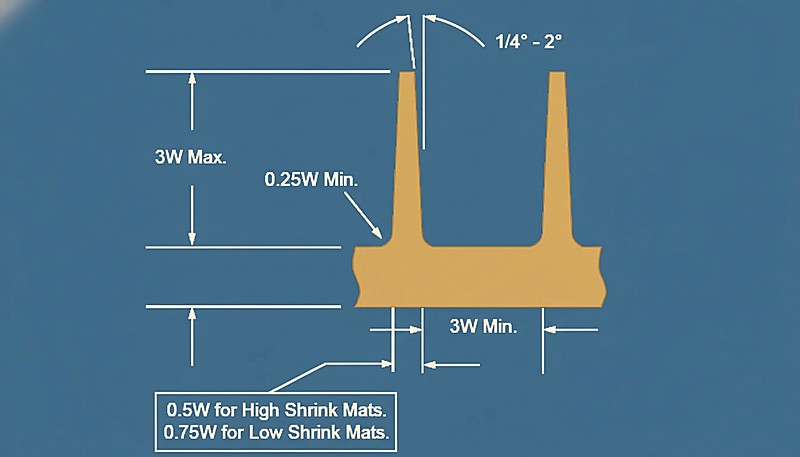
Struttura progettuale: corrugare la superficie soggetta ad ammaccature, ridurre lo spessore delle pareti massicce del pezzo, minimizzare il rapporto spessore-diametro, mantenere il rapporto tra gli spessori delle pareti adiacenti entro 1.5~2 e realizzare transizioni graduali. Ridimensionare lo spessore delle nervature di rinforzo, dei fori svasati e delle nervature d’angolo; in genere si raccomanda uno spessore pari al 40-80% della parete di base.
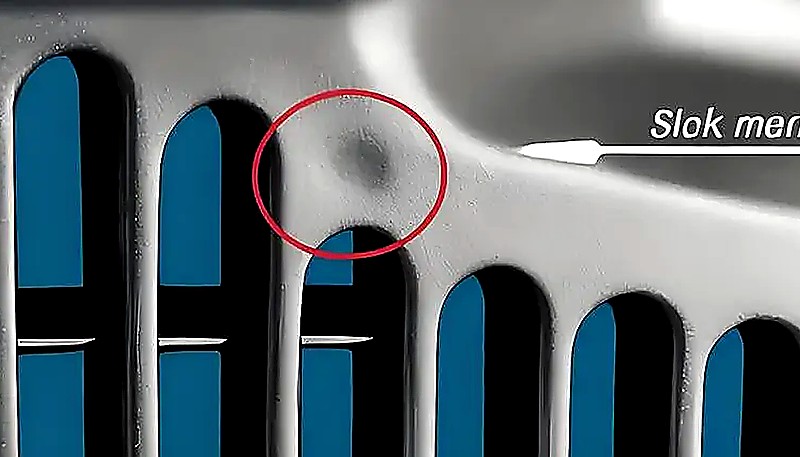
Processo di stampaggio: aumentare la pressione di iniezione e quella di mantenimento, aumentare le dimensioni del punto di iniezione o modificarne la posizione.
"Le linee di giunzione sono causate da impostazioni errate dello stampaggio a iniezione."True
I segni di saldatura possono derivare da una cattiva regolazione della temperatura, della velocità o della progettazione dello stampo, con conseguente incollaggio inefficace del flusso di plastica.
"Le linee di giunzione possono essere eliminate completamente aumentando semplicemente la velocità di iniezione."False
Aumentare solo la velocità può non eliminare le linee di saldatura se la causa è il punto di iniezione, la temperatura del fuso o lo sfiato. Un approccio complessivo a stampo, processo e materiale dà risultati migliori.
Quali sono le cause dei segni di saldatura dei prodotti di stampaggio a iniezione e le loro soluzioni?
Le cause delle linee di giunzione nei prodotti stampati a iniezione e le relative soluzioni sono le principali categorie illustrate in questa sezione. Le linee di giunzione si formano quando due fronti di plastica si incontrano senza saldarsi correttamente, lasciando segni visibili sul prodotto finito.
I segni di saldatura sono causati da una progettazione errata dello stampo, da una velocità di iniezione inadeguata o da un controllo insufficiente della temperatura. Le soluzioni comprendono l’ottimizzazione della progettazione dello stampo, la regolazione della velocità di iniezione e il controllo della temperatura dello stampo per ottenere una maggiore uniformità di flusso.
Definizione
Il segno di saldatura si verifica quando due flussi di materiale si incontrano e si saldano, causando un difetto sulla superficie.
Cause del segno di saldatura
Se nella parte sono presenti fori, inserti o modalità di stampaggio a iniezione multi-gate, o se lo spessore della parete della parte è irregolare, possono verificarsi segni di saldatura.
Materiale: selezionate una classe di resina con un indice di fluidità più elevato per assicurare che i due fronti di flusso si saldino più efficacemente quando si incontrano.
Progettazione del prodotto: regolate le transizioni dello spessore delle pareti e riducete al minimo gli spigoli vivi in prossimità della linea di saldatura. Uno spessore uniforme mantiene entrambi i fronti di flusso a temperature simili.
Progettazione dello stampo: riposizionare i punti di iniezione per spostare la linea di giunzione in una zona non critica. Aggiungere pozzetti di traboccamento vicino alla giunzione per espellere il materiale freddo dalla zona di unione e garantire uno sfiato adeguato.
Condizioni di processo: aumentate la temperatura del fuso e dello stampo per mantenere più caldi i fronti di flusso quando si incontrano. Aumentate la velocità di iniezione per ridurre il tempo tra la separazione e il ricongiungimento dei fronti di flusso e regolate la pressione di mantenimento per migliorare la fusione in corrispondenza della linea di giunzione.
Condizioni di processo: aumentare la temperatura della plastica e usare meno materiale per evitare che aderisca allo stampo. Le bruciature si formano quando l’aria nello stampo non sfoga abbastanza rapidamente e la plastica brucia a fine flusso.
Come ridurre sistematicamente i difetti dello stampaggio a iniezione?
Questa sezione tratta la riduzione sistematica dei difetti di stampaggio a iniezione e il relativo impatto su costi, qualità, tempi e rischi di approvvigionamento. I difetti dello stampaggio a iniezione, quali riempimenti incompleti, bave, segni di flusso, striature argentate, ammaccature e linee di saldatura, hanno una causa comune: la finestra di processo si è allontanata dall’intervallo ottimale validato. Risalendo dalla singola anomalia alla causa, lo schema risulta notevolmente coerente tra materiali e dimensioni delle macchine.
Dalla nostra esperienza con oltre 400 gradi di materiale su 47 presse a Shanghai, la leva principale è una rigorosa convalida del primo articolo seguita da un monitoraggio costante del processo. La maggior parte dei difetti che arriva in produzione avrebbe potuto essere rilevata durante il campionamento dello stampo, sapendo cosa cercare e impostando correttamente le finestre di processo fin dal primo giorno.
Per diagnosticare uno stampo esistente o qualificare un’attrezzatura nuova, la checklist è la stessa: verificare essiccazione del materiale, dimensioni di punti d’iniezione e canali, pressione e tempo di mantenimento, e controllare le prime 50 stampate prima dell’approvazione. Il nostro team applica questo protocollo a ogni progetto, mantenendo gli scarti ben sotto la media di settore.
Ti serve l’aiuto di un esperto per il tuo progetto di stampaggio a iniezione? Carica i file di progettazione e ricevi dal nostro team indicazioni DFM, raccomandazioni sul processo e un preventivo competitivo.
Domande frequenti
Qual è il difetto più comune nello stampaggio a iniezione?
Gli stampaggi incompleti sono ampiamente considerati il difetto più comune dello stampaggio a iniezione e si verificano quando la cavità dello stampo non si riempie completamente durante la fase di iniezione. Derivano tipicamente da pressione di iniezione insufficiente, bassa temperatura del fuso o sfiato inadeguato della cavità. Negli ambienti produttivi, gli stampaggi incompleti compaiono spesso quando la viscosità del materiale cambia a causa di un’essiccazione non uniforme o quando il punto di iniezione è troppo restrittivo per la geometria del pezzo. Affrontare la causa principale, anziché limitarsi ad aumentare la pressione, previene il ripetersi del problema e mantiene il tempo di ciclo senza introdurre difetti secondari come bava o bruciature.
Come prevenire la bava nello stampaggio a iniezione?
La prevenzione della bava inizia assicurando una forza di chiusura adeguata all’area proiettata del componente. Se il tonnellaggio della macchina è sufficiente, controllare lo stato della linea di divisione dello stampo: superfici usurate o danneggiate consentono alla plastica fusa di fuoriuscire durante la fase di iniezione ad alta pressione. Ridurre velocità e pressione di iniezione nel punto di commutazione, abbassare leggermente la temperatura del fuso e verificare che la profondità degli sfiati rientri nelle specifiche. Per i componenti di alta precisione, la lucidatura regolare dello stampo e la sostituzione tempestiva degli inserti mantengono la bava sotto controllo senza compromettere la qualità di riempimento o il tempo ciclo.
È possibile correggere i difetti di stampaggio a iniezione senza modificare lo stampo?
Molti difetti — riempimenti incompleti, striature argentate, segni di flusso e risucchi — si risolvono regolando il processo senza modificare lo stampo. Aumentare la temperatura del fuso, regolare la velocità di iniezione, prolungare pressione e tempo di mantenimento o migliorare l’essiccazione sono interventi iniziali comuni. Errori fondamentali nel posizionamento del punto di iniezione, sfiati insufficienti o rapporti di spessore inferiori a 1.5:1 richiedono spesso una rilavorazione. Un approccio DOE sistematico identifica i parametri più influenti prima di costose modifiche.
Perché compaiono striature argentate sui pezzi stampati a iniezione?
Le striature argentate compaiono quando umidità, aria intrappolata o polimero degradato avanzano lungo il fronte di flusso e si depositano sulla superficie come linee bianco-argento visibili. La causa più comune è un’essiccazione insufficiente: resine igroscopiche come ABS, nylon e policarbonato richiedono da 2 a 4 ore di essiccazione deumidificata a temperature specifiche prima della lavorazione. Altre cause includono una temperatura eccessiva del cilindro, che provoca degradazione termica, e uno sfiato insufficiente della cavità. Protocolli di essiccazione costanti e monitoraggio della temperatura del cilindro eliminano la maggior parte dei problemi di striature argentate in produzione.
Come può ZetarMold aiutare nell’analisi dei difetti di stampaggio a iniezione?
ZetarMold fornisce un’analisi completa dei difetti nell’ambito di ogni progetto di stampaggio. Grazie a 47 presse da 90T a 1850T e a 20+ anni di esperienza nella risoluzione dei problemi su 400+ gradi di materiale, il nostro team di ingegneri individua le cause principali durante il campionamento del primo articolo e definisce finestre di processo convalidate prima dell’avvio della produzione. Condividiamo in modo trasparente dati di processo, rapporti di ispezione e dettagli delle azioni correttive, affinché il cliente sappia esattamente cosa accade e perché. Carica i file del progetto 3D per ricevere un riscontro DFM, una raccomandazione di processo e un preventivo competitivo su misura per la geometria specifica del pezzo e i requisiti del materiale.
qualità: la qualità è una disciplina produttiva che integra DFM, convalida dello stampo, finestre di processo, piani di ispezione e azioni correttive per ottenere risultati ripetibili. ↩
deformazione: la deformazione è l'alterazione della forma di un pezzo stampato a iniezione, causata da un ritiro non uniforme dovuto a differenti velocità di raffreddamento, all'orientamento delle fibre o alla direzione del flusso del materiale. ↩
stampaggio a iniezione: lo stampaggio a iniezione è il processo produttivo che fonde la plastica, la inietta nella cavità di uno stampo, raffredda il pezzo e ripete il ciclo per una produzione in serie stabile. ↩