Wady formowania wtryskowego to częste problemy produkcyjne wpływające na jakość1 wyrobu i wydajność. Zrozumienie ich przyczyn i sposobów usuwania jest niezbędne do poprawy wyników.
Dla szerszego kontekstu porównaj ten temat z projektowaniem form wtryskowych oraz poradnikiem wyboru dostawcy.
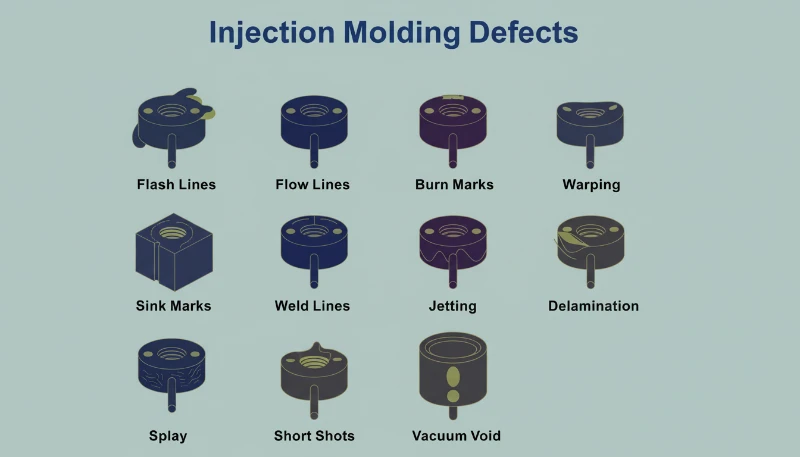
Typowe wady formowania wtryskowego obejmują odkształcenia2, zapadnięcia, niedolewy i pułapki powietrzne. Rozwiązania obejmują zmianę temperatury, ciśnienia lub materiału oraz optymalizację konstrukcji formy i parametrów procesu.
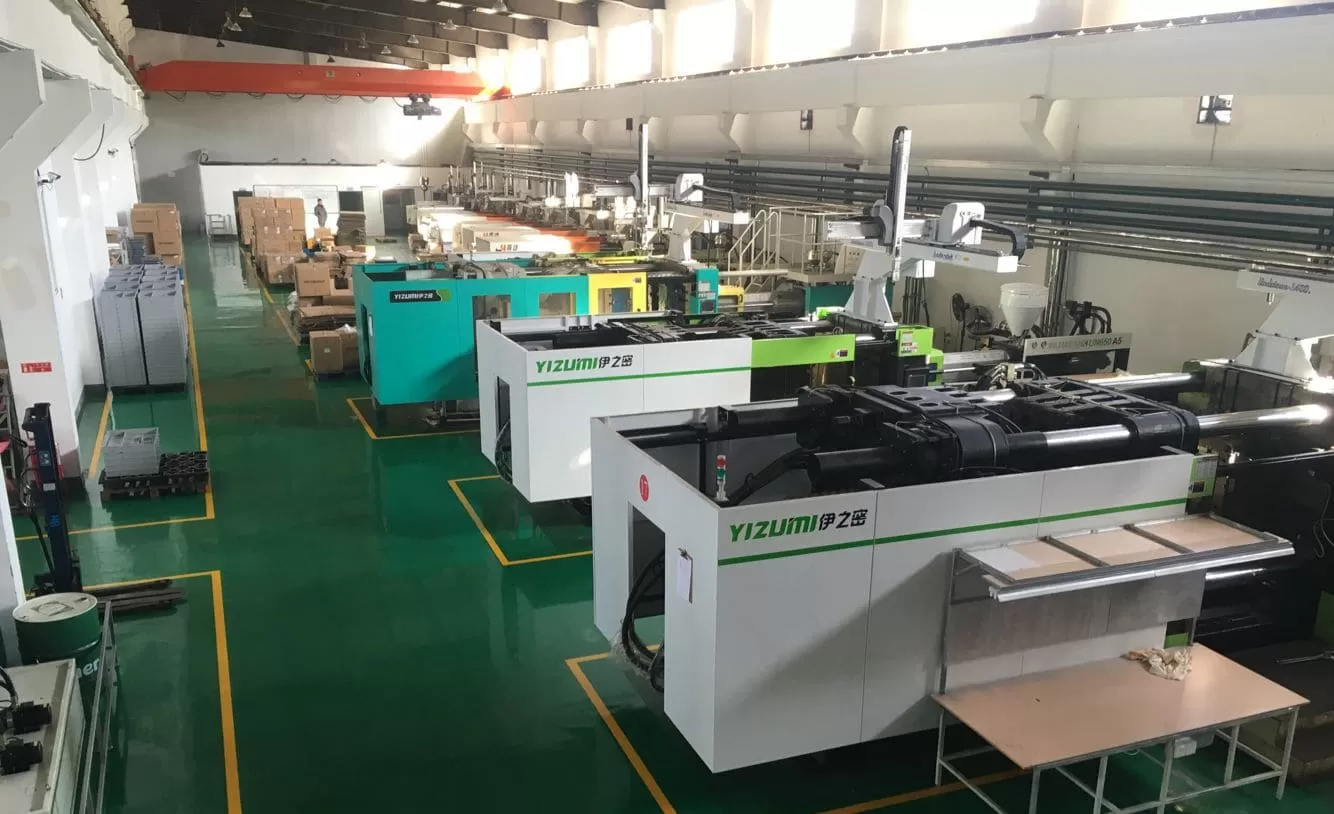
W naszym zakładzie w Szanghaju eksploatujemy 47 wtryskarek o sile zwarcia od 90T do 1850T. Dzięki ponad 20-letniemu praktycznemu doświadczeniu w usuwaniu wad formowania wtryskowego zetknęliśmy się z każdym rodzajem niedolewu, wypływki, smugi płynięcia i linii łączenia — i dokładnie wiemy, które korekty procesu usuwają każdą z tych wad.
Zrozumienie podstawowych przyczyn tych wad i zastosowanie odpowiednich rozwiązań może znacząco usprawnić proces produkcji. Zanurz się głębiej, aby poznać skuteczne strategie zapobiegania defektom i ich rozwiązywania.
"Paczenie jest częstą wadą formowania wtryskowego."True
Wypaczenie występuje, gdy nierównomierne chłodzenie powoduje zniekształcenie kształtu części. Problem ten można rozwiązać poprzez kontrolowanie temperatury formy i szybkości chłodzenia.
"Wady w procesie formowania wtryskowego zawsze wynikają z nieprawidłowej konstrukcji formy."False
Podczas gdy konstrukcja formy może przyczyniać się do powstawania wad, czynniki takie jak wybór materiału, temperatura i ciśnienie również odgrywają znaczącą rolę w powstawaniu wad.
Czym jest formowanie wtryskowe tworzyw sztucznych?
Formowanie wtryskowe tworzyw sztucznych to proces produkcyjny wykorzystywany do wytwarzania szerokiej gamy produktów, od przedmiotów codziennego użytku po skomplikowane komponenty. Oferuje szybkość, precyzję i opłacalność.
- Wady formowania wtryskowego mogą znacząco wpływać na jakość produktu, wydajność produkcji i koszty.
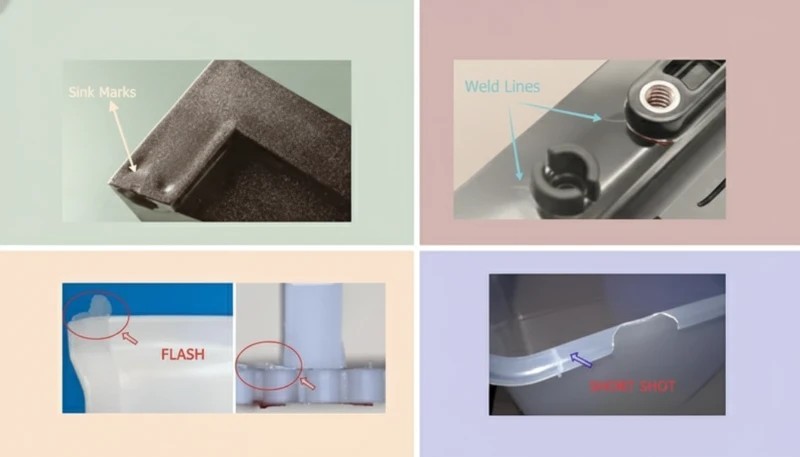
- Do typowych wad należą niedolewy, wypływki, wgniecenia, wypaczenia, ślady płynięcia, srebrne smugi i linie łączenia.
- Większość wad wynika z czterech przyczyn źródłowych: nieprawidłowego przygotowania materiału, błędów projektu formy, nieprawidłowych ustawień parametrów maszyny lub złego projektu produktu.
- Systematyczna analiza wad — połączona z właściwym sterowaniem procesem — może zmniejszyć poziom braków o 60–80%.
Formowanie wtryskowe tworzyw sztucznych to proces, w którym stopiony plastik jest wtryskiwany do form w celu uformowania części. Jest on stosowany w branżach takich jak motoryzacja, elektronika i towary konsumpcyjne, oferując wysoką wydajność, precyzję i elastyczność.
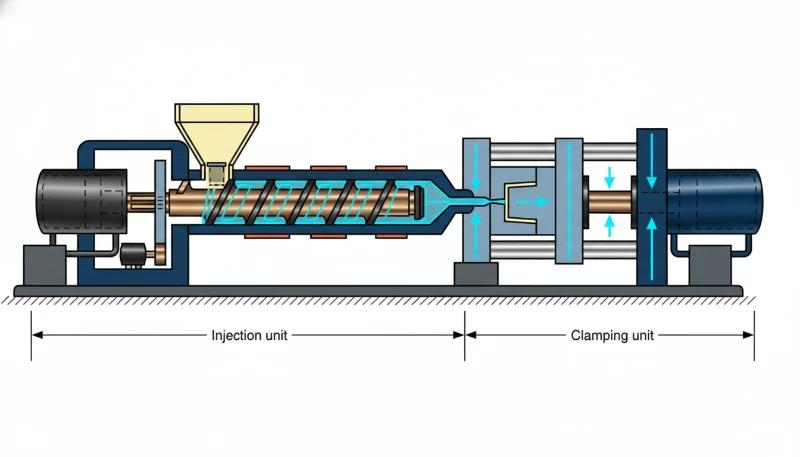
Proces formowania wtryskowego3 polega na wytwarzaniu półproduktów o określonym kształcie ze stopionego surowca poprzez sprężanie, wtrysk, chłodzenie i oddzielenie.
„Formowanie wtryskowe tworzyw umożliwia wielkoseryjną produkcję części.”True
Proces ten jest wysoce wydajny, dzięki czemu idealnie nadaje się do produkcji na dużą skalę przy zachowaniu stałej jakości.
"Formowanie wtryskowe tworzyw sztucznych nadaje się wyłącznie do prostych produktów."False
Formowanie wtryskowe może wytwarzać zarówno proste, jak i złożone części, w tym skomplikowane projekty, dzięki czemu jest wszechstronne w różnych branżach.
Jakie są przyczyny krótkich serii produktów do formowania wtryskowego i ich rozwiązania?
W tej części wyjaśniono główne kategorie przyczyn niedolewów wyrobów formowanych wtryskowo oraz sposoby ich usuwania. Niedolewy powstają, gdy stopione tworzywo nie wypełnia całkowicie formy, prowadząc do powstania niekompletnych części. Rozpoznanie przyczyn i rozwiązań ma kluczowe znaczenie dla zapewnienia jakości produktu i wydajności produkcji.
Krótkie strzały w formowaniu wtryskowym są spowodowane czynnikami takimi jak niewystarczające ciśnienie wtrysku, niska temperatura formy lub nieodpowiedni przepływ materiału. Rozwiązania obejmują dostosowanie parametrów przetwarzania, ulepszenie projektu formy i zapewnienie użycia odpowiedniego materiału.
Definicja
Krótki strzał ma miejsce, gdy wnęka formy nie zostanie wypełniona do końca.
Przyczyny krótkiego strzału
Temperatura formy, temperatura materiału albo ciśnienie i prędkość wtrysku są zbyt niskie. Uplastycznianie surowca jest nierównomierne, odpowietrzanie słabe, płynność surowca niewystarczająca, detal jest zbyt cienki lub przewężka zbyt mała, a stopiony polimer przedwcześnie krzepnie z powodu niewłaściwej konstrukcji.
Rozwiązania
Materiał: wybierz materiał o lepszej płynności, taki jak Toolox 44.
Konstrukcja formy: wypełniaj grube ścianki przed cienkimi, aby uniknąć docisku, zwiększ liczbę przewężek i rozmiar kanałów wlewowych, zmniejsz opory procesu i przepływu oraz odpowiednio ustaw położenie i wielkość odpowietrzeń, aby zapobiec niedostatecznemu odpowietrzaniu.
Wtryskarka: sprawdź, czy zawór zwrotny i wewnętrzna ściana cylindra nie są mocno zużyte oraz czy w otworze podającym nie ma materiału albo mostu materiałowego.
Warunki procesu: zwiększyć ciśnienie i prędkość wtrysku, nasilić nagrzewanie ścinające, zwiększyć objętość wtrysku oraz temperaturę cylindra i formy.
"Zwiększenie ciśnienia wtrysku może ograniczyć niedolewy."True
Wyższe ciśnienie wtrysku pomaga zapewnić całkowite wypełnienie formy, zmniejszając prawdopodobieństwo krótkich strzałów.
"Niedolewy są spowodowane wyłącznie awariami urządzeń."False
Podczas gdy awarie sprzętu mogą powodować krótkie strzały, inne czynniki, takie jak konstrukcja formy, lepkość materiału i parametry przetwarzania, również odgrywają znaczącą rolę.
Jakie są przyczyny błysku produktów do formowania wtryskowego i ich rozwiązania?
Błysk w formowaniu wtryskowym odnosi się do nadmiaru materiału, który wycieka z gniazda formy, tworząc niepożądane występy. Może to wpływać na jakość części i zwiększać koszty.
Flash jest spowodowany takimi czynnikami jak wysokie ciśnienie wtrysku, zużyte formy lub niewłaściwa konstrukcja formy. Rozwiązania obejmują regulację ciśnienia, optymalizację chłodzenia i konserwację form w celu zapewnienia precyzji i jakości.
Definicja
Błysk to dodatkowy plastik na powierzchni podziału formy lub sworzniu wypychacza.
Przyczyny błysku
niewystarczająca siła docisku, problemy z formą, złe warunki formowania, nieprawidłowa konstrukcja układu wydechowego.
Rozwiązania
Konstrukcja formy: Zaprojektuj formę tak, aby po zaciśnięciu mogła się szczelnie zamknąć. Sprawdź rozmiar kanału odpowietrzającego i oczyść powierzchnię formy.
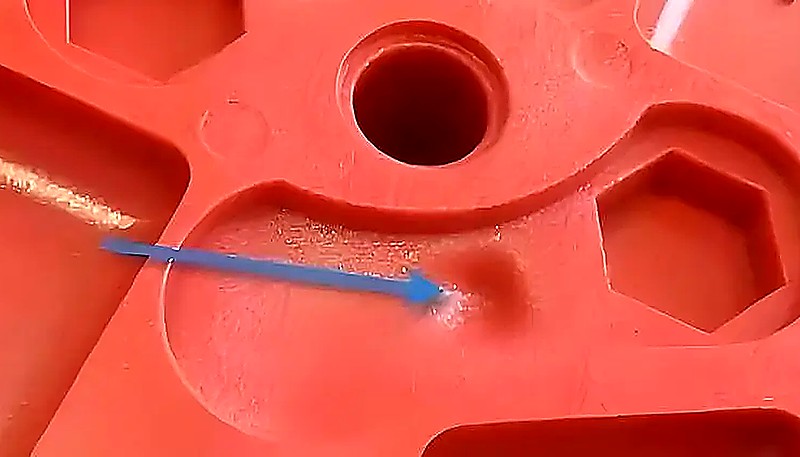
Wtryskarka: dobierz wtryskarkę o sile zwarcia odpowiedniej do pola rzutu detalu.
Proces formowania: zwiększ czas wtrysku, zmniejsz prędkość wtrysku, obniż temperaturę cylindra i dyszy oraz zmniejsz ciśnienie wtrysku i docisku.
"Wysokie ciśnienie wtrysku powoduje powstawanie wypływki."True
Nadmierne ciśnienie wypycha stopiony plastik poza gniazdo formy, co prowadzi do powstawania wypływek.
"Wypływki zawsze oznaczają, że ciśnienie wtrysku jest zbyt wysokie."False
Nadlewki mogą również wynikać z niewystarczającej siły zwarcia, zużycia powierzchni podziału formy lub nadmiernej temperatury stopionego tworzywa — nie tylko z wysokiego ciśnienia wtrysku. Ustalenie rzeczywistej przyczyny źródłowej przed zmianą parametrów zapobiega powstawaniu nowych wad.
Z naszego doświadczenia w zakładzie w Szanghaju wynika, że problemy z wypływkami na prasach o dużej sile zwarcia, powyżej 1000 t, niemal zawsze wynikają ze zużycia formy, a nie ustawień procesu. Nasza własna narzędziownia może ponownie obrobić linie podziału i wymienić zużyte wkładki w ciągu 24 godzin, co ma kluczowe znaczenie przy produkcji z ponad 400 gatunków materiałów, gdy wielodniowe przestoje są niedopuszczalne.
Poza przyczynami związanymi z ciśnieniem wypływka może wynikać ze zużycia formy i niewystarczającej siły zamykania. Z czasem zużycie gniazd zwiększa luz między płytami formy, umożliwiając wydostawanie się stopionego tworzywa podczas wtrysku. Regularna konserwacja formy — w tym polerowanie linii podziału i wymiana zużytych wkładów — jest niezbędna do zapobiegania wypływce. Trzeba także zapewnić, aby wtryskarka oferowała siłę zamykania wystarczającą do rozmiaru formy, utrzymując ją szczelnie zamkniętą podczas fazy wtrysku pod wysokim ciśnieniem.
"Zużyte formy mogą powodować powstawanie wypływek."True
Uszkodzone lub zużyte formy tworzą szczeliny, pozwalając na wydostawanie się materiału, co skutkuje powstawaniem wypływek. Regularna konserwacja jest kluczem do uniknięcia tego problemu.
"Smugi płynięcia występują tylko na częściach przezroczystych."False
Ślady płynięcia mogą występować na każdej części z tworzywa sztucznego, niezależnie od jej przezroczystości. Powodują je nierównomierna prędkość przepływu stopionego tworzywa, niska temperatura formy lub niewystarczające ciśnienie wtrysku podczas napełniania gniazda.
Jakie są przyczyny powstawania śladów płynięcia w produktach do formowania wtryskowego i ich rozwiązania?
W tej sekcji wyjaśniono główne kategorie przyczyn śladów płynięcia na wyrobach formowanych wtryskowo oraz sposoby ich usuwania. Ślady płynięcia mogą pogarszać wykończenie powierzchni produktów, zmniejszając ich walory wizualne i funkcjonalność. Rozpoznanie przyczyn i rozwiązań jest kluczowe dla poprawy jakości produktu.
Ślady przepływu występują z powodu nierównomiernego chłodzenia, niewłaściwych prędkości wtrysku lub nieodpowiedniego odpowietrzania. Rozwiązania obejmują regulację temperatury formy, optymalizację prędkości wtrysku i poprawę odpowietrzania w celu zapewnienia równomiernego napełniania i chłodzenia.
Definicja
Ślady płynięcia to wada formowania, która wygląda jak fale na powierzchni części. Jest to spowodowane zbyt wolnym przepływem tworzywa sztucznego do formy, co sprawia, że plastik wygląda, jakby skakał jak żaba.
Przyczyny śladów przepływu
Temperatura formy i temperatura materiału są zbyt niskie, prędkość wtrysku i ciśnienie są zbyt niskie, rozmiar kanału i bramy są zbyt małe, a ze względu na strukturę produktu przyspieszenie jest zbyt duże podczas napełniania i przepływu.
Rozwiązania
Konstrukcja formy: powiększyć studzienkę zimnego materiału w układzie wlewowym, zwiększyć przekrój kanału i przewężki, skrócić kanał główny lub zastosować gorący kanał.
Warunki procesu: zwiększ prędkość i ciśnienie wtrysku, zwiększ ciśnienie docisku, wydłuż czas docisku oraz podnieś temperaturę formy i materiału.
"Srebrne smugi są powodowane przez wilgoć w żywicy."True
Wilgoć w żywicy prowadzi do powstawania pęcherzyków pary podczas formowania, które tworzą srebrne smugi na powierzchni. Odpowiednie suszenie przed formowaniem rozwiązuje ten problem.
"Srebrne smugi wpływają wyłącznie na wygląd i nigdy nie obniżają integralności konstrukcyjnej."False
Chociaż smugi srebrne są przede wszystkim wadą wizualną, ich przyczyna — zawilgocenie materiału lub degradacja termiczna — może osłabić osnowę polimerową i obniżyć właściwości mechaniczne w zastosowaniach krytycznych.
Jakie są przyczyny powstawania srebrnych smug w produktach do formowania wtryskowego i ich rozwiązania?
W tej sekcji wyjaśniono główne kategorie lub warianty przyczyn srebrnych smug na wyrobach formowanych wtryskowo oraz ich rozwiązania. Srebrne smugi w formowaniu wtryskowym wynikają z problemów takich jak wilgoć, wahania temperatury lub niewłaściwe obchodzenie się z materiałem i wpływają na estetykę oraz właściwości produktów.
Srebrne smugi są często spowodowane wilgocią w żywicy, niespójnymi temperaturami topnienia lub zanieczyszczeniem. Rozwiązania obejmują prawidłowe suszenie materiałów, stabilne warunki przetwarzania i stosowanie wysokiej jakości żywic w celu zapewnienia gładszych produktów.
Definicja
Srebrne smugi powstają, gdy woda, powietrze lub zwęglony materiał są rozprowadzane na powierzchni części w kierunku przepływu.
Przyczyny srebrnych smug
Zawartość wilgoci w surowcu jest zbyt wysoka, powietrze jest uwięzione w surowcu, degradacja polimeru: materiał jest zanieczyszczony; temperatura beczki jest zbyt wysoka; objętość wtrysku jest niewystarczająca.
Rozwiązania
Treść: Przed formowaniem wtryskowym wysuszyć surowiec zgodnie z danymi podanymi przez jego dostawcę.
Konstrukcja formy: upewnij się, że liczba odpowietrzeń jest wystarczająca.
Proces formowania: należy wybrać odpowiednią wtryskarkę i formę, przy zmianie materiału całkowicie usunąć poprzedni materiał z cylindra, usprawnić układ odpowietrzania oraz obniżyć temperaturę stopu, ciśnienie wtrysku lub prędkość wtrysku.
"Nierównomierne chłodzenie powoduje wgniecenia w częściach formowanych wtryskowo."True
Nierównomierne tempo chłodzenia prowadzi do naprężeń i wypaczeń, powodując widoczne wgniecenia w formowanych produktach.
"Wszystkie problemy z zapadnięciami w formowaniu wtryskowym można usunąć wyłącznie przez zmianę parametrów chłodzenia."False
Choć korekta chłodzenia pomaga, powstawanie wgnieceń wynika również z niewystarczającego ciśnienia docisku, zbyt małych przewężek oraz stosunku grubości ścianek przekraczającego zalecane wartości graniczne. Skuteczniejsze jest łączne podejście uwzględniające ciśnienie, czas i konstrukcję.
Jakie są przyczyny wgnieceń produktów do formowania wtryskowego i ich rozwiązania?
Wgniecenia w produktach formowanych wtryskowo są częstym problemem spowodowanym niewłaściwymi ustawieniami, wadami materiałowymi lub problemami z chłodzeniem. Rozwiązanie tych problemów zapewnia jakość produktu i zmniejsza ilość odpadów.
Wgniecenia w produktach formowanych wtryskowo często wynikają z niespójnego chłodzenia, słabego przepływu materiału lub nieprawidłowej konstrukcji formy. Rozwiązania obejmują optymalizację szybkości chłodzenia, dostosowanie ciśnienia wtrysku i zapewnienie odpowiedniej konstrukcji formy.
Definicja
Wgniecenie ma miejsce, gdy powierzchnia części jest wklęsła na grubości ścianki.
Przyczyny powstawania wgnieceń
Ciśnienie wtrysku lub ciśnienie utrzymywania jest zbyt niskie, czas utrzymywania lub czas chłodzenia jest zbyt krótki, temperatura stopu lub temperatura formy jest zbyt wysoka, a konstrukcja części jest niewłaściwa.
Rozwiązania
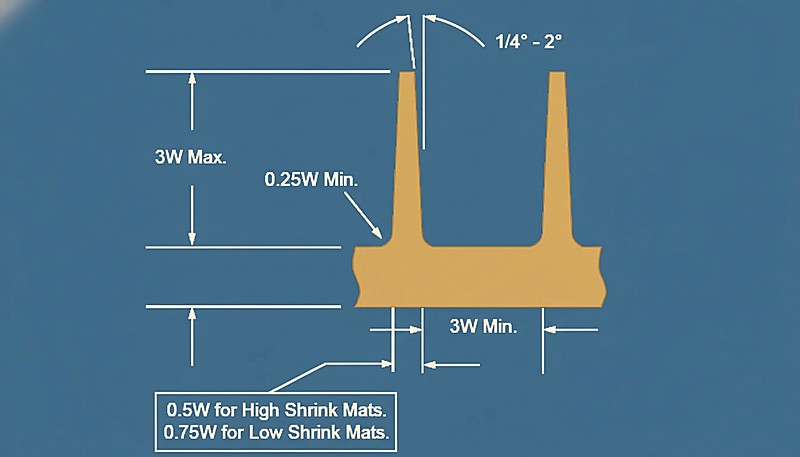
Konstrukcja: należy pofałdować powierzchnię podatną na wgniecenia, zmniejszyć grubość ścianek części, zminimalizować stosunek grubości do średnicy, utrzymać stosunek grubości sąsiednich ścianek w zakresie 1.5~2 i zapewnić płynne przejścia, a także przeprojektować grubość żeber wzmacniających, otworów stożkowych i żeber narożnych; ich zalecana grubość wynosi zwykle 40-80% podstawowej grubości ścianki.
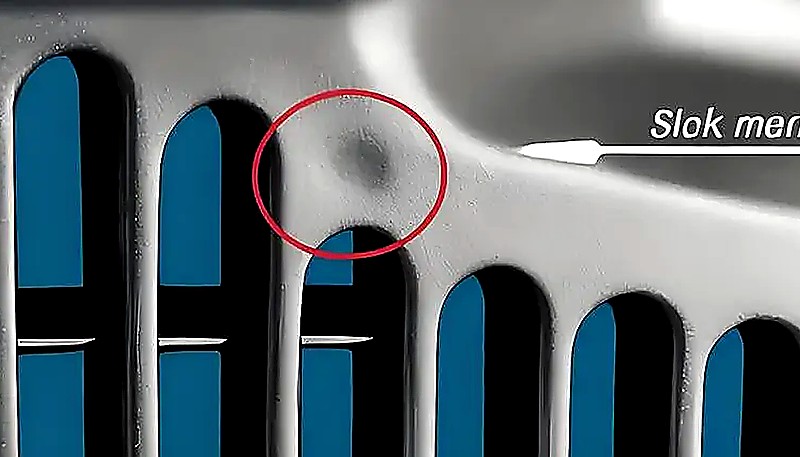
Proces formowania: zwiększyć ciśnienie wtrysku i podtrzymania, zwiększyć rozmiar przewężki lub zmienić jej położenie.
„Ślady łączenia strug są spowodowane nieprawidłowymi ustawieniami procesu formowania wtryskowego”.True
Ślady spawania mogą wynikać ze źle dobranej temperatury, prędkości lub konstrukcji formy, co prowadzi do nieskutecznego wiązania tworzywa sztucznego.
"Linie łączenia można całkowicie wyeliminować przez samo zwiększenie prędkości wtrysku."False
Samo zwiększenie prędkości wtrysku może nie usunąć linii łączenia, jeśli ich podstawową przyczyną jest położenie przewężki, zbyt niska temperatura stopionego tworzywa lub brak odpowietrzenia w pobliżu linii łączenia strug. Lepsze wyniki zapewnia całościowe podejście obejmujące konstrukcję formy, parametry procesu i dobór materiału.
Jakie są przyczyny powstawania śladów spawania w produktach do formowania wtryskowego i ich rozwiązania?
W tej sekcji wyjaśniono główne kategorie przyczyn linii łączenia w produktach formowanych wtryskowo oraz sposoby ich usuwania. Linie łączenia powstają, gdy dwa strumienie tworzywa spotykają się i nie łączą prawidłowo, pozostawiając widoczne blizny na gotowym produkcie.
Ślady spawania są spowodowane niewłaściwą konstrukcją formy, nieodpowiednią prędkością wtrysku lub niewystarczającą kontrolą temperatury. Rozwiązania obejmują optymalizację projektu formy, dostosowanie prędkości wtrysku i kontrolowanie temperatury formy w celu uzyskania lepszej spójności przepływu.
Definicja
Ślad spawu powstaje, gdy dwa strumienie materiału spotykają się i spawają ze sobą, powodując defekt na powierzchni.
Przyczyny powstawania śladów spoin
Jeśli w części znajdują się otwory, wkładki lub tryb formowania wtryskowego z wieloma bramkami, lub jeśli grubość ścianki części jest nierówna, mogą pojawić się ślady spawania.
Materiał: wybierz gatunek żywicy o wyższym wskaźniku szybkości płynięcia, aby dwa czoła przepływu skuteczniej połączyły się w miejscu spotkania.
Konstrukcja produktu: dostosuj przejścia grubości ścianek i ogranicz ostre naroża w pobliżu linii łączenia. Jednolita grubość ścianek utrzymuje oba czoła płynięcia w zbliżonej temperaturze.
Konstrukcja formy: przenieś przewężki, aby przesunąć linię łączenia do obszaru niekrytycznego. Dodaj studzienki przelewowe w pobliżu miejsca łączenia, aby wypchnąć zimny materiał poza strefę połączenia, i zapewnij odpowiednie odpowietrzanie.
Warunki procesu: podnieś temperaturę stopionego tworzywa i formy, aby czoła przepływu były cieplejsze w chwili połączenia. Zwiększ prędkość wtrysku, aby skrócić czas między rozdzieleniem a ponownym połączeniem czół przepływu, oraz wyreguluj ciśnienie docisku, aby poprawić zespolenie na linii łączenia.
Warunki procesu: zwiększ temperaturę tworzywa i użyj mniej środka zapobiegającego przywieraniu do formy. Przypalenia powstają, gdy powietrze w formie nie może wydostać się wystarczająco szybko i tworzywo pali się na końcu drogi przepływu.
Jak systematycznie ograniczać wady formowania wtryskowego?
Ta sekcja dotyczy systematycznego ograniczania wad wtryskowych i ich wpływu na koszty, jakość, terminy lub ryzyko związane z zaopatrzeniem. Wady wtryskowe — niedolewy, wypływki, smugi płynięcia, srebrzenia, zapadnięcia i linie łączenia — mają wspólną przyczynę: okno procesowe odchyliło się od zatwierdzonego zakresu optymalnego. Gdy każdą wadę prześledzi się do jej przyczyny, schemat okazuje się niezwykle spójny niezależnie od materiału i wielkości maszyny.
Z doświadczenia obejmującego ponad 400 gatunków materiałów na 47 prasach w Szanghaju wynika, że najważniejsza jest zdyscyplinowana walidacja pierwszej sztuki i stałe monitorowanie procesu. Większość wad produkcyjnych można wykryć podczas prób formy, jeśli od początku wiadomo, czego szukać i prawidłowo ustali się okno procesu.
Niezależnie od tego, czy diagnozujesz istniejącą formę, czy kwalifikujesz nowe narzędzie, lista kontrolna jest taka sama: sprawdź suszenie materiału, potwierdź wymiary przewężki i kanałów, zweryfikuj ciśnienie docisku i czas docisku oraz skontroluj pierwszych 50 wtrysków przed zatwierdzeniem. Nasz zespół inżynierski stosuje ten protokół w każdym projekcie, utrzymując poziom braków znacznie poniżej średniej branżowej.
Potrzebujesz pomocy eksperta przy projekcie formowania wtryskowego? Prześlij pliki projektu, aby otrzymać od naszego zespołu uwagi DFM, zalecenia procesowe i konkurencyjną wycenę.
Często zadawane pytania
Jaka jest najczęstsza wada formowania wtryskowego?
Niedolewy są powszechnie uznawane za najczęstszą wadę formowania wtryskowego i powstają, gdy gniazdo formy nie zostaje całkowicie wypełnione podczas fazy wtrysku. Ich typowymi przyczynami są niewystarczające ciśnienie wtrysku, zbyt niska temperatura stopionego tworzywa lub niedostateczne odpowietrzanie gniazda. W warunkach produkcyjnych niedolewy często pojawiają się, gdy lepkość materiału zmienia się wskutek niestabilnego suszenia albo gdy przekrój przewężki jest zbyt mały w stosunku do geometrii części. Usunięcie przyczyny źródłowej — zamiast prostego zwiększania ciśnienia — zapobiega nawrotom wady i pozwala utrzymać czas cyklu bez wywoływania wad wtórnych, takich jak wypływki lub przypalenia.
Jak zapobiegać powstawaniu wypływek w formowaniu wtryskowym?
Zapobieganie wypływkom zaczyna się od zapewnienia odpowiedniej siły zwarcia dla rzutu powierzchni części. Jeśli siła zwarcia maszyny jest wystarczająca, należy sprawdzić stan linii podziału formy — zużyte lub uszkodzone powierzchnie pozwalają stopionemu tworzywu wydostać się podczas fazy wtrysku pod wysokim ciśnieniem. Należy zmniejszyć prędkość i ciśnienie wtrysku w punkcie przełączenia, nieznacznie obniżyć temperaturę stopu oraz sprawdzić, czy głębokość odpowietrzeń mieści się w specyfikacji. W przypadku części precyzyjnych regularne polerowanie formy i terminowa wymiana wkładek pozwalają kontrolować wypływki bez pogarszania jakości wypełnienia ani wydłużania czasu cyklu.
Czy wady formowania wtryskowego można usunąć bez zmiany formy?
Wiele wad — w tym niedolewy, smugi srebrne, ślady płynięcia i zapadnięcia — można usunąć przez korektę parametrów procesu bez modyfikowania formy. Do typowych działań pierwszego wyboru należą zwiększenie temperatury stopionego tworzywa, regulacja prędkości wtrysku, wydłużenie czasu i zwiększenie ciśnienia docisku lub poprawa suszenia materiału. Jednak wady wynikające z zasadniczo błędnego położenia przewężki, niewystarczających kanałów odpowietrzających lub stosunku grubości ścianek poniżej 1.5:1 często wymagają przeróbki formy. Systematyczne podejście oparte na DOE pomaga ustalić, które zmiany parametrów przyniosą największy efekt, zanim zostaną podjęte kosztowne modyfikacje narzędzia.
Dlaczego na częściach formowanych wtryskowo pojawiają się smugi srebrne?
Srebrne smugi powstają, gdy wilgoć, uwięzione powietrze lub zdegradowany polimer przemieszczają się z czołem przepływu i osadzają na powierzchni jako srebrzystobiałe linie. Najczęstszą przyczyną jest niedostateczne suszenie — higroskopijne żywice, takie jak ABS, nylon i poliwęglan, wymagają przed przetwarzaniem 2 do 4 godzin suszenia osuszającego w temperaturze właściwej dla materiału. Inne przyczyny to zbyt wysoka temperatura cylindra powodująca degradację cieplną i niewystarczające odpowietrzenie gniazda. Stałe procedury suszenia i kontrola temperatury cylindra eliminują większość takich wad.
Jak ZetarMold może pomóc w analizie wad formowania wtryskowego?
ZetarMold zapewnia kompleksową analizę wad w ramach każdego projektu formowania. Dysponując 47 wtryskarkami o sile zamykania od 90 T do 1850 T oraz ponad 20-letnim doświadczeniem w rozwiązywaniu problemów dotyczących ponad 400 gatunków materiałów, nasz zespół inżynierów ustala przyczyny źródłowe podczas prób pierwszych sztuk i wyznacza zweryfikowane okna procesowe przed rozpoczęciem produkcji. Przejrzyście udostępniamy dane procesowe, raporty z kontroli oraz szczegóły działań korygujących, dzięki czemu dokładnie wiadomo, co się dzieje i dlaczego. Prześlij pliki projektu 3D, aby otrzymać uwagi DFM, zalecenia dotyczące procesu oraz konkurencyjną ofertę dostosowaną do geometrii części i wymagań materiałowych.
jakość: Jakość to dyscyplina produkcyjna łącząca DFM, walidację formy, okna procesowe, plany kontroli i działania korygujące w powtarzalny wynik. ↩
odkształcenie wypraski: Odkształcenie oznacza zmianę kształtu części formowanej wtryskowo wskutek nierównomiernego skurczu wywołanego różnicami szybkości chłodzenia, orientacją włókien albo kierunkiem przepływu materiału. ↩
formowanie wtryskowe: Jest to proces produkcyjny, w którym tworzywo topi się, wtryskuje do gniazda formy, chłodzi część i powtarza cykl, zapewniając stabilną produkcję seryjną. ↩