Spritzgießfehler sind häufige Herausforderungen im Fertigungsprozess, die Produktqualität1 und Produktionseffizienz beeinträchtigen. Um bessere Ergebnisse zu erzielen, müssen ihre Ursachen und Lösungen verstanden werden.
Für einen breiteren Kontext vergleichen Sie dieses Thema mit der Konstruktion von Spritzgießwerkzeugen und dem Leitfaden zur Lieferantensuche.
Zu den häufigen Spritzgießfehlern gehören Verzug2, Einfallstellen, unvollständige Füllung und Lufteinschlüsse. Mögliche Lösungen reichen von der Anpassung von Temperatur, Druck oder Werkstoff bis zur Optimierung der Werkzeugkonstruktion und der Prozessparameter.
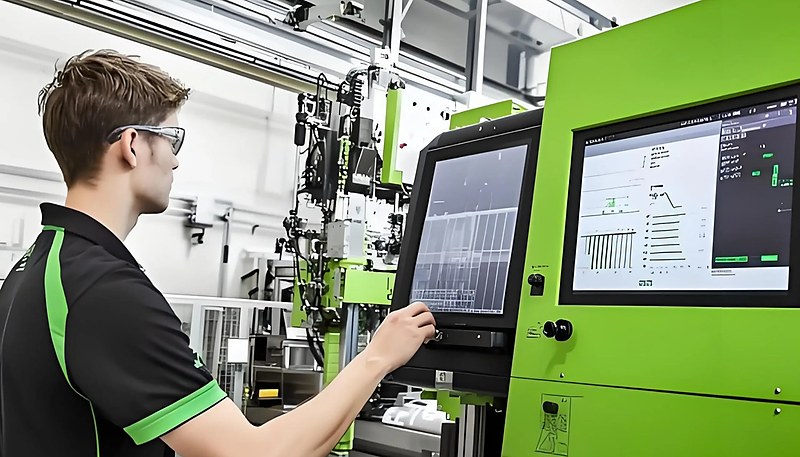
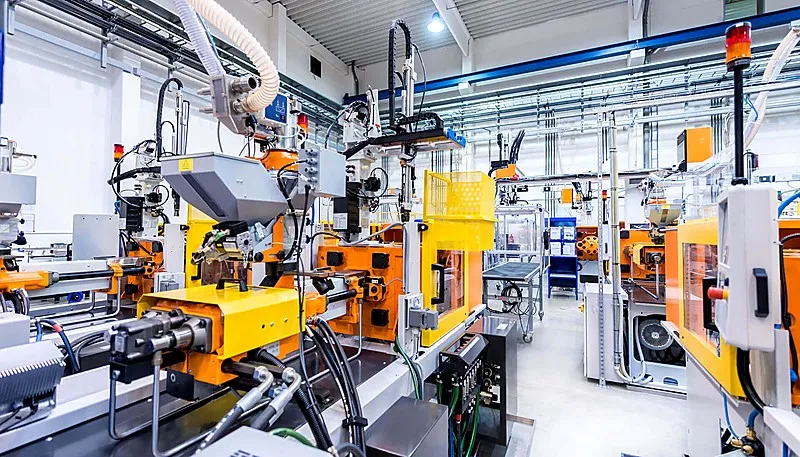
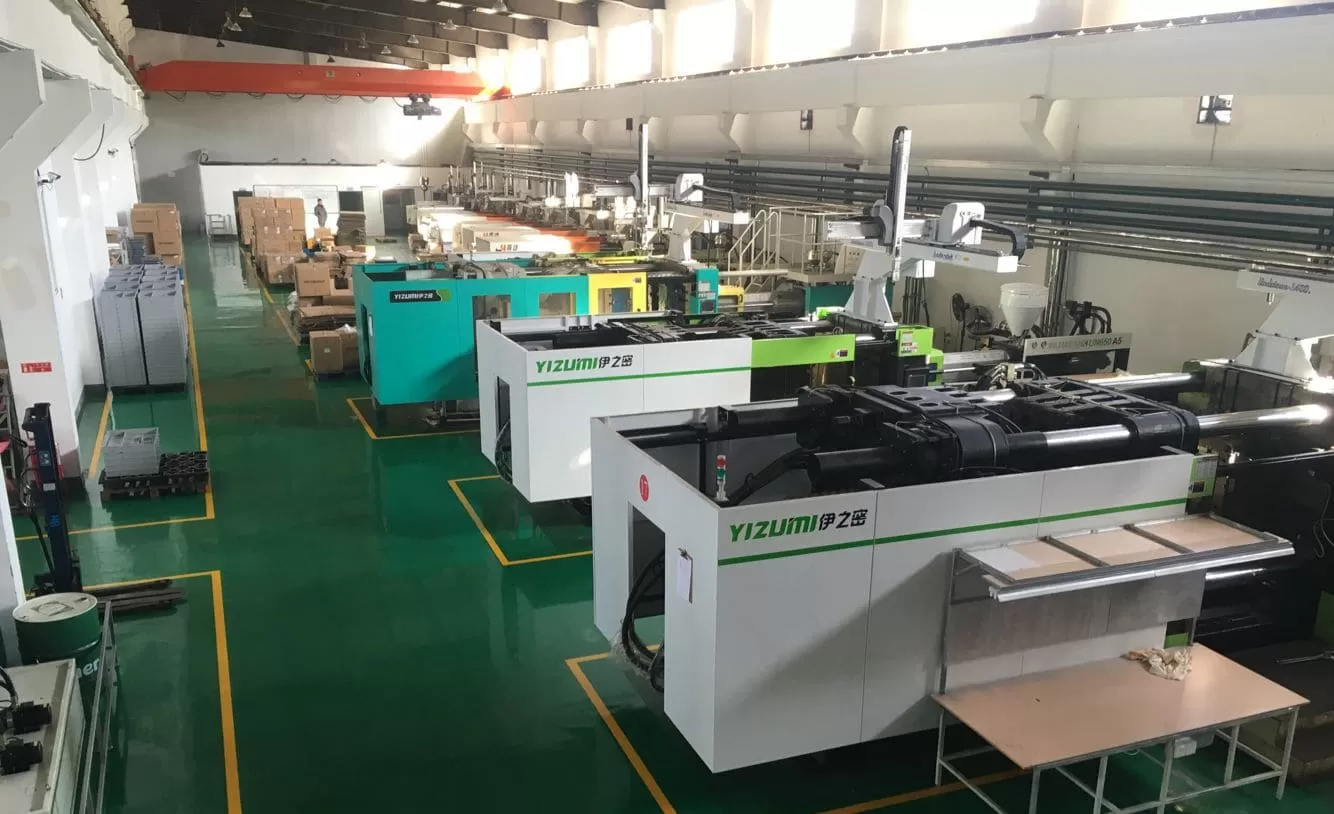
In unserem Werk in Shanghai betreiben wir 47 Spritzgießmaschinen von 90T bis 1850T. Mit über 20 Jahren praktischer Erfahrung in der Fehlerbehebung bei Spritzgießfehlern haben wir jede Art von unvollständiger Füllung, Gratbildung, Fließspuren und Schweißlinien gesehen – und wissen genau, welche Prozessanpassungen jeweils Abhilfe schaffen.
Wenn Sie die Ursachen für diese Fehler verstehen und die richtigen Lösungen anwenden, können Sie Ihren Fertigungsprozess erheblich verbessern. Tauchen Sie tiefer ein und erkunden Sie effektive Strategien zur Fehlervermeidung und -behebung.
„Verzug ist ein häufiger Spritzgussfehler.“True
Verzug tritt auf, wenn eine ungleichmäßige Abkühlung zu einer Verzerrung der Form des Teils führt. Dies kann durch die Kontrolle der Formtemperatur und der Abkühlungsrate gelöst werden.
„Fehler beim Spritzguss sind immer auf eine mangelhafte Werkzeugkonstruktion zurückzuführen.“False
Zwar kann die Konstruktion der Form zu Defekten beitragen, doch spielen auch Faktoren wie Materialauswahl, Temperatur und Druck eine wichtige Rolle bei der Defektbildung.
Was ist Kunststoff-Spritzgießen?
Das Kunststoffspritzgießen ist ein Fertigungsverfahren, mit dem eine breite Palette von Produkten hergestellt werden kann, von Alltagsgegenständen bis hin zu komplizierten Bauteilen. Es bietet Geschwindigkeit, Präzision und Kosteneffizienz.
- Spritzgussfehler können Produktqualität, Produktionseffizienz und Kosten erheblich beeinträchtigen.
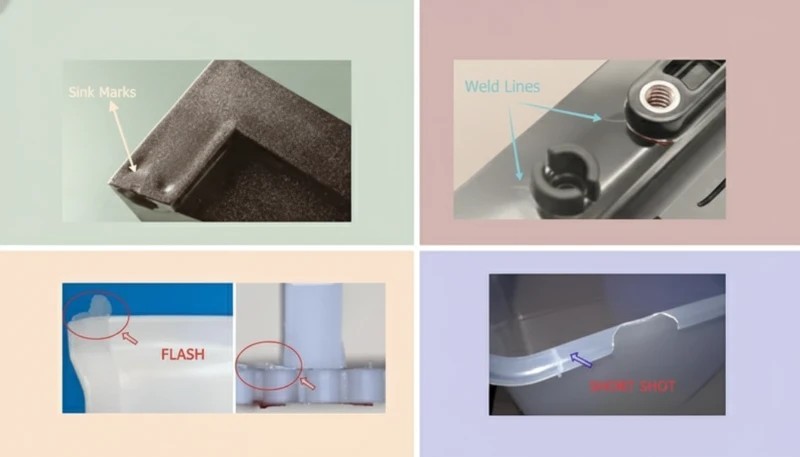
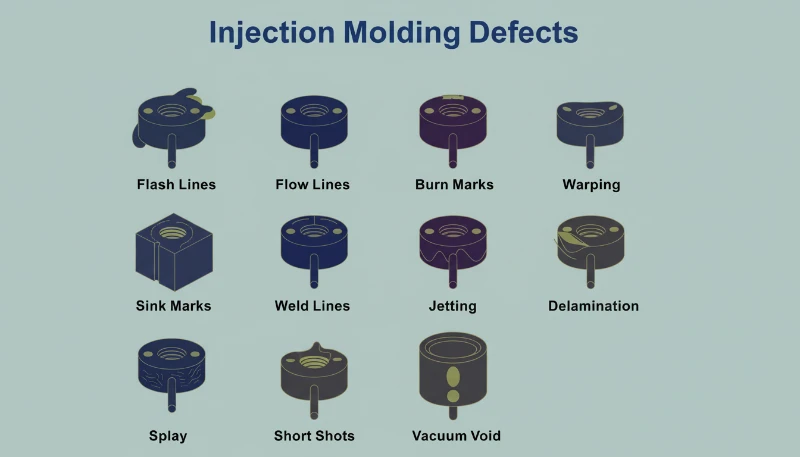
- Zu den häufigen Fehlern gehören unvollständige Füllungen, Gratbildung, Dellen, Verzug, Fließmarkierungen, Silberschlieren und Bindenähte.
- Die meisten Fehler entstehen aus vier Hauptursachen: unsachgemäße Materialvorbereitung, Mängel im Formdesign, falsche Maschineneinstellungen oder schlechtes Produktdesign.
- Eine systematische Fehleranalyse kann in Verbindung mit einer angemessenen Prozesssteuerung die Ausschussquote um 60–80 % senken.
Beim Kunststoffspritzgießen wird geschmolzener Kunststoff in Formen gespritzt, um Teile zu formen. Es wird in Branchen wie der Automobil-, Elektronik- und Konsumgüterindustrie eingesetzt und bietet hohe Effizienz, Präzision und Flexibilität.
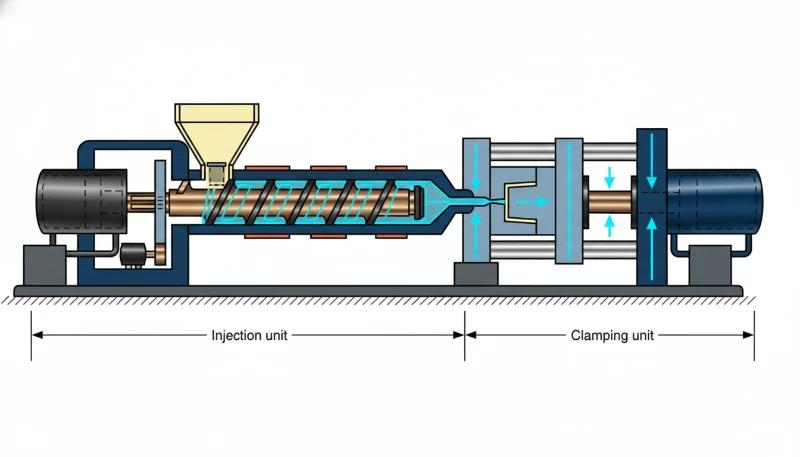
Beim Spritzgießen3 werden aus geschmolzenen Ausgangsstoffen durch Druckbeaufschlagung, Einspritzen, Abkühlen und Trennen Formteile einer bestimmten Gestalt hergestellt.
"Kunststoffspritzgießen ermöglicht die Großserienfertigung von Teilen."True
Das Verfahren ist hocheffizient und eignet sich daher ideal für die Herstellung großer Mengen in gleichbleibender Qualität.
"Kunststoffspritzgießen eignet sich nur für einfache Produkte."False
Im Spritzgussverfahren können sowohl einfache als auch komplexe Teile, einschließlich komplizierter Designs, hergestellt werden, was es für verschiedene Branchen vielseitig einsetzbar macht.
Was sind die Ursachen für kurze Schüsse bei Spritzgießprodukten und ihre Lösungen?
Die Ursachen für unvollständige Formfüllung bei Spritzgussteilen und die entsprechenden Lösungen sind die wichtigsten Kategorien bzw. Optionen, die in diesem Abschnitt erläutert werden. Unvollständige Formfüllung entsteht, wenn der geschmolzene Kunststoff die Form nicht vollständig füllt, wodurch unvollständige Teile entstehen. Die Ermittlung der Ursachen und Lösungen ist entscheidend für die Sicherstellung der Produktqualität und Fertigungseffizienz.
Kurze Schüsse beim Spritzgießen werden durch Faktoren wie unzureichenden Einspritzdruck, niedrige Werkzeugtemperatur oder unzureichenden Materialfluss verursacht. Zu den Lösungen gehören die Anpassung der Verarbeitungsparameter, die Verbesserung der Werkzeugkonstruktion und die Verwendung des richtigen Materials.
Begriffsdefinition
Ein Kurzschuss liegt vor, wenn der Formhohlraum nicht vollständig gefüllt wird.
Ursachen für Short Shot
Werkzeugtemperatur, Materialtemperatur oder Einspritzdruck und -geschwindigkeit sind zu niedrig. Die Plastifizierung des Rohmaterials ist ungleichmäßig, die Entlüftung unzureichend, die Fließfähigkeit des Rohmaterials zu gering, das Bauteil zu dünn oder der Anschnitt zu klein; außerdem erstarrt die Polymerschmelze aufgrund einer ungeeigneten konstruktiven Auslegung vorzeitig.
Lösungen
Material: Wählen Sie ein Material mit besserem Fließverhalten, beispielsweise toolox44.
Werkzeugkonstruktion: Dicke Wandbereiche vor dünnen füllen, um Nachdruckprobleme zu vermeiden, Anzahl der Anschnitte und Verteilergröße erhöhen, Prozess- und Fließwiderstand verringern sowie Position und Größe der Entlüftungsöffnung geeignet festlegen, um eine unzureichende Entlüftung zu vermeiden.
Spritzgießmaschine: Prüfen, ob Rückstromsperre und Innenwand des Zylinders stark verschlissen sind und ob sich Material oder eine Brücke in der Einzugsöffnung befindet.
Prozessbedingungen: Einspritzdruck und Einspritzgeschwindigkeit erhöhen, Scherwärme verstärken, Einspritzvolumen erhöhen sowie Zylinder- und Werkzeugtemperatur erhöhen.
"Ein höherer Einspritzdruck kann Kurzschüsse reduzieren."True
Ein höherer Einspritzdruck trägt dazu bei, dass sich die Form vollständig füllt, wodurch die Wahrscheinlichkeit von Fehlschüssen verringert wird.
"Unvollständige Füllungen werden ausschließlich durch Gerätestörungen verursacht."False
Zwar können Fehlfunktionen der Ausrüstung zu kurzen Schüssen führen, doch spielen auch andere Faktoren wie die Formkonstruktion, die Materialviskosität und die Verarbeitungsparameter eine wichtige Rolle.
Was sind die Ursachen für das Aufblitzen von Spritzgießprodukten und ihre Lösungen?
Als Gussgrat beim Spritzgießen wird überschüssiges Material bezeichnet, das aus dem Formhohlraum austritt und unerwünschte Überstände bildet. Dies kann die Qualität der Teile beeinträchtigen und die Kosten erhöhen.
Gratbildung wird durch Faktoren wie hohen Einspritzdruck, verschlissene Werkzeuge oder unsachgemäße Werkzeugkonstruktion verursacht. Zu den Lösungen gehören die Anpassung des Drucks, die Optimierung der Kühlung und die Wartung der Formen, um Präzision und Qualität zu gewährleisten.
Begriffsdefinition
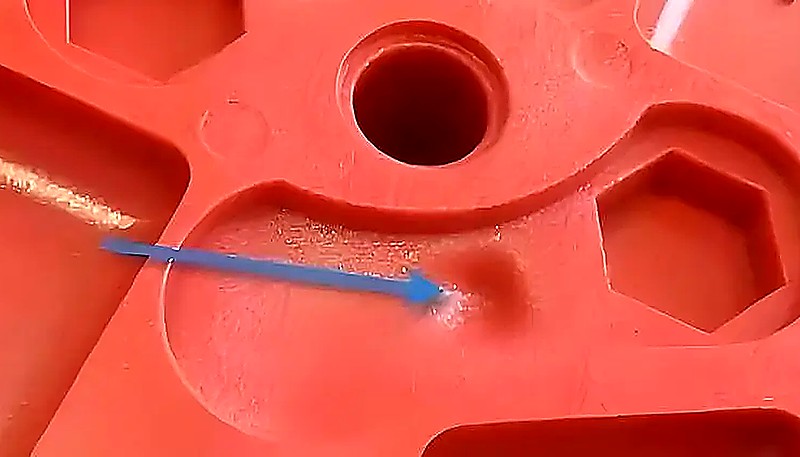
Der Grat ist der zusätzliche Kunststoff an der Trennfläche der Form oder am Auswerferstift.
Ursachen für den Blitz
nicht genügend Schließkraft, Probleme mit der Form, schlechte Formungsbedingungen, falsches Design des Auspuffsystems.
Lösungen
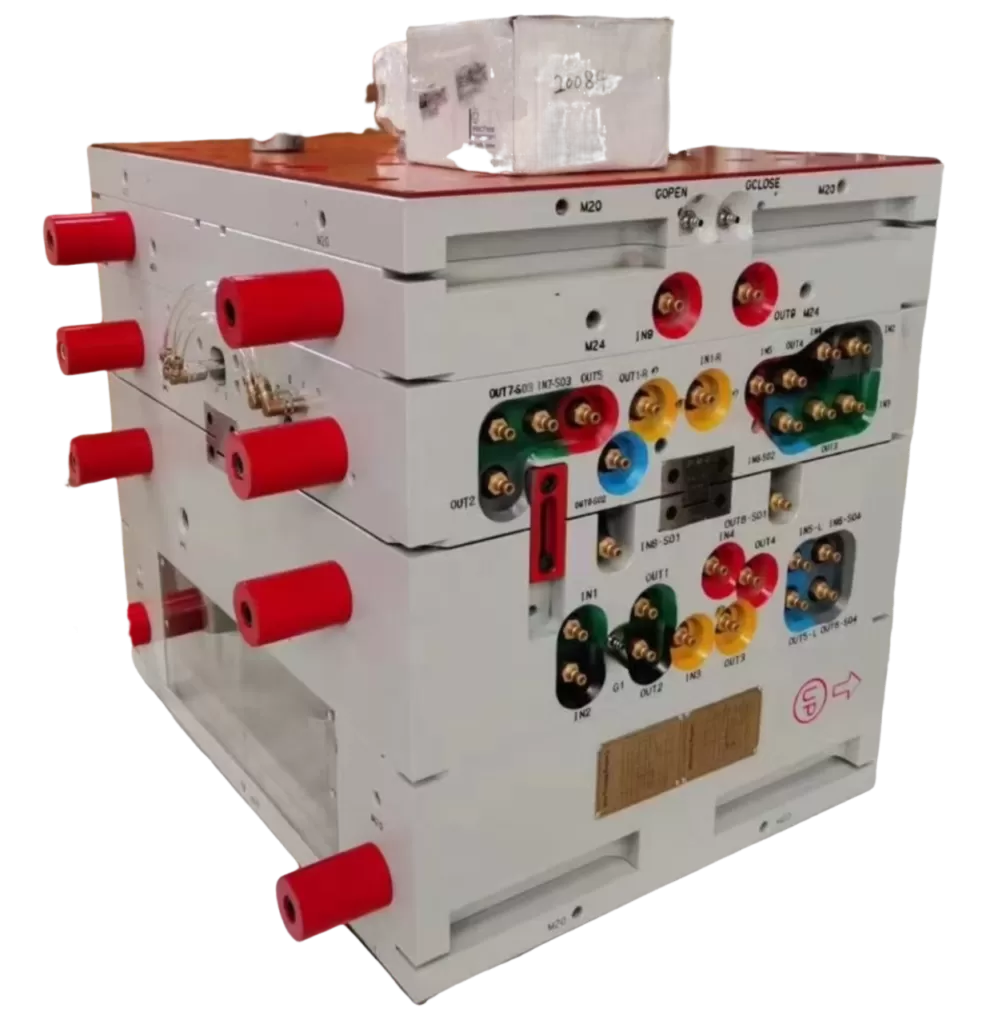
Formkonstruktion: Konstruieren Sie die Form so, dass sie unter Schließkraft dicht schließen kann. Prüfen Sie die Größe der Entlüftungsöffnung und reinigen Sie die Formoberfläche.
Spritzgießmaschine: Wählen Sie eine Spritzgießmaschine mit der für die projizierte Fläche des Bauteils geeigneten Schließkraft.
Formprozess: Einspritzzeit erhöhen, Einspritzgeschwindigkeit verringern, Zylinder- und Düsentemperatur senken, Einspritzdruck und Nachdruck reduzieren.
„Hoher Einspritzdruck verursacht Gratbildung.“True
Übermäßiger Druck drückt geschmolzenen Kunststoff über den Formhohlraum hinaus, was zu Gratbildung führt.
"Gratbildung bedeutet immer, dass der Einspritzdruck zu hoch ist."False
Grat kann auch durch unzureichende Schließkraft, verschlissene Werkzeugtrennlinien oder übermäßige Schmelztemperatur entstehen – nicht nur durch hohen Einspritzdruck. Die Diagnose der wahren Ursache vor der Parameteranpassung verhindert die Entstehung neuer Fehler.
Nach unseren Erfahrungen im Werk in Shanghai lassen sich Gratprobleme bei Hochtonnage-Pressen (über 1000T) fast immer auf Werkzeugverschleiß und nicht auf Prozesseinstellungen zurückführen. Unser hauseigenes Werkzeugbau-Team kann Trennlinien nachschneiden und verschlissene Einsätze innerhalb von 24 Stunden ersetzen, was entscheidend ist, wenn Sie über 400 Materialtypen produzieren und sich Tage Stillstand nicht leisten können.
Neben druckbedingten Ursachen können auch Werkzeugverschleiß und eine unzureichende Schließkraft zu Gratbildung führen. Verschleißen die Kavitäten im Laufe der Zeit, vergrößert sich der Spalt zwischen den Werkzeugplatten, sodass beim Einspritzen Kunststoffschmelze austreten kann. Eine regelmäßige Werkzeugwartung – einschließlich des Polierens der Trennlinien und des Austauschs verschlissener Einsätze – ist entscheidend, um Gratbildung zu verhindern. Zudem muss die Spritzgießmaschine eine für die Werkzeuggröße ausreichende Schließkraft bereitstellen, damit das Werkzeug während der Hochdruck-Einspritzphase dicht geschlossen bleibt.
"Verschlissene Werkzeuge können Gratbildung verursachen."True
Durch beschädigte oder abgenutzte Formen entstehen Lücken, durch die Material entweichen kann, was zu Gratbildung führt. Regelmäßige Wartung ist der Schlüssel zur Vermeidung dieses Problems.
"Fließmarken treten nur bei transparenten Teilen auf."False
Fließmarken können bei jedem Kunststoffteil auftreten, unabhängig von der Transparenz. Sie werden durch ungleichmäßige Schmelzfließgeschwindigkeit, niedrige Werkzeugtemperatur oder unzureichenden Einspritzdruck während der Kavitätenfüllung verursacht.
Was sind die Ursachen für Fließspuren bei Spritzgießprodukten und ihre Lösungen?
Die Ursachen von Fließmarkierungen an Spritzgussteilen und ihre Lösungen sind die in diesem Abschnitt erläuterten Hauptkategorien oder Optionen. Fließmarkierungen beim Spritzgießen können die Oberflächengüte von Produkten beeinträchtigen und sie optisch weniger ansprechend sowie funktional schwächer machen. Die Ermittlung der Ursachen und Lösungen ist entscheidend für eine bessere Produktqualität.
Fließmarken entstehen durch ungleichmäßige Kühlung, falsche Einspritzgeschwindigkeiten oder unzureichende Entlüftung. Zu den Lösungen gehören die Anpassung der Werkzeugtemperatur, die Optimierung der Einspritzgeschwindigkeit und die Verbesserung der Entlüftung, um eine gleichmäßige Füllung und Kühlung zu gewährleisten.
Begriffsdefinition
Fließspuren sind ein Gussfehler, der wie Wellen auf der Oberfläche des Teils aussieht. Sie werden dadurch verursacht, dass der Kunststoff zu langsam in die Form fließt, was dazu führt, dass der Kunststoff aussieht, als sei er wie ein Frosch gesprungen.
Ursachen für Fließspuren
Werkzeug- und Materialtemperatur sind zu niedrig, Einspritzgeschwindigkeit und -druck sind zu niedrig, Angusskanal und Anschnittgröße sind zu klein, und aufgrund der Produktstruktur ist die Beschleunigung beim Füllen und Fließen zu groß.
Lösungen
Werkzeugkonstruktion: Kaltpfropfenbohrung im Angusskanal vergrößern, Angusskanal und Anschnitt vergrößern, Hauptangusskanal verkürzen oder stattdessen einen Heißkanal verwenden.
Prozessbedingungen: Einspritzgeschwindigkeit erhöhen, Einspritz- und Nachdruck erhöhen, Nachdruckzeit verlängern sowie Werkzeug- und Materialtemperatur erhöhen.
"Silberstreifen werden durch Feuchtigkeit im Granulat verursacht."True
Feuchtigkeit im Harz führt beim Gießen zu Dampfblasen, die silberne Schlieren auf der Oberfläche erzeugen. Eine ordnungsgemäße Trocknung vor dem Gießen löst dieses Problem.
"Silberschlieren beeinträchtigen nur die Optik, niemals die strukturelle Integrität."False
Obwohl Silberstreifen hauptsächlich kosmetischer Natur sind, kann die zugrundeliegende Ursache – Feuchtigkeitskontamination oder thermischer Abbau – die Polymermatrix schwächen und die mechanische Leistung in kritischen Anwendungen mindern.
Was sind die Ursachen für Silberstreifen bei Spritzgießprodukten und ihre Lösungen?
Die Ursachen von Silberschlieren an Spritzgussprodukten und die zugehörigen Lösungen bilden die Hauptkategorien beziehungsweise Optionen dieses Abschnitts. Silberschlieren entstehen durch Probleme wie Feuchtigkeit, Temperaturschwankungen oder unsachgemäße Materialhandhabung und beeinträchtigen Optik und Leistung der Produkte.
Silberschlieren werden häufig durch Feuchtigkeit im Harz, ungleichmäßige Schmelztemperaturen oder Verunreinigungen verursacht. Zu den Lösungen gehören die richtige Trocknung der Materialien, stabile Verarbeitungsbedingungen und die Verwendung hochwertiger Harze, um glattere Produkte zu gewährleisten.
Begriffsdefinition
Silberschlieren entstehen, wenn sich Wasser, Luft oder verkohltes Material auf der Oberfläche des Teils in Fließrichtung verteilt.
Ursachen von Silver Streaks
Der Feuchtigkeitsgehalt des Rohmaterials ist zu hoch, Luft ist im Rohmaterial eingeschlossen, Polymerabbau: das Material ist verunreinigt; die Zylindertemperatur ist zu hoch; das Einspritzvolumen ist nicht ausreichend.
Lösungen
Inhalt: Trocknen Sie den Rohstoff vor dem Spritzgießen anhand der Angaben des Rohstofflieferanten.
Werkzeugkonstruktion: Ausreichend Entlüftungen vorsehen.
Formprozess: Wählen Sie die richtige Spritzgießmaschine und Form, reinigen Sie beim Materialwechsel das alte Material vollständig aus dem Zylinder, verbessern Sie das Entlüftungssystem und senken Sie Schmelzetemperatur, Einspritzdruck oder Einspritzgeschwindigkeit.
"Ungleichmäßige Kühlung verursacht Einfallstellen an Spritzgussteilen."True
Ungleichmäßige Abkühlungsraten führen zu Spannungen und Verformungen, die sichtbare Dellen in geformten Produkten verursachen.
"Alle Dellenprobleme beim Spritzguss lassen sich allein durch Anpassung der Kühleinstellungen beheben."False
Obwohl Kühlungsanpassungen helfen, wird die Bildung von Dellen auch durch unzureichenden Nachdruck, zu kleine Angüsse und Wandstärkenverhältnisse außerhalb der empfohlenen Grenzen verursacht. Ein kombinierter Ansatz, der Druck, Zeit und Konstruktion berücksichtigt, ist wirksamer.
Was sind die Ursachen für Dellen in Spritzgießprodukten und ihre Lösungen?
Dellen in Spritzgießprodukten sind ein häufiges Problem, das durch unsachgemäße Einstellungen, Materialfehler oder Kühlungsprobleme verursacht wird. Ihre Behebung sichert die Produktqualität und reduziert den Ausschuss.
Dellen in Spritzgießprodukten sind oft die Folge von ungleichmäßiger Kühlung, schlechtem Materialfluss oder falschem Werkzeugdesign. Zu den Lösungen gehören die Optimierung der Kühlraten, die Anpassung des Einspritzdrucks und die Sicherstellung der richtigen Werkzeugkonstruktion.
Begriffsdefinition
Delle ist, wenn die Oberfläche des Teils an der Wanddicke konkav ist.
Ursachen für die Bildung von Dellen
Der Einspritzdruck oder Nachdruck ist zu niedrig, die Nachdruck- oder Kühlzeit ist zu kurz, die Schmelzetemperatur oder die Werkzeugtemperatur ist zu hoch und die Bauteilstruktur ist ungeeignet.
Lösungen
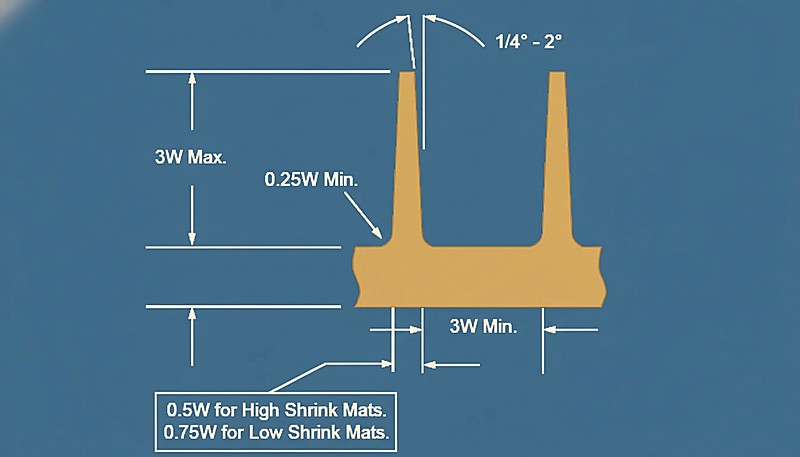
Konstruktionsstruktur: Versehen Sie die leicht eindrückbare Oberfläche mit Riffelungen, verringern Sie die Größe der dickwandigen Bereiche des Teils, minimieren Sie das Verhältnis von Dicke zu Durchmesser, halten Sie das Verhältnis benachbarter Wanddicken bei 1.5~2 und sorgen Sie nach Möglichkeit für einen weichen Übergang. Überarbeiten Sie die Dicke von Verstärkungsrippen, Senkbohrungen und Eckrippen; ihre Dicke sollte im Allgemeinen 40-80% der Grundwanddicke betragen.
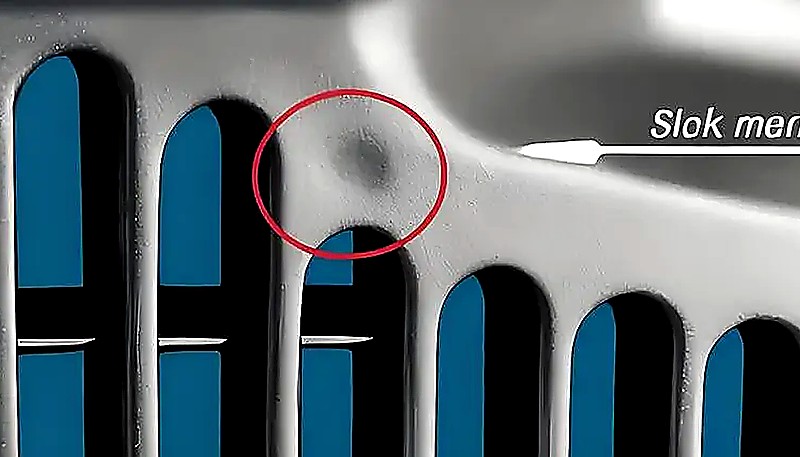
Formprozess: Einspritzdruck und Nachdruck erhöhen, Anschnitt vergrößern oder Anschnittposition ändern.
"Bindenähte entstehen durch ungeeignete Spritzgießparameter."True
Schweißspuren können durch eine schlecht eingestellte Temperatur, Geschwindigkeit oder Formgestaltung entstehen, was zu einer unwirksamen Verbindung des Kunststoffflusses führt.
"Bindenähte lassen sich durch einfaches Erhöhen der Einspritzgeschwindigkeit vollständig beseitigen."False
Eine alleinige Erhöhung der Einspritzgeschwindigkeit kann Schweißnähte nicht beheben, wenn die Ursache in der Angussplatzierung, unzureichender Schmelztemperatur oder mangelnder Entlüftung entlang der Nahtlinie liegt. Ein ganzheitlicher Ansatz, der Werkzeugkonstruktion, Prozessparameter und Materialauswahl berücksichtigt, führt zu besseren Ergebnissen.
Was sind die Ursachen für Schweißnähte bei Spritzgießprodukten und ihre Lösungen?
Die Ursachen von Bindenähten an Spritzgussprodukten und ihre Lösungen sind die in diesem Abschnitt erläuterten Hauptkategorien beziehungsweise Möglichkeiten. Bindenähte entstehen beim Spritzgießen, wenn zwei Kunststoffströme aufeinandertreffen und sich nicht richtig verbinden, sodass sichtbare Narben am Endprodukt zurückbleiben.
Schweißnähte werden durch ein ungeeignetes Werkzeugdesign, eine unzureichende Einspritzgeschwindigkeit oder eine unzureichende Temperaturregelung verursacht. Zu den Lösungen gehören die Optimierung des Werkzeugdesigns, die Anpassung der Einspritzgeschwindigkeit und die Regelung der Werkzeugtemperatur für eine bessere Fließkonsistenz.
Begriffsdefinition
Ein Schweißfleck entsteht, wenn zwei Materialströme aufeinandertreffen und miteinander verschweißt werden, wodurch ein Fehler auf der Oberfläche entsteht.
Ursachen von Schweißnähten
Wenn das Teil Löcher, Einsätze oder Mehrfachanschnitt-Spritzgießverfahren aufweist oder wenn die Wandstärke des Teils ungleichmäßig ist, können Schweißnähte auftreten.
Material: Wählen Sie einen Kunststofftyp mit höherem Schmelzflussindex, um sicherzustellen, dass die beiden Fließfronten beim Zusammentreffen effektiver verbinden.
Produktkonstruktion: Passen Sie Wandstärkenübergänge an und minimieren Sie scharfe Ecken im Bereich der Schweißnaht. Gleichmäßige Wandstärke hält beide Fließfronten auf ähnlicher Temperatur.
Werkzeugdesign: Angüsse verlegen, um die Schweißlinie in einen unkritischen Bereich zu verschieben. Überlaufkammern in der Nähe der Schweißstelle hinzufügen, um kaltes Material aus der Verbindungszone zu drücken, und für ausreichende Entlüftung sorgen.
Prozessbedingungen: Schmelze- und Werkzeugtemperatur erhöhen, um die Fließfronten beim Zusammentreffen heißer zu halten. Einspritzgeschwindigkeit erhöhen, um die Zeit zwischen Trennung und Wiedervereinigung der Fließfronten zu reduzieren, und den Nachdruck anpassen, um die Verschmelzung an der Nahtlinie zu verbessern.
Prozessbedingungen: Erhöhen Sie die Kunststofftemperatur und setzen Sie weniger Zusatzmittel ein, damit das Teil nicht am Werkzeug haftet. Brandstellen entstehen, wenn Luft nicht schnell genug aus dem Werkzeug entweichen kann und der Kunststoff am Fließwegende verbrennt.
Wie können Sie Spritzgießfehler systematisch reduzieren?
Dieser Abschnitt behandelt die systematische Reduzierung von Spritzgießfehlern und deren Auswirkungen auf Kosten, Qualität, Termine oder Beschaffungsrisiko. Spritzgießfehler – unvollständige Füllungen, Grat, Fließmarken, Silberstreifen, Dellen und Schweißnähte – haben eine gemeinsame Wurzel: Das Prozessfenster hat sich vom validierten Optimalbereich entfernt. Wenn Sie jeden Fehler auf seine Ursache zurückführen, zeigt sich ein bemerkenswert konsistentes Muster über Materialien und Maschinengrößen hinweg.
Aus unserer Erfahrung mit über 400 Materialtypen auf 47 Maschinen in Shanghai ist die wichtigste Stellschraube eine disziplinierte Erstmusterprüfung gefolgt von konsistentem Prozessmonitoring. Die meisten Fehler, die in die Produktion gelangen, hätten während der Werkzeugabnahme erkannt werden können – wenn man weiß, worauf zu achten ist und die Prozessfenster von Anfang richtig einstellt.
Egal, ob Sie einen bestehenden Werkzeugfehler beheben oder ein neues Werkzeug abnehmen – die Checkliste ist dieselbe: Trocknung des Materials prüfen, Anguss- und Verteilerabmessungen bestätigen, Nachdruck und Haltezeit validieren und die ersten 50 Schüsse inspizieren, bevor Sie abnehmen. Unser Ingenieursteam folgt diesem Protokoll bei jedem Projekt – und hält so unsere Ausschussrate deutlich unter dem Branchendurchschnitt.
Benötigen Sie fachkundige Unterstützung für Ihr Spritzgießprojekt? Laden Sie Ihre Konstruktionsdateien hoch und erhalten Sie von unserem Team DFM-Feedback, Prozessempfehlungen und ein wettbewerbsfähiges Angebot.
Häufig gestellte Fragen
Was ist der häufigste Spritzgießfehler?
Unvollständige Füllungen gelten weithin als der häufigste Spritzgießfehler. Sie treten auf, wenn der Werkzeughohlraum während der Einspritzphase nicht vollständig gefüllt wird. Sie resultieren typischerweise aus unzureichendem Einspritzdruck, niedriger Schmelztemperatur oder mangelnder Entlüftung im Hohlraum. In Produktionsumgebungen treten unvollständige Füllungen oft auf, wenn sich die Materialviskosität durch inkonsistente Trocknung ändert oder wenn die Angussgröße für die Bauteilgeometrie zu restriktiv ist. Die Ursache zu beheben – anstatt einfach den Druck zu erhöhen – verhindert Wiederholungen und hält die Zykluszeit, ohne Sekundärfehler wie Grat oder Brandflecken einzuführen.
Wie verhindert man Grat beim Spritzgießen?
Die Gratvermeidung beginnt mit der Sicherstellung ausreichender Schließkraft für die projizierte Fläche des Teils. Wenn die Maschinentonnage ausreicht, prüfen Sie den Zustand der Werkzeugtrennlinie – abgenutzte oder beschädigte Oberflächen lassen geschmolzenen Kunststoff während der Hochdruckeinspritzphase entweichen. Reduzieren Sie die Einspritzgeschwindigkeit und den Druck am Übergangspunkt, senken Sie die Schmelztemperatur leicht und stellen Sie sicher, dass die Entlüftungstiefe innerhalb der Spezifikation liegt. Für hochpräzise Teile halten regelmäßiges Werkzeugpolieren und rechtzeitiger Einsatzwechsel den Grat unter Kontrolle, ohne die Füllqualität oder Zykluszeit zu beeinträchtigen.
Können Spritzgießfehler ohne Werkzeugänderung behoben werden?
Viele Fehler – einschließlich unvollständiger Füllungen, Silberstreifen, Fließmarken und Einfallstellen – können durch Prozessanpassungen ohne jegliche Werkzeugänderung behoben werden. Erhöhung der Schmelztemperatur, Anpassung der Einspritzgeschwindigkeit, Verlängerung von Nachdruck und -zeit oder verbesserte Materialtrocknung sind gängige Erstmaßnahmen. Fehler, die durch grundlegende Fehler in der Angussplatzierung, unzureichende Entlüftungskanäle oder Wandstärkenverhältnisse unter 1,5:1 verursacht werden, erfordern jedoch oft Werkzeugnacharbeit. Ein systematischer, DOE-gestützter Ansatz hilft zu identifizieren, welche Parameteränderungen die größte Wirkung haben, bevor man sich zu kostspieligen Werkzeugänderungen verpflichtet.
Warum treten Silberstreifen bei spritzgegossenen Teilen auf?
Silberstreifen entstehen, wenn Feuchtigkeit, eingeschlossene Luft oder abgebautes Polymer entlang der Fließfront wandert und sich als sichtbare silberweiße Linien auf der Bauteiloberfläche ablagert. Die häufigste Ursache ist unzureichende Materialtrocknung – hygroskopische Harze wie ABS, Nylon und Polycarbonat benötigen vor der Verarbeitung 2 bis 4 Stunden Entfeuchtungstrocknung bei materialspezifischen Temperaturen. Weitere Faktoren sind übermäßige Zylindertemperatur, die thermischen Abbau verursacht, und unzureichende Entlüftung im Werkzeughohlraum. Konsistente Trocknungsprotokolle und Überwachung der Zylindertemperatur beseitigen die überwiegende Mehrheit der Silberstreifenprobleme in der Produktion.
Wie kann ZetarMold bei der Analyse von Spritzgießfehlern helfen?
ZetarMold bietet eine umfassende Fehleranalyse als Teil jedes Spritzgießprojekts. Mit 47 Maschinen von 90T bis 1850T und über 20 Jahren Erfahrung in der Fehlerbehebung bei über 400 Materialtypen identifiziert unser Ingenieurteam die Ursachen bereits während der Erstmusterprüfung und legt validierte Prozessfenster vor Produktionsstart fest. Wir teilen Prozessdaten, Prüfberichte und Korrekturmaßnahmen transparent mit, damit Sie genau verstehen, was passiert und warum. Laden Sie Ihre 3D-Konstruktionsdateien hoch, um DFM-Feedback, eine Prozessempfehlung und ein wettbewerbsfähiges Angebot zu erhalten, das auf Ihre spezifische Bauteilgeometrie und Materialanforderungen zugeschnitten ist.
Qualität: Qualität ist eine Produktionsdisziplin, die DFM, Werkzeugvalidierung, Prozessfenster, Prüfpläne und Korrekturmaßnahmen zu reproduzierbaren Ergebnissen verbindet. ↩
Verzug: Verzug bezeichnet die Verformung eines Spritzgussteils durch ungleichmäßige Schwindung infolge unterschiedlicher Abkühlgeschwindigkeiten, Faserorientierung oder Fließrichtung des Werkstoffs. ↩
Spritzgießen: Beim Spritzgießen wird Kunststoff geschmolzen, in eine Werkzeugkavität eingespritzt und dort abgekühlt; dieser Zyklus wird für eine stabile Serienfertigung wiederholt. ↩