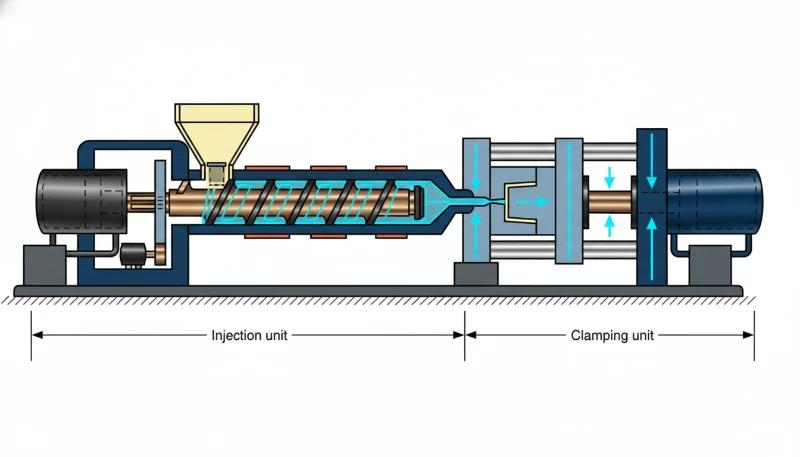
Os defeitos da moldagem por injeção são desafios comuns no processo de fabrico que afetam a qualidade1 do produto e a eficiência da produção. Compreender as suas causas e soluções é essencial para melhorar os resultados.
Para um contexto mais amplo, compare este tema com o projeto de moldes de injeção e o guia de seleção de fornecedores.
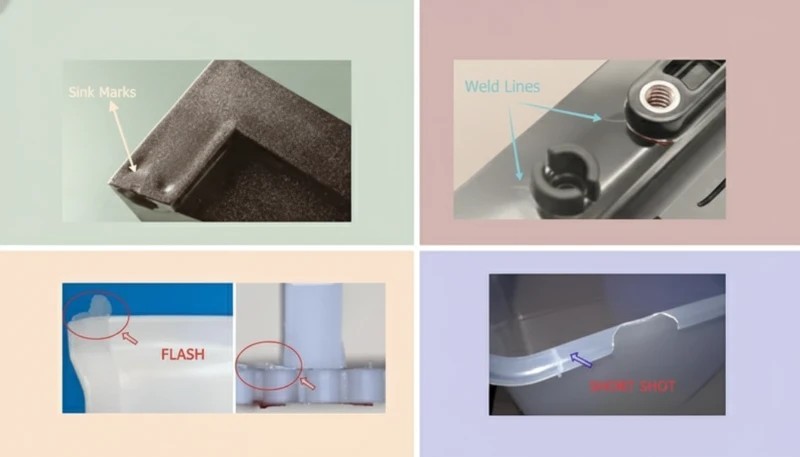
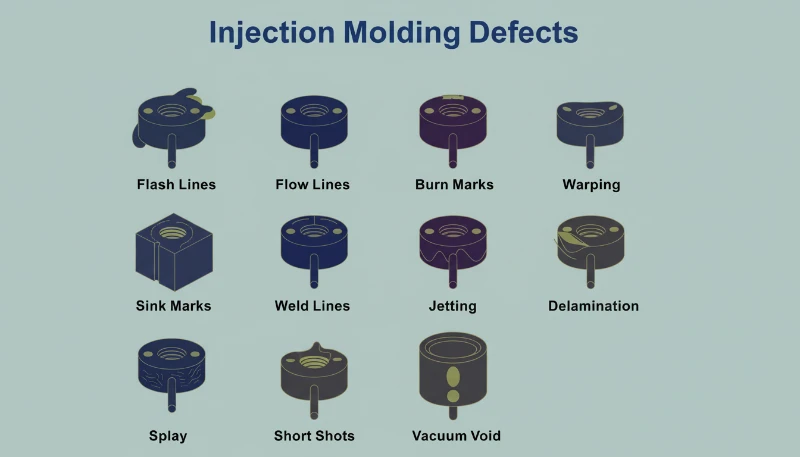
Os defeitos comuns da moldagem por injeção incluem empeno2, marcas de rechupe, enchimento incompleto e bolsas de ar. As soluções vão desde o ajuste da temperatura, pressão ou material até à otimização do projeto do molde e dos parâmetros do processo.
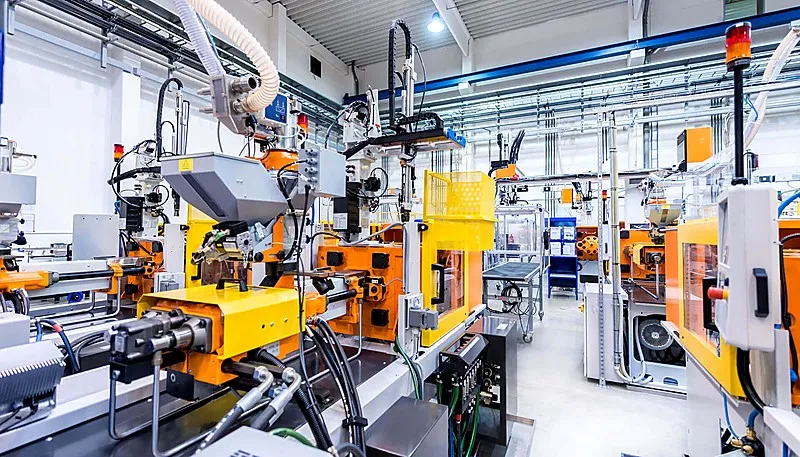
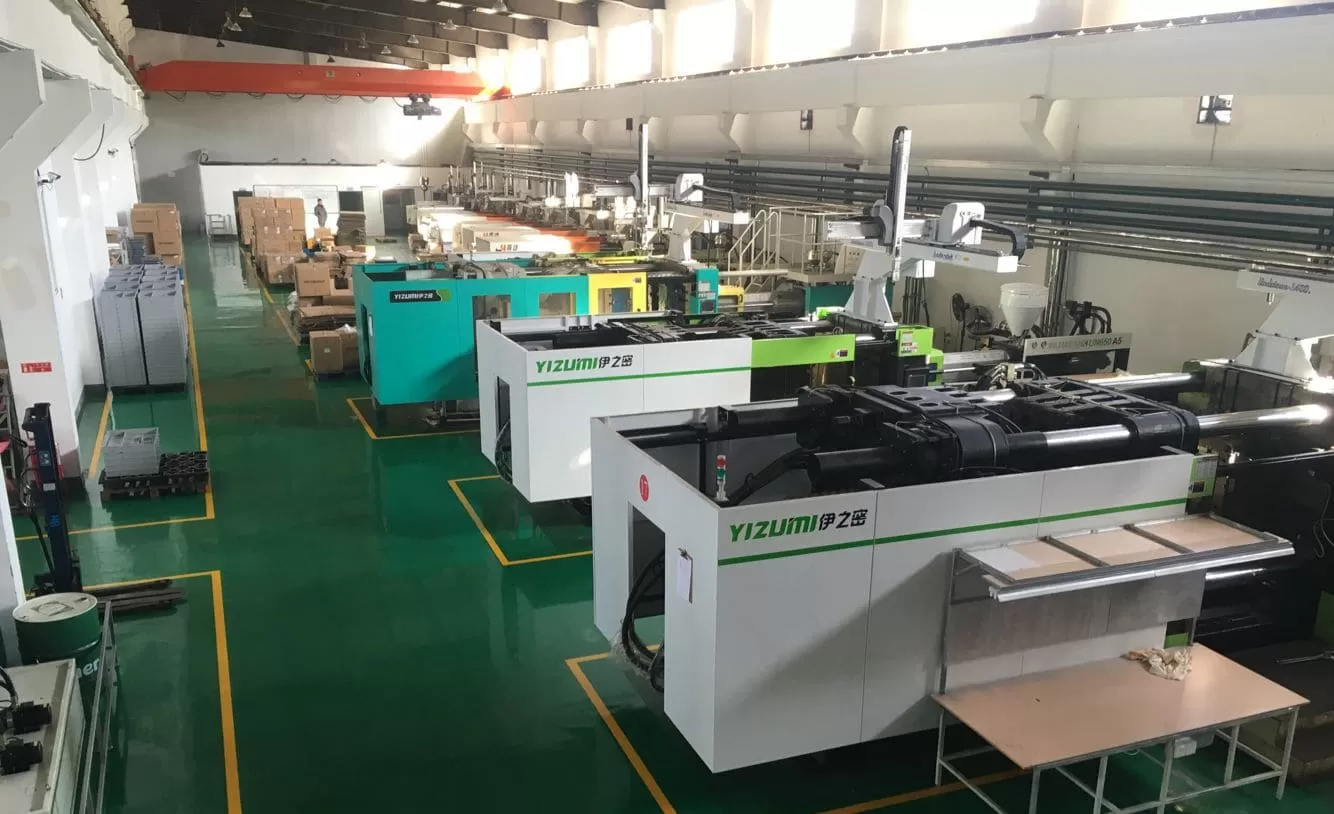
Na nossa fábrica de Xangai, operamos 47 máquinas de moldagem por injeção que variam de 90T a 1850T. Com mais de 20 anos de experiência prática na resolução de problemas de defeitos de moldagem por injeção, vimos todos os tipos de peças incompletas, rebarbado, marcas de fluxo e linhas de solda — e sabemos exatamente quais ajustes do processo resolvem cada um.
Compreender as causas profundas destes defeitos e aplicar as soluções corretas pode melhorar significativamente o seu processo de fabrico. Aprofunde-se para explorar estratégias eficazes de prevenção e resolução de defeitos.
"O empeno é um defeito comum na moldação por injeção."True
O empeno ocorre quando o arrefecimento desigual provoca uma distorção na forma da peça. Isto pode ser resolvido através do controlo da temperatura do molde e das taxas de arrefecimento.
"Os defeitos na moldação por injeção devem-se sempre a um projeto deficiente do molde."False
Embora a conceção do molde possa contribuir para os defeitos, factores como a escolha do material, a temperatura e a pressão também desempenham um papel significativo na formação de defeitos.
O que é a moldagem por injeção de plástico?
A moldagem por injeção de plástico é um processo de fabrico utilizado para produzir uma vasta gama de produtos, desde artigos do dia a dia a componentes complexos. Oferece rapidez, precisão e uma boa relação custo-eficácia.
- Os defeitos de moldagem por injeção podem impactar significativamente a qualidade do produto, a eficiência da produção e os custos.
- Os defeitos comuns incluem peças incompletas, rebarbado, afundamentos, empenamento, marcas de fluxo, estrias prateadas e linhas de solda.
- A maioria dos defeitos origina-se de quatro causas raiz: preparação inadequada do material, falhas no design do molde, configurações incorretas dos parâmetros da máquina ou design deficiente do produto.
- A análise sistemática de defeitos — combinada com um controlo adequado do processo — pode reduzir as taxas de refugo em 60–80%.
A moldagem por injeção de plástico é um processo em que o plástico derretido é injetado em moldes para formar peças. É utilizado em indústrias como a automóvel, eletrónica e de bens de consumo, oferecendo elevada eficiência, precisão e flexibilidade.
O processo de moldagem por injeção3 consiste em produzir artigos semiacabados de determinada forma a partir de matérias-primas fundidas, através de operações como pressurização, injeção, arrefecimento e separação.
"A moldação por injeção de plástico permite produzir peças em grandes volumes."True
O processo é altamente eficiente, tornando-o ideal para o fabrico em grande escala com qualidade consistente.
"A moldagem de plástico por injeção só é adequada para produtos simples."False
A moldagem por injeção pode produzir peças simples e complexas, incluindo desenhos intrincados, o que a torna versátil para várias indústrias.
Quais são as causas dos disparos curtos de produtos de moldagem por injeção e as suas soluções?
As causas dos enchimentos incompletos nos produtos de moldagem por injeção e as suas soluções são as principais categorias ou opções explicadas nesta secção. Os enchimentos incompletos ocorrem quando o plástico fundido não preenche totalmente o molde, resultando em peças incompletas. Identificar as causas e soluções é essencial para garantir a qualidade do produto e a eficiência da fabricação.
Os disparos curtos na moldagem por injeção são causados por factores como pressão de injeção insuficiente, baixa temperatura do molde ou fluxo de material inadequado. As soluções incluem o ajuste dos parâmetros de processamento, a melhoria da conceção do molde e a garantia de que é utilizado o material correto.
Definição
O tiro curto é quando a cavidade do molde não é totalmente preenchida.
Causas do tiro curto
A temperatura do molde, a temperatura do material ou a pressão e velocidade de injeção estão demasiado baixas. A plastificação da matéria-prima é irregular, a exaustão é deficiente, a fluidez da matéria-prima é insuficiente, a peça é demasiado fina ou o tamanho do gate é demasiado pequeno, e o polímero fundido solidifica prematuramente devido a um design estrutural irracional.
Soluções
Material: Escolha um material que flua melhor, como o toolox44.
Design do molde: Encher paredes grossas antes de encher paredes finas para evitar retenção, aumentar o número de gates e o tamanho do canal, reduzir a resistência do processo e do fluxo, e definir a posição e o tamanho da abertura de exaustão adequadamente para evitar exaustão deficiente.
Máquina de moldagem por injeção: Verifique se a válvula de retenção e a parede interna do cilindro estão severamente desgastadas, e verifique se há material ou ponte na entrada de alimentação.
Condições do processo: aumentar a pressão de injeção e a velocidade de injeção, melhorar o calor de cisalhamento, aumentar o volume de injeção, aumentar a temperatura do cilindro e a temperatura do molde.
"O aumento da pressão de injeção pode reduzir as injeções incompletas."True
Uma pressão de injeção mais elevada ajuda a garantir que o molde enche completamente, reduzindo a probabilidade de disparos curtos.
"Os enchimentos incompletos são causados apenas por avarias do equipamento."False
Embora as avarias do equipamento possam causar disparos curtos, outros factores como a conceção do molde, a viscosidade do material e os parâmetros de processamento também desempenham um papel importante.
Quais são as causas da inflamação dos produtos de moldagem por injeção e as suas soluções?
O flash na moldagem por injeção refere-se ao excesso de material que vaza para fora da cavidade do molde, criando projecções indesejadas. Pode afetar a qualidade da peça e aumentar os custos.
O flash é causado por factores como a pressão de injeção elevada, moldes desgastados ou conceção inadequada do molde. As soluções incluem o ajuste da pressão, a otimização do arrefecimento e a manutenção dos moldes para garantir a precisão e a qualidade.
Definição
O flash é o plástico extra na superfície de separação do molde ou no pino ejetor.
Causas do Flash
força de aperto insuficiente, problemas de molde, más condições de moldagem, conceção incorrecta do sistema de escape.
Soluções
Desenho do molde: Desenhe o molde de forma a que possa fechar firmemente quando pressionado. Verifique o tamanho do orifício de escape e limpe a superfície do molde.
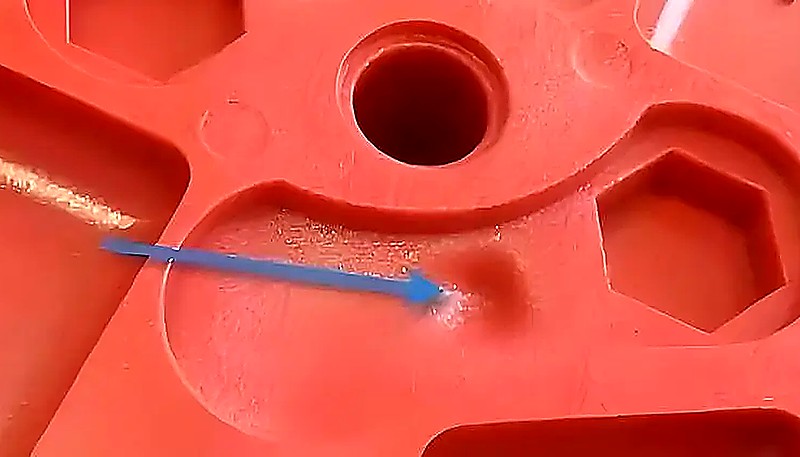
Máquina de moldação por injeção: selecione uma máquina com a tonelagem adequada à área projetada da peça.
Processo de moldagem: aumentar o tempo de injeção, reduzir a velocidade de injeção, reduzir a temperatura do cilindro e da boquilha, reduzir a pressão de injeção e a pressão de manutenção.
"Uma pressão de injeção elevada provoca rebarbas."True
A pressão excessiva empurra o plástico derretido para fora da cavidade do molde, levando à formação de flash.
"A rebarba significa sempre que a pressão de injeção é demasiado elevada."False
O rebarbado também pode resultar de força de fecho insuficiente, linhas de separação do molde desgastadas ou temperatura de fusão excessiva — não apenas de pressão de injeção elevada. Diagnosticar a verdadeira causa raiz antes de ajustar os parâmetros evita criar novos defeitos.
Na nossa experiência na fábrica de Xangai, os problemas de rebarbado em prensas de alta tonelagem (acima de 1000T) quase sempre remontam ao desgaste do molde em vez das configurações do processo. A nossa equipa interna de fabrico de moldes pode recortar linhas de separação e substituir inserções desgastadas em 24 horas, o que é crucial quando se está a executar produção em mais de 400 graus de material e não se podem permitir dias de paragem.
Para além das causas relacionadas com a pressão, o rebarbado também pode resultar do desgaste do molde e de uma força de fecho inadequada. Quando as cavidades do molde se desgastam com o tempo, a folga entre as placas do molde aumenta, permitindo que o plástico fundido escape durante a injeção. A manutenção regular do molde — incluindo o polimento das linhas de separação e a substituição de insertos desgastados — é essencial para prevenir o rebarbado. Além disso, assegurar que a máquina de moldagem por injeção fornece força de fecho suficiente para o tamanho do molde ajuda a manter o molde firmemente fechado durante a fase de injeção de alta pressão.
"Os moldes desgastados podem causar rebarbas."True
Os moldes danificados ou desgastados criam lacunas, permitindo a fuga de material, o que resulta em fulgor. A manutenção regular é fundamental para evitar este problema.
"As marcas de fluxo só aparecem em peças transparentes."False
Marcas de fluxo podem ocorrer em qualquer peça de plástico, independentemente da transparência. São causadas por velocidade de fluxo do material fundido desigual, baixa temperatura do molde ou pressão de injeção insuficiente durante o enchimento da cavidade.
Quais são as causas das marcas de fluxo dos produtos de moldagem por injeção e as suas soluções?
As causas das marcas de fluxo nos produtos de moldagem por injeção e as suas soluções são as principais categorias ou opções explicadas nesta secção. As marcas de fluxo na moldagem por injeção podem comprometer o acabamento superficial dos produtos, tornando-os menos apelativos visualmente e funcionais. Identificar as causas e soluções é fundamental para melhorar a qualidade do produto.
As marcas de fluxo ocorrem devido a um arrefecimento desigual, a velocidades de injeção impróprias ou a uma ventilação inadequada. As soluções incluem o ajuste da temperatura do molde, a otimização da velocidade de injeção e a melhoria da ventilação para garantir um enchimento e arrefecimento uniformes.
Definição
As marcas de fluxo são um defeito de moldagem que se assemelha a ondas na superfície da peça. São causadas pelo facto de o plástico fluir demasiado lentamente para o molde, o que faz com que o plástico pareça ter saltado como uma rã.
Causas das marcas de fluxo
A temperatura do molde e a temperatura do material são demasiado baixas, a velocidade e a pressão de injeção são demasiado baixas, o tamanho do canal e do portão são demasiado pequenos e, devido à estrutura do produto, a aceleração é demasiado grande durante o enchimento e o fluxo.
Soluções
Design do molde: Tornar o poço frio no canal maior, tornar o canal e o gate maiores, encurtar o canal principal ou usar um canal quente em vez disso.
Condições do processo: Torne a velocidade de injeção mais rápida, torne a pressão de injeção e a pressão de retenção mais elevadas, torne o tempo de retenção mais longo, torne a temperatura do molde e a temperatura do material mais elevadas.
"As estrias prateadas são causadas pela humidade presente na resina."True
A humidade na resina leva à formação de bolhas de vapor durante a moldagem, que criam estrias prateadas na superfície. Uma secagem correta antes da moldagem resolve este problema.
"As estrias prateadas afetam apenas o aspeto, nunca a integridade estrutural."False
Embora as riscas prateadas sejam principalmente cosméticas, a causa subjacente — contaminação por humidade ou degradação térmica — pode enfraquecer a matriz polimérica e reduzir o desempenho mecânico em aplicações críticas.
Quais são as causas das estrias prateadas dos produtos de moldagem por injeção e as suas soluções?
As causas das riscas prateadas nos produtos de moldagem por injeção e as suas soluções são as principais categorias ou opções explicadas nesta secção. As riscas prateadas na moldagem por injeção são causadas por problemas como humidade, flutuações de temperatura ou manuseamento inadequado do material, afetando a estética e o desempenho dos produtos.
As estrias prateadas são frequentemente causadas por humidade na resina, temperaturas de fusão inconsistentes ou contaminação. As soluções incluem a secagem correta dos materiais, condições de processamento estáveis e a utilização de resinas de alta qualidade para garantir produtos mais suaves.
Definição
As estrias prateadas surgem quando a água, o ar ou o material carbonizado são distribuídos na superfície da peça na direção do fluxo.
Causas das estrias prateadas
O teor de humidade da matéria-prima é demasiado elevado, o ar fica retido na matéria-prima, a degradação do polímero: o material está contaminado; a temperatura do tambor é demasiado elevada; o volume de injeção é insuficiente.
Soluções
Conteúdo: Secar a matéria-prima com base nos dados fornecidos pelo fornecedor da matéria-prima antes da moldagem por injeção.
Desenho do molde: Certifique-se de que existem orifícios de ventilação suficientes.
Processo de moldagem: Escolha a máquina de moldagem por injeção e o molde adequados, limpe completamente o material antigo do cilindro ao trocar de materiais, melhore o sistema de exaustão e reduza a temperatura de fusão, a pressão de injeção ou a velocidade de injeção.
"O arrefecimento irregular provoca mossas nas peças moldadas por injeção."True
Taxas de arrefecimento irregulares levam a tensões e deformações, causando mossas visíveis nos produtos moldados.
"Todos os problemas de concavidades na moldação por injeção podem ser resolvidos apenas ajustando as definições de arrefecimento."False
Embora os ajustes de arrefecimento ajudem, a formação de depressões também é impulsionada por pressão de retenção insuficiente, orifícios de entrada subdimensionados e rácios de espessura da parede que excedem os limites recomendados. Uma abordagem combinada que aborde pressão, tempo e desenho é mais eficaz.
Quais são as causas das mossas nos produtos de moldagem por injeção e as suas soluções?
As mossas nos produtos de moldagem por injeção são problemas comuns causados por definições inadequadas, defeitos de material ou problemas de arrefecimento. A sua resolução garante a qualidade do produto e reduz o desperdício.
As mossas nos produtos de moldagem por injeção resultam frequentemente de um arrefecimento inconsistente, de um fluxo de material deficiente ou de uma conceção incorrecta do molde. As soluções incluem a otimização das taxas de arrefecimento, o ajuste das pressões de injeção e a garantia de uma conceção adequada do molde.
Definição
A mossa ocorre quando a superfície da peça é côncava na espessura da parede.
Causas da formação de mossa
A pressão de injeção ou a pressão de retenção é demasiado baixa, o tempo de retenção ou o tempo de arrefecimento é demasiado curto, a temperatura de fusão ou a temperatura do molde é demasiado elevada e a conceção da estrutura da peça é inadequada.
Soluções
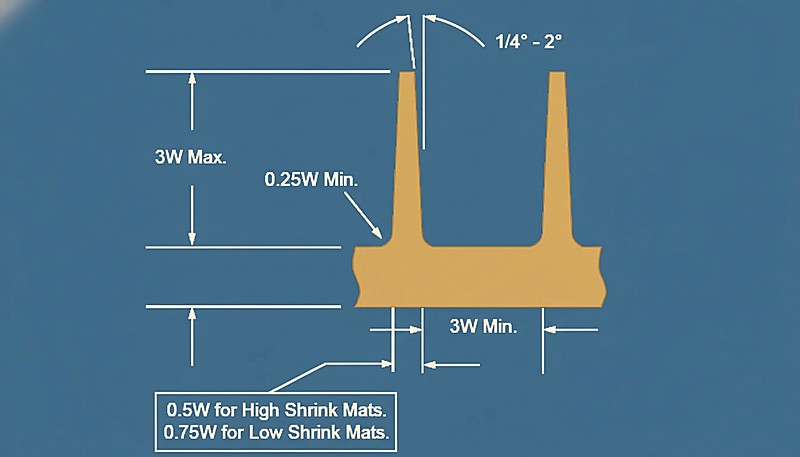
Estrutura do design: Corrugar a superfície que é fácil de afundar, reduzir o tamanho da parede grossa da peça, minimizar a relação espessura-diâmetro, a relação de espessura da parede adjacente deve ser controlada em 1,5~2, e tentar fazer uma transição suave, redesenhar a espessura das nervuras de reforço, furos rebaixados e nervuras de canto, e a sua espessura é geralmente recomendada ser 40-80% da espessura básica da parede.
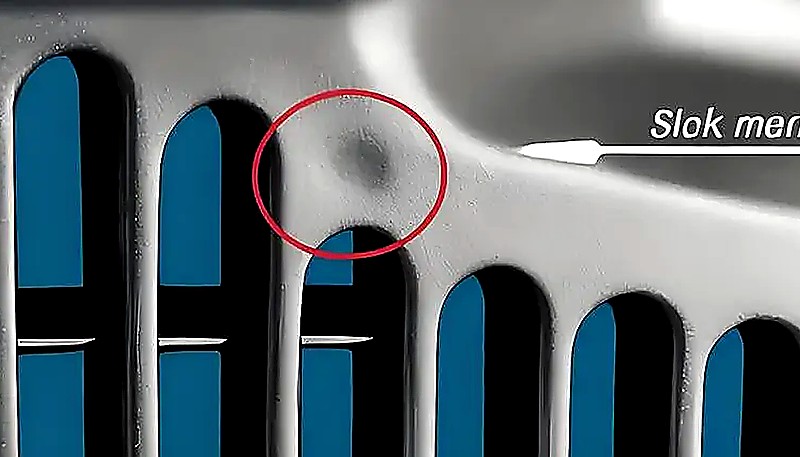
Processo de moldação: aumentar a pressão de injeção e a pressão de manutenção, aumentar o tamanho do ponto de injeção ou alterar a sua posição.
"As marcas de soldadura são causadas por parâmetros inadequados de moldagem por injeção."True
As marcas de soldadura podem resultar de uma temperatura, velocidade ou conceção do molde mal ajustadas, levando a uma ligação ineficaz do fluxo de plástico.
"As linhas de soldadura podem ser totalmente eliminadas com um simples aumento da velocidade de injeção."False
O aumento isolado da velocidade de injeção pode não eliminar as linhas de soldadura se a causa principal for a localização do ponto de injeção, uma temperatura insuficiente do material fundido ou a falta de ventilação junto à linha de união. Uma abordagem integrada que abranja a conceção do molde, os parâmetros do processo e a seleção do material produz melhores resultados.
Quais são as causas das marcas de soldadura dos produtos de moldagem por injeção e as suas soluções?
As causas das linhas de soldadura nos produtos moldados por injeção e as respetivas soluções são as principais categorias ou opções explicadas nesta secção. As linhas de soldadura na moldação por injeção ocorrem quando dois fluxos de plástico se encontram e não se ligam corretamente, deixando marcas visíveis no produto final.
As marcas de soldadura são causadas por uma conceção incorrecta do molde, uma velocidade de injeção inadequada ou um controlo insuficiente da temperatura. As soluções incluem a otimização da conceção do molde, o ajuste da velocidade de injeção e o controlo da temperatura do molde para uma melhor consistência do fluxo.
Definição
A marca de soldadura ocorre quando dois fluxos de material se encontram e se soldam, causando um defeito na superfície.
Causas da marca de soldadura
Se existirem orifícios, inserções ou modo de moldagem por injeção multi-gate na peça, ou se a espessura da parede da peça for irregular, podem ocorrer marcas de soldadura.
Material: selecione uma classe de resina com um índice de fluidez mais elevado para assegurar que as duas frentes de fluxo se ligam de forma mais eficaz quando se encontram.
Projeto do produto: ajuste as transições de espessura da parede e minimize os cantos vivos junto à zona da linha de soldadura. Uma espessura de parede uniforme mantém ambas as frentes de fluxo a temperaturas semelhantes.
Conceção do molde: reposicione os pontos de injeção para deslocar a linha de soldadura para uma área não crítica. Adicione poços de transbordo perto do local da soldadura para expulsar o material frio da zona de união e assegure uma ventilação adequada.
Condições do processo: aumente as temperaturas do fundido e do molde para manter as frentes de fluxo mais quentes quando se encontram. Aumente a velocidade de injeção para reduzir o tempo entre a separação e a reunião das frentes e ajuste a pressão de manutenção para melhorar a fusão na linha de união.
Condições do processo: aumente a temperatura do plástico e utilize menos material para evitar que adira ao molde. As marcas de queimadura surgem quando o ar no molde não consegue escapar com rapidez suficiente e o plástico queima no fim do fluxo.
Como Pode Reduzir Sistematicamente os Defeitos de Moldagem por Injeção?
Esta secção aborda a redução sistemática dos defeitos de moldação por injeção e o respetivo impacto no custo, na qualidade, nos prazos ou no risco de aprovisionamento. Os defeitos de moldação por injeção — enchimentos incompletos, rebarbas, marcas de fluxo, estrias prateadas, marcas de rechupe e linhas de soldadura — partilham uma causa comum: a janela do processo afastou-se do ponto ideal validado. Ao rastrear cada defeito até à sua causa, o padrão é extraordinariamente consistente entre materiais e dimensões de máquinas.
Com base na nossa experiência de processamento de mais de 400 graus de material em 47 prensas em Xangai, o fator mais importante é uma validação disciplinada da primeira peça, seguida de uma monitorização consistente do processo. A maioria dos defeitos que chegam à produção poderia ter sido detetada durante a amostragem do molde — se souber o que procurar e definir corretamente as janelas do processo desde o primeiro dia.
Quer esteja a diagnosticar um molde existente ou a qualificar um novo molde, a lista de verificação é a mesma: verificar a secagem do material, confirmar as dimensões dos pontos de injeção e dos canais, validar a pressão de compactação e o tempo de manutenção e inspecionar as primeiras 50 injeções antes da aprovação. A nossa equipa de engenharia segue este protocolo em todos os projetos, o que mantém a nossa taxa de sucata muito abaixo da média do setor.
Precisa de ajuda especializada para o seu projeto de moldagem por injeção? Envie os seus ficheiros de projeto e receba da nossa equipa recomendações de DFM e de processo, bem como um orçamento competitivo.
Perguntas mais frequentes
Qual é o defeito mais comum na moldação por injeção?
Os enchimentos incompletos são amplamente considerados o defeito mais comum na moldação por injeção e ocorrem quando a cavidade do molde não é totalmente preenchida durante a fase de injeção. Resultam normalmente de pressão de injeção insuficiente, baixa temperatura do fundido ou ventilação inadequada da cavidade. Em ambientes de produção, surgem frequentemente quando a viscosidade do material se altera devido a uma secagem inconsistente ou quando o ponto de injeção é demasiado pequeno para a geometria da peça. Corrigir a causa principal — em vez de simplesmente aumentar a pressão — evita a recorrência e mantém o tempo de ciclo sem introduzir defeitos secundários, como rebarbas ou marcas de queimadura.
Como evitar rebarbas na moldação por injeção?
A prevenção de rebarbas começa por assegurar uma força de fecho adequada à área projetada da peça. Se a tonelagem da máquina for suficiente, verifique o estado da linha de junta do molde — superfícies desgastadas ou danificadas permitem que o plástico fundido escape durante a fase de injeção a alta pressão. Reduza a velocidade e a pressão de injeção no ponto de transição, baixe ligeiramente a temperatura da massa fundida e verifique se a profundidade dos canais de ventilação está dentro das especificações. Em peças de alta precisão, o polimento regular do molde e a substituição atempada dos insertos mantêm as rebarbas sob controlo sem sacrificar a qualidade do enchimento nem o tempo de ciclo.
É possível corrigir defeitos de moldação por injeção sem alterar o molde?
Muitos defeitos — incluindo enchimentos incompletos, estrias prateadas, marcas de fluxo e rechupes — podem ser resolvidos através de ajustes do processo sem qualquer modificação do molde. Aumentar a temperatura do material fundido, ajustar a velocidade de injeção, prolongar a pressão e o tempo de manutenção ou melhorar a secagem do material são soluções iniciais comuns. Contudo, os defeitos causados por erros fundamentais na colocação dos pontos de injeção, canais de ventilação insuficientes ou rácios de espessura da parede inferiores a 1.5:1 exigem frequentemente retrabalho do molde. Uma abordagem sistemática orientada por DOE ajuda a identificar quais as alterações de parâmetros que terão maior impacto antes de se comprometer com modificações dispendiosas do molde.
Porque aparecem estrias prateadas nas peças moldadas por injeção?
As estrias prateadas aparecem quando a humidade, o ar retido ou o polímero degradado percorrem a frente de fluxo e se depositam na superfície da peça sob a forma de linhas branco-prateadas visíveis. A causa mais comum é a secagem insuficiente do material — as resinas higroscópicas, como ABS, nylon e policarbonato, exigem 2 a 4 horas de secagem por desumidificação a temperaturas específicas do material antes do processamento. Outras causas incluem uma temperatura excessiva do cilindro, que provoca degradação térmica, e uma ventilação inadequada da cavidade do molde. Protocolos de secagem consistentes e a monitorização da temperatura do cilindro eliminam a grande maioria dos problemas de estrias prateadas na produção.
Como pode a ZetarMold ajudar na análise de defeitos de moldagem por injeção?
A ZetarMold realiza uma análise abrangente de defeitos em cada projeto de moldagem. Com 47 prensas de 90T a 1850T e 20+ anos de experiência na resolução de problemas em 400+ classes de materiais, a nossa equipa de engenharia identifica as causas principais durante a amostragem dos primeiros artigos e estabelece janelas de processo validadas antes do início da produção. Partilhamos de forma transparente os dados do processo, os relatórios de inspeção e os detalhes das ações corretivas, para que compreenda exatamente o que está a acontecer e porquê. Carregue os seus ficheiros de design 3D para receber comentários de DFM, uma recomendação de processo e uma cotação competitiva adaptada à geometria específica da peça e aos requisitos do material.
qualidade: A qualidade é uma disciplina de produção que integra DFM, validação do molde, janelas de processo, planos de inspeção e ações corretivas para obter resultados repetíveis. ↩
empeno: O empeno é a deformação de uma peça moldada por injeção causada por contração irregular devido a diferentes velocidades de arrefecimento, orientação das fibras ou direção do fluxo do material. ↩
moldagem por injeção: A moldagem por injeção é o processo de produção que funde o plástico, o injeta numa cavidade do molde, arrefece a peça e repete o ciclo para um fabrico estável em volume. ↩