Ihr Werkzeugangebot liegt 70 % über den Erwartungen, weil das Bauteil zwei Farben benötigt. Ihr Vorgesetzter möchte wissen, ob dieser Aufpreis gerechtfertigt ist. In den meisten Fällen ja – allerdings nur, wenn das Bauteil tatsächlich Zweikomponenten-Spritzgießen1 erfordert, denn nicht jedes zweifarbige Bauteil benötigt dieses Verfahren.
Beim Zweifarben-Spritzguss entsteht in einem Maschinenzyklus ein einzelnes Teil aus zwei unterschiedlichen Materialien oder Farben, sodass eine nachgelagerte Montage entfällt. Dieser Leitfaden behandelt Verfahrensmechanik, Materialauswahl, Konstruktionsregeln und Kostenstruktur, damit Sie fundiert entscheiden können.
- Beim Zweikomponenten-Spritzguss entstehen mit zwei Spritzeinheiten und einem rotierenden Werkzeug Zweimaterialteile in einem Zyklus.
- Träger- und Umspritzmaterial müssen chemisch verträglich sein — TPE auf PP haftet gut; TPE auf POM nicht.
- Die Werkzeugkosten liegen wegen der Zweikavitätenkonstruktion und Präzisionsausrichtung 60–80% über denen von Einkomponentenwerkzeugen.
- Am meisten profitieren Teile mit Softgrip-Oberflächen, mehrfarbiger Optik oder integrierten Dichtungen.
- Wenn Ihr Bauteil aus zwei separaten Teilen montiert werden kann, ist das Umspritzen möglicherweise eine günstigere Alternative.
Was ist Zweifarben-Spritzgießen?
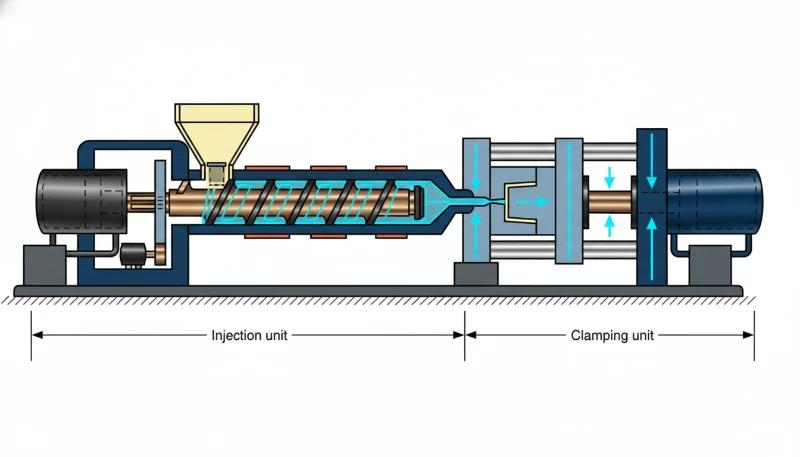
Beim Zweifarben-Spritzguss werden zwei Materialien in ein einziges Werkzeug eingespritzt, um in einem Maschinenzyklus ein dauerhaft verbundenes Bauteil herzustellen. Das auch als Zweikomponenten-Spritzguss bezeichnete Verfahren nutzt eine Spezialmaschine mit zwei unabhängigen Spritzeinheiten.
Anders als beim Lackieren, Tampondrucken oder Montieren separater Komponenten verschmelzen die beiden Werkstoffe während des Formprozesses. Das Ergebnis ist ein Bauteil mit einem nahtlosen Übergang zwischen Farben oder Werkstoffen – ohne Klebenaht, mechanisches Verbindungselement oder Nachbearbeitung. Der Verbund ist dauerhaft, weil der zweite Werkstoff eingespritzt wird, solange der erste noch warm genug für eine molekulare Verschmelzung ist.
Es gibt zwei Hauptmethoden: Drehteller und Kernrückzug. Beim Drehtellerverfahren dreht ein Tisch die Form zwischen dem ersten und zweiten Schuss um 180 degrees. Beim Kernrückzugsverfahren fährt ein Schiebeeinsatz zurück und gibt den zweiten Kavitätsbereich frei, ohne die Form zu drehen. Bei beiden Methoden bleibt das Teil aus dem ersten Schuss während des gesamten Zyklus in der Form; deshalb bleibt die Positionsgenauigkeit hoch.
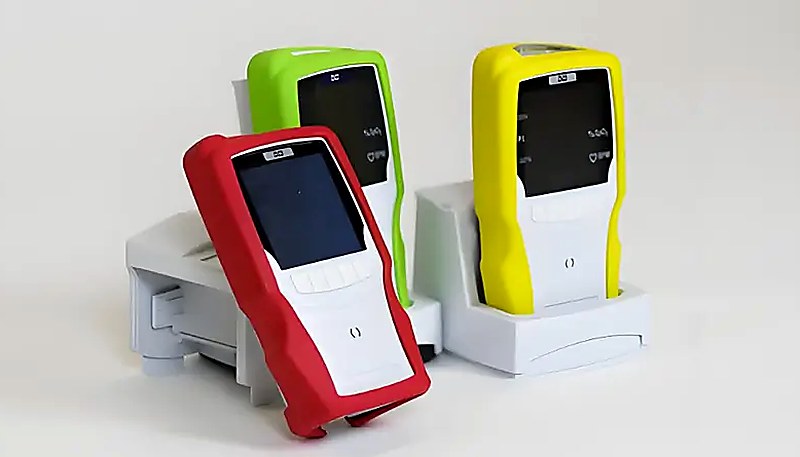
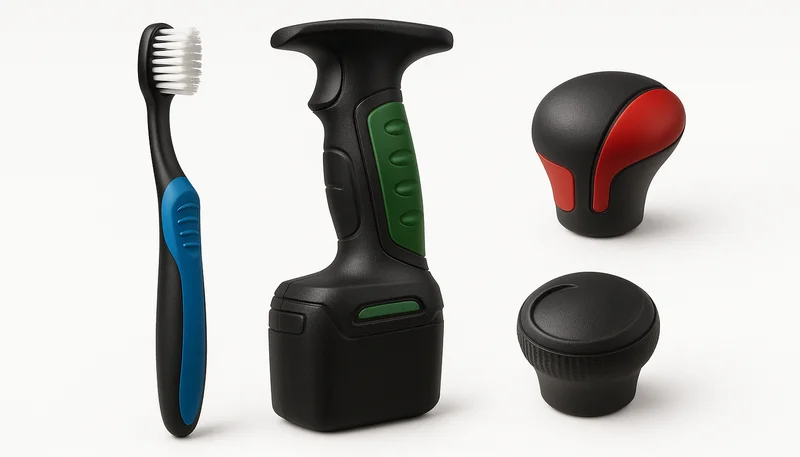
Typische Anwendungen lesen sich wie eine Liste alltäglicher Berührungsgegenstände: Zahnbürsten mit weichen Gummigriffen, Tastenkappen mit dauerhaft lesbaren Beschriftungen, Fahrzeuginnenraumteile mit integrierten Soft-Touch-Zonen und Gehäuse medizinischer Geräte mit farbcodierten Funktionsbereichen. Der zugrunde liegende Spritzgießprozess ist derselbe wie beim Einkomponenten-Spritzgießen; der Unterschied liegt ausschließlich in der Maschinenkonfiguration und der Formkonstruktion.
Wie funktioniert das Zweikomponenten-Spritzgießen?
Beim Zweikomponenten-Spritzgießen füllen zwei Spritzeinheiten in einem Zyklus eine drehbare oder verschiebbare Form und erzeugen so ein verbundenes Bauteil aus zwei Materialien. Der gesamte Prozess findet statt, ohne die Form zu öffnen oder den Grundkörper2 zu entnehmen.
Beim Drehtellerverfahren besitzt die Form zwei zusammenpassende Kavitätenhälften auf einer rotierenden Platte. Schritt eins: Das erste Spritzaggregat füllt Kavität A mit dem Trägermaterial. Schritt zwei: Die Platte dreht sich um 180 Grad und richtet den abgekühlten Träger an Kavität B aus. Schritt drei: Das zweite Spritzaggregat füllt Kavität B mit dem zweiten Material oder der zweiten Farbe um den Träger. Schritt vier: Die Form öffnet sich und das Fertigteil wird ausgeworfen.
Die Kernrückzugsmethode funktioniert anders. Statt einer Drehbewegung fährt ein Schiebeeinsatz zurück und gibt den zweiten Kavitätsbereich frei. Dieses Verfahren ist kompakter und bei symmetrischen Teilen häufig schneller, schränkt die Gestaltungsfreiheit gegenüber einem Drehwerkzeug jedoch ein, weil beide Kavitätsbereiche in derselben Formhälfte liegen.
Die Zykluszeit ist nicht doppelt so lang wie beim Einkomponenten-Spritzgießen — dies ist ein verbreiteter Irrtum. Da der zweite Schuss beginnt, während das Material des ersten Schusses noch abkühlt, ist der Gesamtzyklus üblicherweise nur 1.2- bis 1.5-mal so lang wie ein Einkomponentenzyklus. Die Maschine betreibt beide Spritzeinheiten in überlappenden Phasen, sodass der Durchsatz bei Großserien überraschend wettbewerbsfähig ist.
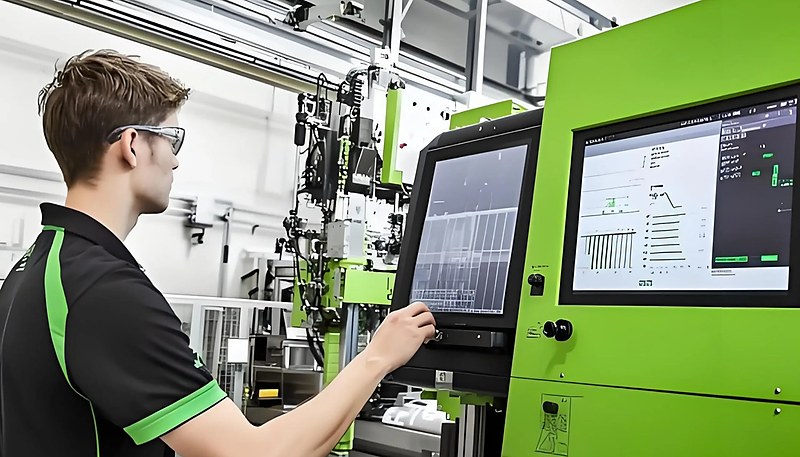
Die Maschinenanforderungen sind spezifisch: Benötigt wird eine Zweifarbenmaschine mit zwei Zylindern, Drehteller oder Schiebemechanismus und ausreichender Schließkraft für beide Kavitäten gleichzeitig. Diese Maschinen kosten deutlich mehr als Standardmaschinen mit einem Zylinder; deshalb ist Zweikomponentenspritzgießen teurer als konventionelles Umspritzen.
In der Praxis hängt die Wahl zwischen Drehtisch- und Core-Back-Verfahren von der Bauteilgeometrie ab. Rotationssymmetrische Teile wie runde Tasten oder zylindrische Griffe eignen sich gut für das Drehtischverfahren. Flache oder längliche Teile mit einem zweifarbigen Streifen oder Band sind häufig besser für das Core-Back-Verfahren geeignet, da sich das Werkzeug linear verschiebt, statt sich zu drehen.
Welche Werkstoffe eignen sich am besten für das Zweifarben-Spritzgießen?
PP+TPE3, ABS+TPE und PC+TPU sind die zuverlässigsten Materialpaarungen für das Zweifarben-Spritzgießen, da sie eine chemische Verbindung eingehen. Ohne chemische Kompatibilität lösen sich die beiden Materialien unter Belastung voneinander – unabhängig davon, wie gut die Form konstruiert ist.
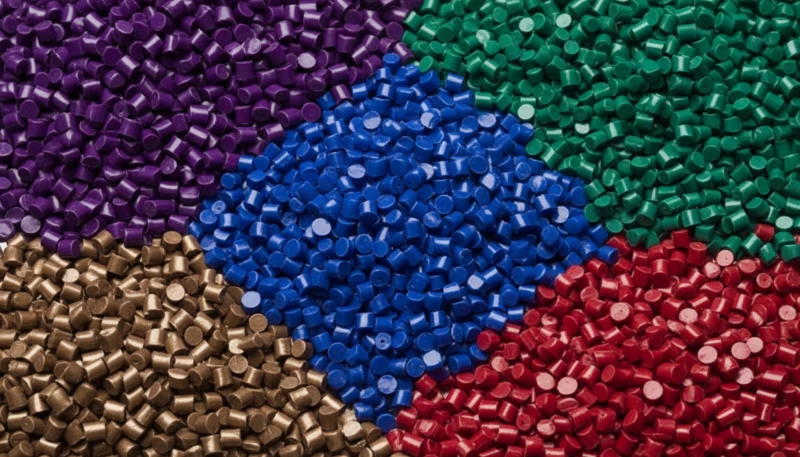
Die Verbindung entsteht durch zwei Mechanismen. Bei der chemischen Haftung verschmelzen kompatible Polymere während des zweiten Schusses auf molekularer Ebene; die Schmelzetemperatur des zweiten Materials schmilzt die Substratoberfläche teilweise wieder an. Die mechanische Haftung nutzt formschlüssige Verankerungen wie Hinterschneidungen, Durchgangsbohrungen oder strukturierte Oberflächen, die das zweite Material auch bei schwacher chemischer Haftung fixieren.
Bei der Materialauswahl geht es nicht nur um Härte und Farbe. Die Schmelztemperatur ist wichtig, weil das Material des zweiten Schusses heiß genug für die Haftung sein muss, ohne den ersten Schuss zu verformen. Die Schwindungswerte sollten ähnlich sein — eine Abweichung verursacht Verzug an der Verbundlinie. Die Verarbeitungsfenster müssen sich überschneiden: Benötigt ein Material 280 Grad Celsius und zersetzt sich das andere oberhalb von 240 Grad, liegt ein grundlegendes Problem vor.
Nach unserer Erfahrung mit der Zweikomponentenfertigung ist der häufigste werkstoffbedingte Ausfall nicht das vollständige Versagen der Verbindung — sondern eine langsame Delamination, die nach Hunderten von Temperaturzyklen sichtbar wird. Dies tritt typischerweise auf, wenn sich die Schmelzetemperaturen von Substrat und Umspritzmaterial um mehr als 40 Grad Celsius unterscheiden und dadurch an der Grenzfläche keine vollständige Verschmelzung entsteht.
| Substrat | Umspritzmaterial | Verbindungsart | Verbindungsqualität |
|---|---|---|---|
| PP | TPE (auf SEBS-Basis) | Chemisch | Ausgezeichnet |
| ABS | TPE (auf SEBS-Basis) | Chemisch | Gut |
| PC | TPU | Chemisch | Gut |
| Simulation sagt Kühlleistung voraus | TPE (auf SEBS-Basis) | Chemisch | Gut |
| PC/ABS | TPE | Chemisch | Gut |
| POM (Polyacetal) | TPE | Nur mechanisch | Schlecht |
| Dasselbe Basisharz | Gleiches Harz, andere Farbe | Schmelzverbund | Ausgezeichnet |
Fazit: Wenn keine besonderen technischen Anforderungen die Materialwahl bestimmen, beginnen Sie mit PP+TPE oder ABS+TPE. Diese Materialpaare sind für die Zweikomponentenfertigung besonders prozessrobust, breit verfügbar und kosteneffizient; die meisten Materiallieferanten führen sie in verschiedenen Härtegraden und Farben. Erfordert die Anwendung höhere Temperatur- oder Chemikalienbeständigkeit, sind PC+TPU oder PA6+TPE die nächste Stufe. POM ist beim Zweikomponentenspritzgießen nur die letzte Option — es verbindet sich chemisch kaum mit anderen Materialien und benötigt fast immer mechanische Verriegelungen in der Bauteilgeometrie. Fordern Sie im Zweifel beim Materiallieferanten Kompatibilitätsdatenblätter an, die ausdrücklich für Mehrkomponenten-Umspritzanwendungen freigegeben sind.
Wann sollten Sie Zweifarben-Spritzgießen wählen?
Zweifarben-Spritzgießen ist die beste Wahl für Teile, die eine dauerhafte Verbindung, Softgrip-Oberflächen oder eine mehrfarbige Optik ohne nachträgliche Montage benötigen. Nicht jedes zweifarbige Teil rechtfertigt den Werkzeugkostenaufschlag; zu wissen, wo die Grenze liegt, schont das Budget.
Das stärkste Argument für das Zweikomponenten-Spritzgießen ist das Produktionsvolumen. Ab 10,000 Einheiten gleichen die entfallenden Sekundärmontageschritte — Kleben, Ultraschallschweißen oder Verrasten zweier separater Teile — die höheren Werkzeugkosten in der Regel aus. Unterhalb dieser Menge rechnet sich das Verfahren selten, außer das Bauteil muss aufgrund regulatorischer Vorgaben dauerhaft verbunden sein, etwa bei Medizinprodukten oder Anwendungen mit Lebensmittelkontakt.
Automobil-Innenraumkomponenten sind ein typischer Anwendungsfall. Ein Schaltknauf benötigt einen harten Kunststoffkern für strukturelle Steifigkeit und eine weiche Außenfläche für sicheren Griff. Lackierung oder Gummihülse halten 100,000 Zyklen täglicher Nutzung nicht stand. Das Zweikomponenten-Spritzgießen verbindet die Materialien dauerhaft; das Ergebnis überdauert das Fahrzeug. Dieses Muster zeigt sich bei Mittelkonsolentasten, Türgriffblenden und Armaturenbrettverkleidungen — überall dort, wo eine Soft-Touch-Oberfläche auf eine starre strukturelle Anforderung trifft.
Unterhaltungselektronik nutzt das Zweikomponenten-Spritzgießen aus optischen und funktionalen Gründen. Bei einem Elektrowerkzeuggehäuse ist der Markenname in einer anderen Farbe direkt in die Gehäuseoberfläche eingespritzt – kein Etikett, das sich ablösen kann, und kein Lack, der zerkratzt. Tastenkappen tragen in den Kunststoff eingespritzte Beschriftungen statt eines Oberflächendrucks. Diese Teile werden intensiv genutzt; das Zweikomponentenverfahren stellt sicher, dass sich die visuellen und haptischen Elemente nicht abnutzen.
Insert-Spritzguss erreicht eine ähnliche Integration, verfolgt jedoch einen anderen Zweck — Metallteile oder elektronische Komponenten werden in Kunststoff eingebettet, statt zwei Kunststoffe zu verbinden. Beide Verfahren vermeiden eine nachgelagerte Montage; beim Insert-Spritzguss geht es um die Integration unterschiedlicher Materialarten, beim Zweikomponenten-Spritzguss um die Verbindung von Kunststoff mit Kunststoff.
Wann Zweikomponenten-Spritzguss nicht eingesetzt werden sollte: Benötigen Sie nur eine farbliche Differenzierung und hat das Teil keine funktionale Anforderung an zwei Materialien, sind Tampondruck oder Lackieren bei jeder Stückzahl günstiger. Haben die beiden Teilbereiche sehr unterschiedliche strukturelle Anforderungen — ein Bereich benötigt transparentes PC, der andere glasfaserverstärktes Nylon —, kann die Lücke zwischen den Verarbeitungstemperaturen für eine zuverlässige Bindung in einer Maschine zu groß sein.
"Beim Zweifarbenspritzguss entsteht ein dauerhaft verbundenes Bauteil — chemisch kompatible Werkstoffe verschmelzen beim zweiten Schuss auf molekularer Ebene."True
Wenn das zweite Material mit der richtigen Schmelzetemperatur eingespritzt wird, schmilzt es die Substratoberfläche im Kontaktbereich teilweise wieder auf und erzeugt eine Verbindung, die häufig fester ist als klebstoffbasierte oder mechanische Alternativen. Deshalb ist die Materialverträglichkeit die wichtigste einzelne Konstruktionsentscheidung bei jedem Zweikomponentenprojekt.
"Beim Zweifarben-Spritzgießen können zwei beliebige Thermoplaste miteinander kombiniert werden."False
Chemische Unverträglichkeit verursacht Delamination. POM und TPE besitzen beispielsweise fast keine chemische Affinität — die Verbindung ist rein mechanisch und versagt unter Schälbeanspruchung. Prüfen Sie vor der Beauftragung des Werkzeugs stets gemeinsam mit Ihrem Lieferanten die Datenblätter zur Materialverträglichkeit.
Werkstoffkompatibilität ist keine binäre Ja-Nein-Frage, sondern ein Spektrum. Manche Werkstoffpaare bilden ohne besondere Vorbereitung ausgezeichnete chemische Verbindungen. Andere benötigen Oberflächenbehandlungen, Primerbeschichtungen oder mechanische Hinterschnitte, um eine ausreichende Haftfestigkeit zu erreichen. Die Kosten dieser sekundären Verbindungsstrategien summieren sich schnell. Deshalb sollte die Werkstoffauswahl vor Beginn der Werkzeugkonstruktion abgeschlossen sein, nicht danach. Ein Werkstoffwechsel mitten im Projekt ist bei einem Zweikomponentenwerkzeug wesentlich teurer als bei einem Einkomponentenwerkzeug, da möglicherweise beide Kavitätensätze geändert werden müssen.
"Ein Zweikomponenten-Spritzgießwerkzeug kostet in der Regel 60 bis 80 Prozent mehr als ein vergleichbares Einkavitätenwerkzeug."True
Die Form muss zwei vollständige Kavitätssätze mit Präzisionsausrichtung, eine drehbare Platte oder einen Schiebekernmechanismus sowie separate Angusssysteme für jedes Material enthalten. Diese Komplexität erhöht das Stahlvolumen, die Bearbeitungsstunden und den Zeitaufwand für die technische Konstruktion erheblich.
"Die Gesamtzykluszeit beim Zweifarbenspritzgießen ist genau doppelt so lang wie beim Einspritzgießen in einem Schuss."False
Da die zweite Einspritzung beginnt, während sich das Material des ersten Schusses noch in der Kühlphase befindet, erhöht sich die tatsächliche Zykluszeit nur um 20 bis 50 Prozent. Beide Spritzeinheiten arbeiten in überlappenden Phasen, wodurch der Durchsatz höher ist, als die meisten Ingenieure erwarten.
Welche kritischen Konstruktionsregeln gelten für Zweikomponententeile?
Die Konstruktionsregeln für den Zweikomponenten-Spritzguss sind eindeutig: mindestens ein halber Millimeter Überlappung der Verbindung, Abschaltwinkel von 3-5 Grad und eine Wanddicke unter 4 mm. Wird eine dieser Vorgaben verletzt, versagt das Bauteil an der Verbindungsstelle.
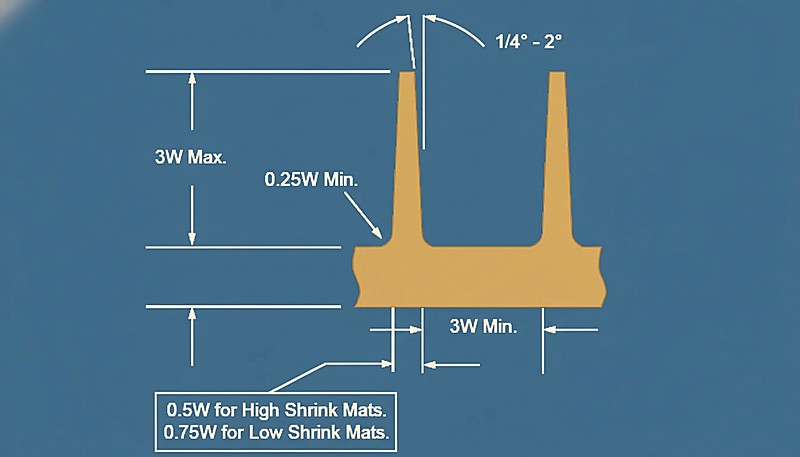
Die Verbundüberlappung ist der Bereich, in dem das zweite Material über die Kante des Substrats reicht. Bei zu geringer Überlappung löst sich das zweite Material unter Belastung ab. Wir empfehlen mindestens 0.5 mm; 1.0 mm ist jedoch sicherer für Teile, die Temperaturwechseln, Stoßbelastungen oder wiederholter Biegung an der Verbundlinie ausgesetzt sind.
Die Verschlussflächenauslegung ist entscheidend. Die Verschlussfläche ist der Bereich, in dem die Form zwischen der Kavität des ersten und der Kavität des zweiten Schusses abdichtet. Ist der Winkel zu flach, entsteht Grat, weil das zweite Material in den Bereich des ersten Schusses eindringt. Ist der Winkel zu steil, verschleißt die Form schnell und die Abdichtung lässt im Produktionsverlauf nach. Drei bis fünf Grad sind Industriestandard; erfahrene Ingenieure für Formkonstruktion beanstanden bei der DFM-Prüfung in der Regel jeden Wert außerhalb dieses Bereichs.
Beim Zweikomponenten-Spritzgießen ist die Wanddicke wichtiger als beim Einkomponenten-Spritzgießen, da zwei unterschiedliche Werkstoffe mit verschiedenen Geschwindigkeiten abkühlen. Wenn beide Wände dicker als 4 mm sind, führt die unterschiedliche Schwindung zu Verzug an der Verbundlinie. Ist die Wand des zweiten Schusses dünner als 0.8 mm, werden unvollständig gefüllte Teile zu einem dauerhaften Produktionsproblem — TPE oder TPU erstarrt, bevor die Kavität vollständig gefüllt ist.
Auch die Anschnittposition erfordert sorgfältige Planung. Der Anschnitt für den zweiten Schuss sollte so liegen, dass die Schmelze gleichmäßig über die Verbindungsfläche fließt. Ungleichmäßiger Fluss erzeugt kalte Bereiche mit schwacher Haftung. In der Praxis liegt der Anschnitt des zweiten Schusses daher meist gegenüber dem ersten und schafft einen langen, gleichmäßigen Fließweg über die Substratoberfläche.
Die Entformungsschrägen müssen beide Materialien berücksichtigen. Der Grundkörper erfordert die übliche Entformungsschräge von 1 bis 2 Grad je Seite. Der umspritzte Bereich benötigt mindestens 0.5 Grad Entformungsschräge, damit er sich nach dem zweiten Schuss sauber aus dem Werkzeug lösen lässt. Wenn das Bauteil speziell für eine mechanische Verbindung ausgelegte Hinterschneidungen aufweist, darf deren Tiefe 0.3 mm nicht überschreiten, da das Umspritzmaterial sonst beim Auswerfen reißt.
Zweifarben-Spritzgießen oder Umspritzen: Welches Verfahren benötigen Sie?
Zweifarben-Spritzgießen ist bei hohen Stückzahlen schneller und pro Teil günstiger; Umspritzen ist bei niedrigeren Stückzahlen flexibler. Beide Verfahren erzeugen verbundene Zweimaterialteile, unterscheiden sich jedoch grundlegend in ihrer Wirtschaftlichkeit.
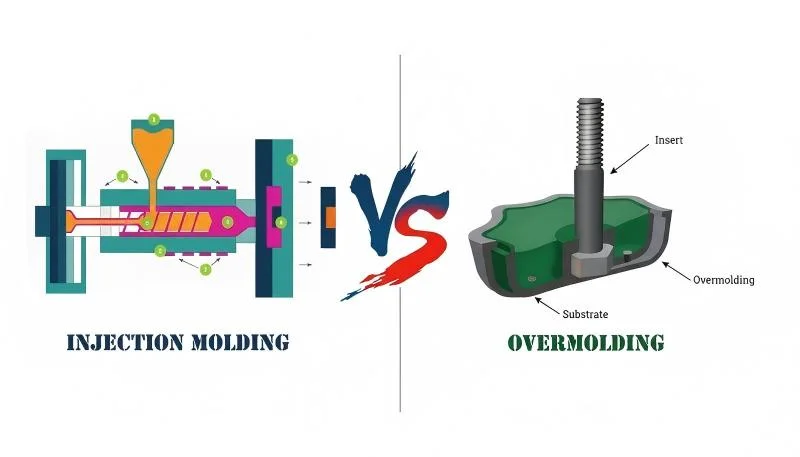
| Faktor | Zweifarben-Spritzgießen | Umspritzen |
|---|---|---|
| Erforderliche Maschinen | 1 (Zweikomponentenmaschine) | 2 (oder 1, zwei Einrichtvorgänge) |
| Werkzeugkosten | 60–80% höher | Niedriger (zwei einfachere Formen) |
| Zykluszeit pro Teil | 1.2–1.5x Einzelschuss | 2x Einzelschuss (zwei Zyklen) |
| Stückkosten (Großserie) | Niedriger | Höher |
| Stückkosten (Kleinserie) | Höher | Niedriger |
| Verbindungsqualität | Chemisch + mechanisch | Chemisch + mechanisch |
| Toleranzkontrolle | Enger (eine Aufspannung) | Breiter (zwei Aufspannungen) |
| Mengenschwelle | Über 10,000 Einheiten | Beliebige Stückzahl |
Entscheidend sind Stückzahl und Toleranzanforderungen. Oberhalb von 10,000 Teilen ist Zweifarbenspritzguss pro Teil fast immer günstiger, weil Arbeit und Handhabung eines zweiten Spritzzyklus entfallen. Die Maschinenkosten pro Stunde sind höher, doch der Zykluszeitvorteil summiert sich schnell. Unterhalb dieser Schwelle ist Umspritzen mit zwei einfacheren Werkzeugen und Standardmaschinen die finanziell sicherere Wahl.
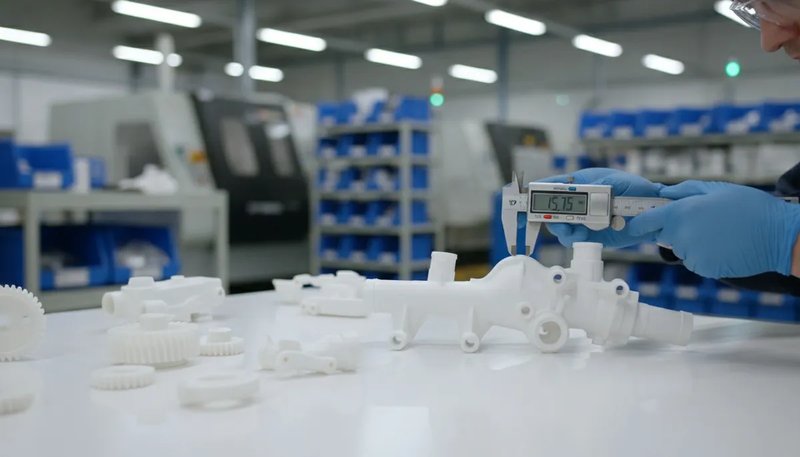
Die Toleranz ist der andere entscheidende Faktor. Beim Zweifarben-Spritzguss bleibt die Positionsgenauigkeit innerhalb von plus/minus 0.05 mm, da das Bauteil in einer einzigen Aufspannung verbleibt. Beim Überspritzen muss das Substrat entnommen und neu positioniert werden — jeder Handhabungsschritt führt zu zusätzlichen Ausrichtungsabweichungen. Bei Medizinprodukten und Präzisionselektronik, deren Verbindungsnaht optisch unsichtbar und funktional hermetisch sein muss, ist das Zweischussverfahren eindeutig die richtige Wahl.
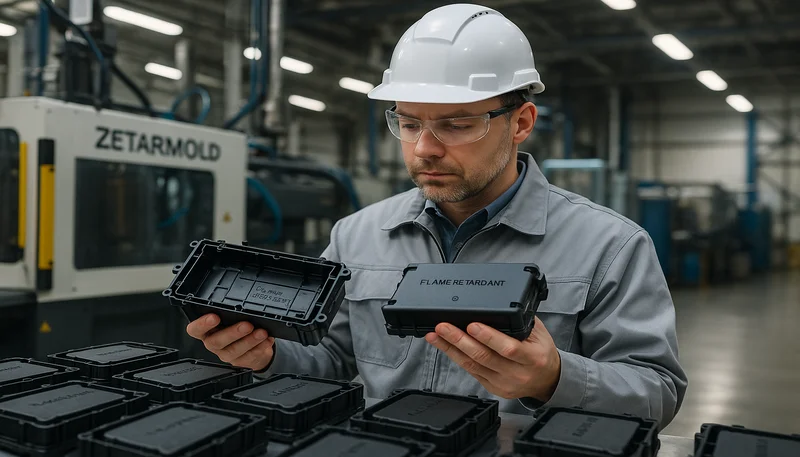
ZetarMold hat 2024 sein Werk in Shanghai um 3 spezielle Zweifarben-Spritzgießmaschinen erweitert. Unser Werk betreibt 47 Spritzgießmaschinen mit Schließkräften von 90T bis 1850T und beschäftigt 8 erfahrene Formenbauingenieure mit durchschnittlich mehr als 10 Jahren Erfahrung. Zweikomponenten-Formenkonstruktion, DFM-Prüfung und T1-Bemusterung führen wir vollständig im eigenen Haus durch; verfügbar sind 400+ qualifizierte Werkstoffe sowie Zertifizierungen nach ISO 9001 / 13485.
Was kostet ein Werkzeug für den Zweikomponenten-Spritzguss?
Ein Standard-Zweikomponentenwerkzeug kostet $20,000 bis $80,000 und damit 2- bis 4-mal mehr als ein vergleichbares Einkomponentenwerkzeug für $5,000 bis $30,000. Der Aufschlag deckt die Auslegung mit zwei Kavitäten, einen Drehmechanismus und getrennte Angusssysteme für jedes Material ab.
Die Lieferzeit für ein Zweikomponentenwerkzeug beträgt von finalisierten 3D-Daten bis zu T1-Mustern typischerweise 6 bis 10 Wochen, gegenüber 4 bis 6 Wochen bei einem üblichen Einkomponentenwerkzeug. Die zusätzliche Zeit entfällt auf die Prüfung der Ausrichtung: Beide Kavitäten müssen an der Dichtkante exakt übereinstimmen, andernfalls weist jedes produzierte Bauteil an der Verbindung einen sichtbaren Versatz auf.
Häufig gestellte Fragen
Häufig gestellte Fragen
Was ist der Unterschied zwischen Zweifarbenspritzguss und Überspritzen?
Beim Zweifarben-Spritzgießen werden beide Werkstoffe in einem einzigen Maschinenzyklus auf einer Zweikomponentenmaschine verarbeitet, die mit einem dreh- oder verschiebbaren Werkzeugmechanismus ausgestattet ist. Beim Umspritzen kommen zwei getrennte Spritzgießzyklen zum Einsatz — zunächst wird der Grundkörper geformt und aus der Maschine entnommen, dann für die Umspritzschicht in ein zweites Werkzeug eingelegt. Bei hohen Stückzahlen ist das Zweifarben-Spritzgießen schneller und präziser, da das Bauteil das Werkzeug nie verlässt. Bei kleineren Stückzahlen ist das Umspritzen flexibler und kostengünstiger, weil Standardmaschinen mit einem Zylinder und zwei einfacheren Werkzeugen eingesetzt werden.
Welche Stückzahl ist erforderlich, damit sich Zweikomponenten-Spritzgießen lohnt?
Der typische Break-even-Punkt liegt je nach Teilekomplexität und gewählter Materialpaarung bei 8,000 bis 15,000 Einheiten. Unterhalb dieses Bereichs amortisiert sich der Werkzeugkostenaufschlag von 60 bis 80 Prozent nicht schnell genug. Oberhalb von 20,000 Einheiten ist das Zweikomponenten-Spritzgießen fast immer die kostengünstigere Option je Teil, da es sekundäre Handhabungsarbeit beseitigt und beide Schüsse in einem einzigen Schließzyklus ausführt. Bei sehr hohen Stückzahlen über 100,000 Einheiten werden die Einsparungen je Teil erheblich.
Können beim Zweifarben-Spritzguss zwei völlig unterschiedliche Werkstoffe verwendet werden?
Ja, jedoch nur, wenn die beiden Werkstoffe für eine chemische Bindung kompatibel sind oder das Bauteil mechanische Verankerungen wie Hinterschneidungen, Durchgangsbohrungen oder strukturierte Oberflächenmuster aufweist. Übliche kompatible Kombinationen sind PP mit TPE, ABS mit TPE und PC mit TPU — sie erzielen starke chemische Bindungen, weil die Schmelzetemperatur der zweiten Komponente die Substratoberfläche in der Kontaktzone teilweise wieder aufschmilzt. Inkompatible Kombinationen wie POM mit TPE sind ausschließlich auf mechanische Verankerungsmerkmale angewiesen und weisen bei Belastung oder Temperaturwechseln ein deutlich höheres Delaminationsrisiko auf.
Wie lang ist die typische Lieferzeit für ein Zweikomponentenwerkzeug?
Der Werkzeugbau für das Zweikomponenten-Spritzgießen dauert von den finalisierten 3D-Konstruktionsdaten bis zu den ersten T1-Musterteilen in der Regel 6 bis 10 Wochen, gegenüber 4 bis 6 Wochen bei einer standardmäßigen Einkomponentenform. Der zusätzliche Zeitaufwand entfällt auf die Überprüfung der Ausrichtung zwischen den beiden Kavitätssätzen, die Erprobung der sequenziellen Einspritzparameter für eine gleichbleibende Verbundhaftung und die Validierung der Dichtheit der Abschottung unter Produktionsbedingungen. Komplexe Mehrkavitäten-Zweikomponentenformen mit engen Toleranzen können je nach Komplexität der Bauteilgeometrie und Anzahl der Kavitäten bis zu 12 Wochen erfordern.
Kann jede Spritzgießmaschine zweifarbige Teile herstellen?
Nein, Zweifarben-Spritzgießen kann nicht auf einer herkömmlichen Einzylinder-Spritzgießmaschine durchgeführt werden. Es erfordert eine spezielle Maschine mit zwei unabhängigen Spritzeinheiten – das bedeutet zwei separate Zylinder, zwei Schnecken und entweder einen drehenden Plattenhalter oder einen Schiebermechanismus im Schließteil. Standardmaschinen haben nur eine Spritzeinheit und können keine Zwei-Komponenten-Teile produzieren. Diese speziellen Zwei-Komponenten-Maschinen haben einen höheren Betriebsstundensatz, der in die Gesamtproduktionskosten pro Teil für jedes Zweifarben-Projekt einbezogen werden muss.
Was ist die Mindestwandstärke für das Umspritzmaterial?
Das Material für den zweiten Spritzvorgang (Umspritzmaterial) sollte eine Mindestwandstärke von 0,8 mm für TPE- oder TPU-Materialien aufweisen. Dünnere Wände bergen das Risiko von Kurzschüssen, bei denen das Material erstarrt, bevor es den Hohlraum vollständig füllen kann, was zu einer unvollständigen Abdeckung der Substratoberfläche führt. Für das Substratmaterial gelten die Standardregeln für die Wandstärke beim Spritzgießen: 1,0 mm ist das absolute Minimum, wobei 2,0 bis 3,0 mm der praktische Designbereich für die meisten technischen Thermoplastanwendungen sind. Eine Überschreitung von 4 mm bei einem der Materialien erhöht das Risiko von differenzieller Schrumpfung an der Verbindungslinie.
Wie eng können Toleranzen bei Zwei-Komponenten-Teilen sein?
Zwei-Komponenten-Teile können Toleranzen von plus/minus 0,05 mm an der Verbindungslinie einhalten, da beide Materialien in einem einzigen Maschineneinrichtvorgang ohne Handhabung oder Neupositionierung zwischen den Spritzvorgängen geformt werden. Dies ist deutlich enger als beim Umspritzen, bei dem das Substrat in ein zweites Werkzeug eingelegt werden muss und die Positionsgenauigkeit vollständig von der Präzision der Ladevorrichtung abhängt. Für kritische Abmessungen außerhalb der Verbindungslinie erreichen Zwei-Komponenten-Teile Toleranzen, die mit dem Standard-Einkomponenten-Spritzgießen vergleichbar sind, typischerweise plus/minus 0,02 bis 0,05 mm.
Ist Zweifarben-Spritzgießen für Medizinprodukte geeignet?
Ja, Zweifarben-Spritzgießen wird in der Medizingeräteherstellung häufig für Komponenten wie farbcodierte Spritzen, Soft-Grip-Griffe für chirurgische Instrumente, Dichtungen mit zwei Härtegraden und Gehäuse für Diagnosegeräte eingesetzt. Die dauerhafte chemische Bindung zwischen den beiden Materialien eliminiert Kontaminationsrisiken, die mit Klebstoffen oder mechanischen Befestigungselementen verbunden sind, die sich in Sterilisationsumgebungen mit der Zeit abbauen könnten. Der Einrichtungsprozess beim Spritzgießen erzeugt auch engere Maßtoleranzen, die Herstellern helfen, sowohl die FDA-Vorschriften als auch die ISO-13485-Zertifizierungsstandards für Qualitätsmanagementsysteme in der Medizingeräteproduktion zu erfüllen.
Die Wahl zwischen Zweifarben-Spritzgießen und Umspritzen ist eine Entscheidung, die Ihr Werkzeugbudget, die Kosten pro Teil und die Produktqualität für die gesamte Produktionsserie beeinflusst. Eine falsche Entscheidung bedeutet entweder zu viel für Werkzeuge zu zahlen, die Sie nicht voll ausnutzen, oder mit Toleranzproblemen zu leben, die sich über Millionen von Teilen summieren.
Faustregel: Bei über 15.000 Stück mit engen Toleranzen, Zwei-Komponenten. Unter 10.000 Stück oder einfacher Geometrie, Umspritzen. Dazwischen, rechnen Sie die Zahlen mit Ihrem Werkzeuglieferanten durch und lassen Sie die Daten entscheiden.
ZetarMold betreibt am Standort Shanghai 47 Spritzgießmaschinen, darunter spezielle Zweikomponentenmaschinen. Unsere 8 erfahrenen Formenbauingenieure führen DFM-Prüfung, Formkonstruktion und Erstmusterprüfung intern durch. Mit mehr als 400 qualifizierten Materialien und Zertifizierungen nach ISO 9001 / 13485 können wir Ihr Zweifarbenprojekt bewerten und innerhalb von 48 Stunden ein detailliertes Angebot erstellen. Fordern Sie ein Angebot für Ihr Zweikomponenten-Spritzgießprojekt an.
Zweikomponenten-Spritzgießen: Beim Zweikomponenten-Spritzgießen werden zwei unterschiedliche Materialien oder Farben nacheinander in dieselbe Form eingespritzt, um ein einzelnes verbundenes Bauteil herzustellen. ↩
Grundkörper: Beim Mehrkomponenten-Spritzgießen bezeichnet der Grundkörper das starre Material des ersten Schusses, das die strukturelle Basis des Bauteils bildet und anschließend mit dem zweiten Material überspritzt wird. ↩
TPE: Ein thermoplastisches Elastomer (TPE) ist eine Klasse von Copolymeren, die bei Raumtemperatur gummiartige Elastizität aufweisen, sich jedoch wie herkömmliche Thermoplaste aufschmelzen und verarbeiten lassen. ↩