Otrzymana wycena oprzyrządowania jest o 70% wyższa od oczekiwanej, ponieważ część ma mieć dwa kolory. Szef chce wiedzieć, czy ta dopłata jest uzasadniona. W większości przypadków tak — ale tylko wtedy, gdy część rzeczywiście wymaga formowania dwukomponentowego1, a nie każda część dwukolorowa go potrzebuje.
Formowanie wtryskowe dwukolorowe wytwarza pojedynczy detal z dwóch różnych materiałów lub kolorów w jednym cyklu maszyny, eliminując montaż wtórny. Ten przewodnik omawia mechanikę procesu, dobór materiałów, zasady projektowania i strukturę kosztów, aby umożliwić świadomą decyzję.
- Formowanie dwuwtryskowe wykorzystuje dwa zespoły wtryskowe i obrotową formę do wytwarzania części z dwóch materiałów w jednym cyklu.
- Materiały podłoża i obtrysku muszą być zgodne chemicznie — TPE na PP łączy się dobrze; TPE na POM nie.
- Koszty oprzyrządowania są o 60–80% wyższe niż w przypadku form jednokomponentowych ze względu na konstrukcję z dwoma gniazdami i precyzyjne osiowanie.
- Najwięcej zyskują detale z miękkimi powierzchniami chwytowymi, wielokolorową estetyką lub zintegrowanymi uszczelnieniami.
- Jeśli część można zmontować z dwóch oddzielnych elementów, tańszą alternatywą może być obtryskiwanie.
Czym jest dwukolorowe formowanie wtryskowe?
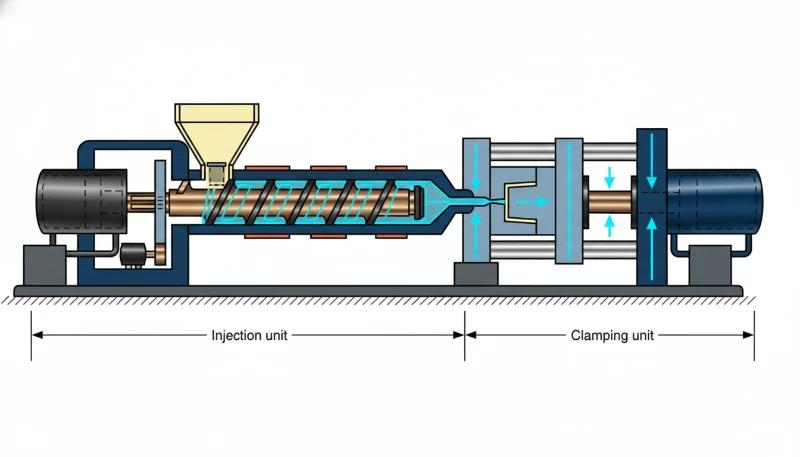
Wtrysk dwukolorowy to proces, w którym dwa materiały są wtryskiwane do jednej formy, aby wytworzyć jedną trwale połączoną część w jednym cyklu maszynowym. Nazywany również wtryskiem dwustopniowym, wykorzystuje specjalistyczną maszynę z dwoma niezależnymi zespołami wtryskowymi.
W przeciwieństwie do malowania, tampodruku lub montowania oddzielnych elementów oba materiały łączą się podczas formowania. Powstaje część, w której granica między kolorami lub materiałami jest płynna — bez spoiny klejowej, łącznika mechanicznego ani operacji wtórnej. Połączenie jest trwałe, ponieważ drugi materiał jest wtryskiwany, gdy pierwszy pozostaje wystarczająco ciepły, by doszło do zespolenia molekularnego.
Istnieją dwie podstawowe metody: obrotowa i z cofanym rdzeniem. W formowaniu obrotowym stół obraca formę o 180 stopni między pierwszym a drugim wtryskiem. W metodzie z cofanym rdzeniem przesuwna wkładka wycofuje się, odsłaniając obszar drugiego gniazda bez obracania formy. W obu metodach część z pierwszego wtrysku pozostaje w formie przez cały cykl, dzięki czemu dokładność położenia pozostaje wysoka.
Typowe zastosowania przypominają listę przedmiotów dotykanych codziennie: szczoteczki do zębów z miękkimi gumowymi uchwytami, klawisze z oznaczeniami, które się nie ścierają, elementy wykończenia wnętrz samochodów ze zintegrowanymi strefami miękkimi w dotyku oraz obudowy urządzeń medycznych ze strefami funkcjonalnymi oznaczonymi kolorami. Podstawowy proces formowania wtryskowego jest taki sam jak przy wtrysku jednego materiału — różnica dotyczy wyłącznie konfiguracji maszyny i konstrukcji formy.
Jak przebiega proces formowania dwukomponentowego?
Formowanie dwukomponentowe to cykl, w którym dwa zespoły wtryskowe napełniają obracaną lub przesuwną formę, tworząc połączoną część z dwóch materiałów. Cały proces odbywa się bez otwierania formy ani wyjmowania podłoża2.

W metodzie obrotowej forma ma dwie pasujące do siebie połowy gniazd zamontowane na obrotowej płycie. Krok pierwszy: pierwszy zespół wtryskowy wypełnia gniazdo A materiałem podłoża. Krok drugi: płyta obraca się o 180 stopni, przesuwając schłodzone podłoże do wyrównania z gniazdem B. Krok trzeci: drugi zespół wtryskowy wypełnia gniazdo B drugim materiałem lub kolorem wokół podłoża. Krok czwarty: forma otwiera się i gotowa część jest wyjmowana.
Metoda odsuwania rdzenia działa inaczej. Zamiast obrotu wkładka przesuwna cofa się, odsłaniając obszar drugiego gniazda. Ta metoda jest bardziej kompaktowa i często szybsza w przypadku symetrycznych detali, ale w porównaniu z metodą obrotową ogranicza swobodę projektowania, ponieważ oba obszary gniazd znajdują się w tej samej połowie formy.
Czas cyklu nie jest dwukrotnie dłuższy niż przy formowaniu jednowtryskowym — to częste nieporozumienie. Ponieważ drugi wtrysk rozpoczyna się, gdy materiał z pierwszego wtrysku wciąż się chłodzi, całkowity cykl jest zwykle tylko 1,2–1,5 raza dłuższy od cyklu jednowtryskowego. Maszyna uruchamia oba zespoły wtryskowe w nakładających się fazach, dlatego przepustowość pozostaje zaskakująco konkurencyjna przy produkcji wielkoseryjnej.
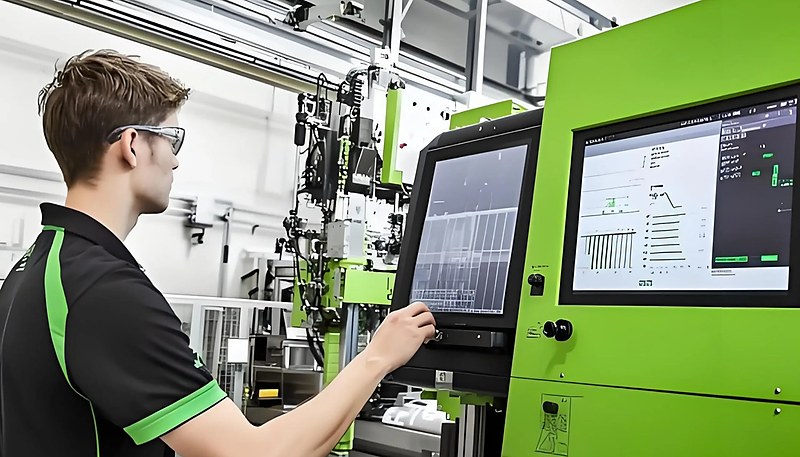
Wymagania dotyczące maszyny są ściśle określone: potrzebna jest maszyna dwukolorowa z dwoma cylindrami, obrotową płytą lub mechanizmem przesuwnym oraz siłą zwarcia wystarczającą do jednoczesnej obsługi obu gniazd. Maszyny te kosztują znacznie więcej niż standardowe jednostki jednocylindrowe, co jest jednym z powodów, dla których formowanie dwukomponentowe jest droższe od konwencjonalnego obtrysku.
W praktyce wybór między systemem obrotowym a cofanym rdzeniem zależy od geometrii części. Części o symetrii obrotowej — okrągłe przyciski, cylindryczne uchwyty — dobrze nadają się do systemu obrotowego. Płaskie lub wydłużone części z dwukolorowym paskiem lub pasem często lepiej pasują do cofanego rdzenia, ponieważ forma przesuwa się liniowo zamiast obracać.
Jakie materiały najlepiej sprawdzają się w formowaniu dwukolorowym?
PP+TPE3, ABS+TPE oraz PC+TPU to najbardziej niezawodne pary materiałów do formowania dwukolorowego, ponieważ tworzą wiązanie chemiczne. Bez zgodności chemicznej oba materiały rozwarstwią się pod obciążeniem, niezależnie od jakości konstrukcji formy.
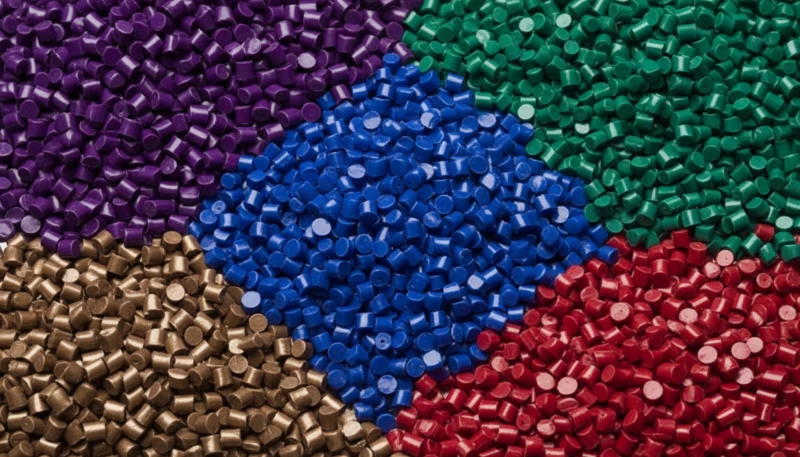
Wiązanie następuje poprzez dwa mechanizmy. Wiązanie chemiczne zachodzi, gdy kompatybilne polimery łączą się na poziomie molekularnym podczas drugiego wtrysku — temperatura topnienia drugiego materiału częściowo przetapia powierzchnię podłoża. Wiązanie mechaniczne wykorzystuje fizyczne zaczepy: podcięcia, otwory przelotowe lub teksturowane powierzchnie, które blokują drugi materiał na miejscu, nawet gdy wiązanie chemiczne jest słabe.
Wybór materiału nie sprowadza się do twardości i koloru. Temperatura stopu ma znaczenie, ponieważ materiał drugiego wtrysku musi być wystarczająco gorący, aby utworzyć połączenie, ale nie na tyle, by odkształcić pierwszy wtrysk. Wartości skurczu powinny być podobne — niedopasowanie powoduje paczenie na linii połączenia. Okna procesowe muszą się pokrywać: jeśli jeden materiał wymaga 280°C, a drugi degraduje się powyżej 240°C, jest to zasadniczy problem.
Z naszego doświadczenia w produkcji dwukomponentowej wynika, że najczęstszym mechanizmem uszkodzenia materiału nie jest całkowite zerwanie połączenia — lecz powolne rozwarstwianie ujawniające się po setkach cykli cieplnych. Zwykle dzieje się tak, gdy różnica temperatur topnienia podłoża i obtrysku przekracza 40 stopni Celsjusza, co powoduje niepełne zespolenie na styku.
| Podłoże | Materiał warstwy obtryskiwanej | Rodzaj połączenia | Jakość połączenia |
|---|---|---|---|
| PP | TPE (na bazie SEBS) | Chemiczne | Doskonały |
| ABS | TPE (na bazie SEBS) | Chemiczne | Dobry |
| PC | TPU | Chemiczne | Dobry |
| PA6 (nylon) | TPE (na bazie SEBS) | Chemiczne | Dobry |
| PC/ABS | TPE | Chemiczne | Dobry |
| POM (acetal) | TPE | Tylko mechaniczne | Słaby |
| Ta sama żywica bazowa | Ta sama żywica, inny kolor | Łączenie przez stopienie | Doskonały |
Podsumowując: jeśli dobór materiału nie wynika z konkretnych wymagań technicznych, zacznij od PP+TPE lub ABS+TPE. Są to najbardziej tolerancyjne, powszechnie dostępne i ekonomiczne pary do produkcji dwukomponentowej, a większość dostawców oferuje je w wielu twardościach i kolorach. Jeśli zastosowanie wymaga większej odporności cieplnej lub chemicznej, kolejnym wyborem są PC+TPU albo PA6+TPE. POM jest rozwiązaniem ostatecznym w procesie dwukomponentowym — prawie nie wiąże się chemicznie z innymi materiałami i niemal zawsze wymaga mechanicznych połączeń zaprojektowanych w geometrii detalu. W razie wątpliwości poproś dostawcę materiału o karty zgodności przeznaczone specjalnie do wielokomponentowych zastosowań obtryskowych.
Kiedy warto wybrać dwukolorowe formowanie wtryskowe?
Wtrysk dwukolorowy jest najlepszym wyborem dla części wymagających trwałego łączenia, miękkich powierzchni chwytnych lub estetyki wielokolorowej bez montażu końcowego. Nie każda dwukolorowa część uzasadnia premię za narzędzia, a zrozumienie, gdzie przebiega granica, oszczędza budżet.
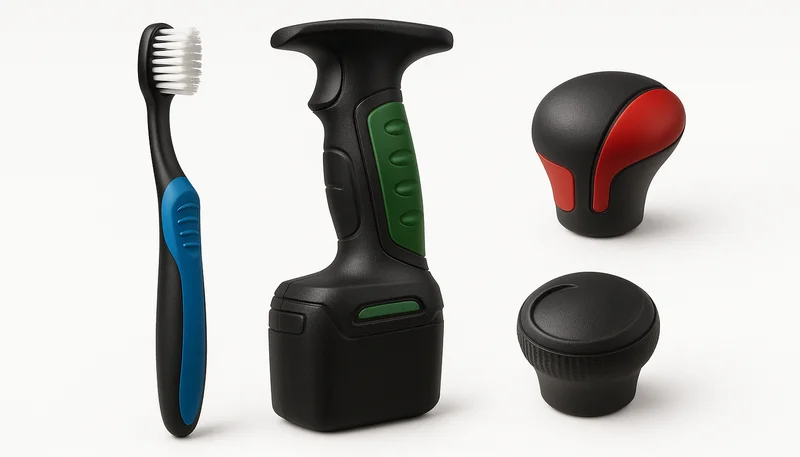
Najmocniejszym argumentem za wtryskiem dwukomponentowym jest wielkość produkcji. Przy 10 000 sztuk i więcej wyeliminowanie montażu wtórnego — klejenia, zgrzewania ultradźwiękowego lub zatrzaskiwania dwóch oddzielnych elementów — zwykle równoważy wyższy koszt oprzyrządowania. Poniżej tej wielkości rachunek rzadko jest korzystny, chyba że część podlega wymogowi regulacyjnemu dotyczącemu trwałego połączenia, na przykład w wyrobach medycznych lub zastosowaniach mających kontakt z żywnością.
Elementy wnętrza samochodu są podręcznikowym przykładem zastosowania. Gałka zmiany biegów wymaga twardego rdzenia z tworzywa, który zapewnia sztywność konstrukcyjną, oraz miękkiej powierzchni zewnętrznej gwarantującej pewny chwyt. Powłoka malarska ani gumowa osłona nie wytrzymują 100 000 cykli codziennego użytkowania. Formowanie dwukomponentowe trwale łączy materiały, a powstały element służy dłużej niż pojazd. Ten sam schemat wielokrotnie obserwowaliśmy w przyciskach konsoli środkowej, obramowaniach klamek i wykończeniach deski rozdzielczej — wszędzie tam, gdzie miękka w dotyku powierzchnia łączy się z wymogiem sztywności konstrukcyjnej.
Elektronika użytkowa wykorzystuje formowanie dwuwtryskowe zarówno ze względów estetycznych, jak i funkcjonalnych. Obudowa elektronarzędzia, na której nazwa marki w innym kolorze jest uformowana bezpośrednio w powierzchni korpusu — bez odklejającej się etykiety i farby, którą można zarysować. Klawisze klawiatury z oznaczeniami uformowanymi w tworzywie zamiast nadrukowanymi na powierzchni. Detale te są intensywnie użytkowane, a podejście dwuwtryskowe gwarantuje, że elementy wizualne i dotykowe nie ulegną degradacji.
Formowanie z wkładkami zapewnia podobną integrację, lecz w innym celu — zatapia metalowe wkładki lub elementy elektroniczne w tworzywie zamiast łączyć dwa tworzywa sztuczne. Oba procesy eliminują montaż wtórny, ale formowanie z wkładkami integruje różne typy materiałów, natomiast formowanie dwuwtryskowe służy do łączenia tworzywa z tworzywem.
Jaka jest różnica między formowaniem dwukolorowym a formowaniem nakładkowym?
"Formowanie dwukolorowe tworzy trwale połączoną część — materiały zgodne chemicznie łączą się na poziomie molekularnym podczas drugiego wtrysku."True
Gdy drugi materiał jest wtryskiwany w odpowiedniej temperaturze stopionego tworzywa, częściowo przetapia powierzchnię podłoża w obszarze styku, tworząc połączenie często mocniejsze niż alternatywy klejone lub mechaniczne. Dlatego zgodność materiałów jest najważniejszą decyzją projektową w każdym projekcie dwukomponentowym.
"W formowaniu wtryskowym dwukolorowym można łączyć dowolne dwa tworzywa termoplastyczne."False
Niezgodność chemiczna powoduje rozwarstwienie. Na przykład POM i TPE niemal nie wykazują powinowactwa chemicznego — połączenie ma charakter wyłącznie mechaniczny i ulega uszkodzeniu pod naprężeniem odrywającym. Przed wykonaniem oprzyrządowania zawsze zweryfikuj u dostawcy dane dotyczące zgodności materiałów.
Zgodność materiałów nie jest kwestią binarnego „tak” lub „nie” — występuje w różnym stopniu. Niektóre pary materiałów tworzą doskonałe wiązania chemiczne bez specjalnego przygotowania. Inne wymagają obróbki powierzchni, powłok gruntujących lub mechanicznych elementów kotwiących, aby uzyskać odpowiednią wytrzymałość połączenia. Koszt tych dodatkowych metod łączenia szybko rośnie, dlatego dobór materiałów należy zakończyć przed rozpoczęciem projektowania formy, a nie po nim. Zmiana materiałów w trakcie projektu formy dwukomponentowej jest znacznie droższa niż w przypadku formy jednowtryskowej, ponieważ modyfikacji mogą wymagać oba zestawy gniazd.
"Oprzyrządowanie do formowania dwukomponentowego kosztuje zazwyczaj o 60–80 procent więcej niż porównywalna forma jednogniazdowa."True
Forma musi zawierać dwa kompletne zestawy gniazd z precyzyjnym pozycjonowaniem, mechanizm obrotowej płyty lub przesuwnego rdzenia oraz oddzielne układy doprowadzające dla każdego materiału. Ta złożoność znacząco zwiększa ilość stali, liczbę godzin obróbki i czas projektowania inżynierskiego.
"Łączny czas cyklu formowania dwukolorowego jest dokładnie dwukrotnie dłuższy niż formowania jednowtryskowego."False
Ponieważ drugi wtrysk rozpoczyna się, gdy materiał z pierwszego wtrysku nadal się chłodzi, rzeczywisty wzrost czasu cyklu wynosi tylko od 20 do 50 procent. Oba zespoły wtryskowe pracują w nakładających się fazach, dzięki czemu wydajność jest większa, niż oczekuje większość inżynierów.
Jakie są krytyczne zasady projektowania detali dwuwtryskowych?
Zasady projektowania dla wtrysku dwustopniowego są proste: minimalne zachodzenie połączenia pół milimetra, kąty zamknięcia na poziomie 3-5 stopni, grubość ścianki poniżej 4 mm. Naruszenie któregokolwiek z tych warunków spowoduje uszkodzenie części w linii połączenia.
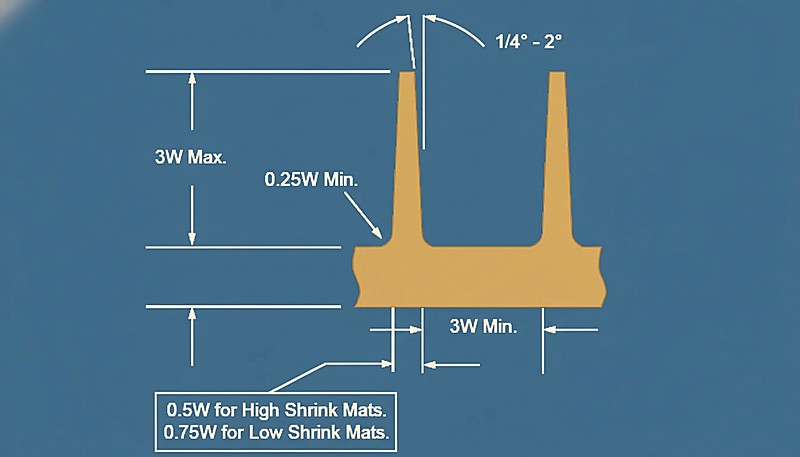
Zakładka połączenia to obszar, w którym drugi materiał zachodzi na krawędź podłoża. Zbyt mała zakładka powoduje odrywanie się drugiego materiału pod obciążeniem. Zalecamy minimum 0,5 mm, ale 1,0 mm jest bezpieczniejsze dla części poddawanych cyklom cieplnym, obciążeniom udarowym lub wielokrotnemu zginaniu na linii połączenia.
Konstrukcja powierzchni odcinającej ma kluczowe znaczenie. Jest to powierzchnia, na której forma tworzy uszczelnienie między gniazdem pierwszego i drugiego wtrysku. Jeśli kąt jest zbyt mały, powstaje wypływka — drugi materiał przedostaje się do obszaru pierwszego wtrysku. Jeśli kąt jest zbyt duży, forma szybko się zużywa, a szczelność pogarsza się w kolejnych seriach produkcyjnych. Standard branżowy wynosi od trzech do pięciu stopni, a większość doświadczonych inżynierów zajmujących się projektowaniem form wskaże podczas analizy DFM każdą wartość spoza tego zakresu.
Grubość ścianki ma większe znaczenie we wtrysku dwukomponentowym niż jednowtryskowym, ponieważ dwa różne materiały chłodzą się w różnym tempie. Jeśli obie ścianki przekraczają 4 mm, zróżnicowany skurcz powoduje odkształcenia na linii połączenia. Jeśli ścianka drugiego wtrysku jest cieńsza niż 0,8 mm, niedolewy stają się stałym problemem produkcyjnym — TPE lub TPU krzepnie przed całkowitym napełnieniem gniazda.
Położenie przewężki również wymaga szczególnej uwagi. Przewężkę drugiego wtrysku należy umieścić tak, aby stop równomiernie przepływał przez powierzchnię łączenia. Nierównomierny przepływ tworzy zimne miejsca o słabym połączeniu. W praktyce oznacza to, że przewężka drugiego wtrysku znajduje się zwykle po przeciwnej stronie niż przewężka pierwszego, co zapewnia materiałowi długą i równomierną drogę przepływu po powierzchni podłoża.
Kąty pochylenia muszą uwzględniać oba materiały. Podłoże wymaga standardowego pochylenia od 1 do 2 stopni na stronę. Obszar obtrysku potrzebuje co najmniej 0.5 stopnia pochylenia, aby po drugim wtrysku czysto uwolnić się z formy. Jeśli część ma podcięcia zaprojektowane specjalnie do połączenia mechanicznego, upewnij się, że ich głębokość nie przekracza 0.3 mm, w przeciwnym razie materiał obtrysku rozerwie się podczas wypychania.
Formowanie dwukolorowe a nadlewanie: którego procesu potrzebujesz?
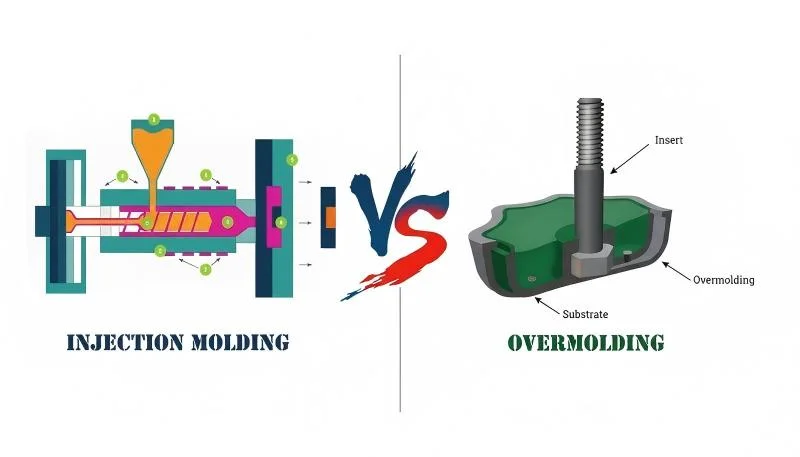
Wtrysk dwukolorowy jest szybszy i tańszy na część przy dużych nakładach; wtrysk nakładany jest bardziej elastyczny przy mniejszych nakładach. Oba procesy wytwarzają połączone części dwumateriałowe, ale ekonomika procesu różni się zasadniczo.
| Czynnik | Formowanie dwukolorowe | Formowanie nakładkowe |
|---|---|---|
| Wymagane maszyny | 1 (maszyna dwukomponentowa) | 2 (lub 1, dwa mocowania) |
| Koszt oprzyrządowania | o 60–80% więcej | Niższy (dwie prostsze formy) |
| Czas cyklu na część | 1,2–1,5× względem jednego wtrysku | 2x pojedynczy wtrysk (dwa cykle) |
| Koszt części (duży wolumen) | Niższy | Wyższy |
| Koszt części (mały wolumen) | Wyższy | Niższy |
| Jakość połączenia | Chemiczne + mechaniczne | Chemiczne + mechaniczne |
| Kontrola tolerancji | Węższa (jedno zamocowanie) | Szerszy (dwa ustawienia) |
| Próg wolumenu | Powyżej 10,000 sztuk | Dowolny wolumen |
Decyzja zależy od wolumenu i wymagań tolerancji. Powyżej 10 000 sztuk formowanie dwukolorowe jest niemal zawsze tańsze jednostkowo, ponieważ eliminuje robociznę i obsługę drugiego cyklu formowania. Koszt maszyny na godzinę jest wyższy, ale przewaga czasu cyklu szybko się kumuluje. Poniżej tego progu obtrysk z użyciem dwóch prostszych form i standardowych maszyn jest bezpieczniejszym wyborem finansowym.
Drugim czynnikiem decydującym jest tolerancja. Formowanie dwukolorowe utrzymuje dokładność położenia w granicach plus minus 0.05 mm, ponieważ detal pozostaje w jednym ustawieniu. Obtrysk wymaga wyjęcia i ponownego ustawienia podłoża — każda operacja wprowadza odchyłkę pozycjonowania. W przypadku wyrobów medycznych i precyzyjnej elektroniki, gdzie linia łączenia musi być niewidoczna i funkcjonalnie hermetyczna, technologia dwukomponentowa jest jednoznacznie lepszym wyborem.
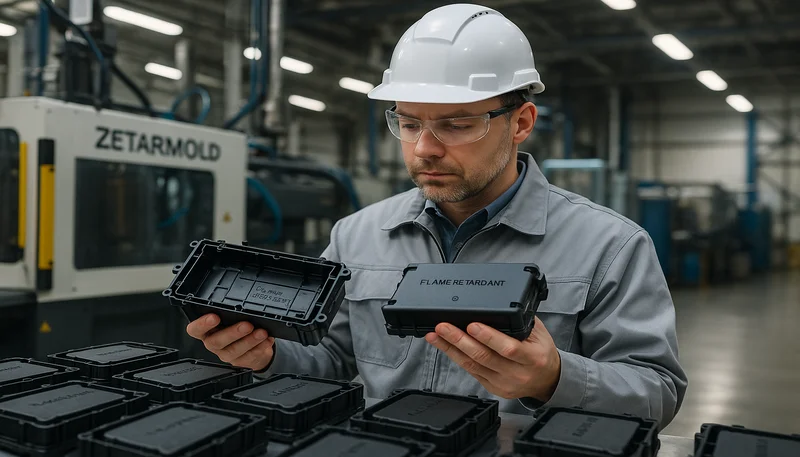
ZetarMold dodał 3 dedykowane maszyny do formowania dwukolorowego do naszego zakładu w Szanghaju w 2024 roku. Nasza fabryka obsługuje 47 maszyn wtryskowych z siłami zacisku od 90T do 1850T, wspieranych przez 8 starszych inżynierów form o średnim doświadczeniu ponad 10 lat. Obsługujemy projektowanie form dwukolorowych, przegląd DFM i próbki T1 całkowicie wewnętrznie, z ponad 400 kwalifikowanymi materiałami oraz certyfikatem ISO 9001 / 13485.
Ile kosztuje oprzyrządowanie do formowania dwukomponentowego?
Standardowa forma do wtrysku dwustopniowego kosztuje $20 000 do $80 000, co jest 2 do 4 razy więcej niż porównywalna forma do wtrysku jednostopniowego za $5 000 do $30 000. Premia obejmuje konstrukcję dwugniazdową, mechanizm obrotowy i oddzielne systemy kanałów dla każdego materiału.
Czas realizacji formy dwukomponentowej wynosi zwykle 6–10 tygodni od zatwierdzenia danych 3D do próbek T1, w porównaniu z 4–6 tygodniami dla standardowej formy jednokomponentowej. Dodatkowy czas przeznacza się na kontrolę wyrównania — oba gniazda muszą idealnie pokrywać się na linii odcięcia, inaczej na każdej wyprodukowanej części będzie widoczne przesunięcie połączenia.
Często zadawane pytania
Często zadawane pytania
Czym różni się formowanie dwukolorowe od obtrysku?
Dwukolorowe wtryskiwanie: Kompletny przewodnik procesu
Jaki wolumen uzasadnia formowanie dwukomponentowe?
Typowy próg rentowności wynosi od 8000 do 15 000 sztuk, zależnie od złożoności części i wybranej pary materiałów. Poniżej tego zakresu wyższy o 60–80% koszt oprzyrządowania nie amortyzuje się wystarczająco szybko, aby uzasadnić inwestycję. Powyżej 20 000 sztuk formowanie dwukomponentowe niemal zawsze daje niższy koszt części, ponieważ eliminuje pracę związaną z dodatkowym przemieszczaniem i skraca cykl dzięki wykonaniu obu wtrysków w jednym cyklu zwarcia. Przy bardzo dużych wolumenach powyżej 100 000 sztuk oszczędności jednostkowe stają się znaczne.
Czy w formowaniu dwukolorowym można używać dwóch całkowicie różnych materiałów?
Tak, ale tylko wtedy, gdy oba materiały są chemicznie zgodne i mogą się łączyć albo gdy detal zawiera mechaniczne elementy kotwiące, takie jak podcięcia, otwory przelotowe lub teksturowane wzory powierzchni. Do typowych zgodnych par należą PP z TPE, ABS z TPE oraz PC z TPU — tworzą one mocne wiązania chemiczne, ponieważ temperatura stopionego tworzywa w drugim wtrysku częściowo ponownie topi powierzchnię podłoża w strefie styku. Niezgodne pary, takie jak POM z TPE, opierają się wyłącznie na mechanicznych elementach łączących i są znacznie bardziej narażone na rozwarstwienie pod wpływem obciążenia lub cykli cieplnych.
Jaki jest typowy czas realizacji formy dwukomponentowej?
Wykonanie oprzyrządowania do formowania dwukomponentowego trwa zwykle od 6 do 10 tygodni od zatwierdzenia danych projektu 3D do pierwszych próbek T1, w porównaniu z 4–6 tygodniami dla standardowej formy jednokomponentowej. Dodatkowy czas przeznacza się na weryfikację osiowania między dwoma zestawami gniazd, testowanie parametrów sekwencyjnego wtrysku w celu uzyskania spójnego połączenia oraz walidację szczelności odcięcia w warunkach produkcyjnych. Złożone, wielogniazdowe formy dwukomponentowe o ścisłych tolerancjach mogą wymagać do 12 tygodni, zależnie od złożoności geometrii części i liczby gniazd.
Czy każda wtryskarka może wytwarzać części dwukolorowe?
Nie, formowania dwukolorowego nie można wykonać na standardowej wtryskarce z jednym cylindrem. Wymaga ono specjalistycznej maszyny z dwoma niezależnymi zespołami wtryskowymi — czyli dwoma osobnymi cylindrami, dwoma ślimakami oraz obrotowym stołem albo mechanizmem przesuwnego rdzenia wbudowanym w zespół zamykający. Standardowe maszyny mają tylko jeden zespół wtryskowy i nie mogą wytwarzać części dwukomponentowych. Specjalistyczne maszyny do wtrysku dwukomponentowego mają wyższą stawkę godzinową, którą trzeba uwzględnić w całkowitym koszcie produkcji jednej części w każdym projekcie dwukolorowym.
Jaka jest minimalna grubość ścianki materiału obtrysku?
Materiał obtrysku w drugim wtrysku powinien mieć minimalną grubość ścianki 0.8 mm w przypadku TPE lub TPU. Cieńsze ścianki stwarzają ryzyko niedolewów, gdy materiał zestala się przed całkowitym wypełnieniem gniazda, powodując niepełne pokrycie powierzchni podłoża. Dla materiału podłoża obowiązują standardowe zasady grubości ścianek w formowaniu wtryskowym: 1.0 mm jest absolutnym minimum, a 2.0 do 3.0 mm stanowi praktyczny zakres projektowy dla większości termoplastów konstrukcyjnych. Przekroczenie 4 mm dla któregokolwiek materiału zwiększa ryzyko różnic skurczu na linii połączenia.
Jak wąskie tolerancje można uzyskać w częściach dwukomponentowych?
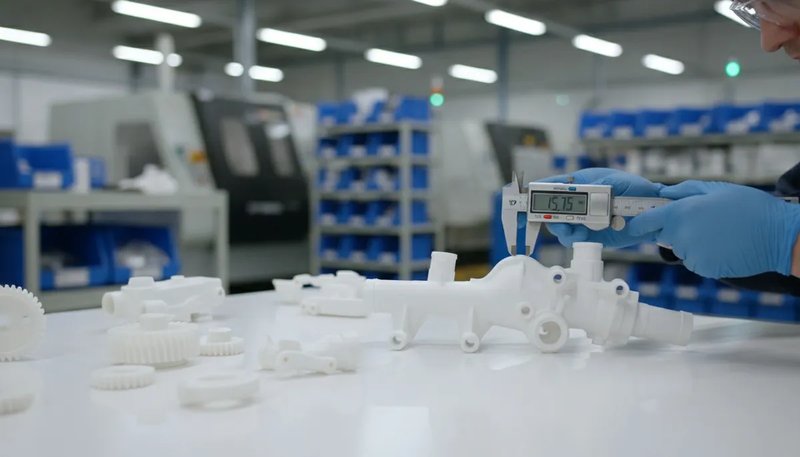
Części dwuwtryskowe mogą utrzymywać tolerancję ±0,05 mm na linii łączenia, ponieważ oba materiały są formowane w jednym ustawieniu maszyny, bez przenoszenia lub zmiany położenia między wtryskami. Jest to znacznie węższa tolerancja niż przy obtryskiwaniu, gdzie podłoże trzeba umieścić w drugiej formie, a dokładność położenia zależy całkowicie od precyzji przyrządu załadowczego. Dla wymiarów krytycznych oddalonych od linii łączenia części dwuwtryskowe osiągają tolerancje porównywalne ze standardowym formowaniem jednowtryskowym, zwykle ±0,02–0,05 mm.
Czy formowanie dwukolorowe nadaje się do wyrobów medycznych?
Tak, formowanie dwukolorowe jest szeroko stosowane w produkcji wyrobów medycznych, takich jak strzykawki z kodowaniem kolorystycznym, rękojeści narzędzi chirurgicznych z miękkim chwytem, uszczelnienia o dwóch twardościach i obudowy urządzeń diagnostycznych. Trwałe połączenie chemiczne obu materiałów eliminuje ryzyko zanieczyszczeń związane z klejami lub łącznikami mechanicznymi, które mogą z czasem ulegać degradacji w warunkach sterylizacji. Formowanie w jednym ustawieniu zapewnia również węższe tolerancje wymiarowe, pomagając producentom spełnić zarówno wymagania FDA, jak i normę systemu zarządzania jakością ISO 13485 dla produkcji wyrobów medycznych.
Wybór między formowaniem dwukolorowym a obtryskiem wpływa na budżet oprzyrządowania, koszt jednostkowy i jakość produktu przez cały okres produkcji. Błędny wybór oznacza albo przepłacenie za niewykorzystywane w pełni oprzyrządowanie, albo tolerowanie problemów z tolerancjami, które kumulują się na przestrzeni milionów części.
Prosta zasada: powyżej 15 000 sztuk i przy wąskich tolerancjach wybierz formowanie dwukomponentowe. Poniżej 10 000 sztuk lub przy prostej geometrii wybierz obtryskiwanie. W przedziale pomiędzy tymi wartościami wykonaj kalkulację z dostawcą formy i pozwól, aby zdecydowały dane.
ZetarMold eksploatuje w zakładzie w Szanghaju 47 wtryskarek, w tym specjalistyczne maszyny dwukomponentowe. Nasi 8 starsi inżynierowie form wykonują na miejscu analizę DFM, projektowanie form i kontrolę pierwszej sztuki. Dzięki ponad 400 kwalifikowanym materiałom oraz certyfikatom ISO 9001 / 13485 możemy ocenić projekt dwukolorowy i przedstawić szczegółową wycenę w ciągu 48 godzin. Uzyskaj wycenę projektu formowania dwukomponentowego.
formowanie dwukomponentowe: Formowanie dwukomponentowe to proces wtryskowy, w którym dwa różne materiały lub kolory są kolejno wtryskiwane do tej samej formy w celu wytworzenia jednej połączonej części. ↩
podłoże: W formowaniu wielomateriałowym podłoże to sztywny materiał z pierwszego wtrysku, który stanowi konstrukcyjną podstawę części i na który natryskiwany jest drugi materiał. ↩
TPE: Elastomer termoplastyczny (TPE) to klasa kopolimerów, które w temperaturze pokojowej wykazują elastyczność podobną do gumy, ale można je topić i przetwarzać jak konwencjonalne tworzywa termoplastyczne. ↩