Полученная вами стоимость оснастки оказалась на 70% выше ожидаемой, потому что деталь должна быть двухцветной. Руководитель хочет понять, оправдана ли такая надбавка. В большинстве случаев — да, но только если детали действительно требуется двухкомпонентное литье1, а оно нужно далеко не каждой двухцветной детали.
Двухцветное литье под давлением изготавливает за один машинный цикл единую деталь из двух разных материалов или цветов, исключая вторичную сборку. В этом руководстве рассматриваются механика процесса, выбор материалов, правила проектирования и структура затрат, чтобы вы могли принять обоснованное решение.
- При двухкомпонентном литье используются два узла впрыска и вращающаяся пресс-форма для производства деталей из двух материалов за один цикл.
- Материалы основы и наружного слоя должны быть химически совместимы: TPE хорошо сцепляется с PP, но не с POM.
- Стоимость оснастки на 60–80% выше, чем у форм для однокомпонентного литья, из-за конструкции с двумя полостями и точного совмещения.
- Наибольшую выгоду получают детали с мягкими поверхностями, многоцветным оформлением или встроенными уплотнениями.
- Если деталь можно собрать из двух отдельных частей, литьё поверх основы может быть более дешёвой альтернативой.
Что такое двухцветное литьё под давлением?
Двухцветное литье под давлением — это процесс, при котором два материала впрыскиваются в одну пресс-форму для получения одной постоянно соединенной детали за один рабочий цикл машины. Также называемое двухстадийным формованием, оно использует специализированную машину с двумя независимыми узлами впрыска.
В отличие от окрашивания, тампонной печати или сборки отдельных компонентов, два материала сплавляются в процессе формования. В результате граница между цветами или материалами получается бесшовной — без клеевого шва, механического крепежа и вторичной операции. Соединение является неразъёмным, поскольку второй материал впрыскивается, пока первый ещё достаточно тёплый для молекулярного сплавления.
Есть два основных метода: поворотный и с отводом сердечника. При поворотном литье стол разворачивает форму на 180 градусов между первым и вторым впрысками. При отводе сердечника скользящая вставка убирается, открывая область второго гнезда без поворота формы. В обоих случаях деталь первого впрыска остаётся в форме весь цикл, поэтому точность взаимного положения сохраняется.
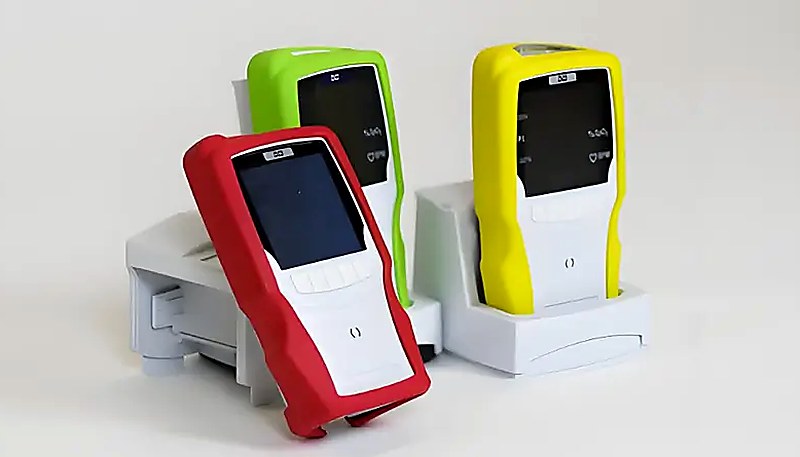
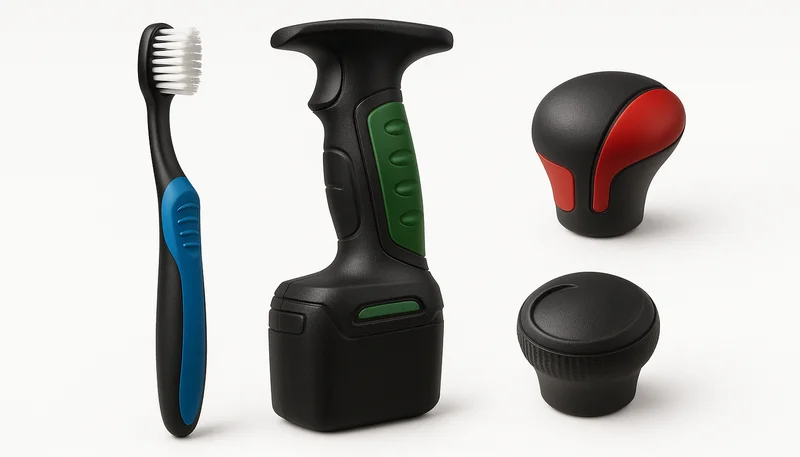
Типичные области применения напоминают перечень предметов, которых мы касаемся ежедневно: зубные щетки с мягкими резиновыми ручками, клавиши с нестираемыми символами, детали салона автомобиля со встроенными зонами soft-touch и корпуса медицинских устройств с цветовой маркировкой функциональных зон. Базовый процесс литья под давлением такой же, как при однокомпонентном литье; различия заключаются исключительно в конфигурации машины и конструкции пресс-формы.
Как работает процесс двухкомпонентного литья?
Процесс двухкомпонентного литья представляет собой цикл, в котором два узла впрыска заполняют поворотную или сдвижную пресс-форму, создавая соединенную деталь из двух материалов. Весь процесс проходит без раскрытия пресс-формы и извлечения основы2.
При ротационном методе пресс-форма имеет две соответствующие друг другу полости, установленные на вращающейся плите. Шаг первый: первый узел впрыска заполняет полость A материалом подложки. Шаг второй: плита поворачивается на 180 градусов, перемещая охлажденную подложку для совмещения с полостью B. Шаг третий: второй узел впрыска заполняет полость B вторым материалом или цветом вокруг подложки. Шаг четвертый: пресс-форма открывается, и готовая деталь извлекается.
Метод с отводом сердечника работает иначе. Вместо вращения скользящая вставка отводится назад, открывая вторую зону полости. Этот метод компактнее и часто быстрее для симметричных деталей, но по сравнению с поворотным механизмом он ограничивает свободу проектирования, поскольку две зоны полости находятся в одной половине формы.
Время цикла не вдвое больше, чем при однокомпонентном формовании — это распространённое заблуждение. Поскольку второй впрыск начинается, пока материал первого ещё охлаждается, полный цикл обычно лишь в 1.2–1.5 раза длиннее однокомпонентного. Машина запускает оба узла впрыска в перекрывающихся фазах, поэтому производительность остаётся неожиданно конкурентоспособной для крупных серий.
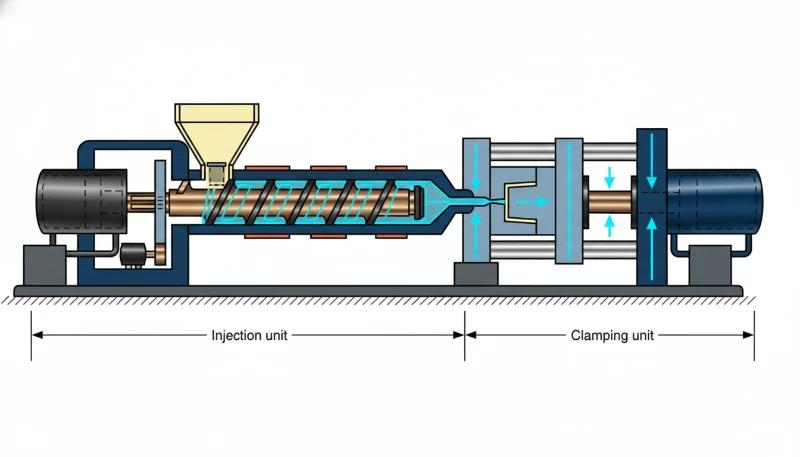
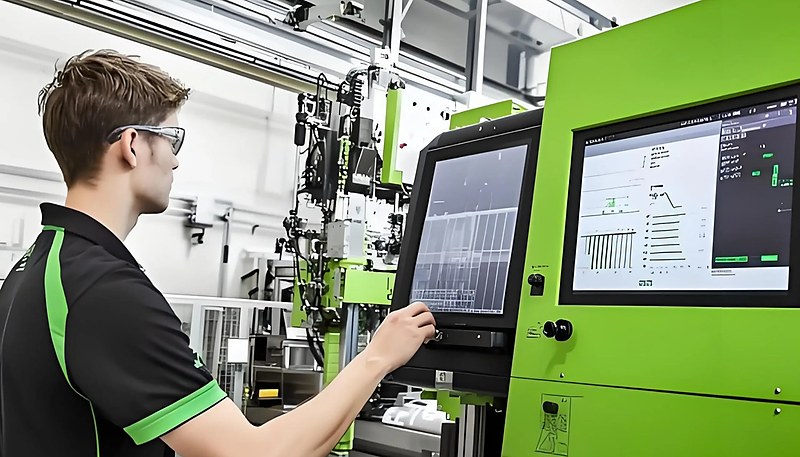
Требования к оборудованию специфичны: необходима машина для двухцветного литья с двумя цилиндрами, вращающейся плитой или скользящим механизмом и достаточным усилием смыкания для одновременной работы с обеими полостями. Эти машины стоят значительно дороже стандартных одноблочных машин, что является одной из причин, по которой двухстадийное формование имеет более высокую стоимость по сравнению с обычным формованием с нанесением покрытия.
На практике выбор между поворотной системой и отводом сердечника зависит от геометрии детали. Детали с осевой симметрией — круглые кнопки, цилиндрические рукоятки — хорошо подходят для поворотной системы. Для плоских или удлинённых деталей с двухцветной полосой часто лучше подходит отвод сердечника, поскольку пресс-форма перемещается линейно, а не поворачивается.
Какие материалы лучше всего подходят для двухцветного литья?
PP+TPE3, ABS+TPE и PC+TPU — наиболее надежные пары материалов для двухцветного литья, поскольку они образуют химическую связь. Без химической совместимости два материала будут расслаиваться под нагрузкой независимо от качества конструкции пресс-формы.
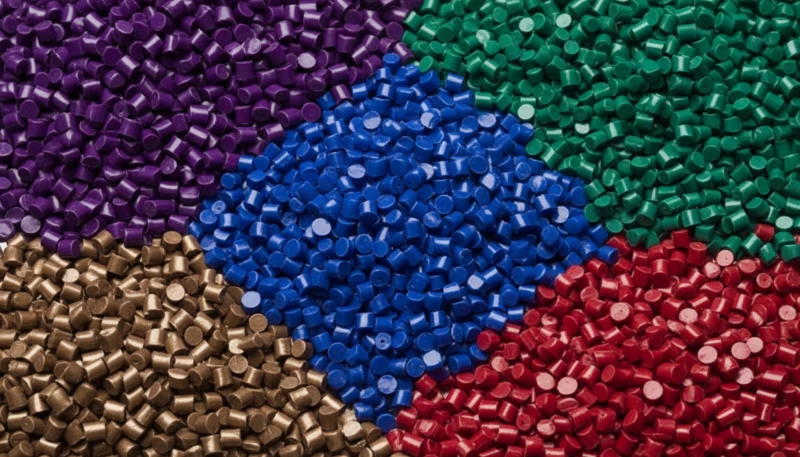
Склеивание происходит за счет двух механизмов. Химическое склеивание происходит, когда совместимые полимеры соединяются на молекулярном уровне во время второго впрыска — температура расплава второго материала частично расплавляет поверхность подложки. Механическое склеивание использует физические блокировки: поднутрения, сквозные отверстия или текстурированные поверхности, которые фиксируют второй материал на месте, даже когда химическое склеивание слабое.
Выбор материала определяется не только твёрдостью и цветом. Важна температура расплава: материал второго впрыска должен быть достаточно горячим для сцепления, но не настолько, чтобы деформировать материал первого впрыска. Коэффициенты усадки должны быть близкими — их несоответствие вызывает коробление по линии соединения. Технологические окна должны перекрываться: если одному материалу требуется 280 градусов Цельсия, а другой разрушается при температуре выше 240 градусов, это фундаментальная проблема.
По нашему опыту двухкомпонентного производства наиболее распространённый вид разрушения материала — не полный разрыв соединения, а медленное расслоение, проявляющееся после сотен температурных циклов. Обычно это происходит, когда разница температур расплава подложки и материала, формуемого поверх неё, превышает 40 градусов Цельсия, вызывая неполное сплавление на границе раздела.
| Основа | Материал обформовки | Тип соединения | Качество сцепления |
|---|---|---|---|
| PP | TPE (на основе SEBS) | Химический | Превосходно |
| ABS | TPE (на основе SEBS) | Химический | Хорошо |
| ПК | TPU | Химический | Хорошо |
| PA6 (нейлон) | TPE (на основе SEBS) | Химический | Хорошо |
| PC/ABS | TPE | Химический | Хорошо |
| POM (ацеталь) | TPE | Только механический | Бедный |
| Одинаковая базовая смола | Та же смола, другой цвет | Сплавление расплава | Превосходно |
Итог: если выбор материала не обусловлен конкретным инженерным требованием, начните с PP+TPE или ABS+TPE. Это самые неприхотливые, широко доступные и экономичные пары для двухкомпонентного производства, и большинство поставщиков предлагает их в различных вариантах твёрдости и цвета. Если применению требуется повышенная термо- или химическая стойкость, следующим шагом станут PC+TPU или PA6+TPE. POM — крайний вариант для двухкомпонентного литья: он почти ни с чем не образует химической связи и практически всегда требует механических замков, заложенных в геометрию детали. При сомнениях запросите у поставщика материалов таблицы совместимости, специально рассчитанные для многокомпонентного литья поверх основы.
Когда следует выбирать двухцветное литьё под давлением?
Двухцветное формование — лучший выбор для деталей, требующих неразъемного соединения, поверхностей с мягким хватом или многоцветной эстетики без последующей сборки. Не каждая двухцветная деталь оправдывает повышенную стоимость оснастки, и понимание, где проходит эта граница, экономит бюджет.
Главный аргумент в пользу двухкомпонентного литья — объём. При 10,000 единиц и выше исключение склеивания, ультразвуковой сварки или защёлкивания двух деталей обычно компенсирует более дорогую оснастку. Ниже этого объёма экономика редко сходится, кроме требований к постоянному соединению в медицине или контакте с пищей.
Компоненты салона автомобиля — классический пример применения. Рукоятке переключения передач требуется жёсткий пластиковый сердечник для конструкционной прочности и мягкая наружная поверхность для удобного хвата. Краска или резиновая накладка не выдерживает 100,000 циклов ежедневного использования. Двухкомпонентное литьё навсегда соединяет материалы, и результат служит дольше самого автомобиля. Мы видели повторение этой схемы в кнопках центральной консоли, окантовках дверных ручек и отделке приборной панели — везде, где мягкая на ощупь поверхность сочетается с требованием жёсткости конструкции.
В потребительской электронике двухкомпонентное литьё применяют как по эстетическим, так и по функциональным причинам. Название бренда на корпусе электроинструмента может быть выполнено другим цветом непосредственно в поверхности корпуса: этикетка не отклеится, а краска не поцарапается. Обозначения на клавишах клавиатуры формуются внутри пластика, а не печатаются на поверхности. Эти детали подвергаются интенсивному использованию, и двухкомпонентный подход гарантирует, что визуальные и тактильные элементы не деградируют.
Процесс литья с вставкой достигает аналогичной интеграции, но для другой цели — внедрения металлических вставок или электронных компонентов в пластик, а не соединения двух пластиковых материалов. Оба процесса исключают вторичную сборку, но литье с вставкой связано с интеграцией типов материалов, а двухкомпонентное литье — со склеиванием пластика с пластиком.
Когда не следует применять двухкомпонентное литье: если требуется только различие цвета и у детали нет функциональной потребности в двух материалах, тампонная печать или окраска дешевле при любом объеме. Если две зоны детали имеют сильно различающиеся конструкционные требования — одной нужен прозрачный PC, а другой стеклонаполненный нейлон, — разница температур переработки может быть слишком большой для надежного соединения в одной машине.
"При двухцветном литье получают неразъемно соединенную деталь: химически совместимые материалы сплавляются на молекулярном уровне во время второго впрыска."True
При впрыске второго материала с правильной температурой расплава поверхность подложки в зоне контакта частично оплавляется, создавая соединение, которое часто прочнее клеевых или механических альтернатив. Поэтому совместимость материалов — самое важное проектное решение в любом двухкомпонентном проекте.
"Для двухцветного литья под давлением можно сочетать любые два термопласта."False
Химическая несовместимость вызывает расслоение. Например, POM и TPE почти не имеют химического сродства — соединение является чисто механическим и разрушается при отслаивающей нагрузке. Перед заказом оснастки всегда сверяйте таблицы совместимости материалов с поставщиком.
Совместимость материалов — это не бинарный вопрос «да» или «нет» — она существует в спектре. Некоторые пары материалов достигают отличной химической связи без специальной подготовки. Другим требуются обработка поверхности, грунтовочные покрытия или элементы механической блокировки для достижения достаточной прочности соединения. Стоимость этих вторичных стратегий склеивания быстро растет, поэтому выбор материалов должен быть окончательно определен до начала проектирования формы, а не после. Смена материалов в середине проекта на двухкомпонентной форме обходится гораздо дороже, чем на однокомпонентной, поскольку обе полости могут потребовать модификации.
"Оснастка для двухкомпонентного литья обычно стоит на 60–80 процентов дороже сопоставимой одногнездной формы."True
Форма должна содержать два полных комплекта гнезд с точным совмещением, поворотную плиту или механизм скользящего пуансона и отдельные литниковые системы для каждого материала. Эта сложность значительно увеличивает объем стали, часы механической обработки и время инженерного проектирования.
«Полный цикл двухцветного литья ровно вдвое длиннее однокомпонентного».False
Поскольку второй впрыск начинается, пока материал первого впрыска ещё охлаждается, фактическое увеличение времени цикла составляет лишь 20–50 процентов. Оба узла впрыска работают на перекрывающихся этапах, поэтому производительность выше ожиданий большинства инженеров.
Каковы критически важные правила проектирования двухкомпонентных деталей?
Правила проектирования для двухстадийного формования просты: минимальный перехлест соединения в полмиллиметра, углы разъема 3-5 градусов, толщина стенки менее 4 мм. Нарушение любого из этих условий приведет к разрушению детали по линии соединения.
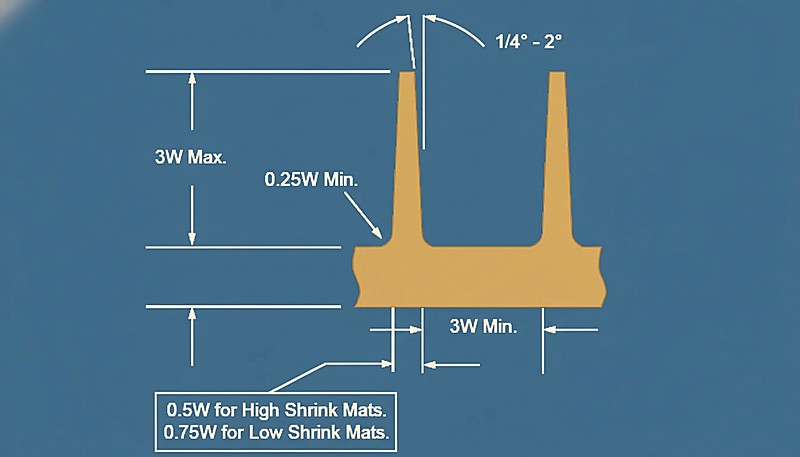
Перекрытие соединения — это участок, где второй материал заходит за край подложки. При слишком малом перекрытии второй материал отслаивается под нагрузкой. Мы рекомендуем минимум 0.5 mm, но для деталей, подвергающихся термоциклированию, ударным нагрузкам или многократному изгибу по линии соединения, безопаснее 1.0 mm.
Конструкция запирающего участка критически важна. Это поверхность, на которой пресс-форма образует герметичное соединение между полостью первого и второго впрыска. При слишком малом угле возникает облой: второй материал протекает в область первого впрыска. При слишком большом угле пресс-форма быстро изнашивается, а герметичность ухудшается по мере производства. От трех до пяти градусов — отраслевой стандарт, и большинство опытных инженеров по проектированию пресс-форм отметят любое отклонение от этого диапазона при DFM-анализе.
Толщина стенки важнее при двухкомпонентном формовании, чем при однокомпонентном, поскольку два материала охлаждаются с разной скоростью. Если обе стенки толще 4 mm, различная усадка вызывает коробление по линии соединения. Если стенка второго впрыска тоньше 0.8 mm, недолив становится постоянной производственной проблемой: TPE или TPU затвердевает до полного заполнения полости.
Расположение впуска также требует особого внимания. Впуск для второго впрыска следует разместить так, чтобы расплав равномерно проходил по поверхности соединения. Неравномерный поток создаёт холодные зоны со слабым сцеплением. На практике это означает, что впуск второго впрыска обычно располагается с противоположной стороны от впуска первого, обеспечивая материалу длинный и равномерный путь по поверхности подложки.
Углы уклона должны учитывать оба материала. Подложке требуется стандартный уклон 1–2 градуса с каждой стороны. Области формования поверх основы нужен уклон не менее 0.5 градуса для чистого извлечения из формы после второго впрыска. Если деталь имеет поднутрения, специально предназначенные для механического соединения, убедитесь, что глубина поднутрения не превышает 0.3 mm, иначе материал покрытия разорвётся при извлечении.
Двухцветное литьё и литьё поверх основы: какой процесс вам нужен?
Двухцветное литье быстрее и дешевле на деталь при больших объемах; литье с нанесением покрытия более гибко при меньших объемах. Оба процесса производят связанные двухкомпонентные детали, но экономика процессов принципиально различается.
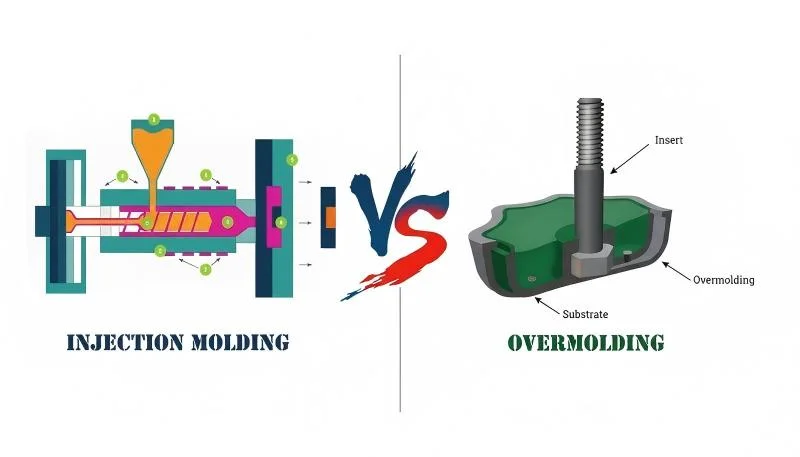
| Фактор | Двухцветное литьё | Овермолдинг |
|---|---|---|
| Требуемые машины | 1 (двухкомпонентная машина) | 2 (или 1, две установки) |
| Стоимость оснастки | На 60–80% выше | Ниже (две более простые формы) |
| Время цикла на деталь | В 1.2–1.5x раза больше одного впрыска | 2x одиночный впрыск (два цикла) |
| Стоимость одной детали (при большом объеме) | Ниже | Выше |
| Стоимость детали (малый объём) | Выше | Ниже |
| Качество соединения | Химическое + механическое | Химическое + механическое |
| Контроль допусков | Более жесткие (одна установка) | Шире (две установки) |
| Порог объёма | Свыше 10,000 единиц | Любой объём |
Решение определяется объёмом и требованиями к допускам. При объёме свыше 10,000 единиц двухцветное литьё почти всегда дешевле в расчёте на деталь, поскольку исключает трудозатраты и перемещение деталей для второго цикла литья. Почасовая стоимость машины выше, но преимущество во времени цикла быстро накапливается. Ниже этого порога обформовка с двумя более простыми формами и стандартными машинами является финансово более безопасным выбором.
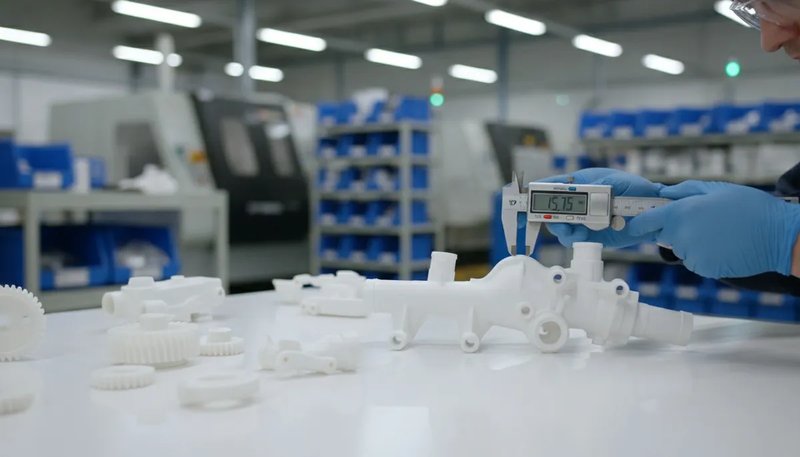
Допуск — это другой решающий фактор. Двухцветное формование поддерживает позиционную точность в пределах плюс-минус 0,05 мм, потому что деталь остается в одной установке. Формование с нанесением покрытия требует извлечения и перепозиционирования подложки — каждая операция обработки вносит вариации в выравнивание. Для медицинских устройств и точной электроники, где линия соединения должна быть визуально невидима и функционально герметична, двухстадийное формование является очевидным выбором.
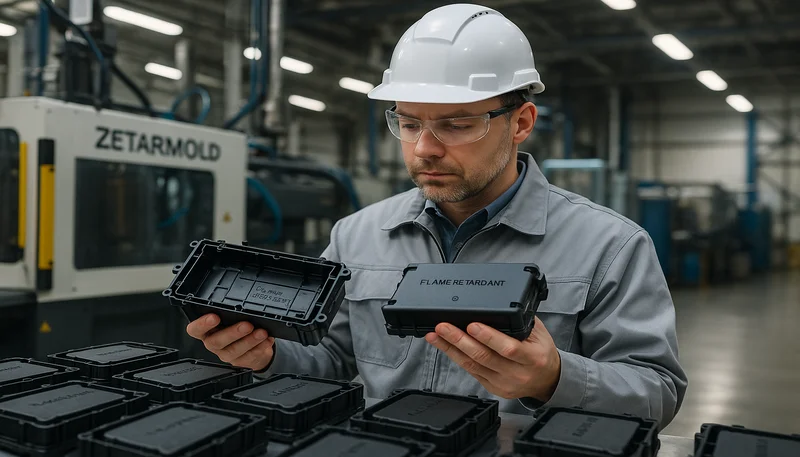
В 2024 году ZetarMold добавила 3 специализированные машины для двухцветного литья под давлением на нашем предприятии в Шанхае. На заводе работает 47 машин для литья под давлением с усилием смыкания от 90 до 1850 тонн, под руководством 8 старших инженеров-технологов со средним опытом работы более 10 лет. Мы полностью самостоятельно выполняем проектирование пресс-форм для двухкомпонентного литья, анализ технологичности конструкции (DFM) и изготовление первых образцов (T1), располагая более чем 400 одобренными материалами и сертификатами ISO 9001 / 13485.
Сколько стоит оснастка для двухкомпонентного литья?
Стандартная двухкомпонентная пресс-форма стоит от 20 000 до 80 000 долларов, что в 2–4 раза больше, чем сопоставимая однокомпонентная форма стоимостью от 5 000 до 30 000 долларов. Надбавка покрывает двухполостной дизайн, вращающийся механизм и отдельные литниковые системы для каждого материала.
Срок изготовления двухкомпонентной пресс-формы обычно составляет от 6 до 10 недель с момента утверждения 3D-данных до образцов T1 по сравнению с 4–6 неделями для стандартной однокомпонентной формы. Дополнительное время уходит на проверку совмещения: обе полости должны идеально совпадать по линии отсечения, иначе на каждой изготовленной детали будет виден сдвиг соединения.
Часто задаваемые вопросы
Часто задаваемые вопросы
В чем разница между двухцветным литьем и литьем с наложением?
При двухцветном литье оба материала перерабатываются за один машинный цикл на одной двухкомпонентной машине с поворотным или сдвижным механизмом пресс-формы. При литье поверх основы используются два отдельных цикла: сначала формуется подложка, затем ее извлекают из машины и помещают во вторую пресс-форму для нанесения внешнего слоя. Двухцветное литье быстрее и точнее при больших объемах, поскольку деталь не покидает пресс-форму. Литье поверх основы более гибко и экономично при малых объемах, так как использует стандартные одноцилиндровые машины и две более простые пресс-формы.
Сколько единиц мне нужно, чтобы оправдать двухкомпонентное литье?
Типичная точка безубыточности составляет от 8,000 до 15,000 единиц в зависимости от сложности детали и выбранной пары материалов. Ниже этого диапазона надбавка за оснастку от 60 до 80 процентов амортизируется недостаточно быстро, чтобы оправдать инвестиции. При объёме свыше 20,000 единиц двухкомпонентное формование почти всегда обеспечивает меньшую стоимость детали, поскольку исключает вторичный ручной перенос и сокращает время цикла за счёт обоих впрысков в одном цикле смыкания. При очень больших объёмах свыше 100,000 единиц экономия на детали становится значительной.
Может ли двухцветное литье использовать два совершенно разных материала?
Да, но только если два материала химически совместимы для соединения или деталь включает механические элементы сцепления, такие как поднутрения, сквозные отверстия или текстурированные поверхности. К распространенным совместимым парам относятся PP с TPE, ABS с TPE и PC с TPU — они обеспечивают прочную химическую связь, потому что температура расплава при второй стадии частично расплавляет поверхность подложки в зоне контакта. Несовместимые пары, такие как POM с TPE, полагаются исключительно на механические элементы сцепления и несут значительно более высокий риск расслоения под нагрузкой или при термоциклировании.
Каков типичный срок изготовления двухкомпонентной пресс-формы?
Изготовление двухкомпонентной пресс-формы обычно занимает от 6 до 10 недель с момента утверждения данных 3D-проекта до получения первых образцов T1, по сравнению с 4–6 неделями для стандартной однокомпонентной пресс-формы. Дополнительное время уходит на проверку совмещения двух комплектов полостей, испытания параметров последовательного впрыска для получения стабильного соединения и проверку герметичности отсечных участков в производственных условиях. Срок изготовления сложных многоместных двухкомпонентных пресс-форм с жесткими допусками может увеличиться до 12 недель в зависимости от сложности геометрии детали и количества полостей.
Может ли любая машина для литья под давлением производить двухцветные детали?
Нет, двухцветное формование невозможно выполнить на стандартной машине для литья под давлением с одним цилиндром. Для этого требуется специализированная машина с двумя независимыми узлами впрыска — то есть двумя отдельными цилиндрами, двумя шнеками и либо вращающейся плитой, либо механизмом скользящего сердечника, встроенным в узел смыкания. Стандартные машины имеют только один узел впрыска и не могут производить двухстадийные детали. Эти специализированные двухстадийные машины имеют более высокую почасовую ставку эксплуатации, которую необходимо учитывать в общей стоимости производства одной детали для любого двухцветного проекта.
Какова минимальная толщина стенки для материала овермолда?
Минимальная толщина стенки материала второго впрыска при литье поверх основы должна составлять 0.8 mm для TPE или TPU. При более тонких стенках возможен недолив: материал затвердевает до полного заполнения полости, из-за чего поверхность основы покрывается не полностью. Для материала основы действуют стандартные правила толщины стенок при литье под давлением: абсолютный минимум — 1.0 mm, а практический конструктивный диапазон для большинства инженерных термопластов — от 2.0 до 3.0 mm. Толщина любого из материалов свыше 4 mm повышает риск различной усадки по линии соединения.
Насколько точными могут быть допуски на двухкомпонентных деталях?
Двухкомпонентные детали могут поддерживать допуски ±0,05 мм на линии соединения, поскольку оба материала отливаются в одной установке машины без перемещения или перепозиционирования между впрысками. Это значительно точнее, чем литье с нанесением покрытия, где подложка должна загружаться во вторую форму, а позиционная точность полностью зависит от точности загрузочного приспособления. Для критических размеров вдали от линии соединения двухкомпонентные детали достигают допусков, сопоставимых со стандартным однокомпонентным литьем под давлением, обычно ±0,02–0,05 мм.
Подходит ли двухцветное литье для медицинских устройств?
Да, двухцветное формование широко используется при производстве медицинских изделий для таких компонентов, как шприцы с цветовой кодировкой, рукоятки хирургических инструментов с мягким хватом, уплотнения с разной твердостью и корпуса диагностического оборудования. Постоянная химическая связь между двумя материалами устраняет риски загрязнения, связанные с клеями или механическими креплениями, которые могут со временем ухудшаться в условиях стерилизации. Процесс формования в единой установке также обеспечивает более жесткие размерные допуски, что помогает производителям соответствовать как требованиям регуляторных органов FDA, так и стандартам сертификации системы менеджмента качества ISO 13485 для производства медицинских изделий.
Выбор между двухцветным литьём и литьём поверх основы влияет на бюджет оснастки, стоимость детали и качество продукта на протяжении всей серии. Ошибка означает либо переплату за неиспользуемую полностью оснастку, либо проблемы с допусками, накапливающиеся на миллионах деталей.
Простое правило: при объёме свыше 15,000 единиц и жёстких допусках выбирайте двухкомпонентное литьё. При объёме менее 10,000 единиц или простой геометрии используйте литьё с покрытием. В промежутке выполните расчёты вместе с поставщиком пресс-формы и примите решение по данным.
На предприятии ZetarMold в Шанхае работают 47 машин для литья под давлением, включая специализированные двухкомпонентные термопластавтоматы. Наши 8 старших инженеров собственными силами выполняют DFM-анализ, проектирование пресс-форм и контроль первых образцов. Располагая более чем 400 аттестованными материалами и сертификацией ISO 9001 / 13485, мы можем оценить ваш двухцветный проект и предоставить подробное предложение в течение 48 часов. Запросите предложение по проекту двухкомпонентного литья.
двухкомпонентное литье: Двухкомпонентное литье — это процесс литья под давлением, при котором два разных материала или цвета последовательно впрыскиваются в одну пресс-форму для получения единой соединенной детали. ↩
основа: При многокомпонентном литье основой называют жесткий материал первого впрыска, который образует несущую часть детали и поверх которого формуется второй материал. ↩
TPE: Термопластичный эластомер (TPE) — класс сополимеров, обладающих резиноподобной эластичностью при комнатной температуре, но способных плавиться и перерабатываться как обычные термопласты. ↩