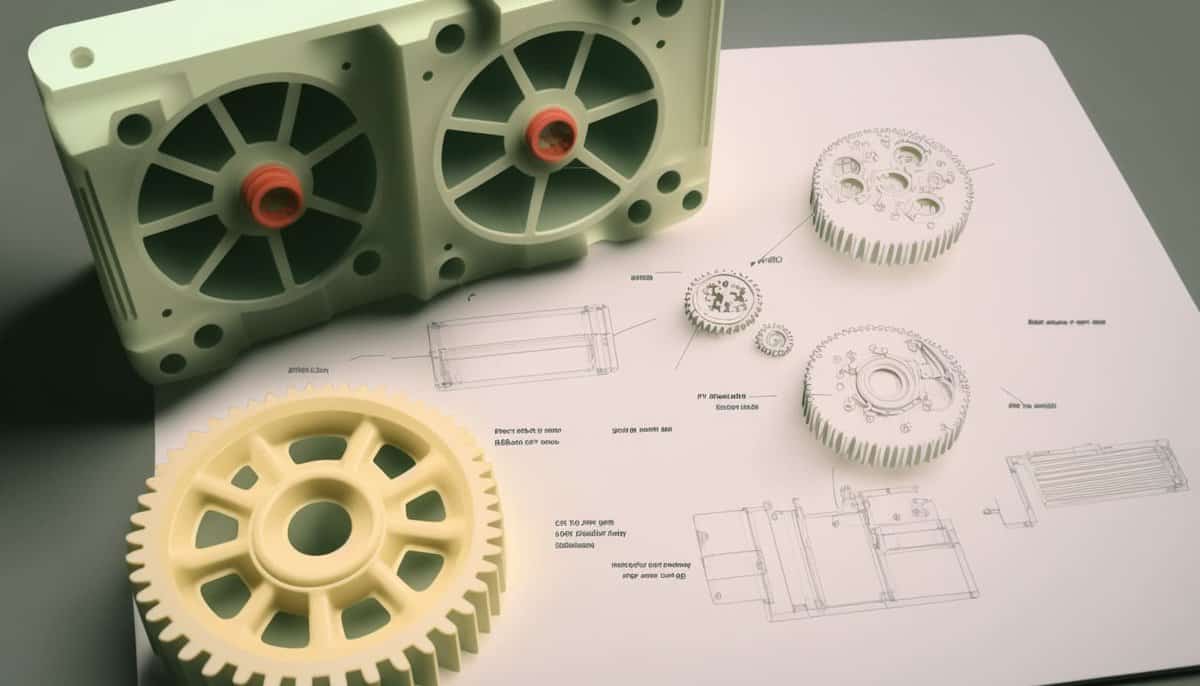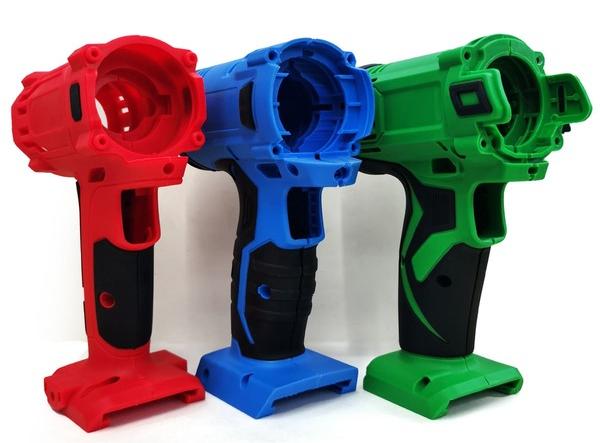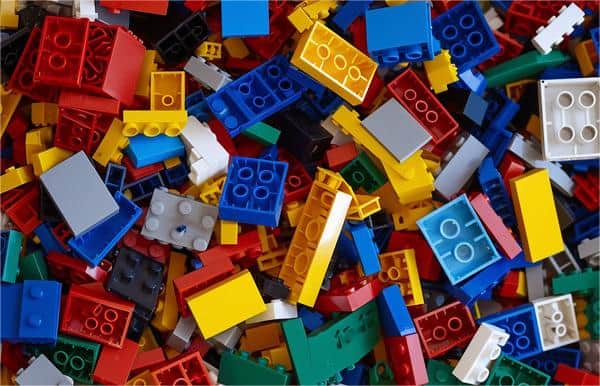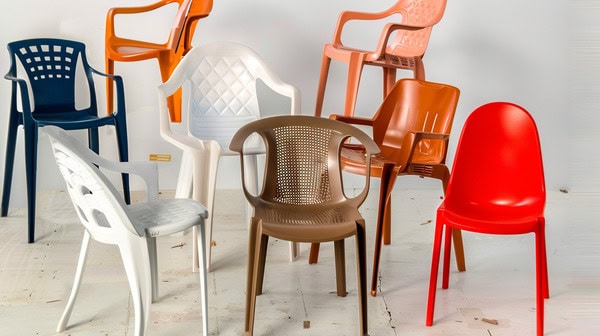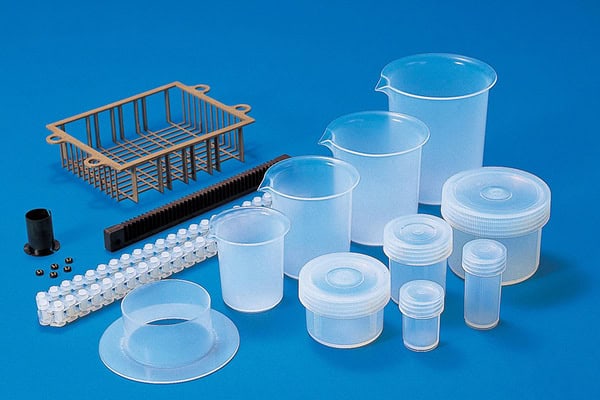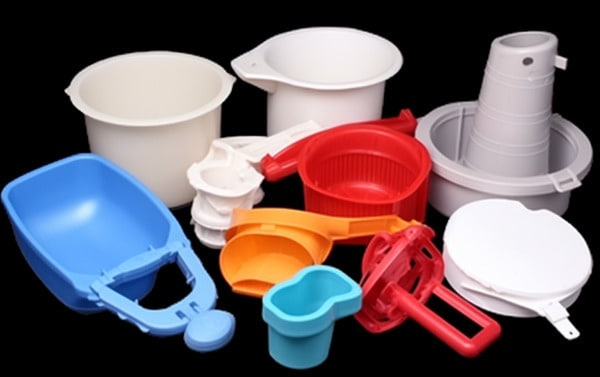
- Główne metody formowania tworzyw sztucznych to formowanie wtryskowe, formowanie z rozdmuchiwaniem, prasowanie, wytłaczanie, formowanie rotacyjne, termoformowanie, formowanie próżniowe i pultruzja.
- Formowanie wtryskowe jest zwykle najlepszym wyborem w przypadku przestrzennych detali z tworzyw sztucznych o wąskich tolerancjach, zatrzasków, obudów, żeber, słupków montażowych i produkcji powtarzalnej.
- Formowanie z rozdmuchiwaniem nadaje się do części pustych, wytłaczanie do profili ciągłych, termoformowanie do płytkich powłok, a formowanie tłoczne do większych części termoutwardzalnych lub gumopodobnych.
- Właściwy proces zależy od geometrii części, rocznego wolumenu, tolerancji, zachowania żywicy, wykończenia powierzchni, budżetu na oprzyrządowanie oraz ryzyka jakościowego.
- Przed wysłaniem zapytania ofertowego nabywcy powinni porównać rodzaje formowania, aby dostawca mógł prawidłowo dobrać formę, maszynę, materiał oraz plan kontroli i na tej podstawie przygotować wycenę.
Jakie są główne rodzaje formowania tworzyw sztucznych?
Rodzaje formowania tworzyw sztucznych to rodziny procesów służących do nadawania kształtu uplastycznionemu tworzywu. Wykorzystują narzędzie, matrycę, gniazdo formy, ciśnienie, podciśnienie, ruch obrotowy lub siłę ciągnącą. Najczęściej stosowane metody to formowanie wtryskowe, rozdmuchowe i tłoczne, wytłaczanie, formowanie rotacyjne, termoformowanie, formowanie próżniowe oraz pultruzja.
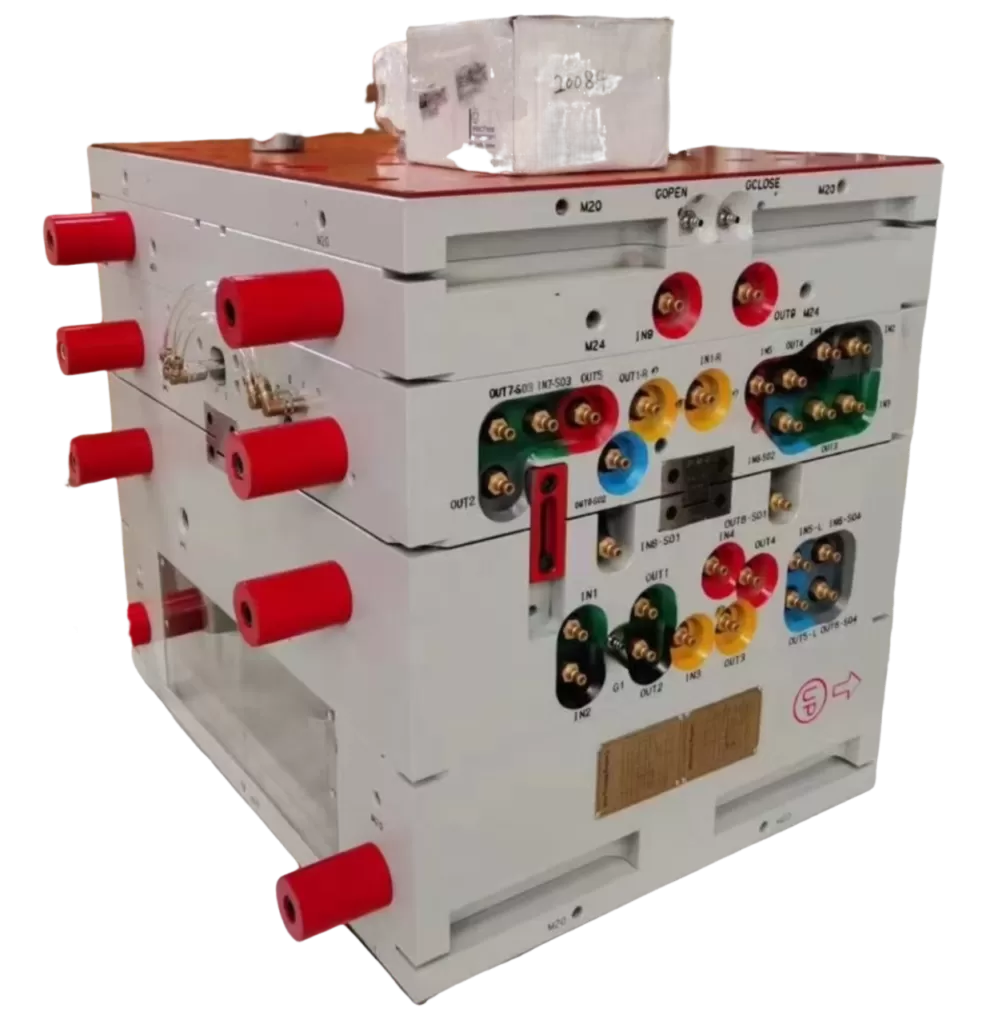
Formowanie wtryskowe1 jest często najważniejszym procesem wytwarzania konstrukcyjnych części z tworzyw sztucznych, ponieważ pozwala seryjnie i powtarzalnie uzyskiwać złożone geometrie. Aby poznać podstawy procesu, zacznij od naszego pełnego przewodnika po formowaniu wtryskowym, a następnie porównaj wymagania dotyczące form w pełnym przewodniku po formach wtryskowych.
Z perspektywy wszystkie te procesy wyglądają podobnie, ponieważ każdy z nich nadaje kształt tworzywu sztucznemu. W planowaniu produkcji różnią się jednak zasadniczo. Butelki, obudowy urządzeń elektronicznych, rury, tacki i pręty z włókna szklanego nie powinny podlegać tej samej logice wyceny. Geometria w pierwszej kolejności determinuje proces, natomiast rodzaj tworzywa, tolerancje, wymagania estetyczne i wolumen określają szczegóły.
"Wybór procesu formowania tworzywa należy rozpocząć od geometrii detalu."True
Geometria określa, czy część jest pusta, ciągła, arkuszowa czy stanowi szczegółowy element 3D, dlatego powinna kierować pierwszą decyzją dotyczącą procesu.
"Wszystkie rodzaje formowania tworzyw sztucznych mogą zapewnić takie same tolerancje."False
Zdolność do utrzymania tolerancji zmienia się zależnie od procesu, konstrukcji narzędzia, skurczu materiału, metody chłodzenia, obcinania i operacji wtórnych.
Który rodzaj formowania tworzyw sztucznych najlepiej nadaje się do części precyzyjnych?
Formowanie wtryskowe najlepiej nadaje się do precyzyjnych przestrzennych części z tworzyw. Wybiera się je, gdy konstrukcja wymaga kontrolowanych wymiarów, powtarzalnych cech, odpowiednio dobranej żywicy oraz średniego lub dużego wolumenu produkcji.
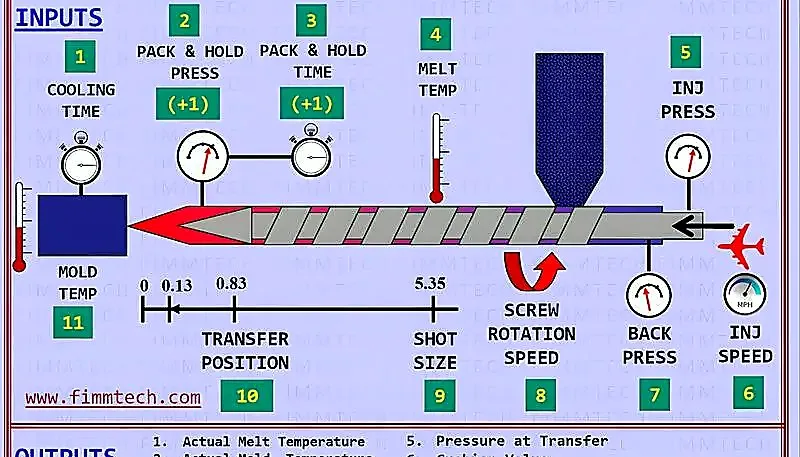
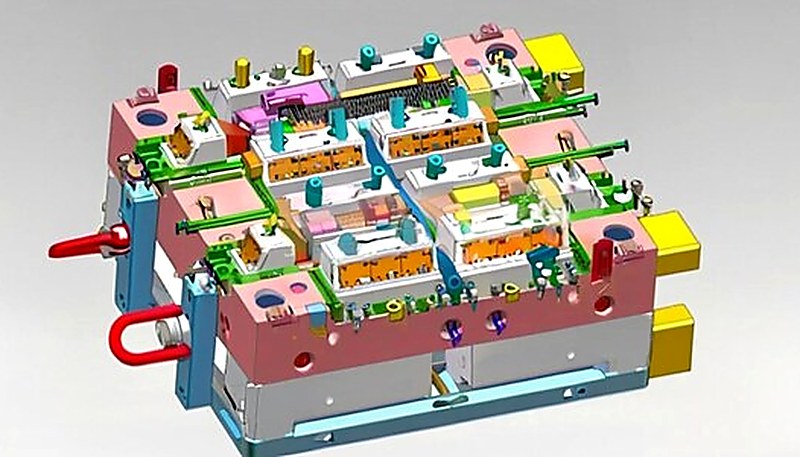
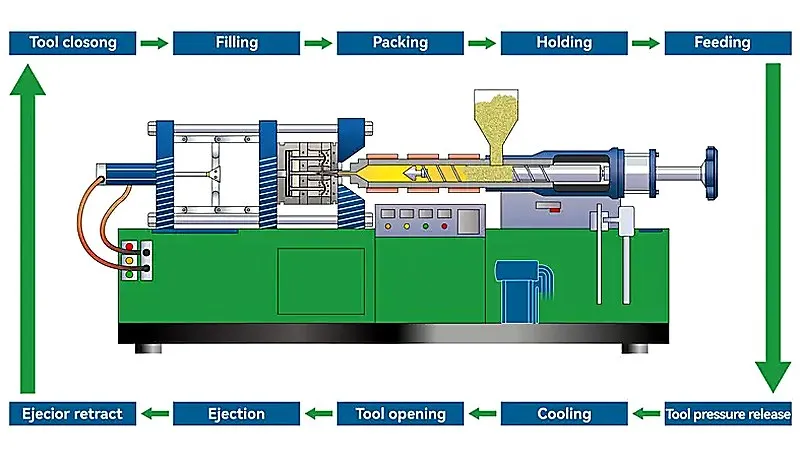
Formowanie wtryskowe wykorzystuje zamkniętą siłą zwarcia formę, ślimak uplastyczniający, ciśnienie wtrysku, ciśnienie docisku, chłodzenie i wypychanie. Dzięki temu nadaje się do produkcji obudów, kół zębatych, zatrzasków, złączy, komponentów medycznych, części urządzeń gospodarstwa domowego oraz samochodowych części z tworzyw sztucznych. Proces ten nie sprowadza się wyłącznie do maszyny. O powtarzalności części decydują stal formierska, układ chłodzenia, położenie przewężki, odpowietrzanie, naddatek na skurcz oraz konstrukcja układu wypychania.
Nabywca powinien wybrać formowanie wtryskowe, gdy część ma żebra, słupki montażowe, zatrzaski, powierzchnie estetyczne, detale wewnętrzne lub musi pasować do innych części w zespole. Jeśli część ma grube ścianki lub bardzo niski roczny wolumen produkcji, na wczesnym etapie walidacji lepszym rozwiązaniem może być obróbka prototypowa, druk 3D, odlewanie albo tańsza metoda wykonania oprzyrządowania.
Do czego służy formowanie z rozdmuchem?
Formowanie z rozdmuchem służy do pustych wyrobów z tworzyw, takich jak butelki, pojemniki, zbiorniki i kanały, w których objętość wewnętrznego powietrza jest częścią funkcji produktu.
Formowanie z rozdmuchiwaniem2 polega na rozprężaniu gorącego tworzywa przy wewnętrznej powierzchni formy. Jego główną zaletą jest wydajna produkcja pustych kształtów. Główne ograniczenie polega na tym, że grubość ścianek, wykończenie szyjki, konstrukcja uchwytu i strefy zgrzewu wymagają innej kontroli niż części formowane wtryskowo.
Formowania z rozdmuchiwaniem nie należy wybierać wyłącznie dlatego, że część wydaje się duża. Jeśli część wymaga precyzyjnych żeber, słupków, wkładek gwintowanych, małej tolerancji płaskości lub wytrzymałych detali lokalnych, bardziej niezawodne może być formowanie wtryskowe albo montaż wtórny. Jeżeli produkt jest przede wszystkim pustą w środku powłoką, formowanie z rozdmuchiwaniem może ograniczyć straty materiału i złożoność oprzyrządowania.
Do czego stosuje się formowanie tłoczne?
Formowanie tłoczne polega na prasowaniu porcji materiału w ogrzewanych gniazdach formy. Metoda ta jest często odpowiednia do duroplastów, materiałów gumopodobnych oraz większych części o prostszych drogach przepływu.
Formowanie tłoczne3 może być przydatne, gdy zachowanie materiału, zawartość włókien, rozmiar części lub ekonomika oprzyrządowania nie odpowiadają standardowemu formowaniu wtryskowemu. Nadaje się również do części, w których ciśnienie, temperatura i czas utwardzania są ważniejsze niż szybkie cykle wtrysku.
Jego słabymi stronami są czas cyklu i kontrola detali. Formowanie tłoczne może nie radzić sobie z drobnymi żebrami, cienkimi ściankami, złożonymi podcięciami ani bardzo ścisłą powtarzalnością wymiarową. Przed założeniem, że oprzyrządowanie do formowania tłocznego będzie ogólnie tańsze, nabywcy powinni dokładnie porównać tolerancje detalu i roczny wolumen produkcji.
Do czego służy wytłaczanie?
Wytłaczanie służy do wytwarzania ciągłych wyrobów z tworzyw sztucznych. Nadaje się do rur, arkuszy, uszczelek, kanałów, profili, prętów i folii, których przekrój poprzeczny pozostaje zasadniczo stały.
Wytłaczanie przepycha stopione tworzywo przez głowicę. Głowica nadaje przekrój, a dalsze chłodzenie lub kalibracja kontrolują wymiary. Proces jest wydajny, gdy wyrób jest długi, ciągły i jednolity. Sprawdza się gorzej, gdy detal wymaga zamkniętej geometrii 3D, wewnętrznych bossów, zatrzasków lub wielu powierzchni formowanych jednocześnie.
Niektóre produkty łączą wytłaczanie z innymi procesami. Profil można najpierw wytłoczyć, a potem ciąć, wykrawać, giąć, spawać lub montować. W zespołach formowanych wtryskowo wytłaczane uszczelki lub rury mogą być elementami sąsiednimi, lecz nie należy ich wyceniać tak, jakby były gniazdami formy.
Kiedy termoformowanie ma uzasadnienie?
Termoformowanie jest przydatne do wytwarzania części z podgrzewanych arkuszy tworzywa sztucznego. Pozwala formować na formie lub w jej wnętrzu tacki, osłony, opakowania, panele, wkłady i płytkie elementy powłokowe.
Termoformowanie4 może obniżyć koszt oprzyrządowania dużych, cienkich części, ponieważ proces rozpoczyna się od arkusza zamiast wtryskiwania materiału do pełnego gniazda 3D. Pokrewną metodą jest formowanie próżniowe, w którym podciśnienie dociska ogrzany arkusz do powierzchni formy.
Kompromis dotyczy odwzorowania głębokości detali i kontroli wymiarowej. Elementy termoformowane często wymagają przycinania, mogą mieć pocienione ścianki w obszarach głębokiego tłoczenia i zwykle nie pozwalają uzyskać tak precyzyjnych cech jak formowanie wtryskowe. Technologia ta sprawdza się w przypadku osłon i tac, lecz zazwyczaj nie jest najlepszym rozwiązaniem dla precyzyjnego zatrzasku, gwintowanego słupka ani obudowy przenoszącej obciążenia.
Jak nabywcy powinni porównywać rodzaje formowania tworzyw sztucznych?
Przed ustaleniem ostatecznej ceny nabywcy powinni porównać rodzaje formowania tworzyw sztucznych. Porównanie powinno uwzględniać geometrię, tolerancje, tworzywo, roczny wolumen, budżet na oprzyrządowanie, wykończenie powierzchni, operacje dodatkowe oraz ryzyko związane z kontrolą jakości.
Zacznij od kształtu. Wyroby puste wskazują na formowanie z rozdmuchiwaniem lub rotomoulding. Stały przekrój na całej długości wskazuje na wytłaczanie. Cienkościenne powłoki i tacki wskazują na termoformowanie lub formowanie próżniowe. Precyzyjne części 3D zazwyczaj wymagają formowania wtryskowego. Następnie oceń realia ekonomiczne: wielkość produkcji, koszt materiału, koszt formy, koszt zapewnienia jakości oraz czas realizacji.
Czas cyklu również ma znaczenie. W formowaniu wtryskowym każda sekunda powtarza się w całej serii produkcyjnej, dlatego konstrukcję przewężki, chłodzenie, wypychanie i dopasowanie maszyny należy przeanalizować na wczesnym etapie. Nasz artykuł o czasie produkcji w formowaniu wtryskowym wyjaśnia, dlaczego szybkość procesu i kontrola chłodzenia wpływają na koszt jednostkowy. W planowaniu wymiarów skurcz formy należy omówić przed rozpoczęciem obróbki stali.
W naszym zakładzie w Szanghaju pracuje 47 wtryskarek o sile zwarcia od 90T do 1850T, a nasza własna narzędziownia obsługuje ponad 100 kompletów form miesięcznie. Nasi inżynierowie wykorzystują ten zakres możliwości, aby przed przeznaczeniem środków na oprzyrządowanie odróżnić detale formowane wtryskowo od wyrobów formowanych rozdmuchowo, termoformowanych i wytłaczanych.
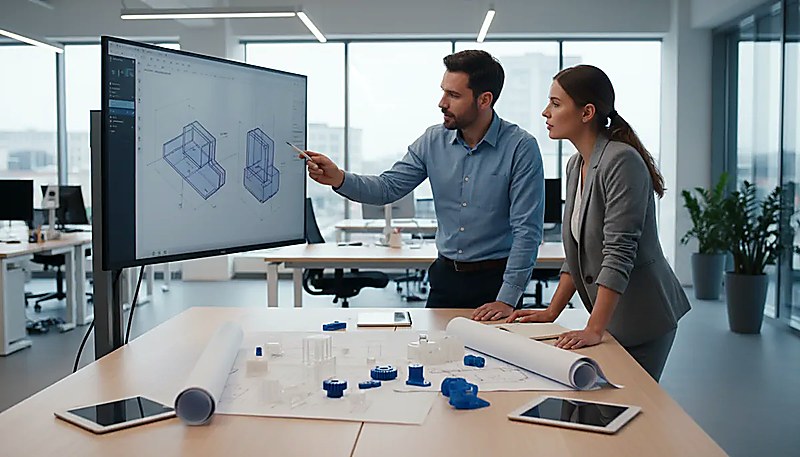
Zespoły zakupowe powinny przeprowadzić to porównanie przed ostatecznym zatwierdzeniem formalnego RFQ. Rysunek może wyglądać prosto, a mimo to skrywać ryzyko procesowe: głęboka obudowa może ulec pocienieniu podczas termoformowania, pusty w środku korpus może wymagać linii zgrzewu charakterystycznej dla formowania z rozdmuchiwaniem, a precyzyjna obudowa może wymagać formowania wtryskowego, ponieważ zatrzaski i występy montażowe muszą być powtarzalne. Gdy nasz zakład analizuje wstępne rysunki, rozstrzygamy te kwestie przed wyceną stalowego oprzyrządowania, aby klient nie płacił za proces, który nie jest w stanie spełnić wymagań części.
W praktyce inżynierowie powinni oznaczyć na rysunku każdą cechę krytyczną. Płaskie powierzchnie dekoracyjne, zatrzaski, powierzchnie uszczelniające, słupki pod wkręty, żebra, obszary zawiasów i bazy montażowe należy przyporządkować do procesu, który zapewni nad nimi kontrolę. Jeśli lista obejmuje głównie płytkie powierzchnie, wystarczające może być formowanie arkuszy. Jeśli zawiera wiele detali 3D, formowanie wtryskowe zwykle zasługuje na pierwszą poważną analizę.
| Proces | Najlepsze zastosowanie | Główne zastrzeżenie |
|---|---|---|
| Formowanie wtryskowe | Precyzyjne części 3D | Oprzyrządowanie musi odpowiadać skurczowi, punktom wtrysku, chłodzeniu i wyprężaniu. |
| Formowanie z rozdmuchiwaniem | Produkty puste w środku | Grubość ścianki i szczegóły szyjki wymagają kontroli. |
| Wytłaczanie | Profile ciągłe | Skomplikowane cechy 3D są ograniczone. |
| Termoformowanie | Cienkie powłoki i tacki | Obszary głębokiego ciągnienia mogą się rozciągać i wymagać przycinania. |
"Koszt oprzyrządowania należy porównywać z całkowitym kosztem produkcji."True
Tańsze narzędzie może okazać się drogie, jeśli powoduje wolne cykle, braki, ręczne przycinanie, niestabilne wymiary lub powtarzające się naprawy formy.
"Dostawca powinien przedstawić wycenę przed sprawdzeniem materiału i wielkości produkcji."False
Materiał, roczny wolumen, tolerancja, wykończenie powierzchni oraz wymagania dotyczące kontroli zmieniają ścieżkę procesową i rzeczywisty koszt produkcji.
Jeśli wybierasz między formowaniem wtryskowym a inną metodą formowania tworzyw sztucznych, prześlij plik 3D, docelowy materiał, roczny wolumen, wymagania dotyczące powierzchni oraz notatki o tolerancjach. ZetarMold może przeanalizować część i wyjaśnić, czy forma wtryskowa, zmiana projektu czy inna ścieżka procesowa jest lepszą drogą do zapytania ofertowego.
Dla praktycznej listy kontrolnej kupującego, przed porównaniem ofert, udokumentuj docelową żywicę, oczekiwany roczny wolumen, widoczne powierzchnie, interfejsy montażowe, nakładanie tolerancji oraz oczekiwany okres użytkowania. Zapobiega to ukrywaniu późniejszych kosztów przycinania, oprzyrządowania, przeróbek lub kontroli przez niską cenę narzędzi.
To wczesne sprawdzenie procesu zapewnia również działowi zakupów czystsze porównanie dostawców, ponieważ każda oferta jest oceniana względem tego samego zestawu wymagań funkcjonalnych.
FAQ dotyczące rodzajów formowania tworzyw sztucznych
Jaki jest najczęstszy rodzaj formowania tworzyw sztucznych?
Wtryskiwanie jest jednym z najczęstszych rodzajów formowania tworzyw sztucznych dla części inżynieryjnych, ponieważ pozwala na powtarzalne tworzenie złożonych kształtów z kontrolowanymi wymiarami i stabilną produkcją.
Który typ formowania jest najlepszy dla wydrążonych części plastikowych?
Formowanie rozdmuchowe jest zazwyczaj najlepsze dla wydrążonych części, takich jak butelki, zbiorniki i pojemniki, ponieważ ciśnienie powietrza formuje gorący plastik na ściance formy.
Czy termoformowanie jest tańsze niż formowanie wtryskowe?
Termoformowanie może mieć niższe koszty narzędziowe dla dużych cienkich powłok, ale może wymagać przycinania i może nie dorównywać wtryskowi w przypadku precyzyjnych cech 3D.
Kiedy powinienem wybrać ekstruzję zamiast formowania?
Wybierz wytłaczanie, gdy produkt ma ciągły przekrój poprzeczny, taki jak rura, arkusz, uszczelka, kanał lub profil, który można przyciąć na długość.
Jak wybrać odpowiedni typ formowania dla nowej części?
Zacznij od geometrii, następnie sprawdź tolerancję, materiał, objętość, budżet na narzędzia, wykończenie powierzchni i ryzyko jakości. Dostawca może wtedy porównać realistyczne opcje procesu.
Czy jeden projekt może wykorzystać więcej niż jeden rodzaj formowania tworzyw sztucznych?
Tak. Zestaw może zawierać obudowy formowane wtryskowo, uszczelki wytłaczane, tacki termoformowane lub kontenery formowane rozdmuchiwaniem, gdy każdy komponent ma różną funkcję.
formowanie wtryskowe: Powtarzalny proces przetwórstwa tworzyw, w którym stopiony materiał jest wtryskiwany do zamkniętego gniazda w celu uformowania gotowej części. ↩
formowanie z rozdmuchiwaniem: Proces wytwarzania pustych części, w którym gorące tworzywo jest dociskane do powierzchni formy za pomocą wewnętrznego ciśnienia powietrza. ↩
formowanie tłoczne: Proces polegający na ściskaniu odmierzonej porcji materiału w ogrzanej wnęce formy aż do uzyskania kształtu części. ↩
termoformowanie: Proces kształtowania arkusza, w którym płytę z tworzywa sztucznego podgrzewa się i formuje na formie lub w jej wnęce. ↩