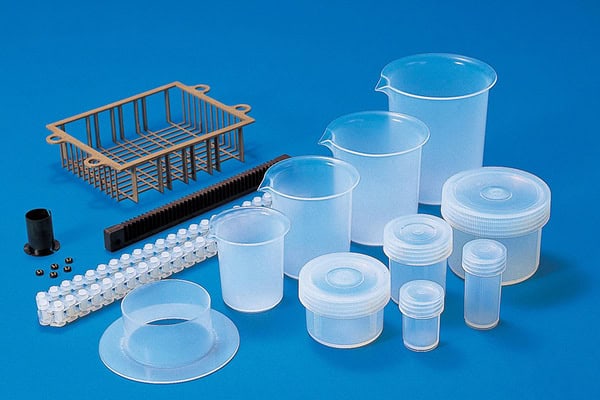
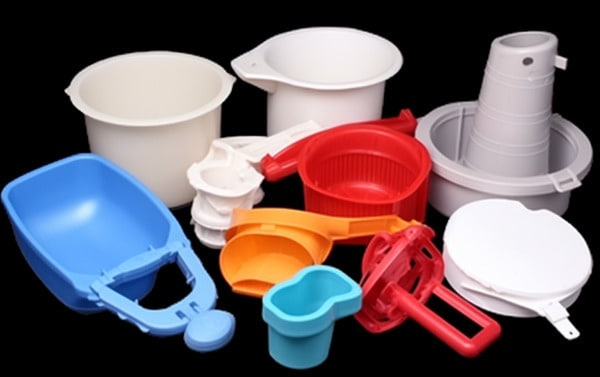
- Основные виды формования пластмасс: литьё под давлением, выдувное формование, компрессионное формование, экструзионное формование, ротационное формование, термоформование, вакуумное формование и пултрузия.
- Литьё под давлением обычно оптимально для трёхмерных пластиковых деталей с жёсткими допусками, защёлок, корпусов, рёбер, бобышек и серийного производства.
- Выдувное формование подходит для полых деталей, экструзия — для непрерывных профилей, термоформование — для неглубоких оболочек, а прессование — для крупных деталей из реактопластов или резиноподобных материалов.
- Выбор подходящего процесса зависит от геометрии детали, годового объёма выпуска, допусков, реологических свойств полимера, требований к поверхности, бюджета на оснастку и рисков для качества.
- До отправки RFQ покупателям следует сравнить виды формования, чтобы поставщик мог правильно рассчитать оснастку, машину, материал и план контроля.
Каковы основные виды формования пластмасс?
Типы формования пластмасс — это семейства процессов придания формы размягчённому пластику. В них применяются инструмент, фильера, полость пресс-формы, давление, вакуум, вращение или тянущее усилие. Наиболее распространены литьё под давлением, выдувное и компрессионное формование, экструзия, ротационное формование, термоформование, вакуумное формование и пултрузия.
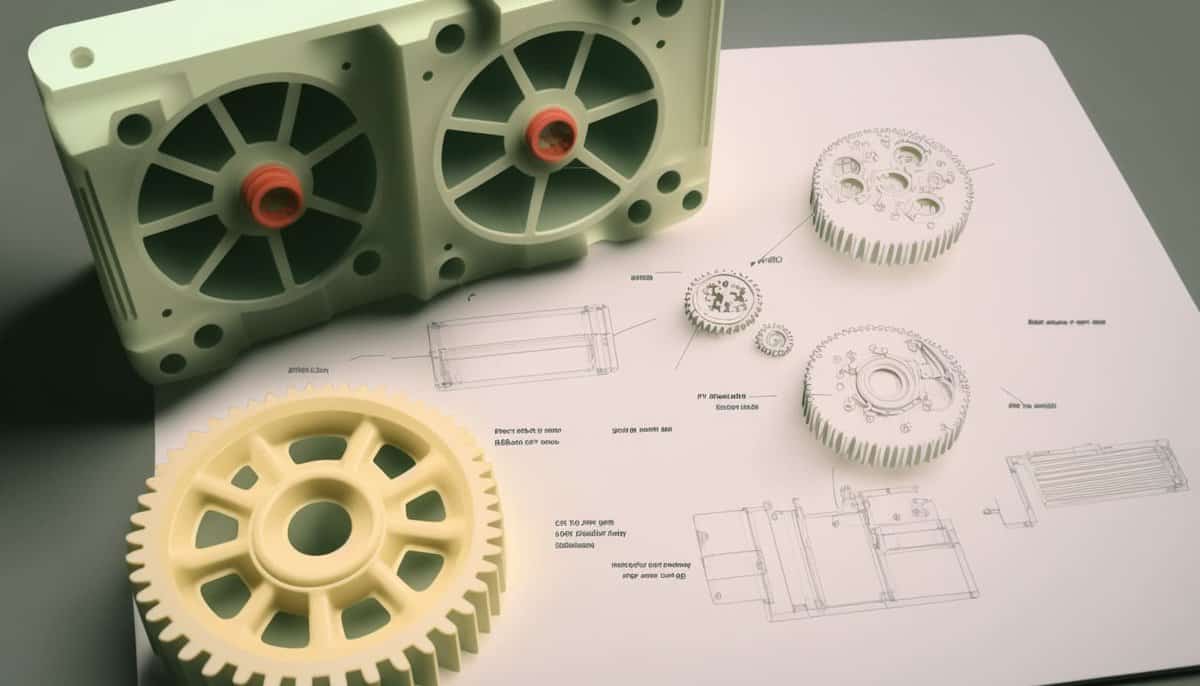
Литьё под давлением1 часто является важнейшим процессом изготовления технических пластиковых деталей, поскольку позволяет серийно воспроизводить сложную геометрию. Для углублённого знакомства с процессом начните с нашего полного руководства по литью под давлением, а затем сопоставьте требования к оснастке с нашим полным руководством по пресс-формам для литья под давлением.
Издалека процессы выглядят похожими, поскольку все они формуют пластик. Но с точки зрения производственного планирования они существенно различаются. Бутылка, электронный корпус, труба, лоток и стеклопластиковый стержень не должны рассчитываться по одной схеме. Сначала геометрия определяет процесс, а затем материал, допуски, внешний вид и объем задают его параметры.
"Выбор процесса формования пластмасс должен начинаться с геометрии детали."True
Геометрия определяет, будет ли деталь полой, непрерывной, листовой или представлять собой сложный 3D-компонент, поэтому именно она должна определять первоначальный выбор процесса.
"Все виды формования пластмасс способны обеспечивать одинаковые допуски."False
Возможности соблюдения допусков зависят от процесса, конструкции оснастки, усадки материала, способа охлаждения, обрезки и вторичных операций.
Какой вид формования пластмасс лучше всего подходит для прецизионных деталей?
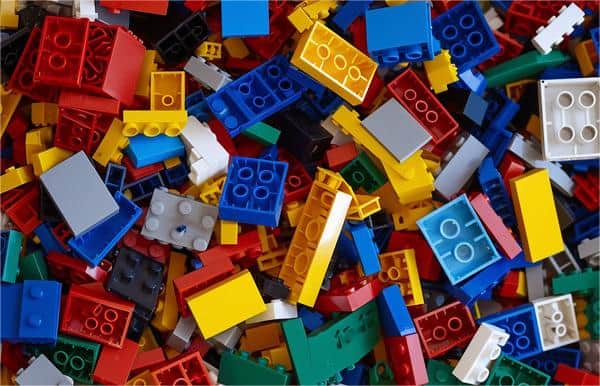
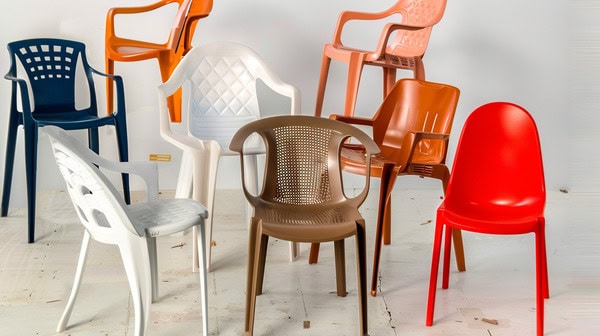
Литье под давлением оптимально для точных объемных пластиковых деталей. Его выбирают, когда нужны контролируемые размеры, повторяемые элементы, широкий выбор прочных смол и средние или большие объемы производства.
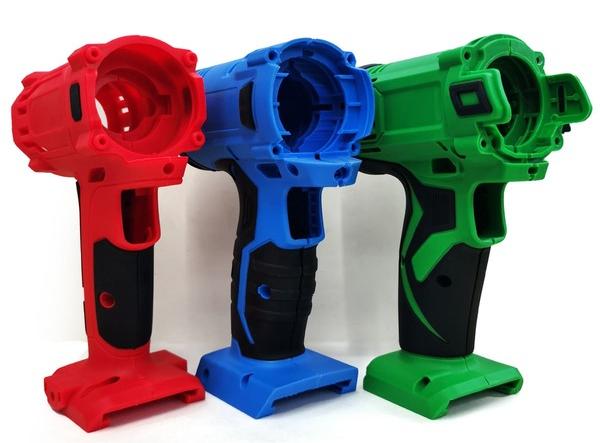
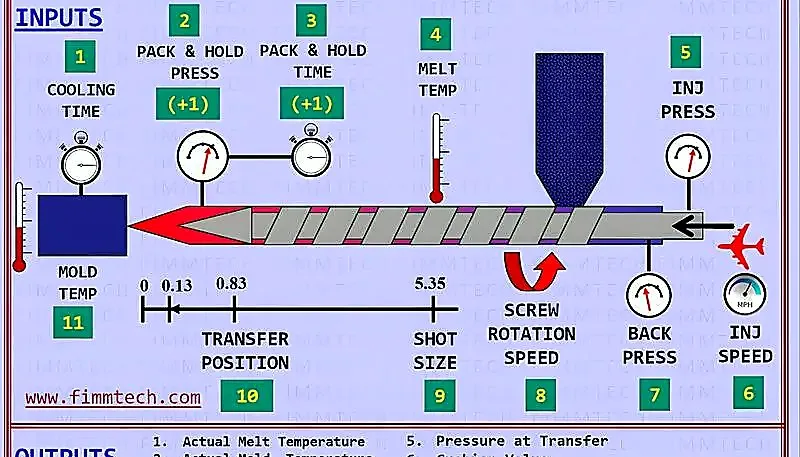
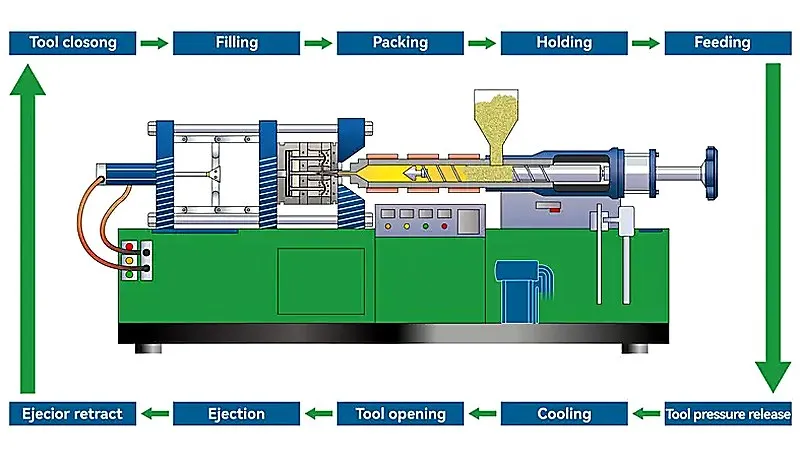
При литье под давлением используются сомкнутая пресс-форма, пластицирующий шнек, давление впрыска, давление выдержки, охлаждение и выталкивание. Поэтому процесс подходит для корпусов, шестерен, зажимов, соединителей, медицинских компонентов, деталей бытовых приборов и автомобильных пластиковых деталей. Результат зависит не только от машины. Повторяемость детали определяют сталь пресс-формы, схема охлаждения, положение впуска, газоотвод, припуск на усадку и конструкция системы выталкивания.
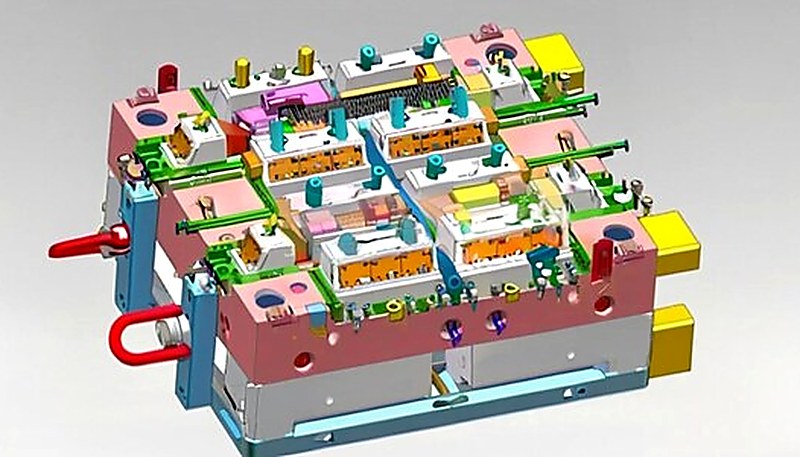
Покупателю следует выбирать литье под давлением, если деталь имеет ребра, бобышки, защелки, декоративные поверхности, внутренние конструктивные элементы либо сборочные узлы, которые должны сопрягаться с другими деталями. Если у детали толстые стенки или очень малый годовой объем выпуска, на раннем этапе валидации могут лучше подойти механическая обработка прототипов, 3D-печать, литье или вариант с более дешевой оснасткой.
Для чего используется выдувное формование?
Выдувное формование применяется для полых пластиковых изделий: бутылок, контейнеров, баков, воздуховодов и других деталей, где внутренний объем воздуха является частью функции изделия.
При выдувном формовании2 горячий пластик раздувается воздухом по внутренней поверхности формы. Главное преимущество — эффективное изготовление полых изделий. Основное ограничение состоит в том, что толщина стенки, отделка горловины, конструкция ручек и зоны защемления требуют иных методов контроля, чем детали, изготовленные литьём под давлением.
Выдувное формование не следует выбирать только потому, что деталь выглядит крупной. Если необходимы точные рёбра, бобышки, резьбовые вставки, строгая плоскостность или прочные локальные элементы, надёжнее может быть литьё под давлением или последующая сборка. Если изделие представляет собой преимущественно полую оболочку, выдувное формование может сократить расход материала и сложность оснастки.
Для чего применяется компрессионное формование?
Компрессионное формование применяют для прессования дозированных порций материала в нагретых полостях. Оно часто подходит для реактопластов, резиноподобных материалов и крупных деталей с простыми путями течения.
Компрессионное формование3 может быть полезно, когда свойства материала, содержание волокна, размер детали или экономика оснастки не подходят для обычного литья под давлением. Оно также применимо к деталям, для которых давление, нагрев и время отверждения важнее высокоскоростных циклов впрыска.
Слабые стороны метода — скорость цикла и контроль детализации. Компрессионное формование может быть непригодно для тонких рёбер, тонких стенок, сложных поднутрений или очень высокой повторяемости размеров. Перед выводом о более низкой общей стоимости компрессионной оснастки покупателям следует тщательно сопоставить допуски детали и годовой объём.
Для чего применяется экструзионное формование?
Экструзионное формование применяется для непрерывных пластиковых изделий. Оно подходит для труб, листов, уплотнений, каналов, профилей, прутков и пленок с преимущественно постоянным поперечным сечением.
При экструзии расплавленный пластик продавливается через фильеру. Фильера задаёт поперечное сечение, а последующее охлаждение или калибровка контролируют размер. Процесс эффективен для длинных, непрерывных и однородных изделий. Он хуже подходит для деталей с замкнутой трёхмерной геометрией, внутренними бобышками, защёлками или несколькими поверхностями, которые необходимо формировать одновременно.
Некоторые изделия сочетают экструзию с другими процессами. Профиль можно сначала экструдировать, а затем резать, пробивать, гнуть, сваривать или собирать. В сборочных узлах из литьевых деталей экструдированные уплотнения или трубки могут быть соседними компонентами, но их нельзя рассчитывать как формующие полости.
Когда целесообразно использовать термоформование?
Термоформование подходит для деталей из нагретого пластикового листа. С его помощью на пресс-форме или в ней формуют лотки, крышки, упаковку, панели, вкладыши и неглубокие оболочки.
Термоформование4 позволяет снизить стоимость оснастки для крупных тонкостенных деталей, поскольку исходным материалом служит лист, а не расплав, впрыскиваемый в полноценную трёхмерную полость. Вакуумное формование — родственный процесс, в котором нагретый лист прижимается к поверхности формы вакуумом.
Компромисс заключается в глубине детализации и точности размеров. Термоформованные детали часто требуют обрезки, могут иметь утонение стенок на участках глубокой вытяжки и не обеспечивают столь же строгие параметры, как литьё под давлением. Этот процесс подходит для крышек и лотков, но обычно не оптимален для прецизионных защёлок, резьбовых бобышек или несущих корпусов.
Как покупателям сравнивать виды формования пластмасс?
До окончательного расчета цены покупателям следует сравнить виды формования пластмасс. Сравнение должно учитывать геометрию, допуски, полимер, годовой объем, бюджет на оснастку, качество поверхности, вторичные операции и риски контроля.
Начните с формы изделия. Для полых изделий подходят выдувное или ротационное формование. Постоянное поперечное сечение указывает на экструзию. Для тонкостенных оболочек и лотков подходят термоформование или вакуумное формование. Для прецизионных 3D-деталей обычно подходит литьё под давлением. Затем оцените коммерческие факторы: объём производства, стоимость материала, стоимость пресс-формы, затраты на обеспечение качества и срок изготовления.
Длительность цикла также важна. При литье под давлением каждая секунда повторяется на протяжении всей серии, поэтому конструкцию впуска, охлаждение, извлечение и совместимость с машиной следует оценивать заранее. В нашей статье о длительности производственного цикла литья под давлением объясняется, как скорость процесса и управление охлаждением влияют на себестоимость единицы продукции. Для планирования размеров усадку в пресс-форме следует обсудить до обработки стали.
На нашем заводе в Шанхае работают 47 термопластавтоматов от 90T до 1850T, а собственный инструментальный цех выпускает 100+ комплектов пресс-форм в месяц. Наши инженеры используют этот диапазон возможностей, чтобы отличать детали, изготовленные литьем под давлением, от изделий, полученных выдувным формованием, термоформованием и экструзией, до вложения средств в оснастку.
Службе закупок следует провести это сравнение до утверждения формального RFQ. Простой на вид чертеж может скрывать технологический риск: глубокая оболочка способна истончиться при термоформовании, полый корпус может потребовать линии защемления при выдувном формовании, а прецизионному корпусу может понадобиться литье под давлением для воспроизводимости защелок и бобышек. Анализируя ранние чертежи, наш завод разделяет эти вопросы до расчета стальной оснастки, чтобы заказчик не платил за процесс, неспособный выполнить требования к детали.
Практическая проверка для инженера заключается в обозначении каждого критического элемента на чертеже. Плоские декоративные панели, защёлки, уплотнительные поверхности, винтовые бобышки, рёбра, зоны шарниров и сборочные базы следует сопоставить с процессом, способным их контролировать. Если перечень в основном состоит из неглубоких поверхностных элементов, формования листа может быть достаточно. Если в нём много объёмных 3D-элементов, литьё под давлением обычно следует рассмотреть в первую очередь.
| Процесс | Наилучшее соответствие | Основное предостережение |
|---|---|---|
| Литье под давлением | Прецизионные 3D-детали | Оснастка должна учитывать усадку, литники, охлаждение и систему выталкивания. |
| Выдувное формование | Полые изделия | Толщина стенки и детали горловины требуют контроля. |
| Экструзия | Непрерывные профили | Сложные 3D-особенности ограничены. |
| Термоформование | Тонкие оболочки и поддоны | Зоны глубокой вытяжки могут истончаться и требовать обрезки. |
"Стоимость оснастки следует сравнивать с общими производственными затратами."True
Дешевая оснастка может оказаться дорогой, если она вызывает медленные циклы, брак, ручную обрезку, нестабильность размеров или необходимость повторного ремонта пресс-формы.
"Поставщик должен предоставить цену до проверки материала и объёма выпуска."False
Материал, годовой объем, допуски, качество поверхности и требования к контролю определяют технологический маршрут и фактическую стоимость производства.
Если вы выбираете между литьём под давлением и другим способом формования пластмасс, отправьте 3D-файл, целевой материал, годовой объём, требования к поверхности и допускам. ZetarMold проанализирует деталь и объяснит, что лучше для запроса RFQ: пресс-форма для литья под давлением, изменение конструкции или другой технологический процесс.
Для практической проверки перед сравнением предложений зафиксируйте целевой полимер, ожидаемый годовой объём, лицевые поверхности, сопряжения при сборке, размерную цепь допусков и расчётный срок службы. Это не позволит низкой цене пресс-формы скрыть последующие расходы на обрезку, оснастку, доработку или контроль.
Эта предварительная оценка процесса также упрощает для отдела закупок сравнение поставщиков, поскольку каждое коммерческое предложение оценивается по единому набору функциональных требований.

Часто задаваемые вопросы о типах пластикового литья
Какой самый распространенный тип пластикового литья?
Литье под давлением является одним из наиболее распространенных видов формования пластика для технических деталей, поскольку оно позволяет многократно воспроизводить сложные формы с контролируемыми размерами и стабильным объемом производства.
Какой тип формования лучше всего подходит для полых пластиковых деталей?
Выдувное формование обычно лучше всего подходит для полых деталей, таких как бутылки, баки и контейнеры, потому что давление воздуха формирует горячий пластик по стенке формы.
Дешевле ли термоформование, чем литьё под давлением?
Термоформование может иметь меньшую стоимость оснастки для крупных тонких оболочек, но требует обрезки и может уступать литью в точных 3D-элементах.
Когда следует выбрать экструзию вместо литья?
Выбирайте экструзию, если изделие имеет постоянное поперечное сечение, например труба, лист, уплотнение, канал или профиль, который можно отрезать по длине.
Как выбрать подходящий тип литья для новой детали?
Начните с геометрии, затем проверьте допуски, материал, объем, бюджет на инструмент, качество поверхности и риски качества. Затем поставщик может сравнить реалистичные варианты процессов.
Можно ли в одном проекте использовать несколько видов формования пластмасс?
Да. Сборочный узел может сочетать корпуса, изготовленные литьём под давлением, экструдированные уплотнения, термоформованные лотки или выдувные контейнеры, если каждый компонент выполняет отдельную функцию.
литьё под давлением: Повторяемый процесс переработки пластмасс, при котором расплавленный материал впрыскивают в закрытую полость для получения готовой детали. ↩
выдувное формование: Процесс изготовления полых изделий, при котором горячий пластик прижимается к поверхности формы внутренним давлением воздуха. ↩
компрессионное формование: Процесс, при котором отмеренную порцию материала прессуют внутри нагретой полости формы до получения требуемой геометрии детали. ↩
термоформование: Процесс формования листа, при котором пластиковый лист нагревают и формуют поверх формы или внутри неё. ↩