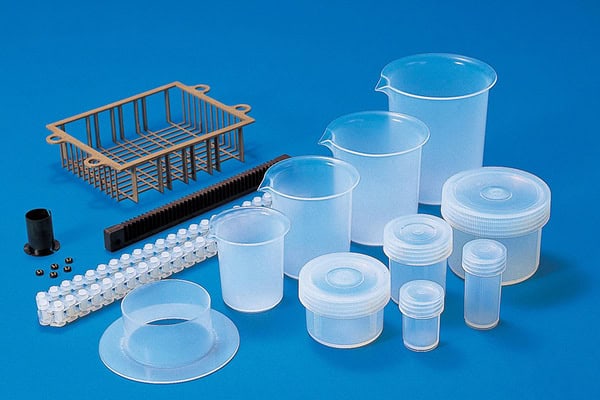
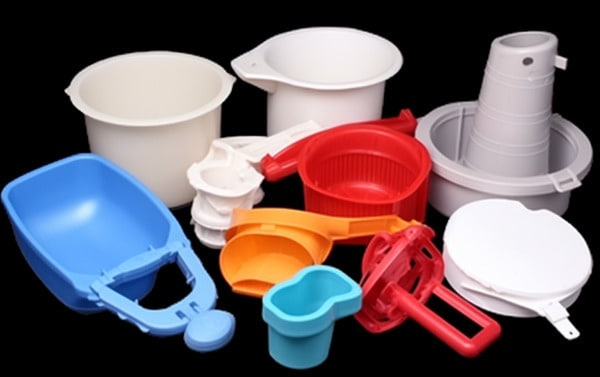
- Başlıca plastik kalıplama türleri enjeksiyon kalıplama, şişirme kalıplama, sıkıştırma kalıplama, ekstrüzyon kalıplama, rotasyonel kalıplama, termoform, vakum şekillendirme ve pultrüzyondur.
- Enjeksiyon kalıplama; dar toleranslı 3D plastik parçalar, klipsler, gövdeler, nervürler, federler ve tekrarlı üretim için genellikle en iyi seçimdir.
- Şişirme kalıplama içi boş parçalar, ekstrüzyon sürekli profiller, termoform sığ kabuklar, sıkıştırma kalıplama ise daha büyük termoset veya kauçuk benzeri parçalar için uygundur.
- Doğru proses; parça geometrisine, yıllık hacme, toleransa, reçine davranışına, yüzey kalitesine, takım bütçesine ve kalite riskine bağlıdır.
- Tedarikçinin doğru takım, makine, malzeme ve kontrol planı için teklif verebilmesi amacıyla alıcılar RFQ öncesinde kalıplama türlerini karşılaştırmalıdır.
Başlıca plastik kalıplama türleri nelerdir?
Plastik kalıplama türleri, yumuşatılmış plastiği biçimlendiren proses aileleridir. Takım, kalıp, kalıp boşluğu, basınç, vakum, dönme veya çekme kuvveti kullanırlar. En yaygın seçenekler enjeksiyon kalıplama, şişirme kalıplama, sıkıştırma kalıplama, ekstrüzyon kalıplama, rotasyonel kalıplama, termoform, vakumlu şekillendirme ve pultrüzyondur.
Enjeksiyon kalıplama1, karmaşık geometrileri büyük ölçekte tekrarlayabildiği için mühendislik plastik parçalarında çoğu zaman en önemli yöntemdir. Sürece ilişkin daha ayrıntılı bir temel için önce enjeksiyon kalıplama eksiksiz kılavuzumuza bakın, ardından kalıp gereksinimlerini enjeksiyon kalıbı eksiksiz kılavuzumuzla karşılaştırın.
Tüm prosesler plastiği biçimlendirdiğinden uzaktan benzer görünür. Fabrika planlamasında ise çok farklıdır. Bir şişe, elektronik muhafaza, boru, tepsi ve cam elyaf çubuk aynı fiyatlandırma mantığına zorlanmamalıdır. Önce geometri prosesi; ardından reçine, tolerans, kozmetik gereksinimler ve hacim ayrıntıları belirler.
"Plastik kalıplama prosesi seçimi parça geometrisiyle başlamalıdır."True
Geometri, parçanın içi boş, sürekli, levha biçimli veya ayrıntılı bir 3D bileşen olup olmadığını belirler; bu nedenle ilk proses kararına yön vermelidir.
"Tüm plastik kalıplama türleri aynı toleransları sağlayabilir."False
Tolerans kabiliyeti; proses, kalıp donanımı tasarımı, malzeme çekmesi, soğutma yöntemi, çapak alma ve ikincil işlemlere göre değişir.
Hassas parçalar için en iyi plastik kalıplama türü hangisidir?
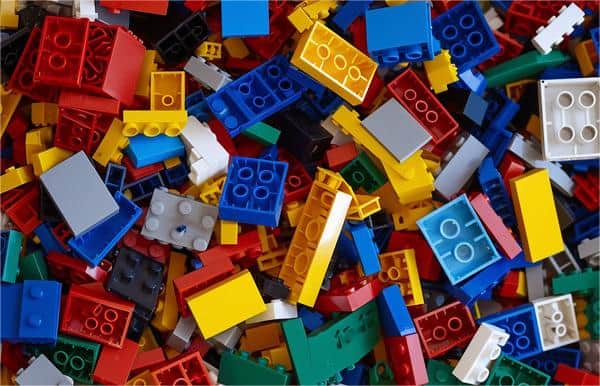
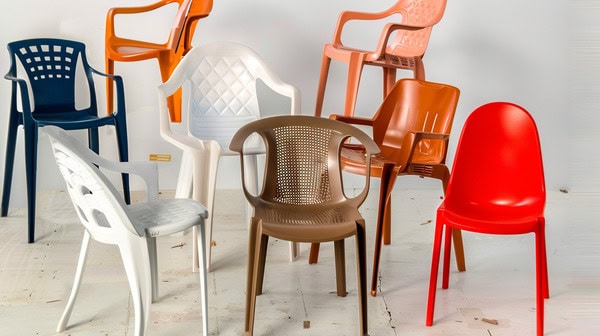
Enjeksiyon kalıplama, hassas 3D plastik parçalar için en uygun yöntemdir. Tasarım kontrollü ölçüler, tekrarlanabilir özellikler, geniş reçine seçimi ve orta-yüksek üretim hacmi gerektirdiğinde tercih edilir.
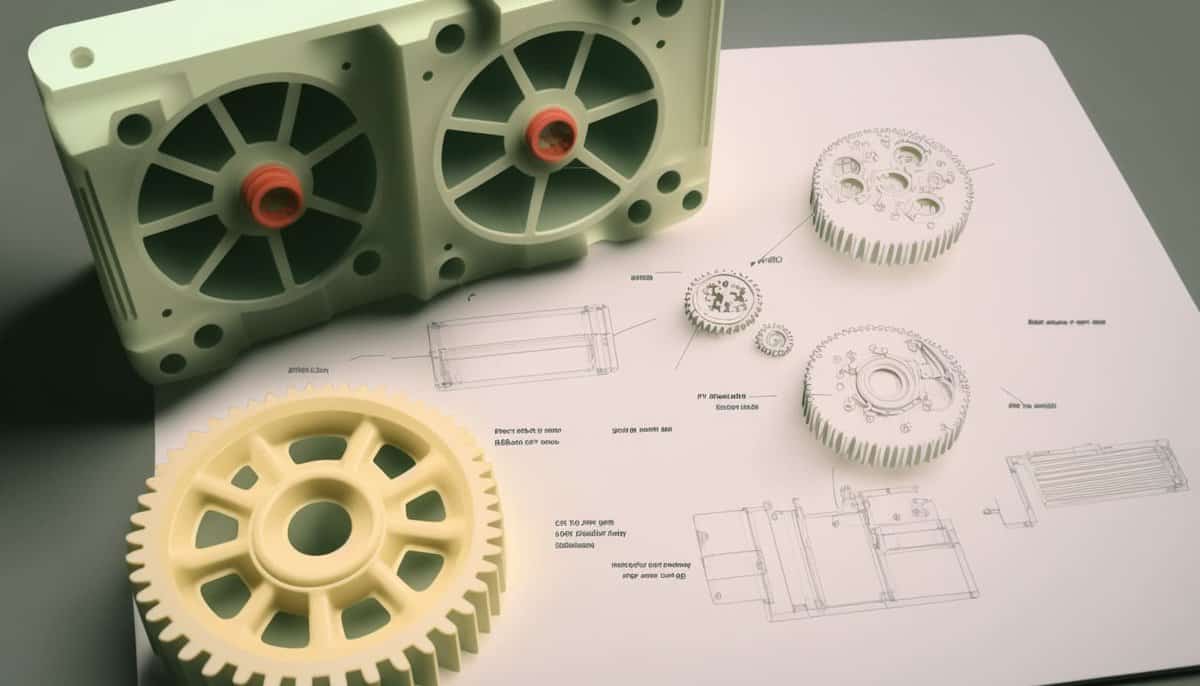
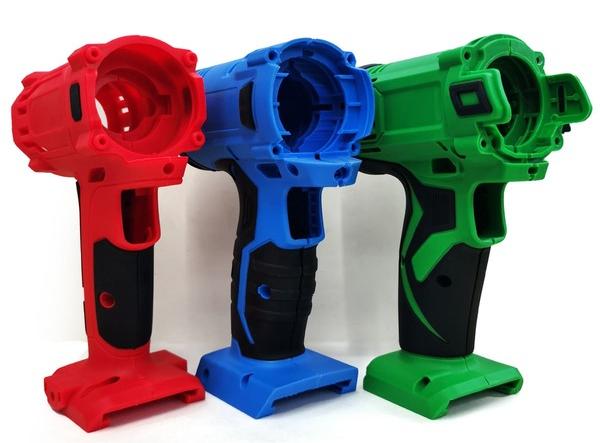
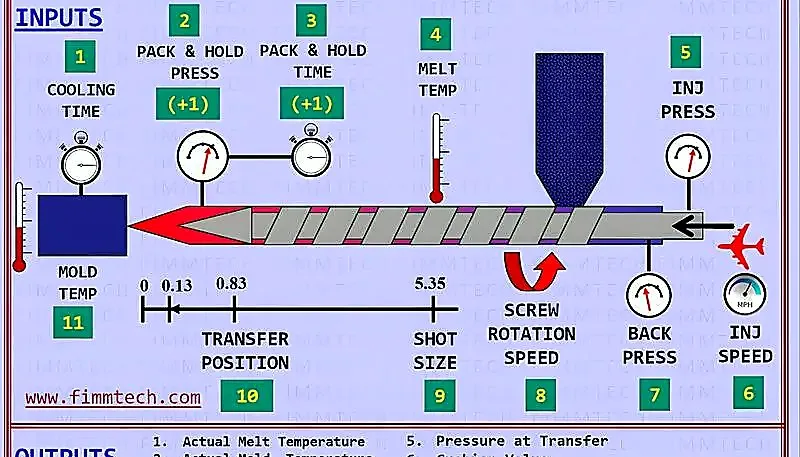
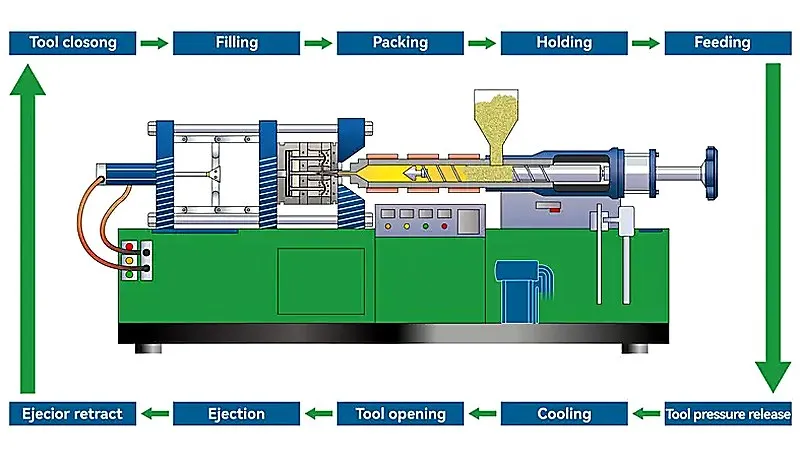
Enjeksiyon kalıplamada sıkıştırılmış bir kalıp, plastikleştirme vidası, enjeksiyon basıncı, ütüleme basıncı, soğutma ve çıkarma kullanılır. Bu proses muhafazalar, dişliler, klipsler, konnektörler, tıbbi bileşenler, ev aleti parçaları ve otomotiv plastik parçaları için uygundur. Proses yalnızca makineden ibaret değildir. Kalıp çeliği, soğutma düzeni, yolluk girişi konumu, gaz tahliyesi, çekme payı ve çıkarma tasarımı parçanın tutarlı tekrarlanmasını belirler.
Parçada nervürler, bağlantı çıkıntıları, geçmeli tırnaklar, kozmetik yüzeyler, iç detaylar veya başka parçalarla uyumlu olması gereken montajlar varsa alıcı enjeksiyon kalıplamayı seçmelidir. Parça kalın duvarlıysa veya yıllık hacim çok düşükse erken doğrulama aşamasında prototip işleme, 3D baskı, döküm ya da daha düşük maliyetli bir kalıplama yöntemi daha uygun olabilir.
Şişirme kalıplama ne için kullanılır?
Şişirme kalıplama, içi boş plastik ürünlerde kullanılır. Tipik örnekler arasında şişeler, kaplar, tanklar, kanallar ve iç hava hacminin ürün işlevinin bir parçası olduğu diğer parçalar bulunur.
Şişirme kalıplama2, sıcak plastiği bir kalıbın iç yüzeyine doğru şişirir. Başlıca avantajı içi boş biçimlerin verimli üretimidir. Başlıca sınırlamasıysa et kalınlığı, boyun yüzeyi, tutamak tasarımı ve sıkıştırma bölgelerinin enjeksiyonla kalıplanan parçalardan farklı kontroller gerektirmesidir.
Şişirme kalıplama yalnızca parça büyük göründüğü için seçilmemelidir. Parça hassas nervürler, bosslar, dişli insertler, sıkı düzlemsellik veya güçlü yerel ayrıntılar gerektiriyorsa enjeksiyon kalıplama ya da ikincil montaj daha güvenilir olabilir. Ürün esas olarak içi boş bir kabuksa şişirme kalıplama malzeme atığını ve takım karmaşıklığını azaltabilir.
Sıkıştırma kalıplama ne için kullanılır?
Sıkıştırma kalıplama, ısıtılmış kalıp boşluklarında preslenen malzeme şarjları için kullanılır. Genellikle termosetler, kauçuk benzeri malzemeler ve daha basit akış yollarına sahip büyük parçalar için uygundur.
Sıkıştırma kalıplama3; malzeme davranışı, elyaf oranı, parça boyutu veya takım ekonomisi standart enjeksiyon kalıplamaya uygun olmadığında yararlı olabilir. Basınç, ısı ve kürlenme süresinin yüksek hızlı enjeksiyon çevrimlerinden daha önemli olduğu parçaları da destekleyebilir.
Zayıf yönleri çevrim hızı ve ayrıntı kontrolüdür. Sıkıştırma kalıplama; ince federlerde, ince cidarlarda, karmaşık ters açılarda veya çok sıkı ölçü tekrarlanabilirliğinde zorlanabilir. Alıcılar, sıkıştırma kalıbının toplamda daha ucuz olduğunu varsaymadan önce parça toleransını ve yıllık hacmi dikkatle karşılaştırmalıdır.
Ekstrüzyon kalıplama ne için kullanılır?
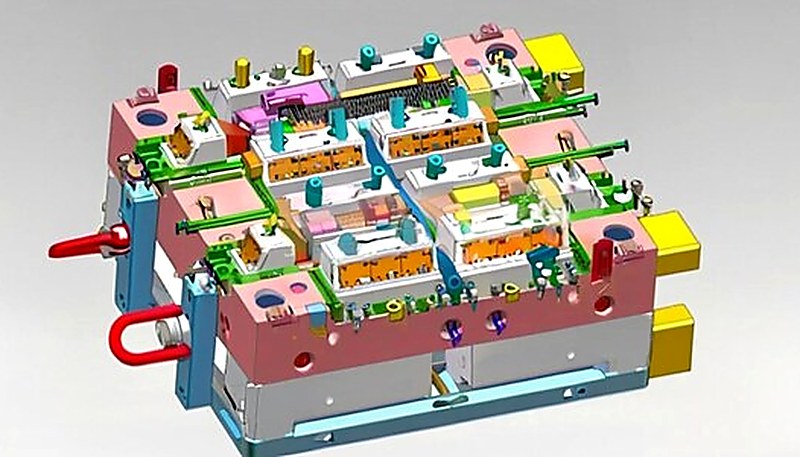
Ekstrüzyon kalıplama, kesintisiz plastik şekiller üretmek için kullanılır. Kesiti büyük ölçüde sabit kalan borular, levhalar, contalar, kanallar, profiller, çubuklar ve filmler için uygundur.
Ekstrüzyon, erimiş plastiği bir kalıptan geçirir. Kalıp kesiti belirler, sonraki soğutma veya kalibrasyon ise boyutu kontrol eder. Bu proses ürün uzun, kesintisiz ve eşit olduğunda verimlidir. Parçada kapalı 3D geometri, iç bosslar, klips özellikleri veya aynı anda oluşturulması gereken birden fazla yüzey olduğunda daha az uygundur.
Bazı ürünler ekstrüzyonu diğer proseslerle birleştirir. Bir profil önce ekstrüde edilip ardından kesilebilir, delinebilir, bükülebilir, kaynaklanabilir veya monte edilebilir. Enjeksiyonla kalıplanmış montajlarda ekstrüde contalar veya borular bitişik bileşen olabilir; ancak kalıplanmış boşluklarmış gibi fiyatlandırılmamalıdır.
Termoform ne zaman uygun bir seçimdir?
Termoform, ısıtılmış plastik levha parçalar için uygundur. Tepsi, kapak, ambalaj, panel, astar ve sığ kabuk parçaları kalıp üzerinde veya kalıp içinde şekillendirir.
Isıl şekillendirme4, tam bir üç boyutlu boşluğa enjeksiyon yapmak yerine levhayla başladığı için büyük ve ince parçaların takım maliyetini düşürebilir. Vakumla şekillendirme, ısıtılmış levhayı kalıp yüzeyine çekmek için vakum kullanan ilişkili bir yöntemdir.
Ödünleşim, ayrıntı derinliği ve boyutsal kontroldür. Termoform parçalar çoğunlukla kesim gerektirir, derin çekim bölgelerinde duvar incelmesi gösterebilir ve enjeksiyon kalıplama kadar dar toleranslı özellikleri koruyamayabilir. Kapaklar ve tepsiler için kullanışlıdır; ancak hassas klips, dişli boss veya yük taşıyan gövde için genellikle en iyi yöntem değildir.
Alıcılar plastik kalıplama türlerini nasıl karşılaştırmalıdır?
Alıcılar nihai fiyatlandırmadan önce plastik kalıplama türlerini karşılaştırmalıdır. Karşılaştırma; geometriyi, toleransı, reçineyi, yıllık hacmi, kalıp bütçesini, yüzey kalitesini, ikincil operasyonları ve muayene riskini kapsamalıdır.
Şekille başlayın. İçi boş ürünler şişirme veya rotasyonel kalıplamaya, sürekli kesitler ekstrüzyona, ince cidarlı kabuklar ve tepsiler termoform veya vakum formuna yönlendirir. Hassas 3D parçalar genellikle enjeksiyon kalıplamaya uygundur. Ardından ticari gerçekleri değerlendirin: üretim adedi, malzeme maliyeti, kalıp maliyeti, kalite maliyeti ve teslim süresi.
Çevrim süresi de önemlidir. Enjeksiyon kalıplamada her saniye tüm üretim boyunca tekrarlandığından giriş tasarımı, soğutma, çıkarma ve makine uyumu erkenden incelenmelidir. Enjeksiyon kalıplama üretim süresi hakkındaki makalemiz, işlem hızının ve soğutma kontrolünün birim maliyeti neden etkilediğini açıklar. Boyutsal planlama için kalıp büzülmesi, çelik işlenmeden önce değerlendirilmelidir.
Şanghay fabrikamızda 90T ile 1850T arasında 47 enjeksiyon kalıplama makinesi çalıştırıyor ve tesis içi kalıp üretim bölümümüzde ayda 100+ kalıp setini destekliyoruz. Mühendislerimiz takım yatırımı yapılmadan önce enjeksiyonla kalıplanmış parçaları şişirme, termoform ve ekstrüzyon parçalarından ayırmak için bu aralığı kullanır.
Tedarik ekipleri bu karşılaştırmayı resmi RFQ kesinleşmeden önce yapmalıdır. Bir çizim basit görünebilir ancak süreç riskini gizleyebilir: derin bir kabuk termoform sırasında incelir, içi boş bir gövde şişirme kalıplamada sıkıştırma hattı gerektirir ve klipslerle bossların tekrarlanabilir olması gereken hassas bir gövde enjeksiyon kalıplama gerektirebilir. Fabrikamız ilk çizimleri incelerken, müşterinin parça gereksinimini karşılayamayan bir sürece ödeme yapmaması için kalıp çeliğine fiyat vermeden önce bu soruları ayırırız.
Mühendisler için pratik test, çizimdeki her kritik özelliği işaretlemektir. Düz kozmetik paneller, geçme kancaları, sızdırmazlık yüzeyleri, vida yuvaları, federler, menteşe alanları ve montaj datumları, bunları kontrol edebilen prosesle eşleştirilmelidir. Özellik listesi çoğunlukla sığ yüzey alanlarından oluşuyorsa sac şekillendirme yeterli olabilir. Liste çok sayıda 3D ayrıntı içeriyorsa genellikle ilk ciddi incelemeyi enjeksiyon kalıplama hak eder.
| Süreç | En uygun kullanım | Temel dikkat noktası |
|---|---|---|
| Enjeksiyon kalıplama | Hassas 3D parçalar | Kalıp tasarımı, büzülme, girişler, soğutma ve çıkarma ile uyumlu olmalıdır. |
| Şişirme kalıplama | İçi boş ürünler | Duvar kalınlığı ve boyun detayları kontrol gerektirir. |
| Ekstrüzyon | Sürekli profiller | Karmaşık 3D özellikler sınırlıdır. |
| Termoform | İnce kabuklar ve tepsiler | Derin çekme alanları incelip düzeltme gerektirebilir. |
"Kalıp maliyeti, toplam üretim maliyetiyle karşılaştırılmalıdır."True
Düşük döngüler, hurda, el ile düzeltme, kararsız boyutlar veya tekrarlanan kalıp onarımlarına neden olursa daha ucuz bir takım pahalı hale gelebilir.
"Tedarikçi, malzemeyi ve hacmi kontrol etmeden fiyat vermelidir."False
Malzeme, yıllık hacim, tolerans, yüzey kalitesi ve denetim gereksinimleri işlem yolunu ve gerçek üretim maliyetini değiştirir.
Enjeksiyon kalıplama ile başka bir plastik kalıplama yolu arasında seçim yapıyorsanız, 3D dosyayı, hedef malzemeyi, yıllık hacmi, yüzey gereksinimlerini ve tolerans notlarını gönderin. ZetarMold, parçayı inceleyerek bir enjeksiyon kalıbının, tasarım değişikliğinin veya farklı bir işlem yolunun daha iyi bir RFQ yolu olup olmadığını açıklayabilir.
Pratik bir alıcı kontrol listesi için, teklifleri karşılaştırmadan önce hedef reçineyi, beklenen yıllık hacmi, görünür yüzeyleri, montaj arayüzlerini, tolerans birikimini ve beklenen ömrü belgeleyin. Bu, düşük takım fiyatının daha sonraki düzeltme, fikstür, yeniden işleme veya denetim maliyetlerini gizlemesini önler.
Bu erken süreç taraması, her teklif aynı fonksiyonel gereksinim setine göre değerlendirildiği için satın alma departmanına daha temiz bir tedarikçi karşılaştırması sağlar.
Plastik kalıplama türleri hakkında SSS
En yaygın plastik kalıplama türü nedir?
Enjeksiyon kalıplama, karmaşık şekilleri kontrollü boyutlar ve stabil üretim çıktısıyla tekrar edebildiği için, tasarlanmış parçalar için en yaygın plastik kalıplama türlerinden biridir.
Hollow plastik parçalar için hangi kalıplama türü en iyisidir?
Şişirme kalıplama, genellikle şişeler, tanklar ve kaplar gibi içi boş parçalar için en iyisidir çünkü hava basıncı sıcak plastiği kalıp duvarına karşı şekillendirir.
Termoform, enjeksiyon kalıplamadan daha ucuz mudur?
Termoformlama, büyük ince kabuklar için daha düşük takım maliyetine sahip olabilir, ancak budama gerektirebilir ve sıkı 3D özellikler için enjeksiyon kalıplamayla eşleşmeyebilir.
Ekstrüzyon yerine kalıplamayı ne zaman seçmeliyim?
Ürünün kesitinin devamlı olduğu durumlarda, boru, levha, conta, kanal veya profil gibi uzunluk kesilebilen şekiller için ekstrüzyon seçilmelidir.
Yeni bir parça için doğru kalıplama türünü nasıl seçerim?
Geometriyle başlayın, ardından toleransı, malzemeyi, hacimi, alet bütçesini, yüzey kalitesini ve kalite riskini kontrol edin. Bir tedarikçi bu şekilde gerçekçi proses seçeneklerini karşılaştırabilir.
Bir proje birden fazla plastik kalıplama türü kullanabilir mi?
Evet. Her bileşen farklı bir işleve sahip olduğunda bir montaj, enjeksiyon kalıplı muhafazalar, ekstrüde contalar, termoform tepsiler veya şişirme kalıplı kapları birleştirebilir.
enjeksiyon kalıplama: Bitmiş bir parça oluşturmak için erimiş malzemeyi kapalı bir boşluğa enjekte eden, tekrarlanabilir bir plastik işleme yöntemidir. ↩
şişirme kalıplama: Sıcak plastiği iç hava basıncıyla kalıp yüzeyine doğru şekillendiren, içi boş parça üretim yöntemidir. ↩
sıkıştırma kalıplama: Ölçülü miktarda malzemeyi parça biçimi oluşana kadar ısıtılmış bir kalıp boşluğunda sıkıştıran yöntemdir. ↩
ısıl şekillendirme: Plastik levhayı ısıtıp bir kalıbın üzerine veya içine biçimlendiren levha şekillendirme yöntemidir. ↩