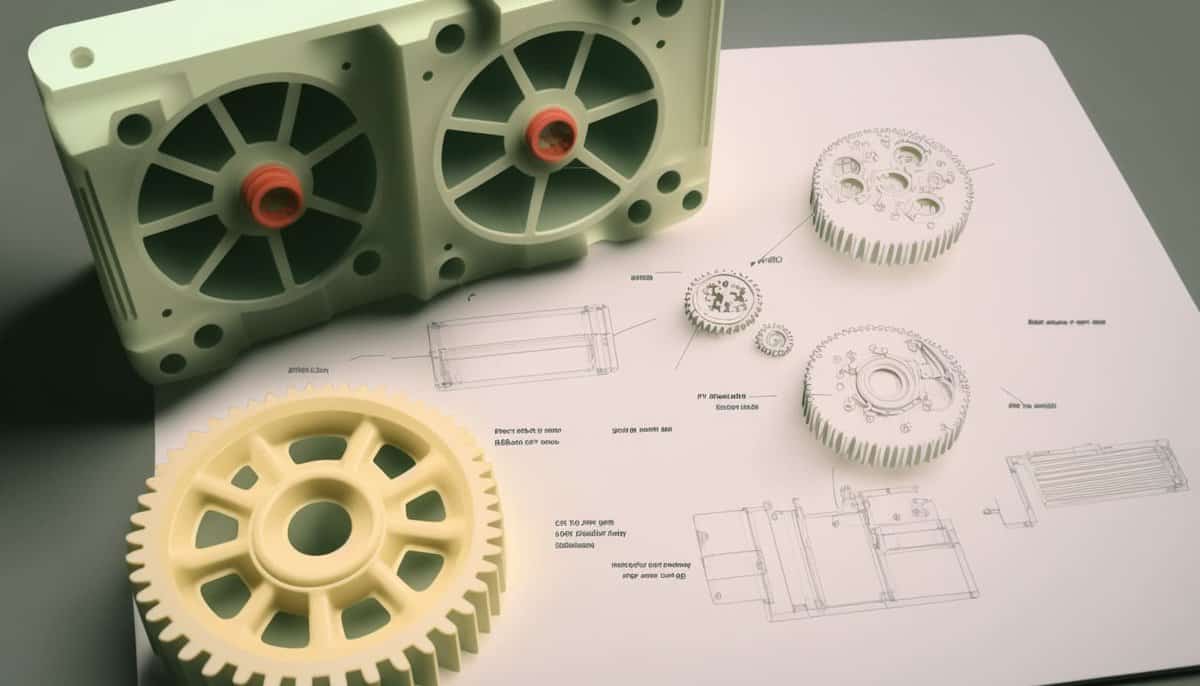
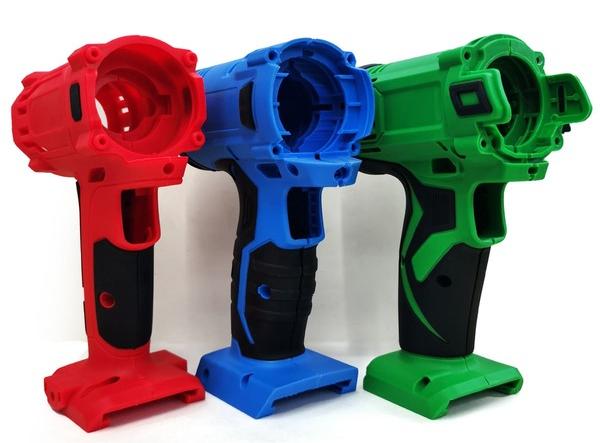
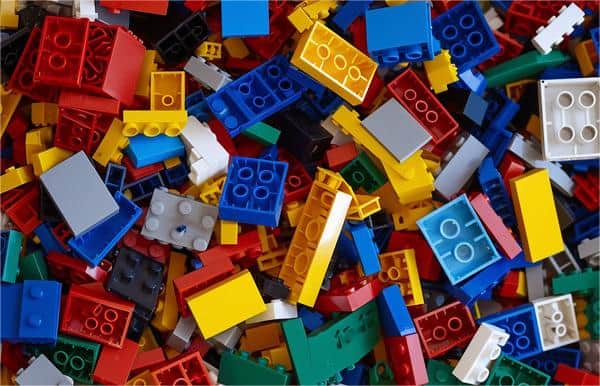
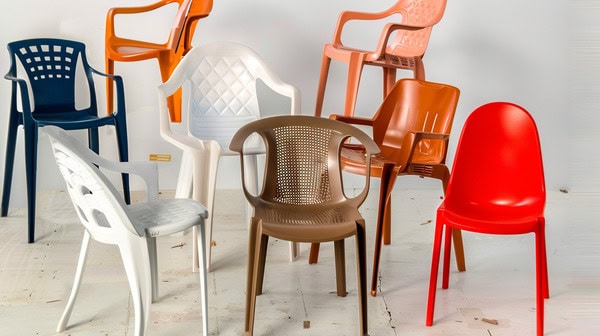
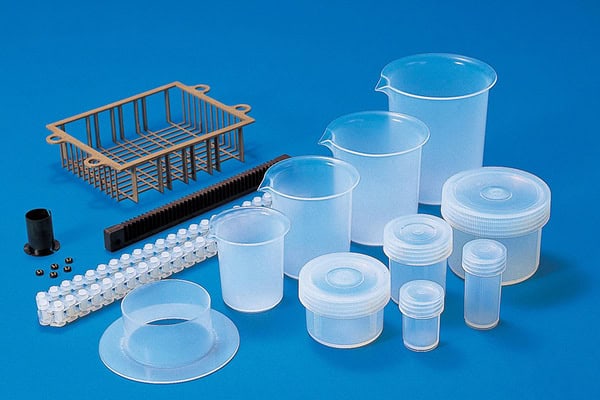
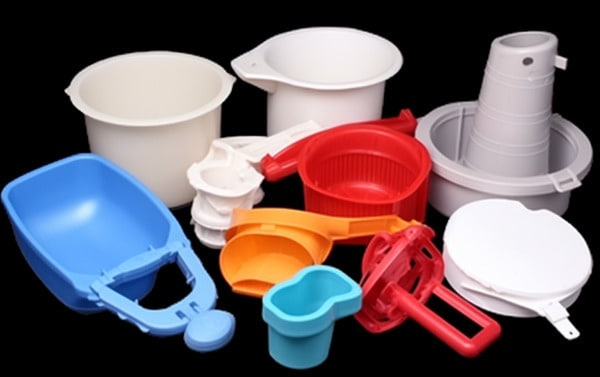
- Los principales tipos de moldeo de plástico son el moldeo por inyección, soplado, compresión, extrusión y rotacional, además del termoformado, conformado al vacío y pultrusión.
- El moldeo por inyección suele ser la mejor opción para piezas plásticas 3D con tolerancias estrechas, clips, carcasas, nervios, resaltes y producción repetitiva.
- El moldeo por soplado es adecuado para piezas huecas; la extrusión, para perfiles continuos; el termoformado, para carcasas poco profundas; y el moldeo por compresión, para piezas grandes de termoestables o similares al caucho.
- El proceso adecuado depende de la geometría de la pieza, el volumen anual, la tolerancia, el comportamiento de la resina, el acabado superficial, el presupuesto de utillaje y el riesgo de calidad.
- Los compradores deben comparar los tipos de moldeo antes de la RFQ para que el proveedor pueda cotizar el utillaje, la máquina, el material y el plan de inspección adecuados.
¿Cuáles son los principales tipos de moldeo de plástico?
Los tipos de moldeo de plásticos son familias de procesos para dar forma al plástico reblandecido. Utilizan una herramienta, una matriz, una cavidad de molde, presión, vacío, rotación o fuerza de tracción. Las opciones más comunes son el moldeo por inyección, el moldeo por soplado, el moldeo por compresión, el moldeo por extrusión, el moldeo rotacional, el termoformado, el conformado al vacío y la pultrusión.
El moldeo por inyección1 suele ser el proceso más importante para piezas plásticas de ingeniería porque permite repetir geometrías complejas a gran escala. Para profundizar en el proceso, consulte primero nuestra guía completa de moldeo por inyección y después compare los requisitos del molde en nuestra guía completa de moldes de inyección.
Los procesos parecen similares desde lejos porque todos dan forma al plástico. En la planificación de fábrica son muy diferentes. Una botella, una carcasa electrónica, un tubo, una bandeja y una varilla de fibra de vidrio no deben someterse a la misma lógica de cotización. La geometría determina primero el proceso, y la resina, la tolerancia, el aspecto y el volumen determinan los detalles.
"La elección del proceso de moldeo de plástico debe comenzar por la geometría de la pieza."True
La geometría determina si la pieza es hueca, continua, laminar o un componente 3D detallado, por lo que debe orientar la primera decisión sobre el proceso.
"Todos los tipos de moldeo de plástico pueden mantener las mismas tolerancias."False
La capacidad de tolerancia varía según el proceso, el diseño del utillaje, la contracción del material, el método de enfriamiento, el recorte y las operaciones secundarias.
¿Qué tipo de moldeo de plástico es mejor para piezas de precisión?
El moldeo por inyección es la mejor opción para piezas de plástico 3D de precisión. Se selecciona cuando el diseño requiere dimensiones controladas, características repetibles, una amplia selección de resinas y un volumen de producción medio o alto.
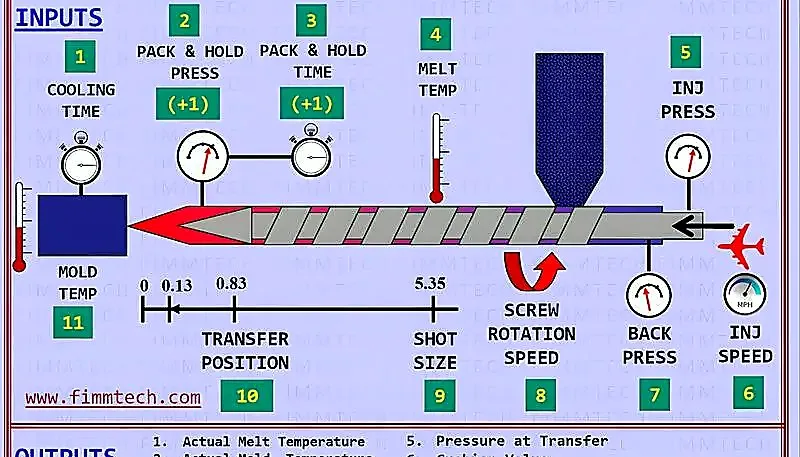
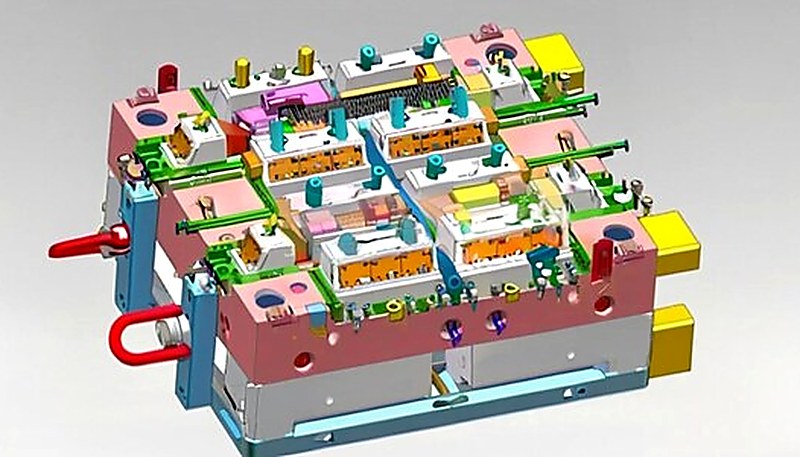
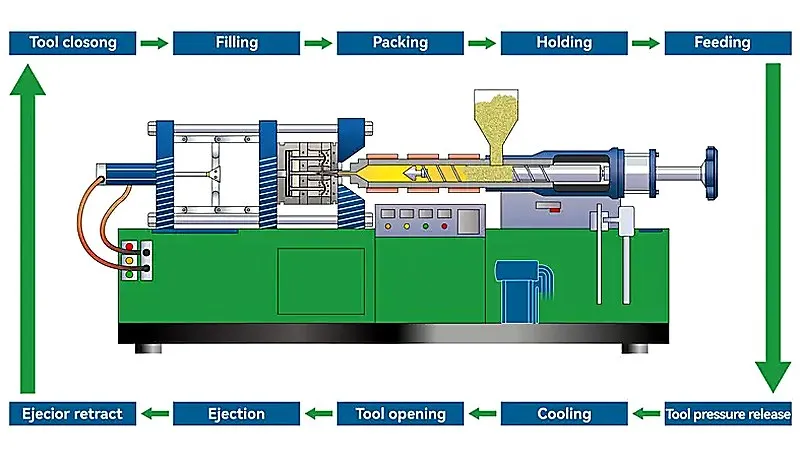
El moldeo por inyección utiliza un molde cerrado, un tornillo plastificador, presión de inyección, presión de compactación, refrigeración y expulsión. Por ello resulta adecuado para carcasas, engranajes, clips, conectores, componentes médicos, piezas de electrodomésticos y piezas de plástico para automoción. El proceso no depende solo de una máquina. El acero del molde, la disposición de la refrigeración, la posición del punto de inyección, la ventilación, la compensación de contracción y el diseño de expulsión determinan la repetibilidad de la pieza.
Un comprador debe elegir moldeo por inyección cuando la pieza tenga nervios, resaltes, encajes a presión, superficies estéticas, detalles internos o conjuntos que deban acoplarse. Si tiene paredes gruesas o volumen anual muy bajo, el mecanizado de prototipos, impresión 3D, fundición o utillaje económico puede ser mejor durante la validación inicial.
¿Para qué se utiliza el moldeo por soplado?
El moldeo por soplado se utiliza para productos de plástico huecos. Algunos ejemplos típicos son botellas, recipientes, depósitos, conductos y otras piezas en las que el volumen de aire interno forma parte de la función del producto.
El moldeo por soplado2 infla plástico caliente contra el interior de un molde. Su principal ventaja es la producción eficiente de formas huecas. Su principal limitación es que el espesor de pared, el acabado del cuello, el diseño de las asas y las zonas de pinzado requieren controles distintos de los de las piezas moldeadas por inyección.
El moldeo por soplado no debe seleccionarse solo porque la pieza parezca grande. Si la pieza requiere nervios precisos, salientes, insertos roscados, una planitud estrecha o detalles locales resistentes, el moldeo por inyección o un montaje secundario pueden ser más fiables. Si el producto es principalmente una carcasa hueca, el moldeo por soplado puede reducir el desperdicio de material y la complejidad del molde.
¿Para qué se utiliza el moldeo por compresión?
El moldeo por compresión utiliza cargas de material prensadas en cavidades calentadas. Suele ser adecuado para termoestables, materiales similares al caucho y piezas grandes con recorridos de flujo más sencillos.
El moldeo por compresión3 puede resultar útil cuando el comportamiento del material, la carga de fibras, el tamaño de la pieza o la economía del utillaje no se adaptan al moldeo por inyección convencional. También admite piezas en las que la presión, el calor y el tiempo de curado importan más que los ciclos de inyección rápidos.
Sus puntos débiles son la velocidad del ciclo y el control de los detalles. El moldeo por compresión puede presentar dificultades con nervaduras finas, paredes delgadas, contrasalidas complejas o una repetibilidad dimensional muy estricta. Los compradores deben comparar cuidadosamente la tolerancia de la pieza y el volumen anual antes de asumir que el utillaje de compresión es más barato en términos globales.
¿Para qué se utiliza el moldeo por extrusión?
El moldeo por extrusión se utiliza para formas plásticas continuas. Es adecuado para tubos, láminas, juntas, canales, perfiles, varillas y películas cuya sección transversal se mantiene prácticamente constante.
La extrusión empuja plástico fundido a través de una matriz. La matriz define la sección transversal, y el enfriamiento o la calibración posteriores controlan el tamaño. Este proceso es eficiente cuando el producto es largo, continuo y uniforme. Es menos adecuado cuando la pieza requiere una geometría 3D cerrada, resaltes internos, elementos de encaje o varias superficies que deben formarse al mismo tiempo.
Algunos productos combinan la extrusión con otros procesos. Un perfil puede extruirse primero y después cortarse, perforarse, doblarse, soldarse o ensamblarse. En los conjuntos moldeados por inyección, los sellos o tubos extruidos pueden ser componentes adyacentes, pero no deben cotizarse como si fueran cavidades moldeadas.
¿Cuándo resulta adecuado el termoformado?
El termoformado resulta útil para piezas de lámina de plástico calentada. Forma bandejas, cubiertas, envases, paneles, revestimientos y piezas de carcasa poco profundas sobre un molde o dentro de él.
El termoformado4 puede reducir el coste del utillaje para piezas grandes y delgadas porque parte de una lámina en vez de inyectar una cavidad tridimensional completa. El conformado al vacío es un proceso relacionado que utiliza vacío para llevar la lámina caliente hasta la superficie del molde.
La contrapartida es la profundidad de detalle y el control dimensional. Las piezas termoconformadas suelen requerir recorte, pueden sufrir adelgazamiento de pared en zonas de embutición profunda y quizá no mantengan características tan precisas como el moldeo por inyección. Es útil para cubiertas y bandejas, pero normalmente no es la mejor vía para un clip de precisión, un resalte roscado o una carcasa portante.
¿Cómo deben comparar los compradores los tipos de moldeo de plástico?
Los compradores deben comparar los tipos de moldeo de plástico antes de fijar el precio final. La comparación debe incluir la geometría, la tolerancia, la resina, el volumen anual, el presupuesto de la herramienta, el acabado superficial, las operaciones secundarias y el riesgo de inspección.
Empiece por la forma. Los productos huecos apuntan al moldeo por soplado o rotacional. Las secciones transversales continuas apuntan a la extrusión. Las carcasas y bandejas delgadas apuntan al termoformado o conformado al vacío. Las piezas 3D de precisión suelen apuntar al moldeo por inyección. Después, compruebe la realidad comercial: cantidad de producción, coste del material, coste del molde, coste de calidad y plazo de entrega.
El tiempo de ciclo también importa. En el moldeo por inyección, cada segundo se repite durante toda la producción, por lo que deben revisarse pronto el diseño de la compuerta, el enfriamiento, la expulsión y la compatibilidad de la máquina. Nuestro artículo sobre el tiempo de producción del moldeo por inyección explica por qué la velocidad del proceso y el control del enfriamiento afectan al coste unitario. Para planificar las dimensiones, la contracción del molde debe analizarse antes de mecanizar el acero.
En nuestra fábrica de Shanghái operamos 47 máquinas de moldeo por inyección de 90T a 1850T y procesamos más de 100 juegos de moldes al mes en nuestras propias instalaciones de fabricación de moldes. Nuestros ingenieros utilizan esta capacidad para diferenciar las piezas moldeadas por inyección de las moldeadas por soplado, termoformadas y extruidas antes de comprometer dinero en el utillaje.
Para los equipos de abastecimiento, esta comparación debe realizarse antes de cerrar la RFQ formal. Un plano puede parecer sencillo y aun así ocultar riesgos de proceso: una carcasa profunda puede adelgazarse durante el termoformado, un cuerpo hueco puede necesitar una línea de pinzamiento de moldeo por soplado y una carcasa de precisión puede requerir moldeo por inyección porque los clips y resaltes deben repetirse con uniformidad. Cuando nuestra fábrica revisa los planos iniciales, separamos estas cuestiones antes de cotizar el acero para que el cliente no pague por un proceso incapaz de cumplir los requisitos de la pieza.
Para los ingenieros, la prueba práctica consiste en marcar cada característica crítica en el plano. Los paneles estéticos planos, ganchos a presión, superficies de sellado, torretas para tornillos, nervaduras, zonas de bisagra y referencias de montaje deben vincularse al proceso capaz de controlarlos. Si la lista contiene principalmente superficies poco profundas, el conformado de láminas puede bastar. Si incluye muchos detalles 3D, el moldeo por inyección suele merecer la primera evaluación rigurosa.
| Proceso | Mejor ajuste | Precaución principal |
|---|---|---|
| Moldeo por inyección | Piezas 3D de precisión | La herramienta debe coincidir con la contracción, las entradas, el enfriamiento y la expulsión. |
| Moldeo por soplado | Productos huecos | El espesor de pared y los detalles del cuello necesitan control. |
| Extrusión | Perfiles continuos | Las características 3D complejas son limitadas. |
| Termoformado | Carcasas finas y bandejas | Las zonas de embutición profunda pueden adelgazar y requerir recorte. |
"El coste del utillaje debe compararse con el coste total de producción."True
Un molde barato puede resultar caro si causa ciclos lentos, rechazo, recorte manual, dimensiones inestables o reparaciones repetidas.
"Un proveedor debe cotizar antes de comprobar el material y el volumen."False
El material, el volumen anual, la tolerancia, el acabado superficial y los requisitos de inspección modifican la ruta del proceso y el coste real de fabricación.
Si está eligiendo entre el moldeo por inyección y otro proceso de moldeo de plástico, envíe el archivo 3D, el material objetivo, el volumen anual, los requisitos superficiales y las notas de tolerancia. ZetarMold puede revisar la pieza y explicar si la mejor vía para la RFQ es un molde de inyección, un cambio de diseño u otro proceso.
Para disponer de una lista de comprobación práctica para compradores, documente la resina objetivo, el volumen anual previsto, las superficies visibles, las interfaces de montaje, la acumulación de tolerancias y la vida útil prevista antes de comparar presupuestos. Así evitará que un precio bajo del molde oculte costes posteriores de recorte, utillaje, retrabajo o inspección.
Esta pantalla de proceso temprana también le da a compras una comparación de proveedores más limpia porque cada cotización se juzga con el mismo conjunto de requisitos funcionales.

Preguntas frecuentes sobre los tipos de moldeo de plástico
¿Cuál es el tipo más común de moldeo por plástico?
La inyección de moldeo es uno de los tipos más comunes de moldeo plástico para piezas diseñadas porque puede repetir formas complejas con dimensiones controladas y una producción estable.
¿Qué tipo de moldeo es mejor para piezas de plástico huecas?
El moldeo por soplado suele ser ideal para piezas huecas como botellas, tanques y contenedores, ya que la presión del aire forma el plástico caliente contra la pared del molde.
¿Es el termoconformado más económico que la moldura por inyección?
El termoconformado puede tener un costo de herramienta más bajo para grandes piezas delgadas, pero puede requerir recorte y es posible que no iguale al moldeo por inyección en características 3D precisas.
¿Cuándo debo elegir la extrusión en lugar del moldeo?
Elija la extrusión cuando el producto tenga una sección transversal continua, como un tubo, lámina, junta, canal o perfil que pueda cortarse a medida.
¿Cómo elijo el tipo de moldeado adecuado para una nueva pieza?
Comience con la geometría, luego verifique la tolerancia, el material, el volumen, el presupuesto de herramientas, el acabado superficial y el riesgo de calidad. Un proveedor puede entonces comparar las opciones de proceso realistas.
¿Puede un proyecto utilizar más de un tipo de moldeo de plástico?
Sí. Un conjunto puede combinar carcasas moldeadas por inyección, sellos extruidos, bandejas termoformadas o recipientes moldeados por soplado cuando cada componente cumple una función distinta.
moldeo por inyección: Proceso repetible para plásticos que inyecta material fundido en una cavidad cerrada para formar una pieza terminada. ↩
moldeo por soplado: Proceso para piezas huecas que forma plástico caliente contra la superficie de un molde mediante presión de aire interna. ↩
moldeo por compresión: Proceso que prensa una carga medida de material dentro de una cavidad de molde caliente hasta formar la pieza. ↩
termoformado: Proceso de conformado de láminas que calienta una lámina de plástico y la forma sobre un molde o dentro de él. ↩