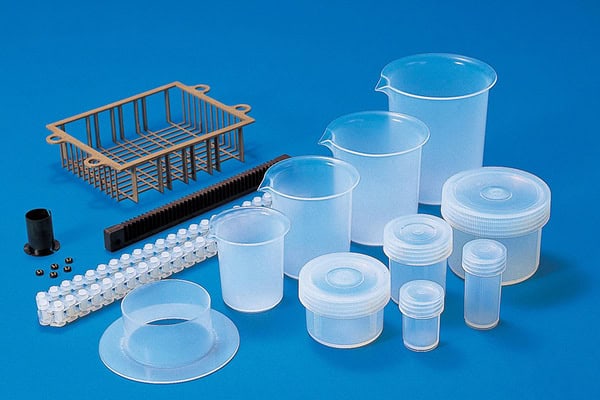
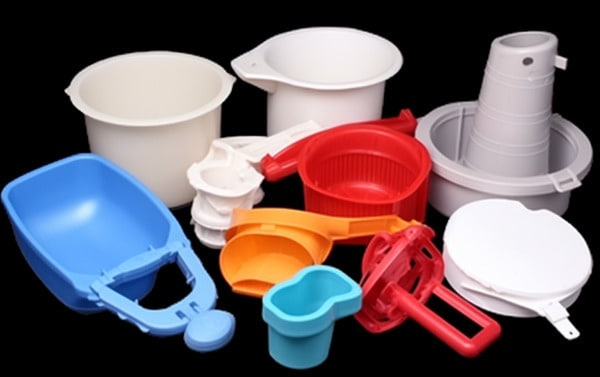
- I principali tipi di stampaggio della plastica sono lo stampaggio a iniezione, il soffiaggio, lo stampaggio a compressione, l'estrusione, lo stampaggio rotazionale, la termoformatura, la formatura sottovuoto e la pultrusione.
- Lo stampaggio a iniezione è solitamente la scelta migliore per pezzi 3D in plastica a tolleranza stretta, clip, alloggiamenti, nervature, colonnine e produzioni ripetute.
- Il soffiaggio è adatto a pezzi cavi, l'estrusione a profili continui, la termoformatura a gusci poco profondi e lo stampaggio a compressione a pezzi più grandi in termoindurente o gomma.
- Il processo giusto dipende da geometria della parte, volume annuo, tolleranza, comportamento della resina, finitura superficiale, budget dell'attrezzatura e rischio qualitativo.
- Prima della RFQ, gli acquirenti devono confrontare i tipi di stampaggio affinché il fornitore possa quotare correttamente stampo, pressa, materiale e piano di controllo.
Quali sono i principali tipi di stampaggio della plastica?
I tipi di stampaggio della plastica sono famiglie di processi per formare plastica ammorbidita. Usano utensile, matrice, cavità, pressione, vuoto, rotazione o trazione. Le opzioni più comuni sono stampaggio a iniezione, soffiaggio, compressione, estrusione, rotazionale, termoformatura, formatura sottovuoto e pultrusione.
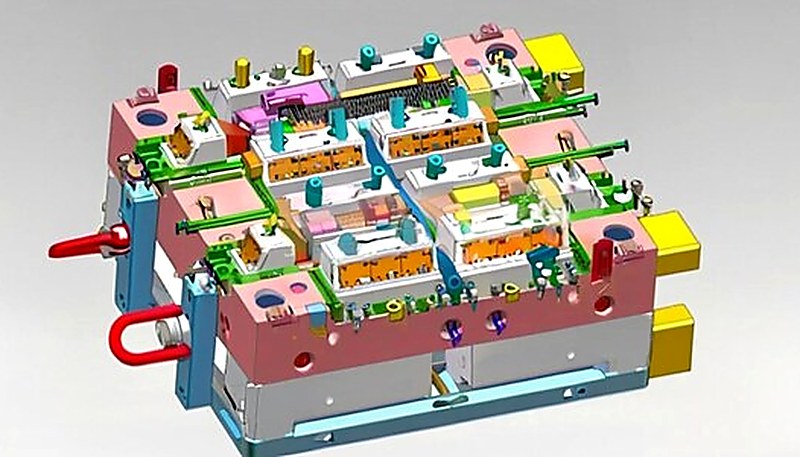
Lo stampaggio a iniezione1 è spesso il processo più importante per i componenti tecnici in plastica, perché consente di riprodurre geometrie complesse su larga scala. Per approfondire i fondamenti del processo, consulta prima la nostra guida completa allo stampaggio a iniezione e poi confronta i requisiti dello stampo nella nostra guida completa agli stampi a iniezione.
Da lontano, i processi sembrano simili perché tutti danno forma alla plastica. Nella pianificazione di fabbrica sono molto diversi. Una bottiglia, un alloggiamento elettronico, un tubo, un vassoio e un’asta in fibra di vetro non devono essere forzati nella stessa logica di preventivazione. La geometria determina per prima il processo, mentre resina, tolleranza, estetica e volume ne definiscono i dettagli.
"La scelta del processo di stampaggio della plastica deve partire dalla geometria del pezzo."True
La geometria determina se il pezzo è cavo, continuo, simile a una lastra o un componente 3D dettagliato; deve quindi guidare la prima scelta del processo.
"Tutti i tipi di stampaggio della plastica possono garantire le stesse tolleranze."False
La capacità di mantenere le tolleranze varia in funzione del processo, della progettazione dell'attrezzatura, del ritiro del materiale, del metodo di raffreddamento, della rifilatura e delle operazioni secondarie.
Quale tipo di stampaggio delle materie plastiche è più adatto ai componenti di precisione?
Lo stampaggio a iniezione è ideale per componenti plastici 3D di precisione. Si sceglie quando servono dimensioni controllate, caratteristiche ripetibili, ampia scelta di resine e volumi produttivi medio-alti.
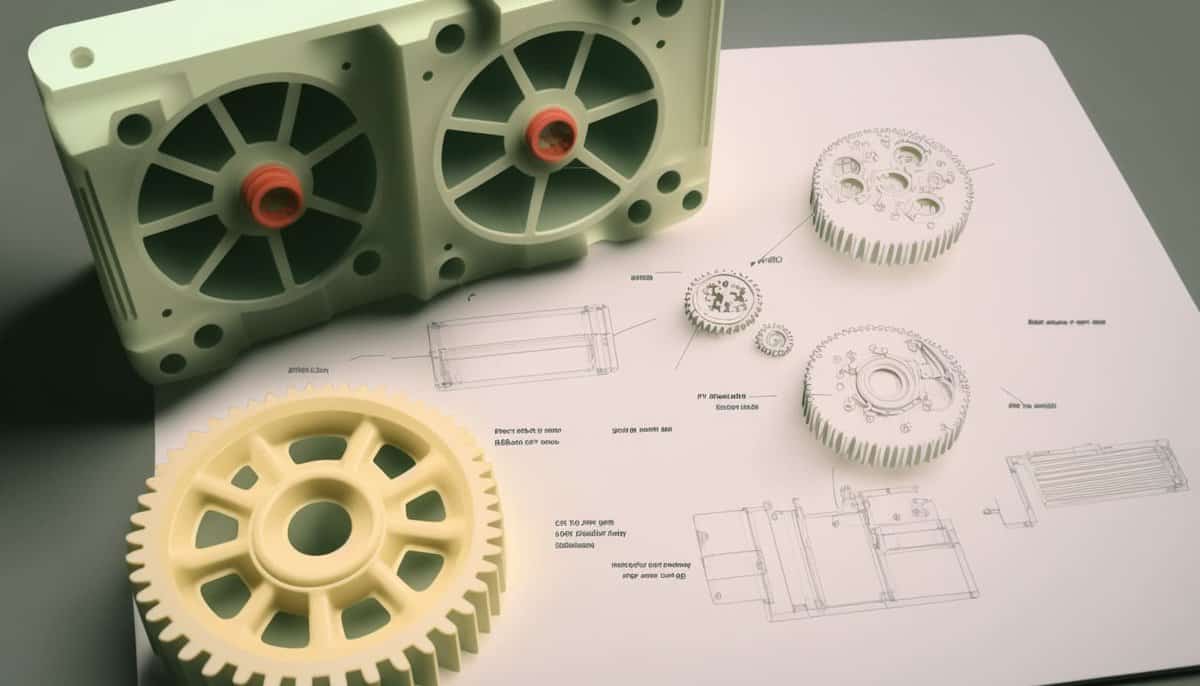
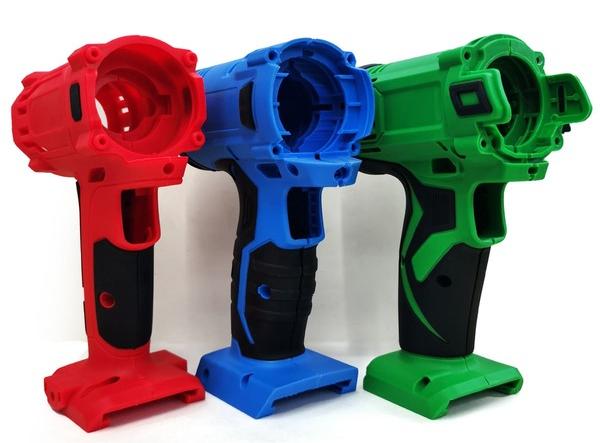
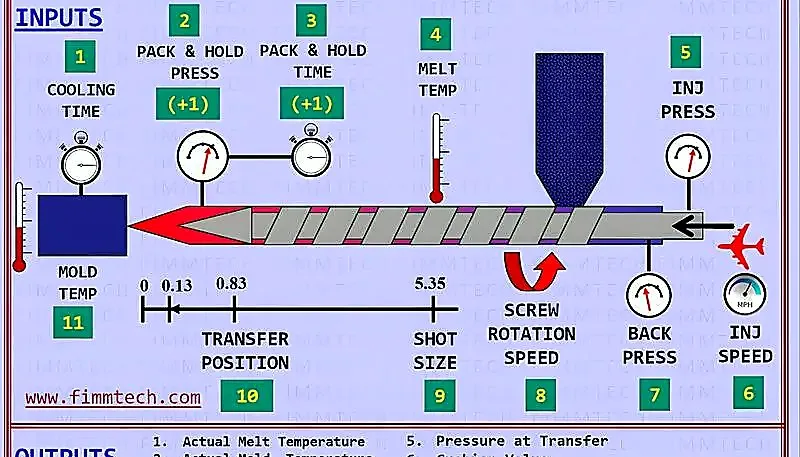
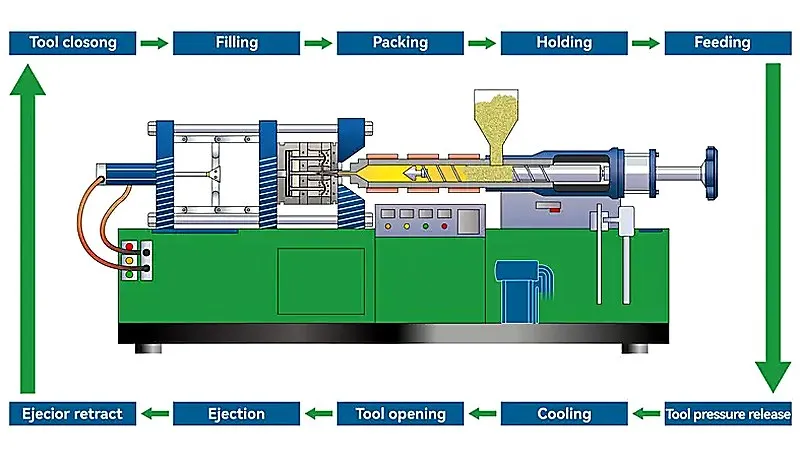
Lo stampaggio a iniezione utilizza uno stampo serrato, una vite di plastificazione, pressione di iniezione, pressione di mantenimento, raffreddamento ed espulsione. È quindi adatto per involucri, ingranaggi, clip, connettori, componenti medicali, parti di elettrodomestici e componenti automobilistici in plastica. Il processo non dipende soltanto dalla pressa. L’acciaio dello stampo, la disposizione del raffreddamento, la posizione del punto di iniezione, lo sfiato, la compensazione del ritiro e la progettazione dell’espulsione determinano la ripetibilità del pezzo.
Un acquirente dovrebbe scegliere lo stampaggio a iniezione quando il pezzo presenta nervature, colonnine, agganci a scatto, superfici estetiche, dettagli interni o assiemi che devono accoppiarsi con altri componenti. Se il pezzo ha pareti spesse o un volume annuo molto basso, nelle prime fasi di validazione possono essere più adatti la lavorazione meccanica di prototipi, la stampa 3D, la fusione o attrezzature più economiche.
A cosa serve il soffiaggio?
Il soffiaggio viene usato per prodotti plastici cavi. Esempi tipici sono bottiglie, contenitori, serbatoi, condotti e altri componenti nei quali il volume d’aria interno fa parte della funzione del prodotto.
Il soffiaggio2 gonfia la plastica calda contro la superficie interna di uno stampo. Il vantaggio principale è la produzione efficiente di forme cave. Il limite principale è che spessore delle pareti, finitura del collo, progettazione delle impugnature e zone di chiusura richiedono controlli diversi da quelli dei pezzi stampati a iniezione.
Il soffiaggio non va scelto solo perché il pezzo appare grande. Se servono nervature precise, colonnine, inserti filettati, planarità stretta o dettagli locali robusti, lo stampaggio a iniezione o un assemblaggio secondario possono essere più affidabili. Se il prodotto è principalmente un guscio cavo, il soffiaggio può ridurre sprechi di materiale e complessità dello stampo.
A cosa serve lo stampaggio a compressione?
Lo stampaggio a compressione usa cariche di materiale pressate in cavità riscaldate. È spesso adatto a termoindurenti, materiali simili alla gomma e pezzi più grandi con percorsi di flusso semplici.
Lo stampaggio a compressione3 può essere utile quando il comportamento del materiale, il contenuto di fibre, le dimensioni del pezzo o l’economia dello stampo non sono compatibili con il normale stampaggio a iniezione. È adatto anche ai componenti per cui pressione, calore e tempo di polimerizzazione sono più importanti di cicli di iniezione ad alta velocità.
Il suo punto debole è la velocità del ciclo e il controllo dei dettagli. Lo stampaggio a compressione può presentare difficoltà con nervature sottili, pareti sottili, sottosquadri complessi o ripetibilità dimensionale molto stretta. Gli acquirenti devono confrontare attentamente tolleranze del componente e volume annuo prima di presumere che l’attrezzatura a compressione sia complessivamente più economica.
A cosa serve lo stampaggio per estrusione?
Lo stampaggio per estrusione è utilizzato per forme plastiche continue. È adatto a tubi, fogli, guarnizioni, canaline, profili, barre e film con sezione prevalentemente costante.
L’estrusione spinge plastica fusa attraverso una filiera, che definisce la sezione; raffreddamento e calibrazione a valle controllano le dimensioni. È efficiente per prodotti lunghi, continui e uniformi, meno per geometrie 3D chiuse, bossaggi interni, clip o più superfici da formare insieme.
Alcuni prodotti combinano l’estrusione con altri processi. Un profilo può essere prima estruso e poi tagliato, punzonato, piegato, saldato o assemblato. Negli assiemi stampati a iniezione, guarnizioni o tubi estrusi possono essere componenti adiacenti, ma non devono essere quotati come se fossero cavità stampate.
Quando conviene la termoformatura?
La termoformatura è adatta ai componenti in foglio plastico riscaldato. Permette di formare vassoi, coperture, imballaggi, pannelli, rivestimenti e gusci poco profondi sopra o dentro uno stampo.
La termoformatura4 può ridurre il costo degli stampi per componenti grandi e sottili, poiché il processo parte da una lastra anziché riempire per iniezione un’intera cavità 3D. La formatura sottovuoto è un processo correlato che utilizza il vuoto per far aderire la lastra riscaldata alla superficie dello stampo.
Il compromesso riguarda la profondità dei dettagli e il controllo dimensionale. I pezzi termoformati richiedono spesso rifilatura, possono presentare assottigliamento delle pareti nelle zone di imbutitura profonda e non sempre mantengono dettagli stretti quanto lo stampaggio a iniezione. È una soluzione utile per coperture e vassoi, ma in genere non è la scelta migliore per una clip di precisione, un bossolo filettato o un alloggiamento portante.
Come devono confrontare gli acquirenti i tipi di stampaggio delle materie plastiche?
Prima della quotazione finale, gli acquirenti devono confrontare le diverse tecnologie di stampaggio delle materie plastiche. Il confronto deve includere geometria, tolleranze, resina, volume annuo, budget dello stampo, finitura superficiale, operazioni secondarie e rischio di ispezione.
Iniziare dalla forma. I prodotti cavi suggeriscono il soffiaggio o lo stampaggio rotazionale. Le sezioni trasversali continue suggeriscono l’estrusione. Gusci sottili e vaschette suggeriscono la termoformatura o formatura sottovuoto. I pezzi 3D di precisione indicano generalmente lo stampaggio a iniezione. Valutare poi la realtà commerciale: quantità produttiva, costo del materiale, costo dello stampo, costo della qualità e tempi di consegna.
Anche il tempo ciclo è importante. Nello stampaggio a iniezione, ogni secondo si ripete per l’intera produzione, perciò progettazione dei punti di iniezione, raffreddamento, espulsione e compatibilità con la pressa devono essere valutati tempestivamente. Il nostro articolo sui tempi di produzione dello stampaggio a iniezione spiega perché la velocità del processo e il controllo del raffreddamento incidono sul costo unitario. Per la pianificazione dimensionale, il ritiro dello stampo deve essere discusso prima di lavorare l’acciaio.
Nella nostra fabbrica di Shanghai utilizziamo 47 presse a iniezione da 90T a 1850T e supportiamo 100+ set di stampi al mese nel nostro reparto interno di fabbricazione stampi. I nostri ingegneri utilizzano questa gamma per distinguere i pezzi stampati a iniezione da quelli soffiati, termoformati ed estrusi prima di impegnare il budget per l'attrezzaggio.
Per i team di approvvigionamento, questo confronto deve avvenire prima di definire la RFQ formale. Un disegno può sembrare semplice ma nascondere rischi di processo: un guscio profondo può assottigliarsi durante la termoformatura, un corpo cavo può richiedere una linea di saldatura dello stampaggio per soffiaggio e un involucro di precisione può richiedere lo stampaggio a iniezione perché clip e bossoli devono essere ripetibili. Quando la nostra fabbrica esamina i primi disegni, separiamo questi aspetti prima di quotare l’acciaio, così il cliente non paga un processo incapace di soddisfare i requisiti del pezzo.
Per gli ingegneri, la verifica pratica consiste nel contrassegnare sul disegno ogni caratteristica critica. Pannelli estetici piani, ganci a scatto, superfici di tenuta, colonnine per viti, nervature, zone delle cerniere e riferimenti di assemblaggio devono essere associati al processo in grado di controllarli. Se l’elenco delle caratteristiche comprende soprattutto superfici poco profonde, la formatura della lamiera può essere sufficiente. Se include molti dettagli 3D, lo stampaggio a iniezione merita in genere la prima valutazione approfondita.
| Processo | Miglior adattamento | Avvertenza principale |
|---|---|---|
| Stampaggio a iniezione | Pezzi 3D di precisione | Lo stampo deve corrispondere al ritiro, agli iniettori, al raffreddamento e all'estrazione. |
| Stampaggio a soffiaggio | Prodotti cavi | Lo spessore della parete e i dettagli del collo richiedono controllo. |
| Estrusione | Profili continui | Le caratteristiche 3D complesse sono limitate. |
| Termoformatura | Gusci sottili e vassoi | Le aree di profonda estrazione possono assottigliarsi e richiedere rifinitura. |
"Il costo dello stampo deve essere confrontato con il costo totale di produzione."True
Un stampo più economico può diventare costoso se causa cicli lunghi, scarti, rifinitura manuale, dimensioni instabili o riparazioni ripetute dello stampo.
"Un fornitore dovrebbe presentare un preventivo prima di verificare materiale e volume."False
Materiale, volume annuale, tolleranza, finitura superficiale e requisiti di ispezione cambiano il percorso del processo e il costo di produzione reale.
Se stai scegliendo tra stampaggio a iniezione e un altro percorso di stampaggio plastico, invia il file 3D, il materiale target, il volume annuale, i requisiti di superficie e le note sulla tolleranza. ZetarMold può revisionare il componente e spiegare se uno stampo a iniezione, un cambio di design o un diverso percorso di processo è la via migliore per la RFQ.
Per una lista di controllo pratica per l’acquirente, documentare il materiale target, il volume annuale previsto, le superfici visibili, le interfacce di assemblaggio, la tolleranza cumulata e la durata prevista prima di confrontare le quotazioni. Questo impedisce che un basso costo dello stampo nasconda successivi costi di rifinitura, fissaggio, rielaborazione o controllo.
Questa valutazione iniziale del processo offre anche agli acquisti un confronto più chiaro tra fornitori perché ogni quotazione è valutata rispetto al stesso set di requisiti funzionali.

FAQ sui tipi di stampaggio della plastica
Qual è il tipo più comune di stampaggio della plastica?
Lo stampaggio a iniezione è uno dei tipi più comuni di stampaggio della plastica per parti ingegnerizzate, poiché può riprodurre forme complesse con dimensioni controllate e una produzione stabile.
Quale tipo di stampaggio è migliore per le parti in plastica cave?
Lo stampaggio a soffiaggio è generalmente l’ideale per parti cave come bottiglie, serbatoi e contenitori, perché la pressione dell’aria modella la plastica calda contro la parete dello stampo.
La termoformatura è più economica rispetto allo stampaggio a iniezione?
La termoformatura può avere costi di attrezzatura inferiori per gusci sottili di grandi dimensioni, ma potrebbe richiedere rifilatura e potrebbe non eguagliare lo stampaggio a iniezione per caratteristiche 3D complesse.
Quando dovrei scegliere l’estrusione invece dello stampaggio?
Scegli l’estrusione quando il prodotto ha una sezione trasversale continua, come un tubo, una lamiera, una guarnizione, un canale o un profilo che può essere tagliato a misura.
Come scelgo il tipo di stampaggio giusto per un nuovo componente?
Inizia con la geometria, poi controlla la tolleranza, il materiale, il volume, il budget per gli utensili, la finitura superficiale e il rischio di qualità. Un fornitore può quindi confrontare le opzioni di processo realistiche.
Un progetto può utilizzare più di un tipo di stampaggio plastico?
Sì. Un assemblaggio può combinare custodie stampate a iniezione, guarnizioni estrusi, vassoi termoformati o contenitori stampati a soffio quando ogni componente ha una funzione diversa.
stampaggio a iniezione: processo ripetibile per materie plastiche che inietta materiale fuso in una cavità chiusa per formare un pezzo finito. ↩
soffiaggio: processo per componenti cavi che forma la plastica calda contro la superficie di uno stampo mediante pressione d'aria interna. ↩
stampaggio a compressione: processo che comprime una dose misurata di materiale all’interno di una cavità dello stampo riscaldata fino a formare il pezzo. ↩
termoformatura: processo di formatura delle lastre che riscalda un foglio di plastica e lo forma sopra o dentro uno stampo. ↩