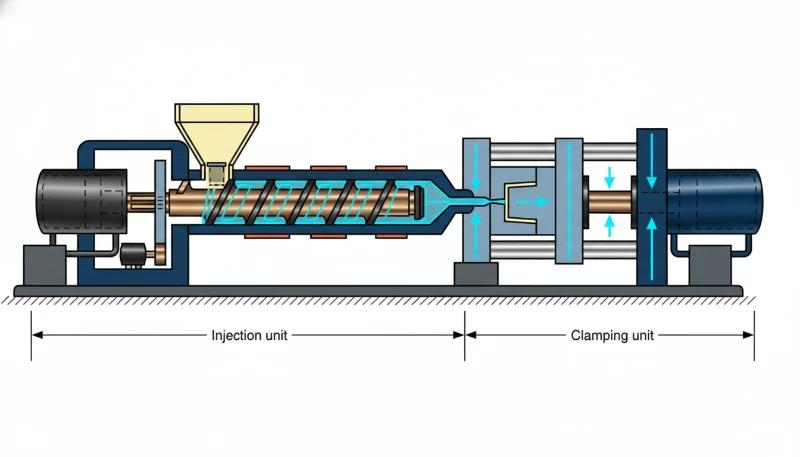
- Walidacja procesu przebiega w trzech etapach: IQ, OQ i PQ.
- Walidacja jest prawnie wymagana w przypadku części medycznych i motoryzacyjnych.
- Prawidłowo przeprowadzona walidacja pozwala już podczas pierwszej serii produkcyjnej zaoszczędzić więcej, niż kosztuje.
- Wartości Cpk powyżej 1.33 wskazują, że proces jest zdolny jakościowo i stabilny.
- Rozpocznij walidację na etapie projektowania formy — nigdy dopiero po zatwierdzeniu pierwszego wyrobu.
Czym jest walidacja procesu formowania wtryskowego?
Walidację procesu1 formowania wtryskowego definiują funkcja, ograniczenia i kompromisy omówione w tej części. Jeśli porównujesz dostawców lub planujesz zakupy, nasz przewodnik po pozyskiwaniu dostawców formowania wtryskowego omawia przygotowanie zapytania ofertowego, kwalifikację i kontrolę ryzyka handlowego.
Właśnie zadzwonił zespół ds. jakości klienta. Przed zatwierdzeniem pierwszej serii produkcyjnej chce zobaczyć protokół walidacji. Jeśli nie można przedstawić udokumentowanych dowodów, że proces jest pod kontrolą, wysyłka zostaje wstrzymana. To nie jest sytuacja hipotetyczna — zdarza się co tydzień w łańcuchach dostaw wyrobów medycznych i branży motoryzacyjnej.
Walidacja procesu formowania wtryskowego to uporządkowana i udokumentowana metoda wykazania, że proces formowania konsekwentnie wytwarza części spełniające wszystkie specyfikacje — wymiarowe, materiałowe, wizualne i funkcjonalne. Nie jest to jednorazowa próba. To dowód, że proces zachowuje stabilność w kolejnych cyklach i na każdej zmianie produkcyjnej.
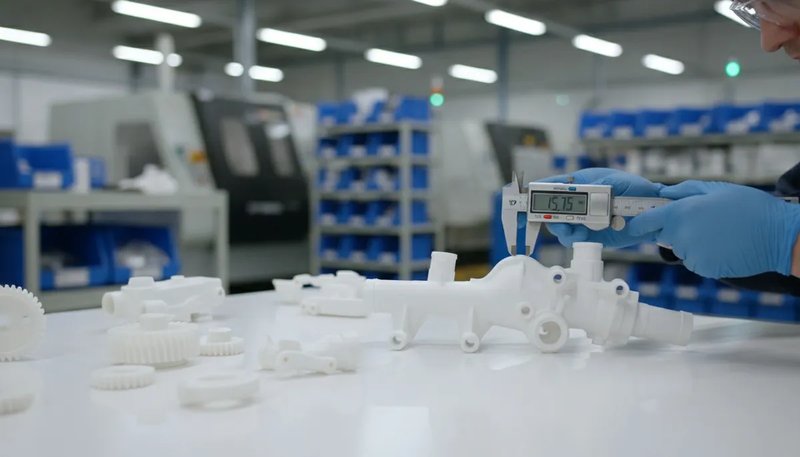
Podstawowe ramy to IQ/OQ/PQ — kwalifikacja instalacyjna, kwalifikacja operacyjna i kwalifikacja procesu2. Każdy etap opiera się na poprzednim. Pominięcie któregokolwiek sprawia, że cała walidacja nie wytrzymuje kontroli audytowej.
Wniosek jest prosty: walidacja kosztuje na początku, ale jedna odrzucona partia lub nieudany audyt klienta kosztuje dziesięć razy więcej. Z doświadczenia ZetarMold wynika, że dobrze przygotowany protokół walidacji zwraca się w pierwszej serii, wykrywając dryf procesu przed powstaniem braków.
Dlaczego walidacja procesu jest ważna?
Walidacja jest ważna, ponieważ brak powtarzalności pozostaje niewidoczny, dopóki nie zacznie generować kosztów. Część, która dziś ma wymiar 10,02 mm, a w przyszłym tygodniu 10,08 mm, może wyglądać prawidłowo gołym okiem — w rzeczywistości jednak jest to zapowiedź przekroczenia tolerancji. Bez danych walidacyjnych problem ujawni się dopiero podczas kontroli wejściowej u klienta.
W branżach regulowanych walidacja nie jest opcjonalna. FDA wymaga jej na mocy 21 CFR Part 820 w odniesieniu do wyrobów medycznych. IATF 16949 wymaga jej w przypadku komponentów motoryzacyjnych. Jeśli dostarczasz części na te rynki i nie możesz przedstawić zapisów z walidacji, nie spełniasz wymagań. Bez wyjątków.
Jednak nawet poza branżą regulowaną walidacja się opłaca. W hali produkcyjnej ZetarMold obserwujemy, że projekty pomijające walidację mają zwykle w pierwszych trzech miesiącach 3–5× wyższy poziom braków niż procesy zwalidowane. Schemat jest powtarzalny — niezwalidowane procesy ulegają dryfowi, którego nikt nie zauważa, dopóki pojemnik na braki się nie zapełni.
Argument finansowy jest prosty. Typowa walidacja formy jednogniazdowej kosztuje od 3 000 do 8 000 USD, zależnie od jej złożoności. Jedna odrzucona dostawa 10 000 detali po 2,50 USD za sztukę oznacza 25 000 USD kosztów ponownej produkcji, do tego transport oraz utratę zaufania klienta. Rachunek jest jednoznaczny.
| Współczynnik walidacyjny | Kluczowa kwestia |
|---|---|
| Oprzyrządowanie | Sprawdź, jak konstrukcja formy wpływa na walidację procesu formowania wtryskowego: kompletny przewodnik dla inżynierów. |
| Materiał | Sprawdź zachowanie żywicy, skurcz, wpływ temperatury i ryzyko wad wizualnych. |
| Jakość | Poproś o dowody kontroli przed zatwierdzeniem produkcji. |
Poza obniżeniem kosztów walidacja buduje zaufanie klienta. Gdy nabywca wie, że proces został zwalidowany na podstawie udokumentowanych wartości Cpk i potwierdzonych okien parametrów, ufa zdolności produkcyjnej dostawcy. Zaufanie to przekłada się na większe zamówienia, dłuższe umowy i mniejszy zakres kontroli wejściowej przyszłych dostaw. Walidacja staje się przewagą konkurencyjną, a nie jedynie działaniem służącym spełnieniu wymagań.
"Walidacja procesu ogranicza wskaźnik braków o 60–80% w pierwszym roku produkcji."True
Wyznaczenie sprawdzonych okien parametrów przed rozpoczęciem pełnej produkcji pozwala dzięki walidacji wcześnie wykrywać odchylenia procesu. W ZetarMold zwalidowane zlecenia stale osiągają uzysk dobrych wyrobów za pierwszym przejściem powyżej 95%, w porównaniu z 75–85% w procesach niezwalidowanych.
"Walidacja procesu jest konieczna wyłącznie w produkcji wyrobów medycznych."False
Chociaż FDA wymaga walidacji wyrobów medycznych, jest ona również wymagana w takich branżach jak motoryzacja (IATF 16949), lotnictwo i kosmonautyka (AS9100) oraz elektronika. Walidacja przynosi korzyści nawet firmom produkującym dobra konsumpcyjne, ograniczając liczbę wad i roszczeń gwarancyjnych.
Jakie są trzy etapy walidacji procesu?
Trzy etapy walidacji procesu to główne kategorie lub warianty omówione w tej sekcji. Ramy IQ/OQ/PQ są standardem branżowym od lat 80. XX wieku. Każdy etap odpowiada na konkretne pytanie. IQ: czy maszyna została prawidłowo zainstalowana? OQ: czy działa w całym zakresie roboczym? PQ: czy jest w stanie konsekwentnie wytwarzać akceptowalne detale przez dłuższy czas?
Etap 1: Kwalifikacja instalacyjna (IQ)
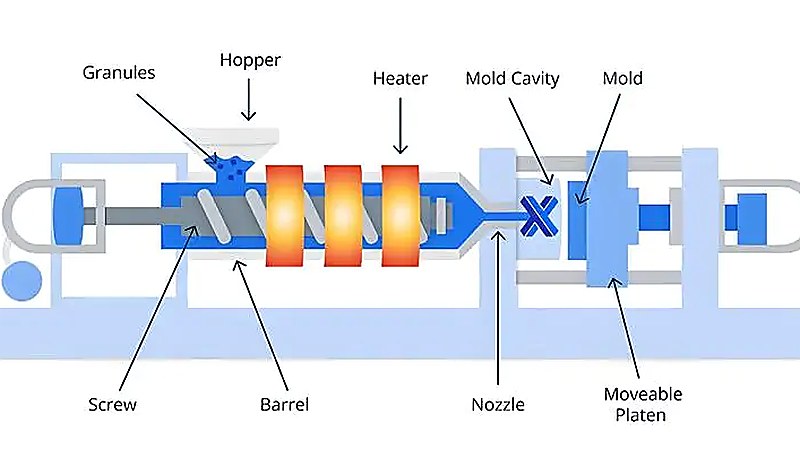
Formowanie wtryskowe3 sprawdza, czy sprzęt został skonfigurowany dokładnie zgodnie ze specyfikacją. Oznacza to kontrolę mediów maszyny (zasilania, wody i powietrza), potwierdzenie wersji oprogramowania, weryfikację świadectw kalibracji oraz udokumentowanie każdego połączenia.
W praktyce kwalifikacja instalacyjna (IQ) jest procesem opartym na liście kontrolnej. Należy kolejno sprawdzić każdy punkt specyfikacji instalacyjnej i udokumentować jego zgodność ze stanem rzeczywistym. Typowe niezgodności na tym etapie obejmują nieprawidłowe podłączenie obiegów wody, wpływające na chłodzenie, niewłaściwe ustawienia napięcia oraz brak zapisów kalibracji urządzeń pomocniczych, takich jak suszarki i podajniki.
Prawidłowy protokół IQ obejmuje: identyfikację urządzenia (model, numer seryjny, wersja firmware), weryfikację mediów (napięcie, ciśnienie wody i powietrza), kontrole systemów bezpieczeństwa (limity skoku wypychacza, zatrzymania awaryjne) oraz warunki środowiskowe (temperatura i wilgotność obszaru formowania). Każda pozycja otrzymuje wynik zaliczono/nie zaliczono i podpis kontrolera.
Nie lekceważ IQ. Widzieliśmy projekty opóźnione o tygodnie, ponieważ pominięto sprawdzenie połączeń termolatora i forma pracowała podczas OQ z niewystarczającym chłodzeniem. Uzyskane dane były bezwartościowe, bo warunki procesu nie były reprezentatywne. Zawsze zakończ IQ przed uruchomieniem wtryskarki do prac nad procesem.
Etap 2: kwalifikacja operacyjna (OQ)
Kwalifikacja operacyjna potwierdza, że proces działa w całym zamierzonym zakresie roboczym. Na tym etapie celowo doprowadza się parametry do ich granic — wysokich i niskich temperatur stopu, dużych i małych prędkości wtrysku oraz minimalnych i maksymalnych ciśnień docisku — aby wyznaczyć okno procesowe.
Rezultatem OQ jest udokumentowane okno procesu. Na podstawie danych należy wiedzieć, że detal będzie akceptowalny, gdy temperatura stopionego tworzywa wynosi od 220°C do 250°C, prędkość wtrysku 50–80 mm/s, a ciśnienie docisku 800–1200 bar. Każdy parametr ma potwierdzoną dolną i górną granicę.
Najefektywniejszym sposobem przeprowadzenia OQ jest zastosowanie metody planowania eksperymentów. Zamiast badać po jednej zmiennej naraz, co wymaga setek prób, ułamkowy plan czynnikowy DOE pozwala określić krytyczne interakcje w ramach 16–32 prób. W przypadku typowego procesu formowania wtryskowego z 4–6 parametrami krytycznymi zajmuje to 2–3 dni pracy maszyny.
Podczas OQ należy dokumentować wszystko: ustawienia maszyny, warunki otoczenia, numery partii materiału, czas cyklu każdego wtrysku oraz wszystkie wyniki pomiarów. Dane te stają się punktem odniesienia na cały okres produkcyjnej eksploatacji formy. Jeśli za dwa lata pojawią się problemy z jakością, dane OQ będą potrzebne do ustalenia, czy parametry procesu uległy zmianie.
Częstym błędem podczas OQ jest badanie parametrów w oderwaniu od siebie. Temperatura stopionego tworzywa wpływa na lepkość, co zmienia wymagania dotyczące prędkości wtrysku, a to z kolei wpływa na przebieg docisku. Jeśli bada się wyłącznie temperaturę stopionego tworzywa przy niezmienionych pozostałych parametrach, pomija się efekty interakcji. Dlatego DOE ma znaczenie — pozwala ująć te wielowymiarowe zależności w jednym planie eksperymentu.
Kolejna praktyczna wskazówka: OQ należy przeprowadzić na tej samej partii materiału, która ma być użyta do PQ. Lepkość poszczególnych partii żywicy może różnić się o 10–15 procent, co przesuwa okno procesowe na tyle, że wyniki OQ tracą ważność. Przed rozpoczęciem każdej kampanii OQ w naszym zakładzie w Szanghaju zawsze potwierdzamy spójność partii materiału.
Etap 3: kwalifikacja procesu (PQ)
Kwalifikacja procesu jest ostatecznym dowodem. Proces prowadzi się przy ustawieniach nominalnych w wielu kolejnych seriach — zwykle trzech oddzielnych seriach produkcyjnych w różnych dniach, na różnych zmianach lub z różnymi operatorami — i wykazuje, że każda część spełnia specyfikację.
PQ nie służy do wyznaczania okna procesowego. To zadanie OQ. PQ ma dowieść stabilności. Jeśli ustawisz maszynę w środku zwalidowanego okna, wyprodukujesz 300 części w ciągu trzech różnych dni i wszystkie 300 przejdzie kontrolę, uzyskasz statystyczny dowód stabilności procesu.
Narzędziem statystycznym stosowanym w PQ jest analiza zdolności procesu. Dla każdego wymiaru krytycznego oblicza się Cpk (wskaźnik zdolności procesu). Wartość Cpk równa 1,33 oznacza, że proces mieści się w polu tolerancji z odpowiednim zapasem. Wartość poniżej 1,0 oznacza regularne wytwarzanie części niezgodnych ze specyfikacją. Większość producentów OEM z branży motoryzacyjnej wymaga Cpk ≥ 1,67 dla wymiarów krytycznych.
W ZetarMold przeprowadzamy kwalifikację procesu (PQ) na naszych 47 wtryskarkach o sile zwarcia od 90T do 1850T. Zgodnie ze standardową procedurą wymagamy trzech kolejnych udanych serii, w których Cpk ≥ 1.33 dla wszystkich wymiarów krytycznych, zanim uznamy proces za zwalidowany i gotowy do dopuszczenia do produkcji. Każdy pakiet dokumentacji PQ przed zatwierdzeniem sprawdza jeden z naszych 8 starszych inżynierów, z których każdy ma ponad 10 lat doświadczenia.
"Wartość Cpk wynosząca 1,33 oznacza, że proces wytwarza mniej niż 63 wadliwe części na milion."True
Wskaźnik Cpk 1,33 odpowiada zdolności procesu na poziomie 4-sigma, co oznacza, że średnia procesu znajduje się co najmniej 4 odchylenia standardowe od najbliższej granicy specyfikacji. Przekłada się to na około 63 ppm wskaźnika defektów — powszechnie akceptowany próg dla zdolnych procesów.
"Kwalifikację procesu wystarczy przeprowadzić tylko raz dla każdej formy."False
PQ należy powtórzyć zawsze, gdy zachodzą istotne zmiany: zmiany partii materiału, modyfikacje formy, przemieszczenie maszyny lub po długich przestojach. Ponowna walidacja jest również wyzwalana, jeśli dane statystycznej kontroli procesu pokazują, że proces odchylił się od stanu zwalidowanego.
W naszym zakładzie w Szanghaju 47 wtryskarek o sile zwarcia od 90 T do 1850 T zapewnia elastyczność potrzebną do prowadzenia kwalifikacji procesu (PQ) dla szerokiego zakresu wymiarów części i materiałów. Ponad 20 lat doświadczenia oraz 8 starszych inżynierów nadzorujących każdy pakiet walidacyjny pozwoliły nam opracować systematyczne podejście, dzięki któremu proces jest walidowany szybciej i z większą pewnością.
Jak weryfikuje się części formowane wtryskowo?
Weryfikacja to strona pomiarowa walidacji. Podczas gdy walidacja udowadnia, że proces jest zdolny, weryfikacja dowodzi, że rzeczywiste części pochodzące z maszyny spełniają specyfikacje. Te dwa elementy współpracują — walidacja bez weryfikacji to tylko papierologia.
Cztery podstawowe metody weryfikacji to: kontrola wymiarowa, kontrola wizualna, badanie właściwości materiału i testy funkcjonalne. Każda z nich dotyczy innego rodzaju błędu, a pominięcie którejkolwiek tworzy ślepą plamę w systemie jakości.
Weryfikacja wymiarowa wykorzystuje CMM (maszynę współrzędnościową) dla cech o wąskich tolerancjach oraz suwmiarki lub komparatory optyczne dla wymiarów ogólnych. Prawidłowy raport inspekcji pierwszej sztuki obejmuje każdy wymiar na rysunku — nie tylko te, które wydają się łatwe do zmierzenia.
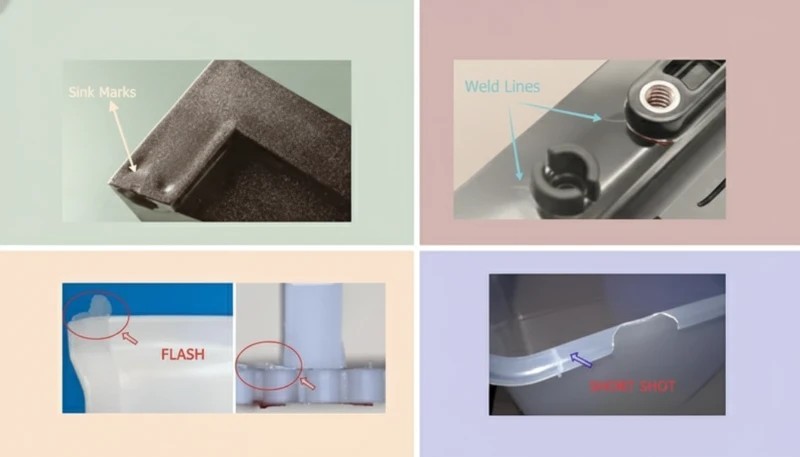
Kontrola wizualna wykrywa wady kosmetyczne: wypływki, zapadnięcia, smugi, różnice koloru i linie łączenia. W naszym zakładzie przeszkoleni kontrolerzy porównują każdą część z zatwierdzonym wzorcem wizualnym i zdefiniowanymi kryteriami akceptacji oraz odrzucenia. Subiektywna ocena „wygląda dobrze” nie przechodzi audytu.
Badanie materiału obejmuje weryfikację wskaźnika płynięcia (MFI), testy rozciągania i pomiar twardości. Dla części medycznych i motoryzacyjnych certyfikat materiałowy (Certyfikat Analizy od dostawcy żywicy) jest wymagany dla każdej partii – nie tylko pierwszej.
Testy funkcjonalne potwierdzają, że część działa zgodnie z przeznaczeniem. Może to być test siły zatrzasku, test szczelności dla elementów transportujących płyny lub test ciągłości elektrycznej dla obudów złączy. Metoda testowa powinna odtwarzać rzeczywiste warunki użytkowania.
W ZetarMold nasz sześcioetapowy proces kontroli jakości obejmuje każdy etap – od kontroli przychodzących materiałów (IQC) aż do końcowej kontroli wyjściowej (OQC). Dzięki ponad 10 specjalistom ds. QC i pełnemu zestawowi przyrządów pomiarowych, w tym maszynom współrzędnościowym (CMM), projektorom profilowym i twardościomierzom, dostarczamy dane weryfikacyjne wspierające Twój pakiet walidacyjny.
Jaka jest różnica między kwalifikacją formy a walidacją procesu?
Różnica między kwalifikacją formy a walidacją procesu jest określona przez funkcję, ograniczenia i kompromisy opisane w tej sekcji. To pytanie pojawia się w prawie każdym audycie. Kwalifikacja formy skupia się na samym narzędziu — czy forma produkuje detale zgodnie ze specyfikacją? Walidacja procesu jest szersza — dowodzi, że cały system (maszyna, forma, materiał, operator, środowisko) działa razem w sposób spójny.
Formę można zakwalifikować w laboratorium na maszynie stołowej. Walidację procesu trzeba jednak przeprowadzić na urządzeniach produkcyjnych, w środowisku produkcyjnym, z udziałem operatorów produkcji i przy użyciu materiałów produkcyjnych. To kluczowe rozróżnienie, które wielu inżynierów pomija podczas planowania harmonogramu walidacji.
W praktyce kwalifikacja formy jest podzbiorem walidacji procesu. Najpierw weryfikuje się formę (twardość stali, wykończenie powierzchni, wymiary gniazd, system wyciągania), a następnie waliduje proces wokół niej. Jeśli detal jest wadliwy, kwalifikacja formy wskazuje, czy naprawić narzędzie, czy dostosować proces.
| Aspekt | Kwalifikacja formy | Walidacja procesu |
|---|---|---|
| Zakres | Tylko narzędzie | Maszyna + forma + materiał + środowisko |
| Kiedy | Po wykonaniu formy | Przed wydaniem do produkcji |
| Wymagane serie | Próbki T1 (50–100 części) | 3+ kolejne serie produkcyjne |
| Wymaganie statystyczne | Raport wymiarowy | Cpk ≥ 1,33 dla wymiarów krytycznych |
| Ponowne wyzwolenie | Modyfikacja lub naprawa formy | Zmiana materiału, zmiana maszyny lub dryft procesu |
| Własność | Warsztat narzędziowy / wytwórca form | Zespół jakości produkcji |
Jakie parametry należy walidować?
Ta sekcja dotyczy parametrów, które należy zwalidować, oraz ich wpływu na koszt, jakość, czas lub ryzyko zaopatrzenia. Nie każdy parametr wymaga walidacji. Skup się na tych, które bezpośrednio wpływają na jakość części. Nadmierna walidacja marnuje czas maszyny; niewystarczająca walidacja tworzy ryzyko. Sztuką jest wiedzieć, które parametry są kluczowe dla konkretnej geometrii części i materiału.
Krytyczne parametry dla większości procesów wtrysku tworzyw sztucznych to: temperatura stopu, prędkość wtrysku, ciśnienie docisku, czas docisku, czas chłodzenia i temperatura formy. Te sześć parametrów kontroluje 90% wyników jakości części w większości zastosowań.
Oto praktyczne podejście stosowane w ZetarMold: przeprowadź przesiewowy DOE dla tych sześciu parametrów, przyjmując po dwa poziomy każdego z nich. Wyniki DOE wskażą, które parametry są statystycznie istotne dla konkretnej części. Zwykle o jakości decydują 2–3 parametry. To właśnie je należy poddać rygorystycznej walidacji. Dla pozostałych wystarczą standardowe zakresy robocze.
W przypadku precyzyjnych części o wąskich tolerancjach (±0,05 mm lub węższych), ciśnienie docisku i temperatura stopu są niemal zawsze dominującymi czynnikami. Dla części cienkościennych kluczowe stają się prędkość wtrysku i temperatura formy. Dla części konstrukcyjnych o grubych przekrojach krytyczny jest czas chłodzenia i ciśnienie docisku.
Nie zapominaj o parametrach drugorzędnych. Profil temperatury cylindra (nie tylko wartość zadana, lecz także rzeczywiste temperatury strefy przedniej, środkowej i tylnej), przeciwciśnienie, prędkość obrotowa ślimaka oraz droga dekompresji wpływają na powtarzalność. Dokumentuj je podczas walidacji, nawet jeśli nie poddajesz ich analizie statystycznej.
Waliduj również swoje systemy pomocnicze. Wydajność suszarki (punkt rosy i czas przebywania) wpływa na lepkość materiału, co przesuwa każdy kolejny parametr. Sterowniki temperatury formy potrzebują stabilnego wyjścia — termoregulator wahający się o ±5°C spowoduje zmiany wymiarowe, których nie skompensuje żadne dostrojenie parametrów maszyny.
Jak długo trwa walidacja procesu?
Ta sekcja dotyczy tego, jak długo trwa walidacja procesu i jej wpływu na koszt, jakość, czas lub ryzyko zaopatrzenia. Dla typowej formy jednogniazdowej o umiarkowanej złożoności pełny cykl IQ/OQ/PQ trwa 5–10 dni roboczych. IQ zazwyczaj zajmuje 1 dzień (weryfikacja i dokumentacja wyposażenia). OQ trwa 2–4 dni w zależności od liczby parametrów i przebiegów DOE. PQ zajmuje 2–3 dni na trzy kolejne przebiegi produkcyjne plus pomiary i analizę danych.
Formy wielogniazdowe zajmują więcej czasu, ponieważ trzeba zwalidować każdą gniazdo indywidualnie i wykazać spójność między gniazdami. Pełna walidacja 8-gniazdowej formy może zająć 15–20 dni. Czas pomiarów jest wąskim gardłem — inspekcja CMM wszystkich wymiarów krytycznych na wielu gniazdach i wielu przebiegach szybko się sumuje.
Praktyczna zasada wynikająca z ponad 20 lat działalności ZetarMold: na walidację należy przeznaczyć 10–15% całkowitego harmonogramu wykonania formy. Jeśli wykonanie formy trwa 8 tygodni, trzeba przewidzieć 4–6 dni na walidację. W razie pośpiechu czas ten można skrócić, lecz odbywa się to kosztem wiarygodności statystycznej.
Największym ryzykiem czasowym są pomiary. Jeśli laboratorium CMM ma zaległości, przetwarzanie danych PQ może potrwać dodatkowe 2–3 dni. Zdolności pomiarowe należy zaplanować wcześniej, szczególnie przy jednoczesnej walidacji wielu części. Nasz ponad 120-osobowy zespół produkcyjny i dedykowany personel QC sprawnie przygotowują pakiety walidacyjne.
Jakiej dokumentacji potrzebujesz?
Pakiet walidacyjny jest końcowym rezultatem. Bez prawidłowej dokumentacji walidacja z punktu widzenia audytora nie miała miejsca. Kompletny pakiet obejmuje poniższe elementy.
Główny plan walidacji projektu formy wtryskowej określa zakres, obowiązki, kryteria akceptacji i harmonogram. Można go traktować jako plan projektu walidacji. Powinien zostać zatwierdzony przed rozpoczęciem jakichkolwiek prac walidacyjnych.
Protokół IQ i raport dokumentują każdą zweryfikowaną pozycję instalacji z wynikami zaliczenia/niezaliczenia, podpisami i datami. Protokół OQ i raport zawiera projekt DOE, zakresy parametrów testowanych oraz wynikowe okna procesowe z danymi wspierającymi. Protokół PQ i raport pokazuje wyniki kolejnych serii z analizą zdolności (obliczenia Cpk) dla wszystkich wymiarów krytycznych.
Dokumenty wspierające obejmują: raporty inspekcji pierwszych sztuk, certyfikaty analizy materiału, zapisy kalibracji urządzeń, zapisy szkoleń operatorów oraz wszelkie raporty odchyleń z analizą przyczyn źródłowych. Dobrze zorganizowany pakiet walidacyjny dla umiarkowanie złożonej części liczy zwykle 40–80 stron.
Przechowuj dokumentację walidacyjną w łatwo dostępnym miejscu. Podczas audytów trzeba szybko odnaleźć dane z określonych przebiegów, wyniki pomiarów i arkusze zatwierdzeń. Dobrze zindeksowane archiwum cyfrowe oszczędza wiele godzin przygotowań. W zakładzie w Szanghaju przechowujemy pełne zapisy walidacji każdej formy produkcyjnej według numeru części i rewizji.
Kiedy należy przeprowadzić ponowną walidację?
W tej części omówiono ponowną walidację oraz jej wpływ na koszty, jakość, terminy i ryzyko związane z zaopatrzeniem. Walidacja nie jest bezterminowa. Zmiany procesu, urządzeń, materiału lub środowiska mogą unieważnić wcześniejsze wyniki. Kluczowe jest ustalenie, kiedy wymagana jest pełna ponowna walidacja, a kiedy wystarczy prosta weryfikacja.
Pełna rewalidacja (IQ + OQ + PQ) jest wymagana, gdy forma zostaje przeniesiona na inną maszynę, zostaje poddana istotnej modyfikacji (dodanie gniazda, zmiana położenia przewężki, wymiana wkładek rdzeniowych) albo zmienia się gatunek materiału. W przypadku drobnych zmian, takich jak korekta parametrów procesu w zatwierdzonym zakresie, wystarczająca może być częściowa rewalidacja (OQ + PQ).
Coroczne przeglądy rewalidacyjne są standardem w branżach regulowanych. Nawet bez zmian analizuje się dane SPC z minionego roku, potwierdza Cpk powyżej progu i dokumentuje przegląd. Nazywa się to czasem „ciągłą weryfikacją procesu” i jest wymagane przez wytyczne FDA.
W naszym zakładzie w Szanghaju nasi 8 starszych inżynierów co miesiąc przegląda stan walidacji. Każdy proces, który wykazuje degradację Cpk poniżej 1,33 dla wymiarów krytycznych, uruchamia automatyczne dochodzenie i potencjalną ponowną walidację. To proaktywne podejście zapobiega ucieczkom jakości, zanim dotrą one do klienta.
Często zadawane pytania
Co to jest walidacja procesu formowania wtryskowego?
Walidacja procesu wtryskiwania tworzyw sztucznych to udokumentowana, oparta na dowodach procedura, która dowodzi, że proces formowania konsekwentnie wytwarza części spełniające wszystkie specyfikacje w zakresie kryteriów wymiarowych, materiałowych, kosmetycznych i funkcjonalnych. Składa się z trzech zdefiniowanych etapów: Kwalifikacji Instalacji (IQ), Kwalifikacji Operacyjnej (OQ) i Kwalifikacji Procesu (PQ). Celem jest ustalenie udokumentowanej, statystycznej pewności, że proces działa w określonych granicach parametrów za każdym razem, niezależnie od zmienności operatora, zmian zmiany czy różnic w partii materiału. Walidacja jest wymagana przez organy regulacyjne, w tym FDA i IATF, dla branż krytycznych.
Czy walidacja procesu jest wymagana dla wszystkich części formowanych wtryskowo?
Walidacja procesu jest obowiązkowa prawnie dla wyrobów medycznych zgodnie z FDA 21 CFR Part 820, komponentów samochodowych zgodnie z IATF 16949 oraz części lotniczych zgodnie z AS9100. W przypadku produktów konsumenckich i ogólnych zastosowań przemysłowych nie jest wymagana prawnie, ale jest mocno zalecana przez specjalistów ds. jakości. Powód jest prosty: koszt typowego protokołu walidacji (od 5 000 do 15 000 USD dla formy jednogniazdowej) jest znacznie niższy niż koszt pojedynczego uchybienia jakościowego, wycofania produktu lub odrzuconej wysyłki. Nawet producenci nieobjęci regulacjami odnoszą korzyści w postaci zmniejszonych roszczeń gwarancyjnych, niższych wskaźników braków i większego zaufania klientów, gdy ich procesy są właściwie zwalidowane z udokumentowanymi zakresami parametrów.
Jaka jest różnica między IQ, OQ i PQ?
IQ (Kwalifikacja Instalacji) weryfikuje, czy wszystkie urządzenia zostały poprawnie zainstalowane, w tym połączenia z mediami, zapisy kalibracji i wersje oprogramowania. Odpowiada na pytanie: czy maszyna jest prawidłowo skonfigurowana? OQ (Kwalifikacja Operacyjna) wykazuje, że proces działa w całym zamierzonym zakresie operacyjnym poprzez testowanie granic parametrów przy użyciu metodologii Planowania Doświadczeń. Odpowiada: czy proces działa w swoich ekstremach? PQ (Kwalifikacja Procesu) dowodzi stałej jakości produkcji w wielu kolejnych seriach z analizą zdolności statystycznej przy użyciu obliczeń Cpk. Odpowiada: czy możemy ufać, że ten proces będzie dostarczał za każdym razem? Każdy etap bazuje na poprzednim i musi być zakończony sekwencyjnie.
Ile części jest potrzebnych do walidacji procesu?
Nie ma jednej ustalonej liczby obowiązującej we wszystkich branżach, ale przyjęta praktyka wymaga trzech oddzielnych przebiegów produkcyjnych, zazwyczaj na różnych zmianach, dniach lub przez różnych operatorów, ze statystycznie istotnymi wielkościami próbek na każdy przebieg. W przypadku kwalifikacji procesu typowe wielkości próbek wahają się od 30 do 50 części na przebieg dla analizy wymiarowej, dając łącznie 90 do 150 punktów danych na każdy wymiar krytyczny do obliczenia Cpk. Formy wielogniazdowe wymagają reprezentatywnych próbek z każdego gniazda w każdym przebiegu, aby wykazać spójność między gniazdami. Producenci wyrobów medycznych mogą wymagać większych wielkości próbek w zależności od klasy ryzyka części i poziomu ufności statystycznej określonego w protokole walidacji.
Jaka wartość Cpk jest akceptowalna dla zwalidowanych procesów?
Cpk większe lub równe 1,33 to minimalny akceptowany próg dla procesu zdolnego w większości kontekstów produkcyjnych. Ta wartość odpowiada około 63 defektom na milion możliwości, co oznacza, że średnia procesu znajduje się co najmniej cztery odchylenia standardowe od najbliższej granicy specyfikacji. OEM-y motoryzacyjne często wymagają Cpk większego lub równego 1,67 dla krytycznych wymiarów bezpieczeństwa, co odpowiada około 0,6 defektu na milion. Firmy produkujące wyroby medyczne zazwyczaj dążą do Cpk większego lub równego 1,33, ale mogą wymagać wyższych wartości dla cech krytycznych dla pacjenta. Każda wartość Cpk poniżej 1,0 wskazuje, że proces regularnie wytwarza części niespełniające specyfikacji i wymaga natychmiastowych działań korygujących oraz potencjalnej ponownej walidacji przed kontynuacją produkcji.
Jak często należy powtarzać walidację procesu wtryskiwania?
Pełna ponowna walidacja obejmująca wszystkie trzy etapy (IQ, OQ i PQ) jest wymagana za każdym razem, gdy proces ulega znaczącej zmianie, w tym przy przeniesieniu formy na inną maszynę, poważnych modyfikacjach formy, takich jak dodanie gniazd lub zmiana lokalizacji bramek, zmianie gatunku materiału lub przeniesieniu do innego zakładu. W przypadku branż regulowanych, w tym wyrobów medycznych i motoryzacyjnych, wymagane są coroczne przeglądy ciągłej weryfikacji procesu, nawet gdy nie zaszły żadne zmiany. Podczas tych przeglądów zespoły ds. jakości analizują dane SPC z ostatnich dwunastu miesięcy i potwierdzają, że wartości Cpk pozostają powyżej progu dla wszystkich wymiarów krytycznych. Jeśli monitorowanie SPC wykryje spadek Cpk poniżej 1,33 dla jakiegokolwiek wymiaru krytycznego w dowolnym momencie, ponowna walidacja powinna zostać uruchomiona natychmiast, zamiast czekać na zaplanowany coroczny przegląd.
Jaka jest rola DOE w walidacji formowania wtryskowego?
Planowanie Doświadczeń (DOE) odgrywa kluczową rolę w fazie Kwalifikacji Operacyjnej, skutecznie mapując zależność między parametrami procesu a wynikami jakości części. Zamiast testować jeden czynnik na raz, co wymagałoby setek przebiegów eksperymentalnych, DOE zmienia jednocześnie wiele czynników zgodnie ze strukturalnym planem statystycznym. To podejście ujawnia interakcje parametrów, które testowanie jednego czynnika całkowicie pomija. Typowe ułamkowe doświadczenie czynnikowe z czterema do sześcioma parametrami procesu wymaga jedynie 16 do 32 przebiegów, aby zidentyfikować, które czynniki są statystycznie istotne i ustalić udokumentowane okna parametrów z udokumentowanymi górnymi i dolnymi granicami dla każdej zmiennej krytycznej.
Czy walidację procesu można przeprowadzić na formie prototypowej?
Walidację procesu można technicznie przeprowadzić na formie prototypowej, ale wyniki walidacji dotyczą tylko tej konkretnej kombinacji formy, maszyny i materiału w dokładnie testowanych warunkach. Jeśli przeprowadzisz walidację na prototypowym narzędziu miękkim, a następnie przejdziesz na produkcyjne narzędzie twarde, cała walidacja musi zostać powtórzona, ponieważ forma produkcyjna będzie miała inne układy kanałów chłodzących, konstrukcje bramek, liczbę gniazd, wykończenia powierzchni i rodzaje stali. Wszystkie te różnice fundamentalnie wpływają na zachowanie procesu, co oznacza, że oryginalnych danych walidacyjnych nie można przenieść na nowe narzędzie. Z tego powodu większość inżynierów ds. jakości zaleca walidację bezpośrednio na formie produkcyjnej, aby uniknąć powielania wysiłku i kosztów.
Walidacja procesu: Walidacja procesu to systematyczna procedura gromadzenia i oceny danych na etapach projektowania i produkcji w celu uzyskania udokumentowanego dowodu, że proces produkcyjny prowadzony w ustalonych parametrach konsekwentnie wytwarza produkt spełniający z góry określone specyfikacje i cechy jakościowe. ↩
Kwalifikacja procesu: Kwalifikacja procesu (PQ) to końcowy etap walidacji procesu, który wykazuje, że podczas rzeczywistych serii produkcyjnych proces konsekwentnie wytwarza produkt spełniający wcześniej określone specyfikacje. ↩
Formowanie wtryskowe: Formowanie wtryskowe to proces produkcyjny, w którym tworzywo jest topione, wtryskiwane do gniazda formy, chłodzone, a cykl powtarza się w celu stabilnej produkcji seryjnej. ↩