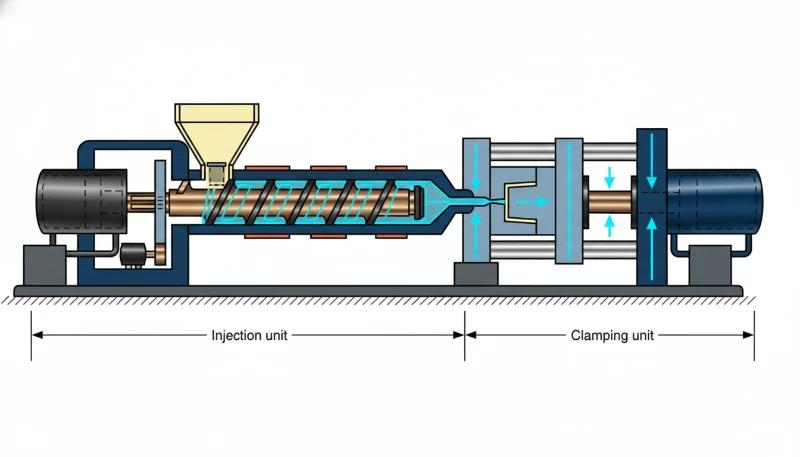
- Procesvalidatie verloopt in drie fasen: IQ, OQ en PQ.
- Validatie is wettelijk verplicht voor medische en auto-onderdelen.
- Een goed uitgevoerde validatie bespaart binnen de eerste productierun meer geld dan deze kost.
- Cpk-waarden boven 1.33 duiden op een capabel en stabiel proces.
- Start validatie tijdens het matrijsontwerp — nooit na goedkeuring van het eerste artikel.
Wat Is Injectiegiets Procesvalidatie?
Spuitgieten Procesvalidatie1 wordt bepaald door de functie, beperkingen en afwegingen die in dit gedeelte worden toegelicht. Als u leveranciers vergelijkt of inkoop plant, biedt onze inkoopgids voor leveranciers van spuitgieten behandelt RFQ-voorbereiding, kwalificatie en controles van commerciële risico’s.
U bent zojuist gebeld door het kwaliteitsteam van uw klant. Het team wil uw validatieprotocol zien voordat het de eerste productierun goedkeurt. Als u niet met gedocumenteerd bewijs kunt aantonen dat uw proces wordt beheerst, wordt de zending tegengehouden. Dat is niet hypothetisch — het gebeurt elke week in toeleveringsketens voor medische hulpmiddelen en de automobielindustrie.
Procesvalidatie voor spuitgieten is een gestructureerde, gedocumenteerde methode om aan te tonen dat uw spuitgietproces consequent onderdelen produceert die aan alle specificaties voldoen — wat betreft afmetingen, materiaal, uiterlijk en functionaliteit. Het is geen eenmalige test. Het is bewijs dat uw proces run na run en ploeg na ploeg standhoudt.
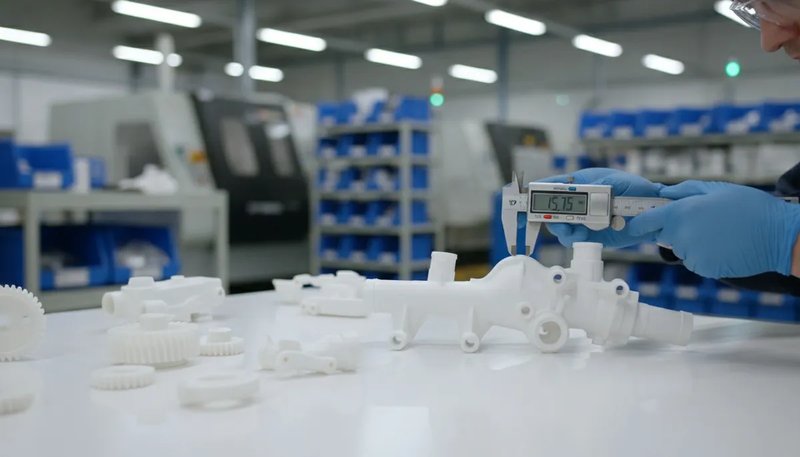
Het kernkader is IQ/OQ/PQ — installatiekwalificatie, operationele kwalificatie en Proceskwalificatie2. Elke fase bouwt voort op de vorige. Slaat u er één over, dan bezwijkt de volledige validatie onder kritische controle tijdens een audit.
De kern: validatie kost vooraf geld, maar één afgekeurde partij of mislukte klantaudit kost tienmaal meer. Bij ZetarMold verdient een goed voorbereid validatieprotocol zich volgens onze ervaring al in de eerste productierun terug doordat procesverloop wordt ontdekt voordat het uitval veroorzaakt.
Waarom is procesvalidatie belangrijk?
Validatie is belangrijk omdat inconsistentie onzichtbaar blijft totdat die duur wordt. Een onderdeel dat vandaag 10,02 mm en volgende week 10,08 mm meet, ziet er met het blote oog goed uit — maar is een dreigende tolerantiefout. Zonder validatiegegevens weet u het pas wanneer de inkomende inspectie van de klant het ontdekt.
Voor gereguleerde sectoren is validatie niet optioneel. De FDA vereist dit voor medische hulpmiddelen krachtens 21 CFR Part 820. IATF 16949 vereist dit voor automobielcomponenten. Als u onderdelen voor deze markten levert en geen validatiedossiers kunt overleggen, voldoet u niet aan de voorschriften. Punt.
Maar ook als u niet in een gereguleerde sector actief bent, loont validatie. Dit hebben we op de productievloer bij ZetarMold gezien: projecten die validatie overslaan, hebben gedurende de eerste drie maanden doorgaans 3–5× hogere uitvalpercentages dan gevalideerde processen. Het patroon is consistent — niet-gevalideerde processen verlopen en niemand merkt het totdat de afvalbak volloopt.
Het financiële argument is eenvoudig. Een typische validatie voor een matrijs met één holte kost afhankelijk van de complexiteit $3,000–$8,000. Eén afgekeurde zending van 10,000 onderdelen à $2.50 kost $25,000 aan herproductie, plus verzending en reputatieschade bij uw klant. De berekening spreekt voor zich.
| Validatiefactor | Belangrijk aandachtspunt |
|---|---|
| Gereedschap | Ga na hoe het matrijsontwerp van invloed is op Procesvalidatie bij spuitgieten: complete gids voor engineers. |
| Materiaal | Controleer het gedrag van de hars, krimp, warmte en cosmetische risico's. |
| Kwaliteit | Vraag vóór productiegoedkeuring om inspectiebewijs. |
Naast kosten versterkt validatie het vertrouwen van de klant. Wanneer een inkoper weet dat uw proces is gevalideerd met gedocumenteerde Cpk-waarden en bewezen parametervensters, vertrouwt hij uw productiecapaciteit. Dat vertrouwen vertaalt zich in grotere bestellingen, langere contracten en minder eisen aan ingangscontrole bij toekomstige zendingen. Het wordt een concurrentievoordeel, niet slechts een compliance-oefening.
‘Procesvalidatie verlaagt het uitvalpercentage in het eerste productiejaar met 60–80%.’True
Door vóór serieproductie bewezen parametervensters vast te leggen, ontdekt validatie procesafwijkingen vroeg. Bij ZetarMold behalen gevalideerde opdrachten consequent een first-pass yield boven 95%, tegenover 75–85% bij niet-gevalideerde processen.
"Procesvalidatie is alleen nodig voor de productie van medische hulpmiddelen."False
Hoewel de FDA validatie verplicht stelt voor medische hulpmiddelen, vereisen ook automotive (IATF 16949), luchtvaart (AS9100) en elektronica dit. Zelfs producenten van consumentenproducten profiteren door minder defecten en garantieclaims.
Wat zijn de drie fasen van procesvalidatie?
De drie fasen van procesvalidatie zijn de hoofdcategorieën die in dit gedeelte worden uitgelegd. Het IQ/OQ/PQ-kader is sinds de jaren 1980 de industrienorm. Elke fase beantwoordt een specifieke vraag. IQ: is de machine correct geïnstalleerd? OQ: werkt zij over het volledige bedrijfsbereik? PQ: kan zij langdurig consistent aanvaardbare onderdelen produceren?
Fase 1: installatiekwalificatie (IQ)
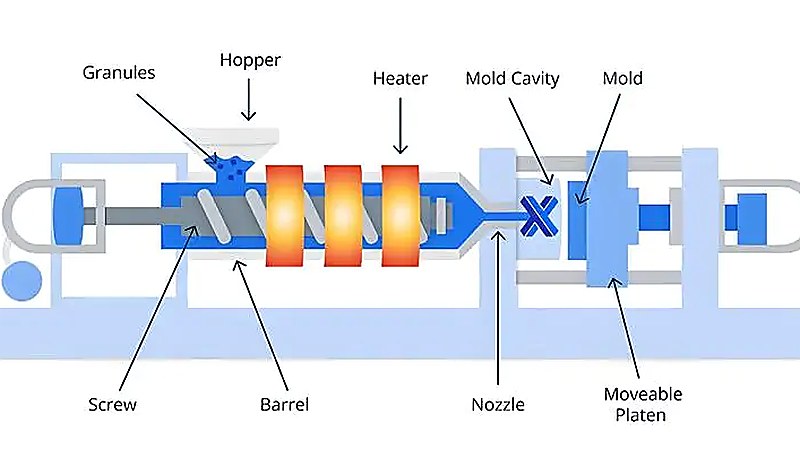
spuitgieten3 verifieert dat de apparatuur exact volgens specificatie is ingesteld. Dit betekent controle van de nutsvoorzieningen van de machine (stroom, water, lucht), bevestiging van softwareversies, verificatie van kalibratiecertificaten en documentatie van elke aansluiting.
In de praktijk is IQ een proces dat door een checklist wordt gestuurd. U doorloopt elk punt van de installatiespecificatie en documenteert dat het met de werkelijkheid overeenkomt. Veelvoorkomende fouten in deze fase zijn onjuiste aansluitingen voor de waterstroming (die de koeling beïnvloeden), verkeerde spanningsinstellingen en ontbrekende kalibratieregistraties voor randapparatuur zoals drogers en laders.
Een correct IQ-protocol omvat: identificatie van apparatuur (model, serienummer, firmwareversie), verificatie van voorzieningen (spanning, waterdruk, luchtdruk), controles van veiligheidssystemen (slaglimieten uitwerper, noodstops) en omgevingscondities (temperatuur, vochtigheid in de spuitgietruimte). Elk punt krijgt een goed-/afkeurresultaat met handtekening van de inspecteur.
Onderschat IQ niet. We hebben projecten weken vertraging zien oplopen doordat iemand vergat de thermolator-aansluitingen te controleren en de matrijs tijdens OQ met onvoldoende koeling draaide. De resulterende gegevens waren waardeloos omdat de procesomstandigheden niet representatief waren. Rond IQ altijd af voordat u de spuitgietmachine aanraakt voor procesontwikkeling.
Fase 2: operationele kwalificatie (OQ)
De operationele kwalificatie bewijst dat het proces binnen het volledige beoogde bedrijfsbereik werkt. Hierbij worden parameters doelbewust tot hun grenswaarden gebracht — hoge en lage smelttemperaturen, hoge en lage injectiesnelheden en minimale en maximale nadrukken — om het procesvenster in kaart te brengen.
Het resultaat van OQ is een gedocumenteerd procesvenster. U moet met gegevens kunnen aantonen dat het onderdeel aanvaardbaar is wanneer de smelttemperatuur tussen 220°C en 250°C ligt, de injectiesnelheid 50–80 mm/s bedraagt en de nadruk 800–1200 bar is. Elke parameter heeft een aangetoonde boven- en ondergrens.
De efficiëntste manier om OQ uit te voeren is met een Design of Experiments-aanpak. In plaats van telkens één variabele te testen, waarvoor honderden runs nodig zijn, kan een fractioneel factorieel DOE kritische interacties in 16–32 runs in kaart brengen. Voor een standaard spuitgietproces met 4–6 kritische parameters vergt dit 2–3 dagen op de machine.
Documenteer tijdens OQ alles: machine-instellingen, omgevingscondities, materiaalpartijnummers, cyclustijden van elke shot en alle meetresultaten. Deze gegevens vormen de nulmeting voor de volledige productieve levensduur van de matrijs. Ontstaan over twee jaar kwaliteitsproblemen, dan zijn deze OQ-gegevens nodig om vast te stellen of het proces is verschoven.
Een veelgemaakte fout tijdens OQ is dat parameters afzonderlijk worden getest. De smelttemperatuur beïnvloedt de viscositeit, waardoor de vereiste injectiesnelheid verandert en vervolgens ook het naverdichtingsgedrag verschuift. Als u alleen de smelttemperatuur test terwijl alle andere parameters vaststaan, mist u de interactie-effecten. Daarom is DOE belangrijk — het legt deze relaties tussen meerdere variabelen vast in één experimenteel ontwerp.
Nog een praktische tip: voer uw OQ uit met dezelfde materiaalbatch die u voor PQ wilt gebruiken. De viscositeit kan tussen verschillende harsbatches 10 tot 15 procent variëren, waardoor het procesvenster voldoende verschuift om uw OQ-resultaten ongeldig te maken. In onze vestiging in Shanghai bevestigen we altijd de consistentie van de materiaalbatch voordat we een OQ-traject starten.
Fase 3: proceskwalificatie (PQ)
Proceskwalificatie is het definitieve bewijs. U voert het proces met de nominale instellingen uit gedurende meerdere opeenvolgende runs — doorgaans drie afzonderlijke productieruns op verschillende dagen, ploegen of met verschillende operators — en toont aan dat elk onderdeel aan de specificatie voldoet.
PQ draait niet om het bepalen van het procesvenster; dat is de taak van OQ. PQ moet stabiliteit aantonen. Als u de machine in het midden van het gevalideerde venster instelt, verspreid over drie dagen 300 onderdelen produceert en alle 300 de inspectie doorstaan, hebt u statistisch bewijs dat uw proces stabiel is.
Het statistische hulpmiddel voor PQ is capabiliteitsanalyse. U berekent Cpk (procescapabiliteitsindex) voor elke kritische maat. Een Cpk van 1.33 betekent dat uw proces met voldoende marge binnen de tolerantieband valt. Een waarde onder 1.0 betekent dat u regelmatig onderdelen buiten specificatie produceert. De meeste automotive-OEM’s eisen Cpk ≥ 1.67 voor kritische maten.
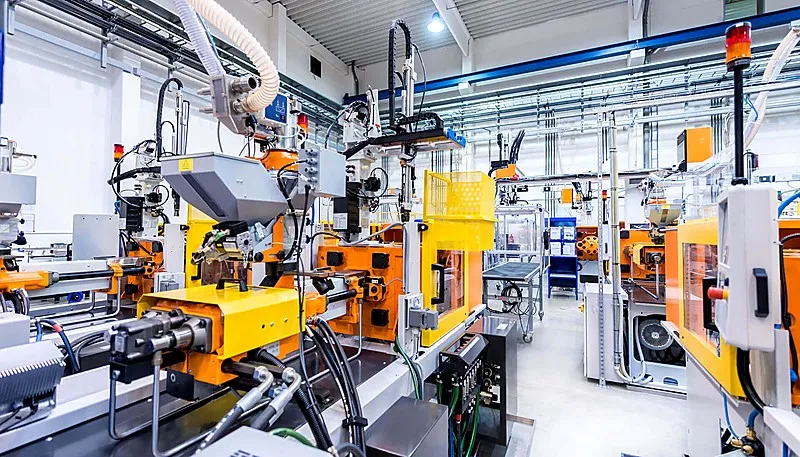
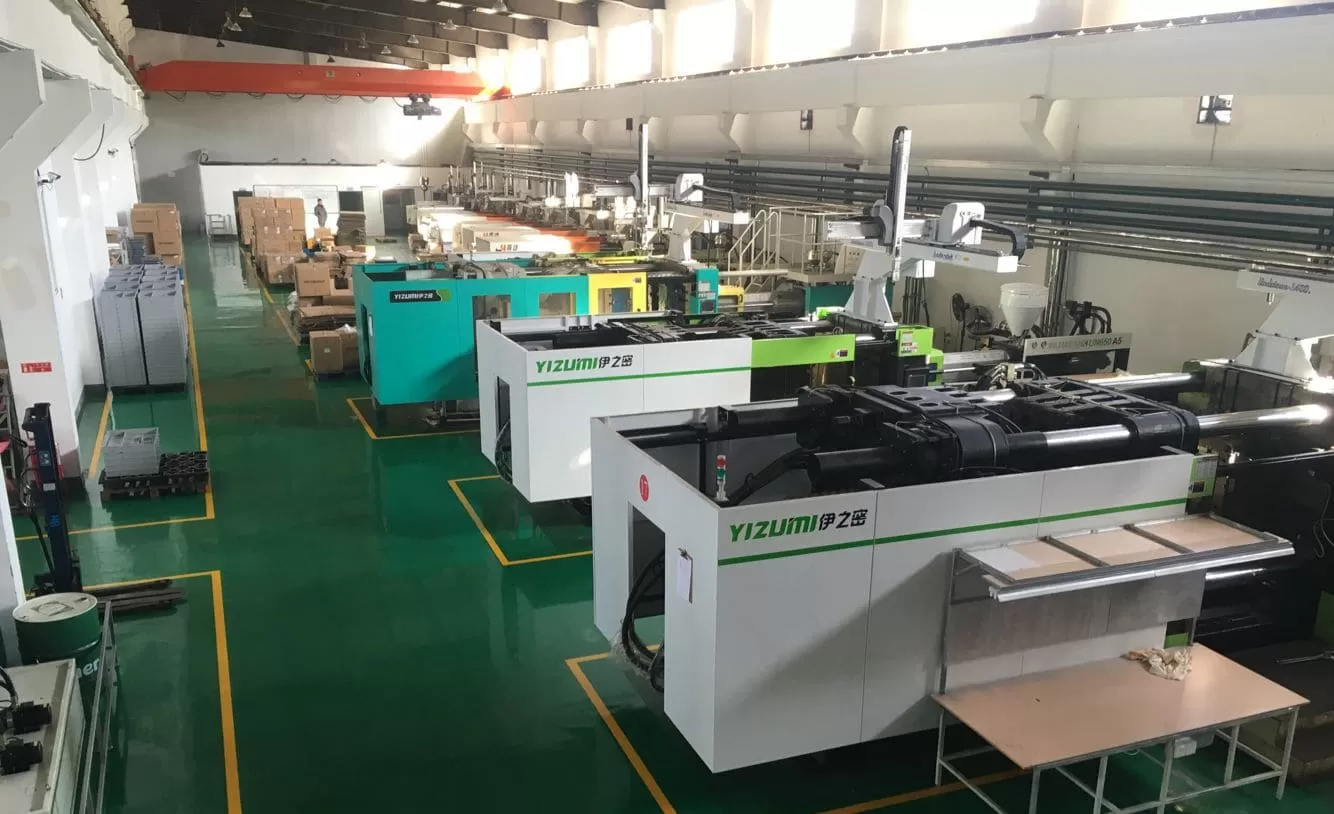
Bij ZetarMold voeren we PQ uit op 47 spuitgietmachines van 90T tot 1850T. Ons standaardprotocol vereist drie opeenvolgende geslaagde runs met Cpk ≥ 1.33 op alle kritieke afmetingen voordat een proces wordt gevalideerd en voor productie vrijgegeven. Onze 8 senior engineers met elk 10+ jaar ervaring beoordelen elk PQ-pakket vóór goedkeuring.
"Een Cpk-waarde van 1.33 betekent dat het proces minder dan 63 defecte onderdelen per miljoen produceert."True
Cpk 1.33 komt overeen met een procesvermogen van 4 sigma: het procesgemiddelde ligt minstens 4 standaardafwijkingen van de dichtstbijzijnde specificatiegrens. Dit betekent circa 63 ppm defecten — een breed geaccepteerde drempel voor capabele processen.
"Proceskwalificatie hoeft slechts één keer per matrijs te worden uitgevoerd."False
PQ moet worden herhaald bij belangrijke wijzigingen: een andere materiaalbatch, matrijswijzigingen, verplaatsing van de machine of na langdurige stilstand. Hervalidatie is ook vereist wanneer statistische procesbeheersing aantoont dat het proces van de gevalideerde toestand is afgeweken.
In onze fabriek in Shanghai bieden 47 spuitgietmachines van 90T tot 1850T de flexibiliteit om PQ uit te voeren voor uiteenlopende onderdeelafmetingen en materialen. Met meer dan 20 jaar ervaring en 8 senior engineers die elk validatiepakket begeleiden, hebben we een systematische aanpak ontwikkeld waarmee uw proces sneller en met meer zekerheid wordt gevalideerd.
Hoe verifieert u spuitgegoten onderdelen?
Verificatie is het meetgedeelte van validatie. Terwijl validatie aantoont dat het proces capabel is, toont verificatie aan dat de onderdelen die daadwerkelijk uit de machine komen aan de specificaties voldoen. De twee vullen elkaar aan: validatie zonder verificatie is slechts papierwerk.
De vier kernmethoden voor verificatie zijn maatcontroles, visuele inspectie, beproeving van materiaaleigenschappen en functionele beproeving. Elke methode richt zich op een ander faalmechanisme; als u er een overslaat, ontstaat een blinde vlek in uw kwaliteitssysteem.
Voor maatcontrole wordt CMM (Coordinate Measuring Machine) gebruikt voor kenmerken met nauwe toleranties en een schuifmaat of optische comparator voor algemene maten. Een correct first-article-inspectierapport omvat elke maat op de tekening, niet alleen de gemakkelijk meetbare maten.
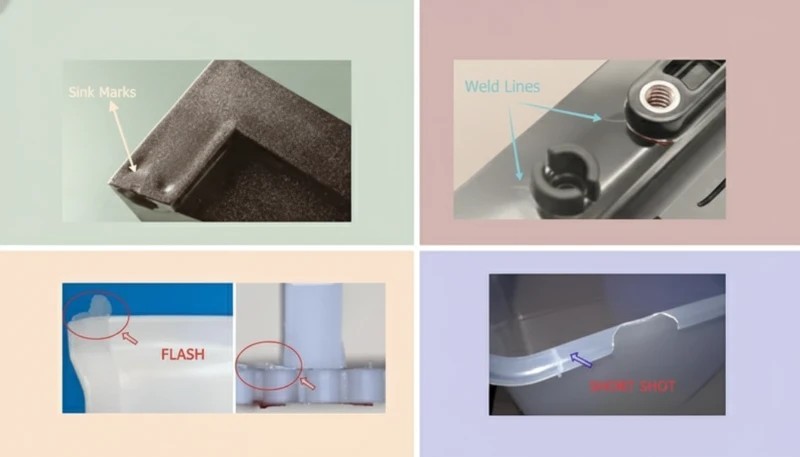
Visuele inspectie detecteert cosmetische defecten: braamvorming, inval, zilverstrepen, kleurvariatie en lasnaden. In onze fabriek controleren getrainde inspecteurs elk onderdeel aan de hand van een goedgekeurde visuele standaard met vastgelegde acceptatie- en afkeurcriteria. Subjectieve oordelen als ‘het ziet er goed uit’ doorstaan geen audit.
Materiaaltests omvatten verificatie van de smeltvloei-index (MFI), trekproeven en hardheidsmetingen. Voor medische en automobielonderdelen is voor elke partij een materiaalcertificaat (Certificate of Analysis van de harsleverancier) vereist — niet alleen voor de eerste.
Functionele tests bevestigen dat het onderdeel in de bedoelde toepassing werkt. Dit kan een krachtmeting van een klikverbinding zijn, een lektest voor vloeistofcomponenten of een elektrische continuïteitstest voor connectorbehuizingen. De testmethode moet de werkelijke gebruiksomstandigheden nabootsen.
Bij ZetarMold bestrijkt ons zesstappenproces voor kwaliteitscontrole elke fase, van inspectie van inkomend materiaal (IQC) tot de definitieve uitgaande inspectie (OQC). Met 10+ QC-specialisten en een compleet pakket meetapparatuur, waaronder CMM, profielprojectoren en hardheidsmeters, leveren wij de verificatiegegevens die uw validatiepakket ondersteunen.
Wat is het verschil tussen matrijskwalificatie en procesvalidatie?
Het verschil tussen matrijskwalificatie en procesvalidatie wordt bepaald door de functie, beperkingen en afwegingen die in dit gedeelte worden uitgelegd. Deze vraag komt bij vrijwel elke audit aan de orde. Matrijskwalificatie richt zich op het gereedschap zelf — produceert de matrijs onderdelen volgens specificatie? Procesvalidatie is breder en bewijst dat het volledige systeem (machine, matrijs, materiaal, operator en omgeving) consistent samenwerkt.
U kunt een matrijs op een laboratoriumtafelmachine kwalificeren. Procesvalidatie moet echter plaatsvinden op de productieapparatuur, in de productieomgeving, met productiemedewerkers en productiematerialen. Dat is het cruciale onderscheid dat veel technici over het hoofd zien bij het plannen van hun validatietraject.
In de praktijk is matrijskwalificatie een onderdeel van procesvalidatie. Eerst verifieert u de matrijs (staalhardheid, oppervlakteafwerking, afmetingen van de matrijsholte en uitwerpsysteem), daarna valideert u het bijbehorende proces. Als een onderdeel faalt, maakt matrijskwalificatie duidelijk of het gereedschap moet worden hersteld of het proces moet worden aangepast.
| Aspect | Matrijskwalificatie | Procesvalidatie |
|---|---|---|
| Omvang | Alleen matrijs | Machine + matrijs + materiaal + omgeving |
| Wanneer | Na de matrijsbouw | Vóór vrijgave voor productie |
| Benodigde productieruns | T1-monsters (50–100 onderdelen) | 3+ opeenvolgende productieruns |
| Statistische eis | Maatrapport | Cpk ≥ 1.33 op kritieke maten |
| Opnieuw activeren | Matrijswijziging of nabewerking | Materiaalwissel, machinewissel of procesafwijking |
| Eigendom | Gereedschapmakerij / matrijzenmaker | Kwaliteitsteam productie |
Welke parameters moet u valideren?
Deze sectie behandelt welke parameters moeten worden gevalideerd en hun invloed op kosten, kwaliteit, planning of inkooprisico. Niet elke parameter hoeft te worden gevalideerd. Richt u op parameters die de productkwaliteit rechtstreeks beïnvloeden. Overvalidatie verspilt machinetijd; ondervalidatie creëert risico. Bepalend is welke parameters kritisch zijn voor uw specifieke productgeometrie en materiaal.
De kritieke parameters voor de meeste spuitgietprocessen zijn: smelttemperatuur, injectiesnelheid, nadruk, nadruktijd, koeltijd en matrijstemperatuur. Deze zes parameters bepalen bij de meeste toepassingen 90% van de kwaliteitsresultaten van onderdelen.
Dit is onze praktische aanpak bij ZetarMold: voer een verkennende DOE uit met deze zes parameters, elk op twee niveaus. De DOE-resultaten tonen welke parameters statistisch significant zijn voor uw specifieke onderdeel. Doorgaans bepalen 2–3 parameters de kwaliteit. Die valideert u grondig. Voor de overige stelt u standaardbedrijfsbereiken vast.
Bij precisieproducten met nauwe toleranties (±0.05 mm of nauwer) zijn nadruk en smelttemperatuur vrijwel altijd de dominante factoren. Bij dunwandige producten nemen injectiesnelheid en matrijstemperatuur die rol over. Bij constructieve producten met dikke secties zijn koeltijd en nadruk kritisch.
Vergeet de secundaire parameters niet. Het cilindertemperatuurprofiel (niet alleen het setpoint, maar de werkelijke temperaturen in de voorste, middelste en achterste zone), tegendruk, schroefsnelheid en decompressieafstand beïnvloeden allemaal de consistentie. Leg ze tijdens de validatie vast, ook als u ze niet statistisch test.
Valideer ook uw hulpsystemen. De prestaties van de droger (dauwpunt en verblijftijd) beïnvloeden de materiaalviscositeit en daarmee elke volgende parameter. Matrijstemperatuurregelaars moeten een stabiele uitgang leveren — een thermolator die ±5°C fluctueert veroorzaakt maatvariatie die niet met machineparameterafstelling kan worden gecompenseerd.
Hoe lang duurt procesvalidatie?
Dit gedeelte gaat over hoelang procesvalidatie duurt en wat de gevolgen zijn voor kosten, kwaliteit, planning of inkooprisico. Voor een typische matrijs met één matrijsholte en een gemiddelde complexiteit duurt de volledige IQ/OQ/PQ-cyclus 5–10 werkdagen. IQ duurt doorgaans 1 dag (verificatie en documentatie van de apparatuur). OQ duurt 2–4 dagen, afhankelijk van het aantal parameters en DOE-runs. PQ duurt 2–3 dagen voor de drie opeenvolgende productieruns plus metingen en gegevensanalyse.
Meervoudige matrijzen vergen meer tijd omdat elke holte afzonderlijk moet worden gevalideerd en consistentie tussen holten moet worden aangetoond. Volledige validatie van een 8-voudige matrijs kan 15–20 dagen duren. De meettijd is het knelpunt: CMM-inspectie van alle kritieke afmetingen over meerdere holten en runs loopt snel op.
Een vuistregel uit ruim 20 jaar bedrijfsvoering bij ZetarMold: plan voor validatie 10–15% van de totale bouwtijd van de matrijs. Kost de bouw 8 weken, reken dan op 4–6 dagen validatie. Bij haast kan dit korter, maar dat gaat ten koste van statistische zekerheid.
Het grootste tijdrisico is meten. Bij achterstand in het CMM-lab kan verwerking van PQ-data 2–3 dagen extra kosten. Plan meetcapaciteit vooraf, vooral bij gelijktijdige validatie van meerdere onderdelen. Ons productieteam van 120+ medewerkers en onze eigen QC-medewerkers verwerken validatiepakketten efficiënt.
Welke documentatie hebt u nodig?
Het validatiepakket is het uiteindelijke resultaat. Zonder de juiste documentatie heeft er geen validatie plaatsgevonden — althans niet in de ogen van een auditor. Dit is wat een compleet pakket bevat.
De ontwerp van spuitgietmatrijzen validatiemasterplan beschrijft reikwijdte, verantwoordelijkheden, acceptatiecriteria en planning. Zie het als het projectplan voor validatie. Het moet worden goedgekeurd voordat validatiewerk begint.
Het IQ-protocol en -rapport documenteert elk geverifieerd installatieonderdeel met goed-/afkeurresultaten, handtekeningen en datums. Het OQ-protocol en -rapport bevat het DOE-ontwerp, de geteste parameterbereiken en de resulterende procesvensters met ondersteunende gegevens. Het PQ-protocol en -rapport toont de resultaten van opeenvolgende productieruns met een capabiliteitsanalyse (Cpk-berekeningen) voor alle kritieke afmetingen.
Ondersteunende documenten omvatten eerste-productinspectierapporten, materiaalcertificaten van analyse, kalibratieregistraties van apparatuur, trainingsregistraties van operators en afwijkingsrapporten met oorzaakanalyse. Een goed georganiseerd validatiepakket voor een middelmatig complex onderdeel telt 40–80 pagina’s.
Houd uw validatieregistraties toegankelijk. Tijdens audits moet u specifieke procesgegevens, meetresultaten en goedkeuringsformulieren snel kunnen terugvinden. Een goed geïndexeerd digitaal archief bespaart uren voorbereiding. In onze fabriek in Shanghai bewaren we voor elke productiematrijs volledige validatieregistraties, geordend op onderdeelnummer en revisieniveau.
Wanneer moet u opnieuw valideren?
Deze paragraaf behandelt hervalidatie en de gevolgen daarvan voor kosten, kwaliteit, planning of inkooprisico. Validatie is niet permanent. Wijzigingen in het proces, de apparatuur, het materiaal of de omgeving kunnen eerdere resultaten ongeldig maken. Het is essentieel te weten wanneer volledige hervalidatie nodig is en wanneer een eenvoudige verificatie volstaat.
Volledige hervalidatie (IQ + OQ + PQ) is vereist wanneer: de matrijs naar een andere machine wordt verplaatst, de matrijs ingrijpend wordt gewijzigd (een caviteit toevoegen, de aanspuitpositie wijzigen of kerninzetstukken vervangen), of de materiaalkwaliteit verandert. Gedeeltelijke hervalidatie (OQ + PQ) kan volstaan voor kleine wijzigingen, zoals het aanpassen van procesparameters binnen het gevalideerde bereik.
Jaarlijkse hervalidatiebeoordelingen zijn standaardpraktijk in gereguleerde sectoren. Zelfs als niets is veranderd, beoordeelt u de SPC-gegevens van het afgelopen jaar, bevestigt u dat de Cpk-waarden nog boven de drempel liggen en documenteert u de beoordeling. Dit wordt soms ‘continued process verification’ genoemd en is vereist volgens FDA-richtlijnen.
In onze faciliteit in Shanghai beoordelen onze 8 senior ingenieurs maandelijks de validatiestatus. Elk proces dat een Cpk-degradatie onder de 1,33 op kritieke afmetingen vertoont, leidt tot een automatisch onderzoek en mogelijke hervalidatie. Deze proactieve aanpak voorkomt kwaliteitsproblemen voordat ze de klant bereiken.
Veelgestelde vragen
Wat is spuitgietprocesvalidatie?
Injectiegietprocesvalidatie is een gedocumenteerde, op bewijs gebaseerde procedure die aantoont dat uw gietproces consequent onderdelen produceert die voldoen aan alle specificaties op dimensionaal, materiaal, cosmetisch en functioneel gebied. Het volgt drie gedefinieerde fasen: Installatiekwalificatie (IQ), Operationele kwalificatie (OQ) en Proceskwalificatie (PQ). Het doel is om gedocumenteerd, statistisch vertrouwen te vestigen dat het proces elke keer dat het draait binnen gedefinieerde parameterlimieten opereert, ongeacht operatorvariatie, ploegenwisselingen of materiaalpartijverschillen. Validatie is vereist door regelgevende instanties, waaronder de FDA en IATF, voor kritieke industrieën.
Is procesvalidatie vereist voor alle spuitgietonderdelen?
Procesvalidatie is wettelijk verplicht voor medische hulpmiddelen onder FDA 21 CFR Part 820, auto-onderdelen onder IATF 16949 en lucht- en ruimtevaartonderdelen onder AS9100. Voor consumentenproducten en algemene industriële toepassingen is het niet wettelijk vereist, maar wordt het sterk aanbevolen door kwaliteitsprofessionals. De reden is eenvoudig: de kosten van een typisch validatieprotocol (€5.000 tot €15.000 voor een enkelvoudige matrijs) zijn veel lager dan de kosten van een enkel kwaliteitsprobleem, productterugroepactie of afgekeurde zending. Zelfs niet-gereguleerde fabrikanten profiteren van verminderde garantieclaims, lagere afvalpercentages en verbeterd klantvertrouwen wanneer hun processen correct zijn gevalideerd met gedocumenteerde parameterbereiken.
Wat is het verschil tussen IQ, OQ en PQ?
IQ (Installatiekwalificatie) verifieert dat alle apparatuur correct is geïnstalleerd, inclusief nutsaansluitingen, kalibratierecords en softwareversies. Het beantwoordt de vraag: is de machine correct opgesteld? OQ (Operationele Kwalificatie) toont aan dat het proces werkt binnen het beoogde bedrijfsbereik door parameterlimieten te testen met behulp van Design of Experiments methodologie. Het beantwoordt: werkt het proces op zijn uitersten? PQ (Proceskwalificatie) bewijst consistente productiekwaliteit over meerdere opeenvolgende runs met statistische capaciteitsanalyse via Cpk-berekeningen. Het beantwoordt: kunnen we dit proces vertrouwen om elke keer te leveren? Elke fase bouwt voort op de vorige en moet sequentieel worden voltooid.
Hoeveel onderdelen zijn nodig voor procesvalidatie?
Er is geen enkel vast getal dat voor alle industrieën verplicht is, maar gevestigde praktijk vereist drie afzonderlijke productieruns, typisch verspreid over verschillende ploegen, dagen of operators, met statistisch significante steekproefgroottes per run. Voor Proceskwalificatie variëren typische steekproefgroottes van 30 tot 50 onderdelen per run voor dimensionale analyse, wat 90 tot 150 totale datapunten per kritieke afmeting oplevert voor Cpk-berekening. Multi-holte matrijzen vereisen representatieve steekproeven uit elke holte in elke run om holte-tot-holte consistentie aan te tonen. Fabrikanten van medische hulpmiddelen kunnen grotere steekproefgroottes vereisen, afhankelijk van de risicoclassificatie van het onderdeel en het statistische betrouwbaarheidsniveau gespecificeerd in het validatieprotocol.
Welke Cpk-waarde is acceptabel voor gevalideerde processen?
Cpk groter dan of gelijk aan 1,33 is de minimaal geaccepteerde drempel voor een capabel proces in de meeste productiecontexten. Deze waarde komt overeen met ongeveer 63 defecten per miljoen kansen, wat betekent dat het procesgemiddelde minstens vier standaarddeviaties van de dichtstbijzijnde specificatielimiet ligt. Auto-OEM’s vereisen vaak Cpk groter dan of gelijk aan 1,67 voor kritieke veiligheidsafmetingen, wat overeenkomt met ongeveer 0,6 defecten per miljoen. Medische hulpmiddelenbedrijven streven doorgaans naar Cpk groter dan of gelijk aan 1,33, maar kunnen hogere waarden verplichten voor patiënt-kritieke kenmerken. Elke Cpk-waarde onder 1,0 geeft aan dat het proces regelmatig onderdelen buiten specificatie produceert en onmiddellijke corrigerende maatregelen en mogelijke hervalidatie vereist voordat de productie wordt voortgezet.
Hoe vaak moet injectiegietprocesvalidatie worden herhaald?
Volledige hervalidatie die alle drie de fasen (IQ, OQ en PQ) omvat, is vereist wanneer het proces significant verandert, inclusief het verplaatsen van de matrijs naar een andere machine, grote matrijsaanpassingen zoals het toevoegen van holtes of het wijzigen van ingietlocaties, het wisselen van materiaalkwaliteiten of verhuizing naar een andere locatie. Voor gereguleerde industrieën, waaronder medische hulpmiddelen en automotive, zijn jaarlijkse beoordelingen voor voortdurende procesverificatie vereist, zelfs wanneer er geen wijzigingen hebben plaatsgevonden. Tijdens deze beoordelingen onderzoeken kwaliteitsteams SPC-gegevens van de afgelopen twaalf maanden en bevestigen ze dat Cpk-waarden voor alle kritieke afmetingen boven de drempel blijven. Als SPC-monitoring op enig moment een Cpk-daling onder 1,33 op een kritieke afmeting detecteert, moet hervalidatie onmiddellijk worden gestart in plaats van te wachten op de geplande jaarlijkse beoordeling.
Wat is de rol van DOE in injectiegietvalidatie?
Design of Experiments (DOE) speelt een cruciale rol tijdens de Operationele Kwalificatiefase door efficiënt de relatie tussen procesparameters en onderdeelkwaliteitsresultaten in kaart te brengen. In plaats van één factor tegelijk te testen, wat honderden experimentele runs zou vereisen, varieert DOE meerdere factoren gelijktijdig volgens een gestructureerd statistisch plan. Deze aanpak onthult parameterinteracties die eenfactor-testing volledig mist. Een typische fractionele factoriële DOE met vier tot zes procesparameters vereist slechts 16 tot 32 runs om te identificeren welke factoren statistisch significant zijn en om bewezen parameterbereiken vast te stellen met gedocumenteerde boven- en ondergrenzen voor elke kritieke variabele.
Kan procesvalidatie worden uitgevoerd op een prototype matrijs?
Procesvalidatie kan technisch gezien worden uitgevoerd op een prototype matrijs, maar de validatieresultaten gelden alleen voor die specifieke combinatie van matrijs, machine en materiaal onder de exact geteste omstandigheden. Als u valideert op een prototype zachte matrijs en vervolgens overstapt naar een productie harde matrijs, moet de volledige validatie worden herhaald omdat de productiematrijs andere koelkanalen, ingietontwerpen, aantal holtes, oppervlakteafwerkingen en staalsoorten zal hebben. Al deze verschillen beïnvloeden fundamenteel hoe het proces zich gedraagt, wat betekent dat de oorspronkelijke validatiegegevens niet kunnen worden overgedragen naar de nieuwe matrijs. Om deze reden raden de meeste kwaliteitsingenieurs aan om direct op de productiematrijs te valideren om dubbele inspanning en kosten te voorkomen.
procesvalidatie: Procesvalidatie is de systematische procedure voor het verzamelen en beoordelen van gegevens tijdens ontwerp- en productiefasen om gedocumenteerd bewijs te leveren dat een productieproces binnen vastgestelde parameters consequent een product voortbrengt dat aan vooraf bepaalde specificaties en kwaliteitskenmerken voldoet. ↩
Proceskwalificatie: Proceskwalificatie (PQ) is de laatste fase van procesvalidatie en toont aan dat het productieproces tijdens daadwerkelijke productieruns consistent producten volgens vooraf vastgestelde specificaties oplevert. ↩
spuitgieten: spuitgieten is het productieproces waarbij kunststof wordt gesmolten, in een matrijsholte wordt geïnjecteerd, het onderdeel afkoelt en de cyclus wordt herhaald voor stabiele serieproductie. ↩