- La validación de procesos sigue tres etapas: IQ, OQ y PQ.
- La validación es legalmente obligatoria para piezas médicas y automotrices.
- Una validación bien ejecutada ahorra más dinero del que cuesta ya en la primera serie de producción.
- Los valores de Cpk superiores a 1.33 indican un proceso capaz y estable.
- Comience la validación durante el diseño del molde, nunca después de la aprobación del primer artículo.
¿Qué es la validación del proceso de moldeo por inyección?
La validación del proceso1 de moldeo por inyección se define mediante la función, las restricciones y las compensaciones explicadas en esta sección. Si está comparando proveedores o planificando compras, nuestra guía para buscar proveedores de moldeo por inyección abarca la preparación de solicitudes de cotización (RFQ), la cualificación y las comprobaciones de riesgos comerciales.
Acaba de recibir una llamada del equipo de calidad de su cliente. Quieren ver su protocolo de validación antes de aprobar la primera serie de producción. Si no puede aportar pruebas documentadas de que su proceso está bajo control, el envío se detiene. No es una situación hipotética — ocurre cada semana en las cadenas de suministro de dispositivos médicos y automoción.
La validación del proceso de moldeo por inyección es un método estructurado y documentado para demostrar que el proceso produce de forma constante piezas que cumplen todas las especificaciones: dimensionales, de material, estéticas y funcionales. No es una prueba puntual. Es la evidencia de que el proceso se mantiene estable serie tras serie y turno tras turno.
El marco central es IQ/OQ/PQ: cualificación de la instalación, cualificación operativa y cualificación del proceso2. Cada etapa se apoya en la anterior. Si se omite una, toda la validación se derrumba ante el escrutinio de una auditoría.
La conclusión es clara: la validación cuesta dinero al principio, pero un solo lote rechazado o el fallo de una auditoría del cliente cuesta diez veces más. Según nuestra experiencia en ZetarMold, un protocolo de validación bien preparado se amortiza en la primera serie al detectar las desviaciones del proceso antes de que generen rechazo.
¿Por qué es importante la validación de procesos?
La validación es importante porque la inconsistencia resulta invisible hasta que se vuelve costosa. Una pieza que hoy mide 10.02 mm y la próxima semana 10.08 mm parece correcta a simple vista, pero es un fallo de tolerancia a punto de ocurrir. Sin datos de validación, no lo sabrá hasta que lo detecte la inspección de recepción del cliente.
Para los sectores regulados, la validación no es opcional. La FDA la exige conforme a 21 CFR Part 820 para los dispositivos médicos. IATF 16949 la exige para los componentes de automoción. Si suministra piezas a estos mercados y no puede aportar registros de validación, no cumple la normativa. Así de simple.
Pero incluso fuera de un sector regulado, la validación sigue siendo rentable. Esto es lo que hemos observado en la planta de ZetarMold: los proyectos que omiten la validación suelen presentar tasas de rechazo entre 3–5× mayores durante los tres primeros meses que los procesos validados. El patrón es constante: los procesos no validados se desvían y nadie lo advierte hasta que se llena el contenedor de rechazos.
El argumento financiero es sencillo. Una validación típica para un molde de cavidad única cuesta $3.000–$8.000, dependiendo de la complejidad. Un solo envío rechazado de 10.000 piezas a $2,50 cada una cuesta $25.000 en refabricaciones, más el envío, más el daño a la confianza con su cliente. Los números hablan por sí solos.
| Factor de validación | Consideración clave |
|---|---|
| Utillaje | Confirme cómo el diseño del molde afecta la Validación del Proceso de Moldeo por Inyección: Guía Completa para Ingenieros. |
| Tipo de material | Compruebe el comportamiento de la resina, la contracción, el calor y los riesgos estéticos. |
| Calidad | Solicite pruebas de inspección antes de aprobar la producción. |
Más allá del costo, la validación genera confianza en el cliente. Cuando un comprador sabe que su proceso está validado con valores de Cpk documentados y ventanas de parámetros probadas, confía en su capacidad de producción. Esa confianza se traduce en pedidos más grandes, contratos más largos y menos requisitos de inspección de entrada en futuros envíos. Se convierte en una ventaja competitiva, no solo en un ejercicio de cumplimiento.
"La validación del proceso reduce las tasas de desperdicio entre un 60–80% durante el primer año de producción."True
Al establecer ventanas de parámetros comprobadas antes de la producción completa, la validación detecta la desviación del proceso a tiempo. En ZetarMold, los trabajos validados logran sistemáticamente rendimientos de primera pasada superiores al 95%, en comparación con el 75–85% de los procesos no validados.
"La validación del proceso solo es necesaria para la fabricación de dispositivos médicos."False
Mientras que la FDA exige la validación para dispositivos médicos, industrias como la automotriz (IATF 16949), aeroespacial (AS9100) y electrónica también la requieren. Incluso las empresas de productos de consumo se benefician de la validación mediante la reducción de defectos y reclamos de garantía.
¿Cuáles son las tres etapas de la validación de procesos?
Las tres etapas de la validación de procesos son las categorías principales u opciones explicadas en esta sección. El marco IQ/OQ/PQ ha sido el estándar de la industria desde la década de 1980. Cada etapa responde a una pregunta específica. IQ pregunta: ¿está la máquina instalada correctamente? OQ pregunta: ¿funciona en todo su rango operativo? PQ pregunta: ¿puede producir piezas aceptables de manera consistente a lo largo del tiempo?
Etapa 1: Calificación de Instalación (IQ)
El moldeo por inyección3 verifica que el equipo esté configurado exactamente según las especificaciones. Esto implica comprobar los suministros de la máquina (electricidad, agua y aire), confirmar las versiones del software, verificar los certificados de calibración y documentar cada conexión.
En la práctica, IQ es un proceso basado en una lista de verificación. Revisa cada elemento de la especificación de instalación y documenta que coincide con la realidad. Los fallos comunes en esta etapa incluyen conexiones incorrectas del flujo de agua (que afectan el enfriamiento), configuraciones de voltaje erróneas y registros de calibración faltantes en equipos auxiliares como secadores y cargadores.
Un protocolo IQ adecuado incluye: identificación del equipo (modelo, número de serie, versión de firmware), verificación de servicios (voltaje, presión de agua, presión de aire), controles del sistema de seguridad (límites de carrera del eyector, paradas de emergencia) y condiciones ambientales (temperatura, humedad del área de moldeo). Cada elemento obtiene un resultado aprobado/reprobado con la firma del inspector.
No subestime IQ. Hemos visto proyectos retrasados semanas por no verificar las conexiones del termorregulador: el molde funcionó con refrigeración insuficiente durante OQ y los datos no fueron válidos porque las condiciones no eran representativas. Complete siempre IQ antes de usar la máquina en cualquier desarrollo de proceso.
Etapa 2: Calificación Operacional (OQ)
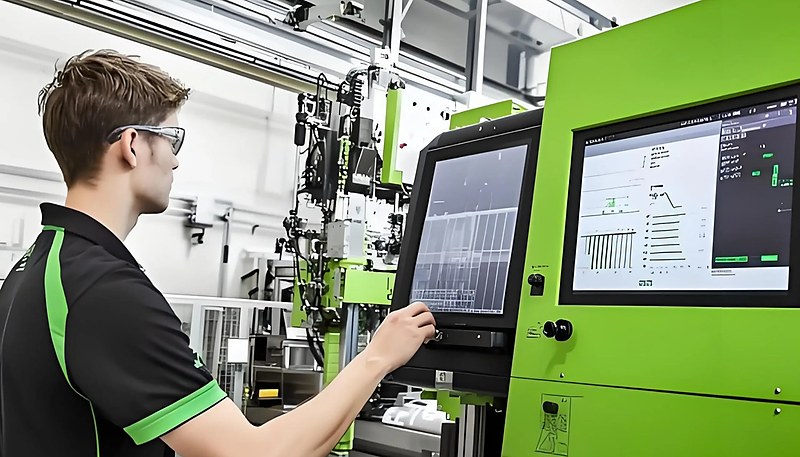
La Calificación Operacional demuestra que el proceso funciona en todo su rango operativo previsto. Aquí es donde se llevan deliberadamente los parámetros a sus límites — temperaturas de fusión altas y bajas, velocidades de inyección rápidas y lentas, presiones de empaque mínimas y máximas — para trazar la ventana del proceso.
El resultado de la OQ es una ventana de proceso documentada. Debe saber, con datos, que su pieza será aceptable cuando la temperatura de fusión esté entre 220°C y 250°C, la velocidad de inyección sea de 50–80 mm/s y la presión de mantenimiento sea de 800–1200 bar. Cada parámetro tiene un límite superior e inferior comprobado.
La forma más eficiente de ejecutar OQ es utilizando un enfoque de Diseño de Experimentos. En lugar de probar una variable a la vez (lo que requiere cientos de ejecuciones), un DOE factorial fraccionado puede mapear interacciones críticas en 16-32 ejecuciones. Para un proceso típico de moldeo por inyección con 4-6 parámetros críticos, esto toma 2-3 días en la máquina.
Durante la OQ, documéntelo todo: ajustes de la máquina, condiciones ambientales, números de lote del material, tiempos de ciclo de cada inyección y todos los resultados de medición. Estos datos se convierten en la referencia de base durante toda la vida productiva del molde. Si surgen problemas de calidad dentro de dos años, necesitará estos datos de OQ para diagnosticar si el proceso ha cambiado.
Un error común durante la OQ es probar parámetros de forma aislada. La temperatura de fusión afecta a la viscosidad, lo que cambia los requisitos de velocidad de inyección, lo que modifica el comportamiento del empaquetado. Si se prueba la temperatura de fusión sola con todos los demás parámetros fijos, se pierden los efectos de interacción. Por eso el DOE es importante: captura estas relaciones multivariables en un solo diseño experimental.
Otro consejo práctico: ejecute su OQ con el mismo lote de material que planea usar para el PQ. Diferentes lotes de resina pueden tener variaciones de viscosidad del 10 al 15 por ciento, lo que desplaza la ventana del proceso lo suficiente como para invalidar los resultados de su OQ. En nuestras instalaciones de Shanghai, siempre confirmamos la consistencia del lote de material antes de iniciar cualquier campaña de OQ.
Etapa 3: Calificación del Proceso (PQ)
La Calificación del Proceso es la prueba definitiva. Se ejecuta el proceso en sus ajustes nominales a lo largo de varias corridas consecutivas — típicamente tres series de producción separadas en días, turnos u operadores diferentes — y se demuestra que cada pieza cumple las especificaciones.
La PQ no consiste en encontrar la ventana de proceso; esa es la función de la OQ. La PQ consiste en demostrar la estabilidad. Si configura la máquina en el centro de la ventana validada y fabrica 300 piezas a lo largo de tres días distintos, y las 300 superan la inspección, dispone de pruebas estadísticas de que el proceso es estable.
La herramienta estadística para PQ es el análisis de capacidad. Se calcula Cpk (índice de capacidad del proceso) para cada dimensión crítica. Un Cpk de 1.33 significa que el proceso encaja en la banda de tolerancia con margen. Un valor inferior a 1.0 indica que se producen regularmente piezas fuera de especificación. La mayoría de los OEM de automoción exigen Cpk ≥ 1.67 para dimensiones críticas.
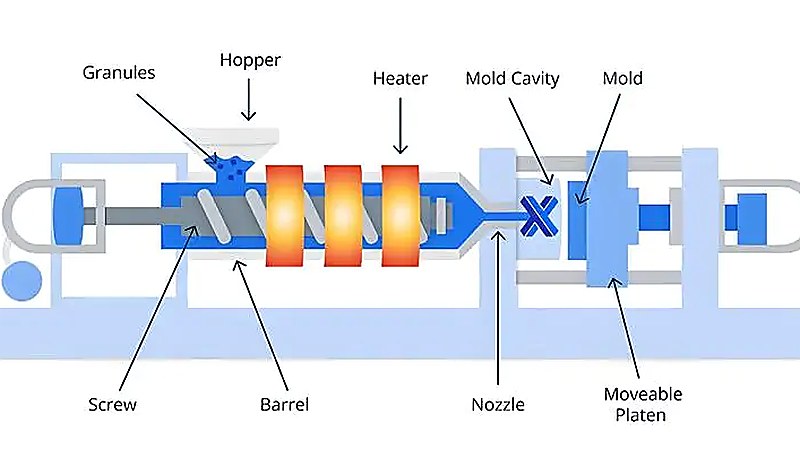
En ZetarMold, realizamos PQ en nuestras 47 máquinas de moldeo por inyección que van desde 90T hasta 1850T. Nuestro protocolo estándar requiere tres corridas exitosas consecutivas con un Cpk ≥ 1.33 en todas las dimensiones críticas antes de considerar un proceso validado y listo para su liberación a producción. Nuestros 8 ingenieros senior, cada uno con más de 10 años de experiencia, revisan cada paquete de PQ antes de la aprobación.
"Un valor Cpk de 1.33 significa que el proceso produce menos de 63 piezas defectuosas por millón."True
Un Cpk de 1,33 corresponde a una capacidad de proceso de 4 sigma, lo que significa que la media del proceso está al menos a 4 desviaciones estándar del límite de especificación más cercano. Esto se traduce en una tasa de defectos de aproximadamente 63 ppm, un umbral ampliamente aceptado para procesos capaces.
"La cualificación del proceso solo debe realizarse una vez para cada molde."False
La PQ debe repetirse siempre que haya cambios significativos: cambios de lote de material, modificaciones del molde, reubicación de la máquina o después de paradas prolongadas. La revalidación también se activa si los datos de control estadístico del proceso muestran que el proceso se ha desviado de su estado validado.
En nuestra fábrica de Shanghái, 47 máquinas de moldeo por inyección de 90T a 1850T nos dan flexibilidad para realizar la PQ con una amplia variedad de tamaños de pieza y materiales. Con 20+ años de experiencia y 8 ingenieros sénior supervisando cada paquete de validación, hemos desarrollado un enfoque sistemático que valida su proceso con mayor rapidez y confianza.
¿Cómo se verifican las piezas moldeadas por inyección?
La verificación es la parte de medición de la validación. Mientras que la validación prueba que el proceso es capaz, la verificación prueba que las piezas reales que salen de la máquina cumplen las especificaciones. Las dos trabajan juntas — la validación sin verificación es solo papeleo.
Los cuatro métodos de verificación centrales son: comprobaciones dimensionales, inspección visual, pruebas de propiedades del material y pruebas funcionales. Cada uno aborda un modo de fallo diferente, y omitir cualquiera de ellos deja un punto ciego en su sistema de calidad.
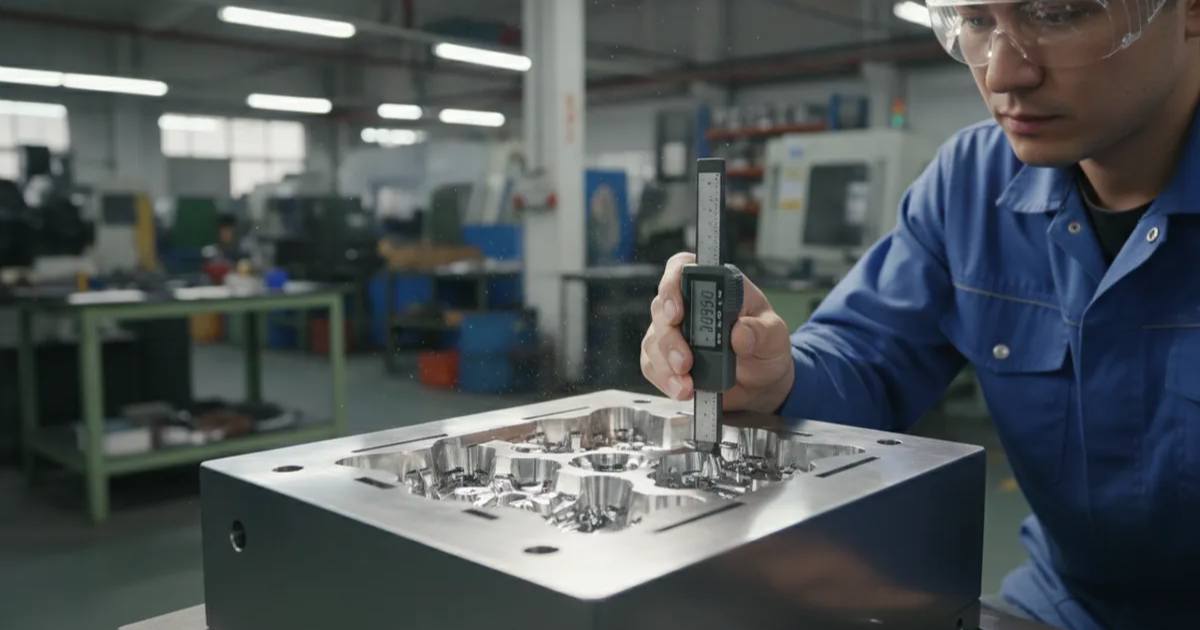
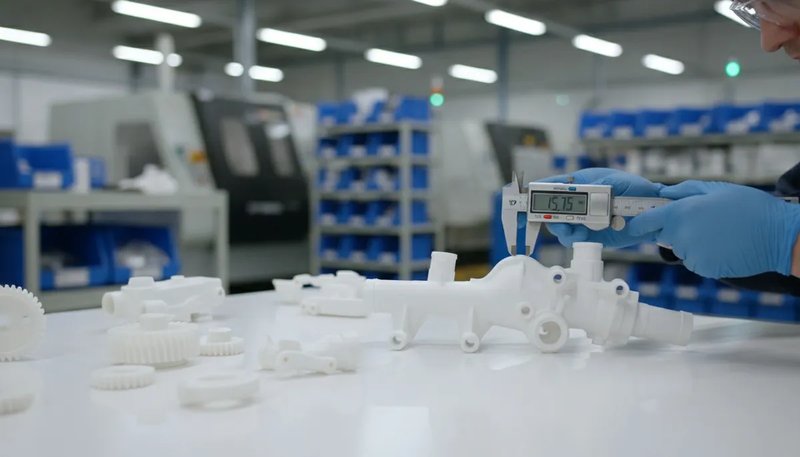
La verificación dimensional utiliza CMM (Máquina de Medición por Coordenadas) para características de tolerancia estrecha y calibres o comparadores ópticos para dimensiones generales. Un informe de inspección de primera pieza adecuado cubre cada dimensión en el dibujo, no solo las que parecen fáciles de medir.
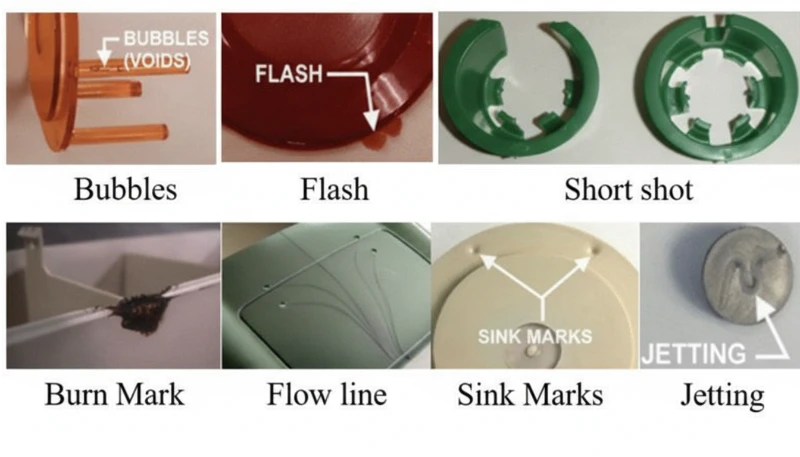
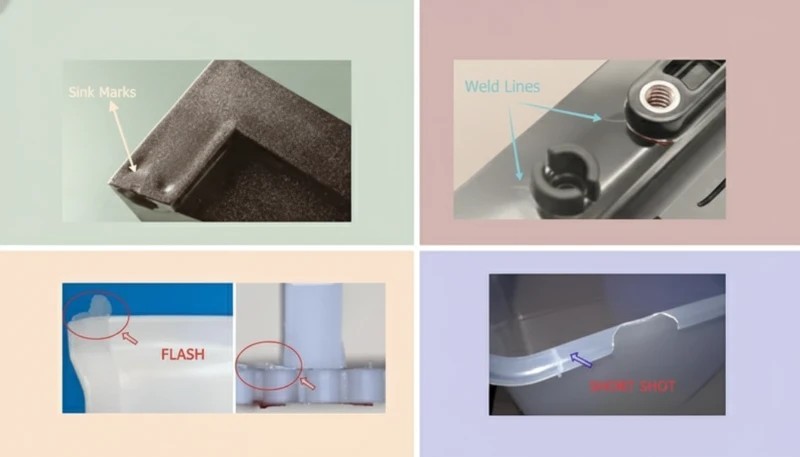
La inspección visual detecta defectos estéticos: rebabas, rechupes, vetas plateadas, variaciones de color y líneas de soldadura. En nuestras instalaciones utilizamos inspectores capacitados que comprueban cada pieza frente a un estándar visual aprobado con criterios definidos de aceptación y rechazo. Los juicios subjetivos de «parece estar bien» no superan una auditoría.
Las pruebas de material incluyen verificación del índice de fluidez (MFI), pruebas de tensión y medición de dureza. Para piezas médicas y automotrices, la certificación del material (Certificado de Análisis del proveedor de resina) es requerida para cada lote — no solo el primero.
Las pruebas funcionales confirman que la pieza funciona en su aplicación prevista. Esto podría ser una prueba de fuerza de acoplamiento por presión, una prueba de fugas para componentes que manejan fluidos o una prueba de continuidad eléctrica para carcasas de conectores. El método de prueba debe replicar las condiciones de uso real.
En ZetarMold, nuestro proceso de control de calidad de seis etapas cubre cada fase desde la inspección de material entrante (IQC) hasta la inspección final saliente (OQC). Con más de 10 especialistas en QC y un conjunto completo de equipos de medición que incluyen CMM, proyectores de perfil y probadores de dureza, proporcionamos los datos de verificación que respaldan su paquete de validación.
¿Cuál es la diferencia entre la calificación de moldes y la validación del proceso?
La diferencia entre la calificación del molde y la validación del proceso se define por la función, restricciones y compensaciones explicadas en esta sección. Esta pregunta surge en casi todas las auditorías. La calificación del molde se centra en la herramienta misma — ¿el molde produce piezas según especificaciones? La validación del proceso es más amplia — prueba que todo el sistema (máquina, molde, material, operador, entorno) funciona consistentemente.
Puede cualificar un molde en una máquina de sobremesa en un laboratorio. Pero la validación del proceso debe realizarse en el equipo y entorno de producción, con operadores y materiales de producción. Esa es la distinción clave que muchos ingenieros pasan por alto al planificar el calendario de validación.
En la práctica, la calificación del molde es un subconjunto de la validación del proceso. Primero se verifica el molde (dureza del acero, acabado superficial, dimensiones de cavidad, sistema de expulsión), luego se valida el proceso alrededor de él. Si una pieza falla, la calificación del molde indica si debe reparar la herramienta o ajustar el proceso.
| Aspecto | Calificación del Molde | Validación del proceso |
|---|---|---|
| Alcance | Solo herramienta | Máquina + molde + material + entorno |
| En | Después de la construcción del molde | Antes de la liberación de producción |
| Corridas necesarias | Muestras T1 (50–100 piezas) | 3+ corridas de producción consecutivas |
| Requisito estadístico | Reporte dimensional | Cpk ≥ 1.33 en dimensiones críticas |
| Reactivar | Modificación o reparación del molde | Cambio de material, cambio de máquina o desviación del proceso |
| Propiedad | Taller de herramientas / fabricante de moldes | Equipo de calidad de producción |
¿Qué parámetros debe validar?
Esta sección trata sobre qué parámetros debe validar y su impacto en costo, calidad, tiempo o riesgo de suministro. No todos los parámetros requieren validación. Concéntrese en aquellos que afectan directamente la calidad de la pieza. Validar en exceso desperdicia tiempo de máquina; validar insuficiente crea riesgo. El truco es saber qué parámetros son críticos para la geometría y material específicos de su pieza.
Los parámetros críticos para la mayoría de los procesos de moldeo por inyección son: temperatura de fusión, velocidad de inyección, presión de mantenimiento, tiempo de mantenimiento, tiempo de enfriamiento y temperatura del molde. Estos seis parámetros controlan el 90% de los resultados de calidad de la pieza en la mayoría de las aplicaciones.
Este es un enfoque práctico que utilizamos en ZetarMold: ejecute un DOE de cribado con estos seis parámetros, cada uno en dos niveles. Los resultados del DOE indican qué parámetros son estadísticamente significativos para su pieza concreta. Por lo general, 2–3 parámetros dominan la calidad. Esos son los que se validan rigurosamente. El resto recibe intervalos operativos estándar.
Para piezas de precisión con tolerancias estrechas (±0,05 mm o más estrechas), la presión de empaque y la temperatura de fusión son casi siempre los factores dominantes. Para piezas de pared delgada, la velocidad de inyección y la temperatura del molde toman el control. Para piezas estructurales con secciones gruesas, el tiempo de enfriamiento y la presión de mantenimiento son críticos.
No olvide los parámetros secundarios. El perfil de temperatura del cilindro —no solo el punto de ajuste, sino las temperaturas reales de las zonas delantera, central y trasera—, la contrapresión, la velocidad del husillo y la distancia de descompresión afectan a la consistencia. Documéntelos durante la validación, aunque no los someta a pruebas estadísticas.
También valide sus sistemas auxiliares. El rendimiento del secador (punto de rocío y tiempo de residencia) afecta la viscosidad del material, lo cual altera cada parámetro posterior. Los controladores de temperatura del molde necesitan una salida estable — un termolador que fluctúa ±5°C creará variación dimensional que ningún ajuste de parámetros de máquina puede compensar.
¿Cuánto tiempo toma la validación de procesos?
Esta sección trata sobre cuánto tiempo tarda la validación del proceso y su impacto en el costo, la calidad, el tiempo o el riesgo de abastecimiento. Para un molde típico de una cavidad con complejidad moderada, el ciclo completo de IQ/OQ/PQ toma de 5 a 10 días hábiles. IQ suele ser de 1 día (verificación y documentación del equipo). OQ toma de 2 a 4 días dependiendo del número de parámetros y ejecuciones DOE. PQ toma de 2 a —3 días para las tres ejecuciones de producción consecutivas más la medición y el análisis de datos.
Los moldes multicavidad tardan más porque necesita validar cada cavidad individualmente y demostrar la consistencia entre cavidades. Un molde de 8 cavidades puede tardar entre 15 y 20 días para una validación completa. El tiempo de medición es el cuello de botella: la inspección CMM de todas las dimensiones críticas en múltiples cavidades y múltiples corridas se acumula rápidamente.
Esta es una regla general basada en nuestros más de 20 años de actividad en ZetarMold: prevea que la validación ocupe entre el 10–15% del plazo total de fabricación del molde. Si la fabricación del molde tarda 8 semanas, calcule 4–6 días de validación. Si tiene prisa, puede acortarla, pero sacrificará confianza estadística.
El mayor riesgo para el plazo es la medición. Si su laboratorio CMM está saturado, el procesamiento de los datos de PQ puede demorarse 2–3 días más. Planifique con antelación la capacidad de medición, especialmente si valida varias piezas a la vez. Nuestro equipo de producción de 120+ personas y el personal dedicado de QC nos permiten preparar con rapidez los paquetes de validación.
¿Qué documentación necesita?
El paquete de validación es el entregable final. Sin la documentación adecuada, la validación no se realizó, al menos a ojos de un auditor. Esto es lo que incluye un paquete completo.
El plan maestro de validación del diseño de moldes de inyección establece el alcance, las responsabilidades, los criterios de aceptación y el calendario. Puede entenderse como el plan del proyecto de validación. Debe aprobarse antes de iniciar cualquier trabajo de validación.
El protocolo y el informe de IQ documentan cada elemento de instalación verificado con resultados de aprobado/rechazado, firmas y fechas. El protocolo y el informe de OQ incluyen el diseño DOE, los rangos de parámetros probados y las ventanas de proceso resultantes con datos de apoyo. El protocolo y el informe de PQ muestran los resultados de la ejecución consecutiva con análisis de capacidad (cálculos Cpk) para todas las dimensiones críticas.
Los documentos de apoyo incluyen: informes de inspección de primera pieza, certificados de análisis de materiales, registros de calibración de equipos, registros de capacitación de operadores y cualquier informe de desviación con análisis de causa raíz. Un paquete de validación bien organizado para una pieza de complejidad moderada tiene entre 40 y 80 páginas.
Mantenga accesibles los registros de validación. Durante las auditorías deberá recuperar con rapidez datos de series concretas, resultados de mediciones y hojas de aprobación. Un archivo digital bien indexado ahorra horas de preparación. En nuestra planta de Shanghái conservamos registros completos de validación de cada molde de producción, organizados por número de pieza y nivel de revisión.
¿Cuándo se debe revalidar?
Esta sección trata sobre la revalidación y su repercusión en el coste, la calidad, los plazos o el riesgo de abastecimiento. La validación no es permanente. Los cambios en el proceso, los equipos, el material o el entorno pueden invalidar los resultados anteriores. La clave es saber cuándo se requiere una revalidación completa y cuándo basta con una verificación sencilla.
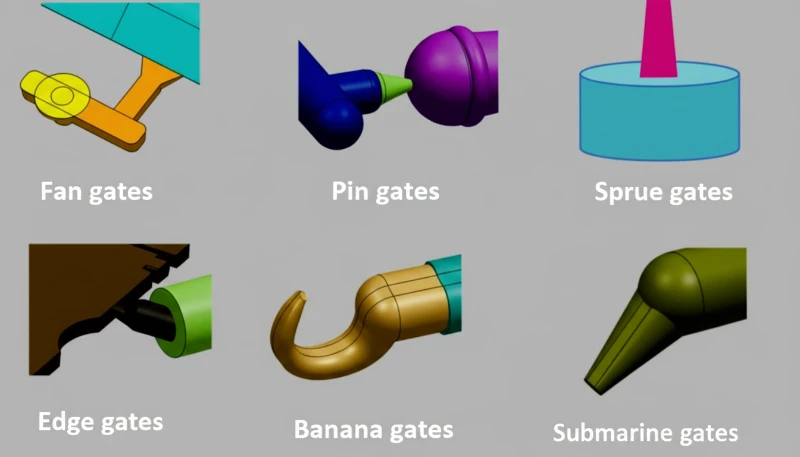
Se requiere una revalidación completa (IQ + OQ + PQ) cuando el molde se traslada a otra máquina, se realiza una modificación importante del molde —añadir una cavidad, cambiar la ubicación de la compuerta o sustituir insertos del núcleo— o cambia el grado del material. Una revalidación parcial (OQ + PQ) puede ser suficiente para cambios menores, como ajustar los parámetros del proceso dentro del rango validado.
Las revisiones anuales de revalidación son una práctica habitual en las industrias reguladas. Aunque nada haya cambiado, se revisan los datos SPC del año anterior, se confirma que los valores Cpk siguen por encima del umbral y se documenta la revisión. A veces se denomina ‘verificación continua del proceso’ y es obligatoria según las directrices de la FDA.
En nuestra instalación de Shanghái, nuestros 8 ingenieros senior revisan mensualmente el estado de validación. Cualquier proceso que muestre una degradación del Cpk por debajo de 1.33 en dimensiones críticas desencadena una investigación automática y una potencial revalidación. Este enfoque proactivo evita escapes de calidad antes de que lleguen al cliente.
Preguntas frecuentes
¿Qué es la validación del proceso de moldeo por inyección?
La validación del proceso de moldeo por inyección es un procedimiento documentado y basado en evidencia que prueba que su proceso de moldeo produce consistentemente piezas que cumplen todas las especificaciones dimensionales, materiales, cosméticas y funcionales. Sigue tres etapas definidas: Calificación de Instalación (IQ), Calificación Operacional (OQ) y Calificación del Proceso (PQ). El objetivo es establecer una confianza estadística documentada que el proceso opere dentro de límites de parámetros definidos cada vez que se ejecuta, independientemente de la variación del operador, cambios de turno o diferencias en lotes de material. La validación es requerida por organismos regulatorios incluyendo FDA y IATF para industrias críticas.
¿Es necesaria la validación del proceso para todas las piezas moldeadas por inyección?
La validación de procesos es legalmente obligatoria para dispositivos médicos bajo FDA 21 CFR Parte 820, componentes automotrices bajo IATF 16949 y piezas aeroespaciales bajo AS9100. Para productos de consumo y aplicaciones industriales generales, no es legalmente requerida pero es fuertemente recomendada por profesionales de calidad. La razón es simple: el costo de un protocolo de validación típico (,000 a ,000 para un molde de cavidad única) es mucho menor que el costo de un solo escape de calidad, un retiro de producto o un embarque rechazado. Incluso fabricantes no regulados benefician de reclamos de garantía reducidos, tasas de desperdicio más bajas y mayor confianza del cliente cuando sus procesos están validados adecuadamente con ventanas de parámetros documentadas.
¿Cuál es la diferencia entre IQ, OQ y PQ?
La IQ (Calificación de Instalación) verifica que todo el equipo ha sido instalado correctamente, incluyendo conexiones de servicios, registros de calibración y versiones de software. Responde a la pregunta: ¿está la máquina configurada correctamente? La OQ (Calificación Operacional) demuestra que el proceso funciona en todo su rango operativo previsto mediante la prueba de los límites de los parámetros utilizando la metodología de Diseño de Experimentos. Responde: ¿funciona el proceso en sus extremos? La PQ (Calificación del Proceso) prueba la calidad de producción consistente a lo largo de múltiples corridas consecutivas con análisis de capacidad estadística utilizando cálculos de Cpk. Responde: ¿podemos confiar en que este proceso entregará cada vez? Cada etapa se basa en la anterior y debe completarse secuencialmente.
¿Cuántas piezas se necesitan para la validación del proceso?
No existe un número fijo único exigido en todas las industrias, pero la práctica establecida requiere tres corridas de producción separadas, típicamente en diferentes turnos, días u operadores, con tamaños de muestra estadísticamente significativos por corrida. Para la Calificación del Proceso, los tamaños de muestra típicos oscilan entre 30 y 50 piezas por corrida para análisis dimensional, produciendo de 90 a 150 puntos de datos totales por dimensión crítica para el cálculo del Cpk. Los moldes de múltiples cavidades requieren muestras representativas de cada cavidad en cada corrida para demostrar la consistencia entre cavidades. Los fabricantes de dispositivos médicos pueden requerir tamaños de muestra más grandes dependiendo de la clasificación de riesgo de la pieza y el nivel de confianza estadística especificado en el protocolo de validación.
¿Qué valor de Cpk es aceptable para procesos validados?
Un Cpk mayor o igual a 1.33 es el umbral mínimo aceptado para un proceso capaz en la mayoría de los contextos de fabricación. Este valor corresponde aproximadamente a 63 defectos por millón de oportunidades, lo que significa que la media del proceso se sitúa al menos a cuatro desviaciones estándar del límite de especificación más cercano. Los fabricantes de equipos originales automotrices requieren frecuentemente un Cpk mayor o igual a 1.67 para dimensiones críticas de seguridad, correspondiendo a aproximadamente 0.6 defectos por millón. Las empresas de dispositivos médicos suelen apuntar a un Cpk mayor o igual a 1.33, pero pueden exigir valores más altos para características críticas para el paciente. Cualquier valor de Cpk por debajo de 1.0 indica que el proceso produce regularmente piezas fuera de especificación y requiere acción correctiva inmediata y una potencial revalidación antes de continuar la producción.
¿Con qué frecuencia debe repetirse la validación del proceso de moldeo por inyección?
Se requiere una revalidación completa que cubra las tres etapas (IQ, OQ y PQ) siempre que el proceso cambie significativamente, incluyendo mover el molde a una máquina diferente, modificaciones importantes del molde como agregar cavidades o cambiar ubicaciones de compuertas, cambiar grados de material o reubicarse en una instalación diferente. Para industrias reguladas, incluidos dispositivos médicos y automotriz, se requieren revisiones anuales de verificación continua del proceso incluso cuando no ha habido cambios. Durante estas revisiones, los equipos de calidad examinan los datos SPC de los últimos doce meses y confirman que los valores de Cpk se mantienen por encima del umbral en todas las dimensiones críticas. Si el monitoreo SPC detecta una degradación del Cpk por debajo de 1.33 en cualquier dimensión crítica en cualquier momento, se debe desencadenar la revalidación inmediatamente en lugar de esperar la revisión anual programada.
¿Cuál es el papel del DOE en la validación del moldeo por inyección?
El Diseño de Experimentos (DOE) juega un papel crítico durante la fase de Calificación Operacional, mapeando eficientemente la relación entre los parámetros del proceso y los resultados de calidad de las piezas. En lugar de probar un factor a la vez, lo que requeriría cientos de corridas experimentales, DOE varía múltiples factores simultáneamente según un plan estadístico estructurado. Este enfoque revela interacciones de parámetros que las pruebas de un solo factor omiten completamente. Un DOE factorial fraccionado típico con cuatro a seis parámetros de proceso requiere solo 16 a 32 corridas para identificar qué factores son estadísticamente significativos y establecer ventanas de parámetros probadas con límites superior e inferior documentados para cada variable crítica.
¿Se puede realizar la validación del proceso en un molde prototipo?
Técnicamente, la validación del proceso puede realizarse en un molde prototipo, pero los resultados de la validación se aplican solo a esa combinación específica de molde, máquina y material bajo las condiciones exactas probadas. Si se valida con una herramienta blanda prototipo y posteriormente se pasa a una herramienta dura de producción, toda la validación debe repetirse porque el molde de producción tendrá diferentes disposiciones de canales de enfriamiento, diseños de compuertas, número de cavidades, acabados superficiales y tipos de acero. Todas estas diferencias afectan fundamentalmente al comportamiento del proceso, lo que significa que los datos de validación originales no pueden transferirse a la nueva herramienta. Por esta razón, la mayoría de los ingenieros de calidad recomiendan validar directamente en el molde de producción para evitar esfuerzos y costos duplicados.
Validación del proceso: procedimiento sistemático de recopilación y evaluación de datos durante las etapas de diseño y producción para establecer pruebas documentadas de que un proceso de fabricación, operado dentro de los parámetros establecidos, produce sistemáticamente un producto que cumple sus especificaciones y atributos de calidad predeterminados. ↩
Cualificación del proceso: la cualificación del proceso (PQ) es la etapa final de la validación que demuestra que el proceso de fabricación produce sistemáticamente productos que cumplen las especificaciones predeterminadas durante las tiradas de producción reales. ↩
Moldeo por inyección: proceso de producción que funde plástico, lo inyecta en la cavidad de un molde, enfría la pieza y repite el ciclo para lograr una fabricación estable en volumen. ↩