- Proses validasyonu üç aşamadan oluşur: IQ, OQ ve PQ.
- Tıbbi ve otomotiv parçalarında validasyon yasal olarak zorunludur.
- İyi yürütülen bir doğrulama, ilk üretim çalışmasında maliyetinden daha fazla tasarruf sağlar.
- 1.33 üzerindeki Cpk değerleri yeterli ve kararlı bir prosesi gösterir.
- Doğrulamaya ilk parça onayından sonra değil, kalıp tasarımı sırasında başlayın.
Enjeksiyon Kalıplama Proses Doğrulaması Nedir?
Enjeksiyon kalıplamada süreç validasyonu1, bu bölümde açıklanan işlev, kısıtlar ve ödünleşimlerle tanımlanır. Tedarikçileri karşılaştırıyor veya satın alma planlıyorsanız enjeksiyon kalıplama tedarikçisi bulma kılavuzumuz; RFQ hazırlığını, yeterlilik değerlendirmesini ve ticari risk kontrollerini kapsar.
Müşterinizin kalite ekibi az önce sizi aradı. İlk üretim serisini onaylamadan önce validasyon protokolünüzü görmek istiyorlar. Prosesinizin kontrol altında olduğuna dair belgeli kanıt sunamazsanız sevkiyat durur. Bu varsayımsal bir durum değildir; tıbbi cihaz ve otomotiv tedarik zincirlerinde her hafta yaşanır.
Enjeksiyon kalıplama proses doğrulaması, kalıplama prosesinizin boyutsal, malzeme, kozmetik ve işlevsel tüm şartnameleri karşılayan parçaları tutarlı biçimde ürettiğini kanıtlayan yapılandırılmış ve belgelenmiş bir yöntemdir. Tek seferlik bir test değildir. Prosesinizin her üretim çalışmasında ve her vardiyada kararlı kaldığının kanıtıdır.
Temel çerçeve IQ/OQ/PQ’dur: Kurulum Kalifikasyonu, Operasyonel Kalifikasyon ve Süreç Kalifikasyonu2. Her aşama bir öncekinin üzerine kurulur. Birini atlarsanız tüm validasyon denetim incelemesi altında çöker.
Sonuç şudur: doğrulama başlangıçta maliyetlidir; ancak reddedilen tek bir parti veya başarısız müşteri denetimi on kat daha pahalıya mal olur. ZetarMold’daki deneyimimize göre iyi hazırlanmış bir doğrulama protokolü, hurda oluşturmadan önce proses sapmasını yakalayarak ilk üretim serisinde maliyetini karşılar.
Proses Doğrulaması Neden Önemlidir?
Doğrulama önemlidir; çünkü tutarsızlık maliyetli hâle gelene kadar görünmez. Bugün 10.02 mm, gelecek hafta 10.08 mm ölçülen bir parça çıplak gözle kusursuz görünür — ancak gerçekleşmeyi bekleyen bir tolerans hatasıdır. Doğrulama verileri olmadan bunu, müşterinin giriş muayenesi yakalayana kadar bilemezsiniz.
Düzenlemeye tabi sektörlerde validasyon isteğe bağlı değildir. FDA, tıbbi cihazlar için 21 CFR Part 820 kapsamında bunu zorunlu tutar. IATF 16949, otomotiv bileşenleri için bunu şart koşar. Bu pazarlara parça tedarik ediyor ve validasyon kayıtlarını sunamıyorsanız mevzuata uygun değilsiniz. Bu kadar net.
Ancak düzenlemeye tabi bir sektörde olmasanız bile validasyon yine de kazanç sağlar. ZetarMold üretim sahasında gördüğümüz sonuç şudur: validasyonu atlayan projelerde ilk üç ayın hurda oranı, valide edilmiş süreçlere göre genellikle 3–5× daha yüksektir. Eğilim değişmez — valide edilmemiş süreçler sapar ve hurda kutusu dolana kadar kimse bunu fark etmez.
Finansal gerekçe açıktır. Tek gözlü bir kalıbın tipik doğrulaması, karmaşıklığa bağlı olarak $3,000–$8,000 tutar. Tanesi $2.50 olan 10,000 parçalık tek bir reddedilmiş sevkiyat, yeniden üretimde $25,000’a; ayrıca nakliye ve müşteri güveninin zedelenmesine mal olur. Hesap ortadadır.
| Doğrulama faktörü | Temel husus |
|---|---|
| reçine özellikleri | Kalıp tasarımının Enjeksiyon Kalıplama Proses Doğrulamasını nasıl etkilediğini doğrulayın: Mühendisler İçin Eksiksiz Kılavuz. |
| Malzeme | Reçine davranışını, çekmeyi, ısıyı ve kozmetik riskleri kontrol edin. |
| Kalite | Üretim onayından önce muayene kanıtı isteyin. |
Doğrulama, maliyetin ötesinde müşteri güveni oluşturur. Alıcı, prosesinizin belgelenmiş Cpk değerleri ve kanıtlanmış parametre pencereleriyle doğrulandığını bildiğinde üretim yetkinliğinize güvenir. Bu güven daha büyük siparişlere, daha uzun sözleşmelere ve gelecekteki sevkiyatlarda daha az giriş kontrolü gereksinimine dönüşür. Böylece yalnızca bir uyum faaliyeti değil, rekabet avantajı olur.
"Proses doğrulaması, üretimin ilk yılında hurda oranlarını 60–80% azaltır."True
Tam üretimden önce kanıtlanmış parametre aralıkları belirleyen doğrulama, süreç sapmasını erken yakalar. ZetarMold'da doğrulanmış işler, doğrulanmamış süreçlerdeki 75–85% oranına kıyasla tutarlı biçimde 95%'in üzerinde ilk seferde başarı oranına ulaşır.
"Proses doğrulaması yalnızca tıbbi cihaz üretimi için gereklidir."False
FDA tıbbi cihazlarda doğrulamayı zorunlu kılarken otomotiv (IATF 16949), havacılık (AS9100) ve elektronik sektörleri de doğrulama ister. Tüketici ürünleri şirketleri bile daha az kusur ve garanti talebi sayesinde doğrulamadan yararlanır.
Proses Doğrulamasının Üç Aşaması Nelerdir?
Proses validasyonunun üç aşaması, bu bölümde açıklanan başlıca kategoriler veya seçeneklerdir. IQ/OQ/PQ çerçevesi 1980s döneminden beri sektör standardıdır. Her aşama belirli bir soruyu yanıtlar. IQ şunu sorar: Makine doğru kurulmuş mu? OQ şunu sorar: Çalışma aralığının tamamında çalışıyor mu? PQ şunu sorar: Zaman içinde tutarlı biçimde kabul edilebilir parçalar üretebiliyor mu?
Aşama 1: Kurulum Kalifikasyonu (IQ)
Enjeksiyon kalıplama3, ekipmanın tam olarak belirtildiği şekilde kurulduğunu doğrular. Bu; makinenin altyapı bağlantılarını (elektrik, su, hava) kontrol etmek, yazılım sürümlerini onaylamak, kalibrasyon sertifikalarını doğrulamak ve her bağlantıyı belgelemek anlamına gelir.
Uygulamada IQ, kontrol listesine dayalı bir prosestir. Kurulum şartnamesindeki her maddeyi tek tek gözden geçirir ve gerçeğe uygunluğunu belgelersiniz. Bu aşamadaki yaygın hatalar arasında yanlış su akış bağlantıları (soğutmayı etkiler), hatalı voltaj ayarları ve kurutucu ile yükleyici gibi yardımcı ekipmanlarda eksik kalibrasyon kayıtları bulunur.
Doğru bir IQ protokolü şunları içerir: ekipman tanımlama (model, seri numarası, ürün yazılımı sürümü), yardımcı tesisat doğrulaması (voltaj, su basıncı, hava basıncı), güvenlik sistemi kontrolleri (itici strok sınırları, acil durdurucular) ve ortam koşulları (kalıplama alanının sıcaklığı ve nemi). Her maddeye denetçi imzasıyla geçti/kaldı sonucu verilir.
IQ’yu hafife almayın. Termoregülatör bağlantılarının doğrulanması atlandığı ve kalıp OQ sırasında yetersiz soğutmayla çalıştığı için haftalarca geciken projeler gördük. Proses koşulları temsil edici olmadığından elde edilen veriler değersizdi. Proses geliştirme çalışmaları için kalıplama makinesine dokunmadan önce daima IQ’yu tamamlayın.
Aşama 2: Operasyonel Yeterlilik (OQ)
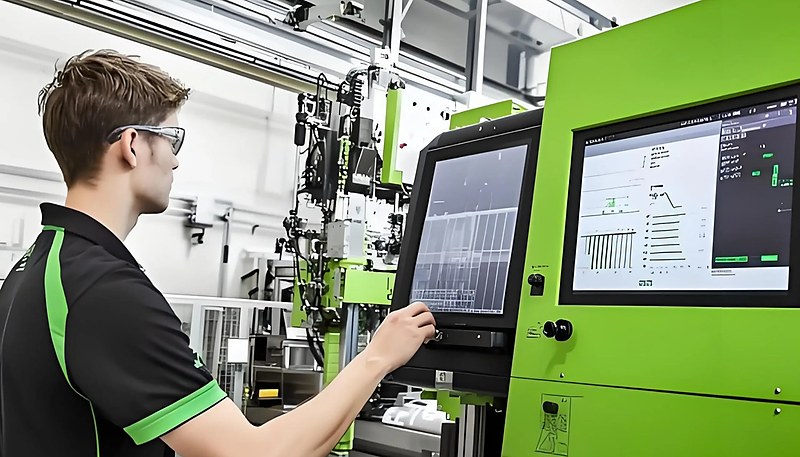
Operasyonel Kalifikasyon, sürecin amaçlanan çalışma aralığının tamamında işlediğini kanıtlar. Süreç penceresini belirlemek için parametreler bilinçli olarak sınırlarına taşınır: yüksek ve düşük eriyik sıcaklıkları, hızlı ve yavaş enjeksiyon hızları, minimum ve maksimum tutma basınçları.
OQ çıktısı, belgelenmiş bir proses penceresidir. Verilere dayanarak eriyik sıcaklığı 220°C ile 250°C, enjeksiyon hızı 50–80 mm/s ve tutma basıncı 800–1200 bar arasındayken parçanızın kabul edilebilir olacağını bilmelisiniz. Her parametrenin kanıtlanmış bir üst ve alt sınırı vardır.
OQ’yu yürütmenin en verimli yolu Deney Tasarımı yaklaşımını kullanmaktır. Her seferinde tek bir değişkeni test etmek yerine (bu yüzlerce deneme gerektirir), kesirli faktöriyel DOE kritik etkileşimleri 16–32 denemede haritalayabilir. 4–6 kritik parametreli tipik bir enjeksiyon kalıplama prosesi için bu işlem makinede 2–3 gün sürer.
OQ sırasında her şeyi belgeleyin: makine ayarları, ortam koşulları, malzeme parti numaraları, her baskının çevrim süreleri ve tüm ölçüm sonuçları. Bu veriler, kalıbın tüm üretim ömrü için temel referansınız olur. İki yıl sonra kalite sorunları ortaya çıkarsa prosesin değişip değişmediğini teşhis etmek için bu OQ verilerine ihtiyaç duyarsınız.
OQ sırasında sık yapılan bir hata, parametreleri ayrı ayrı test etmektir. Eriyik sıcaklığı viskoziteyi, bu da gereken enjeksiyon hızını ve dolayısıyla ütüleme davranışını değiştirir. Diğer tüm parametreleri sabit tutup yalnızca eriyik sıcaklığını test ederseniz etkileşimleri gözden kaçırırsınız. DOE bu nedenle önemlidir; çok değişkenli ilişkileri tek bir deney tasarımında yakalar.
Bir başka pratik öneri: OQ çalışmasını PQ için kullanmayı planladığınız aynı malzeme lotuyla yürütün. Farklı reçine lotları arasında yüzde 10 ila 15 viskozite değişimi olabilir; bu, proses penceresini OQ sonuçlarını geçersiz kılacak kadar kaydırır. Şanghay tesisimizde herhangi bir OQ çalışmasına başlamadan önce malzeme lotu tutarlılığını daima doğrularız.
Aşama 3: Proses Kalifikasyonu (PQ)
Proses Kalifikasyonu nihai kanıttır. Prosesi nominal ayarlarında art arda birden fazla seri boyunca — genellikle farklı günlerde, vardiyalarda veya operatörlerle üç ayrı üretim serisi — çalıştırır ve her parçanın spesifikasyonu karşıladığını gösterirsiniz.
PQ, proses penceresini bulmakla ilgili değildir. Bu OQ’nun görevidir. PQ, kararlılığı kanıtlamakla ilgilidir. Makineyi doğrulanmış pencerenizin merkezine ayarlayıp üç farklı günde 300 parça çalıştırır ve 300 parçanın tamamı muayeneden geçerse prosesinizin kararlı olduğuna dair istatistiksel kanıt elde etmiş olursunuz.
PQ için kullanılan istatistiksel araç, yeterlilik analizidir. Her kritik ölçü için Cpk’yi (proses yeterlilik indeksi) hesaplarsınız. 1.33 Cpk değeri, prosesinizin tolerans bandına yeterli payla sığdığı anlamına gelir. 1.0’ın altındaki bir değer, düzenli olarak spesifikasyon dışı parçalar ürettiğiniz anlamına gelir. Çoğu otomotiv OEM’i kritik ölçüler için Cpk ≥ 1.67 ister.
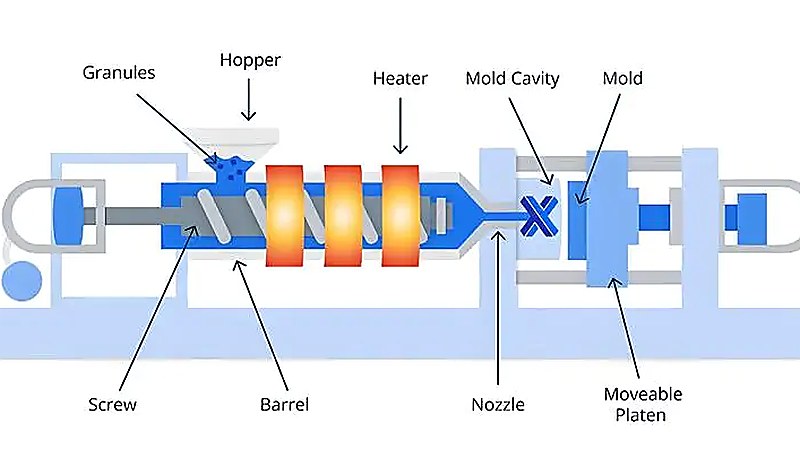
ZetarMold’da, 90T ile 1850T aralığındaki 47 enjeksiyon kalıplama makinemizde PQ yürütürüz. Standart protokolümüz, bir prosesi doğrulanmış ve üretime almaya hazır kabul etmeden önce tüm kritik ölçülerde Cpk ≥ 1.33 sağlayan art arda üç başarılı çalışma gerektirir. Her biri 10+ yıllık deneyime sahip 8 kıdemli mühendisimiz, onaydan önce her PQ paketini inceler.
"1.33 Cpk değeri, prosesin milyonda 63'ten az kusurlu parça ürettiği anlamına gelir."True
Cpk 1.33, 4-sigma proses kabiliyetine karşılık gelir; yani proses ortalaması en yakın spesifikasyon sınırından en az 4 standart sapma uzaktadır. Bu, yaklaşık 63 ppm kusur oranı demektir — kabiliyetli prosesler için yaygın kabul gören bir eşiktir.
"Proses Kalifikasyonunun her kalıp için yalnızca bir kez yapılması yeterlidir."False
Önemli değişikliklerde PQ tekrarlanmalıdır: malzeme partisi değişikliği, kalıp modifikasyonu, makine taşıma veya uzun süreli duruş sonrası. İstatistiksel proses kontrol verileri prosesin valide edilmiş durumdan saptığını gösterirse yeniden validasyon da tetiklenir.
Şanghay fabrikamızdaki 90T ile 1850T arasında 47 enjeksiyon kalıplama makinesi, çok çeşitli parça boyutları ve malzemeler için PQ yürütme esnekliği sağlar. 20+ yıllık deneyimimiz ve her doğrulama paketini denetleyen 8 kıdemli mühendisimizle sürecinizi daha hızlı ve daha yüksek güvenle doğrulayan sistematik bir yaklaşım geliştirdik.
Enjeksiyonla Kalıplanmış Parçaları Nasıl Doğrularsınız?
Doğrulama, geçerli kılmanın ölçüm tarafıdır. Geçerli kılma prosesin yeterli olduğunu kanıtlarken doğrulama, makineden çıkan gerçek parçaların şartnameleri karşıladığını kanıtlar. İkisi birlikte çalışır; doğrulama olmadan geçerli kılma yalnızca evraktır.
Dört temel doğrulama yöntemi; boyutsal kontroller, görsel muayene, malzeme özelliklerinin test edilmesi ve işlevsel testlerdir. Her biri farklı bir hata türünü ele alır; herhangi birinin atlanması kalite sisteminizde kör nokta bırakır.
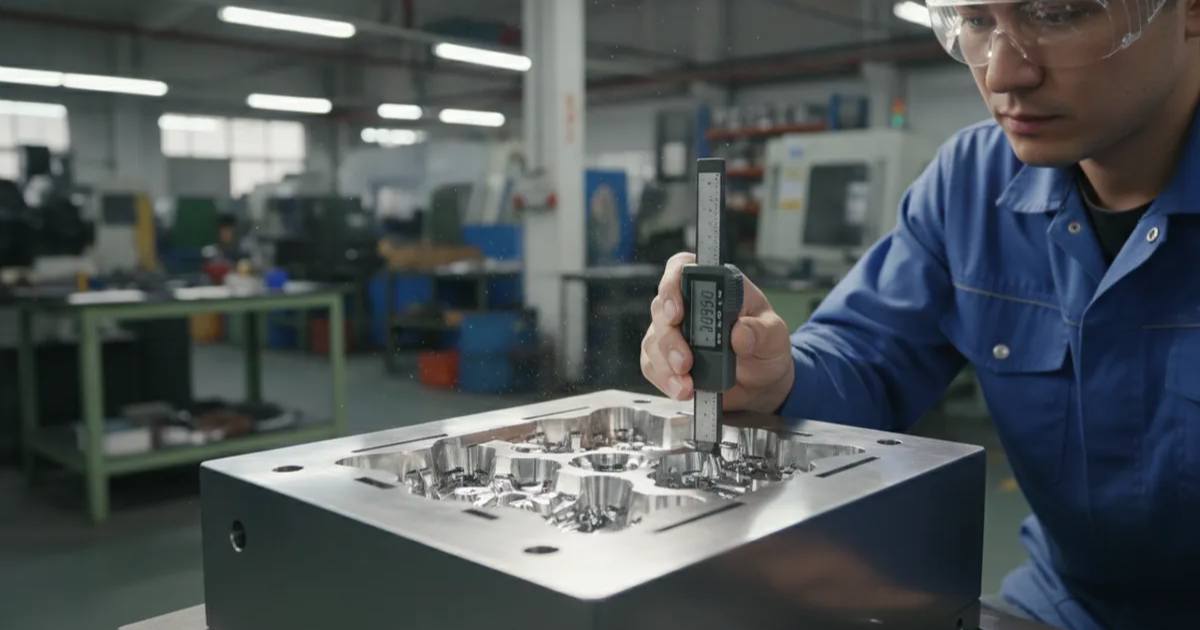
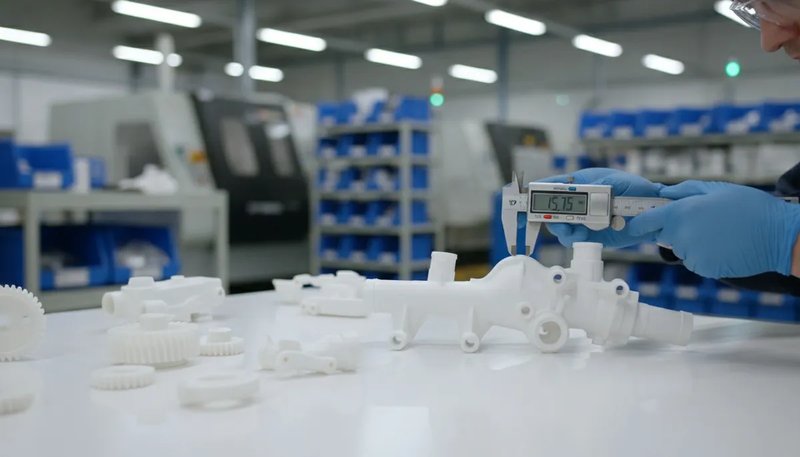
Boyutsal doğrulamada dar toleranslı özellikler için CMM (Koordinat Ölçüm Makinesi), genel ölçüler için kumpas veya optik komparatör kullanılır. Uygun bir ilk parça kontrol raporu, yalnızca ölçülmesi kolay görünenleri değil, teknik resimdeki tüm ölçüleri kapsar.
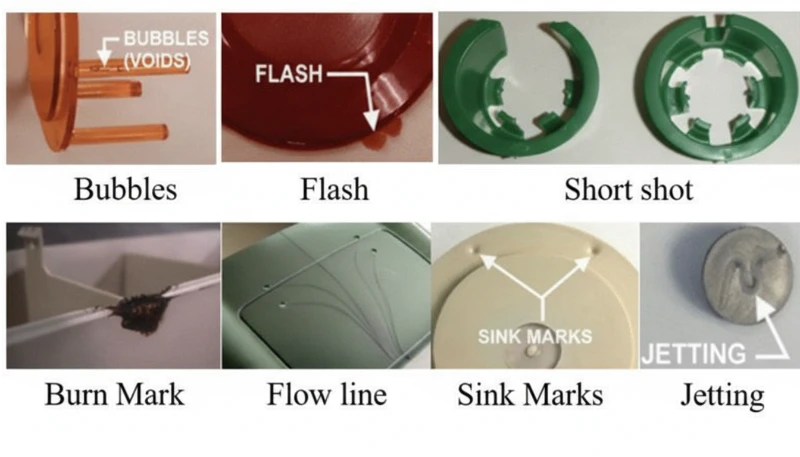
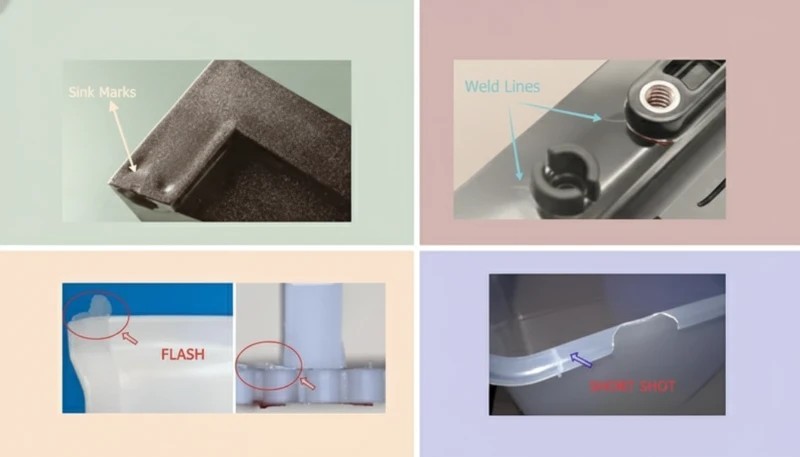
Görsel kontrol; çapak, çökme izi, gümüşlenme, renk değişimi ve kaynak çizgisi gibi kozmetik kusurları belirler. Tesisimizde her parçayı tanımlı kabul/ret ölçütlerine sahip onaylı bir görsel standarda göre kontrol eden eğitimli denetçiler kullanıyoruz. Öznel ‘iyi görünüyor’ değerlendirmeleri denetimden geçemez.
Malzeme testleri eriyik akış indeksi (MFI) doğrulamasını, çekme testini ve sertlik ölçümünü kapsar. Medikal ve otomotiv parçalarında yalnızca ilk lot için değil, her lot için malzeme sertifikası (reçine tedarikçisinden Analiz Sertifikası) gerekir.
Fonksiyonel test, parçanın amaçlanan uygulamada çalıştığını doğrular. Bu; geçmeli bağlantı kuvveti testi, akışkan taşıyan bileşenler için sızıntı testi veya konnektör muhafazaları için elektriksel süreklilik testi olabilir. Test yöntemi gerçek kullanım koşullarını tekrarlamalıdır.
ZetarMold’da altı adımlı kalite kontrol prosesimiz, gelen malzeme kontrolünden (IQC) nihai çıkış kontrolüne (OQC) kadar her aşamayı kapsar. 10+ QC uzmanı ve CMM, profil projektörleri ile sertlik test cihazlarını içeren eksiksiz ölçüm ekipmanı setimiz sayesinde doğrulama paketinizi destekleyen doğrulama verilerini sağlarız.
Kalıp Yeterliliği ile Proses Validasyonu Arasındaki Fark Nedir?
Kalıp yeterlilik değerlendirmesi ile proses validasyonu arasındaki fark, bu bölümde açıklanan işlev, kısıtlar ve ödünleşimlerle tanımlanır. Bu soru hemen her denetimde gündeme gelir. Kalıp yeterlilik değerlendirmesi takımın kendisine odaklanır: Kalıp, parçaları spesifikasyona uygun üretiyor mu? Proses validasyonu daha kapsamlıdır; tüm sistemin (makine, kalıp, malzeme, operatör ve ortam) birlikte tutarlı biçimde çalıştığını kanıtlar.
Bir kalıbı laboratuvardaki tezgâh üstü bir makinede kalifiye edebilirsiniz. Ancak proses validasyonu üretim ekipmanında, üretim ortamında, üretim operatörleri ve üretim malzemeleriyle gerçekleştirilmelidir. Birçok mühendisin validasyon zaman çizelgesini planlarken gözden kaçırdığı temel ayrım budur.
Uygulamada kalıp kalifikasyonu, proses validasyonunun bir alt kümesidir. Önce kalıbı doğrularsınız (çelik sertliği, yüzey kalitesi, boşluk ölçüleri, itici sistem), ardından çevresindeki prosesi valide edersiniz. Bir parça başarısız olursa kalıp kalifikasyonu, takımın mı düzeltilmesi yoksa prosesin mi ayarlanması gerektiğini gösterir.
| Boyut | Kalıp Yeterlilik Değerlendirmesi | Süreç Doğrulama |
|---|---|---|
| Kapsam | Yalnızca kalıp | Makine + kalıp + malzeme + ortam |
| Ne zaman | Kalıp imalatından sonra | Üretim onayından önce |
| Gerekli üretim serileri | T1 numuneleri (50–100 parça) | 3+ ardışık üretim çalışması |
| İstatistiksel gereklilik | Boyutsal rapor | Kritik boyutlarda Cpk ≥ 1.33 |
| Yeniden tetikleme | Kalıp modifikasyonu veya yeniden işleme | Malzeme değişikliği, makine değişikliği veya proses sapması |
| Mülkiyet | Takım atölyesi / kalıp üreticisi | Üretim kalite ekibi |
Hangi Parametreleri Doğrulamalısınız?
Bu bölüm, hangi parametreleri doğrulamanız gerektiği ve bunların maliyet, kalite, zamanlama veya tedarik riski üzerindeki etkileriyle ilgilidir. Her parametrenin doğrulanması gerekmez. Doğrudan parça kalitesini etkileyenlere odaklanın. Aşırı validasyon makine zamanını boşa harcar; yetersiz validasyon risk yaratır. Önemli olan, belirli parça geometriniz ve malzemeniz için hangi parametrelerin kritik olduğunu bilmektir.
Çoğu enjeksiyon kalıplama prosesi için kritik parametreler şunlardır: eriyik sıcaklığı, enjeksiyon hızı, ütüleme basıncı, ütüleme süresi, soğutma süresi ve kalıp sıcaklığı. Bu altı parametre, çoğu uygulamada parça kalitesi sonuçlarının 90%‘ini kontrol eder.
ZetarMold’da kullandığımız pratik yaklaşım şudur: bu altı parametreyi ikişer seviyede içeren bir tarama DOE’si yürütün. DOE sonuçları, hangi parametrelerin parçanız için istatistiksel olarak anlamlı olduğunu gösterir. Genellikle kaliteyi 2–3 parametre belirler. Bunları titizlikle doğrulayın. Diğerleri için standart çalışma aralıkları belirleyin.
Sıkı toleranslı hassas parçalarda (±0.05 mm veya daha sıkı) baskı basıncı ve eriyik sıcaklığı neredeyse her zaman baskın etkenlerdir. İnce cidarlı parçalarda enjeksiyon hızı ve kalıp sıcaklığı öne çıkar. Kalın kesitli yapısal parçalarda soğutma süresi ve tutma basıncı kritiktir.
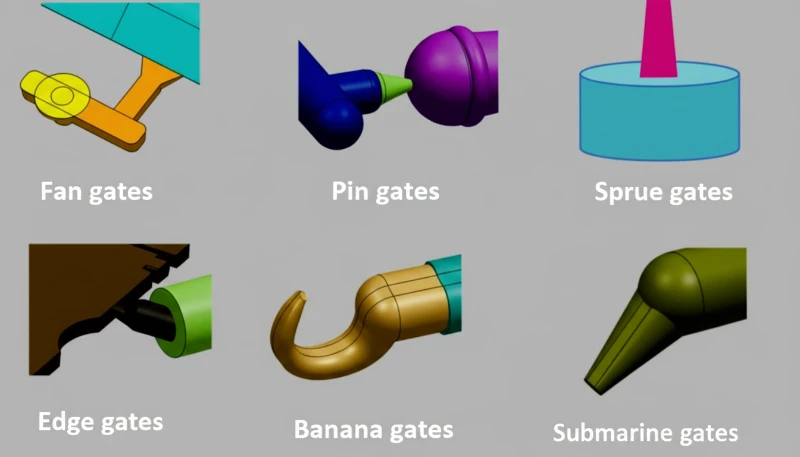
İkincil parametreleri unutmayın. Kovan sıcaklık profili (yalnızca ayar noktası değil, gerçek ön/orta/arka bölge sıcaklıkları), geri basınç, vida hızı ve dekompresyon mesafesi tutarlılığı etkiler. İstatistiksel olarak test etmeseniz bile doğrulama sırasında bunları belgeleyin.
Yardımcı sistemlerinizi de doğrulayın. Kurutucu performansı (çiy noktası ve bekleme süresi), malzeme viskozitesini etkileyerek sonraki tüm parametreleri değiştirir. Kalıp sıcaklık kontrol cihazları kararlı çıkış vermelidir — ±5°C dalgalanan bir termolatör, hiçbir makine parametresi ayarının telafi edemeyeceği ölçüsel değişkenlik yaratır.
Proses Doğrulaması Ne Kadar Sürer?
Bu bölüm, proses validasyonunun ne kadar sürdüğünü ve maliyet, kalite, zamanlama veya tedarik riski üzerindeki etkisini ele alır. Orta karmaşıklıktaki tipik tek gözlü bir kalıp için tam IQ/OQ/PQ çevrimi 5–10 iş günü sürer. IQ genellikle 1 gün sürer (ekipman doğrulama ve belgelendirme). OQ, parametre ve DOE çalışması sayısına bağlı olarak 2–4 gün sürer. PQ ise art arda üç üretim serisinin yanı sıra ölçüm ve veri analizi için 2–3 gün sürer.
Çok gözlü kalıplar daha uzun sürer; çünkü her gözü ayrı ayrı doğrulamanız ve gözler arası tutarlılığı göstermeniz gerekir. 8 gözlü bir kalıbın tam doğrulaması 15–20 gün sürebilir. Darboğaz ölçüm süresidir — birden fazla gözde ve birden fazla üretim çalışmasında tüm kritik ölçülerin CMM ile kontrolü hızla ciddi zaman alır.
ZetarMold’daki 20+ yıllık faaliyet deneyimimize dayanan pratik kural şudur: doğrulama için toplam kalıp üretim takviminin 10–15%‘ini planlayın. Kalıbınızın üretimi 8 hafta sürüyorsa doğrulamanın 4–6 gün sürmesini bekleyin. Aceleniz varsa süreyi kısaltabilirsiniz, ancak istatistiksel güvenden ödün verirsiniz.
En büyük süre riski ölçümdür. CMM laboratuvarınızda iş yükü birikmişse PQ verilerinin işlenmesi 2–3 gün daha sürebilir. Özellikle aynı anda birden fazla parçayı doğruluyorsanız ölçüm kapasitesini önceden planlayın. 120+ kişilik üretim ekibimiz ve özel QC personelimiz, doğrulama paketlerini verimli biçimde tamamlamamıza yardımcı olur.
Hangi Belgelere İhtiyacınız Var?
Doğrulama paketi nihai teslimattır. Doğru dokümantasyon yoksa doğrulama gerçekleşmemiştir — en azından denetçinin gözünde. Eksiksiz bir paketin içeriği aşağıdadır.
Validasyon kapsamında enjeksiyon kalıbı tasarımı ana planı; kapsamı, sorumlulukları, kabul kriterlerini ve takvimi ana hatlarıyla belirler. Bunu validasyonun proje planı olarak düşünün. Herhangi bir validasyon çalışması başlamadan önce onaylanmalıdır.
IQ protokolü ve raporu; doğrulanan her kurulum kalemini geçti/kaldı sonuçları, imzalar ve tarihlerle belgeler. OQ protokolü ve raporu; DOE tasarımını, test edilen parametre aralıklarını ve destekleyici verilerle elde edilen proses pencerelerini içerir. PQ protokolü ve raporu ise tüm kritik ölçüler için yeterlilik analizi (Cpk hesaplamaları) ile ardışık üretim sonuçlarını gösterir.
Destekleyici belgeler şunları içerir: ilk parça muayene raporları, malzeme analiz sertifikaları, ekipman kalibrasyon kayıtları, operatör eğitim kayıtları ve kök neden analizli tüm sapma raporları. Orta karmaşıklıktaki bir parça için düzenli bir validasyon paketi 40–80 sayfa tutar.
Doğrulama kayıtlarınızı erişilebilir tutun. Denetimler sırasında belirli üretim verilerini, ölçüm sonuçlarını ve onay formlarını hızla bulmanız gerekir. İyi indekslenmiş bir dijital arşiv, denetim hazırlığında saatler kazandırır. Şanghay tesisimizdeki her üretim kalıbının doğrulama kayıtlarını parça numarası ve revizyon düzeyine göre düzenleyerek eksiksiz tutuyoruz.
Ne Zaman Yeniden Doğrulama Yapılmalıdır?
Bu bölüm yeniden doğrulama ve bunun maliyet, kalite, zamanlama veya tedarik riski üzerindeki etkisiyle ilgilidir. Doğrulama kalıcı değildir. Proseste, ekipmanda, malzemede veya ortamda yapılan değişiklikler önceki sonuçlarınızı geçersiz kılabilir. Önemli olan, ne zaman tam yeniden doğrulama gerektiğini ve ne zaman basit bir doğrulamanın yeterli olduğunu bilmektir.
Tam yeniden doğrulama (IQ + OQ + PQ) şu durumlarda gereklidir: kalıbın farklı bir makineye taşınması, kalıpta büyük bir değişiklik yapılması (göz ekleme, giriş konumunu değiştirme, maça insertlerini değiştirme) veya malzeme sınıfının değişmesi. Proses parametrelerini doğrulanmış aralık içinde ayarlamak gibi küçük değişikliklerde kısmi yeniden doğrulama (OQ + PQ) yeterli olabilir.
Yıllık yeniden doğrulama incelemeleri, düzenlemeye tabi sektörlerde standart uygulamadır. Hiçbir şey değişmemiş olsa bile geçen yılın SPC verilerini inceler, Cpk değerlerinin hâlâ eşiğin üzerinde olduğunu doğrular ve incelemeyi belgelersiniz. Buna bazen ‘sürekli proses doğrulaması’ denir ve FDA kılavuzu kapsamında zorunludur.
Shanghai tesisimizde, 8 kıdemli mühendisimiz geçerlilik durumunu her ay inceler. Kritik boyutlarda Cpk düşüşünü 1.33 altında gösteren herhangi bir proses, otomatik bir araştırma ve potansiyel yeniden geçerlilik tetikler. Bu proaktif yaklaşım, kalite kaçışlarının müşteriye ulaşmasını önler.
Sıkça Sorulan Sorular
Enjeksiyon kalıplama proses validasyonu nedir?
Enjeksiyon kalıplama proses geçerliliği, kalıplama prosesinin boyut, malzeme, görünüm ve fonksiyonel kriterler dahil tüm spesifikasyonları karşılayan parçaları tutarlı olarak ürettiğini kanıtlayan belgelenmiş, kanıt bazlı bir prosedürdür. Kurulum Geçerliliği (IQ), Operasyonel Geçerlilik (OQ) ve Proses Geçerliliği (PQ) olarak tanımlanan üç aşamayı takip eder. Amaç, prosesin her çalıştığında, operatör varyasyonu, vardiya değişiklikleri veya malzeme lot farklılıklarından bağımsız olarak, belirlenmiş parametre limitleri içinde çalıştığına dair belgelenmiş, istatistiksel güveni oluşturmaktır. FDA ve IATF dahil regülasyon kurumları, kritik endüstriler için geçerlilik gerektirir.
Tüm enjeksiyon kalıplama parçalar için proses geçerliliği gereklidir?
Process validation FDA 21 CFR Part 820 altında medical device’ler için, IATF 16949 altında automotive component’ler için ve AS9100 altında aerospace parçalar için legally mandatory’dir. Consumer product ve general industrial application’lar için legally required değildir, ancak quality professional’lar tarafından strongly recommended’dir. Nedeni basit: tipik bir validation protocol’un maliyeti (single-cavity kalıp için $5,000-$10,000) tek bir quality escape, product recall veya rejected shipment’in maliyetinden çok daha azdır. Non-regulated üreticiler bile documented parameter window’larla prosesleri doğru validasyon yapıldığında warranty claim’lerin azalması, scrap rate’lerin düşmesi ve customer confidence’un artmasından fayda sağlar.
IQ, OQ ve PQ arasındaki fark nedir?
IQ (Installation Qualification) tüm ekipmanın doğru kurulduğunu, bağlantıların, kalibrasyon kayıtlarının ve software versiyonlarının kontrolünü yapar. Soruyu cevaplar: makine doğru kurulmuş mu? OQ (Operational Qualification) prosesin tasarlanan operasyonel aralıkta çalıştığını, parametre limitlerini DOE metodolojisi ile test ederek gösterir. Soruyu cevaplar: proses ekstrem koşullarda çalışıyor mu? PQ (Process Qualification) Cpk hesaplamaları ile istatistiksel kapasite analizi yaparak tutarlı üretim kalitesini birden fazla ardışık run üzerinde kanıtlar. Soruyu cevaplar: bu prosesin her seferinde doğru üretim yapacağına güvenebilir miyiz? Her aşama bir öncekinin üzerine kurulur ve sırayla tamamlanmalıdır.
Proses geçerliliği için ne kadar parça gereklidir?
Tüm sektörler için tek bir sabit sayı yoktur, ancak yerleşmiş uygulama üç ayrı üretim run’ı gerektirir (genellikle farklı shiftler, günler veya operatörlerde), her run için istatistiksel olarak önemli sample sayısı ile. Process Qualification için tipik sample sayıları dimensional analizde run başı 30-50 parça olur, Cpk hesaplaması için her kritik dimension için 90-150 total data point elde edilir. Multi-cavity kalıplar her run’da her cavity’den representative sample gerektirir (cavity-to-cavity consistency gösterilir). Medical device üreticileri parçanın risk classification’ına ve validation protocol’de belirtilen istatistiksel confidence level’a bağlı olarak daha büyük sample sayısı gerektirebilir.
Geçerlilikli prosesler için hangi Cpk değeri kabul edilebilir?
Cpk’nın 1.33’e eşit veya daha fazla olması, çoğu imalat bağlamında yetenekli bir proses için minimum kabul edilen eşik değeridir. Bu değer yaklaşık 63 hata/milyon fırsata karşılık gelir, bu da proses ortalamasının en yakın spesifikasyon limitinden en az dört standart sapma uzakta olduğu anlamına gelir. Otomotiv OEM’leri, kritik güvenlik boyutları için Cpk’nın 1.67’e eşit veya daha fazla olmasını sık sık gerektirir, bu da yaklaşık 0.6 hata/milyon’a karşılık gelir. Tıbbi cihaz firmaları tipik olarak Cpk’nın 1.33’e eşit veya daha fazla olmasını hedefler ancak hasta-kritik özellikler için daha yüksek değerler talep edebilir. Cpk’nın 1.0 altında olması, prosesin spesifikasyon dışı parçaları tutarlı olarak ürettiğini ve üretim devam etmeden anında düzeltici eylem ve potansiyel yeniden geçerlilik gerektirdiğini gösterir.
Enjeksiyon kalıplama proses geçerliliği ne kadar sık tekrarlanmalıdır?
Kalıp farklı bir makineye taşınması, kalıpta büyük değişiklikler (örneğin boşluklar eklenmesi veya giriş yerlerinin değiştirilmesi), malzeme derecelerinin değiştirilmesi veya farklı bir tesise taşınma dahil olmak üzere, proses önemli ölçüde değiştiğinde IQ, OQ ve PQ’nun tamamını kapsayan tam yeniden geçerlilik gereklidir. Tıbbi cihazlar ve otomotiv dahil olmak üzere regülasyonlu endüstriler için, hiçbir değişiklik olmadığında bile yıllık devam eden proses geçerlilik incelemeleri gereklidir. Bu incelemelerde kalite ekipleri, son on iki ayın SPC verilerini inceler ve tüm kritik boyutlarda Cpk değerlerinin eşik değerinin üzerinde kalmasını doğrular. SPC izleme herhangi bir kritik boyutta herhangi bir noktada Cpk düşüşünü 1.33 altında algılarsa, yeniden geçerlilik planlanan yıllık inceleme beklenmeden anında tetiklenmelidir.
DOE’nin enjeksiyon kalıplama validasyonundaki rolü nedir?
Design of Experiments (DOE) Operational Qualification aşamasında kritik bir rol oynar; proses parametreleri ve parça kalite sonuçları arasındaki ilişkiyi etkin şekilde haritalar. Bir faktörü tek tek test etmek yerine (bu yüzlerce deney gerektirir), DOE birden fazla faktörü yapılandırılmış istatistiksel plana göre aynı anda değiştirir. Bu yaklaşım tek faktör testlerinde görülmeyen parametre etkileşimlerini ortaya çıkarır. Tipik bir fractional factorial DOE (4-6 proses parametresi ile) sadece 16-32 run ile hangi faktörlerin istatistiksel olarak önemli olduğunu belirler ve her kritik değişken için belgelenmiş üst ve alt limitlerle kanıtlanmış parametre aralıklarını kurar.
Process validation prototype kalıp üzerinde yapılabilir mi?
Process validation teknik olarak prototype kalıp üzerinde yapılabilir, ancak validation sonuçları sadece test edilen exact koşullar altında o spesifik kalıp, makine ve material kombinasyonu için geçerlidir. Prototype soft tool üzerinde validation yapıp ardından production hard tool’a geçerseniz, tüm validation tekrarlanmalıdır; production kalıp farklı cooling channel layout, gate design, cavity count, surface finish ve steel type’lara sahip olacaktır. Bu farklılıklar proses davranışını fundamental şekilde etkiler, original validation data’nın new tool’a transfer edilemez. Bu nedenle, most quality engineer’ler duplicate effort ve cost’tan kaçınmak için direkt production kalıp üzerinde validation yapmayı recommend eder.
Süreç validasyonu: Süreç validasyonu; belirlenmiş parametreler içinde yürütülen bir üretim sürecinin önceden belirlenmiş spesifikasyonları ve kalite özelliklerini karşılayan bir ürünü tutarlı biçimde ürettiğine dair belgeli kanıt oluşturmak amacıyla tasarım ve üretim aşamaları boyunca verilerin sistematik şekilde toplanıp değerlendirilmesidir. ↩
Süreç Kalifikasyonu: Süreç Kalifikasyonu (PQ), gerçek üretim çalışmaları sırasında üretim sürecinin önceden belirlenmiş spesifikasyonları karşılayan ürünü tutarlı biçimde ürettiğini gösteren süreç validasyonunun son aşamasıdır. ↩
Enjeksiyon kalıplama: Enjeksiyon kalıplama; plastiği eriten, bir kalıp boşluğuna enjekte eden, parçayı soğutan ve istikrarlı seri üretim için döngüyü tekrarlayan üretim sürecidir. ↩