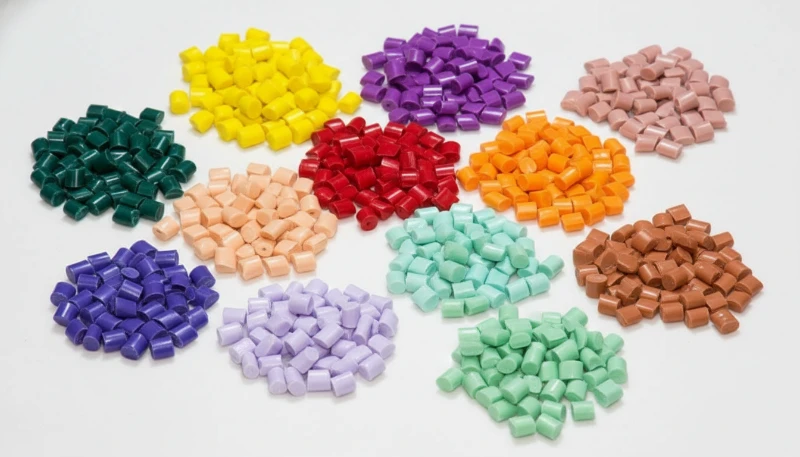
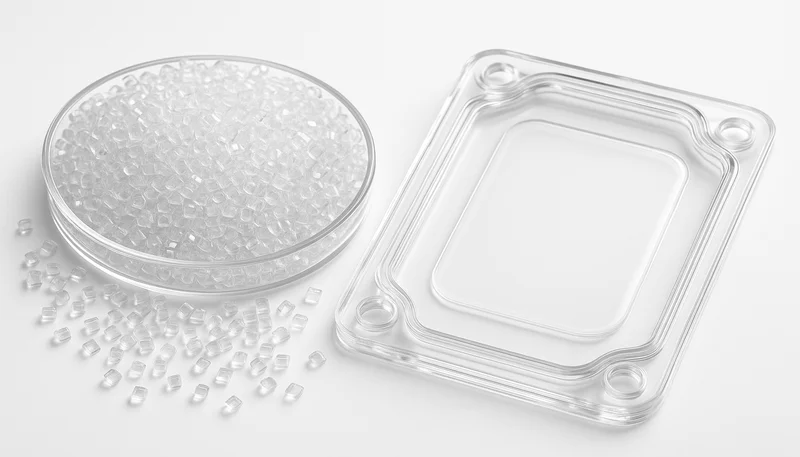
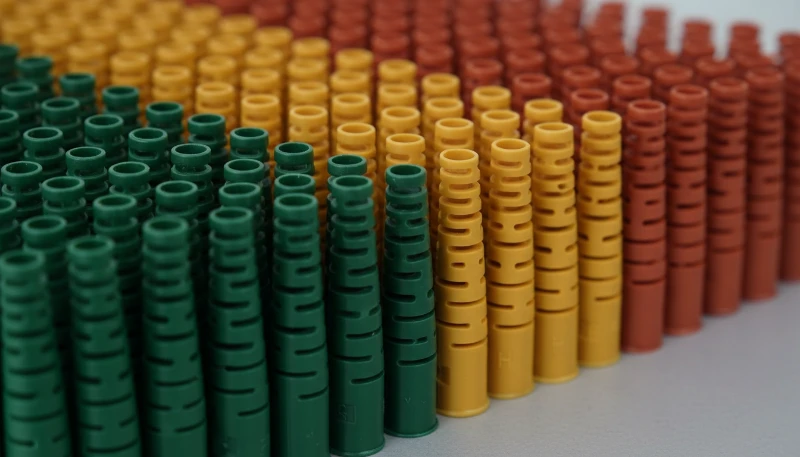
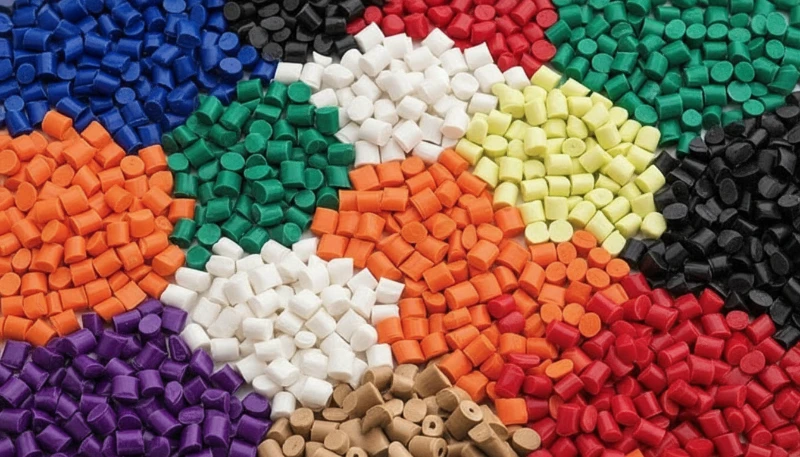
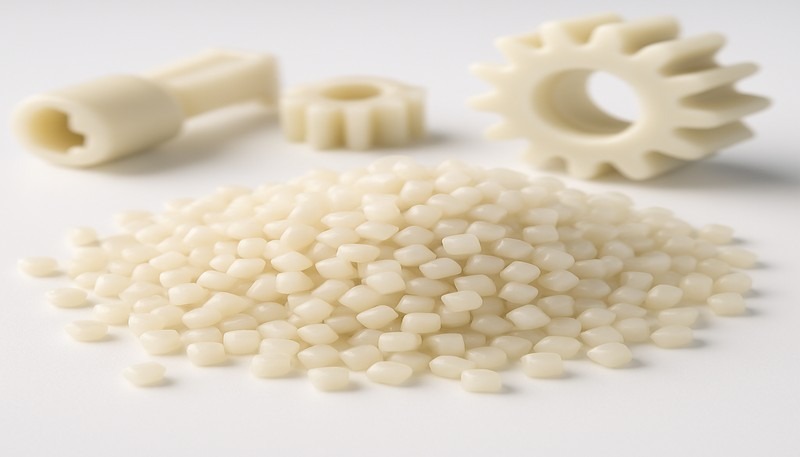
Rubberspuitgieten is een productieproces waarbij ruw rubber of elastomeermateriaal wordt verwarmd, onder druk in een gesloten matrijsholte wordt geïnjecteerd en tot een eindproduct wordt uitgehard. Anders dan bij kunststofspuitgieten, waarbij het materiaal door afkoeling stolt, berust rubberspuitgieten op vulkanisatie1: een door warmte aangedreven chemische vernettingsreactie die de vorm en mechanische eigenschappen permanent vastlegt. Het resultaat is een nauwkeurig, reproduceerbaar elastomeeronderdeel voor de auto-industrie, medische sector, elektronica en industriële toepassingen.
Voor technici die vormmethoden vergelijken, ligt rubberspuitgieten tussen spuitgietbewerking van thermoplasten en rubberpersen in. Het biedt een hogere maatnauwkeurigheid dan persen, kortere cyclustijden dan transfervormen en kan complexe geometrieën verwerken die met beide alternatieven moeilijk haalbaar zijn.
Deze vroege context is belangrijk omdat rubberonderdelen meestal worden gespecificeerd voor afdichting, trillingsbeheersing, grip, isolatie of herhaald buigen en niet voor een stijve maatstructuur. Vóór proceskeuze moeten inkopers rubberfamilie, uitharding, tolerantie, jaarvolume en risico op bramen, onvoldoende uitharding of ingesloten lucht bevestigen.
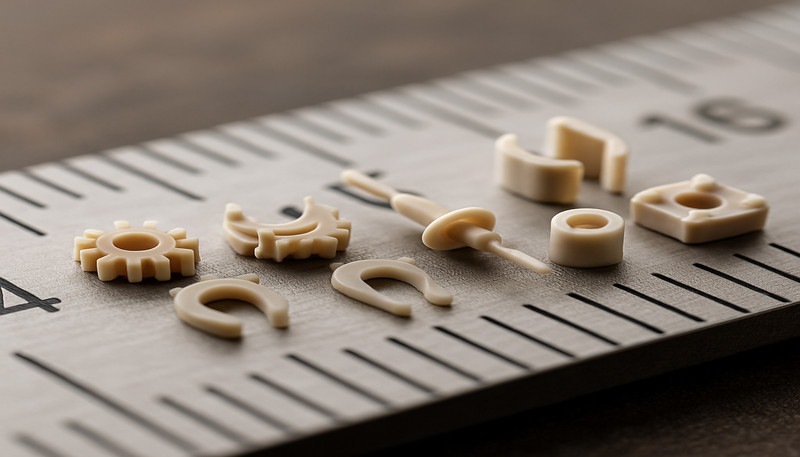
- Bij rubberinjectie wordt elastomeermateriaal onder invloed van warmte en druk in een matrijs geïnjecteerd en vervolgens door vulkanisatie uitgehard
- Veelgebruikte materialen zijn NR, SBR, EPDM, siliconenrubber en FKM — elk geschikt voor andere bedrijfsomstandigheden
- Procesparameters (temperatuur, druk, uithardingstijd) bepalen rechtstreeks de onderdeelkwaliteit, defectpercentages en cyclusefficiëntie
- Het produceert nauwkeurigere onderdelen dan pers- of transfergieten, met een betere reproduceerbaarheid voor complexe geometrieën
- In onze fabriek in Shanghai gebruiken we 47 spuitgietmachines van 90T tot 1850T, die een breed scala aan rubber- en elastomeertoepassingen ondersteunen
Hoe werkt het rubberinjectiegietproces?
In onze fabriek in Shanghai werken we volgens de systemen ISO 9001, ISO 13485, ISO 14001 en ISO 45001 en beschikken we over een eigen matrijzenmakerij. Dankzij deze geïntegreerde opzet kunnen we de kwaliteit en de snelheid van gereedschapsiteraties nauwgezet beheersen, wat cruciaal is bij de ontwikkeling van nieuwe rubbercompounds met unieke vulkanisatie-eigenschappen.
Rubberspuitgieten is een productieproces waarbij ruw rubber wordt verwarmd, geïnjecteerd en tot precisieonderdelen wordt uitgehard. Anders dan bij thermoplastisch vormen, waarbij het materiaal alleen afkoelt, vereist rubber een chemische uitharding (vulkanisatie) van het ruwe elastomeer2 in de matrijs. Hieronder volgt stap voor stap wat er werkelijk op de productievloer gebeurt.
Stap 1: Materiaalvoorbereiding. Het ruwe rubbermengsel, doorgaans voorgemengd met uitharders, vulstoffen en additieven, wordt als strip of korrel aan de machine toegevoerd. Het materiaal moet de juiste temperatuur en consistentie hebben voordat het de cilinder binnengaat. In deze fase heeft nog geen vernetting plaatsgevonden.
Stap 2: Verwarmen en plastificeren. In de injectie-eenheid duwt een draaiende schroef het rubber door een verwarmde cilinder naar voren. De combinatie van wrijvingswarmte van de schroef en externe cilinderverwarming brengt het materiaal in een plastische toestand, doorgaans 80–120°C afhankelijk van het mengsel. Het rubber kan nu vloeien, maar hardt nog niet uit.
"Vulkanisatie geeft rubberen spuitgietonderdelen hun permanente vorm en elastische eigenschappen."True
Zonder de vernettingsreactie tijdens vulkanisatie zou het rubber thermoplastisch blijven en bij hernieuwde verhitting vervormen, waardoor alle maatvastheid en mechanische prestaties verloren gaan.
"Rubberspuitgieten en kunststofspuitgieten gebruiken hetzelfde stollingsmechanisme."False
Dat doen ze niet. Bij kunststofspuitgieten stollen onderdelen door afkoeling, terwijl bij rubberspuitgieten onderdelen uitharden door een warmtegedreven chemische reactie die vulkanisatie wordt genoemd en die de polymeerketens permanent vernet.
Stap 3: Injectie. Zodra zich vóór de schroef voldoende materiaal heeft verzameld voor het shotvolume, beweegt de schroef als een plunjer naar voren en injecteert het rubber via de spuitmond en het aanspuitsysteem in de gesloten matrijsholte. De injectiedruk ligt doorgaans tussen 500 en 2.000 bar, afhankelijk van de materiaalviscositeit en productgeometrie.
Stap 4: Uitharden (vulkanisatie). Dit is het cruciale verschil met kunststofspuitgieten. De matrijs, verwarmd tot 150–200°C, houdt het rubber onder druk terwijl de uitharders op moleculair niveau vernetting veroorzaken. De uithardingstijd varieert van 30 seconden voor dunne siliconenonderdelen tot enkele minuten voor dikke, hoogwaardige rubbercomponenten. De juiste timing maakt het verschil tussen een goed onderdeel en uitval.
Stap 5: Ontvormen. Na voltooiing van de uithardingscyclus opent de matrijs en wordt het eindproduct uitgeworpen. Braam, overtollig rubber bij de matrijsdeellijn, moet mogelijk worden afgesneden. Daarna wordt de matrijs gereinigd, worden eventuele inzetstukken voor de volgende cyclus geplaatst en herhaalt het proces zich.
Welke rubbermaterialen worden bij spuitgieten gebruikt?
De materiaalkeuze is de belangrijkste beslissing in elk project voor rubber spuitgieten. Het juiste elastomeer bepaalt of het onderdeel bestand is tegen zijn gebruiksomgeving — extreme temperaturen, blootstelling aan chemicaliën, mechanische belasting of wettelijke eisen. Dit zijn de vijf meest gebruikte rubbers voor spuitgieten en de toepassingen waarin elk werkelijk uitblinkt.
| Materiaal | Essentiële eigenschappen | Typische toepassingen | Temperatuurbereik |
|---|---|---|---|
| Natuurrubber (NR) | Uitstekende elasticiteit, hoge treksterkte, goede slijtvastheid | Banden, motorsteunen, trillingsdempers, afdichtingen | -50°C tot 80°C |
| Styreen-butadieenrubber (SBR) | Lage kosten, goede slijtvastheid, matige chemische bestendigheid | Bandenprofielen, schoenzolen, pakkingen, industriële slangen | -40°C tot 100°C |
| EPDM | Uitstekende weerstand tegen weersinvloeden, ozon en UV; goede elektrische isolatie | Autoafdichtingen, dakmembranen, HVAC-componenten | -50°C tot 150°C |
| Siliconenrubber (VMQ) | Breed temperatuurbereik, biocompatibel, uitstekende elektrische eigenschappen | Medische apparaten, onderdelen voor voedselcontact, elektronische afdichtingen | -60°C tot 230°C |
| Fluorelastomeer (FKM) | Uitzonderlijke chemische, olie- en hittebestendigheid | Aerospace afdichtingen, brandstof systeem componenten, chemische verwerking | -20°C tot 250°C |
Natuurrubber blijft de eerste keus voor dynamische toepassingen — onderdelen die herhaaldelijk buigen — omdat niets anders zijn combinatie van treksterkte en vermoeiingsweerstand evenaart. EPDM domineert bij buitentoepassingen en automobielafdichtingen omdat het niet degradeert onder UV- of ozonblootstelling zoals NR dat wel doet. Siliconenrubber is de enige praktische keuze voor medische en voedselcontacttoepassingen waar biocompatibiliteit en extreme temperatuurprestaties niet onderhandelbaar zijn. FKM (Viton) is duur, maar wanneer uw onderdeel in vliegtuigbrandstof op 200°C zit, is er geen goedkoper alternatief dat overleeft.
Een praktische overweging die technici vaak missen: niet al deze materialen gedragen zich hetzelfde in de spuitgietmachine. Vloeibaar siliconenrubber (LSR)3 is bijvoorbeeld een tweecomponentensysteem dat een speciale mengkop en een koudkanaalsysteem vereist, met totaal andere matrijstechniek dan een standaard injectiematrijs voor NR of EPDM. Of u nu een prototypematrijs valideert of opschaalt naar productie, de matrijskwaliteit bepaalt rechtstreeks de nauwkeurigheid van de eindproducten. De materiaalkeuze bepaalt de investering in apparatuur, niet andersom.
Welke apparatuur is vereist voor rubberinjectiegieten?
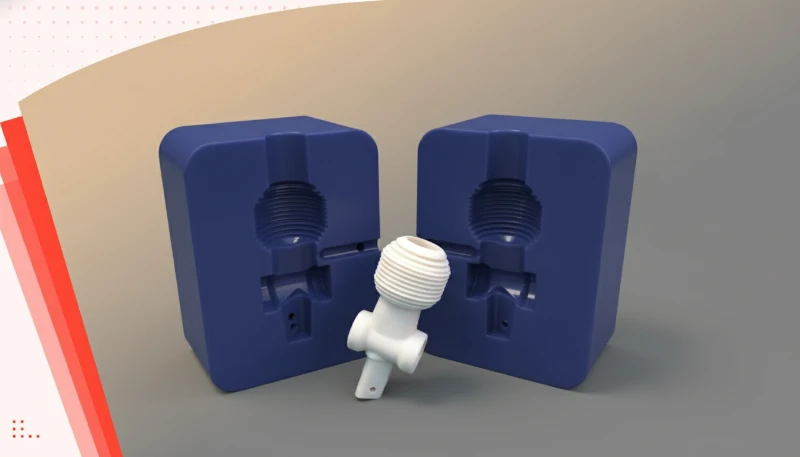
Een rubber spuitgiet systeem is gebouwd rond twee kerncomponenten: de spuitmachine en de mal. De machine behandelt materiaalbereiding, inspuiting en klemkracht. De mal definieert de geometrie van het onderdeel, controleert uitloop en beheert warmteoverdracht tijdens curering. Beide moeten worden aangepast aan het materiaal en de complexiteit van het onderdeel.
Soorten spuitgietmachines
In onze fabriek in Shanghai, houdt ons team een interne mal productie faciliteit met CNC machine mogelijkheden, die 100+ mal sets per maand ondersteunt. Het hebben van gereedschap onder hetzelfde dak als productie betekent dat we mal designs binnen dagen kunnen itereren in plaats van weken — een praktisch voordeel wanneer je een nieuwe rubber compound instelt die anders gedraagt dan verwacht.
Horizontale machines zijn de werkpaarden van de rubberspuitgietproductie. Ze bieden hogere sluitkrachten, kortere cyclustijden en eenvoudigere integratie met geautomatiseerde materiaaltoevoer. De meeste rubberonderdelen in grote series, zoals afdichtingen, pakkingen en connectoren, worden op horizontale machines geproduceerd.
LSR-machines zijn speciaal ontwikkeld voor vloeibare siliconenrubber. Ze gebruiken een systeem met twee cilinders om de twee LSR-componenten gescheiden te houden totdat ze vlak voor het inspuiten samenkomen in een statische menger. De matrijs wordt verwarmd, niet de cilinder — precies het omgekeerde van conventioneel rubberspuitgieten.
Overwegingen bij matrijsontwerp
Rubber spuitgiet mallen verschillen van plastic mallen in enkele belangrijke manieren. Eerst, de mal moet worden verwarmd (niet gekoeld) om vulcanisatie te initiëren. Tweede, rubber vloeit met veel hogere viscositeit dan thermoplastische melt, dus gate design en runner layout zijn kritisch om short shots of excessieve uitloop te voorkomen. Derde, de mal moet thermische expansie verschillen tussen de mal staal en de rubber compound accommoderen.
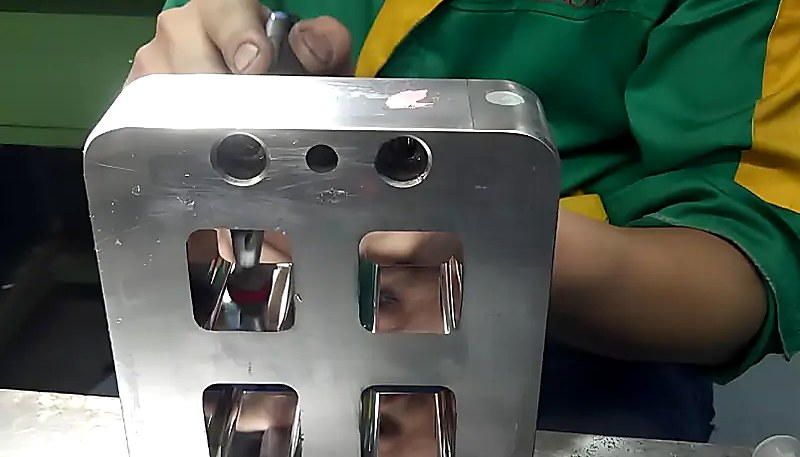
In onze fabriek in Shanghai hebben we een interne matrijzenproductiefaciliteit met CNC-bewerkingsmogelijkheden, die meer dan 100 matrijzen per maand ondersteunt. Het hebben van gereedschapsbouw onder hetzelfde dak als de productie betekent dat we matrijsontwerpen binnen dagen in plaats van weken kunnen herhalen — een praktisch voordeel wanneer u een nieuwe rubbercompound aanpast die zich anders gedraagt dan verwacht.
Welke procesparameters bepalen de kwaliteit van rubber spuitgieten?
De vier kritieke parameters bij rubber spuitgieten zijn temperatuur, druk, inspuitsnelheid en uithardingstijd. Deze zijn niet onafhankelijk — het veranderen van één parameter beïnvloedt de anderen, en het vinden van de juiste combinatie is een iteratief proces dat afhangt van de specifieke rubbercompound, de onderdeelgeometrie en het matrijsontwerp.
| Parameterwaarde | Gebruikelijk bereik | Effect op onderdeelkwaliteit |
|---|---|---|
| Temperatuur van de vaten | 80–120°C | Te laag: materiaal vloeit niet uniform. Te hoog: vroegtijdige curering (verbranding) in de cilinder |
| Schimmel Temperatuur | 150–200°C | Drijft vulkanisatiesnelheid aan. Hogere temperaturen verkorten de uithardingstijd maar verhogen het risico op flash en ingesloten lucht |
| Injectiedruk | 500–2,000 bar | Moet de viscositeit van het materiaal en de weerstand van de runner overwinnen. Onvoldoende druk veroorzaakt onvolledige injecties |
| Uithardingstijd | 30 sec – 10 min | Ondercurering: slechte mechanische eigenschappen. Overcurering: degradatie, brosheid, dimensionele verschuiving |
| Injectiesnelheid | 10–200 mm/s | Snel vullen vermindert viscositeitsgerelateerde defecten maar kan lucht insluiten. Langzaam vullen verbetert de oppervlakteafwerking |
Het meest voorkomende kwaliteitsprobleem in rubber spuitgieten is niet ondercurering — het is overcurering. Ingenieurs hebben de neiging een veiligheidsmarge toe te voegen aan de cureringstijd, maar overmatige curering degradeert mechanische eigenschappen en verhoogt de cycluskosten. In de praktijk bepaalden we de optimale cureringstijd door achtereenvolgende shots te draaien bij afnemende tijden tot we de eerste tekenen van ondervulling of lage hardheid zien, en dan een marge van 10–15% toe te voegen.
Hoe verhoudt rubberspuitgieten zich tot andere methoden?
Rubberspuitgieten is niet de enige manier om elastomeeronderdelen te maken. Persgieten, overdrachtgieten en vloeibaar siliconenrubber (LSR)-spuitgieten hebben elk specifieke afwegingen in matrijskosten, cyclustijd, onderdeelnauwkeurigheid en materiaalgeschiktheid.
| Methode | Kosten gereedschap | Cyclustijd | Onderdeelprecisie | Beste voor |
|---|---|---|---|---|
| Spuitgieten | Hoog | Snel (30s–3min) | Hoog (±0,05–0,1 mm) | Complexe geometrieën, hoog volume, strakke toleranties |
| Samenpersen | Laag–gemiddeld | Langzaam (3–10 min) | Gemiddeld (±0.2–0.5mm) | Eenvoudige vormen, grote onderdelen, lage volumes, prototyping |
| Transfergieten | Gemiddeld | Gemiddeld (1–5 minuten) | Middelhoog | Onderdelen met inserts, gemiddelde complexiteit |
| LSR-injectie | Hoog | Snel (20–60s) | Zeer hoog (±0.02–0.05mm) | Medisch, voedselcontact, micro-onderdelen, hoge precisie |
De keuze hangt af van drie factoren: de complexiteit van de productgeometrie, het productievolume en de vereiste maattoleranties. Voor eenvoudige pakkingen in kleine aantallen is persvormen economisch voordeliger — het gereedschap kost een fractie van een spuitgietmatrijs. Voor producten met ondersnijdingen, dunne wanden, nauwe positietoleranties of jaarvolumes boven 10.000 stuks levert spuitgieten ondanks de hogere initiële gereedschapsinvestering echter lagere stukkosten op. Elke methode heeft een eigen risicoprofiel voor veelvoorkomende defecten — braam langs de deelnaad, brandplekken door ingesloten lucht en onvolledige vulling doordat de holte onvoldoende wordt gevuld. Inzicht in deze faalwijzen vóór de proceskeuze voorkomt kostbaar herstelwerk.
Wat zijn veelvoorkomende defecten en hoe voorkomt u ze?
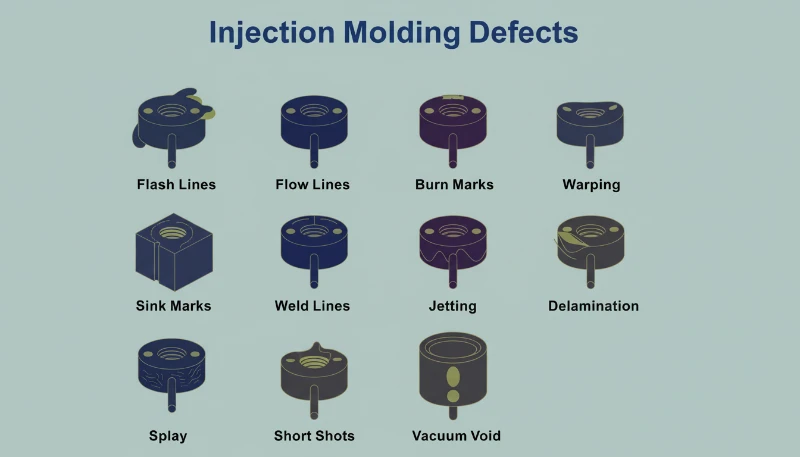
Defecten bij rubberinjectie ontstaan vooral door afwijkingen in materiaalconditie, matrijstoestand of machinekalibratie. De meest voorkomende zijn braamvorming, onvolledige vulling, porositeit en onvoldoende uitharding. Inzicht in de hoofdoorzaken is essentieel om het productierendement boven 95% te houden.
| Defect | Hoofdoorzaak | Preventiemethode |
|---|---|---|
| Braamvorming | Te hoge injectiedruk of versleten matrijsdeelvlak | Verlaag de druk, onderhoud de matrijsoppervlakken, gebruik vacuümgeassisteerd vormen |
| Kort schot | Onvoldoende materiaal of voortijdige uitharding in het aanspuitkanaal | Vergroot het shotvolume, verhoog de cilindertemperatuur en optimaliseer het ontwerp van het aanspuitkanaal |
| Porositeit / luchtbellen | Opgesloten lucht of vocht in de compound | Materiaal voordrogen, vacuümontgassing toepassen, injectiesnelheid verlagen |
| Onvoldoende uitharding | Onvoldoende uithardingstijd of lage matrijstemperatuur | Verleng de uithardingstijd en controleer de kalibratie van het matrijsthermokoppel |
| Overuitharding (brosheid) | Te lange uithardingstijd of te hoge temperatuur | Verkort de uithardingstijd en controleer de uniformiteit van de matrijstemperatuur |
| Slechte maatnauwkeurige reproduceerbaarheid | Inconsistent shotvolume of variatie in matrijstemperatuur | Kalibreer de shotregeling en installeer meerzoneverwarming voor de matrijs |
Bramen zijn het defect dat we in de productie het vaakst zien — en vrijwel altijd betreft het matrijsonderhoud, niet het proces. Wanneer de deellijn van de matrijs slijt, wordt rubber door de spleet geperst, ongeacht hoe zorgvuldig de injectiedruk is ingesteld. De oplossing is preventief: plan matrijsrevisie voordat bramen zichtbaar worden, niet erna. Een goed onderhouden matrijs produceert gedurende tienduizenden cycli consequent braamvrije onderdelen.
"Matrijsonderhoud is de kosteneffectiefste manier om braamvorming bij rubber-spuitgieten te voorkomen."True
Regelmatige reiniging en revisie van de oppervlakken van de deelnaad voorkomen geleidelijke slijtage waardoor materiaal via de matrijssluiting kan ontsnappen. Een goed onderhouden matrijs produceert tienduizenden cycli lang consequent onderdelen zonder braamvorming.
"Een hogere matrijstemperatuur levert altijd betere rubberen spuitgietonderdelen op."False
Een hogere matrijstemperatuur versnelt de vulkanisatie en kan de vloei verbeteren, maar een te hoge temperatuur veroorzaakt materiaaldegradatie, braamvorming, ingesloten lucht en een kortere matrijslevensduur. De optimale temperatuur hangt af van de specifieke rubbersamenstelling en onderdeelgeometrie.
In onze fabriek in Shanghai gebruiken we 47 spuitgietmachines van 90T tot 1850T, ondersteund door ruim twintig jaar ervaring met spuitgieten en gereedschap voor meer dan 400 kunststof- en elastomeermaterialen. Met dit machinebereik kunnen we alles vormen, van microscopische medische siliconenonderdelen op persen met lage tonnage tot grote rubberen auto-onderdelen op machines met hoge sluitkracht.
Welke industrieën gebruiken rubber spuitgieten?
Rubberspuitgieten bedient vrijwel elke sector die elastomere onderdelen nodig heeft — en dat zijn de meeste. De flexibiliteit in materiaalkeuze, gecombineerd met het vermogen van het proces om complexe geometrieën in grote volumes te produceren, maakt het tot de standaardproductiemethode voor rubberonderdelen in deze belangrijke sectoren.
Automotive: afdichtingen, pakkingen, motorsteunen, trillingsdempers, connectorhoezen en tochtprofielen. De auto-industrie verbruikt meer spuitgegoten rubberonderdelen dan welke andere sector ook, vanwege de behoefte aan constante kwaliteit bij grote aantallen. Moderne voertuigen bevatten meer dan 100 afzonderlijke spuitgegoten rubbercomponenten.
Medisch: handgrepen voor chirurgische instrumenten, klepcomponenten, afdichtingen voor systemen voor medicijntoediening en met LSR omspoten handgrepen. Medische toepassingen vereisen biocompatibele materialen — doorgaans siliconen of EPDM van medische kwaliteit — productie in een cleanroom en volledige traceerbaarheid van documentatie. Dat verhoogt de kosten, maar is ononderhandelbaar voor naleving van regelgeving.
Elektronica: toetsenmatten, connectorafdichtingen, doorvoerringen en beschermhoezen. Consumentenelektronica maakt steeds vaker gebruik van op maat gemaakte, spuitgegoten siliconenonderdelen voor waterdichtheid en schokdemping — denk aan waterdichte telefoonafdichtingen en toetsenbordmembranen voor laptops.
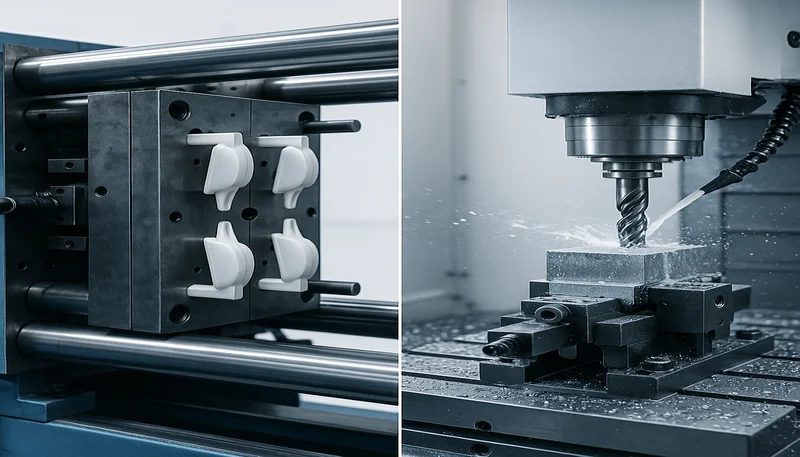
Industrieel: hydraulische afdichtingen, pompmembranen, onderdelen voor transportbanden en maatwerkpakkingen. Industriële rubberonderdelen worden vaak blootgesteld aan de zwaarste bedrijfsomstandigheden — chemicaliën, schurende media en extreme temperaturen. Daardoor zijn materiaalkeuze en formulering van de compound bepalend voor de levensduur. Bij onderdelen met nauwe toleranties presteert spuitgieten in een directe vergelijking vaak beter dan CNC-bewerking zodra het volume enkele honderden stuks overschrijdt, omdat het kostenvoordeel per onderdeel met de schaal toeneemt.
Hoe ontwerpt u onderdelen voor rubberspuitgieten?
Een goed ontwerp van rubberonderdelen zorgt niet alleen dat de geometrie werkt, maar ook dat deze produceerbaar is. Rubber gedraagt zich bij het vormen heel anders dan stijve kunststoffen; vooral materiaalstroming, luchtafvoer en ontvormen bepalen de ontwerpkeuzes.
Wanddikte. Houd wandsecties zo gelijkmatig mogelijk. Dikke secties vulkaniseren langzamer, omdat rubber warmte-isolerend is, waardoor een ongelijkmatige vernettingsdichtheid ontstaat. Is een dikke sectie onvermijdelijk, ontwerp deze dan zo dat de dikste sectie de vulkanisatietijd bepaalt — en accepteer de langere cyclustijd. Gebruik bij overgangen tussen dikke en dunne secties ruime radii in plaats van scherpe sprongen.
Lossingshoeken. Anders dan stijve kunststofonderdelen kunnen rubberonderdelen vaak zonder lossingshoek worden ontvormd, omdat het materiaal tijdens het uitwerpen meegeeft. Bij onderdelen met diepe kernen of nauwsluitende kenmerken voorkomt een lossingshoek van 0,5–1° per zijde echter dat het product tijdens het uitwerpen scheurt.
Ondersnijdingen. Dankzij de flexibiliteit van rubber kunnen ondersnijdingen worden gevormd die bij stijve kunststof onmogelijk zijn. Kleine ondersnijdingen, tot 5% van de wanddikte, kunnen zonder mechanische beweging uit de matrijs worden gestript. Voor grotere ondersnijdingen zijn matrijzen met een gedeelde holte of inklapbare kern nodig, waardoor de gereedschapskosten aanzienlijk stijgen.
Scheuren en braam. De belangrijkste ontwerpregel is eenvoudig: vermijd scherpe binnenhoeken. Elke binnenhoek moet een minimale radius van 0,5 mm hebben. Scherpe hoeken concentreren de spanning tijdens het ontvormen en gebruik, waardoor scheuren ontstaan. Braam wordt op matrijsniveau beheerst, maar de positie van de deelnaad in het ontwerp bepaalt waar eventuele restbraam zichtbaar is — plaats die daarom op een onopvallende plek.
Wat brengt de toekomst voor rubberspuitgieten?
De rubberverwerkende spuitgietindustrie ontwikkelt zich langs drie assen: slimmere procesbeheersing, duurzame materialen en hogere precisie.
Industrie 4.0 en procesbewaking. Moderne rubberspuitgietmachines zijn inmiddels uitgerust met realtimesensoren voor holtedruk, infraroodmetingen van de matrijstemperatuur en AI-gestuurde voorspelling van de vulkanisatie. Deze systemen vervangen de vakkennis van de operator niet, maar vullen die aan. Het praktische voordeel is dat procesafwijkingen eerder worden ontdekt, voordat defecte onderdelen de inspectie bereiken. In productieomgevingen met veel variatie, waar in verschillende ploegen uiteenlopende compounds op dezelfde machine draaien, vermindert deze bewaking het instelverlies met 30–50%.
Duurzame elastomeren. Biogebaseerd EPDM, compounds van gerecycled rubber en thermoplastische vulkanisaten (TPV’s) winnen terrein, vooral in automotivetoepassingen waar OEM’s aan steeds strengere duurzaamheidseisen moeten voldoen. Als u leveranciers voor duurzaam rubbervormen beoordeelt, behandelt onze gids voor de selectie van spuitgietleveranciers de voorbereiding van offerteaanvragen en kwalificatie.
Microspuitgieten en LSR. Het snelst groeiende segment binnen het rubberspuitgieten is vloeibare siliconenrubber (LSR) voor microcomponenten in medische apparatuur en elektronica. Met LSR-microspuitgieten zijn kenmerken tot 0,1 mm en toleranties van ±0,02 mm haalbaar — mogelijkheden die vijf jaar geleden nog laboratoriumnieuwigheden waren en nu productierealiteit zijn. Deze trend wordt gedreven door de miniaturisering van draagbare medische apparatuur en consumentenelektronica.
Wat zijn veelgestelde vragen over rubber spuitgieten?
Veelgestelde vragen
Wat is het verschil tussen rubber spuitgieten en kunststof spuitgieten?
De meeste elastomeren kunnen worden spuitgegoten, maar de procesgeschiktheid varieert aanzienlijk per materiaaltype. NR, SBR, EPDM en NBR zijn gemakkelijk te vormen op standaard rubber spuitgietmachines met conventionele schroef- en cilinderconfiguraties. Siliconenrubber en LSR vereisen gespecialiseerde apparatuur met dubbele cilindermengkoppen en koude-loopspuitsystemen die het materiaal vloeibaar houden totdat het de verwarmde matrijs binnenkomt. FKM (Viton) is vormbaar maar vereist corrosiebestendige cilinder- en schroefcomponenten vanwege de agressieve fluorchemie bij verwerkingstemperaturen boven 160°C. Materiaalkeuze moet altijd rekening houden met beschikbaarheid van apparatuur, niet alleen met de prestatie-eisen van het onderdeel.
Kunnen alle soorten rubber worden spuitgegoten?
De kosten voor gereedschappen variëren van 5.000 USD voor een eenvoudige enkelvoudige compressiemal tot 50.000 USD of meer voor een meervoudige spuitgietmal met complexe kenmerken, schuiven of mogelijkheden voor het inbrengen van inserts. De kosten worden voornamelijk bepaald door het aantal holtes, de complexiteit van de onderdeelgeometrie, de keuze van het malmateriaal zoals gehard gereedschapsstaal versus aluminium voor kortlopende gereedschappen, en het verwachte productievolume. Mallen voor hogere volumes rechtvaardigen hardere staalsoorten zoals H13 of S136 die de dimensionale nauwkeurigheid over miljoenen cycli behouden. Voor budgettering moet u rekening houden met 15 tot 25 procent van de malkosten jaarlijks voor onderhoud, inclusief het opknappen van de scheidingslijn en het vervangen van uitstootpennen.
Hoeveel kost een rubber spuitgietmatrijs?
De cyclusduur bij rubber spuitgieten wordt gedomineerd door de uithardingstijd, die varieert van 30 seconden voor dunne siliconenonderdelen tot 10 minuten voor dikwandige hoogwaardige rubbercomponenten zoals motorophangingen. Typische productieonderdelen vallen in het bereik van 1 tot 3 minuten, afhankelijk van wanddikte en samenstelling. In tegenstelling tot kunststof spuitgieten, waar de koeltijd kan worden verkort met conforme koelkanalen, wordt de uithardingstijd van rubber fundamenteel beperkt door de vulkanisatiekinetiek van de specifieke samenstelling. Dikkere secties vereisen exponentieel langere uithardingstijden omdat rubber fungeert als een thermische isolator, wat betekent dat warmte van het matrijs-oppervlak naar het middelpunt van het onderdeel moet doordringen om volledige crosslink-dichtheid door het hele deel te bereiken.
Wat is de typische cyclusduur voor rubber spuitgieten?
Rubber spuitgieten is over het algemeen niet kosteneffectief voor prototyping vanwege de hoge initiële gereedschapsinvestering, die alleen rendabel is wanneer deze wordt afgeschreven over productievolumes van 1.000 eenheden of meer. Voor het prototypen van elastomeeronderdelen zijn 3D-geprinte siliconenmatrijzen, gegoten urethaanschuim, of persgieten met zacht aluminium gereedschap veel praktischere en economischere alternatieven. Deze methoden kunnen prototype-onderdelen in dagen leveren in plaats van de weken die nodig zijn voor productie spuitgietmatrijzen. Spuitgieten wordt economisch gerechtvaardigd zodra het ontwerp is vastgesteld en de productiehoeveelheden de kapitaaluitgave rechtvaardigen, waarbij de gereedschapsafschrijving per onderdeel ver onder alternatieve fabricagemethoden daalt.
Is rubber spuitgieten geschikt voor prototyping?
Standaard rubber spuitgieten bereikt toleranties van plus of min 0,05 tot 0,1 mm voor compacte onderdelen met eenvoudige geometrie. LSR-microgieten kan plus of min 0,02 mm bereiken voor kenmerken onder de 5 mm. Rubbertoleranties zijn echter inherent minder precies dan die van rigide kunststoffen omdat elastomeren krimpen, vervormen en ontspannen na het ontmallen. Kritieke tolerantiekenmerken moeten worden ontworpen met dit visco-elastische gedrag in gedachten, waarbij strakke toleranties op dunne wanden of flexibele kenmerken die doorbuigen onder meetcontactkracht worden vermeden. Gebruik voor dimensionale inspectie van rubberonderdelen optische of contactloze meetsystemen om systematische fouten te voorkomen die worden veroorzaakt door contact van de meetkop op meegaande oppervlakken.
Welke toleranties kan rubber spuitgieten bereiken?
Standaard rubber spuitgieten bereikt toleranties van plus of min 0,05 tot 0,1 mm voor compacte onderdelen met eenvoudige geometrie. LSR-microgieten kan plus of min 0,02 mm bereiken voor kenmerken onder de 5 mm. Echter zijn toleranties voor rubber inherent minder precies dan voor starre kunststoffen omdat elastomeren krimpen en ontspannen na het uitnemen. Kritische tolerantiekenmerken moeten met dit gedrag in gedachten worden ontworpen, waarbij strakke toleranties op dunne wanden of flexibele kenmerken die doorbuigen onder meetcontactkracht worden vermeden. Gebruik voor inspectie van rubberonderdelen optische of contactloze meetsystemen om systematische fouten door sondecontact op meegaande oppervlakken te voorkomen.
Hoe voorkomt u uitsteeksels bij rubber spuitgieten?
Het voorkomen van uitsteeksels vereist drie dingen: nauwkeurige malconstructie met scheidingslijngaten onder 0,02 mm, voldoende sluitkracht om de mal gesloten te houden tegen de injectiedruk, en gecontroleerde injectiedruk die de holte vult zonder materiaal door de scheidingslijn te persen. Regelmatig malonderhoud is de meest kosteneffectieve preventiestrategie, wat betekent: gepland reinigen en opknappen van scheidingslijnoppervlakken om geleidelijke slijtage die uitsteeksels veroorzaakt te voorkomen. Vacuümondersteund gieten vermindert uitsteeksels verder door lucht voor injectie te verwijderen, waardoor het drukverschil dat materiaal in scheidingslijngaten drijft wordt verlaagd.
Rubberen spuitgietonderdelen op maat nodig? Ontvang een concurrerende prijs, DFM-feedback en een productieplanning van ons engineeringteam. Met meer dan 20 jaar ervaring, 47 machines van 90 tot 1.850 ton en ruim 400 verwerkte materialen kunnen we alles aan, van prototypegereedschap tot productie in grote series. Bekijk onze gids voor de selectie van spuitgietleveranciers om de juiste productiepartner te vinden, of raadpleeg onze complete gids over spuitgieten voor een volledig overzicht.
Vulkanisatie: dit is een chemisch proces waarbij rubber onder invloed van warmte wordt uitgehard door toevoeging van zwavel of andere vulkanisatiemiddelen, waardoor het van een plastische in een elastische toestand overgaat. ↩
Elastomeer: een elastomeer is een polymeer met visco-elasticiteit. Het kan dus sterk worden uitgerekt en daarna terugkeren naar zijn oorspronkelijke vorm. Elastomeren worden veel gebruikt voor afdichtingen, pakkingen en flexibele onderdelen. ↩
Vloeibare siliconenrubber (LSR): vloeibare siliconenrubber is een vloeibaar geleverd, tweecomponentenelastomeer dat met platina wordt uitgehard. Het wordt veelvuldig gebruikt voor het spuitgieten van uiterst nauwkeurige medische, automotive- en consumentenproducten. ↩