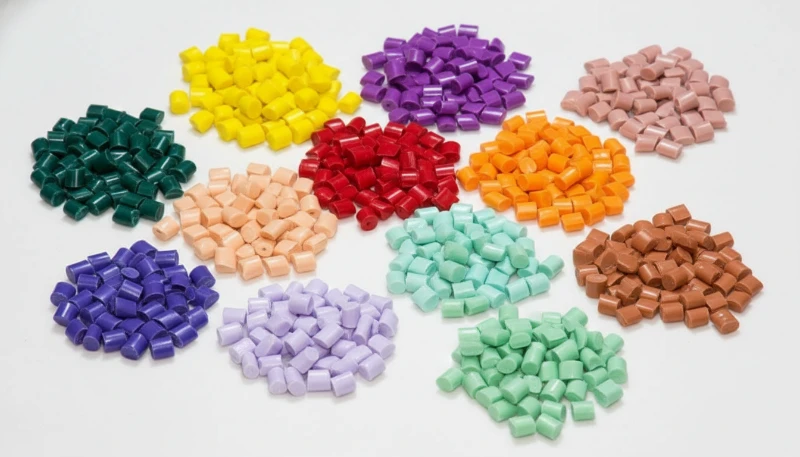
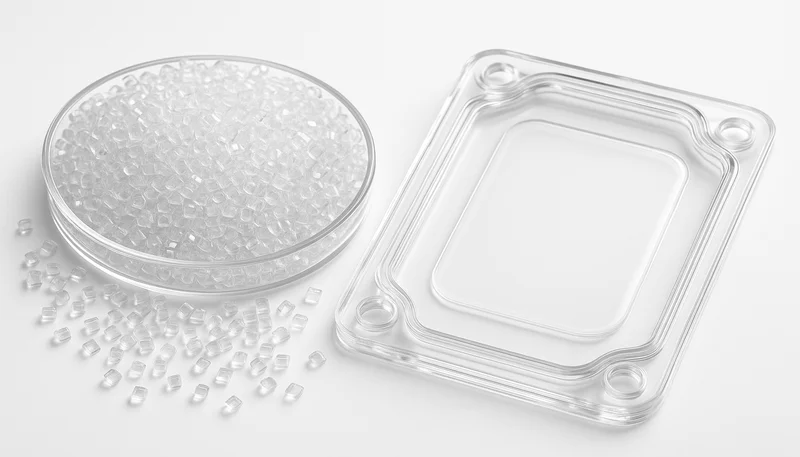
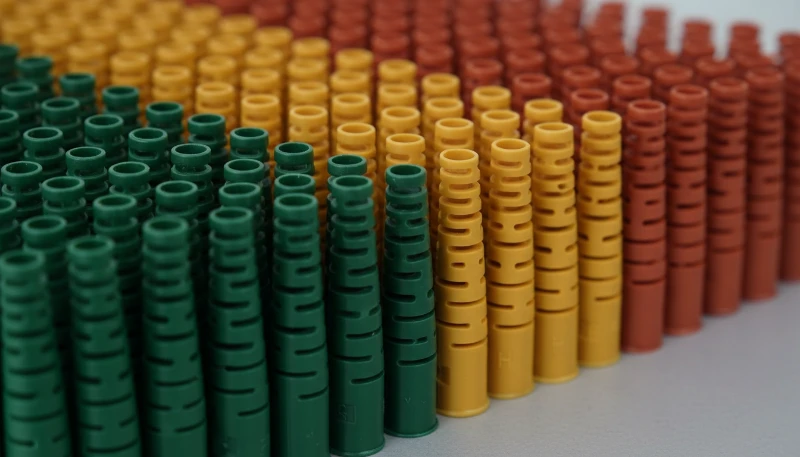
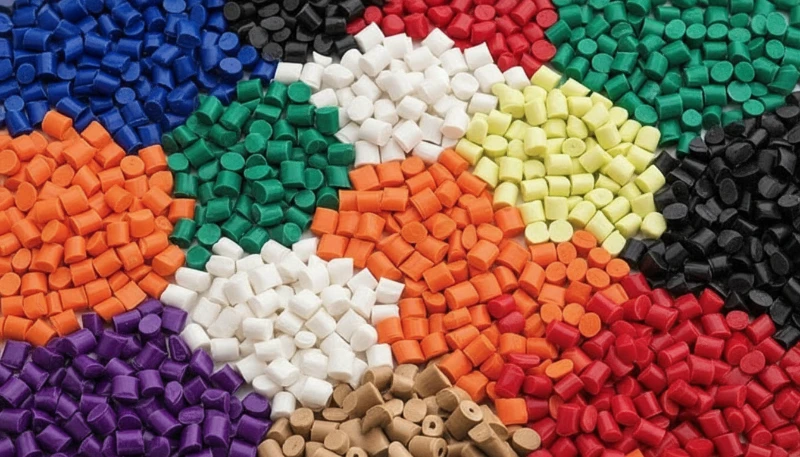
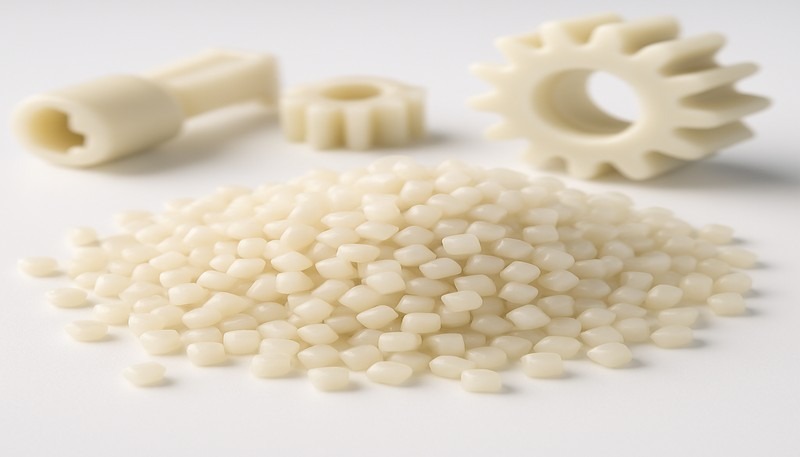
Formowanie wtryskowe gumy to proces produkcyjny, w którym surowa guma lub materiał elastomerowy jest podgrzewany, wtryskiwany pod ciśnieniem do zamkniętego gniazda formy, a następnie utwardzany do postaci gotowego detalu. W przeciwieństwie do formowania wtryskowego tworzyw sztucznych, gdzie materiał zestala się podczas chłodzenia, formowanie gumy opiera się na Wulkanizacji1 — wywołanej ciepłem reakcji chemicznego sieciowania, która trwale ustala kształt i właściwości mechaniczne detalu. Rezultatem jest precyzyjny i powtarzalny element elastomerowy stosowany w motoryzacji, medycynie, elektronice i przemyśle.
Dla inżynierów porównujących metody formowania wtrysk gumy plasuje się między przetwórstwem w formie wtryskowej termoplastów a prasowaniem gumy — zapewnia większą dokładność wymiarową niż prasowanie, krótsze cykle niż formowanie przetłoczne oraz możliwość uzyskiwania złożonych geometrii trudnych do wykonania obiema alternatywnymi metodami.
Ten wstępny kontekst jest ważny, ponieważ części gumowe są zwykle przeznaczone do uszczelniania, kontroli drgań, chwytu, izolacji lub wielokrotnego zginania, a nie do sztywnej struktury wymiarowej. Przed wyborem procesu, kupujący powinni potwierdzić rodzinę gumy, zachowanie podczas utwardzania, docelową tolerancję, roczną wielkość produkcji oraz ryzyko wystąpienia nadlewu, niedoutwardzenia lub uwięzionego powietrza.
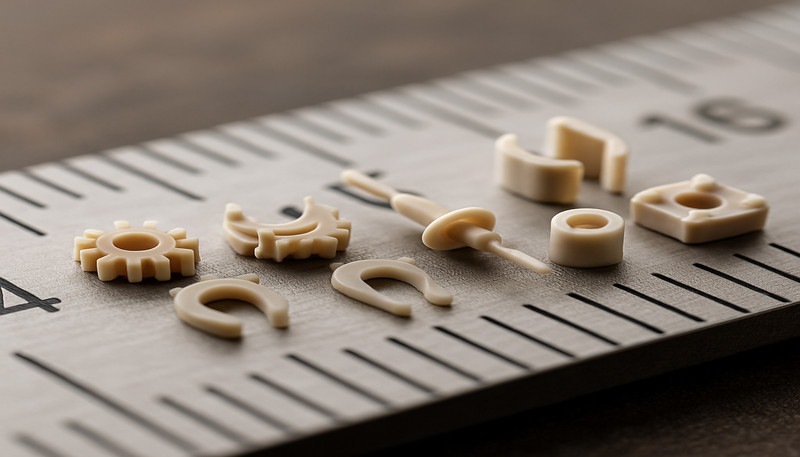
- Wtrysk gumy wykorzystuje ciepło i ciśnienie do wstrzyknięcia materiału elastomerowego do formy, a następnie utwardza go poprzez wulkanizację
- Typowe materiały to NR, SBR, EPDM, silikon i FKM — każdy z nich jest odpowiedni dla różnych warunków pracy
- Parametry procesu (temperatura, ciśnienie, czas utwardzania) bezpośrednio decydują o jakości części, poziomie wad i wydajności cyklu
- Wytwarza części o większej precyzji niż formowanie prasowe lub transferowe, z lepszą powtarzalnością dla złożonych geometrii
- W naszej fabryce w Szanghaju obsługujemy 47 maszyn wtryskowych o sile zwarcia od 90T do 1850T, obsługując szeroki zakres zastosowań gumy i elastomerów
Jak działa proces wtrysku gumy?
W naszej fabryce w Szanghaju działamy w ramach systemów ISO 9001, ISO 13485, ISO 14001 i ISO 45001 z własnym zakładem produkcyjnym form. Ta zintegrowana struktura pozwala nam utrzymać ścisłą kontrolę nad jakością i szybkością iteracji narzędzi, co jest kluczowe przy opracowywaniu nowych mieszanek gumowych o unikalnych właściwościach utwardzania.
Formowanie wtryskowe gumy to proces, w którym surową gumę podgrzewa się, wtryskuje i utwardza, uzyskując precyzyjne detale. W przeciwieństwie do formowania termoplastów, gdzie materiał po prostu stygnie, guma wymaga chemicznego utwardzenia, czyli wulkanizacji, surowego Elastomeru2 wewnątrz formy. Poniżej przedstawiamy krok po kroku, co faktycznie dzieje się na hali produkcyjnej.
Krok 1: Przygotowanie materiału. Surowa mieszanka gumowa — zwykle wstępnie wymieszana ze środkami sieciującymi, napełniaczami i dodatkami — jest podawana do maszyny w postaci taśmy lub granulatu. Przed wejściem do cylindra materiał musi mieć właściwą temperaturę i konsystencję. Na tym etapie mieszanka nie została jeszcze usieciowana.
Krok 2: Podgrzewanie i uplastycznianie. W zespole wtryskowym obracający się ślimak przesuwa gumę przez podgrzewany cylinder. Ciepło ścinania wytwarzane przez ślimak wraz z zewnętrznymi grzałkami cylindra ogrzewa materiał do stanu uplastycznionego — zwykle 80–120°C, zależnie od mieszanki. Guma może już płynąć, ale jeszcze się nie utwardza.
"Wulkanizacja nadaje gumowym częściom formowanym wtryskowo trwały kształt i właściwości sprężyste."True
Bez reakcji sieciowania zachodzącej podczas wulkanizacji, guma pozostałaby termoplastyczna i odkształcała się przy ponownym podgrzaniu, tracąc wszelką stabilność wymiarową i właściwości mechaniczne.
"Formowanie wtryskowe gumy i formowanie wtryskowe tworzyw sztucznych wykorzystują ten sam mechanizm zestalania."False
Nie. Formowanie wtryskowe tworzyw sztucznych utwardza części poprzez chłodzenie, podczas gdy formowanie wtryskowe gumy utwardza części poprzez napędzaną ciepłem reakcję chemiczną zwaną wulkanizacją, która trwale sieciuje łańcuchy polimerowe.
Krok 3: Wtrysk. Gdy przed ślimakiem zgromadzi się wystarczająca ilość materiału, czyli dawka wtrysku, ślimak przesuwa się do przodu jak tłok i wtłacza gumę przez dyszę oraz układ kanałów do zamkniętego gniazda formy. Typowe ciśnienie wtrysku wynosi od 500 do 2000 barów, zależnie od lepkości materiału i geometrii detalu.
Krok 4: Utwardzanie (wulkanizacja). To zasadnicza różnica względem formowania wtryskowego tworzyw sztucznych. Forma podgrzana do 150–200°C utrzymuje gumę pod ciśnieniem, podczas gdy środki sieciujące wywołują sieciowanie na poziomie cząsteczkowym. Czas utwardzania wynosi od 30 sekund dla cienkich elementów silikonowych do kilku minut dla grubych, wysokowydajnych elementów gumowych. Właściwy dobór tego czasu decyduje o tym, czy powstanie dobry detal, czy brak.
Krok 5: Wyjmowanie z formy. Po zakończeniu cyklu utwardzania forma otwiera się, a gotowy detal zostaje wypchnięty. Wypływka, czyli nadmiar gumy na linii podziału formy, może wymagać usunięcia. Następnie forma jest czyszczona, wkładki potrzebne w kolejnym cyklu są ładowane i proces zaczyna się od nowa.
Jakie materiały gumowe są stosowane we wtrysku?
Dobór materiału to najważniejsza decyzja w każdym projekcie formowania wtryskowego gumy. Właściwy elastomer decyduje o tym, czy część przetrwa swoje środowisko pracy — ekstremalne temperatury, kontakt z chemikaliami, naprężenia mechaniczne lub wymagania regulacyjne. Oto pięć najczęściej stosowanych w wtrysku materiałów gumowych i obszary, w których każdy z nich naprawdę się sprawdza.
| Materiał | Kluczowe właściwości | Typowe zastosowania | Zakres temperatur |
|---|---|---|---|
| Guma naturalna (NR) | Doskonała elastyczność, wysoka wytrzymałość na rozciąganie, dobra odporność na ścieranie | Opony, mocowania silnika, tłumiki drgań, uszczelki | -50°C do 80°C |
| Guma styrenowo-butadienowa (SBR) | Niski koszt, dobra odporność na ścieranie, umiadowana odporność chemiczna | Bieżniki opon, podeszwy butów, uszczelki, węże przemysłowe | -40°C do 100°C |
| EPDM | Wyjątkowa odporność na warunki atmosferyczne, ozon i promieniowanie UV; dobra izolacja elektryczna | Uszczelnienia samochodowe, membrany dachowe, komponenty HVAC | -50°C do 150°C |
| Silikon (VMQ) | Szeroki zakres temperatur, biokompatybilny, doskonałe właściwości elektryczne | Urządzenia medyczne, części stykające się z żywnością, uszczelnienia elektroniczne | -60°C do 230°C |
| Fluorokauczuk (FKM) | Wyjątkowa odporność chemiczna, na oleje i wysokie temperatury | Uszczelnienia lotnicze, elementy układów paliwowych, przetwórstwo chemiczne | -20°C do 250°C |
Guma naturalna pozostaje podstawą dla zastosowań dynamicznych — części, które wielokrotnie się zginają — ponieważ nic innego nie dorównuje połączeniu wytrzymałości na rozciąganie i odporności na zmęczenie. EPDM dominuje w uszczelnieniach zewnętrznych i samochodowych, ponieważ nie ulega degradacji pod wpływem UV lub ozonu tak jak NR. Silikon jest jedynym praktycznym wyborem dla zastosowań medycznych i kontaktowych z żywnością, gdzie biokompatybilność i wydajność w ekstremalnych temperaturach są niepodważalne. FKM (Viton) jest drogi, ale gdy twoja część znajduje się w paliwie odrzutowym w temperaturze 200°C, nie ma tańszej alternatywy, która by przetrwała.
Jedna z praktycznych kwestii często pomijanych przez inżynierów polega na tym, że nie wszystkie te materiały zachowują się tak samo we wtryskarce. Ciekły kauczuk silikonowy (LSR)3 jest na przykład układem dwuskładnikowym, który wymaga specjalnej głowicy mieszającej i systemu zimnokanałowego — oprzyrządowania całkowicie odmiennego od standardowej formy wtryskowej do NR lub EPDM. Zarówno podczas walidacji formy prototypowej, jak i zwiększania skali produkcji jakość formy bezpośrednio decyduje o precyzji gotowych detali. To wybór materiału wyznacza nakłady na wyposażenie, a nie odwrotnie.
Jakiego sprzętu wymaga formowanie wtryskowe gumy?
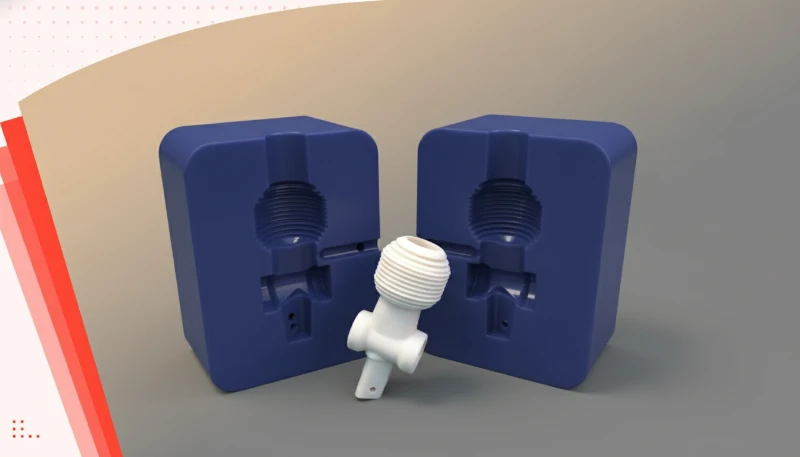
System formowania wtryskowego gumy opiera się na dwóch głównych komponentach: maszynie wtryskowej i formie. Maszyna odpowiada za przygotowanie materiału, wtrysk i siłę docisku. Forma definiuje geometrię części, kontroluje wypływ i zarządza wymianą ciepła podczas utwardzania. Oba elementy muszą być dopasowane do materiału i złożoności części.
Typy maszyn wtryskowych
W naszej fabryce w Szanghaju nasz zespół utrzymuje wewnętrzny zakład produkcji form z możliwościami obróbki CNC, wspierając ponad 100 zestawów form miesięcznie. Posiadanie oprzyrządowania pod tym samym dachem co produkcja oznacza, że możemy iterować projekty form w ciągu dni, a nie tygodni — praktyczna zaleta, gdy dostrajasz nowy skład gumy, który zachowuje się inaczej niż oczekiwano.
Maszyny poziome są podstawowym wyposażeniem produkcji wyrobów gumowych metodą wtrysku. Zapewniają większe siły zwarcia, krótsze czasy cyklu i łatwiejszą integrację ze zautomatyzowanym podawaniem materiału. Większość wielkoseryjnych części gumowych — uszczelnień, uszczelek i złączy — produkuje się na maszynach poziomych.
Maszyny do LSR są projektowane specjalnie do przetwarzania ciekłego kauczuku silikonowego. Wykorzystują układ dwóch beczek, który utrzymuje oba składniki LSR oddzielnie aż do ich połączenia w mieszalniku statycznym bezpośrednio przed wtryskiem. Podgrzewana jest forma, a nie cylinder — odwrotnie niż w konwencjonalnym wtrysku gumy.
Zagadnienia projektowe formy
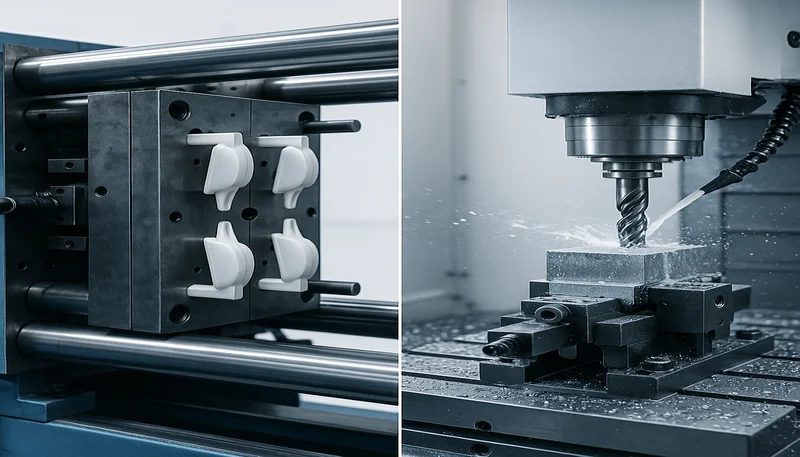
Formy wtryskowe gumy różnią się od form plastikowych pod kilkoma ważnymi względami. Po pierwsze, forma musi być podgrzewana (nie chłodzona), aby zainicjować wulkanizację. Po drugie, guma płynie przy znacznie wyższej lepkości niż stop termoplastyczny, więc projekt bramki i układ kanałów są kluczowe, aby zapobiec niedolaniu lub nadmiernemu wypływowi. Po trzecie, forma musi uwzględniać różnice w rozszerzalności cieplnej między stalą formy a składem gumy.
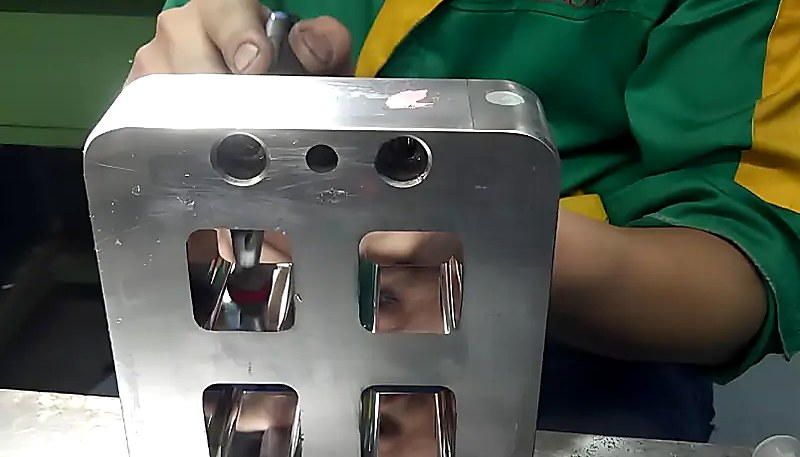
W naszej fabryce w Szanghaju utrzymujemy wewnętrzny zakład produkcji form z możliwościami obróbki CNC, wspierając ponad 100 zestawów form miesięcznie. Posiadanie oprzyrządowania pod tym samym dachem co produkcja oznacza, że możemy iterować projekty form w ciągu dni, a nie tygodni — praktyczna zaleta, gdy dostrajasz nowy skład gumy, który zachowuje się inaczej niż oczekiwano.
Jakie parametry procesu kontrolują jakość formowania wtryskowego gumy?
Cztery kluczowe parametry wtrysku gumy to temperatura, ciśnienie, prędkość wtrysku i czas utwardzania. Nie są one niezależne — zmiana jednego wpływa na pozostałe, a znalezienie właściwej kombinacji to proces iteracyjny zależny od konkretnego składu gumy, geometrii części i konstrukcji formy.
| Parametr | Typowy zakres | Wpływ na jakość części |
|---|---|---|
| Temperatura beczki | 80–120°C | Za niska: materiał nie płynie równomiernie. Za wysoka: przedwczesne utwardzenie (przypalenie) w cylindrze |
| Temperatura formy | 150–200°C | Napędza szybkość wulkanizacji. Wyższe temperatury skracają czas utwardzania, ale zwiększają ryzyko wypływu i uwięzionego powietrza |
| Ciśnienie wtrysku | 500–2,000 bar | Należy pokonać lepkość materiału i opór kanałów wlewowych. Niedostateczne ciśnienie powoduje niedolania |
| Czas utwardzania | 30s – 10 min | Niedoutwardzenie: słabe właściwości mechaniczne. Przeutwardzenie: degradacja, kruchość, zmiana wymiarów |
| Prędkość wtrysku | 10–200 mm/s | Szybkie napełnianie redukuje wady związane z lepkością, ale może uwięzić powietrze. Wolne napełnianie poprawia wykończenie powierzchni |
Najczęstszym problemem jakościowym w formowaniu wtryskowym gumy nie jest niedoutwardzenie — jest nim przeutwardzenie. Inżynierowie mają tendencję do dodawania marginesu bezpieczeństwa do czasu utwardzania, ale nadmierne utwardzenie pogarsza właściwości mechaniczne i zwiększa koszt cyklu. W praktyce optymalny czas utwardzania określamy, wykonując kolejne wtryski w coraz krótszych czasach, aż zauważymy pierwsze oznaki niedopływu lub niskiej twardości, a następnie dodajemy margines 10–15%.
Jak formowanie wtryskowe gumy wypada na tle innych metod?
Formowanie wtryskowe gumy nie jest jedynym sposobem wytwarzania części elastomerowych. Formowanie prasowe, formowanie transferowe oraz wtrysk ciekłego silikonu (LSR) mają swoje odrębne kompromisy w zakresie kosztów narzędzi, czasu cyklu, precyzji części i przydatności materiału.
| Metoda | Koszt oprzyrządowania | Czas cyklu | Precyzja części | Najlepsze dla |
|---|---|---|---|---|
| Formowanie wtryskowe | Wysoki | Szybki (30 s–3 min) | Wysoka (±0,05–0,1 mm) | Złożone geometrie, duża ilość, wąskie tolerancje |
| Formowanie tłoczne | Niska–umiarkowana | Wolny (3–10 min) | Średnia (±0,2–0,5 mm) | Proste kształty, duże części, niska objętość, prototypowanie |
| Formowanie transferowe | Średni | Średni (1–5 min) | Średnio-wysoki | Części z wkładkami, o umiarkowanej złożoności |
| Wtrysk LSR | Wysoki | Szybki (20–60s) | Bardzo Wysoka (±0,02–0,05mm) | Medyczne, kontakt z żywnością, mikroczęści, wysoka precyzja |
Decyzję wyznaczają trzy czynniki: złożoność geometrii detalu, wielkość produkcji i wymagane tolerancje wymiarowe. W przypadku prostych uszczelek w małych seriach prasowanie jest korzystniejsze ekonomicznie — oprzyrządowanie kosztuje ułamek ceny formy wtryskowej. Jednak przy podcięciach, cienkich ściankach, wąskich tolerancjach położenia lub rocznej produkcji przekraczającej 10 000 sztuk formowanie wtryskowe zapewnia niższy koszt jednostkowy mimo większej inwestycji początkowej w oprzyrządowanie. Każda metoda wiąże się z innym profilem ryzyka typowych wad — wypływkami na linii podziału, przypaleniami od uwięzionego powietrza czy niedolewami wskutek niewystarczającego wypełnienia gniazda. Poznanie tych mechanizmów przed wyborem procesu pozwala uniknąć kosztownych poprawek.
Jakie są typowe wady i jak im zapobiegać?
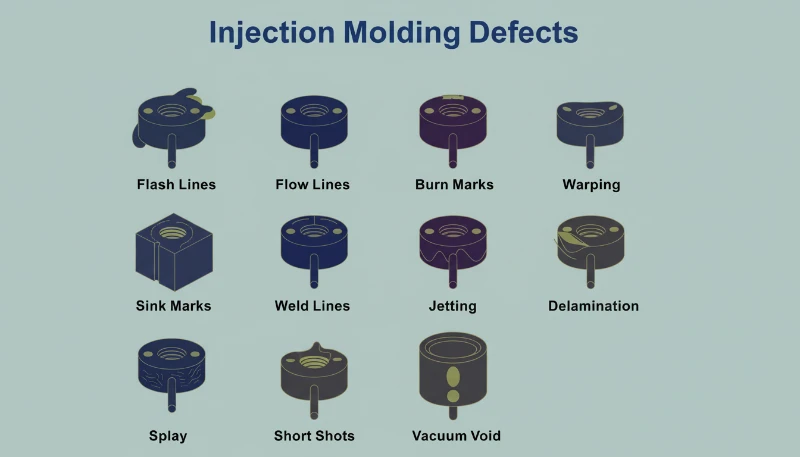
Wady wtrysku gumy są przede wszystkim spowodowane dryfem stanu materiału, stanu formy lub kalibracji maszyny. Najczęstsze problemy to nadlewki, niedopływy, porowatość i niedoutwardzenie, a zrozumienie ich pierwotnych przyczyn jest niezbędne do utrzymania wydajności produkcji powyżej 95%.
| Wada | Przyczyna źródłowa | Metoda zapobiegania |
|---|---|---|
| Wypływka | Nadmierne ciśnienie wtrysku lub zużyta linia podziału formy | Zmniejsz ciśnienie, utrzymuj powierzchnie formy, stosuj formowanie wspomagane próżnią |
| Krótki strzał | Niewystarczająca ilość materiału lub przedwczesne utwardzenie w układzie doprowadzającym | Zwiększ wielkość wtrysku, podnieś temperaturę cylindra, zoptymalizuj projekt kanału doprowadzającego |
| Porowatość / Pęcherze | Uwięzione powietrze lub wilgoć w mieszance | Wstępnie wysusz materiał, zastosuj odgazowanie próżniowe, zmniejsz prędkość wtrysku |
| Niedoutwardzenie | Niewystarczający czas utwardzania lub niska temperatura formy | Wydłuż czas utwardzania, sprawdź kalibrację termopary formy |
| Przedutwardzenie (Kruchość) | Nadmierny czas lub temperatura utwardzania | Skróć czas utwardzania, sprawdź jednorodność temperatury formy |
| Słaba Powtarzalność Wymiarowa | Niespójna objętość wtrysku lub wahania temperatury formy | Skalibruj sterowanie wtryskiem, zainstaluj wielostrefowe ogrzewanie formy |
Wypływ to wada, którą najczęściej widzimy w produkcji — i prawie zawsze jest to kwestia konserwacji formy, a nie problem z procesem. Gdy linia podziału formy zużywa się, guma przeciska się przez szczelinę niezależnie od tego, jak ostrożnie ustawisz ciśnienie wtrysku. Naprawa jest prewencyjna: zaplanuj renowację formy, zanim wypływ stanie się widoczny, a nie po. Dobrze utrzymana forma produkuje konsekwentnie części bez wypływu przez dziesiątki tysięcy cykli.
"Konserwacja formy jest najbardziej opłacalnym sposobem zapobiegania wypływce podczas formowania wtryskowego gumy."True
Regularne czyszczenie i regeneracja powierzchni linii podziału zapobiega stopniowemu zużyciu, które pozwala materiałowi uciekać przez zamknięcie formy. Dobrze utrzymana forma produkuje konsekwentnie części bez wypływu przez dziesiątki tysięcy cykli.
"Wyższa temperatura formy zawsze zapewnia lepsze gumowe części formowane wtryskowo."False
Wyższa temperatura formy przyspiesza wulkanizację i może poprawić płynność, ale nadmierna temperatura powoduje degradację materiału, nadlewki, uwięzione powietrze i krótszą żywotność formy. Optymalna temperatura zależy od konkretnej mieszanki gumowej i geometrii części.
W naszej fabryce w Szanghaju obsługujemy 47 maszyn do formowania wtryskowego od 90T do 1850T, wspieranych przez ponad 20-letnie doświadczenie w formowaniu wtryskowym i narzędziowym w ponad 400 tworzywach sztucznych i elastomerach. Ten zakres maszyn pozwala nam formować wszystko, od mikroczęści medycznych z silikonu na prasach małotonażowych po duże komponenty gumowe samochodowe na maszynach o dużej sile docisku.
W jakich branżach stosuje się wtrysk gumy?
Formowanie wtryskowe gumy obsługuje praktycznie każdą branżę potrzebującą elementów elastomerowych — czyli większość z nich. Elastyczność doboru materiału wraz ze zdolnością procesu do wielkoseryjnego wytwarzania złożonych geometrii czyni go domyślną metodą produkcji części gumowych w tych kluczowych sektorach.
Motoryzacja: uszczelnienia, uszczelki, poduszki silnika, tłumiki drgań, osłony złączy i uszczelki nadwozia. Przemysł motoryzacyjny zużywa więcej elementów gumowych wytwarzanych metodą wtrysku niż jakikolwiek inny sektor ze względu na potrzebę utrzymania stałej jakości przy dużej skali. Nowoczesny pojazd zawiera ponad 100 pojedynczych elementów gumowych wykonanych wtryskowo.
Medycyna: uchwyty narzędzi chirurgicznych, elementy zaworów, uszczelnienia urządzeń do podawania leków oraz rękojeści pokrywane LSR. Zastosowania medyczne wymagają materiałów biozgodnych, zwykle silikonu lub EPDM klasy medycznej, produkcji w pomieszczeniach czystych i pełnej identyfikowalności dokumentacji. Zwiększa to koszty, ale jest bezwzględnym warunkiem zgodności z przepisami.
Elektronika: klawiatury, uszczelnienia złączy, przelotki i osłony ochronne. W elektronice użytkowej coraz częściej stosuje się niestandardowe elementy silikonowe formowane wtryskowo w celu zapewnienia wodoszczelności i pochłaniania wstrząsów — na przykład uszczelki wodoodpornych telefonów i membrany klawiatur laptopów.
Przemysł: uszczelnienia hydrauliczne, membrany pomp, elementy przenośników taśmowych i uszczelki wykonywane na zamówienie. Przemysłowe wyroby gumowe często pracują w najtrudniejszych warunkach — w kontakcie z chemikaliami i mediami ściernymi oraz w skrajnych temperaturach — dlatego wybór materiału i receptura mieszanki mają decydujące znaczenie dla trwałości. Przy częściach o wąskich tolerancjach formowanie wtryskowe często wypada lepiej niż obróbka CNC, gdy liczba sztuk przekracza kilkaset, ponieważ wraz ze skalą rośnie przewaga kosztu jednostkowego.
Jak projektować części do formowania wtryskowego gumy?
Dobry projekt części gumowej to nie tylko sprawienie, by geometria działała — to sprawienie, by geometria była możliwa do wytworzenia. Guma zachowuje się zupełnie inaczej niż sztywne tworzywa sztuczne podczas formowania, a decyzje projektowe, które mają największe znaczenie, to te, które wpływają na przepływ materiału, usuwanie powietrza i demontaż.
Grubość ścianek. Należy zachować możliwie równomierną grubość ścianek. Grube przekroje utwardzają się wolniej, ponieważ guma jest izolatorem cieplnym, co powoduje nierównomierną gęstość usieciowania. Jeśli grubego przekroju nie da się uniknąć, projekt powinien uwzględniać czas utwardzania wymagany właśnie przez ten przekrój — wraz z dłuższym cyklem. Przejścia między grubymi i cienkimi odcinkami powinny mieć duże promienie, a nie ostre uskoki.
Kąty pochylenia. W przeciwieństwie do sztywnych elementów z tworzyw sztucznych części gumowe często można wyjmować z formy bez kąta pochylenia, ponieważ materiał odkształca się podczas wypychania. Jednak przy głębokich rdzeniach lub ciasno dopasowanych cechach pochylenie 0,5–1° na stronę zapobiega rozrywaniu podczas wyjmowania.
Podcięcia. Elastyczność gumy pozwala formować podcięcia niemożliwe do wykonania w sztywnym tworzywie. Małe podcięcia, sięgające 5% grubości ścianki, można wyciągnąć z formy bez mechanizmów ruchomych. Większe wymagają form dzielonych lub składanych rdzeni, co znacznie podnosi koszt oprzyrządowania.
Rozdarcia i wypływki. Najważniejsza zasada projektowa brzmi: należy unikać ostrych naroży wewnętrznych. Każdy narożnik wewnętrzny powinien mieć promień co najmniej 0,5 mm. Ostre naroża powodują koncentrację naprężeń podczas wyjmowania z formy i eksploatacji, inicjując rozdarcia. Wypływkę kontroluje się na poziomie formy, lecz położenie linii podziału w projekcie decyduje, gdzie pozostanie jej ślad — należy umieścić go w mało widocznym miejscu.
Co przyszłość przyniesie dla formowania wtryskowego gumy?
Przemysł wtrysku gumy ewoluuje w trzech kierunkach: inteligentniejsze sterowanie procesem, zrównoważone materiały i ściślejsza precyzja.
Przemysł 4.0 i monitorowanie procesu. Nowoczesne wtryskarki do gumy są wyposażane w czujniki ciśnienia w gnieździe działające w czasie rzeczywistym, termowizyjne mapowanie temperatury formy oraz systemy przewidywania czasu utwardzania oparte na AI. Systemy te nie zastępują wiedzy operatora — wspierają ją. Ich praktyczną zaletą jest wcześniejsze wykrywanie odchylenia procesu, zanim wadliwe części trafią do kontroli. W środowiskach produkcji wielu asortymentów, w których na tej samej maszynie podczas różnych zmian przetwarza się odmienne mieszanki, monitoring ten ogranicza braki rozruchowe o 30–50%.
Zrównoważone elastomery. Coraz większą popularność zdobywają EPDM pochodzenia biologicznego, mieszanki gumowe z recyklingu i wulkanizaty termoplastyczne (TPV), zwłaszcza w motoryzacji, gdzie producenci OEM podlegają coraz surowszym wymogom zrównoważonego rozwoju. Jeśli oceniasz dostawców zrównoważonego formowania gumy, nasz przewodnik po wyborze dostawcy formowania wtryskowego omawia przygotowanie zapytania ofertowego i kwalifikację.
Mikroformowanie i LSR. Najszybciej rosnącym segmentem formowania wtryskowego gumy jest ciekły kauczuk silikonowy (LSR) stosowany do mikroelementów urządzeń medycznych i elektroniki. Mikroformowanie LSR pozwala uzyskiwać cechy o wymiarach zaledwie 0,1 mm przy tolerancjach ±0,02 mm — możliwości, które pięć lat temu były laboratoryjną ciekawostką, a dziś są realnie wykorzystywane w produkcji. Trend ten napędza miniaturyzacja ubieralnych urządzeń medycznych i elektroniki użytkowej.
Jakie są często zadawane pytania dotyczące formowania wtryskowego gumy?
Często zadawane pytania
Jaka jest różnica między formowaniem wtryskowym gumy a formowaniem wtryskowym tworzyw sztucznych?
Większość elastomerów można formować wtryskowo, ale przydatność procesu różni się znacznie w zależności od rodzaju materiału. NR, SBR, EPDM i NBR można łatwo formować na standardowych maszynach do wtrysku gumy z konwencjonalną konfiguracją ślimaka i cylindra. Kauczuk silikonowy i LSR wymagają specjalistycznego sprzętu z dwuczęściowymi głowicami mieszającymi i systemami zimnych kanałów, które utrzymują materiał w stanie ciekłym aż do wejścia do nagrzanej formy. FKM (Viton) jest formowalny, ale wymaga odpornych na korozję elementów cylindra i ślimaka ze względu na agresywną chemię fluoru w temperaturach przetwarzania powyżej 160°C. Wybór materiału powinien zawsze uwzględniać dostępność sprzętu, a nie tylko wymagania dotyczące wydajności części.
Czy wszystkie rodzaje gumy można formować wtryskowo?
Koszt narzędzi waha się od 5000 USD za prostą, jednogniazdową formę prasową do 50 000 USD lub więcej za wielogniazdową formę wtryskową ze złożonymi elementami, suwakami lub możliwością ładowania wkładek. Koszt ten jest napędzany głównie przez liczbę gniazd, złożoność geometrii części, wybór materiału formy (np. hartowana stal narzędziowa kontra aluminium do narzędzi krótkoseryjnych) oraz oczekiwaną wielkość produkcji. Formy na wyższe nakłady uzasadniają stosowanie twardszych gatunków stali, takich jak H13 lub S136, które utrzymują dokładność wymiarową przez miliony cykli. Przy planowaniu budżetu należy uwzględnić 15–25% kosztu formy rocznie na konserwację, w tym odnawianie linii podziału i wymianę wypychaczy.
Ile kosztuje forma do wtrysku gumy?
Czas cyklu w formowaniu wtryskowym gumy zdominowany jest przez czas utwardzania, który waha się od 30 sekund dla cienkich części silikonowych do 10 minut dla grubościennych komponentów z wysokowydajnej gumy, takich jak mocowania silnika. Typowe części produkcyjne mieszczą się w zakresie 1–3 minut, w zależności od grubości ścianki i receptury mieszanki. W przeciwieństwie do formowania wtryskowego tworzyw sztucznych, gdzie czas chłodzenia można skrócić za pomocą konforemnych kanałów chłodzących, czas utwardzania gumy jest zasadniczo ograniczony przez kinetykę wulkanizacji danej mieszanki. Grubsze przekroje wymagają wykładniczo dłuższych czasów utwardzania, ponieważ guma działa jako izolator termiczny, co oznacza, że ciepło musi przeniknąć z powierzchni formy do środka części, aby osiągnąć pełną gęstość sieciowania w całym materiale.
Jaki jest typowy czas cyklu dla formowania wtryskowego gumy?
Formowanie wtryskowe gumy zazwyczaj nie jest opłacalne w przypadku prototypowania ze względu na wysoką początkową inwestycję w narzędzia, co ma sens tylko przy amortyzacji kosztów w produkcji powyżej 1000 sztuk. Do prototypowania części elastomerowych znacznie praktyczniejszymi i ekonomiczniejszymi alternatywami są formy silikonowe drukowane 3D, odlewanie uretanowe lub formowanie prasowe z miękkimi narzędziami aluminiowymi. Te metody mogą dostarczyć prototypowe części w ciągu dni, a nie tygodni wymaganych do wykonania narzędzi do wtrysku produkcyjnego. Wtrysk staje się ekonomicznie uzasadniony po zamrożeniu projektu i gdy wielkość produkcji usprawiedliwia nakłady inwestycyjne, a amortyzacja kosztów narzędzi na sztukę spada znacznie poniżej alternatywnych metod wytwarzania.
Czy formowanie wtryskowe gumy nadaje się do prototypowania?
Standardowe formowanie wtryskowe gumy osiąga tolerancje plus minus 0,05 do 0,1 mm dla zwartych części o prostej geometrii. Mikroformowanie LSR może osiągnąć plus minus 0,02 mm dla elementów poniżej 5 mm. Jednak tolerancje gumy są z natury mniej precyzyjne niż sztywnych tworzyw sztucznych, ponieważ elastomery kurczą się, odkształcają i relaksują po wyjęciu z formy. Krytyczne elementy tolerancji powinny być projektowane z uwzględnieniem tego lepkosprężystego zachowania, unikając ciasnych tolerancji na cienkich ściankach lub elastycznych elementach, które uginają się pod siłą kontaktu pomiarowego. Do pomiaru wymiarowego części gumowych należy stosować optyczne lub bezkontaktowe systemy pomiarowe, aby uniknąć systematycznego błędu wprowadzanego przez kontakt sondy z podatnymi powierzchniami.
Jakie tolerancje można osiągnąć w formowaniu wtryskowym gumy?
Standardowe formowanie wtryskowe gumy osiąga tolerancje plus/minus 0,05 do 0,1 mm dla zwartych części o prostej geometrii. Mikroformowanie LSR może osiągnąć tolerancje plus/minus 0,02 mm dla elementów poniżej 5 mm. Jednak tolerancje gumy są z natury mniej precyzyjne niż w przypadku sztywnych tworzyw sztucznych, ponieważ elastomery kurczą się i rozprężają po wyjęciu z formy. Krytyczne elementy tolerancyjne powinny być projektowane z uwzględnieniem tego zachowania, unikając ciasnych tolerancji na cienkich ściankach lub elastycznych elementach, które uginają się pod siłą kontaktu pomiarowego. Do kontroli części gumowych należy stosować optyczne lub bezkontaktowe systemy pomiarowe, aby uniknąć systematycznych błędów wynikających z kontaktu sondy z podatnymi powierzchniami.
Jak zapobiegać wypływowi w formowaniu wtryskowym gumy?
Zapobieganie wypływom wymaga trzech rzeczy: precyzyjnej konstrukcji formy z szczelinami na linii podziału poniżej 0,02 mm, odpowiedniej siły docisku, aby utrzymać formę zamkniętą pod ciśnieniem wtrysku, oraz kontrolowanego ciśnienia wtrysku, które wypełnia gniazdo bez wtłaczania materiału przez linię podziału. Regularna konserwacja formy jest najbardziej opłacalną strategią zapobiegania, co oznacza planowe czyszczenie i odnawianie powierzchni linii podziału, aby zapobiec stopniowemu zużyciu, które prowadzi do powstawania wypływów. Formowanie wspomagane próżniowo dodatkowo redukuje wypływy poprzez usuwanie powietrza przed wtryskiem, obniżając różnicę ciśnień napędzającą materiał w szczeliny linii podziału.
Potrzebujesz niestandardowych elementów gumowych formowanych wtryskowo? Uzyskaj konkurencyjną cenę, informacje zwrotne z analizy DFM i harmonogram produkcji od naszego zespołu inżynierów. Mamy ponad 20 lat doświadczenia, 47 maszyn o sile zwarcia od 90T do 1850T i doświadczenie w przetwarzaniu ponad 400 materiałów, dlatego możemy obsłużyć wszystko — od oprzyrządowania prototypowego po produkcję wielkoseryjną. Zobacz nasz przewodnik po wyborze dostawcy formowania wtryskowego, aby znaleźć właściwego partnera produkcyjnego, lub zapoznaj się z kompletnym przewodnikiem po formowaniu wtryskowym, który przedstawia całościowe omówienie.
Wulkanizacja: Proces chemiczny, w którym guma jest utwardzana przez dodanie siarki lub innych środków sieciujących i działanie ciepła, przechodząc ze stanu plastycznego w sprężysty. ↩
Elastomer: Polimer o właściwościach lepkosprężystych, który można znacznie rozciągnąć, po czym wraca do pierwotnego kształtu. Jest powszechnie stosowany w uszczelnieniach, uszczelkach i elementach elastycznych. ↩
Ciekły kauczuk silikonowy (LSR): Ciekły kauczuk silikonowy to dostarczany w postaci płynnej, dwuskładnikowy elastomer utwardzany platyną. Jest szeroko stosowany we wtrysku precyzyjnych wyrobów medycznych, motoryzacyjnych i konsumpcyjnych. ↩