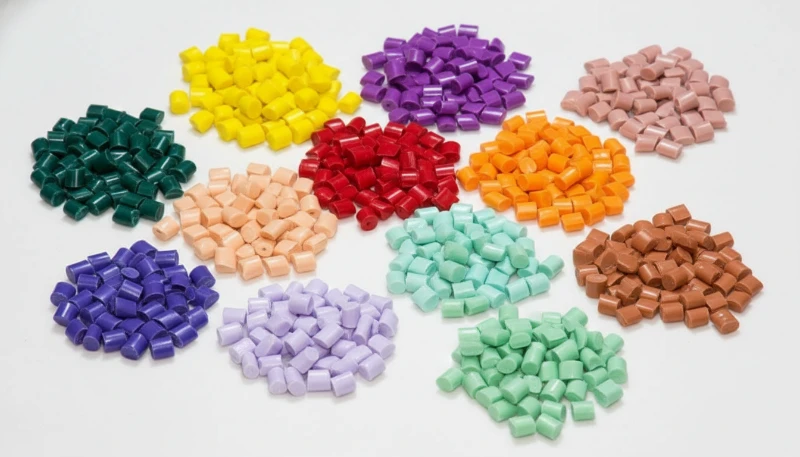
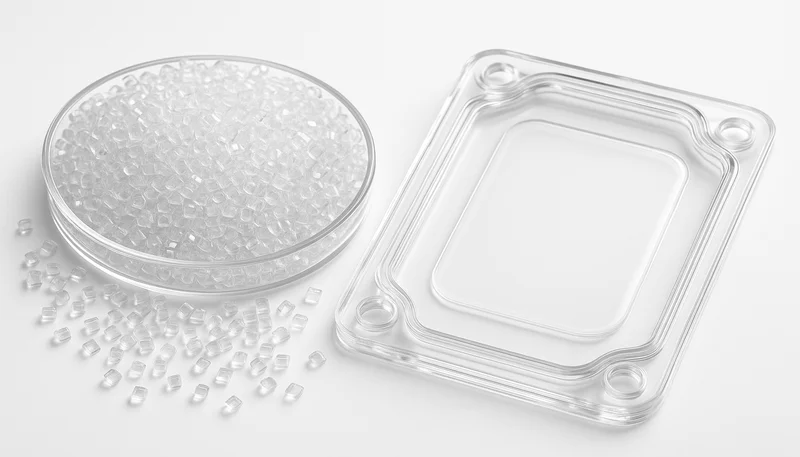
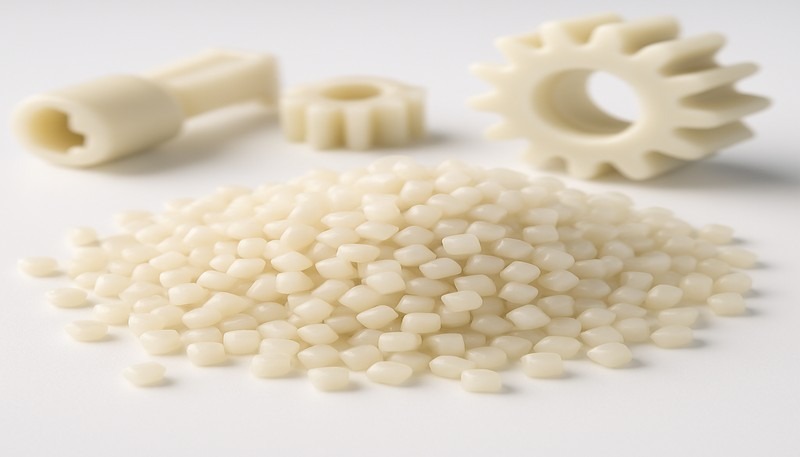
Beim Gummispritzgießen wird Rohgummi oder Elastomer erwärmt, unter Druck in eine geschlossene Kavität eingespritzt und zum fertigen Bauteil ausgehärtet. Anders als beim Kunststoff-Spritzgießen, bei dem der Werkstoff durch Abkühlen erstarrt, beruht es auf der Vulkanisation1 — einer wärmegetriebenen chemischen Vernetzung, die Form und mechanische Eigenschaften dauerhaft fixiert. Das Ergebnis ist ein präzises, reproduzierbares Elastomerbauteil für Automobilbau, Medizintechnik, Elektronik und Industrie.
Für Ingenieure liegt Gummispritzgießen zwischen der Verarbeitung mit Spritzgussformen für Thermoplaste und dem Gummipressen: Es bietet höhere Maßgenauigkeit als Pressen, kürzere Zykluszeiten als Transferpressen und bewältigt komplexe Geometrien, die beide Alternativen nur schwer abbilden.
Dieser frühe Kontext ist wichtig, weil Gummiteile in der Regel für Dichtungen, Schwingungskontrolle, Griffigkeit, Isolierung oder wiederholte Biegung ausgelegt sind, anstatt für starre dimensionale Strukturen. Vor der Wahl des Verfahrens sollten Käufer die Gummifamilie, das Aushärtungsverhalten, das Toleranzziel, das Jahresvolumen und das Ausfallrisiko durch Grat, Unterhärtung oder eingeschlossene Luft bestätigen.
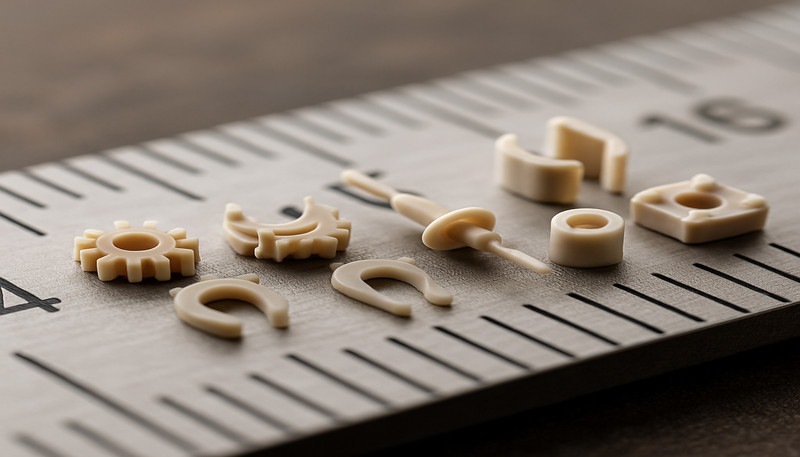
- Beim Gummispritzgießen werden Wärme und Druck verwendet, um elastomeres Material in eine Form einzuspritzen und es dann durch Vulkanisation auszuhärten
- Häufige Materialien sind NR, SBR, EPDM, Silikonkautschuk und FKM – jedes für unterschiedliche Betriebsbedingungen geeignet
- Prozessparameter (Temperatur, Druck, Aushärtezeit) bestimmen direkt die Teilequalität, Fehlerraten und Zykleneffizienz
- Es erzeugt präzisere Teile als Kompressions- oder Transfergießen, mit besserer Wiederholgenauigkeit für komplexe Geometrien
- In unserem Werk in Shanghai betreiben wir 47 Spritzgießmaschinen von 90T bis 1850T, die ein breites Spektrum von Gummi- und Elastomeranwendungen unterstützen
Wie funktioniert der Gummispritzgießprozess?
In unserem Werk in Shanghai arbeiten wir unter ISO 9001, ISO 13485, ISO 14001 und ISO 45001 Systemen mit einer werkseigenen Formenbau-Einrichtung. Dieser integrierte Aufbau ermöglicht es uns, eine strenge Kontrolle über die Qualität und die Iterationsgeschwindigkeit bei der Werkzeugentwicklung zu behalten, was entscheidend ist, wenn neue Gummimischungen mit einzigartigen Aushärteeigenschaften entwickelt werden.
Beim Gummispritzgießen wird Rohgummi erwärmt, eingespritzt und zu Präzisionsteilen ausgehärtet. Anders als beim Thermoplastformen erfordert Gummi in der Form die chemische Aushärtung beziehungsweise Vulkanisation des rohen Elastomers2. Im Folgenden wird der tatsächliche Produktionsablauf Schritt für Schritt erläutert.
Schritt 1: Materialvorbereitung. Die Rohgummimischung, üblicherweise mit Vernetzern, Füllstoffen und Additiven vorgemischt, wird als Streifen oder Granulat zugeführt. Vor dem Eintritt in den Zylinder muss sie die richtige Temperatur und Konsistenz besitzen. Eine Vernetzung hat noch nicht stattgefunden.
Schritt 2: Erwärmen und Plastifizieren. In der Einspritzeinheit fördert eine rotierende Schnecke den Gummi durch einen beheizten Zylinder. Scherwärme und Zylinderheizungen erwärmen ihn je nach Mischung typischerweise auf 80–120°C. Der Gummi ist nun fließfähig, vernetzt aber noch nicht.
„Die Vulkanisation verleiht spritzgegossenen Gummiteilen ihre dauerhafte Form und elastischen Eigenschaften.“True
Ohne die Vernetzungsreaktion, die während der Vulkanisation auftritt, würde der Kautschuk thermoplastisch bleiben und sich bei erneuter Erwärmung verformen, wodurch alle Maßstabilität und mechanische Leistung verloren gehen.
"Gummispritzgießen und Kunststoffspritzgießen verwenden denselben Erstarrungsmechanismus."False
Das tun sie nicht. Beim Kunststoffspritzgießen verfestigen sich die Teile durch Abkühlung, während beim Gummispritzgießen die Teile durch eine wärmegesteuerte chemische Reaktion namens Vulkanisation ausgehärtet werden, die die Polymerketten dauerhaft vernetzt.
Schritt 3: Einspritzen. Sobald sich vor der Schnecke genügend Material für das Schussvolumen gesammelt hat, fährt sie als Kolben vor und spritzt den Gummi durch Düse und Angusssystem in die geschlossene Kavität. Je nach Viskosität und Bauteilgeometrie liegen die Einspritzdrücke typischerweise bei 500 bis 2.000 bar.
Schritt 4: Aushärten (Vulkanisation). Dies ist der entscheidende Unterschied zum Kunststoffspritzguss. Die auf 150–200°C beheizte Form hält den Gummi unter Druck, während Vernetzer molekulare Querverbindungen erzeugen. Die Aushärtezeit reicht von 30 Sekunden für dünne Silikonteile bis zu mehreren Minuten für dicke Hochleistungsbauteile. Das richtige Timing entscheidet zwischen Gutteil und Ausschuss.
Schritt 5: Entformen. Nach Abschluss der Aushärtung öffnet sich die Form und das fertige Bauteil wird ausgeworfen. Grat an der Trennfuge muss gegebenenfalls entfernt werden. Anschließend wird die Form gereinigt, Einlegeteile für den nächsten Zyklus werden geladen und der Prozess wiederholt sich.
Welche Gummimaterialien werden beim Spritzgießen verwendet?
Die Materialauswahl ist die wichtigste Entscheidung in jedem Gummispritzgießprojekt. Der richtige Elastomer bestimmt, ob das Teil in seiner Betriebsumgebung bestehen kann – extreme Temperaturen, chemische Belastung, mechanische Beanspruchung oder regulatorische Anforderungen. Hier sind die fünf am häufigsten spritzgegossenen Gummimaterialien und wo jedes tatsächlich glänzt.
| Werkstoff | Wichtige Eigenschaften | Typische Anwendungen | Temperaturbereich |
|---|---|---|---|
| Naturkautschuk (NR) | Hervorragende Elastizität, hohe Zugfestigkeit, gute Abriebfestigkeit | Reifen, Motorlager, Schwingungsdämpfer, Dichtungen | -50°C bis 80°C |
| Styrol-Butadien-Kautschuk (SBR) | Geringe Kosten, gute Abriebfestigkeit, mäßige Chemikalienbeständigkeit | Reifenprofile, Schuhsohlen, Dichtungen, Industrieschläuche | -40°C bis 100°C |
| EPDM | Hervorragende Witterungs-, Ozon- und UV-Beständigkeit; gute elektrische Isolierung | Automobildichtungen, Dachmembranen, HLK-Komponenten | -50°C bis 150°C |
| Silikonkautschuk (VMQ) | Breiter Temperaturbereich, biokompatibel, ausgezeichnete elektrische Eigenschaften | Medizinprodukte, lebensmittelkontaktfähige Teile, Elektronikdichtungen | -60°C bis 230°C |
| Fluorelastomer (FKM) | Außergewöhnliche Beständigkeit gegen Chemikalien, Öle und hohe Temperaturen | Luft- und Raumfahrtdichtungen, Kraftstoffsystemkomponenten, chemische Verarbeitung | -20 °C bis 250 °C |
Naturkautschuk bleibt die erste Wahl für dynamische Anwendungen – Teile, die sich wiederholt biegen – weil nichts anderes seine Kombination aus Zugfestigkeit und Ermüdungsbeständigkeit erreicht. EPDM dominiert bei Dichtungen im Außenbereich und in der Automobilindustrie, weil es unter UV- oder Ozoneinwirkung nicht abbaut, wie es bei NR der Fall ist. Silikonkautschuk ist die einzige praktikable Wahl für medizinische und Lebensmittelkontakt-Anwendungen, bei denen Biokompatibilität und Leistung bei extremen Temperaturen nicht verhandelbar sind. FKM (Viton) ist teuer, aber wenn Ihr Bauteil in Flugzeugtreibstoff bei 200°C liegt, gibt es keine kostengünstigere Alternative, die überlebt.
Ein oft übersehener Praxisaspekt: Nicht alle Werkstoffe verhalten sich in der Spritzgießmaschine gleich. Flüssigsilikonkautschuk (LSR)3 ist etwa ein Zweikomponentensystem, das einen speziellen Mischkopf und ein Kaltkanalsystem benötigt — völlig andere Werkzeuge als eine normale NR- oder EPDM-Spritzgussform. Ob Prototypenform oder Serienanlauf: Die Formqualität bestimmt direkt die Präzision der Fertigteile. Die Werkstoffwahl bestimmt die Investition in Anlagen, nicht umgekehrt.
Welche Ausrüstung erfordert die Gummispritzgießung?
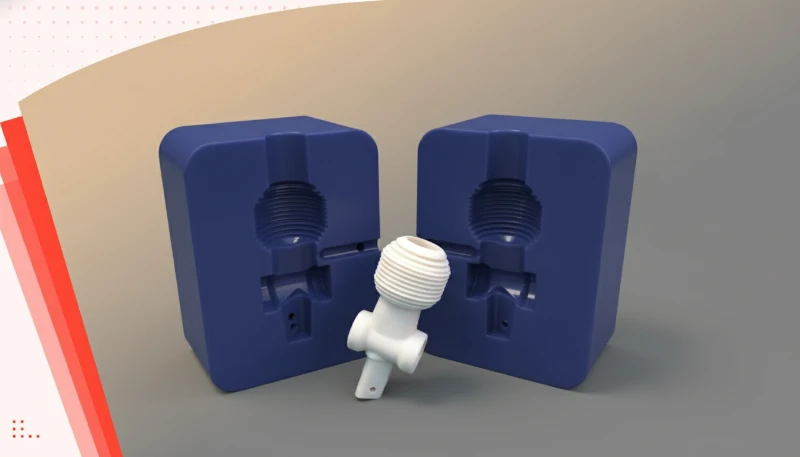
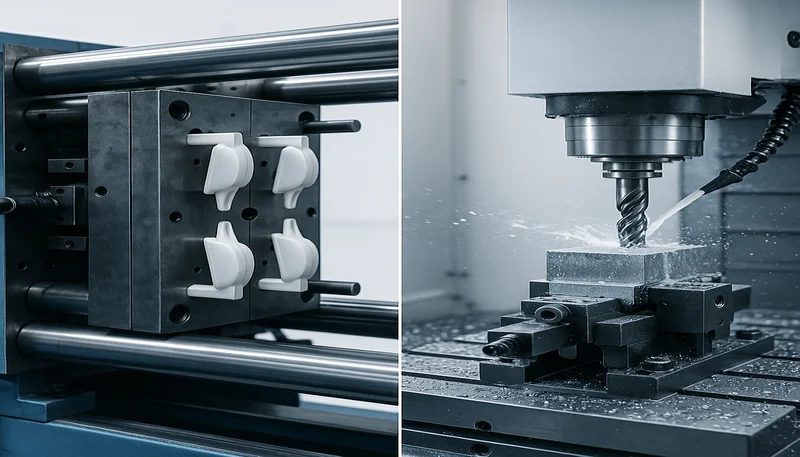
Ein Gummispritzgießsystem basiert auf zwei Kernkomponenten: der Spritzgießmaschine und der Form. Die Maschine übernimmt die Materialvorbereitung, das Einspritzen und die Schließkraft. Die Form definiert die Bauteilgeometrie, kontrolliert den Grat und steuert den Wärmeübergang während der Aushärtung. Beide müssen auf das Material und die Bauteilkomplexität abgestimmt sein.
Spritzgießmaschinentypen
In unserer Fabrik in Shanghai unterhält unser Team eine eigene Formenfertigungseinrichtung mit CNC-Bearbeitungsmöglichkeiten, die mehr als 100 Formensätze pro Monat unterstützt. Wenn sich die Werkzeugherstellung unter demselben Dach wie die Produktion befindet, können wir Formendesigns innerhalb von Tagen statt Wochen iterieren – ein praktischer Vorteil, wenn Sie eine neue Gummimischung einstellen, die sich anders verhält als erwartet.
Horizontalmaschinen sind die Arbeitspferde der Gummispritzgussproduktion. Sie bieten höhere Schließkräfte, kürzere Zykluszeiten und eine einfachere Integration automatisierter Materialhandhabung. Die meisten Gummiteile in Großserie — Dichtungen, Flachdichtungen und Steckverbinder — werden auf Horizontalmaschinen gefertigt.
LSR-Maschinen sind speziell für Flüssigsilikonkautschuk ausgelegt. Sie halten die beiden LSR-Komponenten in einem Zweizylindersystem getrennt, bis diese unmittelbar vor dem Einspritzen in einem statischen Mischer zusammentreffen. Beheizt wird die Form, nicht der Zylinder – genau umgekehrt wie beim herkömmlichen Gummispritzgießen.
Überlegungen zum Formendesign
Gummi-Spritzgießformen unterscheiden sich in mehreren wichtigen Punkten von Kunststoffformen. Erstens muss die Form erwärmt (nicht gekühlt) werden, um die Vulkanisation einzuleiten. Zweitens fließt Gummi mit einer viel höheren Viskosität als thermoplastische Schmelze, daher sind Anguss- und Läuferdesign entscheidend, um unvollständige Formteile oder übermäßigen Grat zu verhindern. Drittens muss die Form die Unterschiede in der thermischen Ausdehnung zwischen dem Formenstahl und der Gummimischung berücksichtigen.
In unserer Fabrik in Shanghai unterhalten wir eine eigene Formenfertigungseinrichtung mit CNC-Bearbeitungsmöglichkeiten, die mehr als 100 Formensätze pro Monat unterstützt. Wenn sich die Werkzeugherstellung unter demselben Dach wie die Produktion befindet, können wir Formendesigns innerhalb von Tagen statt Wochen iterieren – ein praktischer Vorteil, wenn Sie eine neue Gummimischung einstellen, die sich anders verhält als erwartet.
Welche Prozessparameter steuern die Qualität beim Gummispritzgießen?
Die vier kritischen Parameter beim Spritzgießen von Gummi sind Temperatur, Druck, Einspritzgeschwindigkeit und Aushärtezeit. Diese sind nicht unabhängig voneinander – die Änderung eines Parameters beeinflusst die anderen, und die richtige Kombination zu finden ist ein iterativer Prozess, der von der spezifischen Gummimischung, der Bauteilgeometrie und dem Werkzeugdesign abhängt.
| Kenngröße | Typischer Bereich | Auswirkung auf die Bauteilqualität |
|---|---|---|
| Temperatur des Fasses | 80–120°C | Zu niedrig: Material fließt nicht gleichmäßig. Zu hoch: vorzeitige Aushärtung (Vulkanisationsbeginn) im Zylinder |
| Temperatur der Form | 150–200°C | Bestimmt die Vulkanisationsgeschwindigkeit. Höhere Temperaturen verkürzen die Vernetzungszeit, bergen aber die Gefahr von Gratbildung und eingeschlossener Luft. |
| Einspritzdruck | 500–2,000 bar | Muss die Materialviskosität und den Widerstand im Anguss überwinden. Unzureichender Druck führt zu unvollständigen Formteilen |
| Aushärtungszeit | 30s – 10 min | Unterhärtung: schlechte mechanische Eigenschaften. Überhärtung: Abbau, Versprödung, Maßänderung |
| Einspritzgeschwindigkeit | 10–200 mm/s | Schnelles Einspritzen reduziert viskositätsbedingte Fehler, kann aber Luft einschließen. Langsames Einspritzen verbessert die Oberflächengüte |
Das häufigste Qualitätsproblem beim Gummi-Spritzgießen ist nicht Untervernetzung — es ist Übervernetzung. Ingenieure neigen dazu, einen Sicherheitszuschlag zur Vernetzungszeit hinzuzufügen, aber übermäßige Vernetzung verschlechtert die mechanischen Eigenschaften und erhöht die Zykluskosten. In der Praxis ermitteln wir die optimale Vernetzungszeit, indem wir aufeinanderfolgende Schüsse bei abnehmenden Zeiten durchführen, bis wir erste Anzeichen von Unterfüllung oder niedriger Härte sehen, und fügen dann einen Sicherheitszuschlag von 10–15% hinzu.
Wie schneidet die Gummispritzgießung im Vergleich zu anderen Methoden ab?
Gummi-Spritzgießen ist nicht die einzige Methode zur Herstellung von Elastomerteilen. Pressen, Transferpressen und Flüssigsilikonkautschuk (LSR)-Spritzgießen haben jeweils unterschiedliche Kompromisse bei Werkzeugkosten, Zykluszeit, Bauteilgenauigkeit und Materialeignung.
| Methode | Werkzeugkosten | Zykluszeit | Bauteilgenauigkeit | Am besten für |
|---|---|---|---|---|
| Spritzgießen | Hoch | Schnell (30s–3min) | Hoch (±0,05–0,1 mm) | Komplexe Geometrien, hohes Volumen, enge Toleranzen |
| Formpressen | Niedrig–Mittel | Langsam (3–10 Min.) | Mittel (±0,2–0,5 mm) | Einfache Formen, große Teile, geringe Stückzahl, Prototypenbau |
| Transferpressen | Mittel | Mittel (1–5 min) | Mittel-Hoch | Teile mit Einlegern, mittlerer Komplexität |
| LSR-Spritzgießen | Hoch | Schnell (20–60 s) | Sehr hoch (±0,02–0,05 mm) | Medizin, Lebensmittelkontakt, Mikroteile, hohe Präzision |
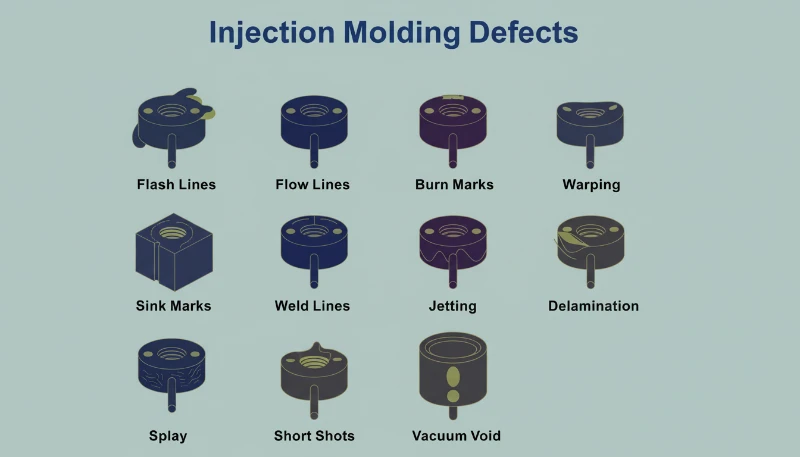
Die Entscheidung hängt von drei Faktoren ab: der Komplexität der Bauteilgeometrie, dem Produktionsvolumen und den Anforderungen an die Maßtoleranzen. Bei einfachen Dichtungen in kleinen Stückzahlen ist das Formpressen wirtschaftlich überlegen – die Werkzeugkosten betragen nur einen Bruchteil der Kosten einer Spritzgießform. Bei Bauteilen mit Hinterschneidungen, dünnen Wänden, engen Positionstoleranzen oder Jahresmengen von mehr als 10.000 Stück erzielt das Spritzgießen trotz der höheren anfänglichen Werkzeuginvestition jedoch niedrigere Stückkosten. Jedes Verfahren hat sein eigenes Risikoprofil für typische Fehler – Grat an Trennlinien, Brandstellen durch eingeschlossene Luft und Kurzschüsse infolge unzureichender Formfüllung. Wer diese Fehlerbilder vor der Festlegung auf ein Verfahren versteht, vermeidet teure Nacharbeiten.
Was sind häufige Fehler und wie verhindert man sie?
Fehler beim Spritzgießen von Gummi werden hauptsächlich durch Abweichungen im Materialzustand, Werkzeugzustand oder der Maschinenkalibrierung verursacht. Die häufigsten Probleme sind Gratbildung, unvollständige Formteile, Porosität und Untervernetzung. Das Verständnis ihrer Ursachen ist entscheidend, um die Produktionsausbeute über 95 % zu halten.
| Defekt | Verhindert Einfallstellen auf der gegenüberliegenden Oberfläche | Vorbeugungsmethode |
|---|---|---|
| Blitzlicht | Übermäßiger Spritzdruck oder verschlissene Formtrennkante | Druck reduzieren, Formoberflächen pflegen, Vakuumunterstütztes Formen verwenden |
| Kurzer Schuss | Unzureichendes Material oder vorzeitige Vernetzung im Anguss | Spritzvolumen erhöhen, Zylindertemperatur anheben, Angussdesign optimieren |
| Porosität / Blasen | Eingeschlossene Luft oder Feuchtigkeit in der Mischung | Material vorher trocknen, Vakuumentgasung verwenden, Einspritzgeschwindigkeit reduzieren |
| Untervernetzung | Unzureichende Vernetzungszeit oder zu niedrige Werkzeugtemperatur | Härtezeit verlängern, Kalibrierung der Formthermoelemente prüfen |
| Überhärtung (Sprödigkeit) | Übermäßige Vernetzungszeit oder Temperatur | Härtezeit reduzieren, Gleichmäßigkeit der Formtemperatur prüfen |
| Schlechte Maßhaltigkeit | Uneinheitliches Spritzvolumen oder Werkzeugtemperaturschwankungen | Schusskontrolle kalibrieren, mehrzonige Formheizung installieren |
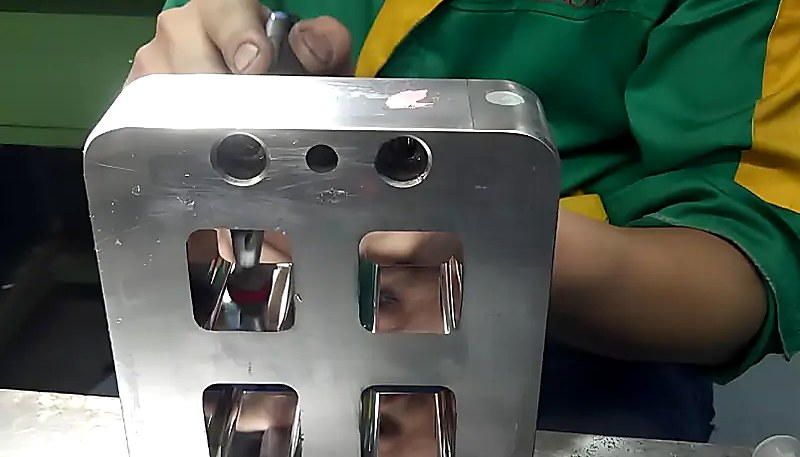
Gratbildung ist der häufigste Fehler in der Produktion – und fast immer ein Problem der Werkzeugwartung, kein Prozessproblem. Wenn die Werkzeugtrennebene verschleißt, quetscht sich Gummi durch den Spalt, egal wie sorgfältig der Einspritzdruck eingestellt ist. Die Lösung ist präventiv: Planen Sie die Werkzeugüberholung, bevor Grat sichtbar wird, nicht danach. Ein gut gewartetes Werkzeug erzeugt über Zehntausende von Zyklen konsistent grattfreie Teile.
"Werkzeugwartung ist die kosteneffizienteste Maßnahme, um Gratbildung beim Gummispritzgießen zu verhindern."True
Regelmäßige Reinigung und Instandsetzung der Trennkanten-Oberflächen verhindert den allmählichen Verschleiß, der das Austreten von Material durch den Formschluss ermöglicht. Eine gut gewartete Form produziert über zehntausende Zyklen hinweg konsistent gratzfreie Teile.
"Eine höhere Werkzeugtemperatur erzeugt stets bessere spritzgegossene Gummiteile."False
Eine höhere Werkzeugtemperatur beschleunigt die Vulkanisation und kann den Fluss verbessern, aber übermäßige Temperatur führt zu Materialabbau, Gratbildung, eingeschlossener Luft und kürzerer Werkzeuglebensdauer. Die optimale Temperatur hängt von der spezifischen Gummimischung und der Bauteilgeometrie ab.
In unserem Werk in Shanghai betreiben wir 47 Spritzgießmaschinen von 90T bis 1850T, unterstützt durch über 20 Jahre Erfahrung im Spritzgießen und Werkzeugbau mit mehr als 400 Kunststoff- und Elastomermaterialien. Diese Maschinenpalette ermöglicht es uns, alles zu formen – von mikroskopischen Silikonteilen für medizinische Anwendungen auf Kleintonnenpressen bis hin zu großen Automobilgummikomponenten auf Maschinen mit hoher Schließkraft.
Welche Branchen verwenden Gummispritzgießen?
Das Gummispritzgießen bedient praktisch jede Branche, die Elastomerkomponenten benötigt — und damit die meisten Branchen. Die flexible Werkstoffauswahl in Verbindung mit der Fähigkeit des Verfahrens, komplexe Geometrien in hohen Stückzahlen herzustellen, macht es in diesen Schlüsselsektoren zum Standardproduktionsverfahren für Gummiteile.
Automobilindustrie: Dichtungen, Flachdichtungen, Motorlager, Schwingungsdämpfer, Steckerschutzkappen und Dichtprofile. Die Automobilindustrie verbraucht mehr spritzgegossene Gummiteile als jede andere Branche, weil sie bei hohen Stückzahlen eine gleichbleibende Qualität benötigt. Moderne Fahrzeuge enthalten mehr als 100 einzelne spritzgegossene Gummikomponenten.
Medizintechnik: Griffe für chirurgische Instrumente, Ventilkomponenten, Dichtungen für Geräte zur Medikamentenabgabe und mit LSR umspritze Griffe. Medizinische Anwendungen erfordern biokompatible Werkstoffe – meist Silikon oder EPDM in medizinischer Qualität –, Reinraumfertigung und eine lückenlose Dokumentation. Das erhöht die Kosten, ist für die Einhaltung regulatorischer Vorgaben jedoch unverzichtbar.
Elektronik: Tastaturen, Steckerdichtungen, Kabeldurchführungen und Schutzkappen. In der Unterhaltungselektronik werden zunehmend kundenspezifische spritzgegossene Silikonteile zur Abdichtung und Stoßdämpfung eingesetzt – etwa wasserdichte Telefondichtungen und Tastaturmembranen für Laptops.
Industrie: Hydraulikdichtungen, Pumpenmembranen, Förderbandkomponenten und kundenspezifische Flachdichtungen. Industrielle Gummiteile sind häufig besonders rauen Betriebsbedingungen ausgesetzt – Chemikalien, abrasiven Medien und extremen Temperaturen. Deshalb sind die Werkstoffauswahl und Rezepturentwicklung entscheidend für die Lebensdauer. Bei Teilen mit engen Toleranzen ist das Spritzgießen im direkten Vergleich der CNC-Bearbeitung oft überlegen, sobald die Stückzahl einige Hundert übersteigt, da der Kostenvorteil pro Teil mit der Menge wächst.
Wie gestaltet man Teile für die Gummispritzgießung?
Ein gutes Gummiteil-Design bedeutet nicht nur, die Geometrie funktionsfähig zu machen – es bedeutet, die Geometrie fertigungsgerecht zu gestalten. Gummi verhält sich beim Formen völlig anders als starre Kunststoffe, und die wichtigsten Designentscheidungen sind diejenigen, die den Materialfluss, die Luftentfernung und das Entformen beeinflussen.
Wanddicke. Gestalten Sie die Wandbereiche möglichst gleichmäßig. Dicke Bereiche vulkanisieren langsamer, da Gummi wärmeisolierend wirkt, wodurch eine ungleichmäßige Vernetzungsdichte entsteht. Lässt sich ein dicker Bereich nicht vermeiden, muss seine Dicke die Vulkanisationszeit bestimmen – und die längere Zykluszeit ist in Kauf zu nehmen. Übergänge zwischen dicken und dünnen Bereichen sollten mit großzügigen Radien statt scharfen Stufen ausgeführt werden.
Entformungsschrägen. Anders als starre Kunststoffteile lassen sich Gummiteile häufig ohne Entformungsschräge entformen, weil sich der Werkstoff beim Auswerfen verformt. Bei Teilen mit tiefen Kernen oder eng anliegenden Merkmalen verhindert jedoch eine Schräge von 0,5–1° je Seite ein Einreißen beim Auswerfen.
Hinterschneidungen. Dank der Flexibilität von Gummi können Hinterschneidungen geformt werden, die bei starrem Kunststoff unmöglich wären. Kleine Hinterschneidungen bis zu 5 % der Wanddicke lassen sich ohne mechanische Bewegung aus der Form abstreifen. Größere Hinterschneidungen erfordern Formen mit geteilter Kavität oder einziehbarem Kern, was die Werkzeugkosten erheblich erhöht.
Risse und Grat. Die wichtigste Konstruktionsregel lautet: Scharfe Innenecken vermeiden. Jede Innenecke sollte einen Mindestradius von 0,5 mm aufweisen. Scharfe Ecken konzentrieren die Spannung beim Entformen und im Einsatz und begünstigen dadurch die Rissbildung. Der Grat wird auf Werkzeugebene beherrscht, doch die Lage der Trennlinie in der Konstruktion bestimmt, wo ein Restgrat sichtbar wird – platzieren Sie sie daher an einer unauffälligen Stelle.
Was hält die Zukunft für die Gummispritzgießung bereit?
Die Spritzgummi-Industrie entwickelt sich entlang drei Vektoren: intelligentere Prozesssteuerung, nachhaltige Materialien und höhere Präzision.
Industrie 4.0 und Prozessüberwachung. Moderne Gummispritzgießmaschinen verfügen inzwischen über Echtzeit-Drucksensoren in der Kavität, Infrarot-Messungen der Formtemperatur und KI-gestützte Prognosen der Vulkanisation. Diese Systeme ersetzen die Erfahrung des Bedienpersonals nicht, sondern ergänzen sie. Der praktische Vorteil liegt darin, Prozessabweichungen früher zu erkennen, bevor fehlerhafte Teile die Prüfung erreichen. In Fertigungsumgebungen mit hoher Variantenvielfalt, in denen über mehrere Schichten verschiedene Mischungen auf derselben Maschine laufen, reduziert diese Überwachung den Ausschuss beim Einrichten um 30–50 %.
Nachhaltige Elastomere. Biobasiertes EPDM, recycelte Gummimischungen und thermoplastische Vulkanisate (TPV) gewinnen an Bedeutung, insbesondere in Automobilanwendungen, in denen OEMs strengere Nachhaltigkeitsvorgaben erfüllen müssen. Wenn Sie Lieferanten für nachhaltiges Gummiformen bewerten, behandelt unser Leitfaden zur Beschaffung von Spritzgießlieferanten die Vorbereitung von Angebotsanfragen und die Qualifizierung.
Mikrospritzgießen und LSR. Das am schnellsten wachsende Segment des Gummispritzgießens ist Flüssigsilikonkautschuk (LSR) für Mikrokomponenten in Medizinprodukten und Elektronik. Mit dem LSR-Mikrospritzgießen lassen sich Merkmalsgrößen bis 0,1 mm und Toleranzen von ±0,02 mm erreichen – Fähigkeiten, die vor fünf Jahren noch als Laborkuriosität galten und heute Produktionsrealität sind. Getrieben wird dieser Trend von der Miniaturisierung tragbarer Medizinprodukte und Unterhaltungselektronik.
Was sind häufig gestellte Fragen zum Spritzgießen von Gummi?
Häufig gestellte Fragen
Was ist der Unterschied zwischen Gummispritzgießen und Kunststoffspritzgießen?
Die meisten Elastomere können spritzgegossen werden, aber die Verfahrenseignung variiert stark je nach Materialtyp. NR, SBR, EPDM und NBR lassen sich problemlos auf Standard-Gummispritzgießmaschinen mit konventioneller Schnecken- und Zylinderkonfiguration verarbeiten. Silikonkautschuk und LSR erfordern spezielle Ausrüstung mit Doppelzylinder-Mischköpfen und Kaltkanalsystemen, die das Material flüssig halten, bis es in das beheizte Werkzeug gelangt. FKM (Viton) ist spritzgießfähig, erfordert jedoch aufgrund seiner aggressiven Fluorchemie bei Verarbeitungstemperaturen über 160°C korrosionsbeständige Zylinder- und Schneckenkomponenten. Die Materialauswahl sollte stets die Verfügbarkeit der Ausrüstung berücksichtigen, nicht nur die Bauteilanforderungen.
Können alle Gummitypen spritzgegossen werden?
Die Werkzeugkosten reichen von 5.000 USD für eine einfache Einfachkavitäten-Kompressionsform bis zu 50.000 USD oder mehr für eine Mehrfachkavitäten-Spritzgießform mit komplexen Merkmalen, Schiebern oder Einlegefähigkeit. Die Kosten werden hauptsächlich durch die Anzahl der Kavitäten, die geometrische Komplexität des Teils, die Werkzeugmaterialauswahl (z.B. gehärteter Werkzeugstahl gegenüber Aluminium für Kurzläuferwerkzeuge) und das erwartete Produktionsvolumen bestimmt. Hochvolumenformen rechtfertigen härtere Stahlgüten wie H13 oder S136, die die Maßgenauigkeit über Millionen von Zyklen beibehalten. Für die Budgetplanung sollten jährlich 15 bis 25 Prozent der Werkzeugkosten für die Wartung eingeplant werden, einschließlich der Überholung der Trennlinie und des Austauschs von Auswerferstiften.
Wie viel kostet ein Spritzgießwerkzeug für Gummi?
Die Zykluszeit beim Spritzgießen von Gummi wird von der Aushärtezeit dominiert, die von 30 Sekunden für dünne Silikonteile bis zu 10 Minuten für dickwandige Hochleistungsgummikomponenten wie Motorlager reicht. Typische Produktionsteile liegen im Bereich von 1 bis 3 Minuten, abhängig von der Wandstärke und der Compound-Formulierung. Im Gegensatz zum Kunststoffspritzgießen, bei dem die Abkühlzeit mit konformen Kühlkanälen reduziert werden kann, ist die Aushärtezeit von Gummi grundsätzlich durch die Vulkanisationskinetik des spezifischen Compounds begrenzt. Dickere Bereiche erfordern exponentiell längere Aushärtezeiten, da Gummi als Wärmeisolator wirkt, was bedeutet, dass Wärme von der Formoberfläche ins Teilezentrum eindringen muss, um eine vollständige Vernetzungsdichte im gesamten Teil zu erreichen.
Was ist die typische Zykluszeit für das Spritzgießen von Gummi?
Spritzgießen von Gummi ist für Prototypen in der Regel nicht kosteneffektiv, da die hohen anfänglichen Werkzeugkosten nur dann sinnvoll sind, wenn sie über Produktionsmengen von 1.000 Stück oder mehr amortisiert werden. Für die Prototypenfertigung elastomerer Teile sind 3D-gedruckte Silikonformen, gegossener Urethan oder Kompressionsgießen mit weichem Aluminiumwerkzeug weitaus praktischere und wirtschaftlichere Alternativen. Diese Methoden können Prototypenteile in Tagen liefern, anstatt der Wochen, die für die Herstellung von Spritzgießwerkzeugen benötigt werden. Spritzgießen wird wirtschaftlich gerechtfertigt, sobald das Design feststeht und die Produktionsmengen die Kapitalausgaben rechtfertigen, wobei die Werkzeugamortisation pro Teil weit unter alternativen Fertigungsmethoden liegt.
Ist Spritzgießen von Gummi für die Prototypenherstellung geeignet?
Standard-Spritzgießen von Gummi erreicht Toleranzen von plus/minus 0,05 bis 0,1 mm für kompakte Teile mit einfacher Geometrie. LSR-Mikrospritzgießen kann für Merkmale unter 5 mm plus/minus 0,02 mm erreichen. Allerdings sind Gummitoleranzen von Natur aus weniger präzise als bei starren Kunststoffen, da Elastomere schrumpfen, sich verformen und nach dem Entformen entspannen. Kritische Toleranzmerkmale sollten mit diesem viskoelastischen Verhalten im Hinterkopf konstruiert werden, wobei enge Toleranzen bei dünnen Wänden oder flexiblen Merkmalen vermieden werden sollten, die sich unter der Kontaktkraft der Messung verformen. Für die Maßprüfung von Gummiteilen sollten optische oder berührungslose Messsysteme verwendet werden, um systematische Fehler zu vermeiden, die durch Sondenkontakt auf nachgiebigen Oberflächen entstehen.
Welche Toleranzen kann das Spritzgießen von Gummi erreichen?
Standard-Spritzgießen von Gummi erreicht Toleranzen von plus/minus 0,05 bis 0,1 mm für kompakte Teile mit einfacher Geometrie. LSR-Mikrospritzgießen kann für Merkmale unter 5 mm plus/minus 0,02 mm erreichen. Allerdings sind Gummitoleranzen von Natur aus weniger präzise als bei starren Kunststoffen, da Elastomere nach dem Entformen schrumpfen und entspannen. Kritische Toleranzmerkmale sollten mit diesem Verhalten im Hinterkopf konstruiert werden, wobei enge Toleranzen bei dünnen Wänden oder flexiblen Merkmalen vermieden werden sollten, die sich unter der Kontaktkraft der Messung verformen. Für die Prüfung von Gummiteilen sollten optische oder berührungslose Messsysteme verwendet werden, um systematische Fehler durch Sondenkontakt auf nachgiebigen Oberflächen zu vermeiden.
Wie verhindert man Grate beim Spritzgießen von Gummi?
Die Vermeidung von Gratbildung erfordert drei Dinge: eine präzise Werkzeugkonstruktion mit Trennfugenspalt unter 0,02 mm, ausreichende Schließkraft, um das Werkzeug unter dem Einspritzdruck geschlossen zu halten, und einen kontrollierten Einspritzdruck, der den Hohlraum füllt, ohne Material durch die Trennfuge zu pressen. Regelmäßige Werkzeugwartung ist die kosteneffektivste Präventionsstrategie, d.h. geplante Reinigung und Aufarbeitung der Trennfugenoberflächen, um den allmählichen Verschleiß zu verhindern, der die Gratbildung begünstigt. Vakuumunterstütztes Spritzgießen reduziert Grat weiter, indem vor dem Einspritzen Luft evakuiert wird, wodurch der Druckunterschied verringert wird, der Material in Trennfugenspalte treibt.
Benötigen Sie kundenspezifische spritzgegossene Gummiteile? Unser Engineering-Team erstellt Ihnen ein wettbewerbsfähiges Angebot, gibt DFM-Feedback und nennt einen Produktionszeitplan. Mit über 20 Jahren Erfahrung, 47 Maschinen von 90 bis 1.850 Tonnen Schließkraft und mehr als 400 verarbeiteten Werkstoffen decken wir alles vom Prototypenwerkzeug bis zur Großserienfertigung ab. Nutzen Sie unseren Leitfaden zur Beschaffung von Spritzgießlieferanten, um den richtigen Fertigungspartner zu finden, oder lesen Sie unseren vollständigen Leitfaden zum Spritzgießen für einen umfassenden Überblick.
Vulkanisation: Dies bezeichnet einen chemischen Prozess, bei dem Gummi durch Zugabe von Schwefel oder anderen Vernetzungsmitteln unter Wärmeeinwirkung gehärtet und von einem plastischen in einen elastischen Zustand überführt wird. ↩
Elastomer: Ein Elastomer ist ein Polymer mit Viskoelastizität. Es kann sich also stark dehnen und anschließend in seine ursprüngliche Form zurückkehren. Elastomere werden häufig für Dichtungen, Flachdichtungen und flexible Bauteile verwendet. ↩
Flüssigsilikonkautschuk (LSR): Flüssigsilikonkautschuk ist ein zweikomponentiges, platinvernetzendes Elastomer in flüssiger Lieferform. Es wird häufig für das Spritzgießen hochpräziser Medizin-, Automobil- und Konsumprodukte eingesetzt. ↩