Choosing the wrong injection molding supplier for your tooling project can cost you months of delays and tens of thousands of dollars in rework. After two decades of watching buyers walk into the same traps—vague RFQs, skipped mold flow analysis, ignored maintenance schedules—we decided to lay out the most common tooling risk mistakes in plain language. This article walks through seven specific risks for injection moulding projects that cause production delays and rework, explains why they happen, and gives you practical steps to avoid each one. Whether you are sourcing your first mold or managing a portfolio of 50+ tools, these are the lessons that separate smooth launches from costly firefights.
- Skipping mold flow analysis doubles your risk of T1 failure
- Supplier tooling audits reveal gaps that RFQ responses hide
- Unclear part specs are the number-one cause of mold rework
- Hidden tooling costs often exceed quoted mold price by 30-50%
- A structured risk checklist prevents most common supplier mistakes
What Are the Most Dangerous Tooling Risk Mistakes Buyers Make?
The most dangerous tooling risk mistake is treating your mold as a commodity purchase rather than an engineering partnership. Price-only evaluations consistently lead to the worst outcomes. When you evaluate suppliers on price alone, you are betting your entire project timeline on the hope that the cheapest shop can deliver the same quality as an experienced one.
For a broader view, our injection molding complete guide covers process fundamentals, material behavior, and production decisions.
In our experience, the top tooling risk mistakes fall into three categories: communication failures (unclear specifications, missing GD&T data), due diligence shortcuts (skipping factory audits, ignoring mold flow analysis), and lifecycle blind spots (no maintenance plan, no tooling ownership terms). Each category compounds the others—a vague RFQ sent to an unaudited supplier with no maintenance clause is a recipe for budget overruns.
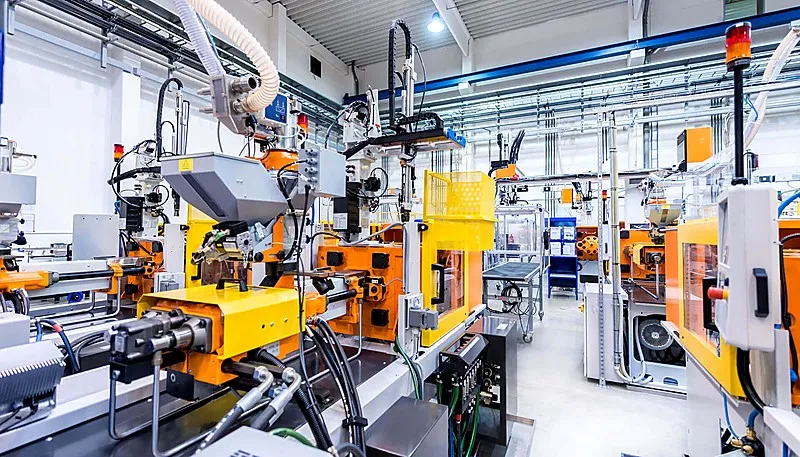
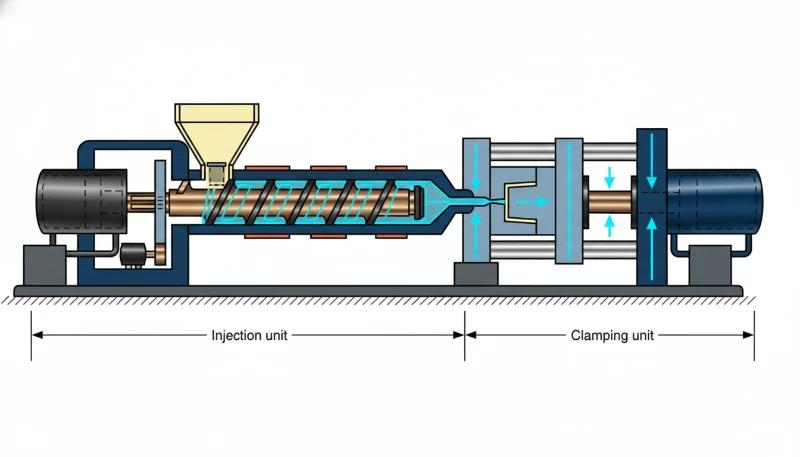
The financial impact is significant. Industry data shows that tooling rework adds an average of 4 to 8 weeks to project timelines and can increase total mold cost by 25 to 40 percent. For a medium-complexity mold quoted at 25,000 USD, that means 6,250 to 10,000 USD in unplanned spending—plus the opportunity cost of delayed market entry. Understanding the key components of an injection molding1 machine, from clamping units to labeled control systems, helps buyers evaluate whether a supplier has the right equipment. NIST2 manufacturing standards provide frameworks for evaluating these costs systematically.
Why Does Unclear Mold Design Specification Lead to Costly Rework?
Unclear or incomplete part specifications are the single biggest driver of tooling rework. When a buyer sends a 2D drawing without GD&T callouts, surface finish requirements, or critical-to-quality dimensions, the mold designer is forced to make assumptions. Those assumptions rarely align with the buyer’s actual expectations.
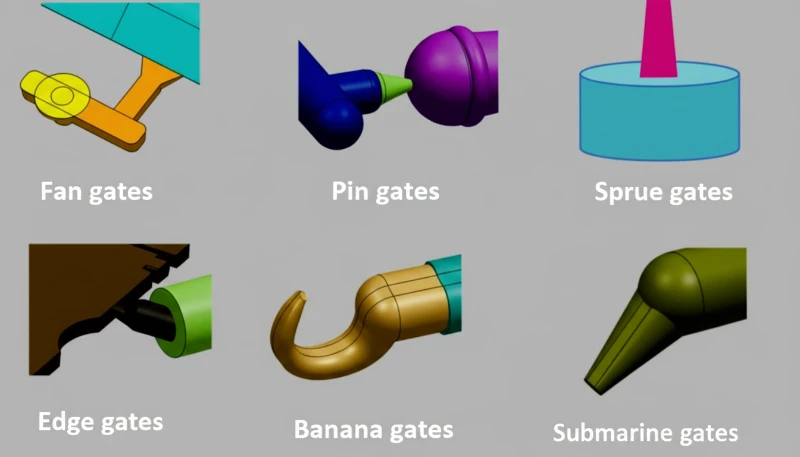
The most common specification gaps we see include: missing draft angle requirements (leading to ejection damage), undefined gate locations (per ISO3 testing standards) (causing weld lines in visible areas), tolerance stacks that do not account for shrinkage variability, and surface finish standards referenced but not quantified. Each of these gaps can require mold modifications that take 2–4 weeks and cost several thousand dollars to fix.
The fix is straightforward but requires discipline: provide a complete 3D model with annotated critical dimensions, specify your surface finish using measurable standards such as SPI A-2 or VDI 24, define gate type preferences, and include a tolerance stack-up analysis. We have found that spending an extra week on specification quality before RFQ can save 4 to 8 weeks of rework after T1. At our factory, every mold design goes through a specification completeness check before any steel is cut, following ISO20491 tooling terminology standards.
With an in-house mold manufacturing facility producing 100+ mold sets per month and 8 senior engineers reviewing every design, specification gaps get caught before steel is cut—not after T1 sampling reveals the problem.
How Can Poor Supplier Due Diligence Hide Tooling Capability Gaps?
Poor supplier due diligence is the root cause of hidden tooling capability gaps. Most buyers evaluate suppliers through emails and video calls, never setting foot in the factory. A supplier tooling capability is not accurately reflected in marketing materials or RFQ responses. You need to verify what machines they actually run, what tolerances they consistently hold, and how they handle mold maintenance.
Key due diligence checks include: verifying machine tonnage range matches your part requirements (a supplier with only small presses cannot mold large housings), confirming they have injection mold design engineers on staff (not just salespeople), checking their mold flow analysis software and process, and reviewing their tooling warranty and ownership terms. A factory that cannot show you their mold maintenance logs or T1 sampling reports is hiding something.
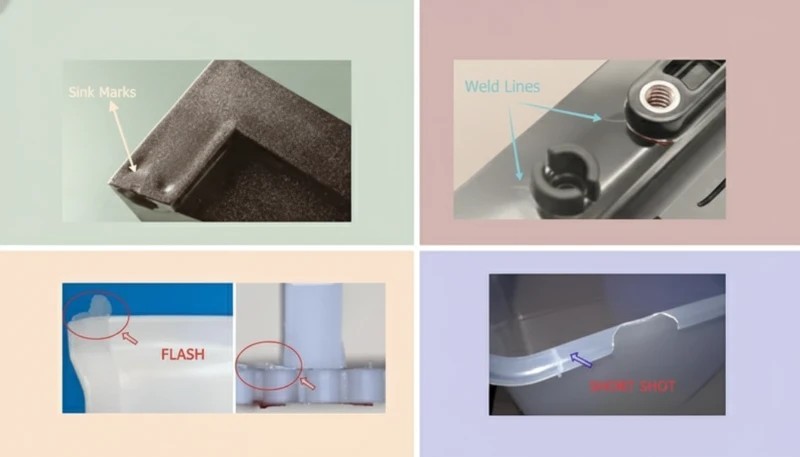
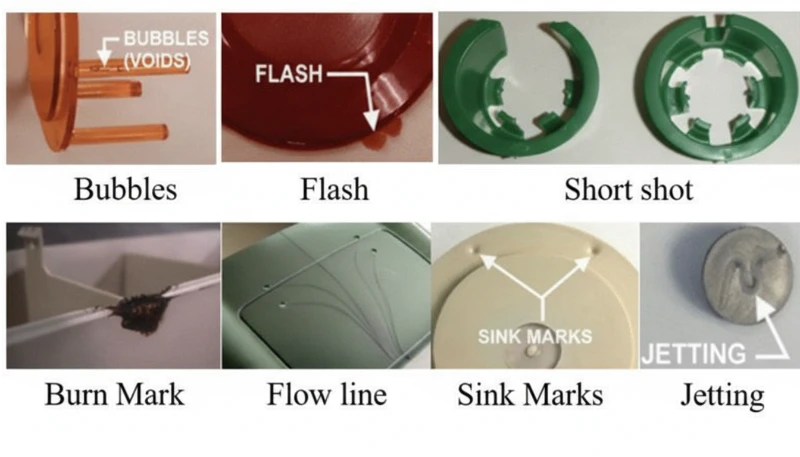
The difference between a supplier with 5 years of experience and one with 20+ years is not just time—it is the accumulated knowledge of what goes wrong. Experienced suppliers have seen the failure modes and build preventive measures into their process. They catch issues during mold design review, not during first article inspection. Common defects like sink marks, bubbles, and flash are symptoms of underlying tooling problems that an experienced eye catches before they become production scrap.
When Does Inadequate Tooling Maintenance Cause Production Delays?
Tooling maintenance is the silent budget killer. In our 20+ years of running injection molding production, we have seen countless buyers focus on mold cost and part price while neglecting maintenance entirely. A mold that produces perfect parts at T1 can start producing rejects within 50,000 shots if the cavity surfaces are not maintained, vents are not cleaned, and moving components are not lubricated.
The most common maintenance-related issues include: worn ejector pins causing part sticking and cycle time increases, eroded gate areas changing fill patterns and creating dimensional shifts, damaged cavity surfaces producing cosmetic defects on visible surfaces, and seized lifters or slides preventing proper demolding. Each of these problems starts small but compounds with every production run if left unaddressed.
A robust tooling maintenance agreement should specify: preventive maintenance intervals (typically every 50,000 to 100,000 shots), spare parts inventory requirements, documented maintenance procedures, and clear cost responsibility. Suppliers who resist documenting maintenance terms in the contract are telling you something important about how they treat your investment. Research on tooling lifecycle management confirms that formalized maintenance agreements reduce unplanned downtime by up to 60 percent.
"A mold maintenance agreement should specify preventive maintenance intervals and spare parts requirements."True
Correct. Preventive maintenance every 50,000 to 100,000 shots, with documented procedures and agreed cost responsibility, is the industry standard for protecting your tooling investment.
"If T1 samples pass inspection, the mold will perform reliably for its entire production life."False
False. T1 success only validates the initial mold condition. Without regular maintenance, wear from thermal cycling, abrasion, and contamination will degrade part quality within tens of thousands of shots.
What Hidden Costs Result from Overlooking Tooling Risk Factors?
The quoted mold price is rarely the total tooling cost. Buyers who overlook risk factors during supplier selection routinely encounter hidden costs that can double their tooling budget. Understanding these costs before you sign a purchase order is critical to accurate project planning.
Hidden cost categories include: engineering change orders (ECOs) required because specifications were ambiguous, expedited shipping for rework samples when timelines are already compressed, production downtime while the mold is being modified, qualification re-runs after mold modifications, and warranty disputes over whether a defect is a tooling issue or a processing issue. Each of these costs is avoidable with proper upfront planning.
A practical approach is to budget 15 to 25 percent above the quoted mold price for a first-time supplier relationship. This contingency covers specification clarifications, minor mold tweaks after T1, and the administrative overhead of managing an unfamiliar supply chain partner. Experienced buyers who follow this practice report significantly fewer budget surprises.
How Do Material-Tooling Mismatches Compound Your Risk?
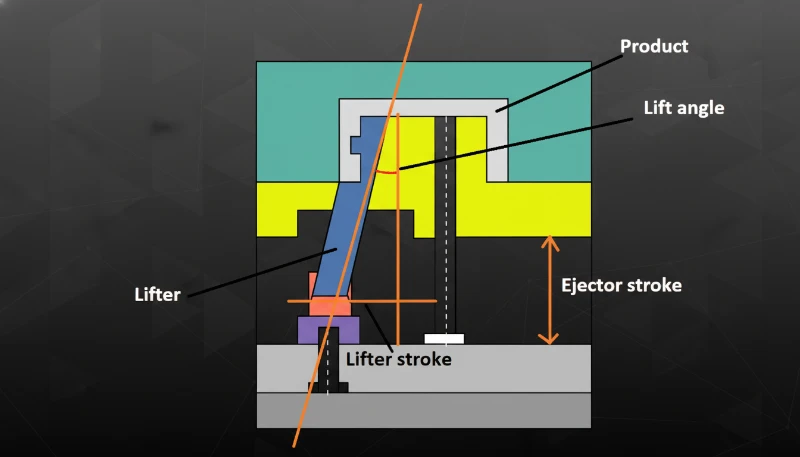
Material selection and mold design are inseparable. Choosing a material without considering its interaction with the tool creates a cascade of problems: abrasive glass-filled resins wear cavity surfaces rapidly, high-temperature engineering plastics require specialized hot runner systems, and materials with aggressive outgassing demand vent designs that many toolmakers overlook. Published material selection guidelines help buyers match materials to tooling requirements early in the design phase, including specifications for lifter mechanisms and ejector stroke requirements in the molding process.
The lesson is clear: always provide your target material and any alternative materials during the RFQ stage. A good injection molding supplier will use this information to select appropriate steel grades, surface treatments, and cooling channel designs that accommodate the full range of materials you may use over the mold lifetime. With experience across 400+ plastic materials, our engineering team routinely flags material-tooling conflicts before they become costly mistakes that require mold rework and delay production schedules.
Our design team uses SOLIDWORKS and MOLDFLOW to simulate material flow and identify potential tooling conflicts before the first steel is cut, drawing on experience with 400+ plastic materials.
Why Is T1 Sampling Success a Critical Supplier Evaluation Metric?
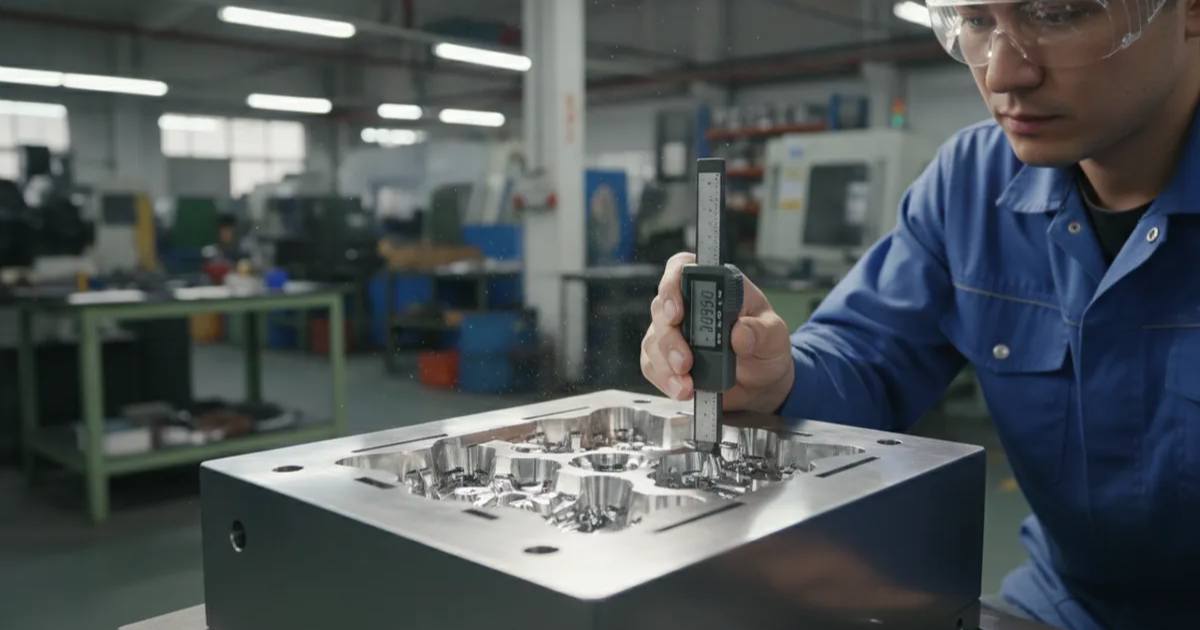
The T1 success rate is the most revealing metric of supplier tooling capability. It measures what percentage of dimensions pass tolerance on the first production sampling run, and a supplier whose molds routinely require multiple modification rounds is not saving you money with a significantly lower quote. The hidden rework costs, including additional machining, resampling fees, and extended project timelines, far exceed any potential upfront savings from choosing the cheapest toolmaker available. This is exactly why experienced buyers always evaluate T1 historical data before committing to a new supplier relationship.
Ask potential suppliers for their T1 success rate data and review actual sampling reports from previous projects. Suppliers who track and publish this important metric demonstrate process discipline and engineering rigor. Look for T1 pass rates above 85 percent for simple parts and above 70 percent for complex multi-cavity molds. A thorough visual inspection of T1 samples should check for common defects such as flash, burn marks, and sink marks that depict underlying tooling problems. Suppliers who cannot provide this data are either not measuring it or they do not want you to know.
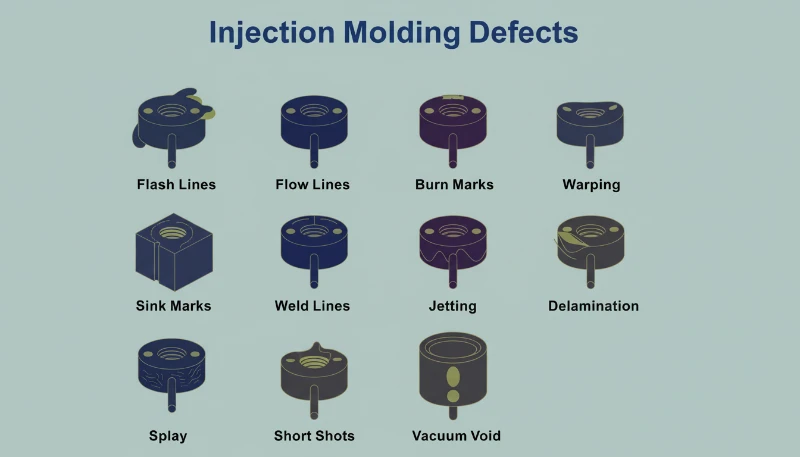
At our Shanghai factory, we maintain detailed T1 sampling records for every mold we build. This data feeds back into our design review process, helping our 8 senior engineers identify patterns and continuously improve first-shot success rates. A visual inspection of T1 samples checks for common defects including flash marks, burn marks, and sink defects that depict underlying tooling issues. The result is fewer modification rounds, faster time-to-production, and lower total tooling cost for our customers. Each T1 report documents dimensional measurements, surface quality assessments, and process parameter validation.
At our Shanghai factory, we maintain detailed T1 sampling records for every mold we build. This data feeds back into our design review process, helping our 8 senior engineers identify patterns and continuously improve first-shot success rates. The result is fewer modification rounds, faster time-to-production, and lower total tooling cost for our customers. Each T1 report documents dimensional measurements, surface quality assessments, and process parameter validation to ensure the mold is production-ready before any commitment to volume manufacturing.
How Can You Build a Tooling Risk Mitigation Checklist?
A structured checklist is your best defense against tooling risk mistakes. Rather than relying on memory or experience to catch every potential issue, a checklist ensures consistent evaluation across all supplier relationships. Here is a practical framework you can adapt to your own requirements.
Your tooling risk checklist should cover five areas. First, specification completeness: are all critical dimensions, tolerances, surface finishes, and material requirements documented? Second, supplier capability verification: does the supplier have the right machines, experience with similar parts, and verifiable quality systems? Third, mold design review: has the supplier provided a mold flow analysis, and have you reviewed gate locations, cooling layout, and ejection strategy? Fourth, commercial terms: are tooling ownership, maintenance responsibilities, warranty terms, and modification cost allocation clearly defined? Fifth, process validation: what are the T1 sampling criteria, FAI requirements, and production qualification steps?
No checklist is perfect, but having one changes the conversation with your supplier from reactive problem-solving to proactive risk management. Suppliers respect buyers who ask informed questions—it signals that you value quality and understand the process, which often leads to better service and fewer shortcuts.
"A tooling risk checklist should be completed before signing the mold purchase order, not after T1 sampling."True
Correct. The checklist prevents problems by ensuring specifications, capabilities, and commercial terms are aligned before any steel is cut or money changes hands.
"A lower mold quote from a less experienced supplier always results in lower total tooling cost."False
False. Lower upfront quotes often exclude critical items like mold flow analysis, proper steel grades, and maintenance terms. The total cost including rework, delays, and quality issues typically exceeds the savings.
What Else Should You Know About Injection Molding Tooling Risks?
Tooling risk management is an ongoing process, not a one-time checklist. Here are answers to the most common questions buyers ask when evaluating injection molding suppliers for their tooling projects.
Frequently Asked Questions
What is the biggest tooling risk when working with a new injection molding supplier?
The biggest risk is incomplete communication of part requirements between buyer and supplier. When specifications are vague—missing GD&T data, undefined surface finishes, or unspecified material alternatives—the mold designer makes assumptions that rarely match buyer expectations, leading to costly rework after T1 sampling. This single issue accounts for more project delays and budget overruns than any other tooling risk factor we encounter. Always provide complete 3D models with annotated critical dimensions and measurable surface finish standards before mold design begins to prevent these issues.
How much should I budget for tooling rework contingencies?
For a first-time supplier relationship, budget 15 to 25 percent above the quoted mold price as a contingency fund. This covers specification clarifications, minor modifications after T1 sampling, and the administrative overhead of managing a new supply chain partner. Experienced buyers who follow this practice consistently report fewer budget overruns and smoother project execution. For established supplier relationships with proven track records, a 10 percent contingency is usually sufficient to handle unexpected adjustments that arise during production qualification and first article inspection.
What should I look for during a supplier tooling audit?
During a supplier tooling audit, verify their machine tonnage range matches your part requirements, confirm they employ dedicated tool design engineers rather than relying solely on sales staff, review their mold flow analysis process and software capabilities, examine sample T1 reports and FAI documentation from previous projects, and inspect their mold maintenance facilities and spare parts inventory carefully. A physical factory audit reveals capabilities and limitations that email correspondence and video calls simply cannot uncover, making it essential for risk management.
How often should production molds be maintained?
Production molds should receive preventive maintenance every 50,000 to 100,000 shots, depending on the material being molded and the overall part complexity. Glass-filled or abrasive materials like PA66-GF30 require more frequent maintenance intervals due to accelerated cavity wear on critical surfaces. Your tooling maintenance agreement should clearly specify maintenance intervals, documented procedures, required spare parts inventory, and cost responsibility allocation. These contractual terms protect your tooling investment and ensure consistent part quality over the full production lifecycle of the mold.
What is a good T1 sampling success rate for injection molds?
A strong supplier achieves T1 pass rates above 85 percent for simple parts and above 70 percent for complex multi-cavity molds. Always ask potential suppliers for their historical T1 data and sampling reports from similar projects. Suppliers who track and share this metric demonstrate process discipline and confidence in their tooling capabilities. This translates directly to fewer modification rounds, faster time-to-production, and lower total project cost for you as the buyer, making it one of the most valuable evaluation criteria available.
Can I change materials after the mold is built?
Changing materials after the mold is built depends entirely on the original mold design specifications. If only one material was specified during design, switching to a material with different shrinkage rates, abrasiveness, or melt temperature requirements may require cavity modifications, new inserts, or updated hot runner components. Always communicate all potential materials during the RFQ stage so the toolmaker can design for your full material range from the start. This proactive approach avoids costly modifications that delay production timelines significantly.
Who should own the mold—the buyer or the supplier?
In most custom tooling arrangements, the buyer should own the mold to maintain flexibility for moving production if the supplier relationship changes. Ensure the tooling ownership contract clearly specifies storage conditions, maintenance responsibilities, transfer procedures, and what happens if the supplier goes out of business. Never assume ownership without a written agreement covering all these critical points. Mold ownership disputes are among the most common and costly legal conflicts in supplier relationships, so clear contractual terms are essential for protecting your investment.
injection molding: Injection molding is a manufacturing process where molten material is injected into a mold cavity to form parts ↩
NIST: NIST refers to national Institute of Standards and Technology manufacturing standards ↩
ISO: ISO refers to international Organization for Standardization, which publishes globally recognized manufacturing and materials standards ↩