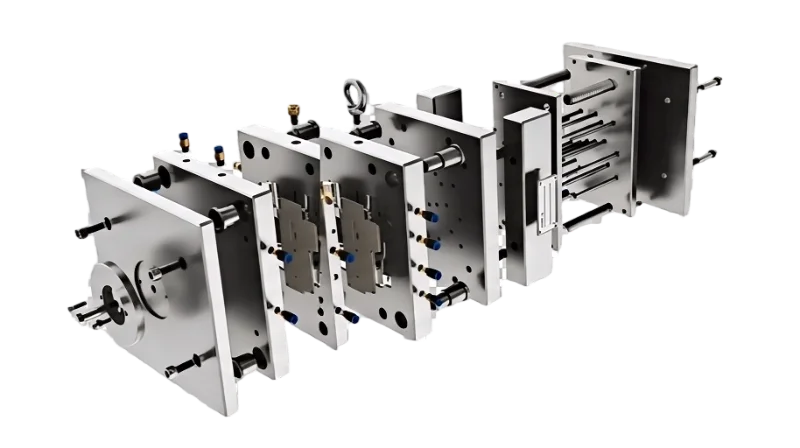
Bei einer Investition in eine Spritzgießform ist eine Frage besonders wichtig: Wie lange hält diese Form tatsächlich? Ihr Lebenszyklus bestimmt Stückkosten, Produktionszuverlässigkeit und letztlich die Rentabilität des Projekts. Dieser Leitfaden erläutert jede Phase – von Konstruktion und ersten Schüssen über Wartungsintervalle bis zur Ausmusterung – anhand konkreter Planungswerte.
Ein Werkzeug, das nach 50.000 statt 500.000 Zyklen ausfällt, kostet Sie nicht nur ein neues Werkzeug – es verdoppelt Ihre Werkzeugkosten pro Teil, verzögert Ihren Lieferplan und kann Qualitätsmängel einführen, die bis zum Kunden gelangen. Das Verständnis des Lebenszyklus eines Spritzgusswerkzeugs gibt Ihnen das Wissen, den richtigen Stahl zu spezifizieren, die richtigen Prozessparameter einzustellen und Wartung zu planen, die Ihr Werkzeug über seine gesamte Nennlebensdauer hinweg mit Spitzenleistung laufen lässt.
- Die Werkzeuglebensdauer wird in Zyklen, nicht in Kalenderzeit gemessen — ein rund um die Uhr laufendes Werkzeug verschleißt schneller als eines, das 8 Stunden läuft
- Die Stahlsorte ist der wichtigste Einzelfaktor für die Werkzeuglebensdauer: von P20 (300.000 Zyklen) bis H13 (über 1 Mio. Zyklen)
- Eine ordnungsgemäße Wartung in regelmäßigen Abständen kann die Werkzeuglebensdauer um 30–50 % verlängern
- Verarbeitungsparameter wie Schließkraft, Einspritzgeschwindigkeit und Werkzeugtemperatur beeinflussen die Werkzeugstandzeit direkt
- Die meisten Werkzeuge durchlaufen 5 klar abgegrenzte Lebensphasen: Konstruktion, Qualifizierung, Produktion, Wartung und Ausmusterung
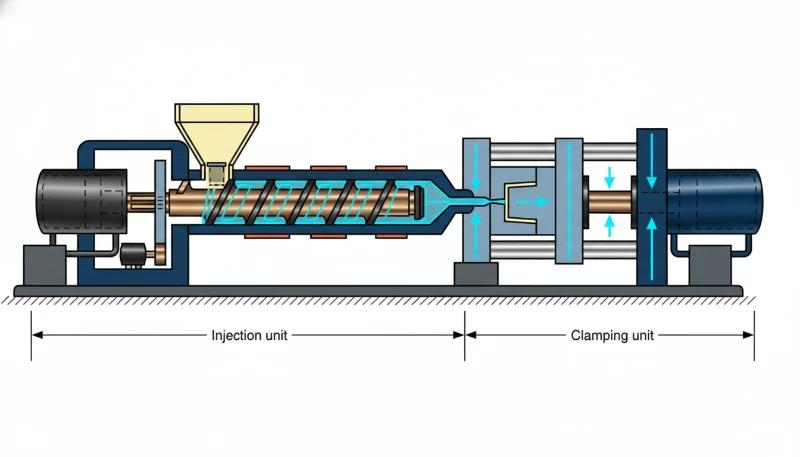
Wie sieht der Lebenszyklus eines Spritzgusswerkzeugs genau aus?
Der Lebenszyklus einer Spritzgießform umfasst die gesamte Entwicklung von der Konstruktion bis zur Ausmusterung und wird in Zyklen gemessen. Beim Vergleich von Anbietern oder bei der Beschaffungsplanung behandelt unser Leitfaden zur Auswahl von Spritzgießlieferanten die Angebotsvorbereitung, Qualifizierung und Prüfung kaufmännischer Risiken.
Der Lebenszyklus einer Spritzgießform umfasst Konstruktion, Fertigung, Qualifizierung, Produktion, Wartung und schließlich Ausmusterung und wird in Zyklen statt Kalenderzeit gemessen. Eine gut gefertigte Produktionsform erreicht je nach Stahlsorte1, Bauteilkomplexität und Wartungsdisziplin 100,000 bis über 5,000,000 Zyklen. Die fünf Phasen sind Konstruktion und Fertigung, Bemusterung und Qualifizierung (T0/T1), Produktionslebensdauer, Wartung und Überholung sowie Ausmusterung oder Neuaufbau.
Der Lebenszyklus eines Spritzgießwerkzeugs ist die Gesamtzahl der Produktionszyklen, die eine Form zuverlässig absolvieren kann, bevor sie keine akzeptablen Teile mehr erzeugt. Gemessen wird nicht in Monaten oder Jahren, sondern in Schüssen beziehungsweise Zyklen.
Warum die Zyklenanzahl wichtiger ist als die Kalenderzeit
Betrachten Sie es so: Ein Werkzeug, das im Dreischichtbetrieb mit einem 15-Sekunden-Zyklus läuft, erreicht ungefähr 17,000 Zyklen pro Tag. Dasselbe Werkzeug erreicht in einem Einschichtbetrieb mit einem 30-Sekunden-Zyklus möglicherweise nur 960 Zyklen täglich. Dasselbe Werkzeug, aber eine völlig andere kalendarische Lebensdauer — deshalb standardisiert die Branche anhand der Zykluszahl.
In der Praxis erstreckt sich die Werkzeuglebensdauer über eine enorme Bandbreite. Ein einfaches Prototypenwerkzeug aus Aluminium kann 1,000–10,000 Teile liefern. Ein Produktionswerkzeug aus gehärtetem Werkzeugstahl (H13 oder 1.2344) kann mehr als eine Million Zyklen erreichen. Ausschlaggebend sind die Stahlauswahl, die Komplexität der Werkzeugkonstruktion, die Teilegeometrie, die Prozessdisziplin und — vielleicht am wichtigsten — die Qualität der Werkzeugwartung.
In unserem Betrieb in Shanghai haben wir schlecht gewartete P20-Werkzeuge gesehen, die nach 100.000 Zyklen ausfielen, während gut gewartete H13-Werkzeuge auch nach mehr als 1.2 Millionen Zyklen noch zuverlässig liefen. Konsequente Wartung gleicht die Unterschiede aus.
Mit 47 Spritzgießmaschinen von 90T bis 1850T und einer eigenen Werkzeugfertigung produziert ZetarMold über 100 Spritzgusswerkzeuge pro Monat. Unsere 8 leitenden Ingenieure – jeder mit über 10 Jahren Erfahrung – konstruieren Werkzeuge mit von Anfang an integrierter Lebenszyklusplanung.
Wie wird die Lebensdauer eines Spritzgießwerkzeugs gemessen?
Die Lebensdauer einer Spritzgießform wird als Zahl der Öffnungs- und Schließzyklen bis zur Unbrauchbarkeit gemessen. Diese Zyklenzahl ist der Goldstandard, weil sie direkt mit dem mechanischen Verschleiß zusammenhängt. Weitere, weniger genaue Größen sind die Gesamtstückzahl, die bei Mehrkavitätenformen hilfreich ist, und die Kalenderzeit, die am unzuverlässigsten, aber am häufigsten genannt wird.
1. Zyklenzahl (Goldstandard). Sie bezeichnet die Gesamtzahl der Öffnungs- und Schließzyklen des Werkzeugs. Dies ist das objektivste Maß, weil es unmittelbar mit dem mechanischen Verschleiß von Auswerferstiften, Führungsbuchsen, Kavitätsflächen und Trennebenen korreliert. Eine für „500,000 Zyklen“ ausgelegte Form bezieht sich auf diesen Wert.
2. Produzierte Teile. Eine Form mit 8 Kavitäten erzeugt bei 500,000 Zyklen 4 Millionen Teile. Manche Käufer besprechen die Lebensdauer lieber als Gesamtstückzahl; ändern sich die Kavitätenzahlen zwischen Projekten, kann dies jedoch irreführen.
3. Kalenderzeit (am wenigsten zuverlässig). Die Aussage, eine Form „halte 5 Jahre“, sagt fast nichts aus. Eine Form mit 20 Sekunden Zykluszeit im Dreischichtbetrieb verschleißt in einem Jahr wesentlich stärker als eine Form mit 60 Sekunden Zykluszeit im Einschichtbetrieb in drei Jahren.
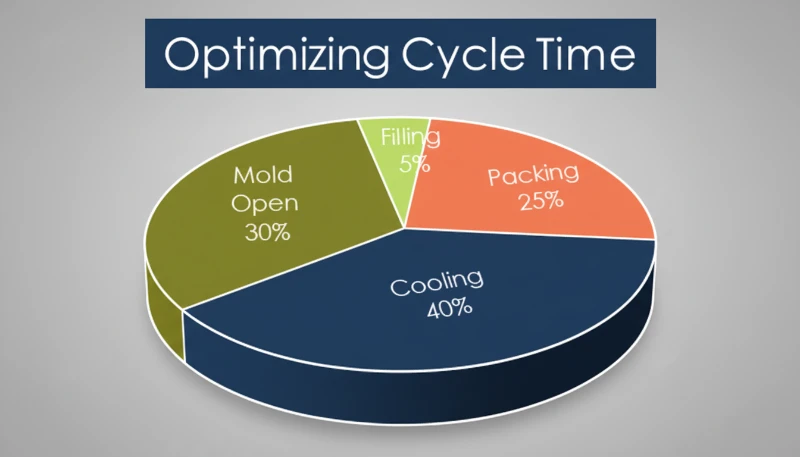
Fazit: Geben Sie die erwartete Lebensdauer der Form immer in Zyklen an und stellen Sie sicher, dass Ihr Spritzgießer die Gesamtzahl der gelaufenen Zyklen dokumentiert. Moderne Spritzgießmaschinen erfassen dies automatisch, und es sollte Bestandteil Ihrer Produktionsberichte sein.
Welche Faktoren bestimmen die Lebensdauer eines Werkzeugs?
Die Werkzeuglebensdauer ist keine Gleichung mit nur einer Variablen. Sie ist das kumulierte Ergebnis von mindestens sechs wesentlichen Faktoren, die zusammenwirken — oder einander entgegenwirken.
Auswahl des Formstahls
Die Stahlgüte ist der größte Einzelfaktor für die Werkzeuglebensdauer. P20 (ein vorgehärteter Werkzeugstahl) ist das Arbeitspferd der Branche – erschwinglich, gut zu bearbeiten und gut für 300.000 bis 500.000 Zyklen. Wenn Sie mehr benötigen, erreichen 1.2738 oder 718H etwa 500.000–800.000. Für Hochleistungswerkzeuge liefern H13 oder 1.2344 (Warmarbeitsstähle) über eine Million Zyklen, vorausgesetzt sie sind richtig wärmebehandelt.
Der Nachteil sind die Kosten. H13-Werkzeugstahl kann 2–3× mehr kosten als P20. Wenn Ihr Projekt jedoch Millionen von Teilen umfasst, sind die amortisierten Werkzeugkosten pro Teil mit dem haltbareren Stahl tatsächlich niedriger. Wir empfehlen, vor der Auswahl immer nachzurechnen — und führen diese Berechnung bei jeder DFM-Prüfung für jeden Kunden durch.
Werkzeugkonstruktion und -aufbau
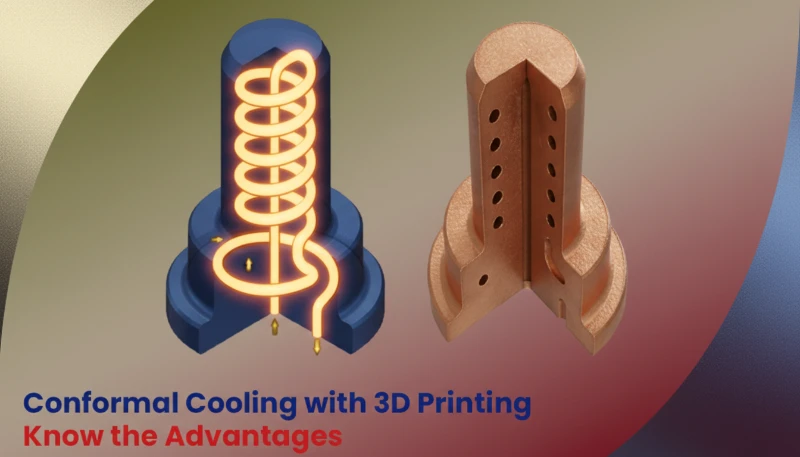
Eine gut konstruierte Form verteilt Spannungen gleichmäßig auf alle Komponenten. Wichtige Faktoren sind ausreichende Wanddicken der Kavitätseinsätze, eine richtige Lage der Kühlkanäle zur Verringerung thermischer Ermüdung2, verrundete Übergänge statt scharfer Innenecken als Spannungsspitzen sowie zuverlässige Führungen gegen Versatz beim Schließen.
Nach unserer Erfahrung versagen meist jene Formen am frühesten, deren Konstruktion überstürzt wurde. Einige zusätzliche Tage für Simulation und Konstruktionsprüfung können die Lebensdauer der Form um Hunderttausende Zyklen verlängern.
Verarbeitungsparameter
Wie Sie die Form betreiben, ist genauso wichtig wie ihre Konstruktion. Übermäßiger Einspritzdruck, falsche Schließkraft, extreme Schmelztemperaturen und unzureichende Kühlzeit beschleunigen alle den Verschleiß. Wir gehen darauf im folgenden Verarbeitungsabschnitt detailliert ein.
Zu formendes Material
Glasfaserverstärktes Nylon ist wesentlich abrasiver als ungefülltes Polypropylen. Flammhemmende Sorten enthalten häufig korrosive Additive. Hochtemperaturwerkstoffe wie PEEK erfordern Werkzeugstähle, die thermischer Ermüdung widerstehen. Stimmen Sie den Stahl stets auf den Werkstoff ab – hier sollten Sie nicht sparen.
Oberflächenbehandlungen
PVD-Beschichtungen, Nitrieren und Verchromen können die Lebensdauer der Kavitätsoberfläche deutlich verlängern. Diese Behandlungen erhöhen die Oberflächenhärte, verringern die Reibung beim Entformen und bieten chemische Beständigkeit gegen korrosive Harze. Eine nitrierte P20-Form kann zu einem Bruchteil der Kosten annähernd die Verschleißfestigkeit eines unbehandelten H13-Werkzeugs erreichen.
Konsequente Wartung
Diesen Faktor unterschätzen die meisten Einkäufer. Regelmäßige vorbeugende Wartung — Reinigung, Schmierung, Prüfung der Verschleißflächen und rechtzeitiger Komponententausch — kann die Werkzeugstandzeit um 30–50% verlängern. Wartung zu überspringen, um „Zeit zu sparen“, ist die teuerste Entscheidung, die Sie treffen können.
Wie beeinflusst die Wahl des Werkzeugstahls die Lebensdauer?
Die Wahl des Formstahls hat den größten Einfluss auf die Werkzeuglebensdauer. Eine Form aus vorvergütetem P20-Stahl erreicht typischerweise 100,000–500,000 Zyklen, eine gehärtete H13-Stahlform unter gleichen Bedingungen über 1,000,000–5,000,000 Zyklen, kostet anfänglich jedoch das 2- bis 3-Fache. Die folgende Tabelle zeigt typische Lebensdauerbereiche gängiger Formstähle beim Kunststoffspritzgießen.
| Stahlsorte | Härte (HRC) | Typische Zykluslebensdauer | Am besten für | Relative Kosten |
|---|---|---|---|---|
| P20 / P20HH | 28–36 | 300,000–500,000 | Allzweckproduktion | Ausgangsbasis (1×) |
| Wann sollten Sie eine Form aussondern oder neu aufbauen? | 33–40 | 500,000–800,000 | Mittlere Stückzahl, bessere Politur | 1.2–1.5× |
| H13 / 1.2344 | 44–52 | 1,000,000+ | Großserien, abrasive Werkstoffe | 2–3× |
| S136 / 420SS | 48–54 | 800,000–1,200,000 | Korrosive Harze, optische Teile | 2.5–3.5× |
| Aluminium (QC-10) | k. A. | 1,000–10,000 | Prototypenfertigung, Kleinserien | 0.3–0.5× |
Beachten Sie, dass der Kostenmultiplikator nicht linear mit der Lebensdauer skaliert. Ein H13-Werkzeug kostet 2–3× mehr als P20, kann jedoch 2–4× so viele Zyklen erreichen. Bei jedem Projekt mit mehr als 500,000 Teilen amortisiert sich der hochwertigere Stahl fast immer.
Noch ein Punkt: „Vorgehärtete“ Stähle wie P20 werden bereits in ihrer Einsatzhärte geliefert, sodass nach der Bearbeitung keine zusätzliche Wärmebehandlung erforderlich ist. Durchgehärtete Stähle wie H13 benötigen nach der Grobbearbeitung eine Wärmebehandlung und anschließend die Fertigbearbeitung auf Endmaß. Dies verlängert Lieferzeit und erhöht Kosten, bietet aber eine deutlich höhere Verschleißfestigkeit.
Was sind die wichtigsten Phasen von der Konstruktion bis zum Lebensende?
Die fünf Hauptphasen sind Konstruktion, Qualifizierung, Produktion, Wartung und Außerbetriebnahme. Zu wissen, wo sich Ihre Form in diesem Lebenszyklus befindet, ermöglicht Ihnen Budgetplanung, Terminierung von Ersatz und Vermeidung unerwarteter Stillstände.
Phase 1: Konstruktion und Fertigung
Das Schicksal des Werkzeugs wird weitgehend in der Konstruktionsphase besiegelt. Stahlauswahl, Kühlkonzept, Auswerferstrategie und Entlüftungskonstruktion bestimmen, wie viele Zyklen das Werkzeug letztlich erreicht. Deshalb investieren wir vor der Bearbeitung des Stahls umfassend in die Moldflow-Simulation – eine thermische Wärmestelle in der Simulation zu erkennen ist erheblich kostengünstiger, als sie erst in der Produktion zu entdecken.
Phase 2: Bemusterung und Qualifizierung (T0/T1)
Bei den ersten Versuchen (häufig T0- oder T1-Muster genannt) muss das Werkzeug beweisen, dass es akzeptable Teile herstellen kann. Während der Bemusterung werden die Verarbeitungsparameter festgelegt und das Werkzeug auf Probleme geprüft — Grat, Kurzschüsse, Einfallstellen oder Maßabweichungen. Diese Phase umfasst üblicherweise 50–200 Zyklen.
Phase 3: Produktionslebensdauer
Dies ist die Betriebsphase des Werkzeugs – der lange mittlere Zeitraum, in dem es Zyklus für Zyklus Teile fertigt. Während dieser Phase nimmt der Verschleiß allmählich zu. An den Auswerferstiften entstehen Riefen, die Kavitätsoberflächen verschleißen langsam und in den Kühlkanälen bilden sich Ablagerungen. Regelmäßige Instandhaltung gewährleistet einen reibungslosen Ablauf dieser Phase.
Phase 4: Wartung und Aufarbeitung
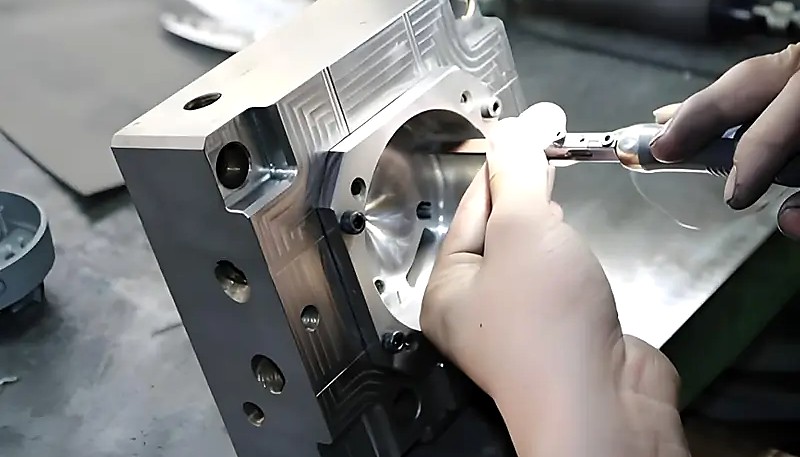
Selbst gut gewartete Werkzeuge müssen irgendwann überholt werden. Übliche Maßnahmen sind das erneute Polieren der Kavitätsoberflächen, der Austausch verschlissener Auswerferstifte und Buchsen, das Nacharbeiten beschädigter Trennlinien sowie die Reinigung oder Neubohrung von Kühlkanälen. Eine gute Überholung kann 60–80 % der ursprünglichen Werkzeuglebensdauer wiederherstellen.
Phase 5: Ausmusterung oder Neuaufbau
Wenn eine Aufarbeitung wirtschaftlich nicht mehr sinnvoll ist, wird das Werkzeug ausgemustert. Einige Komponenten wie Werkzeuggrundrahmen, Führungssäulen und bestimmte Einsätze können möglicherweise für künftige Werkzeuge weiterverwendet werden. Die Entscheidung zwischen Ausmusterung und Neuaufbau beruht auf einer einfachen Rechnung: Übersteigen die Kosten der nächsten Reparatur den amortisierten Wert der verbleibenden Teile, die das Werkzeug noch fertigen würde, ist es Zeit für ein neues Werkzeug.
Wie kann regelmäßige Wartung die Formlebensdauer verlängern?
Die wichtigste Aussage dieses Artikels lautet: Wartung ist günstiger als Reparatur. Regelmäßige vorbeugende Wartung verhindert, dass kleine Probleme zu katastrophalen Formschäden werden.
Tägliche Wartung (jede Schicht)
Dies sind die grundlegenden Arbeiten, die Bediener zu Beginn oder am Ende jeder Produktionsschicht durchführen sollten: alle beweglichen Teile (Auswerferstifte, Führungssäulen, Schiebermechanismen) schmieren, Formoberflächen von Harzrückständen und Gratablagerungen reinigen, auf sichtbare Verschleißanzeichen (Riefen, Beschädigungen der Trennebene, Grat) prüfen und sicherstellen, dass das Kühlwasser mit der richtigen Temperatur und Durchflussmenge fließt.
Regelmäßige Wartung (alle 50,000–100,000 Zyklen)
In diesen Intervallen ist eine gründlichere Inspektion erforderlich: Reinigen Sie alle Entlüftungsschlitze und -kanäle, prüfen und ersetzen Sie verschlissene Auswerfer- und Rückstoßstifte, untersuchen Sie die Kavitätsoberflächen auf Polierbedarf, überprüfen Sie die Durchflussraten der Kühlkanäle (Kalkablagerungen verringern die Kühleffizienz) und kontrollieren Sie alle Gewindekomponenten auf festen Sitz.
Grundüberholung (alle 300.000–500.000 Zyklen)
Dies umfasst die vollständige Demontage und Prüfung des Werkzeugs: alle kritischen Abmessungen anhand der Originalzeichnungen messen, Kavitätsoberflächen bei Bedarf nachpolieren oder neu texturieren, alle standardmäßigen Verschleißteile (Stifte, Buchsen, Federn) ersetzen, alle Werkzeugkomponenten prüfen und neu ausrichten sowie das Werkzeug erneut für die Produktion zertifizieren.
Die Festlegung und Einhaltung dieses Wartungsplans ist nicht optional, wenn Ihnen die Lebensdauer der Form wichtig ist. In unserem Werk in Shanghai erhält jede zur Produktion eingehende Form einen Zustandsbericht, und wir markieren Wartungsmeilensteine automatisch anhand der Zykluszahlen.
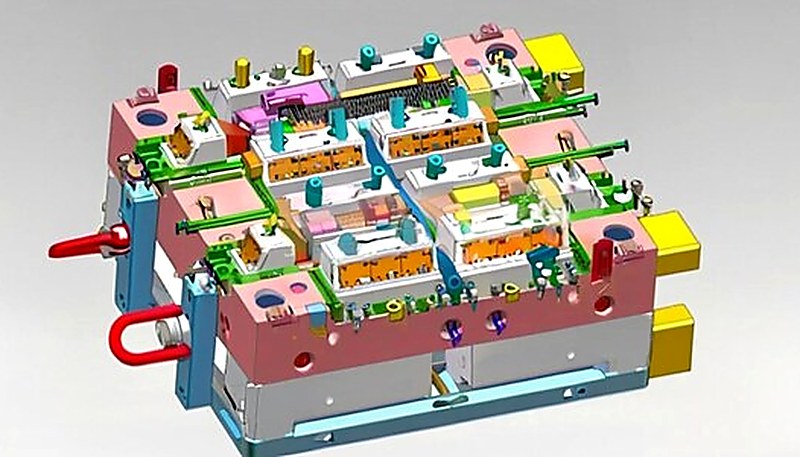
Welche Verarbeitungseinstellungen schützen oder zerstören Ihr Werkzeug?
Ihr Prozessingenieur ist sich dessen möglicherweise nicht bewusst, doch jeder eingestellte Parameter verlängert oder verkürzt die Werkzeuglebensdauer. Dies sind die kritischen Parameter, die überwacht werden sollten.
Spannkraft
Die richtige Schließkraft3 ist grundlegend. Ist sie zu gering, überwindet der Einspritzdruck die Zuhaltung, erzeugt Grat und kann die Trennebene beschädigen. Ist sie zu hoch, quetscht die Maschine die Form, verengt Entlüftungen und überlastet den Formaufbau. Die Formel ist einfach: Schließkraft = projizierte Fläche × Werkstofffaktor × Sicherheitsfaktor. Validieren Sie die Berechnung mit einer Formfüllanalyse.
Einspritzgeschwindigkeit und -druck
Eine überhöhte Einspritzgeschwindigkeit erzeugt in jedem Zyklus einen hydraulischen Stoß, der nach und nach auf die Kavitäts- und Angussbereiche einhämmert. Ein zu hoher Nachdruck hat dieselbe Wirkung – er hält die volle Verdichtungskraft auf bereits gefüllten Kavitätswänden aufrecht. Profilieren Sie die Einspritzgeschwindigkeit so, dass sie allmählich ansteigt, und verwenden Sie nur so viel Nachdruck, wie für die Bauteilqualität erforderlich ist.
Kontrolle der Formtemperatur
Die Temperaturdifferenz zwischen den Werkzeughälften sollte 6°C nicht überschreiten. Größere Unterschiede verursachen eine ungleichmäßige Wärmeausdehnung, die beim Schließen des Werkzeugs zu Fehlausrichtung und beschleunigtem Verschleiß der Führungskomponenten führt. Thermische Ermüdung — die wiederholte Ausdehnung und Kontraktion der Stahloberflächen — gehört zu den drei häufigsten Ursachen für Werkzeugversagen.
Auswerfereinstellungen
Übermäßiger Auswurf durch zu großen Hub oder zu hohen Druck ist ein unauffälliger Werkzeugzerstörer. Er belastet Auswerferstifte, verschleißt Stiftbohrungen und kann Kavitätseinsätze zum Reißen bringen, wenn das Teil dem Auswerfen widersteht. Stellen Sie den Auswerferhub auf das für eine zuverlässige Entformung erforderliche Minimum und den Auswerferdruck nur so hoch ein, dass der Auswurf konstant erfolgt.
"Ein gut gewartetes P20-Werkzeug kann die Zykluslebensdauer eines vernachlässigten H13-Werkzeugs erreichen oder übertreffen."True
Konsequente Wartung ist oft wichtiger als die Stahlsorte. Eine P20-Form, die in den richtigen Intervallen regelmäßig geschmiert, gereinigt und mit Ersatzkomponenten versehen wird, kann eine stark beanspruchte und vernachlässigte H13-Form zuverlässig überdauern. Wir haben dies in der Produktion wiederholt erlebt — der Betrieb, der seine Werkzeuge pflegt, gewinnt, unabhängig von der Herkunft des Stahls.
"Eine Form hält unabhängig von ihrer Nutzung 5 Jahre."False
Die Kalenderzeit ist für die Messung der Werkzeuglebensdauer bedeutungslos. Ein Werkzeug, das rund um die Uhr mit einem 15-Sekunden-Zyklus läuft, sammelt täglich über 17,000 Zyklen an, während ein Werkzeug im Einschichtbetrieb mit einem 60-Sekunden-Zyklus möglicherweise nur 480 erreicht. Die einzig aussagekräftige Messgröße ist die Zykluszahl in Verbindung mit den Verarbeitungsparametern und der Wartungshistorie.
Zu verstehen, wie Prozessparameter die Werkzeuglebensdauer beeinflussen, ist entscheidend. Jede Einstellung an der Spritzgießmaschine – von der Schließkraft bis zur Auswerfergeschwindigkeit – hat direkten Einfluss darauf, wie viele Zyklen Ihr Werkzeug übersteht. In unserer Einrichtung in Shanghai haben wir beobachtet, dass Werkzeuge unter optimierten Parametern durchweg 30–40 % länger halten als identische Werkzeuge mit Standardeinstellungen. Deshalb investieren wir Zeit in die Prozessqualifizierung vor der Serienproduktion: Die ersten 10.000 Zyklen legen oft den Verlauf für die gesamte Werkzeuglebensdauer fest. Bei der Untersuchung eines vorzeitig ausgefallenen Werkzeugs führen unsere Ingenieure die Ursache fast immer auf einen der oben genannten Parameter zurück – übermäßigen Einspritzdruck, unzureichende Kühlung oder zu aggressive Auswerfung.
Wann sollte ein Werkzeug ausgemustert oder überholt werden?
Ein Werkzeug wird stillgelegt, wenn die Reparaturkosten 50–60 % eines neuen Werkzeugs übersteigen; wiederaufgebaut, wenn der Werkzeuggrundkörper intakt ist, aber Kavitätseinsätze ersetzt werden müssen. Die meisten Produktionswerkzeuge durchlaufen 1–2 große Überholungen, bevor sie das Lebensdauerende erreichen. Die Entscheidung läuft auf eine einfache Berechnung hinaus: Wenn die Kosten der nächsten Reparatur den amortisierten Wert der verbleibenden Teile, die es produzieren würde, übersteigen, ist es Zeit für ein neues Werkzeug.
Anzeichen für die Ausmusterung einer Form: Kavitätsmaße liegen außerhalb der Toleranz und Nachfräsen würde die Geometrie verändern; derselbe Bereich reißt trotz Reparaturen wiederholt; verkalkte Kühlkanäle haben die Zykluszeit erheblich verlängert; oder die kumulierten Reparaturkosten übersteigen 60 % der Kosten einer neuen Form.
Anzeichen für einen lohnenden Neuaufbau: Formaufbau und Rahmen sind in gutem Zustand, Kavitätseinsätze lassen sich ohne Neukonstruktion des gesamten Werkzeugs ersetzen und die verbleibende Produktionsmenge rechtfertigt den Neuaufbau, aber keine vollständig neue Form.
In der Praxis werden die meisten Produktionswerkzeuge vor ihrer Ausmusterung 1–2 umfassenden Überholungen unterzogen. Bei Werkzeugen aus gehärtetem Stahl sind 3–5 Produktionsjahre über die ursprüngliche Ausführung und die Überholungen hinweg üblich; über den gesamten Werkzeuglebenszyklus werden mehrere Millionen Teile gefertigt.
"Glasfaserverstärkte Harze können Werkzeugkavitäten 3–5× schneller verschleißen als ungefüllte Materialien."True
Glasfasern in gefüllten Compounds wirken bei jedem Einspritzzyklus als Mikroabrasive. Über Hunderttausende Zyklen erodieren sie schrittweise Kavitätsoberflächen, vergrößern Anschnittbereiche und verschlechtern die Oberflächengüte. Planen Sie bei abrasiven Compounds häufigere Wartung ein und erwägen Sie gehärteten Stahl oder PVD-Oberflächenbeschichtungen.
"Sobald eine Form Gutteile produziert, bleiben die Einstellungen für immer unverändert."False
Produktionsbedingungen verändern sich im Laufe der Zeit aufgrund von Materialchargenschwankungen, fortschreitendem Maschinenverschleiß, Umgebungstemperaturschwankungen und Verschleiß der Werkzeugoberfläche. Was beim 10.000. Zyklus funktionierte, ist beim 200.000. Zyklus möglicherweise nicht mehr optimal. Regelmäßige Prozessaudits und Parameteranpassungen sind entscheidend, um sowohl die Teilequalität als auch die Werkzeuglebensdauer über den gesamten Werkzeuglebenszyklus hinweg aufrechtzuerhalten.
Häufig gestellte Fragen
Häufig gestellte Fragen
Wie hoch ist die durchschnittliche Lebensdauer eines Spritzgießwerkzeugs?
Das hängt vollständig von der Stahlsorte und dem Wartungsniveau ab. Ein vorgehärtetes P20-Werkzeug erreicht unter normalen Bedingungen üblicherweise 300,000 bis 500,000 Produktionszyklen. Ein Werkzeug aus H13- oder 1.2344-Warmarbeitsstahl kann bei sachgerechter Pflege und Verarbeitung mehr als 1,000,000 Zyklen erreichen. Für Kleinserien ausgelegte Aluminium-Prototypenwerkzeuge halten zwischen 1,000 und 10,000 Zyklen. Entscheidend ist, dass keine einzelne Zahl die Werkzeuglebensdauer bestimmt — Stahlauswahl, Teilekomplexität, Abrasivität des Kunststoffs und Wartungsdisziplin wirken gemeinsam auf die tatsächliche Standzeit des Werkzeugs.
Wie viele Zyklen hält eine P20-Form?
Werkzeuge aus vorgehärtetem P20-Stahl erreichen in Standardanwendungen typischerweise 300,000 bis 500,000 Produktionszyklen. Bei ausgezeichneter Wartungsdisziplin und günstigen Verarbeitungsbedingungen — moderaten Einspritzdrücken, ordnungsgemäßer Kühlung und regelmäßiger Schmierung — haben einige P20-Werkzeuge 600,000 oder mehr Zyklen erreicht. Beim Formen glasfasergefüllter oder flammhemmender Materialien ist jedoch mit einer Standzeit am unteren Ende dieses Bereichs zu rechnen. Für Projekte mit insgesamt mehr als 500,000 Teilen sollte eine Aufrüstung auf Stahl 1.2738 oder H13 erwogen werden, um langfristig wirtschaftlicher zu produzieren. Berücksichtigen Sie bei der Budgetierung von P20-Werkzeugen stets das konkrete Harz und den Wartungsplan.
Wie oft sollten Spritzgussformen gewartet werden?
Spritzgussformen erfordern drei Wartungsstufen. Die tägliche Wartung umfasst das Schmieren aller beweglichen Teile (Auswerferstifte, Führungssäulen, Schiebermechanismen) und die Reinigung der Formoberflächen von Harzrückständen. Alle 50,000 bis 100,000 Zyklen ist eine gründliche Inspektion durchzuführen: verschlissene Auswerferstifte ersetzen, Entlüftungskanäle reinigen, Durchflussmengen der Kühlkanäle prüfen und alle Gewindekomponenten kontrollieren. Alle 300,000 bis 500,000 Zyklen ist eine vollständige Demontage mit Maßprüfung, erneutem Polieren der Kavität und Austausch aller Standardverschleißteile einschließlich Federn und Buchsen durchzuführen. Das Auslassen einer Stufe erhöht das Risiko ungeplanter Stillstandszeiten und eines vorzeitigen Formausfalls.
Was verursacht einen vorzeitigen Ausfall der Spritzgussform?
Zu den häufigsten Ursachen für einen vorzeitigen Werkzeugausfall gehört die falsche Stahlauswahl für den verarbeiteten Werkstoff, die zu übermäßigem Verschleiß oder Korrosion führt. Ein zu hoher Einspritzdruck oder eine zu hohe Schließkraft beschädigt mit der Zeit Trennlinien und Kavitätsoberflächen mechanisch. Mangelhafte Wartung – insbesondere ausgelassene Schmierung, Reinigung und regelmäßige Inspektionen – lässt kleinere Probleme zu schweren Ausfällen eskalieren. Unzureichende Kühlung verursacht thermische Ermüdungsrisse im Kavitätenstahl. Schließlich beschleunigen abrasive oder korrosive Kunststoffcompounds, die ohne geeignete Oberflächenbehandlung verarbeitet werden, den Verschleiß der Kavität drastisch.
Kann eine verschlissene Spritzgießform wiederaufgebaut werden?
Ja, eine verschlissene Form kann wiederaufgebaut werden, wenn Grundform und Rahmen konstruktiv intakt bleiben. Typische Maßnahmen umfassen den Austausch verschlissener oder beschädigter Kavitätseinsätze, die Nachbearbeitung abgenutzter Trennebenen, das erneute Bohren oder Entkalken von Kühlkanälen sowie den Austausch aller üblichen Verschleißteile wie Auswerferstifte, Rückholstifte, Buchsen und Federn. Ein fachgerecht ausgeführter Wiederaufbau kann etwa 60 bis 80 Prozent der ursprünglichen Formlebensdauer zu ungefähr 40 bis 60 Prozent der Kosten einer vollständig neuen Form wiederherstellen. Damit ist der Wiederaufbau eine attraktive Möglichkeit, die Produktion ohne vollständige Neuinvestition in eine Form zu verlängern.
Welcher Formenstahl ist beim Spritzgießen am langlebigsten?
Die Warmarbeitsstähle H13 und 1.2344 gelten als Goldstandard für Spritzgießformen in der Großserie und erreichen bei korrekter Wärmebehandlung und Wartung regelmäßig mehr als 1,000,000 Zyklen. Für korrosive Werkstoffe wie PVC oder flammgeschützte Compounds bieten die rostfreien Formenstähle S136 oder 420 sowohl ausgezeichnete Korrosionsbeständigkeit als auch hohe Oberflächenhärte. Zusätzlich können Oberflächenbehandlungen wie PVD-Beschichtung, Nitrieren oder Verchromen die effektive Standzeit jeder Stahlsorte deutlich verlängern, indem sie die Oberflächenhärte erhöhen und die Reibung beim Auswerfen reduzieren. Stimmen Sie mit Ihrem Formenbauer die optimale Kombination aus Stahl und Behandlung für Ihre konkrete Anwendung ab.
Wie berechnet man die voraussichtliche Lebensdauer eines Spritzgießwerkzeugs?
Ausgangspunkt ist die Nennzyklenzahl der Stahlsorte — P20 ist beispielsweise für 300,000 bis 500,000 Zyklen ausgelegt, H13 für mehr als 1,000,000. Wenden Sie anschließend Korrekturfaktoren für Ihre konkrete Anwendung an. Glasfaserverstärkte oder abrasive Harze reduzieren die erwartete Lebensdauer typischerweise um 30 bis 50 Prozent. Ein konsequenter vorbeugender Wartungsplan kann die Nennlebensdauer um 30 bis 50 Prozent erhöhen. Optimierte Prozessparameter schonen die Werkzeugkomponenten, aggressive Einstellungen verkürzen ihre Lebensdauer. Ihr Werkzeugbauer sollte während der DFM-Prüfung eine detaillierte Lebensdauerprognose vorlegen.
Beeinflusst die Werkzeugtemperatur die Lebensdauer eines Spritzgießwerkzeugs?
Ja, die Werkzeugtemperatur beeinflusst die Lebensdauer erheblich und wird oft unterschätzt. Ungleichmäßige Temperaturen — insbesondere mehr als 6 Grad Celsius Unterschied zwischen beweglicher und fester Hälfte — verursachen unterschiedliche Wärmeausdehnung, Fehlstellung beim Schließen und beschleunigten Verschleiß der Führungen. Zu hohe Temperaturen fördern über Tausende Zyklen thermische Ermüdungsrisse in Kavitätsflächen. Richtige Kühlkanalauslegung, regelmäßiges Entkalken und kontinuierliche Temperaturüberwachung sind für Bauteilqualität und maximale Werkzeugstandzeit unerlässlich.
Planen Sie Ihren nächsten Formenbau?
Die Planung Ihres nächsten Formenbaus ist mit dem richtigen Partner einfacher. Mit über 20 Jahren Erfahrung und einer eigenen Formenfertigungseinrichtung, die über 100 Formensätze pro Monat produziert, entwirft ZetarMold jede Form unter Berücksichtigung ihres gesamten Lebenszyklus – von der Stahlauswahl bis zur Wartungsplanung.
Unser Team deckt über 400 Materialien auf 47 Spritzgießmaschinen (90T–1850T) ab, und wir bieten detaillierte DFM-Analysen mit Lebensdauerschätzungen, bevor Sie sich für ein Werkzeug entscheiden.
Möchten Sie Ihr Projekt besprechen? Unser Ingenieurteam erstellt Ihnen ein wettbewerbsfähiges Angebot, DFM-Feedback und eine detaillierte Schätzung der Formlebensdauer.
Kostenloses Angebot anfordern →
Stahlsorte: Die Stahlsorte bestimmt die Lebensdauer; P20 erreicht typischerweise 300,000–500,000 Zyklen, H13/1.2344 kann unter geeigneten Bedingungen 1,000,000 Zyklen überschreiten. ↩
Thermische Ermüdung: Wiederholte Erwärmungs- und Abkühlzyklen erzeugen Mikrorisse in Formstahloberflächen und sind eine der Hauptursachen für Formausfälle. ↩
Richtige Schließkraft: Die richtige Schließkraft ergibt sich aus Schließkraft = projizierte Fläche × Werkstofffaktor × Sicherheitsfaktor (typischerweise 1.5–2.0). ↩