Ao investir em ferramental para molde de injeção, uma pergunta é mais importante que quase todas as outras: quanto tempo esse molde realmente durará? O ciclo de vida determina o custo por peça, a confiabilidade da produção e, em última análise, a rentabilidade do projeto. Neste guia, detalhamos cada etapa da vida do molde — do projeto e das primeiras injeções aos ciclos de manutenção e à retirada de serviço — com números reais para o planejamento.
Um molde que falha às 50.000 ciclos em vez de 500.000 não custa apenas uma nova ferramenta — duplica o custo da ferramenta por peça, atrasa o seu calendário de entrega e pode introduzir defeitos de qualidade que chegam ao seu cliente. Compreender o ciclo de vida do molde de injeção dá-lhe o conhecimento para especificar o aço correto, definir os parâmetros de processo adequados e planear a manutenção que mantém a sua ferramenta a funcionar com o máximo desempenho durante toda a sua vida útil nominal.
- A vida útil do molde é medida em ciclos, não em tempo de calendário — um molde operando 24/7 se desgasta mais rapidamente do que um operando por 8 horas
- O grau do aço é o principal determinante da vida útil do molde, desde P20 (300K ciclos) até H13 (1M+ ciclos)
- A manutenção adequada em intervalos regulares pode prolongar a vida útil do molde em 30–50%
- Os parâmetros de processamento — força de fechamento, velocidade de injeção e temperatura do molde — afetam diretamente a longevidade do ferramental
- A maioria dos moldes passa por 5 fases distintas do ciclo de vida: projeto, qualificação, produção, manutenção e retirada de serviço
Qual é exatamente o ciclo de vida de um molde de injeção?
O ciclo de vida de um molde de injeção é toda a sua trajetória, do projeto à retirada de serviço, medida em número de ciclos. Se você estiver comparando fornecedores ou planejando compras, nosso guia de seleção de fornecedores de moldagem por injeção aborda a preparação da RFQ, a qualificação e a análise de riscos comerciais.
O ciclo de vida de um molde de injeção abrange toda a evolução desde o projeto inicial, passando pela fabricação, qualificação, produção e manutenção, até a retirada de serviço — e é medido em ciclos, não em tempo de calendário. Um molde de produção bem fabricado pode realizar de 100.000 a mais de 5.000.000 de ciclos, dependendo da classe do aço1, da complexidade da peça e da disciplina de manutenção. As cinco etapas são: projeto e fabricação, amostragem e qualificação (T0/T1), vida produtiva, manutenção e reforma, e retirada ou reconstrução.
O ciclo de vida de uma ferramenta de moldagem por injeção corresponde ao número total de ciclos de produção que o molde pode completar de modo confiável antes de deixar de produzir peças aceitáveis. Não é medido em meses ou anos, mas em injeções ou ciclos.
Porque é que a Contagem de Ciclos Importa Mais do que o Tempo Calendário
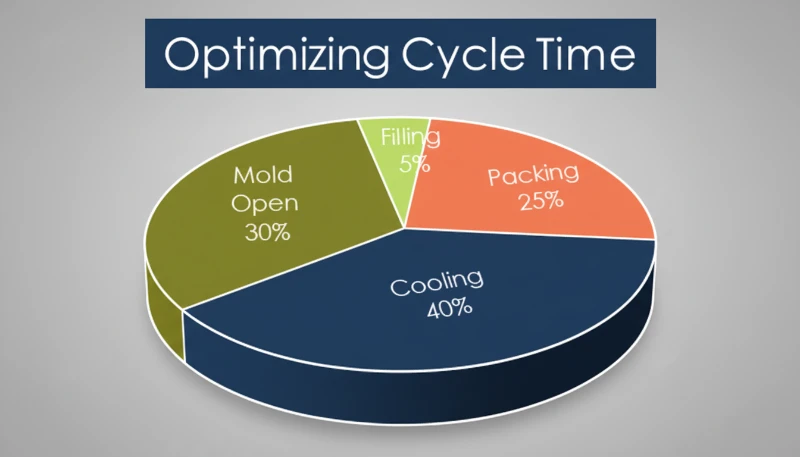
Pense da seguinte forma: um molde operando com um ciclo de 15 segundos em três turnos acumulará aproximadamente 17.000 ciclos por dia. O mesmo molde operando com um ciclo de 30 segundos em uma empresa de turno único pode realizar apenas 960 ciclos por dia. O molde é o mesmo, mas sua vida útil em calendário é completamente diferente — por isso o setor adota como padrão a contagem de ciclos.
Na prática, a vida útil dos moldes abrange um intervalo enorme. Um molde simples de protótipo em alumínio pode fornecer 1,000–10,000 peças. Um molde de produção em aço para ferramentas endurecido (H13 ou 1.2344) pode ultrapassar um milhão de ciclos. A diferença resulta da seleção do aço, complexidade do projeto do molde, geometria da peça, disciplina de processamento e — talvez o fator mais crítico — qualidade da manutenção da ferramenta.
Em nossa fábrica em Xangai, vimos moldes P20 mal conservados falharem em 100.000 ciclos e moldes H13 bem conservados continuarem operando após 1,2 milhão. A disciplina de manutenção é o grande fator de equilíbrio.
Com 47 máquinas de moldagem por injecção variando de 90T a 1850T e uma instalação de fabricação de moldes interna, ZetarMold produz mais de 100 conjuntos de moldes de injecção por mês. Os nossos 8 engenheiros seniores — cada um com mais de 10 anos de experiência — desenham moldes com planeamento de ciclo de vida incorporado desde o primeiro dia.
Como é medida a vida útil de um molde de injeção?
A vida útil do molde é medida em número de ciclos — o total de aberturas e fechamentos até a ferramenta se tornar inutilizável. Essa é a referência principal porque se correlaciona diretamente com o desgaste mecânico. As outras duas medidas comuns, porém menos precisas, são o total de peças produzidas (útil para moldes multicavidade) e o tempo de calendário (a menos confiável, embora a mais citada).
1. Número de ciclos (a referência principal). É o total de ciclos de abertura e fechamento concluídos pela ferramenta. Trata-se da medida mais objetiva, pois se correlaciona diretamente com o desgaste mecânico de componentes como pinos extratores, buchas-guia, superfícies das cavidades e linhas de partição. É isso que significa dizer que um molde é classificado para “500.000 ciclos”.
2. Peças produzidas. Se o molde tiver várias cavidades (por exemplo, 8), 500.000 ciclos produzirão 4 milhões de peças. Alguns compradores preferem discutir a vida útil em total de peças, mas isso pode ser enganoso quando o número de cavidades varia entre projetos.
3. Tempo de calendário (a medida menos confiável). Dizer que um molde “dura 5 anos” quase nada informa. Um molde que opera a cada 20 segundos em uma linha de três turnos acumula muito mais desgaste em um ano do que outro com ciclo de 60 segundos em um único turno acumula em três anos.
Conclusão: sempre especifique a expectativa de vida útil do molde em número de ciclos e certifique-se de que o moldador documente o total de ciclos executados. As máquinas modernas de moldagem por injeção fazem esse acompanhamento automaticamente, e ele deve integrar seus relatórios de produção.
Que fatores determinam a duração de um molde?
A longevidade do molde não é uma equação de uma só variável. É o resultado acumulado de, pelo menos, seis fatores principais que atuam em conjunto — ou uns contra os outros.
Seleção de aço para moldes
O grau do aço é o maior determinante individual da vida útil do molde. P20 (um aço de molde pré-endurecido) é o motor da indústria — económico, maquinável e bom para 300.000 a 500.000 ciclos. Quando precisa de mais, 1.2738 ou 718H aproxima-se de 500.000–800.000. Para ferramentas de alta produção, H13 ou 1.2344 (aços para ferramentas de trabalho a quente) fornecem mais de um milhão de ciclos, se forem adequadamente tratados por calor.
A contrapartida é o custo. O aço para moldes H13 pode custar 2–3× mais que o P20. Porém, se o projeto produzir milhões de peças, o custo amortizado do ferramental por peça será, na verdade, menor com o aço mais durável. Sempre recomendamos fazer as contas antes de escolher — e realizamos esse cálculo para cada cliente durante a análise de DFM.
Projeto e estrutura do molde
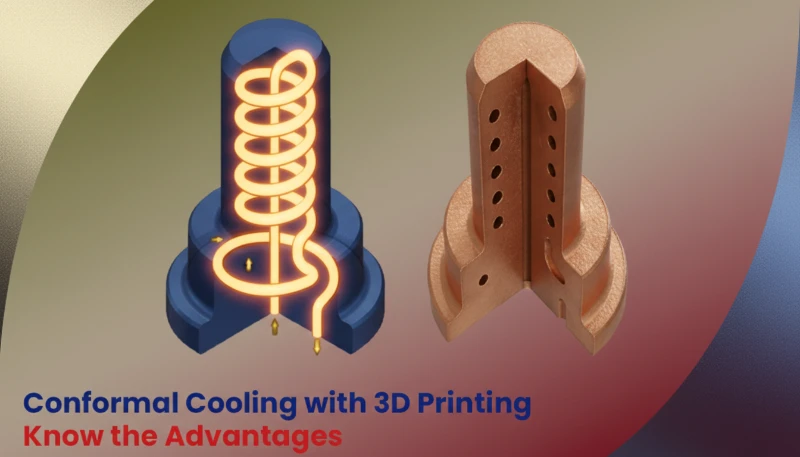
Um molde bem projetado distribui a tensão uniformemente entre todos os componentes. Os principais fatores incluem espessura adequada das paredes dos insertos da cavidade, posicionamento correto dos canais de refrigeração (que minimiza a fadiga térmica2), transições arredondadas em vez de cantos internos vivos (que concentram tensões) e mecanismos-guia confiáveis, capazes de evitar desalinhamentos durante o fechamento.
Na nossa experiência, os moldes que falham mais cedo são geralmente aqueles cujo projeto foi apressado. Alguns dias adicionais de simulação e análise do projeto podem acrescentar centenas de milhares de ciclos à vida útil do molde.
Parâmetros de processamento
A forma como se utiliza o molde é tão importante como a forma como se constrói. Pressão de injeção excessiva, força de fecho incorreta, temperaturas de fusão extremas e tempo de arrefecimento insuficiente aceleram o desgaste. Abordamos isto em detalhe na secção de processamento abaixo.
Material sendo moldado
O náilon reforçado com fibra de vidro é muito mais abrasivo que o polipropileno sem carga. Tipos retardantes de chamas frequentemente contêm aditivos corrosivos. Materiais de alta temperatura, como PEEK, exigem aços de molde resistentes à fadiga térmica. Sempre combine o aço com o material — não economize aqui.
Tratamentos de superfície
Revestimentos PVD, nitretação e cromagem podem prolongar significativamente a vida da superfície da cavidade. Esses tratamentos aumentam a dureza superficial, reduzem o atrito durante a ejeção e oferecem resistência química contra resinas corrosivas. Um molde P20 nitretado pode se aproximar da resistência ao desgaste de um ferramental H13 sem tratamento por uma fração do custo.
Disciplina de manutenção
Este é o fator que a maioria dos compradores subestima. A manutenção preventiva regular — limpeza, lubrificação, inspeção das superfícies de desgaste e substituição atempada dos componentes — pode prolongar a vida útil do molde em 30–50%. Ignorar a manutenção para “poupar tempo” é a decisão mais dispendiosa que pode tomar.
Como a seleção do aço do molde afeta sua vida útil?
A escolha do aço do molde é o fator com maior impacto isolado sobre a vida útil da ferramenta. Um molde de aço P20 pré-endurecido normalmente dura entre 100.000 e 500.000 ciclos, enquanto um molde de aço H13 endurecido pode superar 1.000.000 a 5.000.000 de ciclos nas mesmas condições — mas custa de 2 a 3 vezes mais inicialmente. A tabela abaixo mostra faixas típicas de vida em ciclos para aços comuns usados na moldagem por injeção de plástico.
| Grau de aço | Dureza (HRC) | Vida útil típica | Melhor para | Custo relativo |
|---|---|---|---|---|
| P20 / P20HH | 28–36 | 300,000–500,000 | Produção de uso geral | Linha de base (1×) |
| 1.2738 / 718H | 33–40 | 500,000–800,000 | Volume médio, melhor polimento | 1.2–1.5× |
| H13 / 1.2344 | 44–52 | 1,000,000+ | Grande volume, materiais abrasivos | 2–3× |
| S136 / 420SS | 48–54 | 800,000–1,200,000 | Resinas corrosivas e peças ópticas | 2.5–3.5× |
| Alumínio (QC-10) | não aplicável (n/a) | 1,000–10,000 | Prototipagem, séries curtas | 0.3–0.5× |
Observe que o multiplicador de custo não cresce linearmente com a vida útil. Um molde de H13 custa 2–3 vezes mais que um de P20, mas pode oferecer de 2 a 4 vezes mais ciclos. Em qualquer projeto que ultrapasse 500.000 peças, a adoção do aço superior quase sempre se paga.
Mais um ponto: os aços “pré-endurecidos”, como P20, são fornecidos com a dureza de serviço, pelo que não precisam de tratamento térmico adicional após a maquinagem. Os aços temperados em toda a secção, como H13, exigem tratamento térmico após o desbaste, seguido de acabamento até às dimensões finais. Isto aumenta o prazo e o custo, mas oferece resistência ao desgaste muito superior.
Quais são as principais etapas do projeto ao fim da vida útil?
As cinco fases principais são conceção, qualificação, produção, manutenção e retirada de serviço. Saber em que ponto deste ciclo de vida se encontra o seu molde permite planear orçamentos, programar substituições e evitar paragens inesperadas.
Etapa 1: Projeto e fabricação
O destino do molde fica, em grande medida, definido na fase de projeto. A seleção do aço, a configuração do arrefecimento, a estratégia de ejeção e o projeto da ventilação determinam todos quantos ciclos a ferramenta acabará por proporcionar. É por isso que investimos fortemente na simulação do escoamento no molde antes de cortar qualquer aço — detetar um ponto quente térmico na simulação é drasticamente mais barato do que descobri-lo na produção.
Fase 2: Amostragem e qualificação (T0/T1)
Os primeiros testes — muitas vezes chamados de amostras T0 ou T1 — são o momento em que o molde demonstra sua capacidade de fabricar peças aceitáveis. Durante a amostragem, os parâmetros de processamento são estabelecidos e o molde é inspecionado em busca de problemas, como rebarbas, preenchimentos incompletos, rechupes ou desvios dimensionais. Essa etapa normalmente envolve de 50 a 200 ciclos.
Etapa 3: Vida útil em produção
Esta é a vida útil do molde — o longo período intermédio em que produz peças ciclo após ciclo. Durante esta fase, o desgaste acumula-se gradualmente. Os pinos ejetores ficam riscados, as superfícies das cavidades degradam-se lentamente e os canais de arrefecimento acumulam incrustações. A manutenção periódica mantém esta fase a decorrer sem problemas.
Etapa 4: Manutenção e recondicionamento
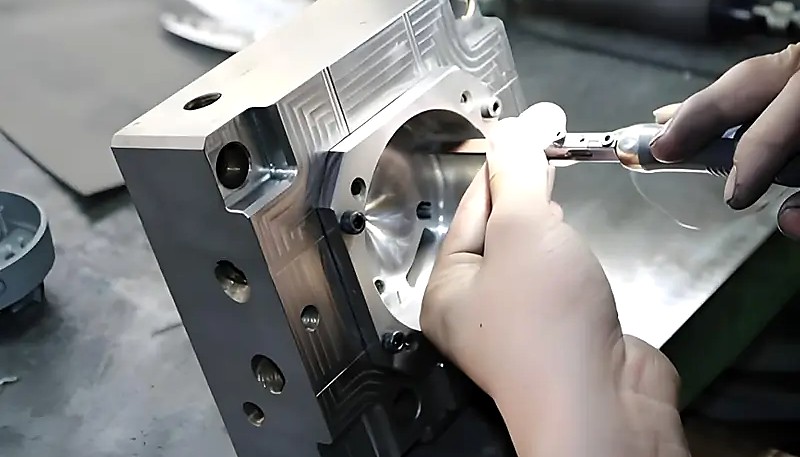
Mesmo moldes bem conservados acabam precisando de recondicionamento. As intervenções comuns incluem repolir as superfícies das cavidades, substituir pinos ejetores e buchas desgastados, refazer linhas de separação danificadas e limpar ou reperfurar canais de resfriamento. Um bom recondicionamento pode recuperar 60–80% da vida útil original do molde.
Etapa 5: retirada de serviço ou reconstrução
Quando a reforma deixa de fazer sentido econômico, o molde é desativado. Alguns componentes (base do molde, colunas-guia e certos insertos) podem ser reaproveitados em ferramentas futuras. A decisão entre desativar e reconstruir se resume a um cálculo simples: se o custo do próximo reparo superar o valor amortizado das peças restantes que ele produziria, é hora de fabricar um molde novo.
Como pode a manutenção regular prolongar a vida útil do molde?
Se há uma mensagem a reter deste artigo, é esta: manutenção custa menos que reparo. A manutenção preventiva em intervalos regulares impede que pequenos problemas se transformem em falhas catastróficas do molde.
Manutenção diária (a cada turno)
Estas são as tarefas básicas que os operadores devem executar no início ou no fim de cada turno de produção: lubrificar todas as peças móveis (pinos ejetores, colunas-guia e mecanismos de gaveta), limpar as superfícies do molde para remover resíduos de resina e detritos de rebarba, inspecionar sinais visíveis de desgaste (riscos, danos na linha de partição e rebarba) e verificar se a água de resfriamento circula na temperatura e vazão corretas.
Manutenção periódica (a cada 50,000–100,000 ciclos)
Nesses intervalos, é necessária uma inspeção mais completa: limpe todas as ranhuras de exaustão e canais de ventilação, verifique e substitua pinos ejetores e pinos de retorno desgastados, inspecione as superfícies da cavidade quanto à necessidade de polimento, verifique as vazões dos canais de refrigeração (o acúmulo de incrustações reduz a eficiência de refrigeração) e confira o aperto de todos os componentes roscados.
Revisão geral (a cada 300.000–500.000 ciclos)
Trata-se de uma desmontagem e inspeção completas do molde: medir todas as dimensões críticas em relação aos desenhos originais, polir ou texturizar novamente as superfícies da cavidade conforme necessário, substituir todos os componentes de desgaste padrão (pinos, buchas, molas), verificar e realinhar todos os componentes do molde e recertificar o molde para produção.
Estabelecer e seguir esse cronograma de manutenção não é opcional se a vida útil do molde for importante. Em nossa unidade de Xangai, cada molde recebido para produção passa por um relatório de condições, e sinalizamos automaticamente os marcos de manutenção com base na contagem de ciclos.
Quais configurações de processamento protegem ou destroem seu molde?
Seu engenheiro de processo talvez não perceba, mas cada parâmetro definido prolonga ou reduz a vida útil do molde. Veja os parâmetros essenciais que devem ser monitorados.
Força de aperto
Definir a força de fechamento correta3 é fundamental. Se for insuficiente, a pressão de injeção supera o fechamento, produz rebarba e pode danificar a linha de partição. Se for excessiva, a máquina comprime o molde, fecha os canais de ventilação e sobrecarrega a base. A fórmula é simples: Força de fechamento = Área projetada × Fator do material × Fator de segurança. Use uma análise de fluxo do molde para validar o cálculo.
Velocidade e pressão de injeção
Uma velocidade de injeção excessiva cria choque hidráulico em cada ciclo, martelando gradualmente as zonas da cavidade e da entrada. Uma pressão de manutenção excessiva faz o mesmo — mantém toda a força de compactação contra paredes da cavidade já preenchidas. Configure a velocidade de injeção para aumentar gradualmente e utilize apenas a pressão de manutenção necessária à qualidade da peça.
Controlo da temperatura do molde
A diferença de temperatura entre as metades do molde não deve exceder 6 °C. Diferenças maiores causam uma expansão térmica desigual, levando ao desalinhamento durante o fecho do molde e ao desgaste acelerado dos componentes de guia. A fadiga térmica — a expansão e contração repetidas das superfícies de aço — é uma das três principais causas de falha dos moldes.
Configurações de ejeção
A ejeção excessiva (curso ou pressão em excesso) destrói o molde silenciosamente. Ela força os pinos ejetores, desgasta seus furos e pode trincar os insertos da cavidade se a peça resistir à ejeção. Ajuste o curso ao mínimo necessário para liberar a peça de forma confiável e mantenha a pressão apenas alta o suficiente para uma ejeção consistente.
"Um molde P20 com boa manutenção pode igualar ou superar a vida útil de um molde H13 negligenciado."True
Ciclo de Vida do Molde de Injeção: Duração, Fatores e Manutenção
"Um molde dura 5 anos, independentemente da forma como é utilizado."False
O tempo de calendário não serve para medir a vida útil do molde. Um molde que funciona continuamente com um ciclo de 15 segundos acumula mais de 17 000 ciclos por dia, enquanto um molde num só turno com ciclo de 60 segundos pode fazer apenas 480. A única medida relevante é o número de ciclos, combinado com os parâmetros de processamento e o histórico de manutenção.
Compreender como os parâmetros de processamento afetam a longevidade do molde é crucial. Cada configuração na máquina de moldagem por injecção — desde a força de fixação até a velocidade de ejectação — tem um impacto directo no número de ciclos que o seu molde irá sobreviver. Na nossa instalação em Shanghai, observámos que os moldes operando sob parâmetros optimizados duram consistentemente 30–40% mais tempo que moldes idênticos operando com configurações padrão. É por isso que investimos tempo na qualificação do processo antes da produção total: os primeiros 10.000 ciclos frequentemente definem a trajectória para toda a vida útil do molde. Ao avaliar um molde que falhou prematuramente, nossos engenheiros quase sempre identificam a causa principal como um dos parâmetros discutidos acima — pressão de injecção excessiva, refrigeração insuficiente ou ejectação agressiva.
Quando deve retirar ou reconstruir um molde?
Retire um molde quando os custos de reparação ultrapassarem 50–60% de uma ferramenta nova; reconstrua-o quando a base estiver em bom estado, mas os insertos da cavidade precisarem de substituição. A maioria dos moldes de produção passa por 1–2 grandes recondicionamentos antes do fim de vida. A decisão resume-se a um cálculo simples: se o custo da próxima reparação exceder o valor amortizado das peças restantes que produziria, é altura de fabricar um molde novo.
Sinais de que chegou a hora de retirar um molde: as dimensões da cavidade saíram da tolerância e uma nova usinagem alteraria a geometria; surgem trincas repetidas na mesma área apesar dos reparos; os canais de refrigeração estão tão incrustados que o tempo de ciclo aumentou significativamente; e o custo acumulado dos reparos supera 60% do custo de um molde novo.
Sinais de que vale a pena reconstruir: a base e a estrutura do molde estão em boas condições, os insertos da cavidade podem ser substituídos sem reprojetar toda a ferramenta e o volume de produção restante justifica a reconstrução, mas não um molde totalmente novo.
Na prática, a maioria dos moldes de produção passa por 1–2 grandes recondicionamentos antes de ser retirada. Com moldes de aço endurecido, é comum obter 3–5 anos de produção entre o fabrico inicial e os recondicionamentos, fornecendo vários milhões de peças durante o ciclo de vida total da ferramenta.
"As resinas reforçadas com fibra de vidro podem desgastar as cavidades do molde 3–5× mais depressa do que os materiais sem carga."True
As fibras de vidro dos compostos carregados atuam como microabrasivos em cada ciclo de injeção. Ao longo de centenas de milhares de ciclos, desgastam progressivamente as superfícies das cavidades, aumentam as áreas dos pontos de injeção e degradam o acabamento superficial. Se moldar compostos abrasivos, preveja manutenção mais frequente e considere aço endurecido ou revestimentos superficiais PVD.
"Quando um molde começa a produzir boas peças, as definições ficam fixas para sempre."False
As condições de produção desviam-se ao longo do tempo devido a variações nos lotes de material, deterioração progressiva da máquina, alterações da temperatura ambiente e degradação da superfície do molde. O que funcionou no ciclo 10.000 pode não ser optimizado no ciclo 200.000. Auditorias periódicas do processo e ajuste de parâmetros são essenciais para manter tanto a qualidade da peça quanto a longevidade do molde durante todo o ciclo de vida da ferramenta.
Perguntas mais frequentes
Perguntas mais frequentes
Qual é a vida útil média de um molde de injeção?
Depende inteiramente do grau de aço e do nível de manutenção. Um molde P20 pré-endurecido proporciona normalmente 300,000 a 500,000 ciclos em condições normais. Um molde de aço H13 ou 1.2344 pode ultrapassar 1,000,000 ciclos com cuidado e processamento adequados. Moldes de protótipo em alumínio, concebidos para séries curtas, duram entre 1,000 e 10,000 ciclos. O ponto essencial é que nenhum número único define a vida do molde — seleção do aço, complexidade da peça, abrasividade da resina e disciplina de manutenção determinam em conjunto a longevidade real.
Quantos ciclos dura um molde P20?
Os moldes de aço P20 pré-endurecido proporcionam normalmente 300 000 a 500 000 ciclos de produção em aplicações padrão. Com uma excelente disciplina de manutenção e condições de processamento favoráveis — pressões de injeção moderadas, refrigeração adequada e lubrificação regular — alguns moldes P20 atingem 600 000 ciclos ou mais. Contudo, ao moldar materiais reforçados com fibra de vidro ou retardadores de chama, espere uma vida útil próxima do limite inferior. Em projetos com mais de 500 000 peças, considere mudar para aço 1.2738 ou H13 para uma melhor economia a longo prazo. Ao orçamentar ferramentas P20, considere sempre a resina e o plano de manutenção específicos.
Com que frequência os moldes de injeção devem passar por manutenção?
Os moldes de injeção exigem três níveis de manutenção. A manutenção diária inclui a lubrificação de todas as peças móveis (pinos extratores, colunas-guia e mecanismos de gaveta) e a limpeza das superfícies do molde para remover resíduos de resina. A cada 50,000 a 100,000 ciclos, realize uma inspeção minuciosa: substitua os pinos extratores desgastados, limpe os canais de ventilação, verifique os caudais dos canais de arrefecimento e inspecione todos os componentes roscados. A cada 300,000 a 500,000 ciclos, efetue uma desmontagem completa, com verificação dimensional, novo polimento das cavidades e substituição de todos os componentes de desgaste normalizados, incluindo molas e casquilhos. O incumprimento de qualquer nível aumenta o risco de paragens não programadas e falha prematura do molde.
O que causa a falha prematura de moldes de injeção?
As principais causas de falha prematura do molde incluem a escolha incorreta do aço para o material processado, o que provoca desgaste excessivo ou corrosão. Pressão de injeção ou força de fechamento excessivas causam danos mecânicos às linhas de partição e às superfícies das cavidades ao longo do tempo. A manutenção inadequada — sobretudo a ausência de lubrificação, limpeza e inspeções regulares — permite que pequenos problemas evoluam para falhas graves. O resfriamento insuficiente causa trincas por fadiga térmica no aço da cavidade. Por fim, compostos de resina abrasivos ou corrosivos processados sem tratamentos superficiais adequados aceleram drasticamente a degradação da cavidade.
Um molde de injeção desgastado pode ser reconstruído?
Sim, um molde desgastado pode ser reconstruído se a base e a estrutura permanecerem estruturalmente sólidas. As intervenções comuns incluem substituir insertos da cavidade desgastados ou danificados, voltar a maquinar linhas de partição degradadas, perfurar novamente ou descalcificar os canais de arrefecimento e substituir todos os componentes de desgaste normalizados, como pinos ejetores, pinos de retorno, casquilhos e molas. Uma reconstrução bem executada pode recuperar 60 a 80 por cento da vida útil original do molde por aproximadamente 40 a 60 por cento do custo de construir um molde novo de raiz. Isto torna a reconstrução uma opção atrativa quando é necessário prolongar a produção sem investir num molde totalmente novo.
Qual é o aço para moldes mais durável para moldagem por injeção?
Os aços para ferramentas de trabalho a quente H13 e 1.2344 são considerados a referência de excelência para a produção de moldes de injeção de grande volume, proporcionando regularmente mais de 1,000,000 ciclos quando são devidamente tratados termicamente e mantidos. Para materiais corrosivos, como PVC ou compostos retardadores de chama, o aço inoxidável para moldes S136 ou 420 oferece uma excelente resistência à corrosão e uma elevada dureza superficial. Além disso, tratamentos de superfície como o revestimento PVD, a nitruração ou a cromagem podem prolongar significativamente a vida útil efetiva de qualquer classe de aço, aumentando a dureza da superfície e reduzindo o atrito durante a extração. Consulte o fabricante do molde para selecionar a combinação ideal de aço e tratamento para a sua aplicação específica.
Como se calcula a vida útil esperada de um molde de injeção?
Comece pelo número de ciclos nominal da classe de aço — por exemplo, o P20 está classificado para 300,000 a 500,000 ciclos, enquanto o H13 ultrapassa 1,000,000. Em seguida, aplique fatores de ajustamento com base na sua situação específica. As resinas reforçadas com fibra de vidro ou abrasivas reduzem normalmente a vida útil prevista em 30 a 50 por cento. Um programa rigoroso de manutenção preventiva pode acrescentar 30 a 50 por cento à vida útil nominal. Os parâmetros de processamento otimizados protegem os componentes do molde, enquanto as definições agressivas reduzem a sua vida útil. O fabricante do molde deve fornecer uma estimativa detalhada do ciclo de vida durante a fase de análise DFM.
A temperatura do molde afeta a vida útil do molde de injeção?
Sim, a temperatura do molde afeta significativamente a sua vida útil. Diferenças superiores a 6 graus Celsius entre metades móvel e fixa causam expansão diferencial, desalinhamento no fecho e desgaste dos componentes-guia. Temperaturas excessivas também promovem fissuração por fadiga térmica ao longo de milhares de ciclos. Projeto correto dos canais, descalcificação regular e monitorização consistente são essenciais para qualidade e longevidade.
Planejando a fabricação do seu próximo molde?
Planear o fabrico do seu próximo molde é mais fácil com o parceiro certo. Com mais de 20 anos de experiência e instalações internas de fabrico de moldes que produzem mais de 100 conjuntos de moldes por mês, a ZetarMold concebe cada molde tendo em conta todo o seu ciclo de vida — desde a seleção do aço até ao planeamento da manutenção.
A nossa equipa trabalha com mais de 400 materiais em 47 máquinas de moldagem por injecção (90T–1850T), e fornecemos análise DFM detalhada com estimativas de ciclo de vida antes de você comprometer-se com a ferramentação.
Pronto para discutir seu projeto? Obtenha preços competitivos, feedback de DFM e uma estimativa detalhada da vida útil do molde com nossa equipe de engenharia.
Solicite uma cotação gratuita →
classe do aço: A classe do aço refere-se ao fato de que o P20 normalmente proporciona 300.000–500.000 ciclos, enquanto o H13/1.2344 pode superar 1.000.000 de ciclos em condições adequadas. ↩
fadiga térmica: A fadiga térmica ocorre quando ciclos repetidos de aquecimento e resfriamento criam microtrincas nas superfícies do aço do molde, uma das principais causas de falha. ↩
força de fechamento correta: A força de fechamento correta é dada por Força de fechamento = Área projetada × Fator do material × Fator de segurança (normalmente 1,5–2,0). ↩