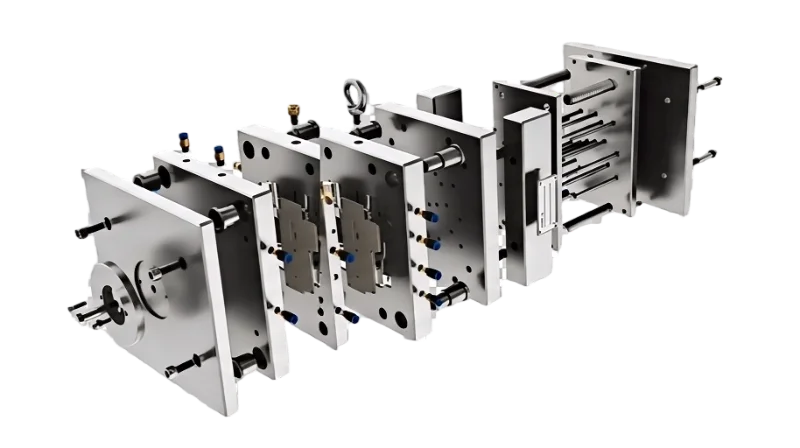
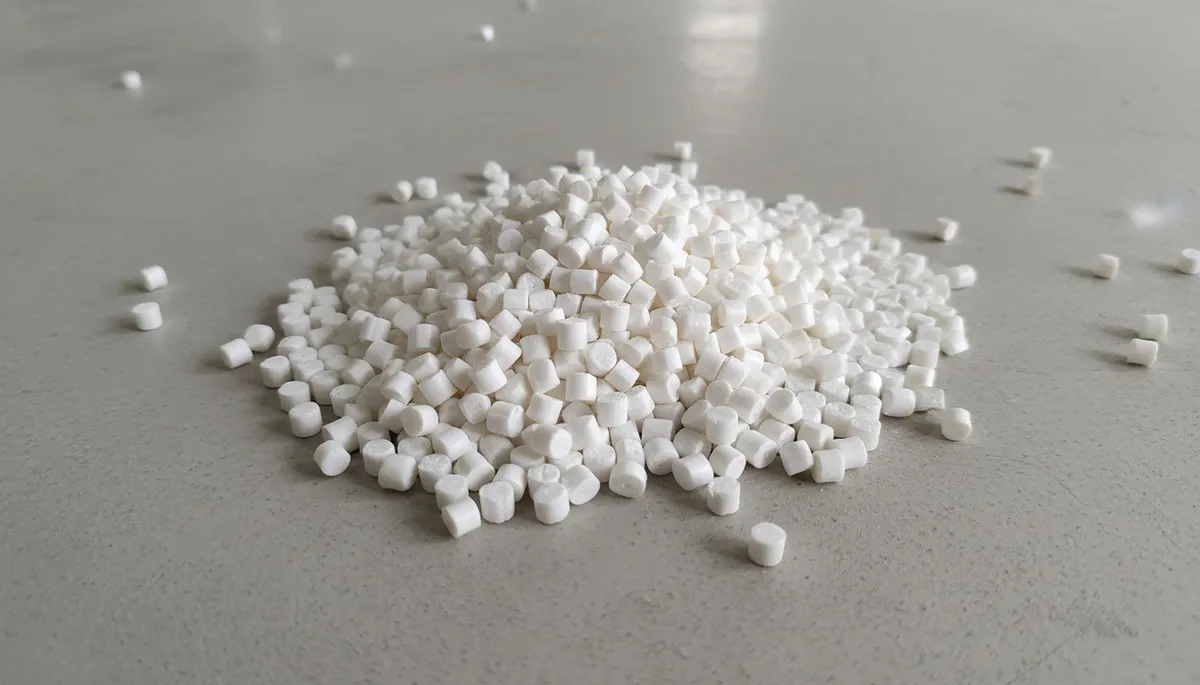
Se investi in attrezzature per stampi a iniezione, una domanda conta più di quasi tutte le altre: quanto durerà davvero questo stampo a iniezione? Il suo ciclo di vita determina il costo per pezzo, l’affidabilità produttiva e, in definitiva, la redditività del progetto. In questa guida analizziamo ogni fase della vita dello stampo, dalla progettazione e dalle prime stampate ai cicli di manutenzione e al ritiro definitivo, con dati reali utili alla pianificazione.
Uno stampo che fallisce a 50.000 cicli invece di 500.000 non ti costa solo un nuovo utensile — raddoppia il tuo costo di utensileria per pezzo, ritarda il tuo programma di consegna e può introdurre difetti di qualità che raggiungono il tuo cliente. Comprendere il ciclo di vita dello stampo a iniezione ti fornisce le conoscenze per specificare l’acciaio giusto, impostare i parametri di processo corretti e pianificare la manutenzione che mantiene il tuo utensile funzionante al massimo delle prestazioni per tutta la sua vita nominale.
- La vita dello stampo si misura in cicli, non in tempo di calendario: uno stampo in funzione 24/7 si usura più rapidamente di uno utilizzato per 8 ore
- Il grado di acciaio è il principale fattore determinante della durata dello stampo, dal P20 (300.000 cicli) all'H13 (oltre 1 milione di cicli)
- Una manutenzione corretta a intervalli regolari può prolungare la vita dello stampo del 30–50%
- I parametri di processo, quali forza di chiusura, velocità di iniezione e temperatura dello stampo, influiscono direttamente sulla durata dell'attrezzatura
- La maggior parte degli stampi attraversa 5 fasi distinte del ciclo di vita: progettazione, qualifica, produzione, manutenzione e dismissione
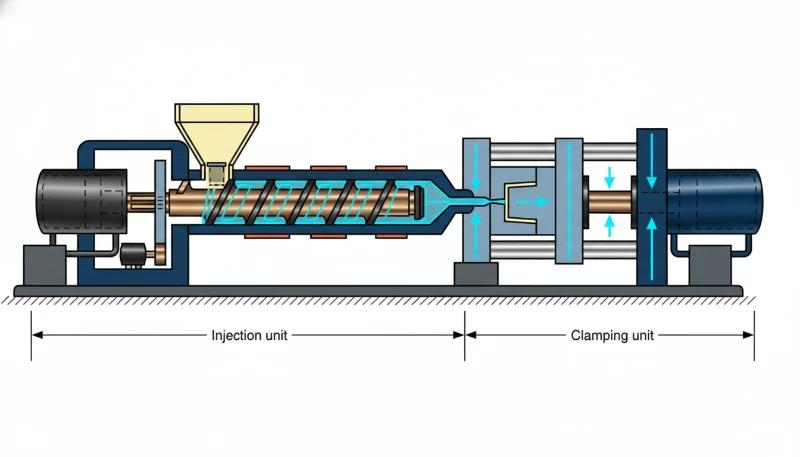
Qual è esattamente il ciclo di vita di uno stampo a iniezione?
Il ciclo di vita di uno stampo a iniezione è l’intero percorso dalla progettazione al ritiro, misurato in numero di cicli. Se confronti fornitori o pianifichi gli acquisti, la nostra guida alla selezione dei fornitori di stampaggio a iniezione tratta preparazione della RFQ, qualificazione e controlli del rischio commerciale.
Il ciclo di vita di uno stampo a iniezione è l’intero percorso dalla progettazione iniziale, attraverso produzione, qualificazione, esercizio e manutenzione, fino al ritiro definitivo, misurato in cicli e non in tempo di calendario. Uno stampo di produzione ben realizzato può eseguire da 100.000 a oltre 5.000.000 di cicli, a seconda della qualità dell’acciaio1, della complessità del componente e della disciplina di manutenzione. Le cinque fasi sono: progettazione e fabbricazione dello stampo a iniezione, campionatura e qualificazione (T0/T1), vita produttiva, manutenzione e ricondizionamento, ritiro o ricostruzione.
Il ciclo di vita di uno strumento per stampaggio a iniezione indica il numero totale di cicli produttivi che uno stampo può completare in modo affidabile prima di non riuscire più a produrre pezzi accettabili. Non si misura in mesi o anni, ma in stampate o cicli.
Perché il Conteggio dei Cicli Conta Più del Tempo di Calendario
Considerate questo esempio: uno stampo con un ciclo di 15 secondi in un’attività su tre turni accumula circa 17,000 cicli al giorno. Lo stesso stampo, con un ciclo di 30 secondi in uno stabilimento su un solo turno, potrebbe totalizzare appena 960 cicli al giorno. Stesso stampo, durata di calendario completamente diversa: per questo il settore usa il numero di cicli come standard.
Nella pratica, la durata degli stampi varia enormemente. Un semplice stampo prototipale in alluminio può produrre 1.000–10.000 pezzi. Uno stampo di produzione in acciaio temprato per utensili, H13 o 1.2344, può superare un milione di cicli. La differenza dipende dalla scelta dell’acciaio, dalla complessità del progetto, dalla geometria del pezzo, dalla disciplina di processo e, forse soprattutto, dalla qualità della manutenzione dell’attrezzatura.
Nel nostro stabilimento di Shanghai abbiamo visto stampi P20 con manutenzione insufficiente cedere a 100,000 cicli e stampi H13 ben manutenuti ancora in piena efficienza oltre 1.2 milioni. La disciplina nella manutenzione è il grande elemento equilibratore.
Con 47 macchine per stampaggio a iniezione che vanno da 90T a 1850T e una struttura interna per la produzione di stampi, ZetarMold produce oltre 100 set di stampi per iniezione al mese. I nostri 8 ingegneri senior — ciascuno con oltre 10 anni di esperienza — progettano stampi con la pianificazione del ciclo di vita integrata fin dal primo giorno.
Come si misura la durata di uno stampo a iniezione?
La durata di uno stampo a iniezione si misura in cicli, ossia nel numero totale di aperture e chiusure prima che lo strumento diventi inutilizzabile. Il conteggio dei cicli è il riferimento principale perché è direttamente correlato all’usura meccanica. Le altre due misure comuni, ma meno precise, sono il numero totale di pezzi prodotti, utile per stampi multicavità, e il tempo di calendario, il meno affidabile ma il più citato.
1. Numero di cicli (il riferimento principale). È il numero totale di cicli di apertura e chiusura completati dallo stampo. È la misura più oggettiva perché è direttamente correlata all’usura meccanica di componenti quali perni espulsori, boccole di guida, superfici delle cavità e linee di divisione. Quando parliamo di uno stampo certificato per «500.000 cicli», intendiamo questo.
2. Pezzi prodotti. Se lo stampo è multicavità, per esempio con 8 cavità, 500.000 cicli producono 4 milioni di pezzi. Alcuni acquirenti preferiscono esprimere la durata come numero totale di pezzi, ma ciò può essere fuorviante se il numero di cavità cambia tra progetti.
3. Tempo di calendario (il meno affidabile). Dire che uno stampo «dura 5 anni» significa ben poco. Uno stampo con ciclo di 20 secondi su una linea a tre turni accumula in un anno molta più usura di uno stampo con ciclo di 60 secondi su una linea a un turno in tre anni.
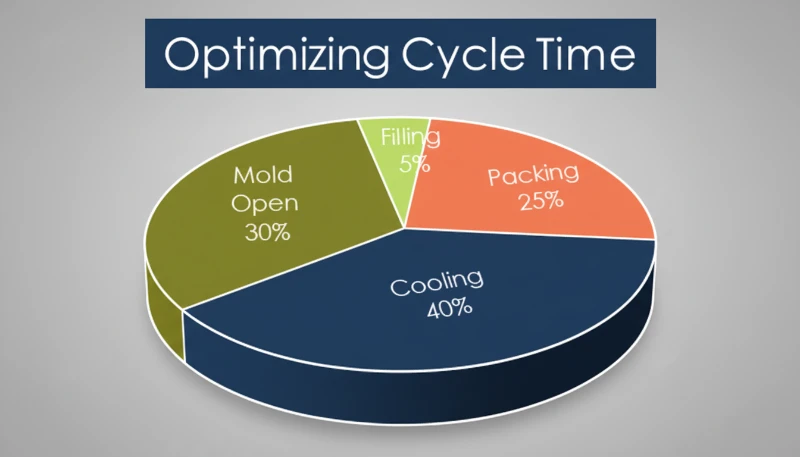
In sintesi: specificate sempre le aspettative di durata dello stampo in numero di cicli e assicuratevi che lo stampatore documenti il totale dei cicli eseguiti. Le moderne presse a iniezione lo registrano automaticamente e il dato dovrebbe far parte dei rapporti di produzione.
Quali fattori determinano la durata di uno stampo?
La durata di uno stampo non dipende da una sola variabile. È il risultato cumulativo di almeno sei fattori principali che agiscono insieme, oppure l’uno contro l’altro.
Selezione dell’acciaio per stampi
La qualità dell’acciaio è il singolo fattore determinante più importante per la durata dello stampo. Il P20 (un acciaio per stampi pre-indurito) è il cavallo di battaglia dell’industria — economico, lavorabile e valido per 300.000 a 500.000 cicli. Quando serve di più, 1.2738 o 718H spingono verso 500.000–800.000. Per gli utensili ad alta produzione, H13 o 1.2344 (acciai per utensili da lavoro a caldo) offrono oltre un milione di cicli, a condizione che siano adeguatamente trattati termicamente.
Il compromesso è il costo. L’acciaio H13 per stampi può costare 2–3× più del P20. Tuttavia, se il progetto prevede milioni di pezzi, il costo ammortizzato dello stampo per pezzo è in realtà inferiore con l’acciaio più durevole. Consigliamo sempre di eseguire i calcoli prima di scegliere — e li effettuiamo per ogni cliente durante la revisione DFM.
Progettazione e struttura dello stampo
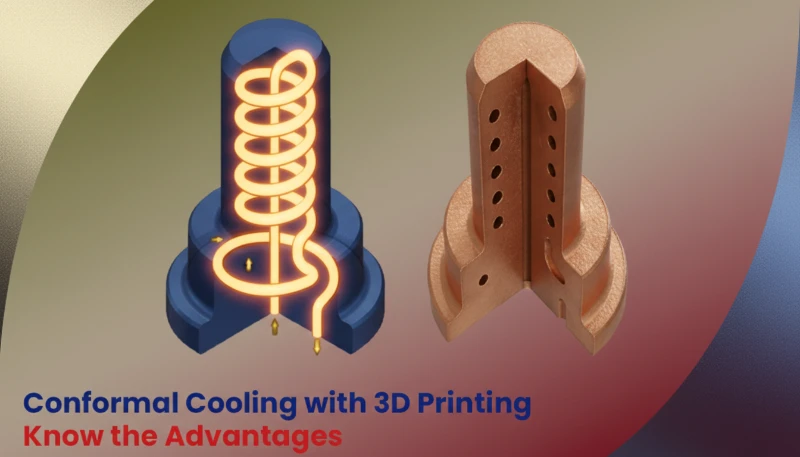
Uno stampo ben progettato distribuisce uniformemente le sollecitazioni su tutti i componenti. I principali fattori progettuali comprendono spessori adeguati degli inserti della cavità, corretto posizionamento dei canali di raffreddamento, che riduce al minimo la fatica termica2, raccordi arrotondati al posto di spigoli interni vivi, che concentrano le sollecitazioni, e meccanismi di guida affidabili che impediscono disallineamenti durante la chiusura.
Nella nostra esperienza, gli stampi che cedono prima sono quelli progettati in fretta. Pochi giorni aggiuntivi di simulazione e revisione possono aggiungere centinaia di migliaia di cicli alla durata.
Parametri di elaborazione
Come gestisci lo stampo conta tanto quanto come lo costruisci. Pressione di iniezione eccessiva, forza di chiusura errata, temperature di fusione estreme e tempo di raffreddamento insufficiente accelerano tutti l’usura. Lo trattiamo in dettaglio nella sezione sul processo qui sotto.
Materiale da stampare
Il nylon caricato con fibra di vetro è molto più abrasivo del polipropilene non caricato. I gradi ignifughi contengono spesso additivi corrosivi. Materiali ad alta temperatura come il PEEK richiedono acciai per stampi resistenti alla fatica termica. Abbinare sempre l’acciaio al materiale: non è il punto in cui risparmiare.
Trattamenti di superficie
I rivestimenti PVD, la nitrurazione e la cromatura possono prolungare significativamente la durata delle superfici delle cavità. Questi trattamenti aumentano la durezza superficiale, riducono l’attrito durante l’espulsione e offrono resistenza chimica alle resine corrosive. Uno stampo in P20 nitrurato può avvicinarsi alla resistenza all’usura di un’attrezzatura H13 non trattata a una frazione del costo.
Disciplina di manutenzione
Questo è il fattore più sottovalutato dagli acquirenti. La manutenzione preventiva regolare, con pulizia, lubrificazione, ispezione delle superfici di usura e sostituzione tempestiva dei componenti, può prolungare la vita dello stampo del 30–50%. Saltarla per “risparmiare tempo” è la decisione più costosa possibile.
In che modo la scelta dell’acciaio dello stampo influisce sulla durata?
La scelta dell’acciaio per stampi ha l’impatto maggiore sulla durata dello strumento. Uno stampo in acciaio pretemprato P20 dura normalmente 100.000-500.000 cicli, mentre uno in acciaio temprato H13 può superare 1.000.000-5.000.000 di cicli nelle stesse condizioni, ma costa inizialmente 2-3 volte di più. La tabella seguente mostra gli intervalli di durata tipici degli acciai comuni per stampi usati nello stampaggio a iniezione di plastica.
| Grado di acciaio | Durezza (HRC) | Durata tipica in cicli | Il migliore per | Costo relativo |
|---|---|---|---|---|
| P20 / P20HH | 28–36 | 300,000–500,000 | Produzione per impieghi generali | Valore di riferimento (1×) |
| 1.2738 / 718H | 33–40 | 500,000–800,000 | Volumi medi, lucidatura migliore | 1.2–1.5× |
| H13 / 1.2344 | 44–52 | 1,000,000+ | Grandi volumi, materiali abrasivi | 2–3× |
| S136 / 420SS | 48–54 | 800,000–1,200,000 | Resine corrosive, parti ottiche | 2.5–3.5× |
| Alluminio (QC-10) | N/D | 1,000–10,000 | Prototipazione, piccole serie | 0.3–0.5× |
Si noti che il moltiplicatore del costo non cresce linearmente con la durata. Uno stampo H13 costa 2–3 volte più di uno in P20, ma può garantire 2–4 volte il numero di cicli. Per qualsiasi progetto che superi 500,000 parti, il passaggio a un acciaio superiore quasi sempre si ripaga.
Un’altra considerazione: gli acciai “pretemprati” come P20 vengono forniti alla durezza di esercizio, quindi non richiedono ulteriori trattamenti termici dopo la lavorazione. Gli acciai temprati a cuore come H13 richiedono un trattamento termico dopo la sgrossatura, seguito dalla finitura alle dimensioni definitive. Ciò aumenta tempi e costi, ma garantisce una resistenza all’usura nettamente superiore.
Quali sono le fasi principali dalla progettazione alla fine del ciclo di vita?
Le cinque fasi chiave sono progettazione, qualifica, produzione, manutenzione e ritiro. Sapere dove si trova il tuo stampo in questo ciclo di vita ti consente di pianificare i budget, programmare le sostituzioni ed evitare fermate impreviste.
Fase 1: progettazione e produzione
Il destino dello stampo viene in gran parte deciso in fase di progettazione. La scelta dell’acciaio, la disposizione del raffreddamento, la strategia di espulsione e la progettazione degli sfiati determinano tutti il numero di cicli che l’utensile potrà infine erogare. Per questo investiamo molto nella simulazione del flusso nello stampo prima di tagliare l’acciaio: individuare un punto caldo termico in simulazione è enormemente meno costoso che scoprirlo in produzione.
Fase 2: campionamento e qualificazione (T0/T1)
Le prime prove, spesso denominate campioni T0 o T1, sono il momento in cui lo stampo dimostra di poter produrre parti accettabili. Durante la campionatura vengono stabiliti i parametri di lavorazione e lo stampo viene ispezionato per individuare eventuali problemi, quali bave, riempimenti incompleti, risucchi o deviazioni dimensionali. Questa fase comprende generalmente 50–200 cicli.
Fase 3: vita produttiva
Questa è la vita operativa dello stampo, il lungo periodo intermedio durante il quale produce componenti ciclo dopo ciclo. In questa fase l’usura si accumula gradualmente. Sulle spine di espulsione si formano rigature, le superfici delle cavità si degradano lentamente e nei canali di raffreddamento si accumulano incrostazioni. Una manutenzione regolare garantisce il regolare svolgimento di questa fase.
Fase 4: manutenzione e ricondizionamento
Anche gli stampi sottoposti a una buona manutenzione necessitano prima o poi di ricondizionamento. Gli interventi comuni comprendono la rilucidatura delle superfici delle cavità, la sostituzione di perni estrattori e boccole usurati, la rilavorazione delle linee di divisione danneggiate e la pulizia o la riforatura dei canali di raffreddamento. Un buon ricondizionamento può ripristinare il 60–80% della vita utile originaria dello stampo.
Fase 5: dismissione o ricostruzione
Quando la rigenerazione non è più economicamente conveniente, lo stampo viene dismesso. Alcuni componenti, come base stampo, colonne guida e determinati inserti, possono essere recuperati per attrezzature future. La decisione tra dismissione e ricostruzione dipende da un semplice calcolo: se il costo della riparazione successiva supera il valore ammortizzato dei pezzi rimanenti che consentirebbe di produrre, è il momento di costruire un nuovo stampo.
In che modo la manutenzione regolare può prolungare la vita dello stampo?
Se c’è un solo messaggio da ricordare di questo articolo, è questo: la manutenzione costa meno della riparazione. La manutenzione preventiva a intervalli regolari evita che piccoli problemi diventino guasti catastrofici per lo stampo.
Manutenzione giornaliera (a ogni turno)
Queste sono le attività di base che gli operatori devono eseguire all’inizio o alla fine di ogni turno di produzione: lubrificare tutte le parti mobili (perni estrattori, colonne guida, meccanismi a slitta), pulire le superfici dello stampo per rimuovere residui di resina e detriti di bava, verificare la presenza di segni visibili di usura (rigature, danni alla linea di divisione, bava) e controllare che l’acqua di raffreddamento scorra alla temperatura e alla portata corrette.
Manutenzione periodica (ogni 50.000–100.000 cicli)
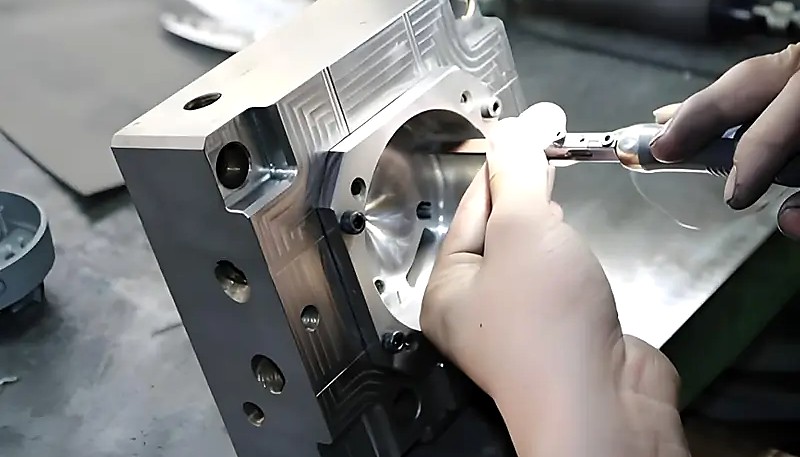
A questi intervalli è necessaria un’ispezione più approfondita: pulire tutte le fessure di scarico e i canali di sfiato, controllare e sostituire i perni espulsori e di ritorno usurati, esaminare le superfici delle cavità per verificare se necessitano di lucidatura, controllare le portate dei canali di raffreddamento (le incrostazioni riducono l’efficienza di raffreddamento) e verificare il serraggio di tutti i componenti filettati.
Revisione generale (ogni 300,000–500,000 cicli)
Si tratta di uno smontaggio e di un’ispezione completi dello stampo: misurare tutte le dimensioni critiche rispetto ai disegni originali, rilucidare o ritesturizzare le superfici della cavità secondo necessità, sostituire tutti i componenti standard soggetti a usura (perni, boccole, molle), controllare e riallineare tutti i componenti dello stampo e ricertificare lo stampo per la produzione.
Stabilire e rispettare questo programma di manutenzione non e facoltativo se si vuole preservare la durata dello stampo. Nel nostro stabilimento di Shanghai, ogni stampo destinato alla produzione riceve un rapporto sulle condizioni e le scadenze di manutenzione vengono segnalate automaticamente in base al conteggio dei cicli.
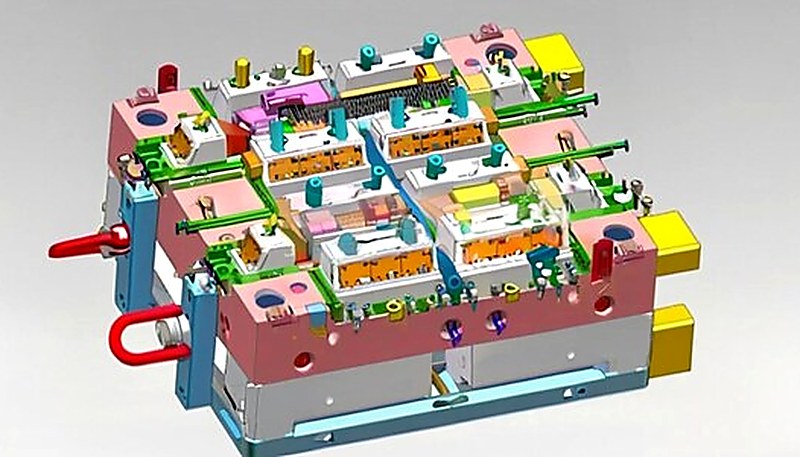
Quali impostazioni di processo proteggono o danneggiano lo stampo?
Il tuo ingegnere di processo potrebbe non rendersene conto, ma ogni parametro che imposta sta prolungando o accorciando la vita dello stampo. Ecco quelli critici da monitorare.
Forza di serraggio
Impostare la corretta forza di chiusura3 è fondamentale. Se è insufficiente, la pressione d’iniezione supera la chiusura, generando bave e potenziali danni alla linea di divisione. Se è eccessiva, la macchina schiaccia lo stampo, comprime le scanalature di sfiato e sovraccarica la base. La formula è semplice: forza di chiusura = area proiettata × fattore del materiale × fattore di sicurezza. Usa l’analisi del flusso nello stampo per convalidare il calcolo.
Velocità e pressione di iniezione
Una velocità di iniezione eccessiva genera a ogni ciclo un colpo idraulico che martella gradualmente le aree della cavità e del punto di iniezione. Una pressione di mantenimento eccessiva produce lo stesso effetto, mantenendo tutta la forza di compattazione contro pareti della cavità già riempite. Profilare la velocità di iniezione affinché aumenti gradualmente e utilizzare soltanto la pressione di mantenimento necessaria alla qualità del pezzo.
Controllo della temperatura dello stampo
Ciclo di Vita dello Stampo per Injection: Durata, Fattori & Manutenzione
Impostazioni di espulsione
Un’espulsione eccessiva, dovuta a una corsa o a una pressione troppo elevate, danneggia silenziosamente lo stampo. Sollecita i perni di espulsione, usura i relativi fori e può incrinare gli inserti della cavità se il pezzo oppone resistenza. Impostare la corsa al minimo necessario per un’estrazione affidabile e mantenere la pressione appena sufficiente a garantire un’espulsione costante.
"Uno stampo P20 ben mantenuto può eguagliare o superare la vita ciclica di uno stampo H13 trascurato."True
La disciplina nella manutenzione conta spesso più del grado dell'acciaio. Uno stampo P20 sottoposto a lubrificazione, pulizia e sostituzione dei componenti a intervalli appropriati può durare in modo affidabile più a lungo di uno stampo H13 utilizzato intensamente e trascurato. Lo abbiamo constatato ripetutamente in produzione: l'officina che cura la manutenzione delle proprie attrezzature prevale, indipendentemente dal tipo di acciaio.
"Uno stampo dura 5 anni indipendentemente da come viene usato."False
Il tempo di calendario non misura la vita dello stampo. Uno stampo operativo 24 ore su 24 con ciclo di 15 secondi accumula oltre 17.000 cicli al giorno, mentre uno su turno singolo con ciclo di 60 secondi può farne solo 480. L’unica misura significativa è il numero di cicli, insieme ai parametri di processo e alla cronologia di manutenzione.
Comprendere come i parametri di processo influenzano la longevità dello stampo è fondamentale. Ogni impostazione sulla macchina per stampaggio a iniezione — dalla forza di chiusura alla velocità di espulsione — ha un impatto diretto su quanti cicli il tuo stampo sopravviverà. Nella nostra struttura di Shanghai, abbiamo osservato che gli stampi gestiti con parametri ottimizzati durano costantemente il 30–40% in più rispetto a stampi identici gestiti con impostazioni predefinite. Questo è il motivo per cui investiamo tempo nella qualifica del processo prima della produzione completa: i primi 10.000 cicli spesso impostano la traiettoria per l’intera vita dello stampo. Quando valutiamo uno stampo che ha fallito prematuramente, i nostri ingegneri quasi sempre rintracciano la causa principale in uno dei parametri discussi sopra — pressione di iniezione eccessiva, raffreddamento insufficiente o espulsione aggressiva.
Quando è necessario ritirare o ricostruire uno stampo?
Ritira uno stampo quando i costi di riparazione superano il 50–60% di un nuovo utensile; ricostruiscilo quando la base dello stampo è integra ma gli inserti della cavità necessitano di sostituzione. La maggior parte degli stampi di produzione subisce 1–2 importanti ristrutturazioni prima di raggiungere la fine del ciclo di vita. La decisione si riduce a un semplice calcolo: se il costo della prossima riparazione supera il valore ammortizzato delle parti rimanenti che produrrebbe, è tempo per un nuovo stampo.
Segnali che indicano quando ritirare uno stampo: le dimensioni delle cavità sono uscite dalla tolleranza e una nuova lavorazione cambierebbe la geometria; compaiono cricche ripetute nella stessa zona nonostante le riparazioni; i canali di raffreddamento sono talmente incrostati da aumentare sensibilmente il tempo ciclo; i costi cumulativi di riparazione superano il 60% del costo di uno stampo nuovo.
Segnali che rendono conveniente una ricostruzione: base e telaio dello stampo sono in buone condizioni, gli inserti delle cavità possono essere sostituiti senza riprogettare l’intero strumento e il volume produttivo residuo giustifica la ricostruzione, ma non uno stampo completamente nuovo.
In pratica, la maggior parte degli stampi di produzione subisce 1–2 ricondizionamenti importanti prima del ritiro. Con gli stampi in acciaio temprato, è comune raggiungere 3–5 anni di vita produttiva tra costruzione originale e ricondizionamenti, realizzando diversi milioni di componenti nell’intero ciclo di vita dello stampo.
"Le resine caricate vetro possono usurare le cavità 3–5× più rapidamente dei materiali non caricati."True
Le fibre di vetro nei compound caricati agiscono da microabrasivi a ogni ciclo di iniezione. Nel corso di centinaia di migliaia di cicli erodono progressivamente le superfici delle cavità, allargano le zone dei punti d'iniezione e deteriorano la finitura superficiale. Se si stampano compound abrasivi, occorre prevedere una manutenzione più frequente e valutare acciaio temprato o rivestimenti superficiali PVD.
"Quando uno stampo inizia a produrre pezzi conformi, le impostazioni rimangono bloccate per sempre."False
Le condizioni di produzione si modificano nel tempo a causa delle variazioni dei lotti di materiale, dell'usura progressiva della macchina, dei cambiamenti della temperatura ambiente e del degrado della superficie dello stampo. Ciò che funzionava al ciclo 10000 potrebbe non essere ottimale al ciclo 200000. Audit periodici del processo e taratura dei parametri sono essenziali per mantenere sia la qualità del pezzo che la longevità dello stampo durante l'intero ciclo di vita dell'utensile.
Domande frequenti
Domande frequenti
Qual è la durata media di uno stampo a iniezione?
Dipende interamente dal grado di acciaio e dal livello di manutenzione. Uno stampo P20 pretemprato produce normalmente 300.000–500.000 cicli in condizioni ordinarie. Uno stampo in H13 o 1.2344 per lavorazioni a caldo può superare 1.000.000 di cicli con cura e processo adeguati. Gli stampi prototipali in alluminio, destinati a lotti brevi, durano 1.000–10.000 cicli. Nessun singolo numero definisce quindi la durata: scelta dell’acciaio, complessità del pezzo, abrasività della resina e disciplina di manutenzione concorrono a determinare la longevità effettiva.
Quanti cicli dura uno stampo in P20?
Gli stampi in acciaio P20 pretemprato offrono normalmente 300.000–500.000 cicli nelle applicazioni standard. Con manutenzione eccellente e condizioni favorevoli — pressioni moderate, raffreddamento corretto e lubrificazione regolare — alcuni raggiungono 600.000 cicli o più. Con materiali caricati con vetro o ignifughi, aspettatevi una vita verso il limite inferiore. Per progetti oltre 500.000 pezzi, valutate l’acciaio 1.2738 o H13 per una migliore economia a lungo termine. Nel budget dell’attrezzatura P20 considerate sempre resina e piano di manutenzione specifici.
Con quale frequenza devono essere sottoposti a manutenzione gli stampi a iniezione?
Gli stampi a iniezione richiedono tre livelli di manutenzione. Quella giornaliera comprende la lubrificazione di tutte le parti mobili (espulsori, colonne guida, carrelli) e la pulizia delle superfici dai residui di resina. Ogni 50,000–100,000 cicli occorre eseguire un’ispezione approfondita: sostituire gli espulsori usurati, pulire gli sfiati, verificare le portate dei canali di raffreddamento e controllare tutti i componenti filettati. Ogni 300,000–500,000 cicli si effettua lo smontaggio completo, con verifica dimensionale, rilucidatura delle cavità e sostituzione dei componenti standard soggetti a usura, incluse molle e boccole. Saltare un livello aumenta il rischio di fermi imprevisti e guasti prematuri.
Quali sono le cause del cedimento prematuro di uno stampo a iniezione?
Tra le principali cause di cedimento prematuro dello stampo vi è la scelta errata dell’acciaio rispetto al materiale stampato, che provoca usura o corrosione eccessive. Una pressione di iniezione o una forza di chiusura eccessive causano nel tempo danni meccanici alle linee di divisione e alle superfici della cavità. Una manutenzione insufficiente, in particolare l’omissione di lubrificazione, pulizia e ispezioni periodiche, consente ai problemi minori di trasformarsi in guasti gravi. Un raffreddamento inadeguato provoca cricche da fatica termica nell’acciaio della cavità. Infine, i compound di resina abrasivi o corrosivi lavorati senza opportuni trattamenti superficiali accelerano drasticamente il degrado della cavità.
È possibile ricostruire uno stampo a iniezione usurato?
Sì, uno stampo usurato può essere ricostruito se base e telaio sono strutturalmente integri. Gli interventi comuni includono sostituzione degli inserti, rilavorazione delle linee di divisione, riforatura o disincrostazione dei canali e sostituzione di perni, bussole e molle. Una buona ricostruzione ripristina il 60–80% della vita originale a circa il 40–60% del costo di uno stampo nuovo, risultando conveniente per prolungare la produzione.
Qual è l’acciaio per stampi più durevole per lo stampaggio a iniezione?
Gli acciai da utensili per lavorazioni a caldo H13 e 1.2344 sono considerati lo standard di riferimento per stampi a iniezione ad alto volume e, se correttamente trattati e mantenuti, superano abitualmente 1,000,000 di cicli. Per materiali corrosivi come PVC o composti ignifughi, gli acciai inossidabili per stampi S136 o 420 offrono eccellente resistenza alla corrosione ed elevata durezza superficiale. Trattamenti come rivestimento PVD, nitrurazione o cromatura possono inoltre prolungare notevolmente la vita utile di qualsiasi acciaio, aumentando la durezza e riducendo l’attrito durante l’espulsione. Consultate il costruttore dello stampo per scegliere la combinazione ottimale di acciaio e trattamento.
Come si calcola la vita utile prevista di uno stampo a iniezione?
Partire dai cicli nominali: P20 300,000–500,000, H13 oltre 1,000,000. Resine abrasive riducono la vita del 30–50%; manutenzione rigorosa può aumentarla del 30–50%. Parametri ottimizzati proteggono lo stampo. Lo stampista deve stimarne la vita in fase DFM.
La temperatura dello stampo influisce sulla durata dello stampo a iniezione?
Sì, la temperatura dello stampo incide notevolmente, e spesso in modo sottovalutato, sulla sua durata. Temperature non uniformi, in particolare una differenza superiore a 6 °C tra metà mobile e fissa, causano dilatazioni termiche differenti che producono disallineamento in chiusura e accelerano l’usura delle guide. Temperature eccessive favoriscono inoltre cricche da fatica termica sulle superfici delle cavità dopo migliaia di cicli. Progetto corretto dei canali, disincrostazione regolare e monitoraggio costante sono essenziali per la qualità e la massima longevità dello stampo.
Stai pianificando la costruzione del tuo prossimo stampo?
Pianificare la prossima costruzione del tuo stampo è più facile con il partner giusto. Con oltre 20 anni di esperienza e una struttura interna di produzione stampi che produce oltre 100 set di stampi al mese, ZetarMold progetta ogni stampo tenendo presente il suo intero ciclo di vita — dalla selezione dell’acciaio alla pianificazione della manutenzione.
Il nostro team copre oltre 400 materiali su 47 macchine per stampaggio a iniezione (90T–1850T) e forniamo un’analisi DFM dettagliata con stime del ciclo di vita prima che tu ti impegni per l’utensileria.
Vuoi parlare del tuo progetto? Ricevi prezzi competitivi, feedback DFM e una stima dettagliata della durata dello stampo dal nostro team di ingegneri.
Richiedete un preventivo gratuito →
qualità dell'acciaio: La qualità dell'acciaio indica che il P20 offre normalmente 300.000-500.000 cicli, mentre H13/1.2344 può superare 1.000.000 di cicli in condizioni adeguate. ↩
fatica termica: La fatica termica indica che cicli ripetuti di riscaldamento e raffreddamento creano microcricche sulle superfici dell'acciaio dello stampo, una delle principali cause di cedimento. ↩
corretta forza di chiusura: La corretta forza di chiusura è data da area proiettata × fattore del materiale × fattore di sicurezza (normalmente 1,5-2,0). ↩