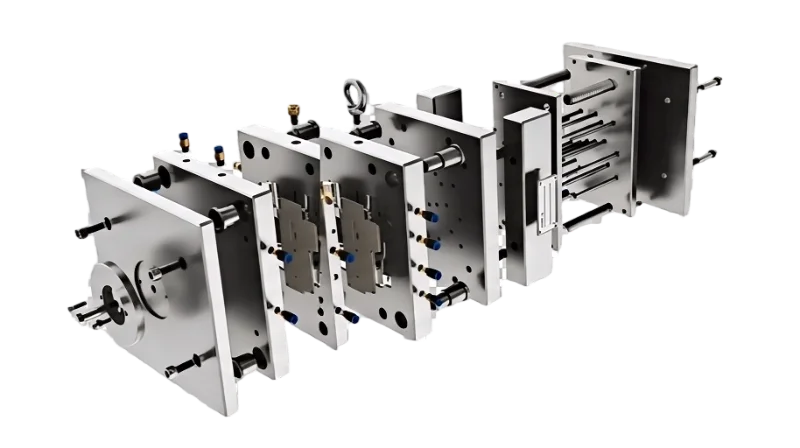
射出金型へ投資する際、ほぼ何よりも重要な問いは「この金型は実際にどれだけ長持ちするのか」です。射出金型のライフサイクルは、部品当たりコスト、生産信頼性、最終的なプロジェクト採算を左右します。このガイドでは、設計と初回成形からメンテナンスサイクル、最終的な廃棄まで、金型寿命の全段階を計画に使える実数とともに解説します。
50万サイクルではなく5万サイクルで故障する金型は、新しい金型の費用がかかるだけでなく、部品単価の金型費を二倍にし、納期を遅らせ、顧客に届く品質不良を引き起こす可能性があります。射出金型のライフサイクルを理解することで、適切な鋼材を指定し、適切なプロセスパラメータを設定し、金型が定格寿命の間ピーク性能を維持するメンテナンスを計画する知識を得ることができます。
- 金型寿命はカレンダー時間ではなくサイクル数で測定されます — 24時間365日稼働する金型は、8時間稼働の金型よりも早く摩耗します
- 鋼材グレードは、P20(30万サイクル)からH13(100万サイクル以上)まで、金型寿命を決定する最大の要因です
- 適切な定期メンテナンスにより、金型寿命を30〜50%延長できます
- 加工パラメータ(締め付け力、射出速度、金型温度)は、工具寿命に直接影響します
- ほとんどの金型は、設計、認定、生産、保守、廃棄の5つの明確なライフステージを経ます
射出成形金型のライフサイクルとは正確には何ですか?
射出金型のライフサイクルとは、設計から廃棄までの全過程をサイクル数で測ったものです。ベンダー比較や調達計画には、RFQ準備、適格性評価、商務リスク確認を扱う射出成形サプライヤー調達ガイドをご覧ください。
射出金型のライフサイクルとは、初期設計から製作、適格性確認、生産、メンテナンス、最終的な廃棄までの全過程を、暦日ではなくサイクル数で測ったものです。適切に製作された生産金型は、鋼材グレード1、部品の複雑さ、メンテナンス規律に応じて100,000回から5,000,000回超まで生産できます。5つの段階は、設計・製作、サンプリング・適格性確認(T0/T1)、生産寿命、メンテナンス・改修、廃棄または再構築です。
射出成形金型のライフサイクルとは、合格部品を生産できなくなるまでに金型が確実に完了できる総生産サイクル数です。月数や年数ではなく、ショット数またはサイクル数で測ります。
カレンダー時間よりもサイクル数が重要な理由
このように考えてみてください:3シフト運転で15秒サイクルの金型は、1日におよそ17,000サイクルを積み重ねます。一方、単一シフト工場で30秒サイクルの同じ金型は、1日でわずか960サイクルしか稼働しません。同じ金型でも、カレンダー上の寿命は全く異なります — これが業界がサイクル数で標準化している理由です。
実際には、金型寿命は非常に広範囲にわたります。単純なアルミプロトタイプ金型は1,000〜10,000個の部品を生産できます。焼入れ工具鋼(H13または1.2344)で製造された量産金型は、100万サイクルを超えることがあります。この違いは、鋼材の選択、金型設計の複雑さ、部品形状、加工管理、そしておそらく最も重要な — 金型のメンテナンスの良さに帰着します。
上海の当社工場では、保守不良のP20金型が10万サイクルで故障するのを見てきましたが、保守の行き届いたH13金型は120万サイクルを超えても強く稼働しています。保守の規律は大きな平等化要因です。
90トンから1850トンまでの47台の射出成形機と自社金型製造施設を備え、ZetarMoldは月に100セット以上の射出金型を生産しています。10年以上の経験を持つ8人のシニアエンジニアが、初日からライフサイクル計画を組み込んだ金型を設計します。
射出金型の寿命はどのように測定されますか?
射出金型の寿命は、金型が使用不能になるまでの開閉総回数であるサイクル数で測ります。機械的摩耗と直接相関するため、サイクル数が標準指標です。他に一般的ですが精度の低い指標として、総生産部品数(多数個取り金型には有用)と暦時間(最も信頼性が低いものの最もよく引用される)があります。
1. サイクル数(標準指標)。金型が完了した型開き・型締めの総回数です。エジェクタピン、ガイドブッシュ、キャビティ面、パーティングラインなどの機械的摩耗と直接相関するため、最も客観的な指標です。「500,000サイクル対応」の金型とは、この回数を指します。
2. 生産部品数。金型が8個取りなどの多数個取りであれば、500,000サイクルで400万個を生産します。総部品数で寿命を表したい購入者もいますが、案件ごとにキャビティ数が変わる場合は誤解を招きます。
3. 暦時間(最も信頼性が低い)。金型が「5年間持つ」と言っても、ほとんど意味はありません。3交代制のラインで20秒ごとに稼働する金型は、1交代制で60秒ごとに稼働する金型の3年間より、1年間ではるかに大きく摩耗します。
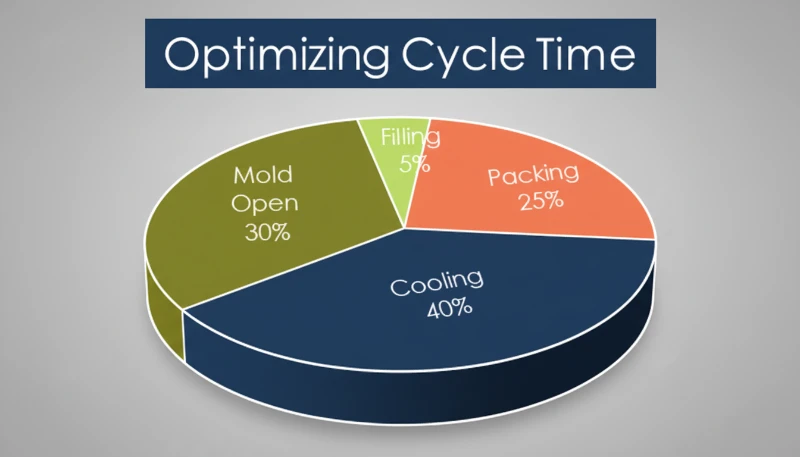
重要な点:常に金型の寿命期待値をサイクル数で指定し、成型業者が稼働サイクル総数を文書化することを確認してください。現代の射出成形機はこれを自動的に追跡し、生産報告の一部となるべきです。
金型の寿命を決定する要因は何か?
金型の長寿命化は単一変数の方程式ではありません。少なくとも6つの主要な要素が相互に作用し合う(あるいは相反し合う)累積的な結果です。
金型鋼の選択
鋼材グレードは、金型寿命を決定する最大の要因です。P20(プレハードン金型鋼)は業界の主力材料 — 手頃な価格、加工性が良く、30万から50万サイクルに耐えます。それ以上が必要な場合、1.2738または718Hは50万〜80万サイクルに向かいます。高生産性ツールの場合は、適切な熱処理が施されていれば、H13または1.2344(熱間工具鋼)が100万サイクル以上を実現します。
トレードオフはコストです。H13金型鋼はP20よりも2〜3倍高価になることがあります。しかし、プロジェクトで数百万個の部品を生産する場合、より耐久性のある鋼材を使用することで、部品あたりの償却金型コストは実際には低くなります。選択する前に常に計算を実行することをお勧めします—そして、DFMレビュー中にすべての顧客に対してその計算を行います。
金型設計と構造
適切に設計された金型は、すべての部品へ応力を均等に分散します。主要な設計要因には、キャビティ入れ子の十分な肉厚、熱疲労2を最小限にする適切な冷却チャネル配置、応力集中を生む鋭い内角ではなく丸みを付けた移行部、型締め時の位置ずれを防ぐ信頼性の高いガイド機構があります。
当社の経験では、最も早期に故障する金型は通常、設計が急がれたものです。シミュレーションと設計レビューを数日追加するだけで、金型寿命に数十万サイクルを追加できます。
処理パラメーター
金型の構築方法と同様に、その運転方法も重要です。過剰な射出圧力、不適切な締め付け力、極端な溶融温度、不十分な冷却時間はすべて摩耗を加速します。これについては以下の加工セクションで詳しく説明します。
成形される材料
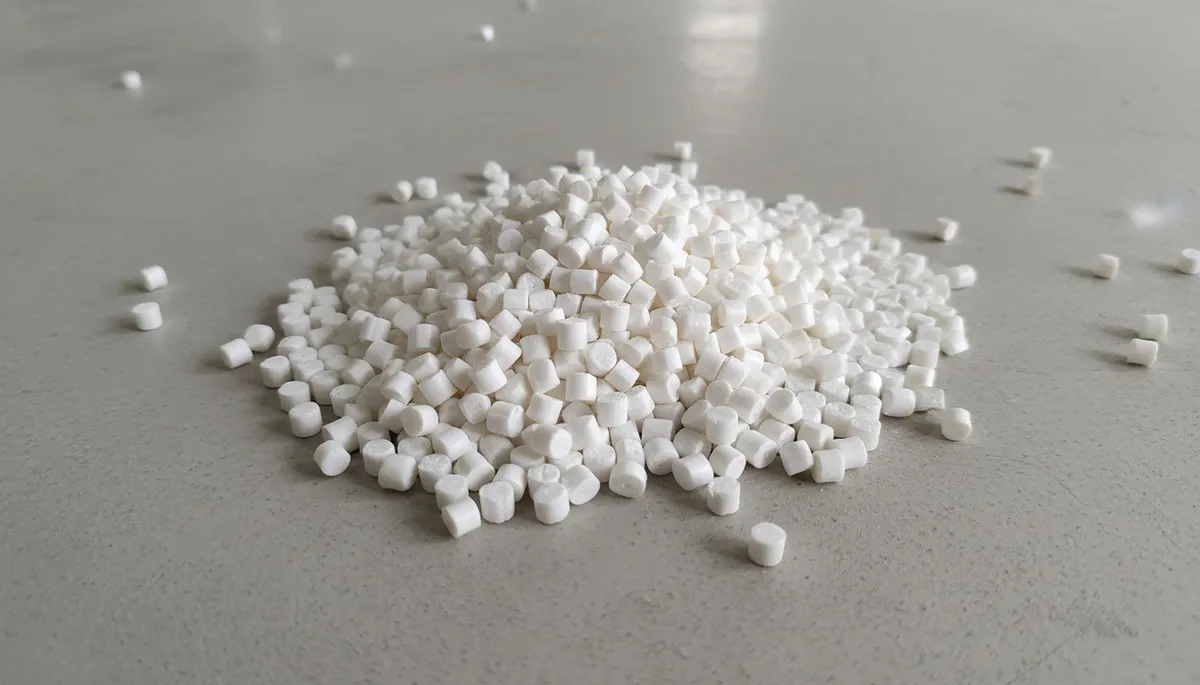
ガラス充填ナイロンは未充填ポリプロピレンよりもはるかに研磨性があります。難燃グレードにはしばしば腐食性添加物が含まれます。PEEKのような高温材料には、熱疲労に耐える金型鋼が必要です。常に鋼材を材料に合わせてください — ここでコストを削減する場所ではありません。
表面処理
PVDコーティング、窒化処理、およびクロムめっきはキャビティ表面寿命を大幅に延長できます。これらの処理は表面硬度を増加させ、離型時の摩擦を減少させ、腐食性樹脂に対する化学耐性を提供します。窒化処理されたP20金型は、未処理のH13工具の耐摩耗性に近づき、費用は大幅に低減できます。
保守規律
これは、ほとんどの購買担当者が過小評価している要因です。清掃、潤滑、摩耗面の点検、適時の部品交換を含む定期的な予防保全により、金型寿命を30–50%延ばすことができます。「時間を節約する」ために保全を省略することは、最も高くつく判断です。
金型鋼材の選択は寿命にどのように影響しますか?
金型鋼の選定は、金型寿命に最も大きく影響します。P20プリハードン鋼の金型寿命は通常100,000~500,000サイクルですが、H13焼入れ鋼の金型は同じ条件で1,000,000~5,000,000サイクルを超えることがあります。ただし、初期費用は2~3倍です。以下の表に、プラスチック射出成形で使われる一般的な金型鋼の標準的な寿命範囲を示します。
| 鋼種 | 硬度(HRC) | 典型的なサイクル寿命 | 最適 | 相対コスト |
|---|---|---|---|---|
| P20 / P20HH | 28–36 | 300,000–500,000 | 汎用生産 | 基準値 (1×) |
| 1.2738 / 718H | 33–40 | 500,000–800,000 | 中規模生産、より良い研磨 | 1.2–1.5× |
| H13 / 1.2344 | 44–52 | 1,000,000+ | 大量生産、摩耗性材料 | 2–3× |
| S136 / 420SS | 48–54 | 800,000–1,200,000 | 腐食性樹脂、光学部品 | 2.5–3.5倍 |
| RoHS / REACH | 該当なし | 1,000–10,000 | 試作、短期生産 | 0.3–0.5× |
コスト乗数は寿命に比例しないことに注意してください。H13金型はP20より2–3倍高価ですが、2–4倍のサイクルを提供できます。500,000部品を超えるプロジェクトでは、鋼材のグレードアップはほとんど常に費用を償却します。
もう一点、P20などの「プリハードン」鋼は使用時の硬さで供給されるため、機械加工後の追加熱処理は不要です。H13などの全硬化鋼は、粗加工後に熱処理し、その後、最終寸法まで仕上げ加工する必要があります。リードタイムとコストは増加しますが、耐摩耗性は大幅に向上します。
設計から寿命終了までの主要なステージは何か?
5つの主要ステージは、設計、認定、生産、メンテナンス、廃棄です。金型がこのライフサイクルのどこに位置するかを把握することで、予算計画、交換スケジュール立案、予期せぬ停止を回避できます。
ステージ1:設計と製造
金型の寿命は、設計段階でほぼ決まります。鋼材の選定、冷却レイアウト、突き出し方式、ガス抜き設計のすべてが、最終的に金型が何サイクル使用できるかを左右します。そのため、当社は鋼材を加工する前の金型流動解析に多大な投資をしています。本番生産で発見するより、解析で熱的ホットスポットを見つける方がはるかに低コストだからです。
ステージ2:サンプリングと認定(T0/T1)
初回試作(通常T0またはT1サンプルと呼ばれる)は、金型が適切な部品を製造できることを証明する段階です。サンプリング期間中、加工パラメータが確立され、金型は問題(フラッシュ、ショット不足、シンクマーク、寸法偏差)の検査を受けます。この段階は通常50–200サイクルを含みます。
ステージ3: 生産寿命
これは金型の稼働寿命、つまり部品をサイクルごとに繰り返し生産する長い中間期間です。この段階では摩耗が徐々に蓄積します。エジェクタピンにはかじり傷が生じ、キャビティ表面は徐々に劣化し、冷却水路にはスケールが堆積します。定期保守により、この期間の安定稼働を維持できます。
ステージ4:メンテナンスと改修
適切にメンテナンスされた金型も最終的には改修が必要になります。一般的な処置には、キャビティ表面の再研磨、摩耗したエジェクターピンとブッシングの交換、損傷したパーティングラインの再切削、冷却チャネルの清掃または再ドリリングが含まれます。適切な改修により、元の金型寿命の60〜80%を回復できます。
ステージ5:廃棄または再構築
修復が経済的に意味を失った場合、金型は廃棄されます。一部のコンポーネント(金型ベース、ガイドピラー、一部のインサート)は将来の工具のために再利用可能です。廃棄と再構築の決定は、単純な計算に帰着します:次の修理費用が、残りの部品を生産するための償却価値を超える場合、新しい金型を作る時期です。
定期保守によって金型寿命を延ばすには?
この記事から一つだけ覚えていただくなら、「メンテナンスは修理より安い」ということです。定期的な予防保全により、小さな問題が金型を致命的に損なう事故へ発展するのを防げます。
日常保全(毎シフト)
これらはオペレーターが各生産シフトの開始時または終了時に実施すべき基本事項です:全ての可動部品(エジェクターピン、ガイドピラー、スライド機構)への潤滑、樹脂残留物やフラッシュデブリを除去する金型表面の清掃、摩耗の目視確認(スコアリング、パーティングライン損傷、フラッシュ)、冷却水が適切な温度と流量で流れていることの確認。
定期メンテナンス(50,000〜100,000サイクルごと)
これらの間隔では、より徹底的な検査が必要です:すべての排気スロットとベントチャネルを清掃、摩耗したエジェクタピンとリターンピンを検査・交換、キャビティ表面の研磨必要性を検査、冷却チャネルの流量を確認(スケール蓄積は冷却効率を低下)、すべてのねじ部コンポーネントの締め付けを確認します。
大規模オーバーホール(300,000〜500,000サイクルごと)
これは金型の完全分解と検査です:全ての重要寸法を原図面と照合して測定、必要に応じたキャビティ表面の再研磨または再テクスチャリング、全ての標準摩耗部品(ピン、ブッシング、スプリング)の交換、全ての金型コンポーネントのチェックと再調整、生産用の金型再認定。
金型の寿命を考慮する場合、この保守スケジュールの確立と遵守は必須です。上海の施設では、生産に入るすべての金型に状態報告書を作成し、サイクル数に基づいて保守のマイルストーンを自動的にフラグ付けします。
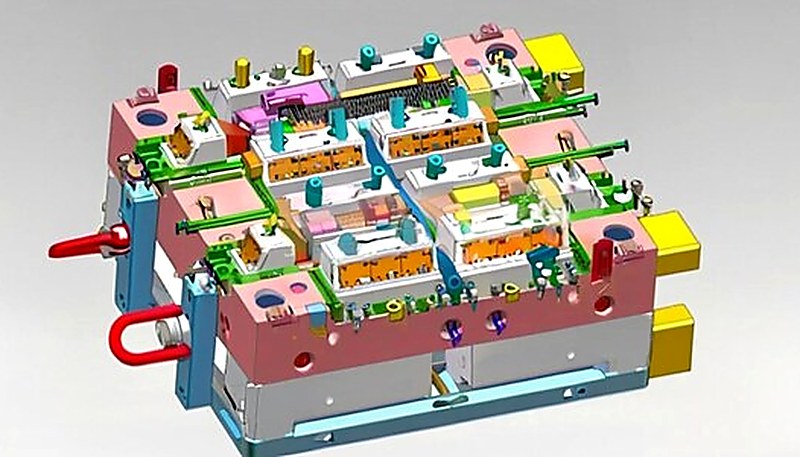
どのような加工条件が金型を保護し、または損傷させますか?
プロセスエンジニアは気づいていないかもしれませんが、彼らが設定する全てのパラメータは金型寿命を延長または短縮しています。以下に注意すべき重要な項目を示します。
クランプ力
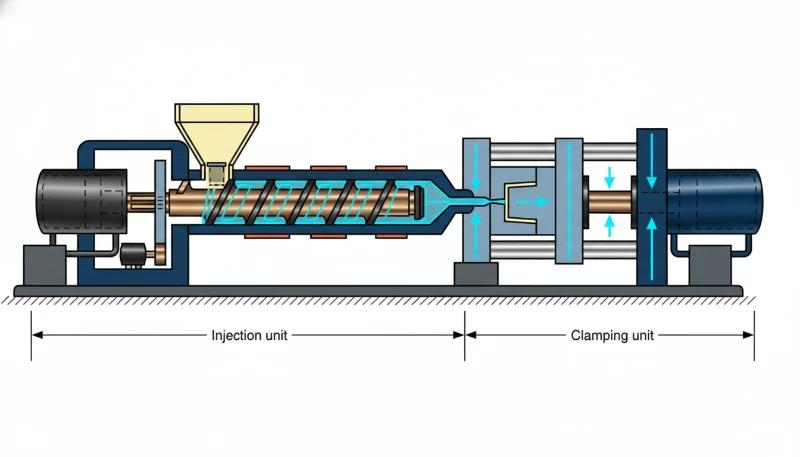
正しい型締力3の設定は基本です。不足すると射出圧力が型締力を上回り、バリが発生してパーティングラインを損傷する可能性があります。過大だと機械が金型を押し潰し、排気溝を圧縮してモールドベースへ過剰な応力を与えます。式は単純です。型締力 = 投影面積 × 材料係数 × 安全係数。計算の検証にはモールドフロー解析を使用してください。
射出速度と射出圧力
過剰な射出速度は各サイクルで油圧ショックを発生させ、徐々にキャビティとゲート領域を打撃します。過剰な保圧も同様です — それは既に充填されたキャビティ壁に対して完全な充填力を維持します。射出速度を徐々に増加させるプロファイルを使用し、部品品質に必要なだけの保圧を使用してください。
金型温度制御
金型両半の温度差は6°Cを超えないようにしてください。大きな差は不均一な熱膨張を引き起こし、金型閉鎖時の不整合とガイドコンポーネントの加速摩耗を招きます。熱疲労 — 鋼材表面の繰り返される膨張と収縮 — は金型故障の三大原因の一つです。
突き出し条件
過剰な突出し(ストロークまたは圧力の過大設定)は、気付かないうちに金型を損傷させます。エジェクターピンに負荷をかけ、ピン穴を摩耗させるほか、成形品の離型抵抗が大きい場合にはキャビティインサートを割ることもあります。突出しストロークは成形品を確実に離型できる最小限に設定し、突出し圧力も安定した突出しに必要な範囲に抑えてください。
"適切に保守されたP20金型は、保守が不十分なH13金型と同等以上のショット寿命を実現できます。"True
保全規律は、鋼種より重要な場合が少なくありません。適切な間隔で定期的に潤滑、清掃、部品交換を行うP20金型は、過酷に稼働させたまま放置されたH13金型より、確実に長く使用できます。当社は、生産現場でこの結果を繰り返し確認してきました。鋼材の素性にかかわらず、金型を適切に保全する工場が優位に立ちます。
「金型は使用方法にかかわらず5年間使用できる。」False
金型寿命を測るうえで、暦上の経過時間には意味がありません。15秒サイクルで24時間365日稼働する金型は1日当たり17,000サイクル以上に達しますが、60秒サイクルで1シフトのみ稼働する金型はわずか480サイクル程度の場合があります。意味のある指標は、成形条件および保全履歴と組み合わせたサイクル数だけです。
成形条件が金型寿命に与える影響を理解することは極めて重要です。型締力から突出し速度まで、射出成形機のあらゆる設定が、金型の耐用サイクル数に直接影響します。当社の上海工場では、最適化した条件で稼働する金型は、標準設定で稼働する同一金型より一貫して30~40%長持ちすることを確認しています。このため当社は、本格生産前の工程適格性評価に時間をかけています。最初の10,000サイクルが、金型寿命全体の方向性を決めることが多いためです。早期破損した金型を評価すると、当社の技術者はほぼ必ず、過大な射出圧力、冷却不足、または過度に強い突出しといった、前述の条件のいずれかに根本原因を特定します。
金型を廃棄または再製作すべき時期は?
修理費が新品金型の50–60%を超える場合は金型を廃棄し、モールドベースが健全でキャビティインサートのみ交換が必要な場合は再構築します。ほとんどの生産用金型は、寿命を迎えるまでに1–2回の大規模改修を受けます。判断は単純な計算に基づきます。次回の修理費が、その後に生産可能な残存部品数の償却価値を上回るなら、新しい金型へ更新すべき時期です。
金型を廃棄すべき兆候:キャビティ寸法が公差を外れ、再加工すると形状が変わってしまう。同じ箇所が修理後も繰り返し割れる。冷却チャネルのスケール蓄積でサイクルタイムが大幅に延びている。累積修理費が新しい金型費用の60%を超えている。
再構築する価値がある兆候:モールドベースとフレームの状態が良好である。金型全体を再設計せずにキャビティ入れ子を交換できる。残りの生産量が再構築費を正当化する一方、新規金型までは正当化しない。
実際には、ほとんどの量産金型は廃棄されるまでに1~2回の大規模改修を受けます。硬化鋼金型では、初期製作と改修を合わせて3~5年の量産寿命を確保し、金型の総ライフサイクルで数百万個の部品を生産することも珍しくありません。
「ガラス繊維強化樹脂は、非強化材料より3~5倍速く金型キャビティを摩耗させることがあります。」True
充填コンパウンドに含まれるガラス繊維は、射出サイクルのたびに微細な研磨材として作用します。数十万サイクルを重ねると、キャビティ表面が徐々に侵食され、ゲート部が拡大し、表面仕上げが劣化します。研磨性コンパウンドを成形する場合は、保守頻度を高める予算を確保し、焼入れ鋼またはPVD表面コーティングの採用を検討してください。
「金型で良品が作れるようになれば、その設定は永久に固定される。」False
材料ロットのばらつき、機械の進行性摩耗、周囲温度の変化、金型表面の劣化により、生産条件は時間とともに変動します。10,000サイクル時に有効だった条件が、200,000サイクル時にも最適とは限りません。金型のライフサイクル全体を通じて部品品質と金型寿命の両方を維持するには、定期的な工程監査とパラメータ調整が不可欠です。
よくある質問
よくある質問
射出成形金型の平均寿命はどのくらいですか?
金型寿命は、鋼種とメンテナンス水準によって大きく異なります。P20プリハードン鋼製金型は、通常条件で一般に300,000~500,000ショットの生産に対応します。H13または1.2344熱間工具鋼製金型は、適切な保守と成形条件のもとで1,000,000ショットを超えることがあります。短期生産用に設計されたアルミ試作金型の寿命は1,000~10,000ショットです。重要なのは、金型寿命を一つの数値で定義できないことです。鋼材の選定、製品の複雑さ、樹脂の研磨性、メンテナンス規律が組み合わさって、実際の金型寿命が決まります。
P20金型の寿命は何サイクルですか?
P20プリハードン鋼製金型は、標準的な用途で通常300,000~500,000回の生産サイクルに対応します。適切な保全管理と良好な成形条件、すなわち適度な射出圧力、適切な冷却、定期的な潤滑を維持すれば、600,000回以上に達するP20金型もあります。ただし、ガラス繊維強化材や難燃材を成形する場合、寿命はこの範囲の下限になると見込むべきです。総生産数が500,000個を超えるプロジェクトでは、長期的な経済性に優れる1.2738鋼またはH13鋼へのアップグレードを検討してください。P20金型の予算策定では、使用樹脂と保全計画を必ず考慮してください。
射出成形金型はどのくらいの頻度でメンテナンスすべきですか?
射出成形金型には3段階のメンテナンスが必要です。日常メンテナンスでは、すべての可動部(エジェクタピン、ガイドピラー、スライド機構)への給脂と、樹脂残渣を除去するための金型表面清掃を行います。5万~10万サイクルごとに詳細点検を実施し、摩耗したエジェクタピンの交換、ベント溝の清掃、冷却水路流量の確認、すべてのねじ部品の点検を行います。30万~50万サイクルごとに完全分解し、寸法検証、キャビティの再研磨、ばねやブッシュを含む標準摩耗部品すべての交換を行います。いずれかの段階を省くと、計画外停止や金型の早期故障のリスクが高まります。
射出成形金型が早期に破損する原因は何ですか?
金型が早期に故障する主な原因には、成形材料に適さない鋼材の選定による過度の摩耗や腐食があります。射出圧力または型締力が過大だと、時間の経過とともにパーティングラインやキャビティ表面に機械的損傷が生じます。潤滑、清掃、定期点検を怠るなど保守が不十分であれば、小さな問題が重大な故障へ発展します。冷却不足はキャビティ鋼材に熱疲労亀裂を引き起こします。さらに、研磨性または腐食性の樹脂コンパウンドを適切な表面処理なしで成形すると、キャビティの劣化が著しく加速します。
摩耗した射出成形金型は再生できるか?
はい、モールドベースとフレームが構造的に健全であれば、摩耗した金型は再生できます。一般的な再生作業には、摩耗または損傷したキャビティインサートの交換、劣化したパーティングラインの再加工、冷却水路の再穿孔またはスケール除去、エジェクターピン、リターンピン、ブッシュ、ばねなど、標準摩耗部品すべての交換が含まれます。適切に再生すれば、新規に金型を製作する場合の約40~60%の費用で、元の金型寿命の60~80%を回復できます。そのため、金型を全面的に新作する投資をせずに生産を延長する必要がある場合、再生は魅力的な選択肢です。
射出成形用として最も耐久性の高い金型鋼は何か?
H13および1.2344熱間工具鋼は、大量生産用射出成形金型の標準材とされており、適切な熱処理と保守を行えば、通常100万ショットを超える寿命を実現します。PVCや難燃性コンパウンドなどの腐食性材料には、優れた耐食性と高い表面硬度を兼ね備えたS136または420ステンレス金型鋼が適しています。さらに、PVDコーティング、窒化処理、クロムめっきなどの表面処理により、表面硬度を高め、離型時の摩擦を低減できるため、どの鋼種でも実用寿命を大幅に延ばせます。用途に最適な鋼材と表面処理の組み合わせについては、金型メーカーにご相談ください。
射出成形金型の寿命予測はどのように算出しますか?
まず鋼材グレードの定格サイクル数を基準にします。例えばP20は30万~50万サイクル、H13は100万サイクル超です。次に、個別条件に応じた補正係数を適用します。ガラス繊維強化樹脂や研磨性樹脂は通常、予想寿命を30~50%短縮します。厳格な予防保全計画は定格寿命を30~50%延ばせます。最適化した加工条件は金型部品を保護し、過酷な設定は寿命を縮めます。金型メーカーはDFMレビュー段階で詳細な寿命見積もりを提示すべきです。
金型温度は射出金型の寿命に影響しますか?
はい。金型温度は金型寿命に大きく、しばしば過小評価される影響を与えます。可動側と固定側の温度差が6°Cを超える不均一な温度は、型閉じ時の位置ずれにつながる差動熱膨張を起こし、案内部品の摩耗を早めます。過度な金型温度は、数千サイクルを通じてキャビティ表面の熱疲労亀裂も促進します。適切な冷却水路設計、定期的なスケール除去、継続的な温度監視が、部品品質と金型寿命最大化に不可欠です。
次の金型製作を計画していますか?
適切なパートナーがいれば、次の金型製作計画を円滑に進められます。20年以上の経験と、月間100セット以上を生産する社内金型製造設備を持つZetarMoldは、鋼材選定から保守計画まで、ライフサイクル全体を考慮して各金型を設計します。
当社は47台の射出成形機(90T–1850T)で400+種類の材料に対応し、金型への投資決定前に寿命予測を含む詳細なDFM解析を提供します。
プロジェクトについて相談しませんか?当社のエンジニアリングチームが、競争力のある価格、DFMフィードバック、詳細な金型寿命見積もりをご提示します。
無料見積りを依頼 →