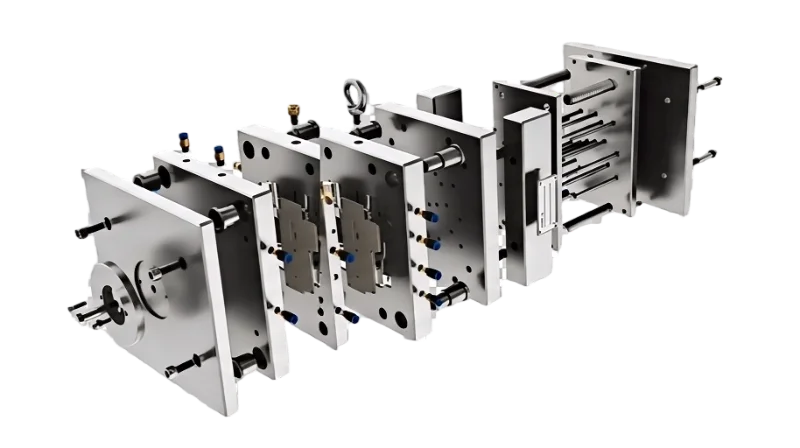
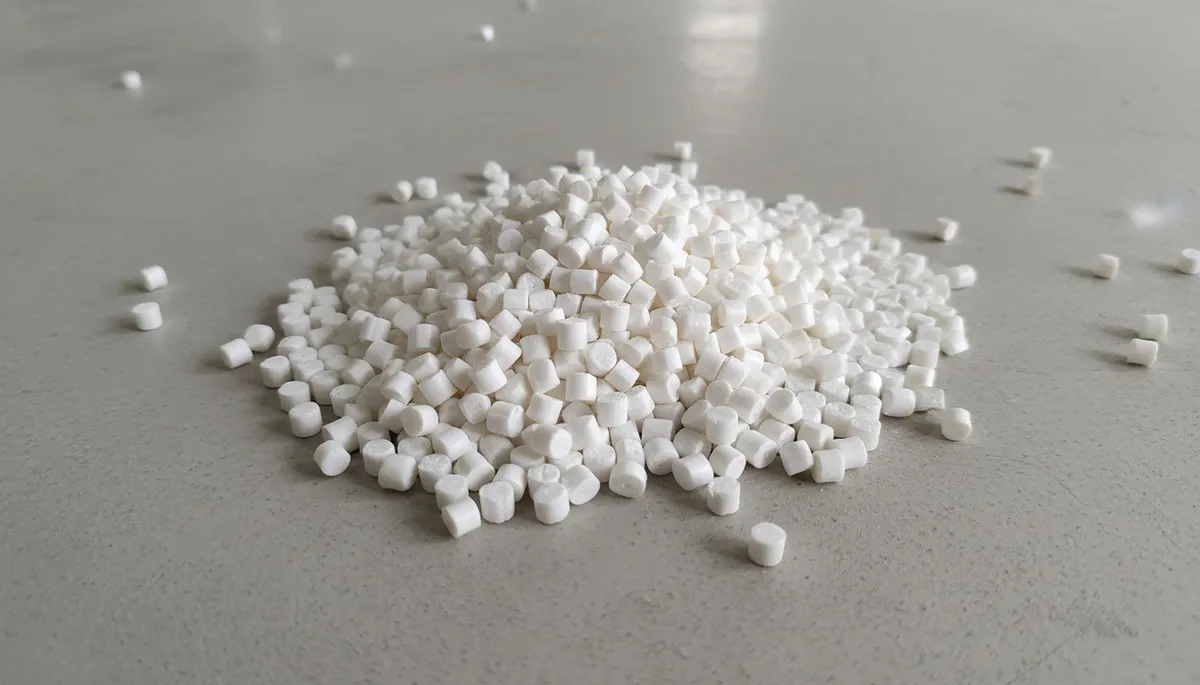
При инвестициях в оснастку для литьевой формы один вопрос важнее почти всех остальных: сколько она реально прослужит? Жизненный цикл формы определяет себестоимость детали, надёжность производства и в конечном счёте прибыльность проекта. В этом руководстве с реальными числами разобраны все этапы — от проектирования и первых циклов через обслуживание до окончательного вывода из эксплуатации.
Форма, которая выходит из строя на 50000 цикле вместо 500000, не только требует затрат на новый инструмент — она удваивает стоимость инструмента на деталь, задерживает график поставок и может привести к дефектам качества, которые достигают вашего клиента. Понимание жизненного цикла инжекционной формы дает вам знания для выбора правильной стали, установки правильных параметров процесса и планирования обслуживания, которое поддерживает ваш инструмент в оптимальном состоянии на протяжении всего расчетного жизненного цикла.
- Срок службы пресс-формы измеряется циклами, а не календарным временем — форма, работающая 24/7, изнашивается быстрее, чем работающая 8 часов
- Марка стали — главный фактор ресурса формы: от P20 (300K циклов) до H13 (1M+ циклов)
- Надлежащее регулярное техническое обслуживание может продлить срок службы пресс-формы на 30–50%
- Параметры процесса — усилие смыкания, скорость впрыска и температура пресс-формы — напрямую влияют на срок службы оснастки
- Большинство пресс-форм проходят 5 отдельных стадий жизненного цикла: проектирование, квалификация, производство, техническое обслуживание и вывод из эксплуатации
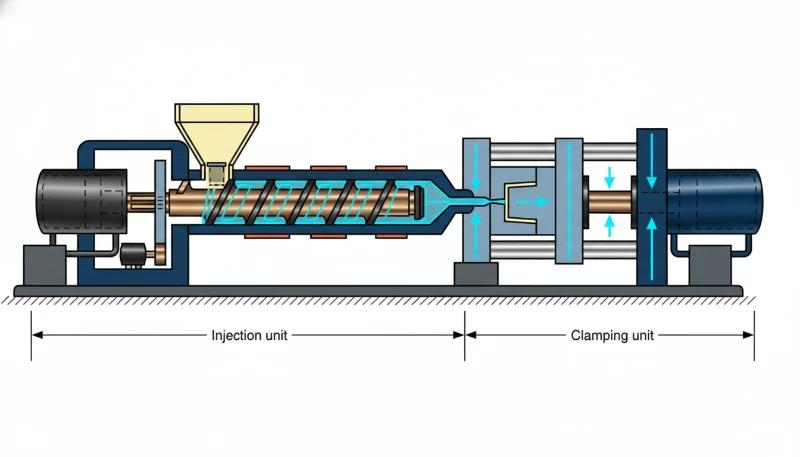
Что именно представляет собой жизненный цикл пресс-формы для литья под давлением?
Жизненный цикл литьевой формы — весь путь от проектирования до вывода из эксплуатации, измеряемый числом циклов. При сравнении подрядчиков или планировании закупки наше руководство по поиску поставщика литья под давлением рассматривает подготовку RFQ, квалификацию и проверку коммерческих рисков.
Жизненный цикл литьевой формы охватывает проектирование, изготовление, квалификацию, производство, обслуживание и окончательный вывод из эксплуатации и измеряется циклами, а не календарным временем. Качественная производственная форма способна выполнить от 100,000 до более чем 5,000,000 циклов в зависимости от марки стали1, сложности детали и качества обслуживания. Пять этапов: проектирование и изготовление, испытания и квалификация (T0/T1), производственная эксплуатация, обслуживание и восстановление, затем списание или реконструкция.
Жизненный цикл оснастки для литья под давлением — общее число производственных циклов, которые форма надёжно выполняет до прекращения выпуска годных деталей. Его измеряют не месяцами или годами, а впрысками, то есть циклами.
Почему количество циклов важнее календарного времени
Представьте это так: пресс-форма с 15-секундным циклом при трехсменной работе выполняет примерно 17,000 циклов в день. Та же форма с 30-секундным циклом при работе в одну смену может выполнять лишь 960 циклов в день. Форма одна и та же, но календарный срок службы совершенно разный — поэтому отрасль стандартизирует ресурс по числу циклов.
На практике срок службы пресс-форм варьируется в чрезвычайно широких пределах. Простая алюминиевая форма для прототипов может изготовить 1,000–10,000 деталей. Производственная форма из закалённой инструментальной стали (H13 или 1.2344) способна выдержать более миллиона циклов. Разница определяется выбором стали, сложностью конструкции формы, геометрией детали, соблюдением технологии и, пожалуй, самым важным фактором — качеством обслуживания оснастки.
В нашем цехе в Шанхае мы видели, как плохо обслуживаемые пресс-формы P20 выходили из строя после 100,000 циклов, а хорошо обслуживаемые H13 продолжали работать после 1.2 миллиона. Дисциплина обслуживания уравнивает возможности.
Имея 47 литьевых машин мощностью от 90 до 1850 тонн и собственное производство пресс-форм, ZetarMold производит более 100 комплектов литьевых форм в месяц. Наши 8 старших инженеров — каждый с более чем 10-летним опытом — проектируют пресс-формы с учетом планирования жизненного цикла с самого первого дня.
Как измеряют срок службы литьевой пресс-формы?
Срок службы литьевой формы измеряют числом циклов — полным количеством открытий и закрытий до непригодности оснастки. Это основной показатель, поскольку он напрямую связан с механическим износом. Два других распространённых, но менее точных показателя — общее число деталей (полезно для многогнёздных форм) и календарное время (наименее надёжно, хотя упоминается чаще всего).
1. Число циклов (основной показатель). Это полное число циклов открытия и закрытия формы. Показатель наиболее объективен, поскольку прямо связан с механическим износом толкателей, направляющих втулок, поверхностей полостей и линий разъёма. Именно это означает ресурс формы в «500,000 циклов».
2. Количество изготовленных деталей. Если форма имеет несколько гнёзд, например 8, то за 500,000 циклов она выпускает 4 миллиона деталей. Некоторые покупатели предпочитают оценивать ресурс по числу деталей, но сравнение вводит в заблуждение, если число гнёзд меняется от проекта к проекту.
3. Календарное время (наименее надёжный показатель). Утверждение, что форма «служит 5 лет», почти ничего не говорит. Форма с циклом 20 секунд на трёхсменной линии за один год изнашивается намного сильнее, чем форма с циклом 60 секунд на односменной линии за три года.
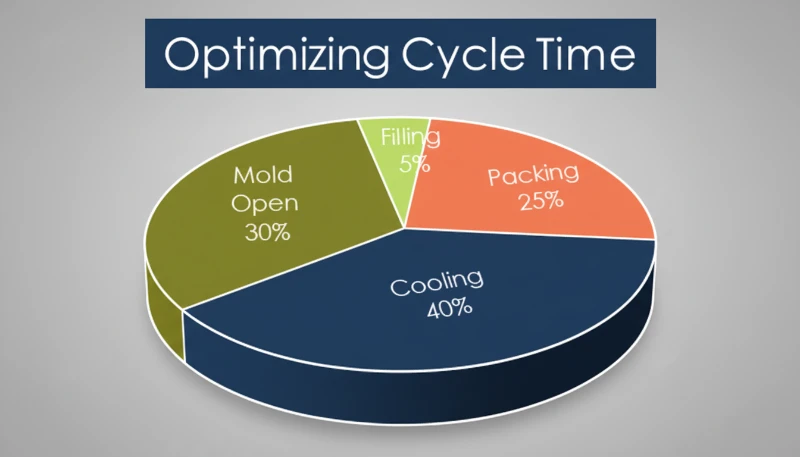
Итог: всегда указывайте ожидаемый ресурс формы в количестве циклов и требуйте, чтобы изготовитель документировал общее число выполненных циклов. Современные термопластавтоматы отслеживают это автоматически, и показатель должен входить в производственную отчетность.
Какие факторы определяют срок службы пресс-формы?
Долговечность пресс-формы не определяется одной переменной. Это совокупный результат взаимодействия как минимум шести основных факторов, которые работают совместно или противодействуют друг другу.
Выбор стали для пресс-форм
Марка стали является единственным наиболее важным фактором, определяющим срок службы пресс-формы. P20 (предварительно закаленная инструментальная сталь) — это рабочая лошадка отрасли: доступная, обрабатываемая и подходящая для 300 000–500 000 циклов. Когда требуется больше, 1.2738 или 718H приближаются к 500 000–800 000. Для высокопроизводительного инструмента H13 или 1.2344 (инструментальные стали для горячей обработки) обеспечивают более миллиона циклов при условии правильной термообработки.
Компромисс заключается в стоимости. Сталь H13 для пресс-форм может стоить в 2–3× дороже P20. Однако если проект предусматривает миллионы деталей, амортизированная стоимость оснастки на одну деталь при использовании более долговечной стали фактически ниже. Перед выбором мы всегда рекомендуем выполнить расчет — и проводим его для каждого заказчика при DFM-анализе.
Конструкция и структура пресс-формы
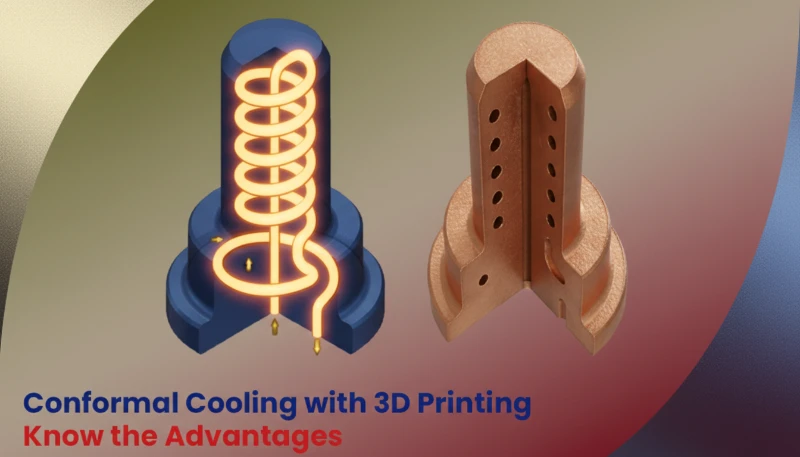
Правильно спроектированная форма равномерно распределяет напряжения по всем компонентам. Важны достаточная толщина стенок вставок полости, правильное расположение каналов охлаждения, уменьшающее термическую усталость2, скруглённые переходы вместо острых внутренних углов, создающих концентрацию напряжений, и надёжные направляющие, предотвращающие перекос при смыкании.
По нашему опыту раньше всего отказывают формы, проектирование которых торопили. Несколько дополнительных дней моделирования и проверки могут добавить сотни тысяч циклов ресурса.
Параметры обработки
То, как вы эксплуатируете пресс-форму, так же важно, как и то, как вы ее изготовили. Чрезмерное давление впрыска, некорректное усилие смыкания, экстремальные температуры расплава и недостаточное время охлаждения — все это ускоряет износ. Мы подробно рассматриваем это в разделе о технологии переработки ниже.
Формуемый материал
Стеклонаполненный полиамид гораздо абразивнее ненаполненного полипропилена. Огнестойкие марки часто содержат коррозионные добавки. Высокотемпературные материалы, такие как PEEK, требуют сталей, устойчивых к термической усталости. Всегда соотносите сталь с материалом — здесь не следует экономить.
Обработка поверхности
PVD-покрытия, азотирование и хромирование могут значительно продлить срок службы поверхности гнезда. Эти обработки повышают твёрдость поверхности, снижают трение при выталкивании и обеспечивают химическую стойкость к коррозионно-активным полимерам. Азотированная форма из P20 может приблизиться по износостойкости к необработанной оснастке из H13 при значительно меньшей стоимости.
Дисциплина технического обслуживания
Этот фактор большинство покупателей недооценивает. Регулярное профилактическое обслуживание — очистка, смазка, проверка изнашиваемых поверхностей и своевременная замена компонентов — может продлить ресурс пресс-формы на 30–50%. Отказ от обслуживания ради «экономии времени» — самое дорогое решение.
Как выбор стали пресс-формы влияет на срок службы?
Выбор стали сильнее всего влияет на ресурс оснастки. Форма из предварительно закалённой стали P20 обычно служит 100,000–500,000 циклов, а форма из закалённой H13 в тех же условиях — более 1,000,000–5,000,000 циклов, но первоначально стоит в 2–3 раза дороже. В таблице ниже приведены типичные диапазоны ресурса распространённых сталей для форм, применяемых при литье пластмасс под давлением.
| Марка стали | Твердость (HRC) | Типичный срок службы в циклах | Лучшее для | Относительная стоимость |
|---|---|---|---|---|
| P20 / P20HH | 28–36 | 300,000–500,000 | Производство общего назначения | Базовый уровень (1×) |
| 1.2738 / 718H | 33–40 | 500,000–800,000 | Средний объём, лучшая полируемость | 1.2–1.5× |
| H13 / 1.2344 | 44–52 | 1,000,000+ | Крупносерийное производство, абразивные материалы | 2–3× |
| S136 / 420SS | 48–54 | 800,000–1,200,000 | Коррозионно-активные смолы, оптические детали | 2.5–3.5× |
| Алюминий (QC-10) | не применимо | 1,000–10,000 | Прототипирование, малые серии | 0.3–0.5× |
Обратите внимание, что коэффициент стоимости не растёт линейно со сроком службы. Пресс-форма из H13 стоит в 2–3 раза дороже, чем из P20, но способна выдержать в 2–4 раза больше циклов. Для любого проекта объёмом свыше 500,000 деталей переход на более качественную сталь почти всегда окупается.
Ещё один момент: «предварительно закалённые» стали, такие как P20, поставляются с рабочей твёрдостью, поэтому после механической обработки дополнительная термообработка не требуется. Стали сквозной закалки, такие как H13, требуют термообработки после черновой механической обработки с последующей чистовой обработкой до окончательных размеров. Это увеличивает срок и стоимость изготовления, но обеспечивает значительно более высокую износостойкость.
Каковы ключевые этапы от проектирования до окончания срока службы?
Пять ключевых этапов: проектирование, квалификация, производство, обслуживание и вывод из эксплуатации. Понимание того, на каком этапе жизненного цикла находится ваша пресс-форма, позволяет планировать бюджеты, графики замен и избегать незапланированных остановок.
Этап 1: проектирование и производство
Ресурс пресс-формы во многом предопределяется на этапе проектирования. Выбор стали, схема охлаждения, стратегия извлечения и конструкция вентиляции в совокупности определяют итоговое число циклов оснастки. Поэтому до начала обработки стали мы вкладываем значительные средства в моделирование течения расплава: обнаружить горячую зону при моделировании значительно дешевле, чем выявить ее в производстве.
Этап 2: изготовление образцов и квалификация (T0/T1)
Первые испытания, часто называемые образцами T0 или T1, показывают способность пресс-формы изготавливать приемлемые детали. Во время испытаний устанавливаются параметры обработки, а пресс-форма проверяется на наличие проблем: облоя, недолива, утяжин или размерных отклонений. Этот этап обычно включает 50–200 циклов.
Этап 3: Производственный ресурс
Это период эксплуатации пресс-формы — длительный средний этап, когда она цикл за циклом выпускает детали. В течение этого этапа износ постепенно накапливается. На выталкивателях появляются задиры, поверхности формообразующих полостей медленно изнашиваются, а в каналах охлаждения образуются отложения. Регулярное техническое обслуживание обеспечивает стабильную работу на этом этапе.
Этап 4: техническое обслуживание и восстановление
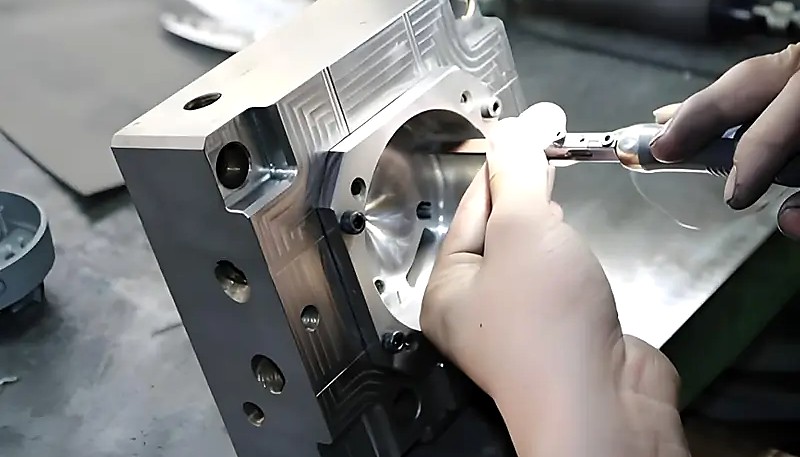
Даже хорошо обслуживаемые пресс-формы со временем нуждаются в восстановлении. Обычные работы включают повторную полировку поверхностей полостей, замену изношенных выталкивающих штифтов и втулок, восстановление повреждённых линий разъёма, а также очистку или повторное сверление каналов охлаждения. Качественное восстановление может вернуть 60–80% первоначального ресурса пресс-формы.
Этап 5: вывод из эксплуатации или восстановление
Когда восстановление перестаёт быть экономически оправданным, форму выводят из эксплуатации. Некоторые компоненты, например основание формы, направляющие колонки и отдельные вставки, можно сохранить для будущей оснастки. Решение о выводе из эксплуатации или восстановлении сводится к простому расчёту: если стоимость следующего ремонта превышает амортизированную ценность оставшихся деталей, которые форма сможет произвести, пора строить новую форму.
Как регулярное техническое обслуживание продлевает срок службы пресс-формы?
Главная мысль статьи: обслуживание дешевле ремонта. Регулярное профилактическое обслуживание не позволяет мелким проблемам превратиться в катастрофические повреждения формы.
Ежедневное обслуживание (каждую смену)
Это базовые операции, которые операторы должны выполнять в начале или конце каждой производственной смены: смазывать все подвижные детали (выталкиватели, направляющие колонки, ползунковые механизмы), очищать поверхности пресс-формы от остатков смолы и облоя, проверять видимые признаки износа (задиры, повреждения линии разъема, облой) и убеждаться, что охлаждающая вода подается с требуемыми температурой и расходом.
Периодическое техническое обслуживание (каждые 50,000–100,000 циклов)
С такой периодичностью требуется более тщательная инспекция: очистите все выпускные щели и вентиляционные каналы, проверьте и замените изношенные выталкивающие и возвратные штифты, осмотрите поверхности гнезд на предмет необходимости полирования, проверьте расход в каналах охлаждения (накипь снижает эффективность охлаждения) и затяжку всех резьбовых компонентов.
Капитальный ремонт (каждые 300,000–500,000 циклов)
Это полная разборка и проверка формы: измерение всех критических размеров по исходным чертежам, повторная полировка или текстурирование поверхностей полости по мере необходимости, замена всех стандартных изнашиваемых компонентов (штифтов, втулок, пружин), проверка и повторная центровка всех компонентов формы, а также повторная сертификация формы для производства.
Если для вас важен срок службы формы, составление и соблюдение этого графика технического обслуживания обязательно. На нашем предприятии в Шанхае для каждой формы, поступающей в производство, составляется отчет о состоянии, а контрольные сроки обслуживания автоматически отмечаются по числу циклов.
Какие настройки процесса защищают или разрушают вашу пресс-форму?
Ваш инженер-технолог может не осознавать этого, но каждый установленный им параметр либо продлевает, либо сокращает срок службы пресс-формы. Вот самые важные из них, за которыми нужно следить.
Зажимное усилие
Правильное усилие смыкания3 имеет принципиальное значение. При недостаточном усилии давление впрыска раскрывает форму, образуя облой и повреждая линию разъёма. При чрезмерном усилии машина сдавливает форму, пережимает вентиляционные каналы и перегружает основание. Формула проста: усилие смыкания = площадь проекции × коэффициент материала × коэффициент запаса. Расчёт следует проверить анализом течения расплава.
Скорость и давление впрыска
Чрезмерная скорость впрыска создаёт гидравлический удар в каждом цикле, постепенно повреждая зоны полости и литника. Чрезмерное давление выдержки действует так же: оно сохраняет полное усилие уплотнения на уже заполненных стенках полости. Профилируйте скорость впрыска с постепенным увеличением и применяйте лишь давление выдержки, необходимое для качества детали.
Контроль температуры в пресс-форме
Жизненный цикл литьевой формы: срок службы, факторы и обслуживание
Настройки выталкивания
Чрезмерное выталкивание, то есть слишком большой ход или давление, незаметно разрушает форму. Оно нагружает выталкивающие штифты, изнашивает их отверстия и может растрескать вставки полости, если деталь сопротивляется извлечению. Установите минимальный ход, обеспечивающий надёжное извлечение детали, и давление лишь немного выше необходимого для стабильного выталкивания.
"При надлежащем обслуживании пресс-форма из P20 может сравняться по ресурсу или превзойти пресс-форму из H13, которой пренебрегают."True
Дисциплина обслуживания часто важнее марки стали. Форма из P20, которую регулярно смазывают, чистят и своевременно заменяют компоненты, может надежно прослужить дольше формы из H13, эксплуатируемой интенсивно и без ухода. Мы неоднократно наблюдали это на производстве: выигрывает цех, который обслуживает оснастку, независимо от происхождения стали.
"Форма служит 5 лет независимо от режима эксплуатации."False
Календарное время не имеет смысла для измерения срока службы пресс-формы. Форма, работающая 24/7 с 15-секундным циклом, выполняет более 17,000 циклов в день, тогда как форма, работающая в одну смену с 60-секундным циклом, может выполнить лишь 480. Единственным содержательным показателем является количество циклов в сочетании с параметрами процесса и историей технического обслуживания.
Понимание того, как параметры переработки влияют на долговечность пресс-формы, критически важно. Каждая настройка на литьевой машине — от усилия смыкания до скорости выталкивания — напрямую влияет на то, сколько циклов выдержит ваша пресс-форма. На нашем предприятии в Шанхае мы наблюдали, что пресс-формы, работающие в оптимизированных параметрах, стабильно служат на 30–40% дольше, чем идентичные пресс-формы, работающие на стандартных настройках. Именно поэтому мы уделяем время квалификации процесса перед запуском полного производства: первые 10 000 циклов часто задают траекторию для всего срока службы пресс-формы. При оценке преждевременно вышедшей из строя пресс-формы наши инженеры почти всегда прослеживают корневую причину до одного из обсуждаемых выше параметров — чрезмерного давления впрыска, недостаточного охлаждения или агрессивного выталкивания.
Когда пресс-форму следует вывести из эксплуатации или восстановить?
Выводите форму из эксплуатации, когда затраты на ремонт превышают 50–60% стоимости нового инструмента; реконструируйте, когда основа формы исправна, но требуется замены вставок полости. Большинство производственных форм проходит 1–2 крупных реконструкции до достижения конца жизненного цикла. Решение сводится к простому расчету: если стоимость следующего ремонта превышает амортизированную стоимость остающихся деталей, которые она произведет, время для новой формы.
Признаки того, что форму пора списывать: размеры полости вышли за допуск, а повторная обработка изменит геометрию; в одном месте вновь появляются трещины несмотря на ремонты; каналы охлаждения настолько покрыты отложениями, что цикл существенно увеличился; суммарные затраты на ремонт превышают 60% стоимости новой формы.
Признаки целесообразности реконструкции: основание и рама формы в хорошем состоянии; вставки полости можно заменить без перепроектирования всей оснастки; оставшийся объём производства оправдывает реконструкцию, но не изготовление новой формы.
На практике большинство производственных форм до списания проходят 1–2 капитальных ремонта. Для форм из закаленной стали нормальный срок производства с учетом исходной конструкции и ремонтов составляет 3–5 лет, а за весь жизненный цикл оснастка выпускает несколько миллионов деталей.
"Стеклонаполненные полимеры могут изнашивать полости формы в 3–5× быстрее ненаполненных материалов."True
Стекловолокна в наполненных компаундах действуют как микроабразивы при каждом цикле. За сотни тысяч циклов они постепенно разрушают поверхности гнезда, увеличивают литники и ухудшают поверхность. Для абразивных компаундов заложите более частое обслуживание и рассмотрите закалённую сталь или PVD-покрытия.
«После того как пресс-форма начинает выпускать качественные детали, настройки фиксируются навсегда».False
Производственные условия меняются с течением времени из-за различий в материалах, постепенного износа оборудования, изменений температуры окружающей среды и деградации поверхности формы. Что работало на 10000 цикле может не быть оптимальным на 200000 цикле. Периодический аудит процесса и корректировка параметров необходимы для сохранения качества деталей и долговечности формы на протяжении всего жизненного цикла инструмента.
Часто задаваемые вопросы
Часто задаваемые вопросы
Каков средний срок службы пресс-формы?
Это полностью зависит от марки стали и уровня обслуживания. Предварительно закалённая форма из P20 обычно выдерживает от 300,000 до 500,000 производственных циклов в нормальных условиях. Форма из инструментальной стали для горячей обработки H13 или 1.2344 при надлежащем уходе и переработке может превысить 1,000,000 циклов. Алюминиевые формы для прототипов, рассчитанные на короткие серии, служат от 1,000 до 10,000 циклов. Главное — срок службы формы нельзя выразить одним числом: фактическую долговечность оснастки совместно определяют выбор стали, сложность детали, абразивность смолы и дисциплина обслуживания.
Сколько циклов служит форма из P20?
Пресс-формы из предварительно закалённой стали P20 обычно выдерживают от 300,000 до 500,000 производственных циклов в стандартных условиях. При безупречном техническом обслуживании и благоприятных параметрах процесса — умеренном давлении впрыска, правильном охлаждении и регулярной смазке — некоторые формы из P20 достигают ресурса 600,000 циклов и более. Однако при формовании стеклонаполненных или огнестойких материалов следует рассчитывать на ресурс у нижней границы этого диапазона. Для проектов с общим объёмом свыше 500,000 деталей стоит перейти на сталь 1.2738 или H13, чтобы улучшить долгосрочную экономику. При расчёте бюджета на оснастку из P20 всегда учитывайте конкретную смолу и план технического обслуживания.
Как часто следует обслуживать пресс-формы для литья под давлением?
Литьевые формы требуют трех уровней обслуживания. Ежедневное обслуживание включает смазку всех движущихся деталей (выталкивателей, направляющих колонок, ползунов) и очистку поверхностей формы от остатков смолы. Каждые 50,000–100,000 циклов выполняйте тщательный осмотр: заменяйте изношенные выталкиватели, очищайте вентиляционные каналы, проверяйте расход в каналах охлаждения и все резьбовые компоненты. Каждые 300,000–500,000 циклов выполняйте полную разборку с контролем размеров, повторной полировкой полости и заменой стандартных изнашиваемых деталей, включая пружины и втулки. Пропуск любого уровня повышает риск внепланового простоя и преждевременного отказа формы.
Что вызывает преждевременный выход пресс-формы из строя?
К основным причинам преждевременного отказа пресс-формы относится неправильный выбор стали для формуемого материала, вызывающий чрезмерный износ или коррозию. Избыточное давление впрыска или усилие смыкания со временем механически повреждает линии разъёма и поверхности полости. Плохое обслуживание, особенно пропуск смазки, очистки и регулярных осмотров, позволяет мелким проблемам перерасти в серьёзные отказы. Недостаточное охлаждение вызывает трещины термической усталости в стали полости. Наконец, переработка абразивных или коррозионно-активных смол без соответствующей обработки поверхности резко ускоряет разрушение полости.
Можно ли восстановить изношенную литьевую форму?
Да, изношенную форму можно восстановить, если база и рама конструктивно исправны. Обычно заменяют вставки, восстанавливают линии разъёма, сверлят или очищают каналы и меняют выталкиватели, возвратные штифты, втулки и пружины. Качественное восстановление возвращает 60–80% исходного ресурса примерно за 40–60% стоимости новой формы, что выгодно для продления производства.
Какая формовочная сталь наиболее долговечна для литья под давлением?
Инструментальные стали для горячей обработки H13 и 1.2344 считаются эталоном для крупносерийного производства пресс-форм и при правильной термообработке и обслуживании обычно выдерживают более 1,000,000 циклов. Для коррозионно-активных материалов, таких как PVC или огнестойкие компаунды, нержавеющая инструментальная сталь S136 или 420 обеспечивает как превосходную коррозионную стойкость, так и высокую твердость поверхности. Кроме того, такие виды обработки поверхности, как PVD-покрытие, азотирование или хромирование, могут значительно продлить эффективный срок службы стали любой марки, повышая твердость поверхности и снижая трение при выталкивании. Совместно с изготовителем пресс-формы выберите оптимальное сочетание стали и обработки для конкретного применения.
Как рассчитать ожидаемый срок службы литьевой формы?
Начните с номинального ресурса марки стали: например, P20 рассчитана на 300,000–500,000 циклов, а H13 — более чем на 1,000,000. Затем примените поправочные коэффициенты для конкретных условий. Стеклонаполненные или абразивные полимеры обычно сокращают ожидаемый ресурс на 30–50%. Строгий график профилактического обслуживания может увеличить номинальный ресурс на 30–50%. Оптимизированные параметры процесса защищают компоненты формы, агрессивные — сокращают срок службы. Изготовитель формы должен предоставить подробную оценку жизненного цикла на этапе DFM-анализа.
Влияет ли температура формы на срок службы пресс-формы?
Да, температура пресс-формы существенно и часто недооценённо влияет на срок её службы. Неравномерная температура формы, в частности разница более 6 градусов Цельсия между подвижной и неподвижной половинами, вызывает разное тепловое расширение, приводящее к несоосности при закрытии и ускоренному износу направляющих компонентов. Чрезмерная температура формы также способствует растрескиванию поверхностей полости от термической усталости за тысячи циклов. Правильная конструкция охлаждающих каналов, регулярное удаление накипи и постоянный контроль температуры необходимы как для качества деталей, так и для максимального срока службы формы.
Планируете изготовление следующей пресс-формы?
Планировать следующее изготовление пресс-формы проще с правильным партнером. Имея более 20 лет опыта и собственное производство пресс-форм, выпускающее более 100 комплектов в месяц, ZetarMold проектирует каждую форму с учетом всего ее жизненного цикла — от выбора стали до планирования обслуживания.
Наша команда работает с более чем 400 материалами на 47 литьевых машинах (90–1850 тонн), и мы предоставляем подробный DFM-анализ с оценкой жизненного цикла до того, как вы приступите к изготовлению инструмента.
Готовы обсудить проект? Получите конкурентную цену, рекомендации DFM и подробную оценку ресурса формы от нашей инженерной команды.
Запросить бесплатное предложение →
Марка стали: Сталь P20 обычно обеспечивает 300,000–500,000 циклов, а H13/1.2344 при надлежащих условиях может превысить 1,000,000 циклов. ↩
термическая усталость: Повторяющиеся циклы нагрева и охлаждения создают микротрещины на поверхности стали формы; это одна из основных причин отказа. ↩
правильное усилие смыкания: Усилие смыкания = площадь проекции × коэффициент материала × коэффициент запаса (обычно 1.5–2.0). ↩