Einführung
Spritzgießen gehört zu den zuverlässigsten verfügbaren Fertigungsverfahren – sofern alles richtig eingerichtet ist. In mehr als 20 Jahren, in denen wir in unserem Werk in Shanghai 47 Spritzgießmaschinen betrieben haben, sind uns jedoch sämtliche denkbaren Fehler begegnet: Brandstellen, die eine Sichtoberfläche ruinieren, Grat1, der eine Montagelinie blockiert, und Verzug, durch den ein Präzisionsteil zu Ausschuss wird. Die gute Nachricht: Die meisten dieser Probleme lassen sich auf wenige Grundursachen zurückführen, die systematisch diagnostiziert und behoben werden können.
Ob Sie ein bestehendes Produktionsproblem beheben oder ein neues Werkzeug zur Vermeidung künftiger Fehler konstruieren: Das Verständnis des Zusammenhangs zwischen Prozessparametern und Fehlerentstehung ist die wertvollste Kompetenz, die Sie als Fertigungsingenieur entwickeln können.
Wenn Sie Anbieter vergleichen oder die Beschaffung planen, behandelt unser Leitfaden zur Suche nach Spritzgießlieferanten die Vorbereitung von Angebotsanfragen, Qualifizierungschecklisten und Kostenrichtwerte. In diesem Artikel konzentrieren wir uns auf die Praxis: die häufigsten Produktionsfehler erkennen, diagnostizieren und beheben.
- Brandstellen, Fließlinien und Einfallstellen sind die 3 häufigsten Fehler, mit denen Ingenieure in der Produktion konfrontiert sind.
- Die meisten Fehler sind auf falsche Einstellungen von Temperatur, Druck oder Kühlzeit zurückzuführen.
- Ein systematischer Ansatz zur Fehlerbehebung — jeweils nur eine Variable ändern — löst 80% der Produktionsprobleme.
- Eine sachgerechte Werkzeugkonstruktion mit einheitlicher Wanddicke verhindert den Großteil der Fehler durch Verzug und Schwindung.
Was sind die häufigsten Spritzgussfehler?
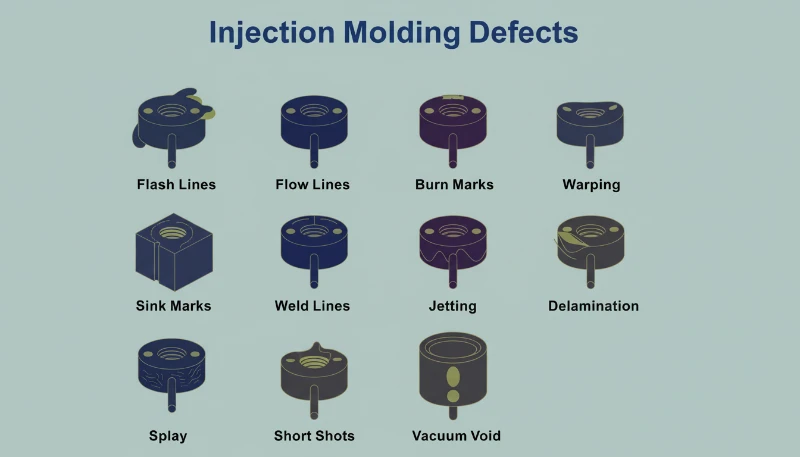
Zu den häufigsten Spritzgießfehlern zählen Brandstellen, Fließlinien, Einfallstellen, Verzug, Grat und Lufteinschlüsse. Das Spektrum reicht von optischen Mängeln, die die Oberflächenqualität beeinträchtigen, bis zu strukturellen Defekten, die ein Teil unbrauchbar machen. Nach unserer Produktionserfahrung mit Spritzgießwerkzeugen von 90T bis 1850T ist das Erkennen des typischen Erscheinungsbilds jedes Fehlers der erste Schritt zu einer wirksamen Lösung.
Zu den häufigen Fehlern an Spritzgussteilen gehören Brandstellen, die durch eine zu hohe Materialtemperatur oder eine zu lange Verweilzeit der Kunststoffschmelze entstehen, Fließlinien auf der Oberfläche infolge unterschiedlicher Fließgeschwindigkeiten sowie Lufteinschlüsse, also Hohlräume oder Blasen, die sich durch eingeschlossene Luft während des Einspritzens im Teil bilden.
Weitere Fehler, die beim Spritzgießen auftreten können, sind Verzug, Einfallstellen und Grate. Diese Fehler können die Festigkeit, die Funktionalität oder das Aussehen des Endprodukts beeinträchtigen.
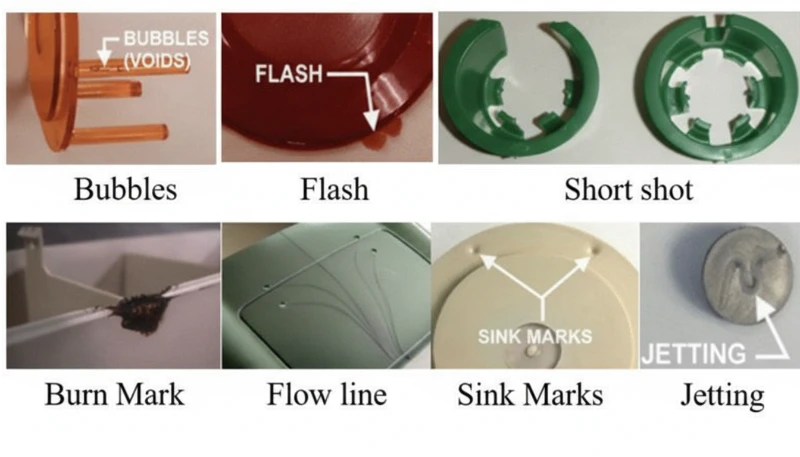
Brandflecken: Dies sind dunkle oder verfärbte Flecken auf der Oberfläche des Teils, die durch übermäßige Erhitzung oder längere Verweildauer des geschmolzenen Kunststoffs im Zylinder oder in der Form entstehen.
"Brandstellen weisen immer darauf hin, dass die Schmelzetemperatur zu hoch ist."True
Falsch — Brandstellen können auch durch eine zu lange Verweilzeit im Zylinder, unzureichende Werkzeugentlüftung oder sogar eine beschädigte Schneckenspitze entstehen.
"Ein höherer Einspritzdruck beseitigt Einfallstellen immer."False
Falsch — Übermäßiger Druck kann Gratbildung und Überpackung verursachen.
Fließlinien: Dabei handelt es sich um Linien oder Streifen auf der Oberfläche des Teils, die durch unterschiedliche Fließgeschwindigkeiten verursacht werden. Diese können entstehen, wenn geschmolzener Kunststoff auf eine kalte Oberfläche trifft oder wenn verschiedene Fließfronten zusammenkommen.
Lufteinschlüsse: Dabei handelt es sich um Hohlräume oder Blasen, die sich aufgrund von Lufteinschlüssen während des Einspritzens im Teil bilden. Lufteinschlüsse können die Festigkeit und Haltbarkeit des Endprodukts beeinträchtigen.
Einfallstellen: Dies sind Vertiefungen oder Krater auf der Oberfläche des Teils, die durch ungleichmäßige Abkühlung oder unzureichende Packung des Materials verursacht werden.
Verformung: Hierbei handelt es sich um eine Verformung des Teils, die durch ungleichmäßige Schrumpfungs- oder Abkühlungsraten verursacht wird, die durch eine ungleichmäßige Wandstärke oder eine unzureichende Abkühlungszeit verursacht werden können.
Grat: Dies ist überschüssiges Material, das als dünne Schicht oder Vorsprung an der Trennlinie der Form erscheint. Gratbildung kann durch übermäßigen Schließdruck oder unzureichende Schließkraft der Form verursacht werden.
Was verursacht Probleme beim Spritzgießen?
Die Hauptursachen für Probleme beim Spritzgießen sind eingeschlossene Luft, falscher Einspritzdruck und schwankende Wanddicken. Kann die Luft nicht durch die Entlüftungen entweichen, bevor die Schmelze eintrifft, wird sie komprimiert und erhitzt, wodurch Brandstellen, Lufteinschlüsse oder sogar Verfärbungen durch den Dieseleffekt entstehen. Die richtige Anordnung der Entlüftungen und eine ausreichende Entlüftungstiefe (bei den meisten technischen Kunststoffen typischerweise 0.01 bis 0.02 mm) sind entscheidend, um diese Fehlerklasse zu vermeiden.
Übermäßiger Einspritzdruck ist eine weitere häufige Ursache für Gratbildung, Überpackung und innere Spannungen im Formteil. Bei zu hohem Druck dringt der geschmolzene Kunststoff über die Trennlinie hinaus und bildet dünne Materialfahnen entlang der Werkzeugfuge. Umgekehrt führt ein unzureichender Nachdruck zu Einfallstellen und Hohlräumen. Die richtige Druckeinstellung hängt von Material, Teilegeometrie und Anschnittgestaltung ab – einen universellen Wert gibt es nicht.
Unterschiedliche Wandstärken sind wohl die häufigste Grundursache, die wir in unserem Werk beobachten. Liegen dicke Bereiche neben dünnen, kühlen und schwinden sie unterschiedlich schnell. Diese differenzielle Schwindung erzeugt Eigenspannungen, die das Teil verziehen, Einfallstellen an der Oberfläche verursachen und sogar zu Maßfehlern führen können. Die Lösung ist immer dieselbe: von Beginn an mit gleichmäßiger Wandstärke konstruieren.
Werden diese Grundursachen frühzeitig in der Produktion erkannt und behoben — idealerweise bei der Erstmusterprüfung —, lassen sich kostspieliger Ausschuss und spätere Nacharbeit vermeiden. In unserem Werk verwenden wir vor der Freigabe eines Produktionslaufs eine standardisierte Erstmuster-Checkliste, die gezielt diese drei Grundursachen prüft.
Es ist wichtig, diese Probleme während des Spritzgießprozesses zu erkennen und zu beheben, um Fehler im Endprodukt zu vermeiden. Zu den Techniken zur Behebung dieser Probleme gehören u. a. die Anpassung der Schmelzetemperatur, die Erhöhung der Einspritzgeschwindigkeit oder des Drucks und die Reduzierung des Nachdrucks. Durch die Behebung dieser häufigen Probleme können die Hersteller sicherstellen, dass ihre Produkte die gewünschten Qualitätsstandards und Spezifikationen erfüllen.
Wie lassen sich Probleme beim Spritzgießen systematisch beheben?
Bei der Fehlerbehebung im Spritzgießen ist es am wirksamsten, jeweils nur eine Variable zu ändern und das Ergebnis zu beobachten. Häufig wird zuerst die Schmelzetemperatur angepasst — eine zu niedrige Temperatur verursacht Fließlinien und unvollständige Füllung, eine zu hohe Temperatur dagegen Brandstellen und Materialabbau. Für die meisten Materialien wird ein Verarbeitungsfenster von 20–30°C empfohlen; dessen Einhaltung beseitigt einen erheblichen Teil typischer Fehler.
Eine weitere Maßnahme ist die Anpassung von Einspritzgeschwindigkeit und Nachdruck. Höhere Einspritzgeschwindigkeiten helfen der Kunststoffschmelze, dünnwandige Bereiche zu füllen, bevor das Material zu erstarren beginnt, und verringern dadurch Fließlinien und unvollständige Füllungen. Ein geeigneter Nachdruck2 sorgt zugleich dafür, dass die Kavität während des Abkühlens und Schwindens des Materials vollständig gefüllt bleibt, wodurch Einfallstellen und Hohlräume vermieden werden. In der Praxis lassen sich rund 60 % der bei uns auftretenden Produktionsfehler durch die richtige Abstimmung von Füllgeschwindigkeit und Nachdruck beheben.
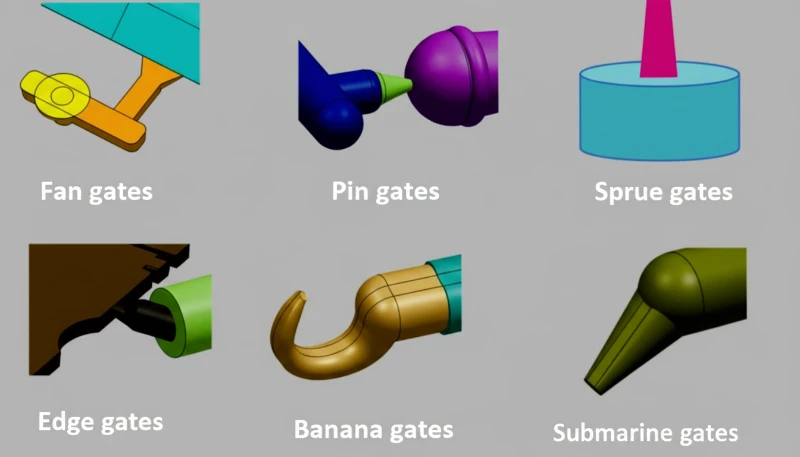
In hartnäckigeren Fällen sind eine Änderung der Werkzeugkonstruktion oder der Wechsel zu einer anderen Materialtype möglicherweise die einzige wirksame Lösung. Zusätzliche Entlüftungen im Werkzeug können beispielsweise eingeschlossene Luft und Brandstellen beseitigen, die sich durch keine Parameteränderung beheben lassen. Eine höhere Werkzeugtemperatur verbessert das Fließverhalten und senkt das Risiko unvollständiger Füllung; eine optimierte Anschnittposition kann Bindenähte in Mehrkavitätenwerkzeugen vermeiden.
Um die geeignete Methode zur Behebung eines bestimmten Problems festzulegen, muss der Spritzgießprozess gründlich analysiert und die Grundursache ermittelt werden. Dazu gehören üblicherweise die Prüfung der Schmelzetemperatur mit einem Pyrometer, die Kontrolle der Einspritzdruckkurven am Maschinenmonitor sowie die Untersuchung der Formentlüftungen und Kühlkanäle auf Verstopfungen. Mit diesen systematischen Fehlerbehebungsmethoden können Hersteller ihren Prozess optimieren und durchgängig hochwertige Bauteile produzieren.
"Eine einheitliche Wanddicke ist die wichtigste einzelne Konstruktionsregel zur Vermeidung von Spritzgussfehlern."True
Richtig — gleichmäßige Wanddicken gewährleisten eine gleichmäßige Abkühlung und Schwindung und verhindern dadurch unmittelbar Verzug, Einfallstellen und innere Spannungskonzentrationen.
"Verzug lässt sich allein durch eine längere Kühlzeit vollständig beseitigen."False
Falsch – Eine längere Kühlung hilft zwar, Verzug wird jedoch hauptsächlich durch ungleichmäßige Schwindung infolge uneinheitlicher Wanddicken verursacht. Ohne die geometrische Grundursache zu beheben, löst eine längere Kühlzeit allein das Problem nicht.
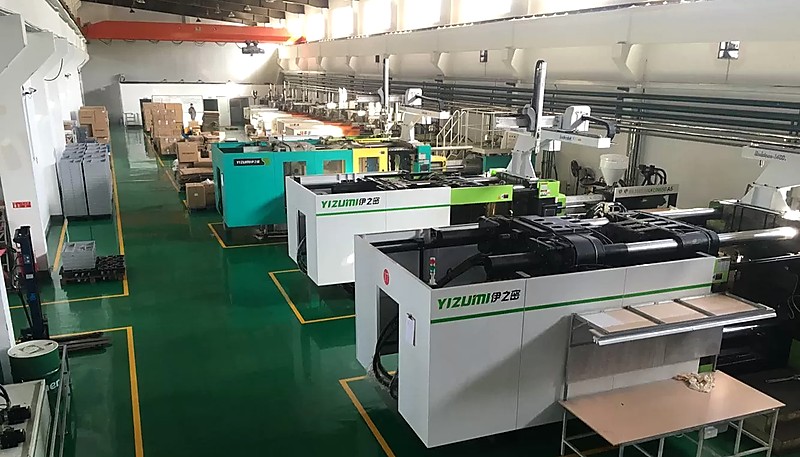
In unserem Werk in Shanghai betreiben wir 47 Spritzgießmaschinen von 90T bis 1850T, unterstützt von 8 leitenden Ingenieuren, die nahezu jedes Fehlerbild kennen. Bei einem neuen Fehlerbild isolieren wir standardmäßig zunächst die Variable — Temperatur, Druck oder Kühlung — bevor wir Einstellungen ändern. Dieser systematische Ansatz behebt die meisten Probleme bereits beim ersten Versuch.
Eine wirksame Fehlersuche erfordert technisches Wissen, praktische Erfahrung und einen systematischen Ansatz zur Problemlösung. Indem sie die Grundursache eines Problems ermitteln und eine wirksame Technik zu dessen Behebung auswählen, können Hersteller sicherstellen, dass ihr Spritzgießprozess hinsichtlich Qualität und Effizienz optimiert ist.
Wie kann die Formkonstruktion häufige Fehler vermeiden?
Ein häufiger Konstruktionsfehler ist eine ungleichmäßige Wanddicke, die zu ungleichmäßiger Schwindung und zum Verzug des Formteils führen kann. Grundsätzlich sollte die Wanddicke möglichst gleichmäßig gehalten werden, wobei Übergänge zwischen dicken und dünnen Bereichen mit allmählichen Radien statt scharfen Stufen auszuführen sind. Wenn eine Konstruktion zwingend unterschiedliche Dicken erfordert, sollte der Übergang über eine Länge von mindestens 3 mm nicht steiler als im Verhältnis 2:1 sein. Dieser eine Konstruktionsgrundsatz verhindert mehr Beanstandungen wegen Verzug und Einfallstellen als jede Prozessanpassung.
Mit unserer internen Werkzeugfertigungskapazität von 100+ Werkzeugsätzen pro Monat erkennen wir Konstruktionsfehler vor dem Produktionsstart. Unsere Ingenieure führen bei jeder neuen Konstruktion eine Moldflow-Analyse3 durch, um gleichmäßige Wandstärken und die Platzierung der Kühlkanäle zu prüfen — und verhindern so die häufigsten Fehler von Anfang an.
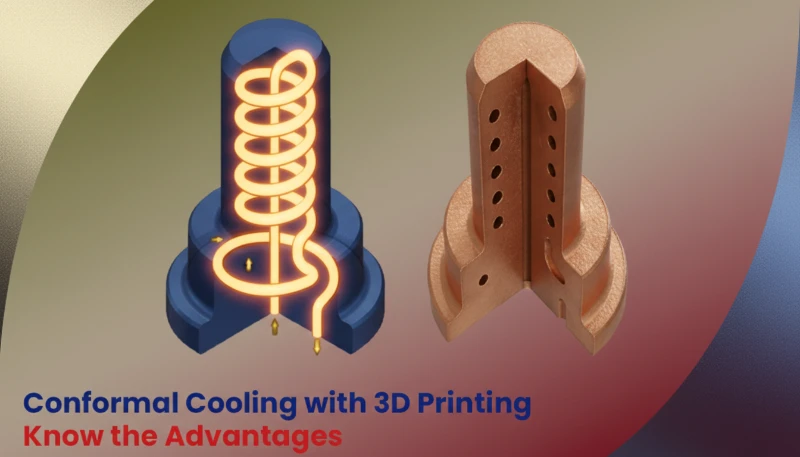
Ein weiteres häufiges Konstruktionsproblem ist eine unzureichende Anordnung der Kühlkanäle. Die Kühlung macht etwa 70% der Spritzgießzykluszeit aus; ungleichmäßige Kühlung ist eine Hauptursache für Verzug und Restspannungen. Moderne Formen verwenden konturnahe Kühlkanäle, die dem Verlauf der Bauteilkavität folgen und die Kühlzeit gegenüber herkömmlichen gebohrten Kanälen um 20–40% verkürzen. Selbst wenn konturnahe Kühlung für Ihr Projekt nicht machbar ist, verbessert eine gleichmäßige Anordnung der Kühlkanäle – typischerweise mit einem Abstand zur Kavitätsoberfläche vom 2–3-Fachen des Kanaldurchmessers – die Teilequalität erheblich.
Häufig gestellte Fragen
Was ist der häufigste Spritzgießfehler?
Einfallstellen gelten allgemein als häufigster Spritzgießfehler, insbesondere bei Teilen mit dicken Bereichen oder wechselnden Wanddicken. Sie entstehen, wenn die Außenhaut des Teils erstarrt, bevor das innere Material vollständig nachverdichtet ist, sodass eine sichtbare Vertiefung an der Oberfläche zurückbleibt. Nach unserer Produktionserfahrung treten Einfallstellen besonders häufig an Rippenstrukturen und Domen mit wechselnder Wanddicke auf. Die wirksamsten Gegenmaßnahmen sind, die Wanddickenunterschiede so zu reduzieren, dass alle Bereiche innerhalb eines Verhältnisses von 2:1 bleiben, und den Nachdruck während der Haltephase zu erhöhen.
Wie beheben Sie Gratbildung beim Spritzgießen?
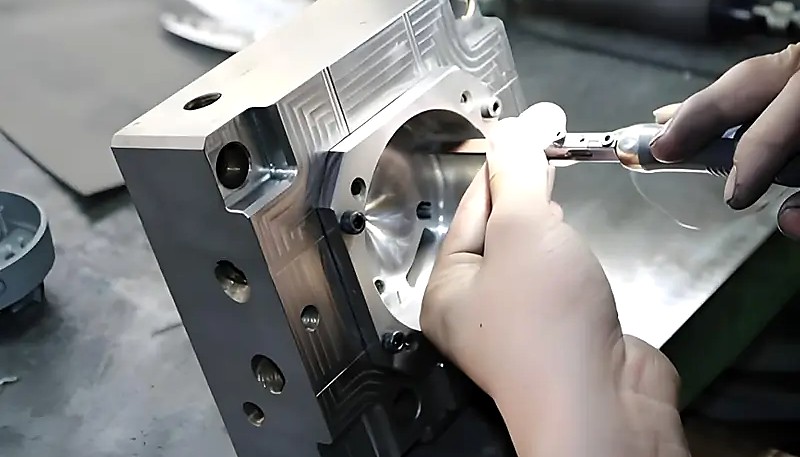
Zur Behebung von Gratbildung werden zuerst Werkzeugausrichtung und Schließkraft geprüft. Sind die Werkzeughälften korrekt ausgerichtet, erhöhen Sie die Schließkraft, damit die Trennlinie während des Einspritzens dicht bleibt. Prüfen Sie außerdem, ob der Einspritzdruck nicht übermäßig hoch ist, und reduzieren Sie die Füllgeschwindigkeit, wenn der Grat im Anschnittbereich auftritt. Bleibt der Grat trotz dieser Anpassungen bestehen, kann die Werkzeugtrennlinie verschlissen sein und muss nachgearbeitet oder poliert werden. Eine regelmäßige vorbeugende Wartung der Trennlinie ist bei Großserien unerlässlich, um die Gratbildung innerhalb der Spezifikation zu halten.
Lässt sich Verzug vollständig verhindern?
Verzug lässt sich nicht immer vollständig verhindern, aber auf ein Maß innerhalb zulässiger Toleranzen minimieren. Entscheidend sind eine gleichmäßige Wanddicke in der Bauteilkonstruktion und eine optimierte Anordnung der Kühlkanäle im Werkzeug. Werkstoffe mit niedrigen Schwindungskoeffizienten und gleichmäßige Kühlzeiten in allen Bauteilbereichen helfen ebenfalls erheblich. Bei komplexen Geometrien, bei denen ein gewisser Verzug unvermeidbar ist, kann das Werkzeug mit einer entgegengesetzten Vorverformung ausgelegt werden — der sogenannten Anti-Verzug-Kompensation —, sodass das Bauteil nach dem Abkühlen die richtige Form annimmt.
Was verursacht Fließlinien und wie lassen sie sich beseitigen?
Fließlinien entstehen durch Schwankungen der Geschwindigkeit oder Temperatur des geschmolzenen Kunststoffs beim Durchströmen der Formkavität. Sie treten häufig auf, wenn die Schmelzefront auf eine kalte Oberfläche trifft oder wenn Fließwege unterschiedlicher Länge beim Füllen zusammenlaufen. Erhöhen Sie zur Beseitigung die Schmelzetemperatur leicht, um den Materialfluss zu verbessern, erhöhen Sie die Formtemperatur zur Verringerung der Temperaturdifferenz und passen Sie die Einspritzgeschwindigkeit an, um eine gleichmäßige Fließfront zu erhalten. Bei Konstruktionen mit mehreren Anschnitten lassen sich Fließlinien an Bindenähten durch Versetzen der Anschnitte oder Anpassen der Anschnittgröße minimieren.
Wie wichtig ist die Werkzeugtemperatur für die Fehlervermeidung?
Die Werkzeugtemperatur ist von entscheidender Bedeutung und häufig die erste Variable, die unsere Ingenieure bei der Fehlerbehebung anpassen. Ein zu kaltes Werkzeug kann Fließlinien, Verzug und unvollständige Füllung verursachen, während ein zu heißes Werkzeug die Zykluszeiten verlängern und Schwindungsprobleme hervorrufen kann. Für eine fehlerfreie Produktion ist es unerlässlich, die Werkzeugtemperatur innerhalb des für Ihr spezifisches Material empfohlenen Bereichs konstant zu halten. Bei technischen Werkstoffen wie PC oder Nylon kann sich die Werkzeugtemperatur zwischen den Sorten um 40°C oder mehr unterscheiden; prüfen Sie daher stets das Datenblatt des Herstellers, bevor Sie Ihre Parameter einstellen.
Warum bilden sich Lufteinschlüsse in spritzgegossenen Teilen?
Lufteinschlüsse entstehen, wenn Luft, die im Formhohlraum eingeschlossen ist, nicht durch die Entlüftungen entweichen kann, bevor der geschmolzene Kunststoff den Hohlraum füllt. Dies wird häufig durch unzureichende Entlüftung, falsche Angussplatzierung oder eine für die Entlüftungskapazität zu hohe Einspritzgeschwindigkeit verursacht. Die Lösung besteht darin, eine ausreichende Entlüftungstiefe (typischerweise 0,01 bis 0,02 mm für die meisten technischen Kunststoffe) und eine Platzierung nahe dem Ende des Füllweges sicherzustellen. Ebenso wichtig ist es, die Einspritzgeschwindigkeit so zu optimieren, dass die Luft Zeit hat, vor der Schmelzfront zu entweichen. In einigen Fällen beseitigt ein Vakuumentlüftungssystem an der Form das Problem vollständig.
Schlussfolgerung
Die meisten Spritzgießfehler lassen sich vermeiden, wenn ihre Grundursachen bekannt sind. Ob Brandstellen durch überhöhte Temperaturen, Grat durch zu hohen Druck oder Verzug durch ungleichmäßige Wandstärken: Fast immer besteht die Lösung darin, eine von drei Größen anzupassen – Temperatur, Druck oder Kühlzeit. Unsere wichtigste Erkenntnis aus mehr als 20 Jahren Spritzgießproduktion lautet: Investieren Sie von Anfang an Zeit in eine sachgerechte Werkzeugkonstruktion und Prozessvalidierung, dann vermeiden Sie den Großteil späterer Produktionsprobleme. Lässt sich ein hartnäckiger Fehler mit den üblichen Maßnahmen nicht beheben, liegt die Ursache wahrscheinlich in der Werkzeugkonstruktion selbst – und genau hier macht ein erfahrener Werkzeugbaupartner den entscheidenden Unterschied.
Benötigen Sie ein Angebot für Ihr Spritzgießprojekt?
Erhalten Sie wettbewerbsfähige Preise, DFM-Feedback und einen Produktionszeitplan vom Ingenieurteam von ZetarMold.
Kostenloses Angebot anfordern → Einen umfassenden Überblick finden Sie in unserem vollständigen Leitfaden zum Spritzgießen.
Grat: Als Grat wird überschüssiger Kunststoff bezeichnet, der beim Spritzgießen an der Trennebene, an Auswerferstiften oder anderen Werkzeugfugen aus der Kavität austritt. ↩
Nachdruck: Als Nachdruck wird der in der Nachdruckphase des Spritzgießens aufgebrachte Druck bezeichnet, der die Materialschwindung beim Abkühlen und Erstarren des Teils im Werkzeug ausgleicht. ↩
Moldflow-Analyse: Eine Moldflow-Analyse ist eine Softwaresimulation, die vorhersagt, wie Kunststoffschmelze in einer Formkavität fließt, abkühlt und erstarrt. So können Ingenieure die Konstruktion optimieren, bevor Stahl bearbeitet wird. ↩