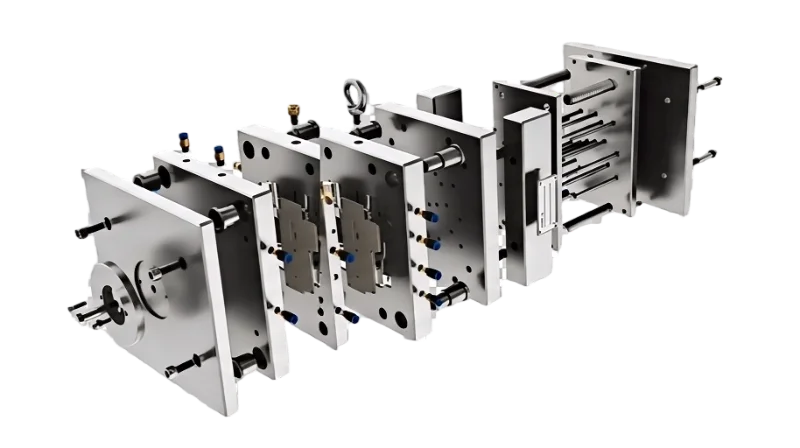
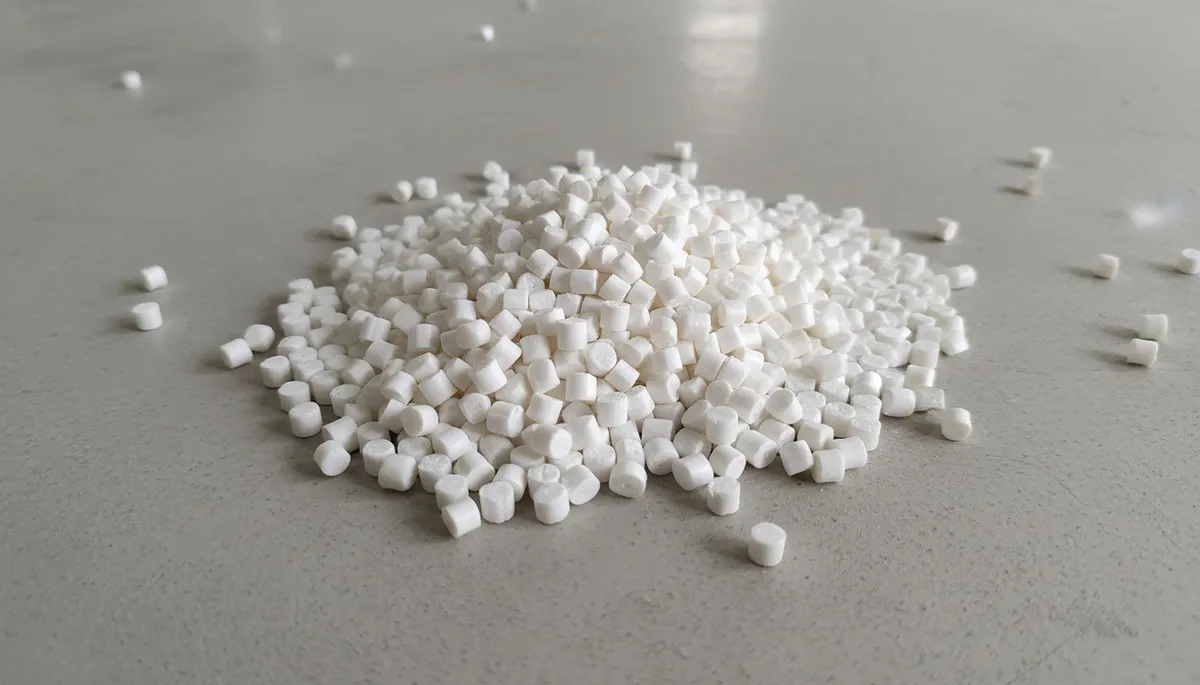
Inleiding
Spuitgieten is een van de betrouwbaarste productieprocessen, mits alles correct is ingesteld. Maar in ruim 20 jaar waarin we 47 spuitgietmachines in onze fabriek in Shanghai hebben gebruikt, zijn we elk denkbaar defect tegengekomen: brandplekken die een cosmetisch oppervlak ruïneren, braamvorming1 die een assemblagelijn blokkeert en kromtrekken waardoor een precisieonderdeel afval wordt. Het goede nieuws is dat de meeste problemen terug te voeren zijn op een klein aantal hoofdoorzaken die u systematisch kunt opsporen en verhelpen.
Of u nu een bestaand productieprobleem oplost of een nieuwe matrijs ontwerpt om toekomstige defecten te voorkomen, inzicht in de relatie tussen procesparameters en defectvorming is de meest waardevolle vaardigheid die u als productie-ingenieur kunt ontwikkelen.
Als u leveranciers vergelijkt of een inkooptraject plant, behandelt onze gids voor het vinden van leveranciers voor spuitgieten de voorbereiding van RFQ’s, kwalificatiechecklists en kostenbenchmarks. In dit artikel richten we ons op de praktijk: het herkennen, diagnosticeren en verhelpen van de meest voorkomende productiedefecten.
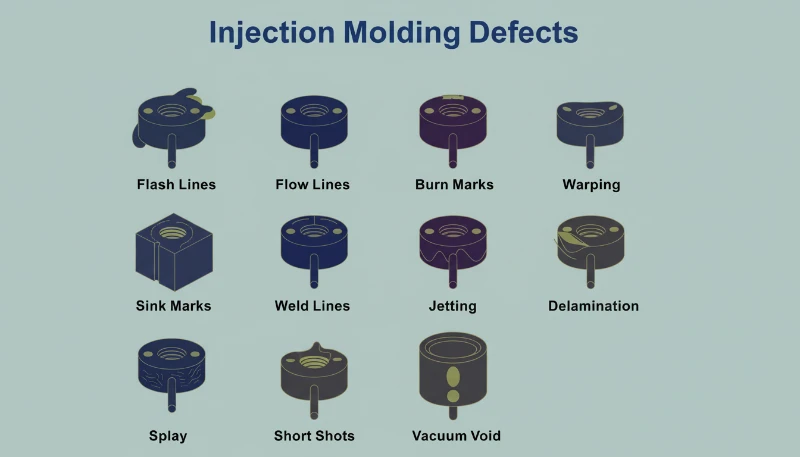
- Brandplekken, vloeistrepen en inval zijn de drie meest voorkomende defecten die ingenieurs in productie tegenkomen.
- De meeste defecten zijn terug te voeren op onjuiste instellingen voor temperatuur, druk of koeltijd.
- Een systematische aanpak van probleemoplossing — één variabele tegelijk aanpassen — lost 80% van de productieproblemen op.
- Een goed matrijsontwerp met uniforme wanddikte voorkomt het merendeel van de kromtrek- en krimpdefecten.
Wat zijn de meest voorkomende spuitgietdefecten?
De meest voorkomende spuitgietdefecten zijn brandplekken, vloeilijnen, inval, kromtrekken, braamvorming en luchtinsluitingen. Ze variëren van cosmetische onvolkomenheden die de oppervlakteafwerking aantasten tot constructieve gebreken die een onderdeel onbruikbaar maken. Uit onze productie-ervaring met spuitgietmatrijzen van 90T tot 1850T weten we dat herkenning van het visuele patroon van elk defect de eerste stap naar een effectieve oplossing is.
Veelvoorkomende defecten bij spuitgegoten onderdelen zijn brandplekken door een te hoge materiaaltemperatuur of een te lange verblijftijd van de gesmolten kunststof, vloeilijnen op het oppervlak door variaties in de stroomsnelheid en luchtinsluitingen: holtes of bellen die tijdens het inspuiten door opgesloten lucht in het onderdeel ontstaan.
Andere defecten die kunnen ontstaan tijdens het spuitgieten zijn kromtrekken, zinkvlekken en uitvloeiing. Deze gebreken kunnen de sterkte, functionaliteit of het uiterlijk van het eindproduct in gevaar brengen.
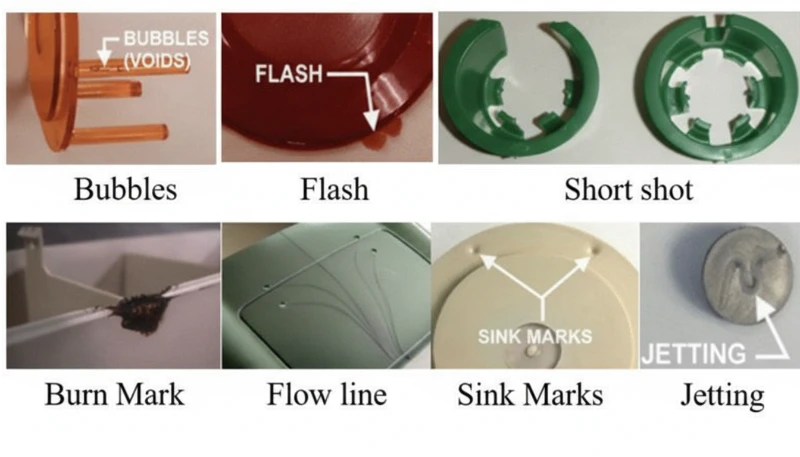
Brandvlekken: Dit zijn donkere of verkleurde plekken op het oppervlak van het onderdeel, veroorzaakt door overmatige verhitting of een langere verblijftijd van het gesmolten kunststof in het vat of de mal.
"Brandplekken wijzen er altijd op dat de smelttemperatuur te hoog is."True
Onjuist — brandplekken kunnen ook ontstaan door een te lange verblijftijd in de cilinder, onvoldoende ontluchting van de matrijs of zelfs een versleten schroefpunt.
"Een hogere injectiedruk elimineert altijd inval."False
Onjuist — overmatige druk kan braamvorming en overvulling veroorzaken.
Vloeilijnen: Dit zijn lijnen of strepen op het oppervlak van het onderdeel die worden veroorzaakt door variaties in de stroomsnelheid, die kan optreden wanneer gesmolten kunststof een koud oppervlak ontmoet of wanneer verschillende stroomfronten samenvloeien.
Luchtzakken: Dit zijn holtes of bellen die zich in het onderdeel vormen doordat er lucht wordt ingesloten tijdens het injecteren. Luchtbellen kunnen de sterkte en duurzaamheid van het eindproduct verminderen.
Zinkplekken: Dit zijn depressies of kraters op het oppervlak van het onderdeel door ongelijkmatige koeling of onvoldoende verpakking van het materiaal.
Kromtrekken: Dit is een vervorming van het onderdeel door ongelijkmatige krimp of koeling, wat kan worden veroorzaakt door een niet-uniforme wanddikte of onvoldoende koeltijd.
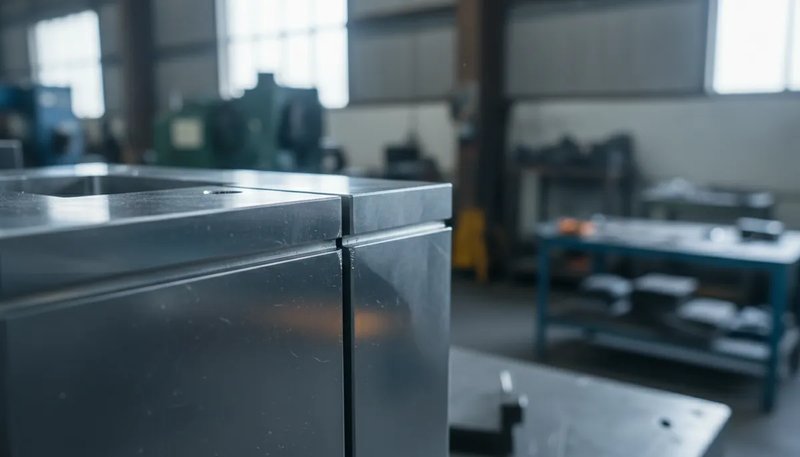
Flash: Dit is overtollig materiaal dat verschijnt als een dun laagje of uitsteeksel op de deellijn van de mal. Flash kan worden veroorzaakt door een te hoge klemdruk of onvoldoende klemkracht van de matrijs.
Wat veroorzaakt problemen bij het spuitgieten?
De voornaamste oorzaken van spuitgietproblemen zijn ingesloten lucht, een onjuiste injectiedruk en variërende wanddikten. Wanneer lucht niet via de ontluchtingen kan ontsnappen voordat het smeltfront arriveert, wordt deze samengeperst en verhit. Dit veroorzaakt brandplekken, luchtinsluitingen of zelfs verkleuring door het dieseleffect. De juiste plaatsing van ontluchtingen en een toereikende ontluchtingsdiepte (doorgaans 0.01 tot 0.02 mm voor de meeste technische kunststoffen) zijn essentieel om dit type defecten te voorkomen.
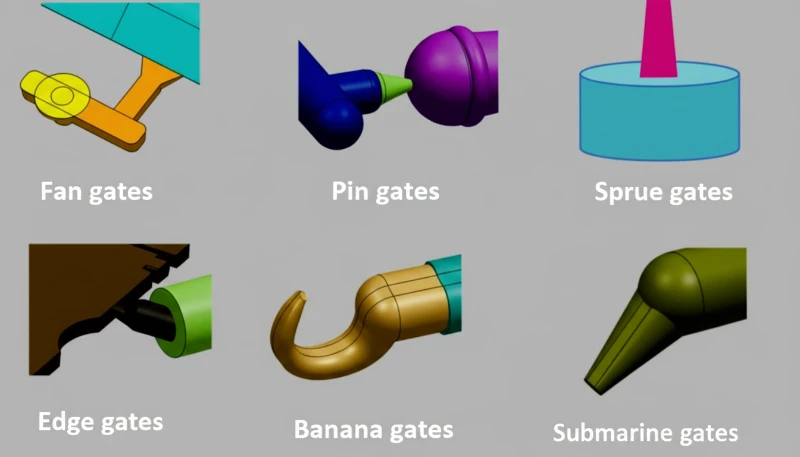
Een te hoge injectiedruk is een andere veelvoorkomende oorzaak van braamvorming, overvulling en interne spanningen in het spuitgietdeel. Bij een te hoge druk wordt de gesmolten kunststof voorbij het deelvlak geperst, waardoor dunne materiaalvinnen langs de matrijsnaad ontstaan. Omgekeerd leidt onvoldoende nadruk tot inval en holten. De juiste drukinstelling hangt af van het materiaal, de geometrie van het onderdeel en het aanspuitontwerp — er bestaat geen universele waarde.
Variërende wanddikte is waarschijnlijk de meest voorkomende grondoorzaak die we in onze fabriek zien. Wanneer een onderdeel dikke secties naast dunne heeft, koelen en krimpen de dikke gebieden met een andere snelheid dan de dunne. Deze differentiële krimp veroorzaakt interne spanning die het onderdeel vervormt, inval op het oppervlak veroorzaakt en zelfs tot maatafwijkingen kan leiden. De oplossing is altijd dezelfde: ontwerp vanaf het begin met een uniforme wanddikte.
Door deze hoofdoorzaken vroeg in de productie vast te stellen en aan te pakken — bij voorkeur tijdens de eerste-stuksinspectie — voorkomt u later kostbare uitval en nabewerking. In onze fabriek gebruiken we een gestandaardiseerde eerste-stukschecklist die specifiek op deze drie hoofdoorzaken is gericht voordat een productierun wordt vrijgegeven.
Het is belangrijk om deze problemen tijdens het spuitgietproces te identificeren en aan te pakken om defecten in het eindproduct te voorkomen. Technieken om deze problemen op te lossen zijn onder andere het aanpassen van de smelttemperatuur, het verhogen van de injectiesnelheid of -druk en het verlagen van de houddruk. Door deze veelvoorkomende problemen aan te pakken, kunnen fabrikanten ervoor zorgen dat hun producten voldoen aan de gewenste kwaliteitsnormen en specificaties.
Hoe lost u problemen bij het spuitgieten op?
Bij het oplossen van spuitgietproblemen is het het effectiefst om telkens één variabele te wijzigen en het resultaat te observeren. Het aanpassen van de smelttemperatuur is vaak de eerste stap — een te lage temperatuur veroorzaakt vloeilijnen en onvolledige vulling, terwijl een te hoge temperatuur tot brandplekken en materiaaldegradatie leidt. De meeste materialen hebben een aanbevolen verwerkingsvenster van 20–30°C; binnen dat bereik blijven voorkomt een aanzienlijk deel van de veelvoorkomende defecten.
Een andere techniek is het aanpassen van de injectiesnelheid en nadruk. Bij hogere injectiesnelheden vult de gesmolten kunststof dunwandige zones voordat het materiaal begint te stollen, waardoor vloeilijnen en onvolledig gevulde delen afnemen. De juiste nadruk2 houdt de matrijsholte volledig gevuld terwijl het materiaal afkoelt en krimpt, en voorkomt zo inval en holtes. In de praktijk verhelpt de juiste balans tussen vulsnelheid en nadruk ongeveer 60% van de defecten die we in de productie zien.
In hardnekkigere gevallen kan aanpassing van het matrijsontwerp of overstappen op een andere materiaalkwaliteit de enige echte oplossing zijn. Extra ontluchtingen in de matrijs kunnen bijvoorbeeld opgesloten lucht en brandplekken elimineren die met parameterwijzigingen niet zijn op te lossen. Een hogere matrijstemperatuur verbetert de materiaalstroming en verlaagt het risico op onvolledige vulling, terwijl optimalisatie van de aanspuitpositie laslijnen in matrijzen met meerdere caviteiten kan elimineren.
Om de juiste techniek voor een specifiek probleem te bepalen, moet het spuitgietproces grondig worden geanalyseerd en de hoofdoorzaak worden vastgesteld. Dit omvat doorgaans het controleren van de smelttemperatuur met een pyrometer, het verifiëren van injectiedrukcurven op de machinemonitor en het inspecteren van matrijsontluchtingen en koelkanalen op verstoppingen. Met deze systematische probleemoplossing kunnen fabrikanten hun proces optimaliseren en consistent hoogwaardige onderdelen produceren.
"Een gelijkmatige wanddikte is de belangrijkste ontwerpregel om spuitgietdefecten te voorkomen."True
Juist — uniforme wanden zorgen voor gelijkmatige koeling en krimp en voorkomen direct kromtrekken, inval en interne spanningsconcentraties.
"Vervorming kan volledig worden geëlimineerd door simpelweg de koeltijd te verlengen."False
Onjuist — Hoewel een langere koeltijd helpt, wordt kromtrekken voornamelijk veroorzaakt door ongelijkmatige krimp als gevolg van een niet-uniforme wanddikte. Zonder de geometrische hoofdoorzaak aan te pakken, zal alleen extra koeltijd het probleem niet oplossen.
In onze fabriek in Shanghai gebruiken we 47 spuitgietmachines van 90T tot 1850T, ondersteund door 8 senior engineers die vrijwel elk defectscenario hebben gezien. Wanneer een nieuw defectpatroon ontstaat, is ons standaardprotocol eerst de variabele — temperatuur, druk of koeling — te isoleren voordat we iets aanpassen. Deze systematische aanpak lost de meeste problemen tijdens de eerste proef op.
Effectieve probleemoplossing vereist technische kennis, praktische ervaring en een systematische benadering van probleemoplossing. Door de hoofdoorzaak van een probleem vast te stellen en een effectieve techniek te kiezen om het op te lossen, kunnen fabrikanten garanderen dat hun spuitgietproces geoptimaliseerd is voor kwaliteit en efficiëntie.
Hoe kan het matrijsontwerp veelvoorkomende defecten voorkomen?
Een veelvoorkomende ontwerpfout is een ongelijkmatige wanddikte, die ongelijke krimp en vervorming van het spuitgietdeel kan veroorzaken. Houd de wanddikte als algemene regel zo uniform mogelijk en gebruik geleidelijke radii in plaats van scherpe stappen bij overgangen tussen dikke en dunne delen. Als variërende dikte onvermijdelijk is, mag de overgang over minstens 3 mm lengte niet steiler zijn dan 2:1. Dit ene ontwerpprincipe voorkomt meer klachten over vervorming en inval dan enige procesaanpassing.
Met onze eigen matrijzenfabriek, die 100+ matrijssets per maand produceert, signaleren we ontwerpfouten voordat ze de productie bereiken. Onze engineers voeren voor elk nieuw ontwerp matrijsstroomanalyse3 uit om de uniformiteit van de wanddikte en de plaatsing van koelkanalen te verifiëren — zo voorkomen we vanaf de eerste dag de meest voorkomende defecten.
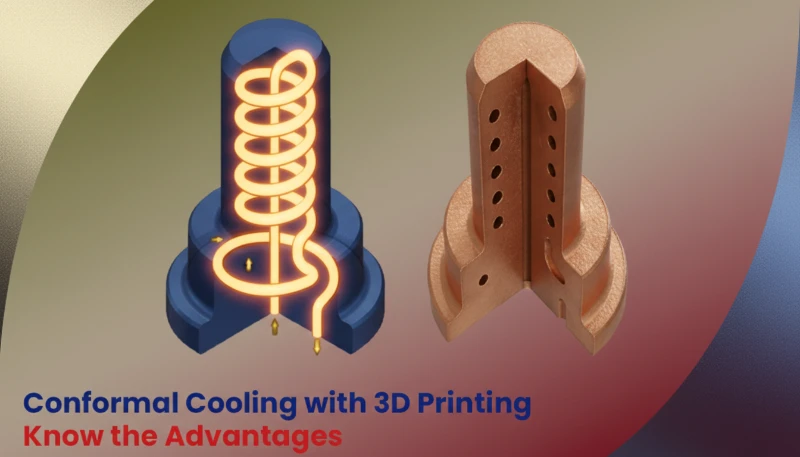
Een ander veelvoorkomend ontwerpprobleem is een slechte plaatsing van koelkanalen. Koeling vormt ongeveer 70% van de spuitgietcyclus en ongelijkmatige koeling is een hoofdoorzaak van kromtrekken en restspanning. Moderne matrijzen gebruiken conforme koelkanalen die de caviteitscontour volgen en de koeltijd 20–40% verkorten tegenover traditioneel geboorde kanalen. Als conforme koeling niet haalbaar is, maakt gelijkmatige kanaalafstand, doorgaans 2–3 keer de kanaaldiameter vanaf het caviteitsoppervlak, nog steeds een duidelijk verschil in onderdeelkwaliteit.
Veelgestelde vragen
Wat is het meest voorkomende spuitgietdefect?
Inval wordt algemeen beschouwd als het meest voorkomende spuitgietdefect, vooral bij onderdelen met dikke secties of wisselende wanddikten. Het ontstaat wanneer de buitenhuid stolt voordat het binnenmateriaal volledig is nageperst, waardoor een zichtbare verzakking ontstaat. In onze productie komt inval vooral voor bij ribstructuren en bussen waar de wanddikte varieert. De effectiefste maatregelen zijn alle secties binnen een verhouding van 2:1 houden en de nadruk tijdens de nadrukfase verhogen.
Hoe verhelpt u braamvorming bij spuitgieten?
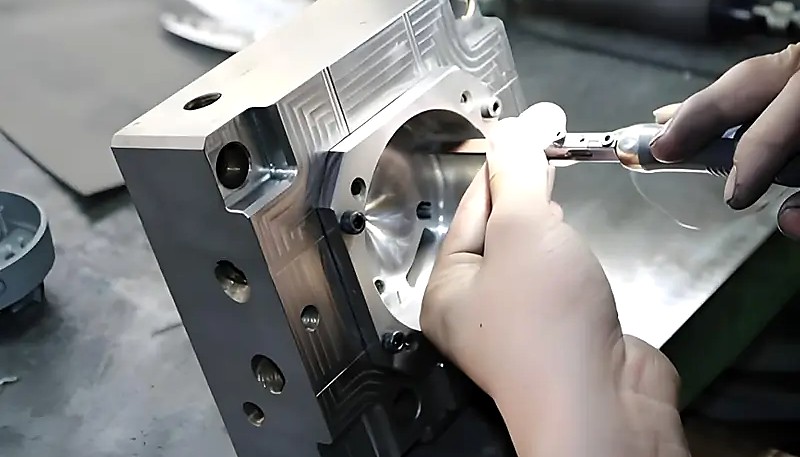
Braamvorming wordt verholpen door eerst matrijsuitlijning en sluittonnage te controleren. Zijn de matrijshelften goed uitgelijnd, verhoog dan de sluitkracht zodat de deellijn tijdens injectie afgedicht blijft. Controleer ook of de injectiedruk niet te hoog is en verlaag de vulsnelheid als braam nabij de poort ontstaat. Blijft braamvorming bestaan, dan kan de deellijn versleten zijn en opnieuw verspaand of gepolijst moeten worden. Regelmatig preventief onderhoud van de deellijn is bij grote productieruns essentieel om braam binnen specificatie te houden.
Kunt u kromtrekken volledig voorkomen?
Kromtrekken is niet altijd volledig te voorkomen, maar wel tot aanvaardbare toleranties te beperken. Essentieel zijn uniforme wanddikte en optimale koelkanalen. Materialen met lage krimpcoëfficiënten en gelijkmatige koeltijd helpen eveneens. Bij complexe geometrieën met onvermijdelijke vervorming kan een tegengestelde gereedschapscorrectie — anti-warp compensation — ervoor zorgen dat het onderdeel na afkoeling de juiste vorm aanneemt.
Wat veroorzaakt vloeilijnen en hoe verwijdert u ze?
Vloeilijnen ontstaan door variaties in snelheid of temperatuur van de gesmolten kunststof tijdens de stroming door de matrijsholte. Ze verschijnen vaak wanneer het smeltfront een koud oppervlak raakt of wanneer stroompaden met verschillende lengten tijdens het vullen samenkomen. Verhoog de smelttemperatuur licht om de stroming te verbeteren, verhoog de matrijstemperatuur om het temperatuurverschil te verkleinen en pas de injectiesnelheid aan voor een gelijkmatig smeltfront. Bij ontwerpen met meerdere aanspuitingen kunnen vloeilijnen bij lasnaden worden beperkt door aanspuitingen te verplaatsen of hun formaat aan te passen.
Hoe belangrijk is de matrijstemperatuur voor het voorkomen van defecten?
De matrijstemperatuur is cruciaal en vaak de eerste variabele die onze engineers bij probleemoplossing aanpassen. Een te koude matrijs kan vloeistrepen, kromtrekken en onvolledige vulling veroorzaken, terwijl een te warme matrijs cyclustijden kan verlengen en krimpproblemen kan geven. Een constante matrijstemperatuur binnen het aanbevolen bereik voor uw specifieke materiaal is essentieel voor defectvrije productie. Bij technische materialen zoals PC of nylon kan de matrijstemperatuur 40°C of meer verschillen tussen kwaliteiten; controleer daarom altijd het gegevensblad van de fabrikant voordat u de parameters instelt.
Waarom ontstaan er luchtbellen in spuitgietonderdelen?
Luchtbellen ontstaan wanneer lucht die in de matrijs holte opgesloten zit niet via de ontluchtingen kan ontsnappen voordat het gesmolten plastic de holte vult. Dit wordt vaak veroorzaakt door onvoldoende ontluchting, onjuiste plaatsing van de instroompoort, of een injectiesnelheid die te hoog is voor de ontluchtingscapaciteit. De oplossing is om te zorgen voor de juiste ontluchtingsdiepte (meestal 0,01 tot 0,02 mm voor de meeste technische kunststoffen) en plaatsing nabij het einde van het vulpad. Het optimaliseren van de injectiesnelheid zodat de lucht de tijd heeft om voor het smeltfront te ontsnappen is even belangrijk, en in sommige gevallen elimineert het toevoegen van een vacuüm ontluchtingssysteem aan de matrijs het probleem volledig.
Conclusie
De meeste spuitgietdefecten zijn te voorkomen als u hun hoofdoorzaken begrijpt. Of het nu gaat om brandplekken door een te hoge temperatuur, braamvorming door overdruk of kromtrekken door een ongelijkmatige wanddikte: de oplossing bestaat vrijwel altijd uit het aanpassen van temperatuur, druk of koeltijd. De belangrijkste les uit onze ruim 20 jaar ervaring met spuitgietproductie is deze: investeer vooraf tijd in een goed matrijsontwerp en procesvalidatie, dan voorkomt u later het merendeel van de productieproblemen. Blijft een defect bestaan nadat de gebruikelijke probleemoplossing is uitgevoerd, dan ligt de oorzaak waarschijnlijk in het matrijsontwerp. Juist daar maakt een ervaren gereedschapspartner het verschil.
Een offerte nodig voor uw spuitgietproject?
Ontvang concurrerende prijzen, DFM-feedback en een productieplanning van het engineeringteam van ZetarMold.
Vraag een gratis offerte aan → Bekijk onze complete gids over spuitgieten voor een volledig overzicht.
Braamvorming: dit is overtollige kunststof die tijdens het spuitgieten bij de deelnaad, uitwerppennen of andere matrijsnaden uit de matrijsholte ontsnapt. ↩
Nadruk: dit is de druk die tijdens de nadrukfase van het spuitgieten wordt uitgeoefend om de materiaalkrimp te compenseren terwijl het onderdeel in de matrijs afkoelt en stolt. ↩
Matrijsvloei-analyse: een softwaresimulatie die voorspelt hoe gesmolten kunststof door een matrijsholte stroomt, afkoelt en stolt, zodat ingenieurs het ontwerp kunnen optimaliseren voordat het staal wordt verspaand. ↩