Wprowadzenie
Formowanie wtryskowe jest jednym z najbardziej niezawodnych procesów produkcyjnych — pod warunkiem prawidłowego ustawienia. Jednak przez ponad 20 lat pracy z 47 wtryskarkami w naszej fabryce w Szanghaju zetknęliśmy się z każdym możliwym defektem: przypaleniami niszczącymi powierzchnię dekoracyjną, wypływką1 blokującą linię montażową oraz odkształceniami, które zamieniają precyzyjną część w odpad. Dobra wiadomość jest taka, że większość tych problemów wynika z kilku podstawowych przyczyn, które można systematycznie zdiagnozować i usunąć.
Niezależnie od tego, czy rozwiązujesz istniejący problem produkcyjny, czy projektujesz nową formę, aby zapobiec przyszłym wadom, zrozumienie zależności między parametrami procesu a powstawaniem wad jest najcenniejszą umiejętnością, jaką możesz rozwinąć jako inżynier produkcji.
Jeśli porównujesz dostawców lub planujesz zakupy, nasz przewodnik po pozyskiwaniu dostawców usług formowania wtryskowego omawia przygotowanie zapytania ofertowego, listy kontrolne kwalifikacji i poziomy odniesienia kosztów. W tym artykule skupiamy się na praktyce: rozpoznawaniu, diagnozowaniu i usuwaniu najczęstszych wad występujących w produkcji.
- Przypalenia, linie płynięcia i zapadnięcia to trzy najczęstsze wady występujące w produkcji.
- Większość wad wynika z nieprawidłowych ustawień temperatury, ciśnienia lub czasu chłodzenia.
- Systematyczne rozwiązywanie problemów — przez regulowanie jednej zmiennej naraz — usuwa 80% problemów produkcyjnych.
- Prawidłowa konstrukcja formy i równomierna grubość ścianek zapobiegają większości wad związanych z wypaczeniem i skurczem.
Jakie są najczęstsze wady formowania wtryskowego?
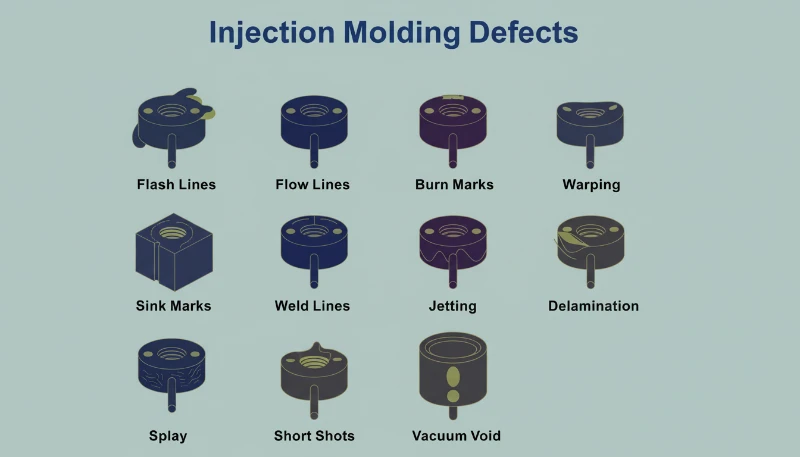
Najczęstsze wady formowania wtryskowego to przypalenia, linie płynięcia, zapadnięcia, odkształcenia, wypływki i pęcherze powietrza. Obejmują one zarówno niedoskonałości wizualne wpływające na wykończenie powierzchni, jak i uszkodzenia strukturalne uniemożliwiające użycie części. Z naszego doświadczenia w produkcji z wykorzystaniem form wtryskowych od 90T do 1850T wynika, że rozpoznanie wyglądu każdej wady jest pierwszym krokiem do jej skutecznego usunięcia.
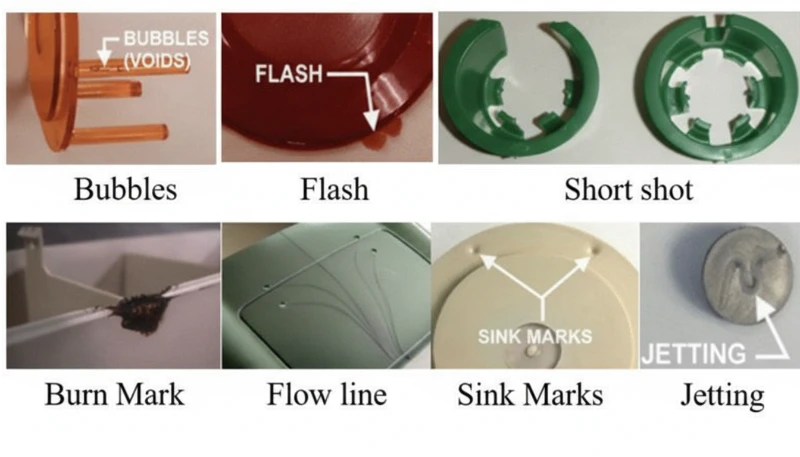
Do częstych wad wyrobów formowanych wtryskowo należą przypalenia wynikające z nadmiernej temperatury materiału lub zbyt długiego czasu przebywania stopionego tworzywa w cylindrze, linie płynięcia pojawiające się na powierzchni wskutek zmian prędkości przepływu oraz pęcherze powietrza — pustki lub bąble powstające wewnątrz części wskutek uwięzienia powietrza podczas wtrysku.
Inne wady, które mogą pojawić się podczas formowania wtryskowego, obejmują wypaczenia, ślady zatopienia i wypływki. Wady te mogą negatywnie wpływać na wytrzymałość, funkcjonalność lub wygląd produktu końcowego.
Ślady przypalenia: Są to ciemne lub odbarwione plamy na powierzchni części spowodowane nadmiernym nagrzaniem lub przedłużonym czasem przebywania stopionego tworzywa sztucznego w cylindrze lub formie.
"Przypalenia zawsze wskazują na zbyt wysoką temperaturę stopionego tworzywa."True
Fałsz — przypalenia mogą również wynikać z nadmiernie długiego czasu przebywania w cylindrze, niewystarczającego odpowietrzania formy, a nawet ze zużytej końcówki ślimaka.
"Zwiększenie ciśnienia wtrysku zawsze eliminuje zapadnięcia."False
Fałsz — nadmierne ciśnienie może powodować wypływkę i przeładowanie gniazda.
Linie przepływu: Są to linie lub smugi na powierzchni części spowodowane zmianami prędkości przepływu, które mogą wystąpić, gdy stopione tworzywo sztuczne styka się z zimną powierzchnią lub gdy różne fronty przepływu łączą się.
Kieszenie powietrzne: Są to puste przestrzenie lub pęcherzyki, które tworzą się w części z powodu uwięzionego powietrza podczas wtrysku. Kieszenie powietrzne mogą zmniejszyć wytrzymałość i trwałość produktu końcowego.
Ubytki: Są to wgłębienia lub kratery na powierzchni części spowodowane nierównomiernym chłodzeniem lub nieodpowiednim upakowaniem materiału.
Wypaczenie: Jest to deformacja części spowodowana nierównomiernym skurczem lub szybkością chłodzenia, co może być spowodowane niejednolitą grubością ścianki lub nieodpowiednim czasem chłodzenia.
Błysk: Jest to nadmiar materiału, który pojawia się jako cienka warstwa lub wypukłość na linii podziału formy. Błysk może być spowodowany nadmiernym naciskiem zacisku lub niewystarczającą siłą zacisku formy.
Co powoduje problemy w formowaniu wtryskowym?
Główne przyczyny problemów z formowaniem wtryskowym to uwięzione powietrze, nieprawidłowe ciśnienie wtrysku i zmienna grubość ścianek. Gdy powietrze nie może wydostać się przez odpowietrzenia przed dotarciem stopionego tworzywa, zostaje sprężone i nagrzane, powodując przypalenia, pęcherze powietrzne, a nawet przebarwienia wskutek efektu Diesla. Prawidłowe rozmieszczenie odpowietrzeń i odpowiednia głębokość kanałów odpowietrzających (zwykle 0.01 do 0.02 mm dla większości tworzyw konstrukcyjnych) są niezbędne, aby zapobiec tej klasie wad.
Nadmierne ciśnienie wtrysku często powoduje wypływkę, nadmierne dopakowanie i naprężenia wewnętrzne. Stopione tworzywo przeciska się wtedy przez linię podziału, tworząc cienkie błony na szwie formy. Zbyt małe ciśnienie docisku pozostawia natomiast zapadnięcia i pustki. Właściwa wartość zależy od materiału, geometrii części i konstrukcji przewężki — nie istnieje liczba uniwersalna.
Zmienna grubość ścianek jest prawdopodobnie najczęstszą przyczyną źródłową obserwowaną w naszej fabryce. Gdy grube sekcje sąsiadują z cienkimi, chłodzą się i kurczą w różnym tempie. Skurcz różnicowy tworzy naprężenia wewnętrzne, które paczą część, powodują zapadnięcia powierzchni i mogą prowadzić do niezgodności wymiarowej. Rozwiązanie jest zawsze takie samo: od początku projektować jednolitą grubość ścianek.
Wczesne rozpoznanie i usunięcie tych przyczyn źródłowych — najlepiej podczas kontroli pierwszej sztuki — pozwala uniknąć kosztownych braków i późniejszych poprawek. W naszym zakładzie stosujemy ustandaryzowaną listę kontrolną pierwszej sztuki, która przed zatwierdzeniem serii produkcyjnej obejmuje właśnie te trzy przyczyny źródłowe.
Ważne jest, aby zidentyfikować i rozwiązać te problemy podczas procesu formowania wtryskowego, aby zapobiec wadom produktu końcowego. Techniki rozwiązywania tych problemów obejmują między innymi regulację temperatury stopu, zwiększenie prędkości lub ciśnienia wtrysku oraz zmniejszenie ciśnienia podtrzymania. Rozwiązując te typowe problemy, producenci mogą zapewnić, że ich produkty spełniają pożądane standardy jakości i specyfikacje.
Jak rozwiązywać problemy w formowaniu wtryskowym?
Podczas rozwiązywania problemów z wtryskiwaniem najskuteczniej jest zmieniać po jednej zmiennej i obserwować wynik. Często pierwszym krokiem jest korekta temperatury stopionego tworzywa — zbyt niska powoduje smugi płynięcia i niedolewy, a zbyt wysoka prowadzi do przypaleń i degradacji materiału. Dla większości materiałów zalecane okno przetwórcze wynosi 20–30°C; utrzymanie się w tym zakresie eliminuje znaczną część typowych wad.
Inną metodą jest regulacja prędkości wtrysku i ciśnienia docisku. Większa prędkość wtrysku pomaga stopionemu tworzywu wypełnić cienkościenne obszary przed rozpoczęciem krzepnięcia, co ogranicza linie płynięcia i niedolewy. Z kolei właściwe ciśnienie docisku2 zapewnia pełne wypełnienie gniazda podczas chłodzenia i skurczu materiału, zapobiegając zapadnięciom i pustkom. W praktyce znalezienie właściwej równowagi między prędkością napełniania a ciśnieniem docisku pozwala usunąć około 60% wad, z którymi spotykamy się w produkcji.
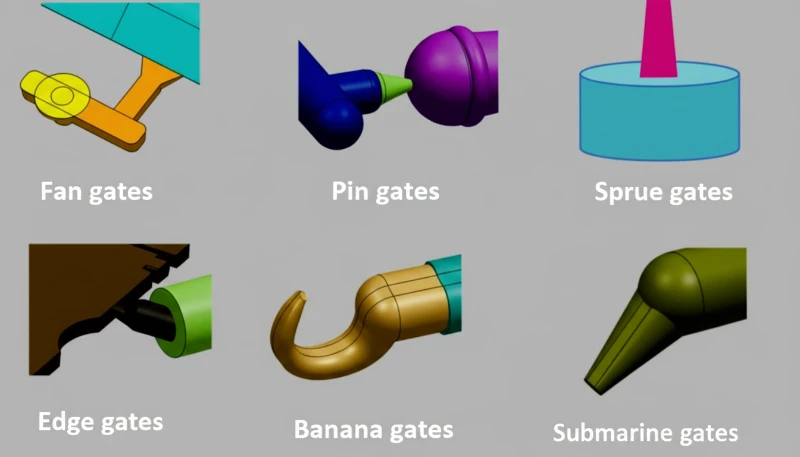
W trudniejszych przypadkach jedynym skutecznym rozwiązaniem może być zmiana konstrukcji formy lub gatunku materiału. Dodatkowe odpowietrzenia mogą usunąć uwięzione powietrze i przypalenia, których nie wyeliminuje regulacja parametrów. Wyższa temperatura formy poprawia płynięcie i ogranicza niedolewy, a optymalizacja położenia przewężek może usunąć linie łączenia w formach wielogniazdowych.
Aby dobrać właściwą metodę rozwiązania konkretnego problemu, należy dokładnie przeanalizować proces formowania wtryskowego i ustalić jego przyczynę źródłową. Zazwyczaj obejmuje to pomiar temperatury stopionego tworzywa pirometrem, sprawdzenie krzywych ciśnienia wtrysku na monitorze maszyny oraz kontrolę odpowietrzeń formy i kanałów chłodzących pod kątem niedrożności. Stosowanie takich systematycznych metod diagnostycznych pozwala zoptymalizować proces i stale wytwarzać części wysokiej jakości.
"Jednolita grubość ścianek jest najważniejszą zasadą projektową zapobiegającą wadom formowania wtryskowego."True
Prawda — Jednolita grubość ścianek zapewnia równomierne chłodzenie i skurcz, co bezpośrednio zapobiega wypaczeniom, zapadnięciom i koncentracji naprężeń wewnętrznych.
"Paczenie można całkowicie wyeliminować przez samo wydłużenie czasu chłodzenia."False
Fałsz — choć dłuższe chłodzenie pomaga, paczenie wynika przede wszystkim z nierównomiernego skurczu spowodowanego niejednorodną grubością ścianek. Bez usunięcia podstawowej przyczyny geometrycznej samo wydłużenie czasu chłodzenia nie rozwiąże problemu.
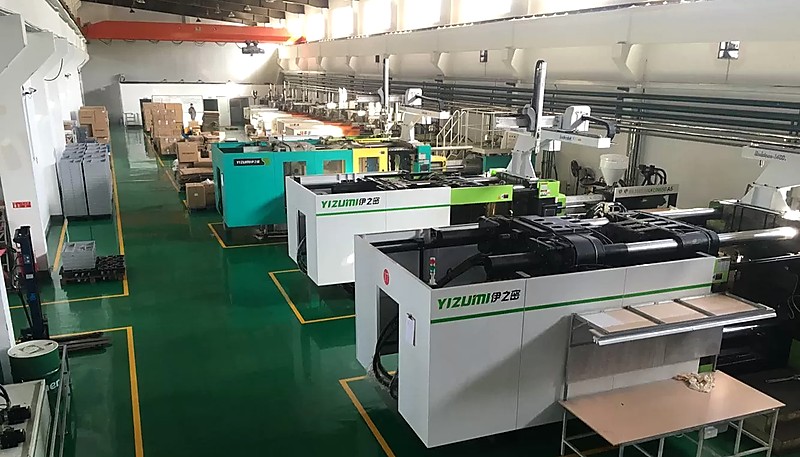
W naszej fabryce w Szanghaju eksploatujemy 47 wtryskarek o sile zwarcia od 90T do 1850T, wspieranych przez 8 starszych inżynierów, którzy zetknęli się praktycznie z każdym scenariuszem wad. Gdy pojawia się nowy wzorzec wady, nasz standardowy protokół nakazuje najpierw wyizolować zmienną — temperaturę, ciśnienie lub chłodzenie — zanim wprowadzimy jakiekolwiek korekty. To systematyczne podejście rozwiązuje większość problemów już podczas pierwszej próby.
Skuteczne rozwiązywanie problemów wymaga wiedzy technicznej, praktycznego doświadczenia i systematycznego podejścia do rozwiązywania problemów. Wskazując przyczynę problemu i wybierając skuteczną technikę jego rozwiązania, producenci mogą zagwarantować, że ich proces formowania wtryskowego jest zoptymalizowany pod kątem jakości i wydajności.
Jak konstrukcja formy może zapobiegać typowym wadom?
Częstym błędem projektowym jest nierównomierna grubość ścianek, która może prowadzić do nierównomiernego skurczu i odkształcenia wypraski. Zasadniczo grubość ścianek powinna być możliwie jednakowa, a przejścia między grubymi i cienkimi obszarami należy wykonywać z użyciem łagodnych promieni zamiast ostrych uskoków. Jeżeli konstrukcja bezwzględnie wymaga zmiennej grubości, nachylenie przejścia nie powinno przekraczać proporcji 2:1 na odcinku o długości co najmniej 3 mm. Ta jedna zasada projektowa zapobiega większej liczbie reklamacji dotyczących wypaczeń i zapadnięć niż jakakolwiek korekta procesu.
Dzięki własnemu zakładowi produkcji form, który wytwarza 100+ zestawów form miesięcznie, wykrywamy błędy projektowe, zanim trafią one do produkcji. Nasi inżynierowie przeprowadzają analizę płynięcia tworzywa3 dla każdego nowego projektu, aby zweryfikować równomierność grubości ścianek i rozmieszczenie kanałów chłodzących — zapobiegając najczęstszym wadom już od pierwszego dnia.
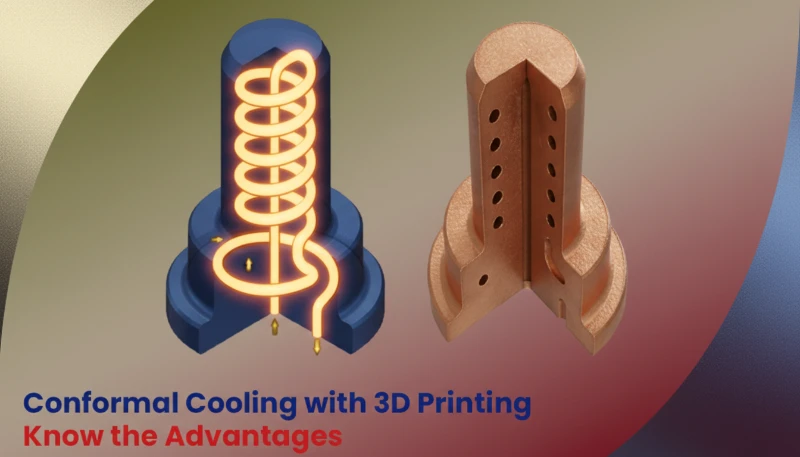
Częstym problemem jest złe rozmieszczenie kanałów chłodzących. Chłodzenie stanowi około 70% cyklu, a nierównomierność powoduje odkształcenia i naprężenia. Kanały konformalne skracają chłodzenie o 20–40% wobec wierconych. Gdy nie są możliwe, równy odstęp kanałów, zwykle 2–3 średnice od powierzchni gniazda, istotnie poprawia jakość.
Często zadawane pytania
Jaka jest najczęstsza wada formowania wtryskowego?
Zapadnięcia są powszechnie uznawane za najczęstszą wadę formowania wtryskowego, zwłaszcza w częściach o grubych przekrojach lub zmiennej grubości ścianek. Powstają, gdy zewnętrzna warstwa części zestala się, zanim materiał wewnątrz zostanie całkowicie dopakowany, pozostawiając widoczne wgłębienie na powierzchni. Z naszego doświadczenia produkcyjnego wynika, że zapadnięcia występują szczególnie często w strukturach żebrowanych i przy słupkach montażowych, gdzie grubość ścianek jest zmienna. Najskuteczniejsze środki zaradcze, jakie stosujemy, to ograniczenie różnic grubości tak, aby wszystkie przekroje mieściły się w proporcji 2:1, oraz zwiększenie ciśnienia docisku w fazie podtrzymania.
Jak usunąć wypływki w formowaniu wtryskowym?
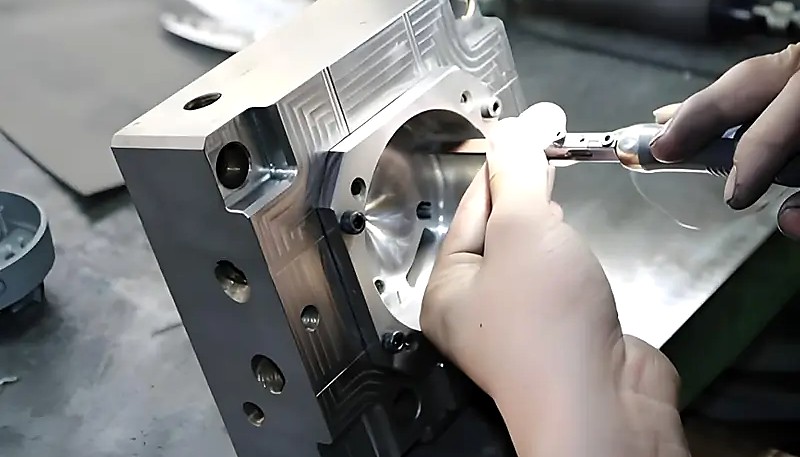
Usuwanie wypływki należy zacząć od sprawdzenia osiowości formy i siły zamykania. Jeśli połówki formy są prawidłowo ustawione, zwiększ siłę zamykania, aby linia podziału pozostała szczelna podczas wtrysku. Sprawdź również, czy ciśnienie wtrysku nie jest zbyt wysokie, i zmniejsz prędkość napełniania, jeżeli wypływka pojawia się w pobliżu przewężki. Jeśli mimo tych regulacji wypływka nadal występuje, linia podziału formy może być zużyta i wymagać ponownej obróbki lub polerowania. Regularna konserwacja zapobiegawcza linii podziału jest niezbędna w produkcji wielkoseryjnej, aby utrzymać wypływkę w granicach specyfikacji.
Czy można całkowicie wyeliminować paczenie?
Nie zawsze można całkowicie wyeliminować paczenie, ale można je ograniczyć do dopuszczalnych tolerancji. Kluczowe znaczenie ma równomierna grubość ścianek w konstrukcji części oraz zoptymalizowane rozmieszczenie kanałów chłodzących w formie. Istotnie pomaga również stosowanie materiałów o niskim współczynniku skurczu i zapewnienie równomiernego czasu chłodzenia we wszystkich obszarach części. W przypadku złożonych geometrii, w których pewne paczenie jest nieuniknione, wprowadzenie do konstrukcji oprzyrządowania przeciwnego odkształcenia — nazywane kompensacją przeciwpaczeniową — pozwala części osiągnąć prawidłowy kształt po schłodzeniu.
Co powoduje powstawanie linii płynięcia i jak je usunąć?
Smugi płynięcia powstają wskutek zmian prędkości lub temperatury stopionego tworzywa podczas przepływu przez gniazdo formy. Często pojawiają się, gdy czoło strumienia styka się z zimną powierzchnią albo gdy podczas wypełniania łączą się drogi przepływu o różnej długości. Aby je usunąć, należy nieznacznie zwiększyć temperaturę stopu w celu poprawy płynięcia materiału, podnieść temperaturę formy, aby zmniejszyć różnicę temperatur, oraz wyregulować prędkość wtrysku tak, by utrzymać równomierne czoło przepływu. W konstrukcjach wielopunktowych smugi płynięcia w miejscach linii łączenia można ograniczyć przez zmianę położenia punktów wtrysku lub regulację ich wielkości.
Jak ważna jest temperatura formy w zapobieganiu wadom?
Temperatura formy ma krytyczne znaczenie i często jest pierwszą zmienną korygowaną przez naszych inżynierów podczas rozwiązywania problemów. Zbyt zimna forma może powodować linie płynięcia, paczenie i niepełne wypełnienie, natomiast zbyt gorąca może wydłużać czas cyklu i powodować problemy ze skurczem. Utrzymanie stabilnej temperatury formy w zakresie zalecanym dla danego materiału jest niezbędne do produkcji bez wad. W przypadku materiałów konstrukcyjnych, takich jak PC lub nylon, zalecana temperatura formy może różnić się między gatunkami o 40°C lub więcej, dlatego przed ustawieniem parametrów zawsze należy sprawdzić kartę danych producenta.
Dlaczego w częściach wtryskiwanych powstają kieszenie powietrzne?
Kieszenie powietrzne powstają, gdy powietrze uwięzione w wnęce formy nie może uciec przez odpowietrzniki, zanim stopiony plastik wypełni wnękę. Jest to często spowodowane niewystarczającym odpowietrzaniem, nieprawidłowym umieszczeniem bramki lub zbyt dużą prędkością wtrysku w stosunku do wydajności odpowietrzania. Rozwiązaniem jest zapewnienie odpowiedniej głębokości odpowietrznika (zwykle 0,01 do 0,02 mm dla większości tworzyw inżynierskich) i umieszczenie go w pobliżu końca ścieżki wypełniania. Optymalizacja prędkości wtrysku, aby powietrze miało czas na ucieczkę przed frontem stopu, jest równie ważna, a w niektórych przypadkach dodanie systemu odpowietrzania próżniowego do formy całkowicie eliminuje problem.
Wnioski
Większości wad formowania wtryskowego można zapobiec, znając ich podstawowe przyczyny. Niezależnie od tego, czy są to przypalenia spowodowane nadmierną temperaturą, wypływki wynikające ze zbyt wysokiego ciśnienia, czy odkształcenia powodowane nierównomierną grubością ścianek, rozwiązanie niemal zawsze polega na regulacji jednej z trzech zmiennych: temperatury, ciśnienia lub czasu chłodzenia. Najważniejszy wniosek z ponad 20 lat prowadzenia produkcji metodą formowania wtryskowego brzmi: warto poświęcić czas na prawidłowe zaprojektowanie formy i walidację procesu na początku, aby uniknąć zdecydowanej większości późniejszych problemów produkcyjnych. Jeśli uporczywej wady nie można usunąć standardowymi metodami, problem prawdopodobnie tkwi w konstrukcji formy — wtedy doświadczony partner narzędziowy ma decydujące znaczenie.
Potrzebujesz wyceny projektu formowania wtryskowego?
Uzyskaj konkurencyjną wycenę, informacje zwrotne DFM i harmonogram produkcji od zespołu inżynierskiego ZetarMold.
Poproś o bezpłatną wycenę → Pełny przegląd znajdziesz w naszym kompletnym przewodniku po formowaniu wtryskowym.
wypływka: nadmiar tworzywa, który podczas formowania wtryskowego wydostaje się z gniazda formy na linii podziału, przy wypychaczach lub przez inne szczeliny formy. ↩
ciśnienie docisku: ciśnienie przykładane w fazie docisku podczas formowania wtryskowego w celu skompensowania skurczu materiału, gdy część chłodzi się i krzepnie w formie. ↩
analiza przepływu tworzywa w formie: symulacja komputerowa przewidująca przepływ, chłodzenie i krzepnięcie stopionego tworzywa w gnieździe formy, dzięki której inżynierowie mogą zoptymalizować projekt przed rozpoczęciem obróbki stali. ↩