Giriş
Her şey doğru ayarlandığında enjeksiyon kalıplama, mevcut en güvenilir imalat süreçlerinden biridir. Ancak Şanghay fabrikamızda 47 enjeksiyon kalıplama makinesini 20 yılı aşkın süredir işletirken her türlü kusurla karşılaştık: estetik yüzeyi bozan yanık izleri, montaj hattını sıkıştıran çapak1 ve hassas bir parçayı hurdaya çeviren çarpılma. İyi haber şu ki bu sorunların çoğu, sistemli biçimde teşhis edilip giderilebilen birkaç temel nedene dayanır.
İster mevcut bir üretim sorununu gideriyor ister gelecekteki kusurları önlemek için yeni bir kalıp tasarlıyor olun, proses parametreleriyle kusur oluşumu arasındaki ilişkiyi anlamak bir imalat mühendisi olarak geliştirebileceğiniz en değerli beceridir.
Tedarikçileri karşılaştırıyor veya satın alma planlıyorsanız enjeksiyon kalıplama tedarikçisi bulma rehberimiz; RFQ hazırlığını, yeterlilik kontrol listelerini ve maliyet kıyaslamalarını kapsar. Bu makalede ise işin pratik yönüne, yani üretimde karşılaşacağınız en yaygın kusurları belirleme, teşhis etme ve giderme yöntemlerine odaklanıyoruz.
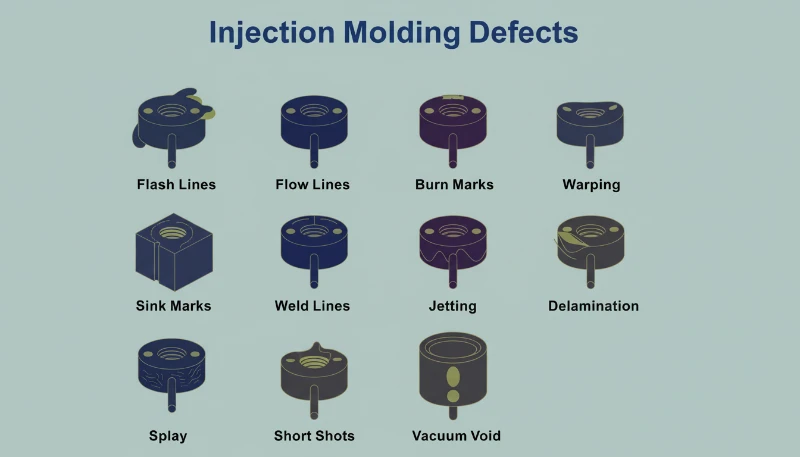
- Yanık izleri, akış çizgileri ve çökme izleri, mühendislerin üretimde karşılaştığı ilk 3 kusurdur.
- Çoğu kusurun kaynağı yanlış sıcaklık, basınç veya soğutma süresi ayarlarıdır.
- Her seferinde tek bir değişkenin ayarlandığı sistematik bir sorun giderme yaklaşımı, üretim sorunlarının 80% kadarını çözer.
- Düzgün et kalınlığına sahip doğru kalıp tasarımı, çarpılma ve çekme kusurlarının çoğunu önler.
En Yaygın Enjeksiyon Kalıplama Kusurları Nelerdir?
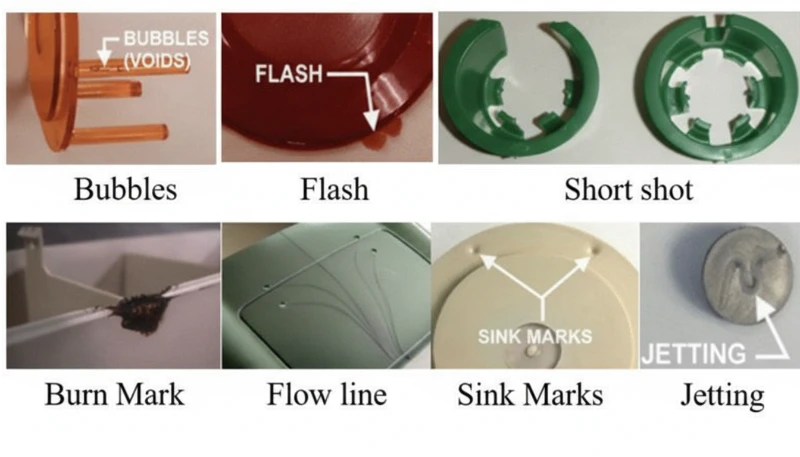
En yaygın enjeksiyon kalıplama kusurları yanık izleri, akış çizgileri, çökme izleri, çarpılma, çapak ve hava boşluklarıdır. Bu kusurlar, yüzey kalitesini etkileyen estetik lekelerden parçayı kullanılamaz hâle getiren yapısal arızalara kadar değişir. 90T ile 1850T arasındaki enjeksiyon kalıbı takımlarıyla üretim yürütme deneyimimize göre her kusurun görsel örüntüsünü tanımak, etkili bir çözümün ilk adımıdır.
Enjeksiyonla kalıplanmış parçalardaki yaygın kusurlardan bazıları şunlardır: aşırı malzeme sıcaklığı veya erimiş plastiğin uzun bekleme süresinden kaynaklanan yanık izleri; akış hızındaki değişimler nedeniyle yüzeyde görülen akış çizgileri ve enjeksiyon sırasında içeride kalan havanın parça içinde oluşturduğu boşluk ya da kabarcıklar olan hava cepleri.
Enjeksiyon kalıplama sırasında ortaya çıkabilecek diğer kusurlar arasında eğrilme, çökme izleri ve parlama yer alır. Bu kusurlar bir ürünün gücünü, işlevselliğini veya nihai üründeki görünümünü tehlikeye atabilir.
Yanık izleri: Bunlar, aşırı ısınma veya erimiş plastiğin varil veya kalıpta uzun süre kalması nedeniyle parça yüzeyinde oluşan koyu renkli veya renksiz lekelerdir.
"Yanık izleri her zaman eriyik sıcaklığının çok yüksek olduğunu gösterir."True
Yanlış — Yanık izleri; kovada aşırı uzun bekleme süresinden, kalıptaki yetersiz havalandırmadan veya aşınmış bir vida ucundan da kaynaklanabilir.
"Enjeksiyon basıncını artırmak çökme izlerini her zaman ortadan kaldırır."False
Yanlış — Aşırı basınç çapaklanmaya ve aşırı ütülemeye neden olabilir.
Akış çizgileri: Bunlar, erimiş plastik soğuk bir yüzeyle karşılaştığında veya farklı akış cepheleri birleştiğinde meydana gelebilen akış hızlarındaki değişikliklerden kaynaklanan parça yüzeyindeki çizgiler veya izlerdir.
Hava cepleri: Bunlar, enjeksiyon sırasında sıkışan hava nedeniyle parça içinde oluşan boşluklar veya kabarcıklardır. Hava cepleri nihai ürünün mukavemetini ve dayanıklılığını azaltabilir.
Çökme izleri: Bunlar, eşit olmayan soğutma veya malzemenin yetersiz paketlenmesinden kaynaklanan parça yüzeyindeki çöküntüler veya kraterlerdir.
Çarpılma: Bu, homojen olmayan duvar kalınlığı veya yetersiz soğutma süresinden kaynaklanabilen eşit olmayan büzülme veya soğutma oranlarının neden olduğu parçanın deformasyonudur.
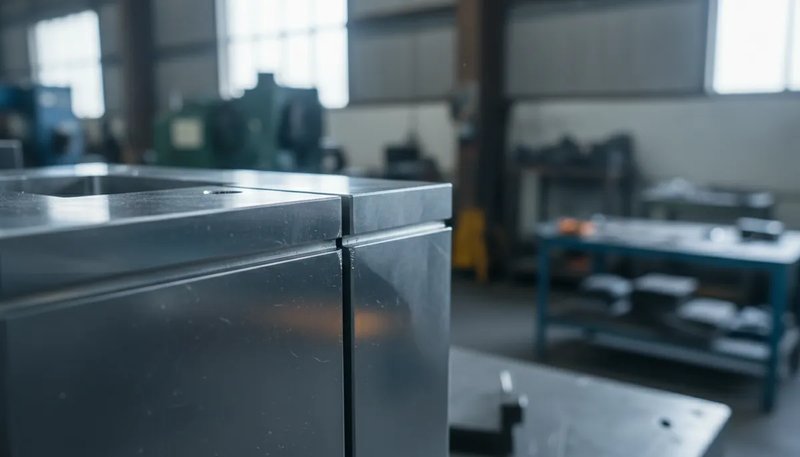
Flaş: Bu, kalıbın ayırma çizgisinde ince bir tabaka veya çıkıntı olarak görünen fazla malzemedir. Parlama, aşırı kelepçe basıncından veya yetersiz kalıp kelepçeleme kuvvetinden kaynaklanabilir.
Enjeksiyon Kalıplama Sorunlarına Ne Yol Açar?
Enjeksiyon kalıplama sorunlarının başlıca nedenleri hapsolmuş hava, yanlış enjeksiyon basıncı ve değişken duvar kalınlığıdır. Eriyik ulaşmadan önce hava tahliyelerden çıkamazsa sıkışıp ısınarak yanık izlerine, hava ceplerine ve hatta dizel etkisi renk bozulmasına neden olur. Bu kusur sınıfını önlemek için doğru hava tahliye yerleşimi ve yeterli tahliye derinliği (çoğu mühendislik plastiği için genellikle 0.01 ila 0.02 mm) zorunludur.
Aşırı enjeksiyon basıncı; kalıplanmış parçada çapağa, aşırı sıkıştırmaya ve iç gerilime yol açan bir diğer yaygın nedendir. Basınç çok yüksek olduğunda erimiş plastik ayırma çizgisini aşarak kalıp birleşim yeri boyunca ince malzeme kanatçıkları oluşturur. Buna karşılık yetersiz sıkıştırma basıncı çöküntü izlerine ve boşluklara neden olur. Doğru basınç ayarı malzemeye, parça geometrisine ve giriş tasarımına bağlıdır; evrensel bir değer yoktur.
Değişken et kalınlığı, fabrikamızda gördüğümüz en yaygın kök nedendir. Bir parçada ince kesitlerin yanında kalın kesitler bulunduğunda kalın bölgeler, ince bölgelere göre farklı hızda soğur ve çeker. Bu farklı çekme, parçayı çarpıtan, yüzeyde çökme izlerine yol açan ve hatta boyutsal uygunsuzluk oluşturabilen iç gerilim yaratır. Çözüm her zaman aynıdır: başlangıçtan itibaren tekdüze et kalınlığıyla tasarlamak.
Bu kök nedenleri üretimin başında, ideal olarak ilk parça denetimi sırasında belirleyip gidermek, sonraki aşamalarda maliyetli hurda ve yeniden işlemeyi önler. Fabrikamızda, üretim serisini onaylamadan önce özellikle bu üç kök nedeni hedefleyen standart bir ilk parça kontrol listesi uygularız.
Nihai üründe kusurları önlemek için enjeksiyon kalıplama işlemi sırasında bu sorunları tespit etmek ve ele almak önemlidir. Bu sorunların giderilmesine yönelik teknikler arasında eriyik sıcaklığının ayarlanması, enjeksiyon hızının veya basıncının artırılması ve tutma basıncının düşürülmesi yer alır. Üreticiler bu yaygın sorunları ele alarak ürünlerinin istenen kalite standartlarını ve spesifikasyonları karşılamasını sağlayabilir.
Enjeksiyon Kalıplama Sorunlarını Nasıl Giderirsiniz?
Enjeksiyon kalıplama sorunları giderilirken en etkili yaklaşım, her seferinde bir değişkeni değiştirip sonucu gözlemlemektir. Eriyik sıcaklığını ayarlamak çoğu zaman ilk adımdır; çok düşük sıcaklık akış çizgilerine ve eksik doluma, aşırı sıcaklık ise yanık izlerine ve malzeme bozunmasına yol açar. Çoğu malzemenin önerilen proses aralığı 20–30°C’dir ve bu aralıkta kalmak yaygın kusurların önemli bir bölümünü ortadan kaldırır.
Bir diğer teknik, enjeksiyon hızını ve tutma basıncı2 değerini ayarlamaktır. Daha yüksek enjeksiyon hızları, malzeme katılaşmaya başlamadan önce erimiş plastiğin ince duvarlı bölümleri doldurmasına yardımcı olarak akış çizgilerini ve eksik dolumu azaltır. Uygun tutma basıncı ise malzeme soğuyup büzülürken kavitenin tamamen dolu kalmasını sağlayarak çökme izlerini ve boşlukları önler. Uygulamada dolum hızı ile tutma basıncı arasındaki doğru dengeyi bulmak, üretimde gördüğümüz kusurların yaklaşık %60’ını çözer.
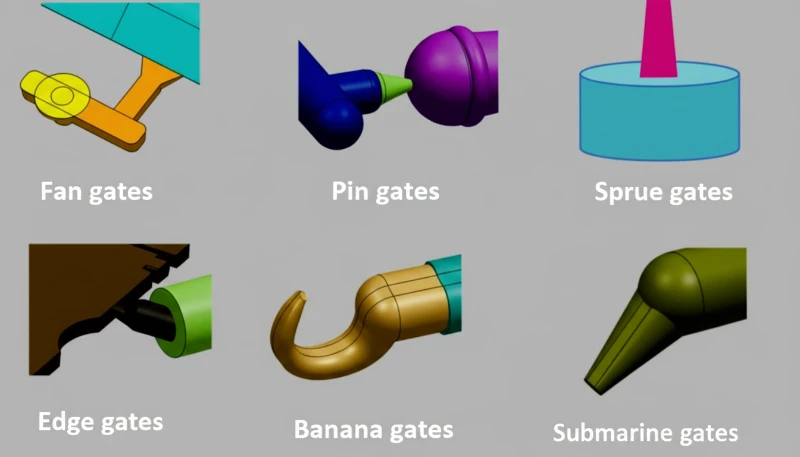
Daha inatçı durumlarda kalıp tasarımını değiştirmek veya farklı bir malzeme sınıfına geçmek tek gerçek çözüm olabilir. Örneğin kalıba ilave hava tahliyeleri eklemek, hiçbir parametre ayarının gideremeyeceği sıkışmış havayı ve yanık izlerini ortadan kaldırabilir. Kalıp sıcaklığını artırmak malzeme akışını iyileştirip eksik baskı riskini azaltırken yolluk girişi yerleşimini optimize etmek çok gözlü kalıplardaki birleşme çizgilerini ortadan kaldırabilir.
Belirli bir soruna uygun çözüm tekniğini belirlemek için enjeksiyon kalıplama prosesi kapsamlı biçimde analiz edilmeli ve sorunun kök nedeni bulunmalıdır. Bu çalışma genellikle eriyik sıcaklığının pirometreyle kontrol edilmesini, makine ekranındaki enjeksiyon basıncı eğrilerinin doğrulanmasını ve kalıp havalandırmaları ile soğutma kanallarının tıkanıklık açısından incelenmesini kapsar. Üreticiler bu sistematik sorun giderme teknikleriyle proseslerini optimize edebilir ve sürekli yüksek kaliteli parçalar üretebilir.
"Enjeksiyon kalıplama kusurlarını önlemede en önemli tasarım kuralı, eşit duvar kalınlığıdır."True
Doğru — Eşit et kalınlığı, dengeli soğuma ve çekme sağlayarak çarpılmayı, çöküntü izlerini ve iç gerilim yoğunlaşmasını doğrudan önler.
"Çarpılma yalnızca soğutma süresi artırılarak tamamen ortadan kaldırılabilir."False
Yanlış — Daha uzun soğutma yardımcı olsa da çarpılmanın başlıca nedeni, eşit olmayan duvar kalınlığından kaynaklanan düzensiz çekmedir. Temel geometrik neden giderilmeden yalnızca ek soğutma süresi sorunu çözmez.
Şanghay fabrikamızda 90T ile 1850T arasında 47 enjeksiyon kalıplama makinesi işletiyoruz; hemen her hata senaryosunu görmüş 8 kıdemli mühendisimiz bu operasyonu destekliyor. Yeni bir hata düzeni ortaya çıktığında standart protokolümüz, herhangi bir ayarlama yapmadan önce değişkeni — sıcaklık, basınç veya soğutma — izole etmektir. Bu sistematik yaklaşım çoğu sorunu ilk denemede çözer.
Etkili sorun giderme teknik bilgi, pratik deneyim ve sorun çözmeye yönelik sistematik bir yaklaşım gerektirir. Üreticiler, bir sorunun temel nedenini saptayarak ve sorunu çözmek için etkili bir teknik seçerek enjeksiyon kalıplama süreçlerinin kalite ve verimlilik açısından optimize edilmesini garanti edebilirler.
Kalıp Tasarımı Yaygın Kusurları Nasıl Önleyebilir?
Yaygın bir tasarım kusuru, kalıplanan parçanın düzensiz çekmesine ve çarpılmasına yol açabilen eşit olmayan et kalınlığıdır. Genel kural olarak et kalınlığı mümkün olduğunca eşit tutulmalı, kalın ve ince kesitler arasındaki geçişler keskin basamaklar yerine kademeli radyüslerle yapılmalıdır. Tasarım mutlaka değişken kalınlık gerektiriyorsa geçiş, en az 3 mm uzunluk boyunca 2:1 oranından daha dik olmamalıdır. Bu tek tasarım ilkesi, diğer tüm proses ayarlarından daha fazla çarpılma ve çökme izi şikâyetini önler.
Ayda 100+ kalıp seti üreten şirket içi kalıp üretim tesisimiz sayesinde tasarım kusurlarını üretime ulaşmadan tespit ediyoruz. Mühendislerimiz, et kalınlığı homojenliğini ve soğutma kanalı yerleşimini doğrulamak için her yeni tasarımda kalıp akış analizi3 gerçekleştirir; böylece en yaygın hatalar ilk günden önlenir.
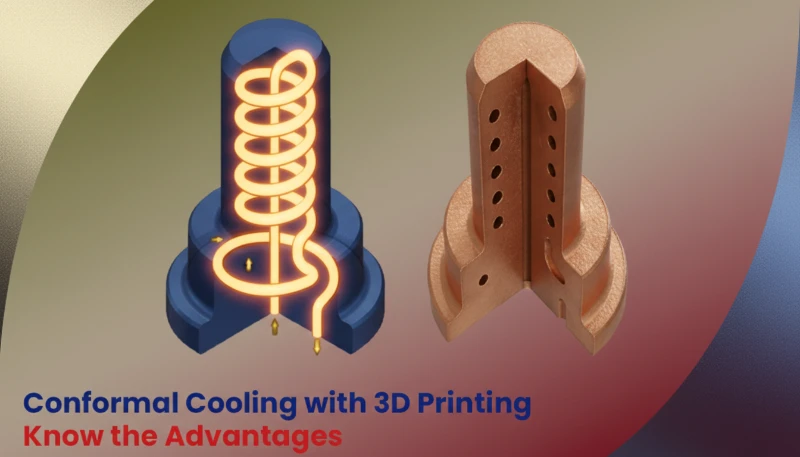
Yaygın bir diğer tasarım sorunu, soğutma kanallarının yetersiz yerleştirilmesidir. Soğutma, enjeksiyon kalıplama çevrim süresinin yaklaşık 70% kadarını oluşturur; dengesiz soğutma ise çarpılma ve artık gerilimin başlıca nedenidir. Modern kalıp tasarımlarında parça kavitesinin konturunu izleyen konformal soğutma kanalları kullanılarak soğutma süresi, geleneksel delinmiş kanallara göre 20–40% azaltılır. Konformal soğutma projeniz için uygulanabilir olmasa bile kanalların eşit aralıklarla yerleştirilmesi (kavite yüzeyinden genellikle kanal çapının 2–3 katı) parça kalitesinde önemli fark yaratır.
Sıkça Sorulan Sorular
En yaygın enjeksiyon kalıplama kusuru nedir?
Çökme izleri, özellikle kalın bölümlere veya değişken cidar kalınlığına sahip parçalarda en yaygın enjeksiyon kalıplama kusuru kabul edilir. Parçanın dış yüzeyi iç malzemeye tam tutma basıncı uygulanmadan önce katılaştığında oluşur ve yüzeyde görünür bir çöküntü bırakır. Üretim deneyimimizde çökme izleri, cidar kalınlığının değiştiği nervürlü yapılarda ve feder özelliklerinde özellikle yaygındır. Tüm bölümleri 2:1 oranı içinde tutmak için cidar kalınlığı değişimini azaltmak ve tutma aşamasında tutma basıncını artırmak, bulduğumuz en etkili önlemlerdir.
Enjeksiyon kalıplamada çapak nasıl giderilir?
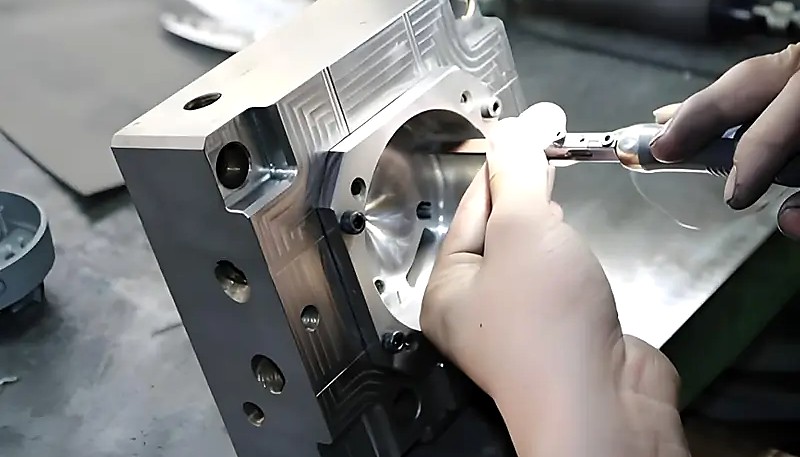
Çapak sorunu önce kalıp hizası ve kapama tonajı kontrol edilerek giderilir. Kalıp yarıları doğru hizalanmışsa enjeksiyon sırasında ayırma hattının kapalı kalması için kapama kuvvetini artırın. Enjeksiyon basıncının aşırı yüksek olmadığını da doğrulayın; çapak yolluk ağzı yakınında görülüyorsa dolum hızını düşürün. Bu ayarlara rağmen çapak sürüyorsa kalıbın ayırma hattı aşınmış olabilir ve yeniden kesilmesi veya parlatılması gerekebilir. Yüksek hacimli üretim serilerinde çapağı şartname içinde tutmak için kalıp ayırma hattına düzenli önleyici bakım yapılması şarttır.
Çarpılmayı tamamen önleyebilir misiniz?
Çarpılmayı her zaman tamamen önleyemezsiniz ancak kabul edilebilir toleranslar içinde en aza indirebilirsiniz. Temel unsur, parça tasarımında eşit duvar kalınlığı ile kalıptaki optimize edilmiş soğutma kanalı yerleşimidir. Düşük çekme katsayılı malzemelerin kullanılması ve parçanın tüm bölümlerinde eşit soğutma süresinin sağlanması da büyük ölçüde yardımcı olur. Bir miktar çarpılmanın kaçınılmaz olduğu karmaşık geometrilerde, takım tasarımına ters yönde bir sapma eklemek — çarpılma karşıtı telafi — parçanın soğuduktan sonra doğru şekle oturmasını sağlar.
Akış izlerinin nedeni nedir ve nasıl giderilir?
Akış çizgileri, erimiş plastiğin kalıp boşluğundan geçerken hızının veya sıcaklığının değişmesinden kaynaklanır. Genellikle eriyik cephesi soğuk bir yüzeyle karşılaştığında ya da farklı uzunluktaki akış yolları dolum sırasında birleştiğinde görülür. Bunları gidermek için malzeme akışını iyileştirecek şekilde eriyik sıcaklığını biraz artırın, sıcaklık farkını azaltmak için kalıp sıcaklığını yükseltin ve tutarlı bir akış cephesi sağlamak için enjeksiyon hızını ayarlayın. Çok girişli tasarımlarda birleşme noktalarındaki akış çizgileri, girişlerin yerini değiştirerek veya giriş boyutunu ayarlayarak azaltılabilir.
Kusur önlemede kalıp sıcaklığı ne kadar önemlidir?
Kalıp sıcaklığı kritik öneme sahiptir ve sorun giderme sırasında mühendislerimizin sıklıkla ayarladığı ilk değişkendir. Çok soğuk bir kalıp akış çizgilerine, çarpılmaya ve eksik doluma neden olabilirken çok sıcak bir kalıp çevrim sürelerini uzatabilir ve çekme sorunlarına yol açabilir. Kalıp sıcaklığını kullandığınız malzeme için önerilen aralıkta tutarlı biçimde korumak, hatasız üretim için şarttır. PC veya naylon gibi mühendislik sınıfı malzemelerde kalıp sıcaklığı sınıflar arasında 40°C veya daha fazla değişebileceğinden parametrelerinizi ayarlamadan önce daima üretici veri sayfasını doğrulayın.
Enjeksiyonla kalıplanmış parçalarda neden hava cepleri oluşur?
Hava cepleri, kalıp boşluğunda sıkışan havanın, erimiş plastik boşluğu doldurmadan önce havalandırma deliklerinden kaçamaması durumunda oluşur. Bu genellikle yetersiz havalandırma, yanlış geçit yerleşimi veya havalandırma kapasitesi için çok hızlı olan enjeksiyon hızından kaynaklanır. Çözüm, uygun havalandırma derinliğinin (genellikle çoğu mühendislik plastiği için 0,01 ila 0,02 mm) ve dolum yolunun sonuna yakın bir yere yerleştirilmesini sağlamaktır. Havaya, eriyik cephesinin önünde kaçacak zaman tanımak için enjeksiyon hızını optimize etmek de aynı derecede önemlidir ve bazı durumlarda kalıba bir vakum havalandırma sistemi eklemek sorunu tamamen ortadan kaldırır.
Sonuç
Enjeksiyon kalıplama kusurlarının çoğu, temel nedenleri anlaşıldığında önlenebilir. Sorun ister aşırı sıcaklıktan kaynaklanan yanık izleri, ister fazla basınçtan oluşan çapak, ister eşit olmayan duvar kalınlığının yol açtığı çarpılma olsun; çözüm neredeyse her zaman üç değişkenden birini ayarlamayı gerektirir: sıcaklık, basınç veya soğutma süresi. 20 yılı aşkın enjeksiyon kalıplama üretimi deneyimimizden çıkarılacak ana sonuç şudur: başlangıçta doğru kalıp tasarımına ve süreç doğrulamasına zaman ayırırsanız ilerideki üretim sorunlarının büyük çoğunluğunu önlersiniz. Standart sorun giderme yöntemleriyle çözülemeyen kalıcı bir kusur varsa sorun büyük olasılıkla kalıp tasarımındadır; deneyimli bir kalıp ortağı da tam bu noktada fark yaratır.
Enjeksiyon Kalıplama Projeniz İçin Teklif mi Gerekiyor?
ZetarMold mühendislik ekibinden rekabetçi fiyat, DFM geri bildirimi ve üretim zaman çizelgesi alın.
Ücretsiz Teklif İsteyin → Kapsamlı bir genel bakış için Enjeksiyon Kalıplama Kapsamlı Rehberimize göz atın.
Çapak, enjeksiyon kalıplama sırasında ayırma çizgisinden, itici pimlerden veya kalıbın diğer birleşim yerlerinden kavite dışına kaçan fazla plastiktir. ↩
Tutma basıncı, enjeksiyon kalıplamanın tutma aşamasında parça kalıp içinde soğuyup katılaşırken oluşan malzeme büzülmesini telafi etmek için uygulanan basınçtır. ↩
Kalıp akış analizi, erimiş plastiğin kalıp kavitesi içinde nasıl akacağını, soğuyacağını ve katılaşacağını öngören; mühendislerin çelik işlenmeden önce tasarımı optimize etmesine imkân veren bir yazılım simülasyonudur. ↩