Co kupujący powinni wiedzieć w pierwszej kolejności?
W tej części przedstawiono najważniejsze informacje dla kupujących oraz ich wpływ na koszty, jakość, terminy i ryzyko związane z zaopatrzeniem. Jeśli osadzanie metalowych wkładek w częściach z tworzywa sprawiało Ci trudność albo na hali brakuje miejsca na kolejną maszynę bez kosztownej rozbudowy, formowanie wtryskowe w układzie pionowym może być dokładnie tym, czego potrzebujesz. Maszyny do pionowego formowania wtryskowego1 rozwiązują rzeczywiste problemy produkcyjne, z którymi nie radzą sobie maszyny poziome — od wspomaganego grawitacyjnie pozycjonowania wkładek po znacznie mniejszą powierzchnię zabudowy.
W tym przewodniku szczegółowo omawiamy zalety pionowego formowania wtryskowego, aby ułatwić podjęcie świadomej decyzji dotyczącej sprzętu. Wyjaśniamy, jak działają te maszyny, kiedy przewyższają rozwiązania poziome i na co zwrócić uwagę przy wyborze maszyny do linii produkcyjnej.
- Maszyny pionowe zajmują o 30–50% mniej powierzchni hali niż porównywalne wtryskarki poziome
- Grawitacja w naturalny sposób utrzymuje wkładki na miejscu, ograniczając złożoność mocowania i wskaźnik wad
- Idealne do formowania wkładek, obtrysku i zespołów wielokomponentowych
- Opcje stołu obrotowego umożliwiają ciągłe, wielostanowiskowe cykle produkcyjne
- Niższy koszt początkowy i mniejsze zużycie energii w wielu zastosowaniach formowania z wkładkami
Czym jest pionowe formowanie wtryskowe?
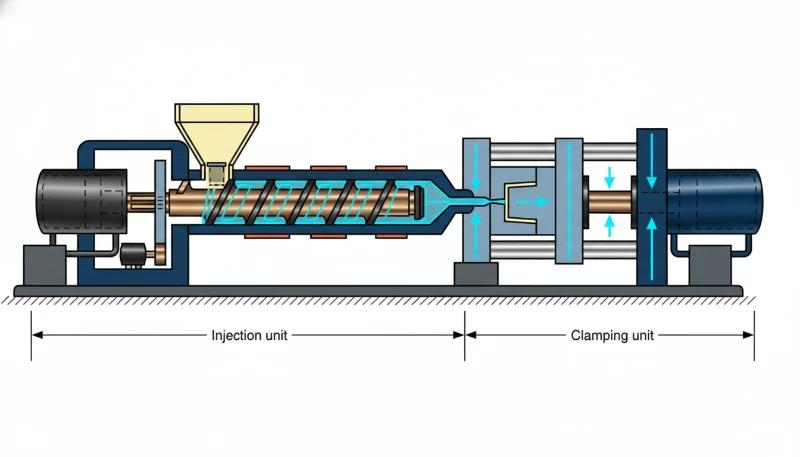
Pionowe formowanie wtryskowe definiują funkcje, ograniczenia i kompromisy opisane w tej części. Pionowe formowanie wtryskowe¹ to specjalistyczna odmiana formowania wtryskowego tworzyw sztucznych, w której forma wtryskowa otwiera się i zamyka w osi pionowej, a nie poziomej jak w konwencjonalnych maszynach. Jednostka wtryskowa znajduje się bezpośrednio nad formą, a mechanizm zamykający unosi dolną połowę formy ku górnej.
Pionowa orientacja korzystnie zmienia fizykę kolejnych etapów procesu formowania wtryskowego. Grawitacja kieruje stopione tworzywo w dół, do gniazda, ułatwiając wypełnianie złożonych geometrii. Co ważniejsze, gdy przed każdym wtryskiem trzeba umieścić w formie metalowe wkładki, komponenty elektroniczne lub gwintowane elementy złączne, grawitacja stabilnie utrzymuje je na dolnej połowie formy — bez skomplikowanych uchwytów.
Podstawowe komponenty są takie same jak w każdej wtryskarce: lej zasypowy, cylinder, ślimak, grzałki, jednostka zamykająca i forma. Różni je wyłącznie orientacja. Maszyny pionowe zwykle wykorzystują stół przesuwny lub obrotowy³, który przemieszcza dolną połowę formy między stanowiskami, dzięki czemu operator lub robot może ładować wkładki na jednym stanowisku, gdy na drugim trwa wtrysk.
W naszym zakładzie w Szanghaju zespół obsługuje 47 wtryskarek o sile zwarcia od 90T do 1850T. Z naszego doświadczenia wynika, że maszyny pionowe najlepiej sprawdzają się przy formowaniu z wkładkami2 i obtrysku3, gdzie pozycjonowanie wspomagane grawitacyjnie zapewnia wymierną poprawę jakości.
Jakie są najważniejsze zalety pionowego formowania wtryskowego?
Efektywne wykorzystanie przestrzeni i kompaktowe wymiary
Maszyny pionowe zajmują znacznie mniej miejsca niż poziome o tej samej sile zamykania. Ponieważ jednostki zamykająca i wtryskowa są ustawione pionowo jedna nad drugą, zamiast poziomo obok siebie, pionowa prasa o sile zamykania 100 ton⁵ może zajmować mniej więcej połowę powierzchni porównywalnej maszyny poziomej.
Jest to istotna zaleta dla zakładów, w których powierzchnia produkcyjna jest szczególnie cenna. Jeśli fabryka działa w drogiej strefie przemysłowej, liczy się każdy metr kwadratowy. Widzieliśmy zakłady, które na powierzchni zajmowanej wcześniej przez jedną prasę poziomą instalowały dwie lub trzy maszyny pionowe, skutecznie podwajając lub potrajając zdolność produkcyjną w zakresie formowania z wkładkami bez rozbudowy budynku.
Doskonałe parametry zatapiania wkładek i obtrysku
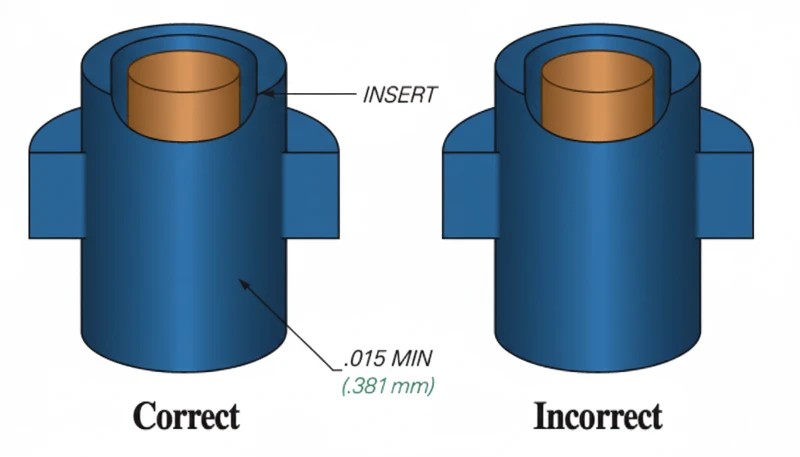
Właśnie tutaj maszyny pionowe sprawdzają się najlepiej. Formowanie z wkładkami² — czyli obtryskiwanie tworzywem uprzednio umieszczonego elementu metalowego lub elektronicznego — jest znacznie łatwiejsze na maszynie pionowej. Grawitacja utrzymuje wkładkę na dolnej połowie formy. W maszynie poziomej do zachowania prawidłowej pozycji wkładek podczas zamykania formy potrzebne są złożone uchwyty, magnesy lub ramiona robotów.
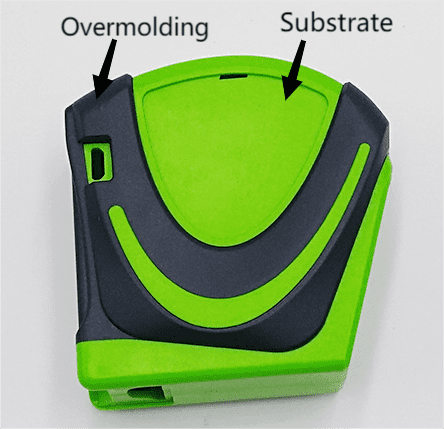
Ta sama zasada dotyczy obtryskiwania⁴. Podczas nakładania drugiego materiału na wcześniej uformowany substrat pionowa orientacja stabilnie utrzymuje go na miejscu. W praktyce po przeniesieniu złożonych zleceń z wkładkami z maszyn poziomych na pionowe odsetek odrzutów wkładek spada o 60–80%, ponieważ grawitacja zastępuje kosztowne uchwyty.
"Pionowe wtryskarki mogą zmniejszyć wskaźnik odrzutów wkładek o 60–80% w porównaniu z maszynami poziomymi przy złożonych projektach z wkładkami."True
Prawda. Orientacja pionowa pozwala wykorzystać siłę grawitacji do stabilnego utrzymania wkładek na miejscu, eliminując potrzebę stosowania złożonych uchwytów, które mogą zawieść i spowodować niewspółosiowość lub przemieszczenie podczas zamykania formy.
"Poziome wtryskarki są zawsze lepsze od pionowych w zastosowaniach związanych z formowaniem wtryskowym z wkładkami."False
Fałsz. Maszyny pionowe są szczególnie korzystne w formowaniu z wkładkami, ponieważ grawitacja naturalnie utrzymuje wkładki na miejscu w dolnej połowie formy, ograniczając złożoność mocowania i odsetek wad. Maszyny poziome wymagają dodatkowych uchwytów lub systemów robotycznych, aby osiągnąć ten sam rezultat.
Niższe koszty oprzyrządowania i przyrządów mocujących
Ponieważ grawitacja utrzymuje wkładki i podłoża na miejscu, często można zrezygnować z niestandardowych przyrządów i uchwytów magnetycznych wymaganych przez maszyny poziome. W typowym złączu formowanym z czterema mosiężnymi wkładkami gwintowanymi same oszczędności na przyrządzie mogą wynosić $2,000–$5,000 na formę — a koszty jego konserwacji znikają całkowicie.
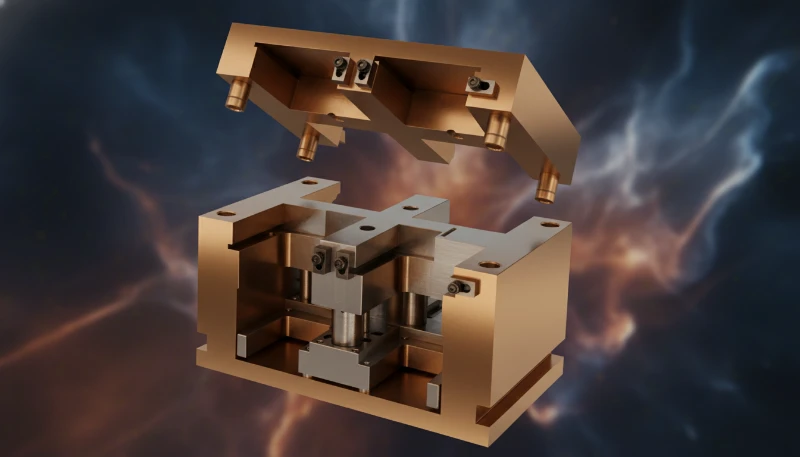
W niektórych przypadkach konstrukcja formy jest również prostsza. Dolna połowa formy stanowi naturalną podporę dla wkładek, ograniczając złożoność formy. W połączeniu z własną produkcją form całkowita inwestycja w oprzyrządowanie dla projektu pionowego może być o 15–25% niższa niż dla równoważnej konfiguracji poziomej.
Wielostanowiskowe stoły obrotowe do produkcji ciągłej
Wiele maszyn pionowych jest dostępnych ze stołem obrotowym lub przesuwnym, co umożliwia ciągłą produkcję wielostanowiskową. Gdy maszyna wtryskuje tworzywo do formy na stanowisku A, operator umieszcza wkładki w formie na stanowisku B. Stół obraca się, a cykl powtarza się bez przerwy.
Taki układ pozwala na czasowe nakładanie się dwóch cykli produkcyjnych. W wielkoseryjnej produkcji z wkładkami — na przykład złączy samochodowych, obudów urządzeń medycznych lub komponentów elektroniki użytkowej — pionowe maszyny ze stołem obrotowym mogą dorównać wydajnością maszynom poziomym lub je przewyższyć przy niższym całkowitym koszcie części, lecz ostateczny plan nadal należy sprawdzić pod kątem realistycznego czasu produkcji metodą formowania wtryskowego.
"Pionowe wtryskarki ze stołem obrotowym umożliwiają jednoczesne ładowanie wkładek i wtrysk na różnych stanowiskach."True
Prawda. Stoły obrotowe mają wiele stanowisk, które są indeksowane między kolejnymi pozycjami. Gdy jedno stanowisko znajduje się pod zespołem wtryskowym i jest napełniane tworzywem, operator ma dostęp do innego stanowiska, aby załadować wkładki. Umożliwia to ciągłą produkcję bez zatrzymywania cyklu maszyny.
"Pionowe wtryskarki są wolniejsze od poziomych we wszystkich scenariuszach produkcyjnych."False
Fałsz. Chociaż w przypadku prostych detali maszyny pionowe mogą mieć nieco dłuższe czasy cyklu, konfiguracje ze stołem obrotowym umożliwiają nakładanie się cykli, ponieważ załadunek wkładek odbywa się równocześnie z wtryskiem. Zwłaszcza w zastosowaniach formowania z wkładkami maszyny pionowe mogą osiągać wydajność maszyn poziomych lub ją przewyższać.
Jak pionowe formowanie wtryskowe wypada w porównaniu z poziomym?
Pionowe formowanie wtryskowe jest bardziej konkurencyjne od poziomego, gdy poniższe kompromisy dotyczące kosztu, czasu realizacji i jakości odpowiadają potrzebom programu. Wybór między pionowym a poziomym formowaniem wtryskowym nie polega na wskazaniu rozwiązania uniwersalnie lepszego — chodzi o dopasowanie orientacji maszyny do wymagań zastosowania. Poniżej przedstawiamy rzetelne porównanie oparte na dwóch dekadach praktycznego doświadczenia z oboma typami maszyn.
Maszyny pionowe są najlepszym wyborem, gdy część wymaga formowania z wkładkami, obtryskiwania lub montażu wielokomponentowego. Doskonale sprawdzają się także w mało- i średnioseryjnej produkcji części z osadzonymi komponentami oraz wszędzie tam, gdzie powierzchnia hali jest ograniczona. Jeśli część zawiera metalowe wkładki, gwintowane elementy złączne lub komponenty elektroniczne albo wymaga obtryśnięcia drugim materiałem, maszyna pionowa niemal zawsze będzie lepszym wyborem.
Maszyny poziome są lepszym wyborem do wielkoseryjnej produkcji standardowych części z tworzyw sztucznych bez wkładek, form wielogniazdowych wytwarzających dużą liczbę identycznych części, bardzo dużych części przekraczających siłę zamykania dostępnych maszyn pionowych oraz zastosowań, w których najważniejszy jest w pełni zautomatyzowany odbiór części przez roboty.
Pod względem kosztów maszyny pionowe o sile zwarcia 50–200 ton kosztują zazwyczaj o 20–30% mniej niż odpowiadające im maszyny poziome. Oszczędności wynikają z prostszej konstrukcji (brak dużej poziomej płyty mocującej i zespołu kolumn), mniejszej powierzchni zabudowy oraz niższych kosztów transportu i instalacji.
"Pionowe wtryskarki w zakresie 50–200 ton zazwyczaj kosztują o 20–30% mniej niż porównywalne maszyny poziome."True
Prawda. Maszyny pionowe mają prostszą konstrukcję mechaniczną, zajmują mniej miejsca oraz generują niższe koszty wysyłki i instalacji, co daje istotną przewagę cenową w zakresie małych i średnich tonaży.
„Pionowe wtryskarki mogą przetwarzać części o dowolnych rozmiarach obsługiwanych przez maszyny poziome.”False
Fałsz. W porównaniu z maszynami poziomymi maszyny pionowe są zazwyczaj ograniczone do mniejszych części i niższych sił zwarcia. W przypadku bardzo dużych części lub form produkcyjnych o dużej liczbie gniazd praktycznym wyborem pozostają maszyny poziome ze względu na większe płyty mocujące i wyższe dostępne siły zwarcia.
Jakie są typowe zastosowania pionowego formowania wtryskowego?
Typowe zastosowania pionowego formowania wtryskowego to główne kategorie lub opcje omówione w tej sekcji. Maszyny pionowe zapewniają też łatwiejszy dostęp do gniazda. Operator widzi powierzchnię formy z góry i może do niej sięgnąć, co upraszcza ładowanie wkładek, kontrolę formy i wyjmowanie części. W maszynie poziomej powierzchnie formy są ustawione pionowo, przez co dostęp jest trudniejszy i rośnie ryzyko upuszczenia wkładek do mechanizmu. Ta ergonomiczna przewaga przyspiesza szkolenie operatorów i ogranicza błędy manipulacyjne na hali produkcyjnej.
W przemyśle motoryzacyjnym formowanie pionowe służy do produkcji złączy i obudów czujników z precyzyjnie umieszczonymi wkładkami z mosiądzu lub stali. Nowoczesne pojazdy zawierają dziesiątki takich komponentów, a maszyny pionowe wydajnie realizują formowanie z wkładkami, wytwarzając części o mocnym połączeniu materiałów i dokładnym położeniu wkładek, zgodnym z rygorystycznymi normami jakości branży motoryzacyjnej.
Produkcja urządzeń medycznych wykorzystuje formowanie pionowe do obtryskiwania sztywnych podłoży miękkimi materiałami biokompatybilnymi. Orientacja pionowa zapewnia stabilne położenie podłoża podczas drugiego wtrysku, co jest krytyczne dla utrzymania jednolitej grubości ścianki i szczelności urządzeń spełniających wymagania biokompatybilności FDA.
Pionowe formowanie wtryskowe jest szeroko stosowane do części wymagających zatopionych komponentów. Branża elektroniczna wykorzystuje je do złączy USB i zespołów kablowych, a motoryzacja do obudów czujników i bloków złączy ze zintegrowanymi metalowymi zaciskami.
Wybierz pionowe formowanie wtryskowe, gdy część wymaga formowania z wkładkami, obtryskiwania lub osadzonych komponentów. Maszyny pionowe najlepiej nadają się do części z metalowymi wkładkami, gwintowanymi elementami złącznymi, komponentami elektronicznymi lub warstwą z drugiego materiału. Sama korzyść wynikająca z grawitacji może przynieść rocznie tysiące dolarów oszczędności na uchwytach i ograniczeniu braków. Jeśli przed każdym wtryskiem trzeba coś umieścić w formie, maszyna pionowa niemal zawsze jest lepszym wyborem.
Dzięki doświadczeniu obejmującemu ponad 400 materiałów i ponad 20 lat produkcji regularnie realizujemy pionowe formowanie dla klientów z branży motoryzacyjnej, medycznej i elektronicznej. Maszyny pionowe są przeznaczone do pracy z wkładkami i obtryskiwania, gdzie przewaga wynikająca z grawitacji ma największą wartość.
Jak wybrać odpowiednią pionową wtryskarkę?
W tej części omówiono wybór odpowiedniej pionowej wtryskarki oraz jego wpływ na koszty, jakość, terminy i ryzyko związane z zaopatrzeniem. Dobór właściwej maszyny pionowej wymaga oceny kilku kluczowych parametrów. W praktyce największe znaczenie mają:
Siła zamykania: oblicz rzutowaną powierzchnię części wraz z układem kanałów, pomnóż ją przez ciśnienie wtrysku, a następnie dodaj 10–20% marginesu bezpieczeństwa. W przypadku większości części formowanych z wkładkami wystarczy 50–150 ton. Nie przewymiarowuj maszyny — większa kosztuje więcej, zużywa więcej energii i pracuje w dłuższym cyklu.
Pojemność wtrysku: dopasuj objętość wtrysku do masy części i kanałów. Aby uzyskać optymalną powtarzalność wypełnienia i utrzymania ciśnienia, znamionowa objętość jednostki wtryskowej powinna wynosić 1,2–1,5 wymaganej objętości wtrysku.
Konfiguracja stołu: wybierz między stałym stołem jednostanowiskowym, stołem przesuwnym z dwoma stanowiskami a stołem obrotowym z 3–4 stanowiskami. Stoły przesuwne są najczęstszym kompromisem między kosztem a wydajnością. Stoły obrotowe maksymalizują wydajność, ale zwiększają złożoność i koszt maszyny.
Rozmiar płyt: upewnij się, że płyty pomieszczą formę i wszystkie wymagane uchwyty do załadunku wkładek. Ze wszystkich stron pozostaw co najmniej 50 mm luzu. W przypadku form wielogniazdowych sprawdź, czy płyty są wystarczająco duże dla całego układu formy.
Jeśli nie masz pewności co do specyfikacji konkretnej części, nasz zespół inżynierów może przeanalizować jej projekt i zalecić odpowiednią konfigurację maszyny. Od ponad 20 lat prowadzimy działalność jako dostawca usług formowania wtryskowego, dlatego szybko potrafimy ocenić, czy maszyna pionowa pasuje do danego projektu.
Jaki jest ostateczny wniosek?
Pionowe formowanie wtryskowe nie zastępuje maszyn poziomych — jest technologią uzupełniającą, która wyróżnia się w określonych zastosowaniach. Gdy projekt obejmuje formowanie z wkładkami, obtryskiwanie lub montaż wielokomponentowy, proces wspomagany grawitacyjnie, niewielka powierzchnia zabudowy i niższe koszty oprzyrządowania czynią maszyny pionowe oczywistym wyborem.
Najważniejsze korzyści są oczywiste: mniejsza powierzchnia zajmowana na hali, naturalne pozycjonowanie wkładek, niższe koszty przyrządów mocujących, większa wydajność dzięki stołowi obrotowemu oraz niższy koszt maszyny w zakresie małych i średnich sił zwarcia. Łącznie zalety te zapewniają rzeczywiste oszczędności na hali produkcyjnej.
Jeśli opracowujesz projekt formowania z wkładkami lub nadlewania, możemy pomóc ocenić, czy właściwym rozwiązaniem będzie wtryskarka pionowa. Nasz zespół inżynierów przeanalizuje geometrię detalu, wymagania materiałowe i docelowy wolumen produkcji, aby zalecić najbardziej opłacalną metodę wytwarzania.
Potrzebujesz wyceny projektu formowania wtryskowego? Nasz zespół inżynierów przedstawi cenę, uwagi DFM i harmonogram produkcji.
Uzyskaj konkurencyjną wycenę, informacje zwrotne z analizy DFM oraz harmonogram produkcji od zespołu inżynierów ZetarMold. Dzięki działalności certyfikowanej zgodnie z ISO 9001, ISO 13485, ISO 14001 i ISO 45001 dostarczamy precyzyjnie formowane detale terminowo i w ramach budżetu.
Poproś nasz zespół inżynierów o bezpłatną wycenę projektu formowania wtryskowego pionowego. W ciągu 24 godzin przedstawimy konkurencyjną cenę, uwagi DFM i szczegółowy harmonogram produkcji. Poproś o bezpłatną wycenę
Często zadawane pytania
Jaka jest główna zaleta pionowego formowania wtryskowego?
Główną zaletą pionowego formowania wtryskowego jest wspomagane grawitacyjnie umieszczanie wkładek podczas cyklu. W przeciwieństwie do maszyn poziomych, gdzie metalowe wkładki muszą być utrzymywane drogimi przyrządami, magnesami lub robotami, maszyny pionowe wykorzystują grawitację do stabilnego utrzymania wkładek na dolnej połowie formy. Zmniejsza to koszty przyrządów o tysiące dolarów na formę, istotnie obniża odsetek wad i upraszcza produkcję. Maszyny pionowe zajmują również znacznie mniej miejsca niż prasy poziome, dlatego sprawdzają się w zakładach o ograniczonej powierzchni.
Czy pionowe wtryskarki mogą przetwarzać części wielomateriałowe?
Tak, maszyny pionowe szczególnie dobrze nadają się do nadformowania i zastosowań wielomateriałowych, ponieważ pionowe ustawienie utrzymuje podłoże z pierwszego wtrysku stabilnie na miejscu podczas drugiego cyklu wtrysku. Zapewnia to powtarzalne połączenie materiałów i równomierną grubość ścianek całej gotowej części. Proces ten jest szczególnie cenny w produkcji wyrobów medycznych, w których miękką, biokompatybilną warstwę TPE nadformowuje się na sztywnym podłożu z poliwęglanu, aby poprawić chwyt i komfort pacjenta. Stosuje się go również w elektronarzędziach, gdzie gumowaną powierzchnię chwytową trwale formuje się na twardej obudowie nylonowej, zapewniając ergonomię i długotrwałą odporność na uderzenia w wymagających warunkach przemysłowych.
Ile miejsca na hali oszczędza pionowa wtryskarka?
Pionowe wtryskarki zajmują zazwyczaj o 30–50% mniej powierzchni niż maszyny poziome o równoważnej sile zwarcia. Powód jest prosty: zespół zamykania i zespół wtryskowy są ustawione pionowo jeden nad drugim, a nie poziomo obok siebie, co radykalnie zmniejsza powierzchnię zajmowaną przez maszynę w hali produkcyjnej. Kompaktowe wymiary sprawiają, że maszyny pionowe doskonale nadają się do zakładów o ograniczonej przestrzeni oraz dla firm, które chcą zwiększyć moce produkcyjne przez instalację dodatkowych maszyn bez rozbudowy budynku.
Jakie typy wkładek najlepiej sprawdzają się w pionowym formowaniu wtryskowym?
W pionowym formowaniu wtryskowym dobrze sprawdza się wiele rodzajów wkładek, w tym mosiężne wkładki gwintowane do połączeń mechanicznych, stalowe elementy złączne do wzmocnień konstrukcyjnych, tłoczone zaciski metalowe do połączeń elektrycznych, metalowe osłony chroniące przed zakłóceniami EMI oraz wstępnie uformowane podłoża z tworzywa do zespołów wielokomponentowych. W praktyce każdy element wymagający precyzyjnego pozycjonowania wewnątrz formowanej części z tworzywa korzysta z umieszczania wspomaganego grawitacyjnie, jakie zapewnia maszyna pionowa. Typowe przykłady produkcyjne obejmują obudowy czujników samochodowych z mosiężnymi wkładkami gwintowanymi oraz złącza USB-C z tłoczonymi metalowymi stykami.
Czy pionowe formowanie wtryskowe jest droższe od poziomego?
Nie, pionowe wtryskiwanie jest generalnie mniej kosztowne niż horyzontalne wtryskiwanie dla aplikacji wtryskiwania z wkładkami i nakładania. W zakresie siły docisku od 50 do 200 ton, pionowe maszyny zazwyczaj kosztują 20 do 30 procent mniej niż podobne horyzontalne maszyny od tego samego producenta. Koszty narzędziowe są również zauważalnie niższe, ponieważ grawitacja utrzymuje wkładki w ich właściwej pozycji, co eliminuje potrzebę kosztownych specjalnych uchwytów, magnesów lub systemów ładowania robotycznych. Koszty operacyjne są często również niższe, ponieważ pionowe maszyny w tym zakresie tonów mają zazwyczaj prostsze hydrauliczne lub całkowicie elektryczne systemy napędowe, które konsumują mniej energii na cykl.
Co to jest obrotowy stół na pionowej maszynie wtryskowej?
Obrotowy stół to napędzana rotacyjna platforma z dwoma lub więcej stanowiskami form, która umożliwia ciągłe, nakładające się cykle produkcyjne na pionowej maszynie wtryskowej. Sposób działania jest prosty: gdy jednostka wtryskowa wypełnia formę na jednym stanowisku płynnym plastikiem, operator lub ramię robotyczne ładowa metalowe wkładki w pustą formę na stanowisku przylegającym. Po zakończeniu wtrysku, obrotowy stół indeksuje, aby wprowadzić załadowaną formę w pozycję wtrysku, gdy właśnie wtryskowana część jest usuwana z już schłodzonej formy. Ten nakładający się proces efektywnie podwaja Twoją wydajność dla aplikacji wtryskiwania z wkładkami bez wymagania drugiej maszyny.
Kiedy powinienem wybrać pionowe wtryskiwanie nad horyzontalne?
Warto wybrać pionowe wtryskiwanie, gdy projekt części wymaga wtryskiwania z wkładkami, nakładania lub osadzania metalowych elementów w plastikowej obudowie. Pionowe maszyny są również lepszym wyborem, gdy powierzchnia produkcyjna jest ograniczona, gdy produkcja jest na poziomie od niskiego do średnego, lub gdy chcemy zmniejszyć koszt i złożoność uchwytów dla wkładów. Odwrotnie, wybierz maszyny horyzontalne, gdy produkujesz duże ilości standardowych plastikowych części bez wkładów, gdy części są bardzo duże i wymagają wysokiej siły docisku, lub gdy proces produkcyjny opiera się na pełni zautomatyzowanych systemach robotycznych usuwania części działających na maksymalnej szybkości.
Jaką siłę docisku potrzebuję dla pionowego wtryskiwania?
Większość części produkcyjnych wtryskiwanych z wkładkami wymaga między 50 i 150 ton siły docisku. Aby określić właściwą specyfikację dla Twojej aplikacji, musisz obliczyć projektowaną powierzchnię Twojej gotowej części, obejmującą system prowadzenia, następnie pomnożyć tę powierzchnię przez wymagane ciśnienie wtrysku dla wybranego materiału plastikowego. Po uzyskaniu tej podstawowej liczby, dodaj margines bezpieczeństwa 10 do 20 procent, aby uwzględnić zmiany w lepkości materiału i wahania procesu. Ważne jest, aby nie przewymiarować maszyny, ponieważ większe prasy są droższe w zakupie i operacji, konsumują więcej energii na cykl, i zazwyczaj działają wolniej niż maszyna odpowiednio dopasowana do wymagań części.
Pionowe formowanie wtryskowe: proces produkcyjny, w którym jednostki wtryskowa i zamykająca są ustawione pionowo, a forma otwiera się i zamyka w osi pionowej; rozwiązanie idealne do formowania z wkładkami i obtryskiwania. ↩
Formowanie z wkładkami: proces formowania wtryskowego polegający na umieszczeniu w gnieździe formy gotowego komponentu — metalowej wkładki, części elektronicznej lub innego elementu z tworzywa — przed wtryśnięciem wokół niego stopionego tworzywa w celu utworzenia jednej zintegrowanej części. ↩
Obtryskiwanie: dwuetapowy proces formowania wtryskowego, w którym na wcześniej uformowany substrat nakłada się metodą formowania drugą warstwę materiału, tworząc część wielomateriałową o lepszym chwycie, szczelności lub właściwościach konstrukcyjnych. ↩