Cosa devono sapere anzitutto gli acquirenti?
Questa sezione illustra ciò che gli acquirenti devono sapere innanzitutto e il relativo impatto su costi, qualità, tempi e rischi di approvvigionamento. Se avete mai avuto difficoltà a inglobare inserti metallici in parti di plastica, o desiderato installare un’altra macchina senza un costoso ampliamento dello stabilimento, lo stampaggio a iniezione in configurazione verticale potrebbe essere proprio ciò che vi serve. Le macchine per lo stampaggio a iniezione verticale1 risolvono problemi produttivi concreti che le macchine orizzontali non possono affrontare, dal posizionamento degli inserti assistito dalla gravità a un ingombro drasticamente ridotto.
In questa guida analizziamo i vantaggi dello stampaggio a iniezione verticale con il livello di dettaglio necessario per scegliere le attrezzature in modo consapevole. Spieghiamo come funzionano queste macchine, quando superano le alternative orizzontali e quali aspetti valutare per integrarle nella linea di produzione.
- Le macchine verticali occupano il 30–50% in meno di spazio a pavimento rispetto a presse orizzontali equivalenti
- La gravità mantiene naturalmente gli inserti in posizione, riducendo la complessità delle attrezzature di posizionamento e il tasso di difettosità
- Ideale per stampaggio con inserti, sovrastampaggio e assemblaggi multicomponente
- Le opzioni con tavola rotante consentono cicli produttivi continui multistazione
- Costo iniziale e consumo energetico inferiori per molte applicazioni di stampaggio con inserti
Che cos’è lo stampaggio a iniezione verticale?
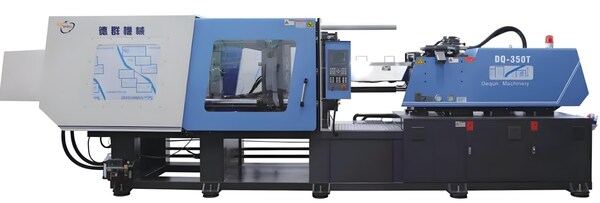
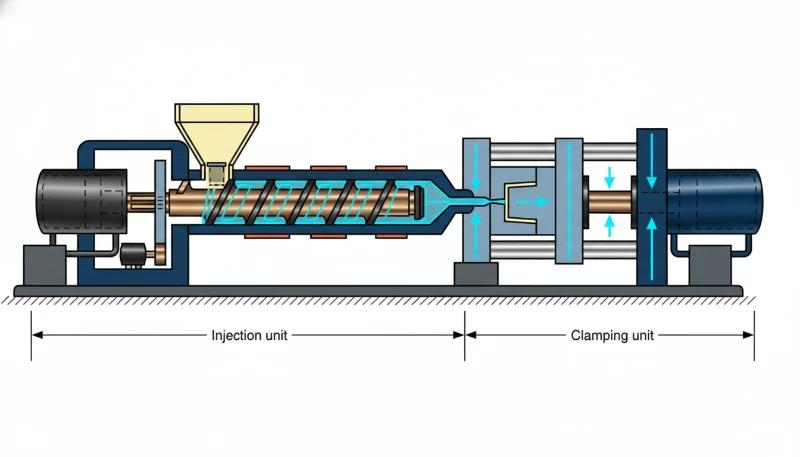
Lo stampaggio a iniezione verticale è definito dalla funzione, dai vincoli e dai compromessi illustrati in questa sezione. Lo stampaggio a iniezione verticale¹ è una forma specializzata di stampaggio a iniezione della plastica in cui lo stampo a iniezione si apre e si chiude lungo un asse verticale anziché lungo l’asse orizzontale delle macchine convenzionali. L’unità di iniezione si trova direttamente sopra lo stampo e il meccanismo di chiusura spinge la metà inferiore verso l’alto fino a incontrare quella superiore.
L’orientamento verticale modifica vantaggiosamente la fisica delle fasi del processo di stampaggio a iniezione. La gravità trascina la plastica fusa verso il basso nella cavità, agevolando il riempimento di geometrie complesse. Ancora più importante, quando occorre collocare inserti metallici, componenti elettronici o elementi di fissaggio filettati nello stampo prima di ogni ciclo, la gravità li mantiene saldamente in posizione sulla metà inferiore, senza richiedere dispositivi complessi.
I componenti principali sono gli stessi di qualsiasi pressa a iniezione: tramoggia, cilindro, vite, riscaldatori, unità di chiusura e stampo. Cambia soltanto l’orientamento. Le macchine verticali impiegano solitamente una tavola traslante o una tavola rotante³ che sposta la metà inferiore dello stampo tra le stazioni, consentendo a un operatore o a un robot di caricare gli inserti in una stazione mentre la macchina inietta nell’altra.
Nel nostro stabilimento di Shanghai operiamo 47 presse a iniezione da 90T a 1850T. In base alla nostra esperienza, le presse verticali sono particolarmente utili nello stampaggio con inserti2 e nel sovrastampaggio3, dove il posizionamento assistito dalla gravità produce miglioramenti qualitativi misurabili.
Quali sono i principali vantaggi dello stampaggio a iniezione verticale?
Efficienza nell’uso dello spazio e ingombro ridotto
Le macchine verticali occupano molto meno spazio a pavimento rispetto a quelle orizzontali con forza di chiusura equivalente. Poiché le unità di chiusura e iniezione sono sovrapposte anziché disposte in orizzontale, una pressa verticale con 100 tonnellate di forza di chiusura⁵ può occupare circa la metà dello spazio di una macchina orizzontale comparabile.
Si tratta di un vantaggio concreto per gli stabilimenti in cui lo spazio a pavimento è prezioso. In una fabbrica situata in una zona industriale con affitti elevati, ogni metro quadrato conta. Abbiamo visto reparti installare due o tre presse verticali nello spazio prima occupato da una sola pressa orizzontale, raddoppiando o triplicando di fatto la capacità di stampaggio di inserti senza ampliare l’edificio.
Prestazioni superiori nello stampaggio con inserti e nel sovrastampaggio
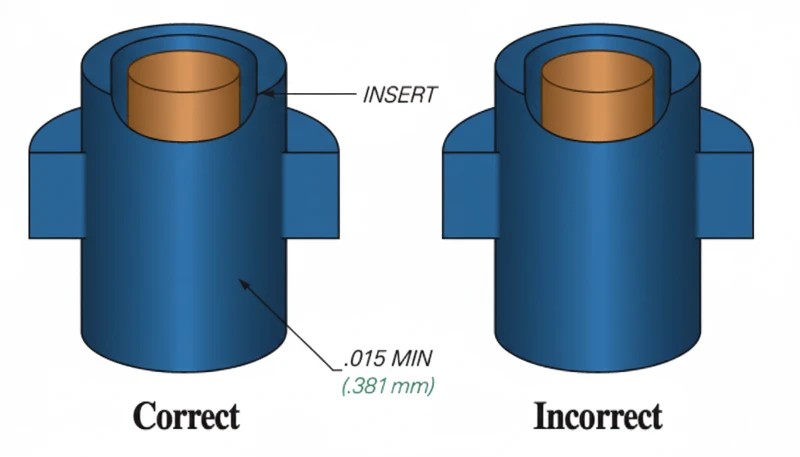
È qui che le macchine verticali danno il meglio. Lo stampaggio con inserti², ossia il processo che ingloba plastica attorno a un componente metallico o elettronico precedentemente posizionato, è nettamente più semplice su una macchina verticale. La gravità mantiene l’inserto appoggiato sulla metà inferiore dello stampo. Su una macchina orizzontale servono dispositivi complessi, magneti o bracci robotici per trattenere gli inserti nella posizione corretta durante la chiusura.
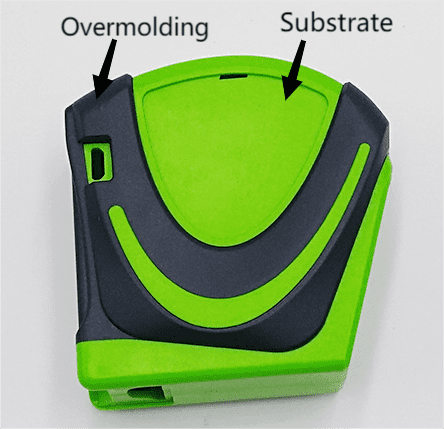
Lo stesso principio vale per il sovrastampaggio⁴. Quando si stampa un secondo materiale sopra un substrato già formato, l’orientamento verticale garantisce che il substrato rimanga saldamente in posizione. Nella pratica, trasferendo lavorazioni complesse con inserti da macchine orizzontali a verticali, osserviamo una riduzione degli scarti degli inserti del 60–80%, perché la gravità svolge il lavoro prima affidato a costosi dispositivi di fissaggio.
"Le presse a iniezione verticali possono ridurre del 60–80% gli scarti degli inserti rispetto alle presse orizzontali nei lavori complessi con inserti."True
Vero. L'orientamento verticale consente alla gravità di mantenere saldamente in posizione gli inserti, eliminando la necessità di dispositivi complessi che possono guastarsi e causare disallineamenti o spostamenti durante la chiusura dello stampo.
"Le presse a iniezione orizzontali sono sempre migliori di quelle verticali per le applicazioni di insert molding."False
Falso. Le presse verticali sono particolarmente adatte allo stampaggio con inserti perché la gravità mantiene naturalmente gli inserti in posizione sulla metà inferiore dello stampo, riducendo la complessità dei dispositivi di fissaggio e il tasso di difettosità. Le presse orizzontali richiedono dispositivi aggiuntivi o sistemi robotizzati per ottenere lo stesso risultato.
Costi inferiori di attrezzature e dispositivi di fissaggio
Poiché la gravità mantiene inserti e substrati in posizione, spesso si possono evitare le attrezzature personalizzate e i supporti magnetici richiesti dalle macchine orizzontali. Per un tipico connettore sovrastampato con quattro inserti filettati in ottone, il solo risparmio sull’attrezzatura può ammontare a $2,000–$5,000 per stampo, eliminando completamente anche i costi di manutenzione dell’attrezzatura.
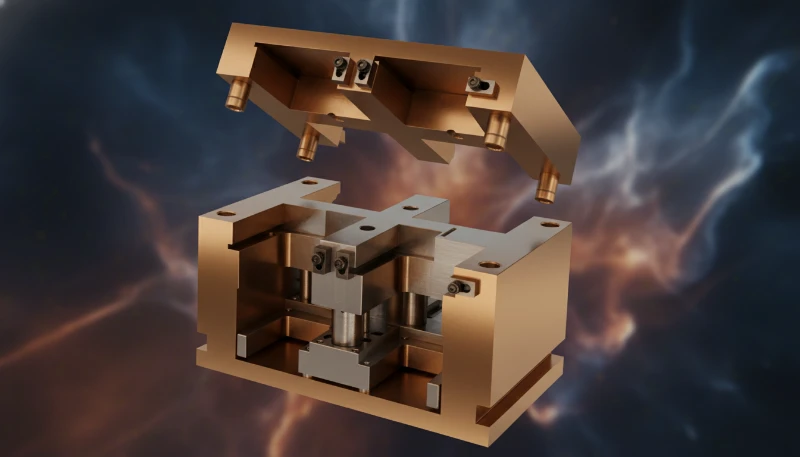
In alcuni casi anche il progetto dello stampo è più semplice. La metà inferiore funge da supporto naturale per gli inserti, riducendo la complessità dello stampo. Insieme alla capacità interna di produzione stampi, l’investimento totale in attrezzatura per un progetto verticale può essere inferiore del 15–25% rispetto all’equivalente configurazione orizzontale.
Tavole rotanti multistazione per la produzione continua
Molte macchine verticali sono disponibili con tavola rotante o tavola a navetta, che consentono la produzione continua multistazione. Mentre la macchina inietta plastica in uno stampo alla stazione A, un operatore carica gli inserti nello stampo alla stazione B. La tavola ruota e il ciclo si ripete senza interruzioni.
Questa configurazione sovrappone di fatto due cicli produttivi. Nei lavori di stampaggio con inserti ad alto volume, come connettori automobilistici, alloggiamenti per dispositivi medici o componenti elettronici di consumo, le macchine verticali a tavola rotante possono eguagliare o superare la produttività delle macchine orizzontali con un costo totale per pezzo inferiore; il piano finale va comunque verificato rispetto a realistici tempi di produzione dello stampaggio a iniezione.
"Le presse verticali a tavola rotante consentono di caricare gli inserti e iniettare simultaneamente in stazioni diverse."True
Vero. Le tavole rotanti dispongono di più stazioni che si indicizzano tra le varie posizioni. Mentre una stazione si trova sotto l'unità di iniezione e viene riempita di plastica, un'altra è accessibile all'operatore per caricare gli inserti, consentendo la produzione continua senza interrompere il ciclo macchina.
"Le presse verticali sono più lente delle orizzontali in ogni scenario produttivo."False
Falso. Le presse verticali possono avere cicli leggermente più lenti per pezzi semplici, ma le tavole rotanti permettono cicli sovrapposti: il caricamento degli inserti avviene durante l'iniezione. Nello stampaggio con inserti, le presse verticali possono eguagliare o superare la produttività delle orizzontali.
Come si confronta lo stampaggio a iniezione verticale con quello orizzontale?
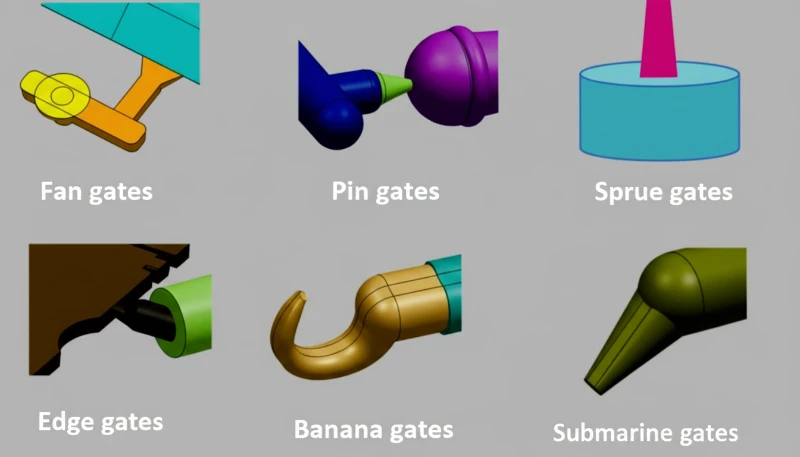
Lo stampaggio a iniezione verticale è più competitivo di quello orizzontale quando i compromessi tra costi, tempi di consegna e qualità indicati di seguito corrispondono alle esigenze del vostro programma. La scelta tra stampaggio a iniezione verticale e orizzontale non dipende dalla superiorità assoluta dell’uno o dell’altro, ma dall’adeguatezza dell’orientamento della macchina ai requisiti dell’applicazione. Ecco un confronto obiettivo basato su vent’anni di esperienza pratica con entrambi i tipi di macchina.
Le macchine verticali sono la scelta migliore quando il componente richiede stampaggio con inserti, sovrastampaggio o assemblaggio multicomponente. Eccellono anche nella produzione a volumi medio-bassi di parti con componenti incorporati e in tutte le applicazioni con spazio limitato. Se il componente contiene inserti metallici, elementi di fissaggio filettati o componenti elettronici, oppure richiede il sovrastampaggio di un secondo materiale, una macchina verticale è quasi sempre preferibile.
Le macchine orizzontali sono più indicate per la produzione ad alto volume di parti standard in plastica senza inserti, per stampi multicavità che producono molti pezzi identici, per componenti molto grandi che superano la capacità di chiusura delle macchine verticali disponibili e per applicazioni in cui l’obiettivo principale è la rimozione robotizzata completamente automatica dei pezzi.
In termini di costo, le macchine verticali da 50–200 ton costano generalmente il 20–30% in meno delle equivalenti orizzontali. Il risparmio deriva dalla costruzione più semplice (non servono il grande piano orizzontale e il gruppo di colonne), dal minore ingombro e dai costi inferiori di spedizione e installazione.
"Le presse a iniezione verticali da 50–200 tonnellate costano generalmente il 20–30% in meno delle equivalenti orizzontali."True
Vero. Le macchine verticali hanno una costruzione meccanica più semplice, un ingombro minore e costi di spedizione e installazione inferiori, che si traducono in un vantaggio di prezzo significativo nella fascia di tonnellaggio medio-bassa.
"Le presse a iniezione verticali possono gestire parti di qualsiasi dimensione producibile dalle macchine orizzontali."False
Falso. Le presse verticali sono generalmente limitate a pezzi più piccoli e forze di chiusura inferiori rispetto alle presse orizzontali. Per pezzi molto grandi o stampi produttivi ad alto numero di cavità, le presse orizzontali restano la scelta pratica grazie a piani più grandi e maggiori forze di chiusura disponibili.
Quali sono le applicazioni comuni dello stampaggio a iniezione verticale?
Le applicazioni comuni dello stampaggio a iniezione verticale costituiscono le principali categorie o opzioni illustrate in questa sezione. Le macchine verticali offrono inoltre un accesso più agevole alla cavità dello stampo. L’operatore può vedere e raggiungere dall’alto la superficie dello stampo, semplificando il caricamento degli inserti, l’ispezione dello stampo e la rimozione dei pezzi. In una macchina orizzontale, le facce dello stampo sono orientate verticalmente, rendendo l’accesso più scomodo e aumentando il rischio di far cadere gli inserti nel meccanismo. Questo vantaggio ergonomico si traduce in una formazione più rapida degli operatori e in meno errori di movimentazione in produzione.
Nel settore automobilistico, lo stampaggio verticale produce connettori e alloggiamenti per sensori con inserti in ottone o acciaio posizionati con precisione. I veicoli moderni contengono decine di questi componenti; le macchine verticali gestiscono efficacemente tali lavorazioni di insert molding, producendo pezzi con forti legami tra i materiali e un posizionamento preciso degli inserti, conforme ai rigorosi standard qualitativi automobilistici.
La produzione di dispositivi medici utilizza lo stampaggio verticale per sovrastampare materiali morbidi e biocompatibili su substrati rigidi. L’orientamento verticale assicura che il substrato rimanga saldamente posizionato durante la seconda iniezione, condizione essenziale per mantenere uno spessore di parete costante e l’integrità della tenuta nei dispositivi che devono soddisfare i requisiti FDA di biocompatibilità.
Lo stampaggio verticale è ampiamente usato per pezzi con componenti incorporati. L’elettronica lo impiega per connettori USB e cablaggi; l’automotive per alloggiamenti sensori e blocchi con terminali metallici integrati.
Scegliete lo stampaggio a iniezione verticale quando il componente richiede inserti, sovrastampaggio o elementi incorporati. Le macchine verticali sono particolarmente adatte a parti con inserti metallici, elementi di fissaggio filettati, componenti elettronici o sovrastampaggi con un secondo materiale. Il solo vantaggio della gravità può far risparmiare migliaia di euro l’anno in dispositivi di fissaggio e riduzione degli scarti. Se l’applicazione prevede di collocare qualcosa nello stampo prima di ogni ciclo, una macchina verticale è quasi sempre la scelta migliore.
Con esperienza su oltre 400 materiali e più di 20 anni di produzione, eseguiamo regolarmente stampaggio verticale per clienti automotive, medicali ed elettronici. Le macchine verticali sono dedicate a insert molding e sovrastampaggio, dove il vantaggio della gravità è più utile.
Come scegliere la pressa a iniezione verticale giusta?
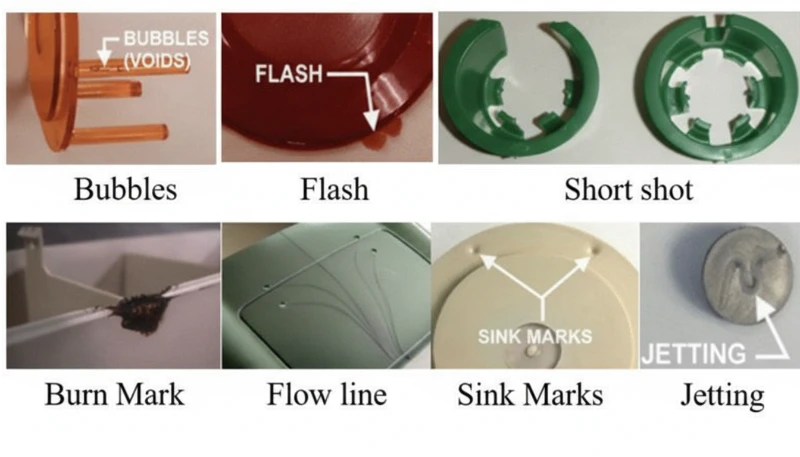
Questa sezione riguarda la scelta della pressa a iniezione verticale corretta e il suo impatto su costi, qualità, tempi o rischio di approvvigionamento. La selezione richiede la valutazione di diverse specifiche fondamentali. Ecco ciò che conta maggiormente nella pratica:
Forza di chiusura: calcolate l’area proiettata del componente, compreso il sistema di canali, moltiplicatela per la pressione di iniezione e aggiungete un margine di sicurezza del 10–20%. Per la maggior parte dei componenti stampati con inserti sono sufficienti 50–150 tonnellate. Non sovradimensionate la macchina: una macchina più grande costa di più, consuma più energia e ha cicli più lenti.
Capacità di iniezione: adeguate il volume di iniezione al peso del componente più quello dei canali. Per garantire uniformità di riempimento e mantenimento ottimale della pressione, l’unità di iniezione dovrebbe avere una capacità pari a 1,2–1,5 volte il volume richiesto.
Configurazione della tavola: scegliete tra una tavola fissa a stazione singola, una tavola traslante a due stazioni o una tavola rotante a 3–4 stazioni. Le tavole traslanti rappresentano il compromesso più comune tra costo e produttività. Quelle rotanti massimizzano la produttività, ma aumentano complessità e costo della macchina.
Dimensioni dei piani: verificate che i piani possano accogliere lo stampo e gli eventuali dispositivi necessari per caricare gli inserti. Lasciate almeno 50 mm di spazio libero su tutti i lati. Per gli stampi multicavità, assicuratevi che il piano sia sufficientemente grande per l’intera configurazione dello stampo.
Se avete dubbi sulle specifiche del vostro componente, il nostro team di ingegneri può esaminarne il progetto e consigliare la configurazione della macchina più adatta. Avendo gestito attività di fornitore di stampaggio a iniezione per oltre 20 anni, siamo in grado di stabilire rapidamente se una macchina verticale è idonea al vostro progetto.
Qual è la conclusione finale?
Lo stampaggio a iniezione verticale non sostituisce le macchine orizzontali: è una tecnologia complementare che eccelle in applicazioni specifiche. Quando un progetto prevede stampaggio con inserti, sovrastampaggio o assemblaggio multicomponente, il processo assistito dalla gravità, l’ingombro ridotto e i minori costi delle attrezzature rendono le macchine verticali la scelta evidente.
I principali vantaggi sono chiari: minore ingombro a pavimento, posizionamento naturale degli inserti, costi inferiori delle attrezzature di fissaggio, produttività della tavola rotante e costo macchina più basso nella fascia di tonnellaggio medio-piccola. Nel complesso, si traducono in risparmi concreti in produzione.
Se state sviluppando un progetto di stampaggio con inserti o sovrastampaggio, possiamo aiutarvi a valutare se la configurazione con macchina verticale sia l’approccio corretto. Il nostro gruppo di ingegneria esaminerà la geometria del pezzo, i requisiti dei materiali e gli obiettivi di volume produttivo per consigliare il metodo di produzione più conveniente.
Desiderate un preventivo per il vostro progetto di stampaggio a iniezione? Richiedete al nostro team di ingegneri prezzi, feedback DFM e tempistiche di produzione.
Ottenete prezzi competitivi, un riscontro DFM e una tempistica di produzione dal team di ingegneri di ZetarMold. Con attività certificate ISO 9001, ISO 13485, ISO 14001 e ISO 45001, consegniamo pezzi stampati di precisione nei tempi e nel budget previsti.
Richiedete un preventivo gratuito al nostro team di ingegneri per discutere il vostro progetto di stampaggio a iniezione verticale. Entro 24 ore forniamo prezzi competitivi, indicazioni DFM e un calendario di produzione dettagliato. Richiedete un preventivo gratuito
Domande frequenti
Qual è il principale vantaggio dello stampaggio a iniezione verticale?
Il vantaggio principale dello stampaggio a iniezione verticale è il posizionamento degli inserti assistito dalla gravità durante il ciclo di stampaggio. A differenza delle macchine orizzontali, in cui gli inserti metallici devono essere mantenuti in posizione mediante costose attrezzature personalizzate, magneti o bracci robotici, le macchine verticali sfruttano naturalmente la gravità per trattenere saldamente gli inserti sulla metà inferiore dello stampo. Ciò riduce di migliaia di dollari i costi delle attrezzature per stampo, abbassa notevolmente il tasso di difettosità e semplifica l’intero processo produttivo. Le macchine verticali hanno inoltre un ingombro molto inferiore rispetto alle presse orizzontali, risultando una scelta eccellente per gli stabilimenti con spazio produttivo limitato.
Le presse verticali possono gestire pezzi multimateriale?
Sì, le macchine verticali sono particolarmente adatte al sovrastampaggio e alle applicazioni multimateriale, perché l’orientamento verticale mantiene saldamente in posizione il substrato della prima iniezione durante la seconda. Ciò garantisce un’adesione uniforme e spessori di parete costanti. Il processo è particolarmente utile nei dispositivi medici, dove uno strato morbido di TPE biocompatibile viene sovrastampato su policarbonato rigido per migliorare presa e comfort, o negli elettroutensili, dove un’impugnatura gommata viene stampata permanentemente su un involucro in nylon duro per offrire ergonomia e resistenza agli urti.
Quanto spazio a pavimento consente di risparmiare una pressa a iniezione verticale?
Le presse a iniezione verticali occupano in genere il 30-50% di spazio a pavimento in meno rispetto alle presse orizzontali con forza di chiusura equivalente. Il motivo è semplice: i gruppi di chiusura e iniezione sono sovrapposti verticalmente anziché disposti in orizzontale, riducendo drasticamente l’ingombro in produzione. Le dimensioni compatte rendono queste presse ideali per stabilimenti con spazio limitato o per aziende che vogliono aumentare la capacità installando altre macchine senza ampliare l’edificio.
Quali tipi di inserti funzionano meglio nello stampaggio a iniezione verticale?
Molti inserti funzionano bene nello stampaggio verticale: inserti filettati in ottone per fissaggio, elementi in acciaio per rinforzo, terminali metallici stampati per collegamenti elettrici, schermature metalliche EMI e substrati plastici prestampati per assemblaggi multicomponente. In sostanza, ogni componente che richiede un posizionamento preciso nel pezzo beneficia dell’inserimento assistito dalla gravità. Esempi comuni vanno dagli alloggiamenti di sensori automobilistici con inserti in ottone ai connettori USB-C con terminali metallici stampati.
Lo stampaggio a iniezione verticale è più costoso di quello orizzontale?
No, lo stampaggio a iniezione verticale è generalmente meno costoso di quello orizzontale per applicazioni di insert molding e sovrastampaggio. Nella fascia di forza di chiusura da 50 a 200 tonnellate, le presse verticali costano normalmente il 20-30% in meno di presse orizzontali comparabili dello stesso produttore. Anche i costi degli stampi sono sensibilmente inferiori, perché la gravità mantiene gli inserti nella posizione corretta, eliminando costose attrezzature personalizzate, magneti o sistemi robotizzati di caricamento. Spesso sono inferiori anche i costi operativi, poiché le presse verticali di questa fascia tendono ad avere azionamenti idraulici o completamente elettrici più semplici, che consumano meno energia per ciclo.
Cos’è una tavola rotante su una macchina di stampaggio verticale a iniezione?
Una tavola rotante è una piattaforma rotante motorizzata con due o più stazioni di stampo che permette cicli di produzione continui e sovrapposti su una macchina di stampaggio verticale a iniezione. Il funzionamento è semplice: mentre l’unità di iniezione riempie il stampo in una stazione con plastica fusa, un operatore o braccio robotico carica inserti metallici nello stampo vuoto nella stazione adiacente. Una volta completata l’iniezione, la tavola rotante ruota per portare il stampo caricato nella posizione di iniezione mentre il componente appena stampato viene rimossa dal stampo ora raffreddato. Questo processo sovrapposto aumenta efficacemente la produttività per applicazioni di stampaggio con inserti senza richiedere una seconda macchina.
Quando dovrei scegliere lo stampaggio verticale rispetto a quello orizzontale?
Scegli lo stampaggio verticale a iniezione quando il design del componente richiede stampaggio con inserti, sovrastampaggio o l’incorporazione di componenti metallici in un involucro plastico. Le macchine verticali sono anche la scelta migliore quando lo spazio di produzione è limitato, quando le quantità prodotte sono nella fascia bassa-media, o quando si desidera ridurre il costo e la complessità dei dispositivi di fissaggio degli inserti. Al contrario, scegli le macchine orizzontali quando produci grandi quantità di componenti plastici standard senza inserti, quando i componenti sono molto grandi e richiedono alte forze di chiusura, o quando il processo di produzione si basa su sistemi robotizzati completamente automatizzati per l’estrazione dei componenti che operano alla massima velocità.
Quale forza di chiusura necessito per lo stampaggio verticale a iniezione?
La maggior parte dei componenti prodotti con stampaggio con inserti richiede tra 50 e 150 tonnellate di forza di chiusura. Per determinare la specifica corretta per la tua applicazione, devi calcolare l’area proiettata del componente finito includendo il sistema di distribuzione, poi moltiplicare tale area per la pressione di iniezione richiesta dal materiale plastico scelto. Una volta ottenuto questo numero di base, aggiungi un margine di sicurezza di 10-20% per compensare variazioni di viscosità del materiale e fluttuazioni del processo. È importante evitare di sovradimensionare la macchina perché le presse più grandi sono più costose da acquistare e operare, consumano più energia per ciclo e generalmente funzionano più lentamente rispetto a una macchina correttamente adattata alle esigenze del componente.
Stampaggio a iniezione verticale: processo produttivo in cui l'unità di iniezione e quella di chiusura sono orientate verticalmente e lo stampo si apre e si chiude lungo un asse verticale; è ideale per applicazioni di stampaggio con inserti e sovrastampaggio. ↩
Stampaggio con inserti: processo di stampaggio a iniezione in cui un componente preformato, come un inserto metallico, un elemento elettronico o un'altra parte in plastica, viene collocato nella cavità prima di iniettare la plastica fusa attorno ad esso, creando un unico pezzo integrato. ↩
Sovrastampaggio: processo di stampaggio a iniezione in due fasi nel quale un secondo strato di materiale viene stampato sopra un substrato già formato, creando un componente multimateriale con migliori proprietà di presa, tenuta o resistenza strutturale. ↩