- Kontrola temperatury uplastycznienia jest szczególnie krytyczna, ponieważ cienkościenne przekroje stygną 3–5 razy szybciej niż konwencjonalne części. Jeśli temperatura uplastycznienia jest o 10°C poniżej zalecanego zakresu, zewnętrzna warstwa zamarza, zanim front uplastycznienia dotrze do strefy ostatniego wypełnienia, powodując niedolanie nawet przy maksymalnej prędkości wtrysku. Ustawiamy profil temperatury cylindra tak, aby streza dyszy była o 5–10°C wyższa niż strefa tylna, utrzymując stałą temperaturę uplastycznienia przy wlewie i redukując niespójność wypełnienia między wtryskami.
- Można osiągnąć czasy cyklu 2–5 sekund — od 5 do 10 razy krótsze niż w konwencjonalnym formowaniu — co czyni ten proces opłacalnym w wielkoseryjnej produkcji opakowań i elektroniki.
- Dobór materiału ma kluczowe znaczenie: w zastosowaniach cienkościennych dominują polipropylen (PP) o MFI 40–60 g/10 min oraz wysokopłynne gatunki ABS lub PA66+GF.
- Gatunek stali narzędziowej (P20 do prototypów, H13 do serii produkcyjnych powyżej 500 000 cykli) oraz konformalne kanały chłodzące bezpośrednio decydują o jakości detalu i trwałości narzędzia.
- ZetarMold dysponuje 47 wtryskarkami, w tym dedykowanymi prasami szybkobieżnymi do detali cienkościennych, i wspiera klientów od analizy DFM po produkcję masową.
Czym jest cienkościenne formowanie wtryskowe?
Cienkościenne formowanie wtryskowe1 to proces produkcji części o ściankach cieńszych niż 1 mm, prowadzony z prędkością wtrysku od 500 do 1 500 mm/s. W artykule omówiono parametry, materiały, oprzyrządowanie i strategie zapobiegania wadom, które decydują o powodzeniu produkcji przy grubości ścianki poniżej jednego milimetra.
Szersze omówienie podstaw procesu, zachowania materiałów i decyzji produkcyjnych zawiera nasz kompletny przewodnik po formowaniu wtryskowym.
Aby uzyskać szerszy kontekst, porównaj ten temat z formowaniem wtryskowym, formą wtryskową2 oraz przewodnikiem po pozyskiwaniu dostawców.
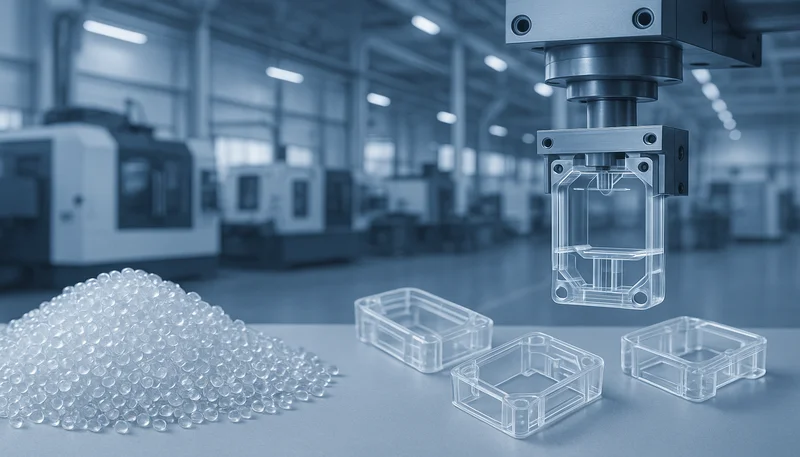
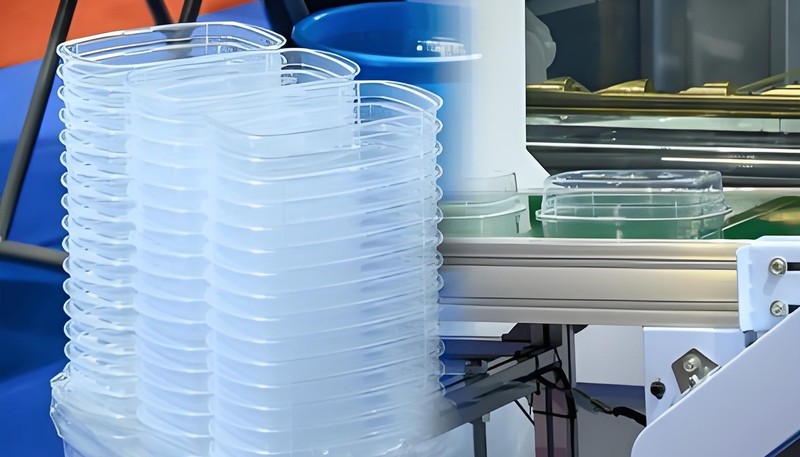
Cienkościenne formowanie wtryskowe to specjalistyczny proces produkcji części z tworzyw sztucznych o ściankach cieńszych niż 1,0 mm — a w wielkoseryjnej produkcji opakowań i elektroniki użytkowej często nawet 0,4 mm. W odróżnieniu od formowania konwencjonalnego wymaga większej prędkości wtrysku, wyższego ciśnienia docisku i precyzyjnego oprzyrządowania, aby całkowicie wypełnić gniazdo, zanim cienka warstwa materiału zastygnie w formie. Marginesy projektowe są niewielkie, a każdy parametr — od temperatury stopionego tworzywa po położenie punktu wtrysku — ma kluczowe znaczenie dla uzyskania stałej jakości3 części.
| Metryczny | Cienkościenne | Konwencjonalne | Dlaczego ma to znaczenie |
|---|---|---|---|
| Grubość ścianki | <1.0 mm | 1.5–4.0 mm | Określa wymaganą prędkość wypełniania |
| Stosunek L/T | >150:1 | <100:1 | Podstawowe kryterium klasyfikacji |
| Prędkość wtrysku | 500–1,500 mm/s | 50–200 mm/s | Musi wyprzedzać zamarzanie przepływu |
| Siła zwarcia | 0.5–0.8 tony/cm2 | 0,3–0,5 tony/cm² | Zapobiega wypływce pod wysokim ciśnieniem |
W naszej fabryce ZetarMold zwykle uznajemy detal za cienkościenny, gdy dowolny przekrój ma mniej niż 0,8 mm albo stosunek L/T przekracza 200:1. Przy tej wartości granicznej konwencjonalne maszyny po prostu nie są w stanie wypełnić gniazda — materiał zamarza w połowie drogi i za każdym razem powstaje niedolew. Praktyczny zakres grubości ścianek większości opakowań konsumenckich wynosi 0,5–0,9 mm; przy właściwej geometrii formy detale elektroniczne i medyczne mogą mieć ścianki o grubości nawet 0,3 mm.
Proces ten nie jest po prostu “zwykłym formowaniem wtryskowym z cieńszymi ściankami”. Wymaga specjalistycznych maszyn z akumulatorami, całkowicie odmiennej strategii doprowadzania tworzywa, ściślejszej kontroli temperatury oraz — co najważniejsze — konstrukcji formy przystosowanej do większej siły zwarcia, niezbędnej do zapobiegania wypływkom przy podwyższonym ciśnieniu. Wszystkie elementy systemu muszą być projektowane jako całość.
Jak działa formowanie wtryskowe części cienkościennych?
Wtrysk cienkich ścian jest podobny do tradycyjnego wtrysku, ale działa w ekstremalnych parametrach, kończąc wypełnianie formy w czasie poniżej 150 milisekund. Faza wtrysku jest obszarem, gdzie wtrysk cienkich ścian najbardziej różni się od tradycyjnej pracy, wymagając całkowicie innych specyfikacji maszyny oraz strategii narzędziowej opartej na szybkim wypełnianiu i precyzyjnej kontroli termicznej.
Prędkość wtrysku musi osiągać 500–1,500 mm/s, aby wypełnić gniazdo, zanim temperatura czoła stopionego tworzywa spadnie poniżej temperatury zaniku płynięcia materiału. Dla porównania konwencjonalne formowanie zwykle odbywa się z prędkością 50–200 mm/s. Większa prędkość spręża stopione tworzywo i generuje znaczne ciepło ścinania, które pomaga skompensować szybką utratę ciepła do zimnej ścianki formy. Czas mierzy się w milisekundach: detal o ściance 0.5 mm może zostać wypełniony w 0.05–0.10 sekundy. Na naszych szybkich wtryskarkach monitorujemy czas wtrysku w czasie rzeczywistym, aby wykrywać wszelkie odchylenia mogące wskazywać na zablokowane odpowietrzenie lub rozpoczynające się zużycie przewężki.
| Faza | Formowanie cienkościenne | Formowanie konwencjonalne |
|---|---|---|
| Czas napełniania | 0.05–0.15 s | 1–5 s |
| Czas docisku | 0.5–1.5 s | 3–10 s |
| Czas chłodzenia | 2–4 s | 10–45 s |
| Całkowity czas cyklu | 2–5 s | 15–60 s |
Ciśnienie docisku i podtrzymania jest przykładane bezpośrednio po wypełnieniu, aby skompensować skurcz objętościowy podczas krzepnięcia części. W produkcji cienkościennej faza podtrzymania jest krótka — zwykle 0.5–1.5 sekundy — ponieważ ścianka szybko zamarza, a dodatkowy czas podtrzymania nie zwiększa gęstości. Nadmierny docisk to częsty błąd powodujący wypływki i przywieranie. W naszej fabryce monitorujemy przejście z wypełniania do podtrzymania za pomocą czujników ciśnienia w gnieździe i kończymy podtrzymanie w chwili ustabilizowania ciśnienia — zwykle w ciągu 0.8 sekundy od zakończenia wypełniania.
Chłodzenie dominuje w czasie cyklu nawet przy formowaniu cienkościennym. Mała grubość ścianek zapewnia szybką dyfuzję cieplną — zwykle 2–4 sekundy chłodzenia wystarczają do osiągnięcia temperatury wypychania. Konformalne kanały chłodzące biegnące wzdłuż konturu gniazda zamiast prostych kanałów wierconych zmniejszają różnice temperatury w części o 40–60% i umożliwiają cykle szybsze o 20–30%. Przy pojemniku z PP o ściance 0,6 mm dobrze zaprojektowane chłodzenie konformalne pozwala uzyskać część gotową do wypchnięcia w mniej niż 2 sekundy.
"Wyższa prędkość wtrysku ogranicza niedolewy w formowaniu cienkościennym."True
W częściach cienkościennych front stopu musi dotrzeć do wszystkich krańców gniazda przed zestaleniem tworzywa. Zwiększenie prędkości wtrysku z 200 mm/s do 800 mm/s skraca czas napełniania o 75%, utrzymuje stop powyżej temperatury zaniku przepływu na całej drodze i eliminuje podstawową przyczynę niedolewów w cienkich przekrojach.
"Do produkcji części cienkościennych można użyć dowolnej standardowej wtryskarki."False
Standardowe maszyny nie mają zespołu wtryskowego wspomaganego akumulatorem, potrzebnego do osiągnięcia prędkości wtrysku 500–1,500 mm/s, a ich układy zamykania nie są zaprojektowane do wysokiego ciśnienia w gnieździe (140–250 MPa) wymaganego przy cienkich ściankach. Użycie konwencjonalnej maszyny powoduje niedolewy, nadmierne wypływki lub uszkodzenie maszyny.
Jakie są kluczowe parametry przetwórstwa przy formowaniu cienkościennym?
Przetwarzanie cienkościenne odbywa się w wąskich oknach procesowych: każde odchylenie od optymalnego zakresu natychmiast powoduje wady. Poniższe parametry są głównymi dźwigniami regulowanymi przez naszych inżynierów procesu podczas kwalifikacji. Spadek temperatury stopu o 5°C, obniżenie ciśnienia wtrysku o 10 MPa lub opóźnienie czasu chłodzenia o 2 sekundy może zmienić część akceptowalną w 100% braków — tolerancje te nie miałyby znaczenia w konwencjonalnym formowaniu ścianek o grubości 2 mm.
| Parametr | Zakres cienkościenny | Zakres konwencjonalny | Skutek odchylenia |
|---|---|---|---|
| Prędkość wtrysku | 500–1,500 mm/s | 50–200 mm/s | Zbyt niskie → niedolew; zbyt wysokie → wypływka lub strugowanie |
| Ciśnienie wtrysku | 140–250 MPa | 70–140 MPa | Zbyt niskie → niedolew; zbyt wysokie → wypływki, nadmierna siła zwarcia |
| Temperatura topnienia | 220–280°C (PP) | 200–260°C | Zbyt wysoka → degradacja; zbyt niska → zamarzanie |
| Temperatura formy | 15–30°C (PP) | 20–60°C | Zbyt wysoka → wydłużenie czasu cyklu; zbyt niska → paczenie |
| Czas cyklu | 2–5 s | 15–60 s | Zbyt krótki → detal nie jest w pełni zestalony podczas wypychania |
| Siła zwarcia | 0.5–0.8 tony/cm2 | 0,3–0,5 tony/cm² | Niewystarczająca → wypływka na linii podziału |
Kontrola temperatury stopu jest szczególnie krytyczna, ponieważ przekroje cienkościenne chłodzą się 3–5 razy szybciej niż konwencjonalne części. Jeśli temperatura stopu jest o 10°C niższa od zalecanego zakresu, zewnętrzna warstwa zamarza, zanim front stopu dotrze do ostatniej strefy wypełniania, powodując niedolew nawet przy maksymalnej prędkości wtrysku. Ustawiamy profil temperatury cylindra tak, aby strefa dyszy była o 5–10°C cieplejsza od strefy tylnej, utrzymując stałą temperaturę stopu przy przewężce i ograniczając różnice w wypełnianiu między cyklami.
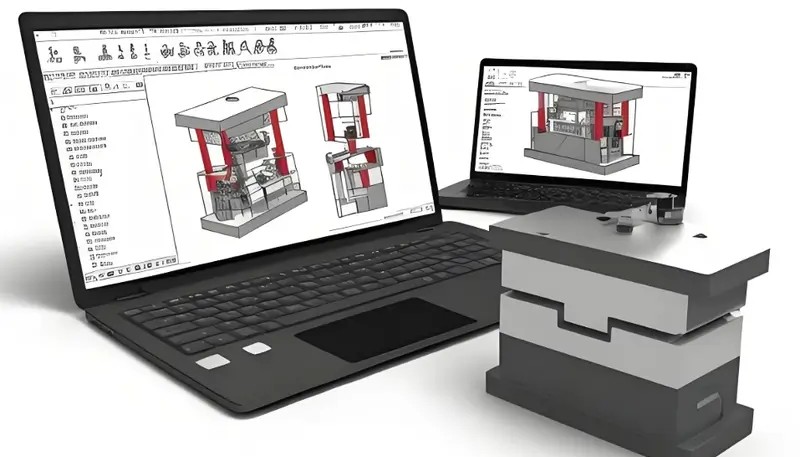
Obliczenie siły docisku dla narzędzi cienkich ścian musi uwzględniać wyższe ciśnienia w formie. Standardowe oszacowanie powierzchni projekcji × 0,3–0,5 ton/cm2 jest niewystarczające — użyj 0,5–0,8 ton/cm2 dla pracy cienkich ścian. Niedociśnięte narzędzie wypłynie na linii rozdzielenia nawet przy prawidłowych parametrach wtrysku, i prosto redukcja ciśnienia wtrysku dla zatrzymania wypływu spowoduje niedopełnienie części.
| Parametr | Wymagania dotyczące cienkich ścianek | Konwencjonalny poziom bazowy | Kluczowa zasada |
|---|---|---|---|
| Siła zwarcia | 0.5–0.8 tony/cm2 | 0,3–0,5 tony/cm² | Jako punkt wyjścia oblicz z pola rzutu × 0,65 |
| Grubość przewężki | Dopasowanie do ścianki (0.6–0.8 mm) | 0.5–1.5 mm | Nigdy mniej niż grubość ścianki |
| Położenie punktu wtrysku | Najgrubsza sekcja | W dowolnym miejscu zapewniającym równowagę | Przepływ w kierunku cienkich obszarów, a nie od nich |
| Głębokość odpowietrzenia | 0.015–0.025 mm | 0.02–0.04 mm | W ostatnich punktach napełniania, aby zapobiec efektowi Diesla |
Dobór wymiarów przewężki ma szczególne znaczenie w formach do detali cienkościennych. Zbyt mała przewężka ogranicza przepływ i zwiększa spadek ciśnienia, a zbyt duża powoduje strugowanie lub wady linii łączenia. Przy ściankach poniżej 0.8 mm grubość przewężki powinna odpowiadać grubości ścianki lub nieznacznie ją przekraczać — zwykle 0.6–0.8 mm — i znajdować się w najgrubszej części detalu, aby czoło stopionego tworzywa mogło przemieszczać się ku cieńszym obszarom bez przedwczesnego zamarzania.
Odpowietrzanie jest często niedoceniane. Przy 1 500 mm/s uwięzione w gnieździe powietrze spręża się szybciej, niż może ujść przez zwykłe luzy linii podziału. Dedykowane rowki odpowietrzające (głębokość 0,015–0,025 mm, szerokość 3–5 mm) w ostatnim punkcie napełniania zapobiegają przypaleniom, niedolewom wskutek pułapek powietrznych i efektowi Diesla — wadzie przypominającej wypływkę, spowodowanej zapłonem żywicy wskutek sprężania adiabatycznego.
Które materiały najlepiej nadają się do cienkościennego formowania wtryskowego?
Dobór materiału do detali cienkościennych zależy przede wszystkim od właściwości płynięcia. Żywica musi mieć wskaźnik szybkości płynięcia wystarczająco wysoki, aby wypełnić gniazdo przed zamarznięciem, a po zestaleniu zachować dostateczną wytrzymałość mechaniczną, by przetrwać wypychanie bez pękania. Standardowe żywice stosowane w konwencjonalnym formowaniu są często zbyt lepkie do detali cienkościennych.
Polipropylen (PP) jest dominującą żywicą do detali cienkościennych i odpowiada za około 60% całej produkcji opakowań cienkościennych. Idealny gatunek ma MFI 40–60 g/10 min (mierzone przy 230°C/2.16 kg). Gatunki o wysokim MFI łatwo wypełniają przekroje 0.5 mm, lecz mogą mieć niższą udarność; producenci mieszanek równoważą to za pomocą środków zarodkujących i modyfikatorów udarności. Niska gęstość PP (0.90–0.91 g/cm3) zmniejsza także masę detalu, co ma kluczowe znaczenie dla ekonomiki opakowań.
W zastosowaniach konstrukcyjnych i elektronicznych preferuje się gatunki ABS o wysokiej płynności (MFI 15–25 g/10 min przy 220°C/10 kg) oraz PA66 wzmocniony 15–30% włókna szklanego. Włókno szklane znacznie zwiększa sztywność — z ~2.5 GPa dla niewypełnionego PA66 do 6–8 GPa dla PA66+30%GF — umożliwiając stosowanie cieńszych ścianek przy zachowaniu właściwości konstrukcyjnych wymaganych dla obudów złączy, wsporników i paneli obudów.
| Materiał | Wskaźnik MFI (g/10 min) | Min. grubość ścianki (mm) | Najlepsze zastosowania | Kluczowe ograniczenie |
|---|---|---|---|---|
| PP (wysokopłynny) | 40–60 | 0.4 | Opakowania, zakrętki, pojemniki | Mniejsza sztywność niż tworzywa konstrukcyjne |
| ABS (wysoka płynność) | 15–25 | 0.6 | Obudowy elektroniki, zabawki | Ograniczona odporność chemiczna |
| PA66+GF15% | 10–20 | 0.5 | Obudowy złączy, wsporniki | Absorpcja wilgoci, wyższy koszt |
| HDPE (wysokopłynny) | 20–40 | 0.5 | Zakrętki, opakowania do kontaktu z żywnością | Niska sztywność, podatność na wypaczenia |
| LDPE / LLDPE | 15–30 | 0.4 | Elastyczne pokrywki i zamknięcia | Nie nadaje się do sztywnych konstrukcji |
Jedna decyzja materiałowa zaskakuje wielu kupujących: zastosowanie tego samego gatunku żywicy co w konwencjonalnych narzędziach prawdopodobnie nie sprawdzi się w narzędziu cienkościennym. Często spotykamy klientów, którzy dostarczają gatunek PP o MFI 12 g/10 min, doskonale sprawdzający się w części ze ścianką 2 mm, lecz powodujący 100% niedolewów w narzędziu ze ścianką 0,7 mm. Kwalifikacja żywicy jest obowiązkowym etapem, a nie kwestią do rozważenia na końcu — przed zatwierdzeniem narzędzia należy zaplanować od jednego do dwóch tygodni na próby materiałowe.
Jak projektować formę do detali cienkościennych?
Forma do cienkich ścian jest definiowana przez pięć kluczowych obszarów projektowych: geometria wlotu, konformalne chłodzenie, odpowietrzanie, strategia wyciągania oraz wybór stali. Błąd w jednym z tych elementów prowadzi do wadliwej części, zniszczonego narzędzia lub nieakceptowalnie długiego czasu cyklu.
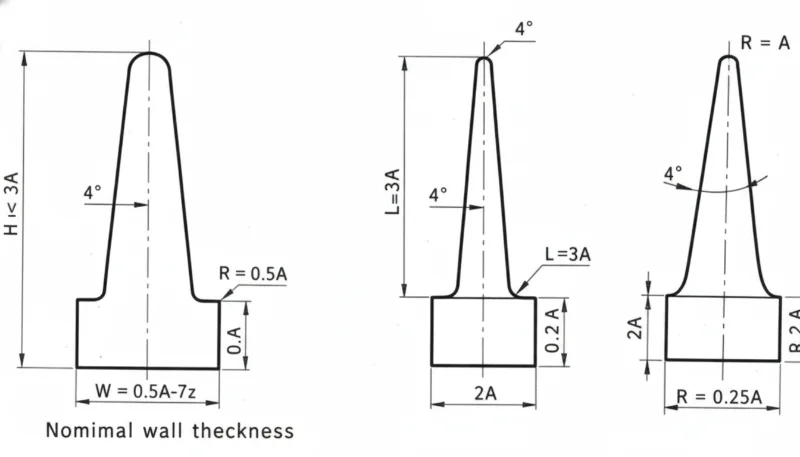
Konstrukcja przewężki determinuje równowagę wypełniania i położenie linii łączenia. W prostokątnych częściach cienkościennych, takich jak pojemniki na żywność, przewężka filmowa biegnąca na całej szerokości jednej krawędzi zapewnia najbardziej równomierny front wypełniania i całkowicie eliminuje linie łączenia. Przewężki wachlarzowe dobrze sprawdzają się w mniejszych częściach. Przewężki punktowe (gorące lub zimne) przy najgrubszym elemencie — zwykle występie lub żebrze — kierują stop do cieńszych obszarów, lecz wymagają starannej symulacji, aby uniknąć linii łączenia na widocznych powierzchniach.
| Objętość | Zalecana stal | Twardość | Koszt względem P20 |
|---|---|---|---|
| <50,000 cykli | Aluminium (QC-10) | N/A | O 30–50% mniej |
| 100 000–500 000 wtrysków | Formowanie wtryskowe cienkościenne produkuje części o grubości ścianki poniżej 1,0 mm (współczynnik L/T powyżej 150:1), wymagając prędkości wtrysku 500–1500 mm/s i ciśnień do góry. | 30–36 HRC | Stan bazowy |
| >1 000 000 wtrysków | Stal narzędziowa do pracy na gorąco H13 | 48–52 HRC | O 15–25% więcej |
| >5 000 000 wtrysków | Stal H13 + powłoka PVD | Twardość powierzchni 58–62 HRC | O 25–40% więcej |
Dobór stali zależy od wolumenu produkcji. W seriach prototypowych poniżej 50,000 wtrysków aluminium (Alcoa QC-10 lub odpowiednik) obrabia się szybciej, a oprzyrządowanie kosztuje o 30–50% mniej niż stalowe. Przy wolumenach produkcyjnych wynoszących 100,000–500,000 wtrysków podstawowym wyborem jest wstępnie hartowana stal P20 (30–36 HRC). W seriach wielkoseryjnych przekraczających 1,000,000 wtrysków — typowych dla opakowań — wymagana jest stal narzędziowa do pracy na gorąco H13 zahartowana do 48–52 HRC. H13 wytrzymuje wyższe naprężenia kontaktowe wynikające ze zwiększonego ciśnienia w gniazdach i zachowuje dokładność wymiarową przez miliony cykli.
"Konformalne kanały chłodzące są warte dodatkowego kosztu formy przy produkcji cienkościennej."True
Konformalne kanały chłodzące przebiegają zgodnie z konturem gniazda, zmniejszając wahania temperatury z ±15°C do ±5°C i umożliwiając skrócenie cyklu o 20–30%. Przy 10 milionach wtrysków rocznie na linii opakowaniowej skrócenie czasu cyklu o 20% oznacza 2 miliony dodatkowych części rocznie — co z łatwością uzasadnia koszt formy wyższy o 15–25%.
"Standardowa stal formowa P20 jest wystarczająca dla wszystkich wolumenów produkcji wyrobów cienkościennych."False
P20 (30–36 HRC) jest odpowiednia do prototypów i produkcji średnioseryjnej do około 500,000 wtrysków. Powyżej tego progu podwyższone ciśnienie w gnieździe przy formowaniu cienkościennym (do 250 MPa) powoduje przyspieszone zużycie i odchyłki wymiarowe. Stal H13 o twardości 48–52 HRC jest wymagana w produkcji wielkoseryjnej, aby zachować wymiary przewężek i gniazd przez miliony cykli.
Jakie są typowe wady cienkościennego formowania wtryskowego i jak im zapobiegać?
Części cienkościenne są bardzo wrażliwe na zmienność procesu. Ta sama przyczyna źródłowa, która w warunkach nominalnych daje część ledwo akceptowalną, powoduje 100-procentowy poziom wad, gdy jeden parametr odchyli się o 10%. Zrozumienie konkretnych mechanizmów awarii pozwala inżynierom ustawić wąskie granice alarmowe procesu i zapobiegać przestojom. W naszym systemie jakości w ZetarMold wszystkie narzędzia do części cienkościennych są wyposażone w czujniki ciśnienia w gnieździe, które automatycznie odrzucają część, gdy ciśnienie szczytowe odchyli się od wartości nominalnej o więcej niż ±5% — wykrywając niedolewy i wypływki, zanim dotrą do etapu kontroli jakości.
Poniższa tabela podsumowuje siedem najczęstszych wad spotykanych w formach cienkościennych, ich przyczyny źródłowe oraz działania korygujące, które niezawodnie je usuwają. Należy pamiętać, że kilka wad ma podobne objawy, lecz wymaga przeciwnych działań — prawidłowe ustalenie przyczyny źródłowej przed korektą parametrów znacznie skraca czas rozwiązywania problemu.
| Wada | Przyczyna źródłowa | Zapobieganie |
|---|---|---|
| Krótki strzał | Niedostateczna prędkość lub ciśnienie; zamarznięcie tworzywa przed zakończeniem napełniania | Zwiększ prędkość wtrysku; zoptymalizuj wielkość przewężki; zwiększ temperaturę stopu |
| Wypływka | Nadmierne ciśnienie wtrysku; niewystarczająca siła zamykania; zużyta linia podziału | Zmniejsz ciśnienie docisku; sprawdź tonaż siły zamykania; skontroluj linię podziału |
| Wypaczenie | Nierównomierne chłodzenie; niezrównoważony przepływ; naprężenia szczątkowe | Chłodzenie konformalne; zrównoważony układ kanałów; symetryczne rozmieszczenie przewężek |
| Zapadnięcia | Niewystarczające ciśnienie dopakowania; przedwczesne zestalanie punktu wtrysku | Zwiększ ciśnienie/czas docisku; powiększ punkt wtrysku; podnieś temperaturę formy |
| Linie spawania | Wiele czół przepływu łączących się bez wystarczającej ilości ciepła | Przenieś wlew; zwiększ temperaturę stopionego tworzywa; zmniejsz zróżnicowanie grubości ścianek |
| Przypalenia | Uwięzione powietrze; nadmierna prędkość wtrysku w końcowej strefie napełniania | Dodaj odpowietrzenie w miejscach wypełnianych na końcu; zmniejsz prędkość w końcowych 5–10% napełniania |
| Efekt strumieniowy | Wszystko, co musisz wiedzieć o cienkiej ścianie | ZetarMold | Zastosuj przewężkę szczelinową lub wachlarzową; zwiększ średnicę przewężki; zmniejsz prędkość wtrysku przy przewężce |
"Przed zmianą parametrów procesu w rozwiązywaniu problemów z cienkimi ściankami trzeba ustalić podstawową przyczynę wady."True
Kilka wad elementów cienkościennych daje podobne objawy wizualne, lecz wymaga przeciwnych działań naprawczych. Linie łączenia i zapadnięcia mogą wyglądać jak wgłębienia powierzchni — zwiększenie ciśnienia docisku pomaga usunąć zapadnięcie, ale nie eliminuje przyczyny linii łączenia (położenia przewężki i temperatury stopionego tworzywa). Podobnie wypływki i niedolewy wynikają z przeciwnych warunków: nadmiernego i niewystarczającego ciśnienia. Błędne rozpoznanie wady i regulacja w niewłaściwym kierunku zwykle pogarszają problem, marnują czas maszyny i mogą uszkodzić oprzyrządowanie.
"Te same ustawienia procesu można stosować do cienkościennego formowania wtryskowego opakowań, elektroniki i wyrobów medycznych."False
Każdy segment zastosowań wymaga zasadniczo innych parametrów procesu i wymagań jakościowych. W przypadku opakowań optymalizuje się maksymalną wydajność i minimalny koszt materiału (prosta kontrola jakości, zgodność żywicy z FDA). Elektronika wymaga powierzchni klasy A i wąskich tolerancji wymiarowych (±0,1 mm). Zastosowania medyczne wymagają walidacji procesu IQ/OQ/PQ, produkcji w pomieszczeniu czystym oraz biokompatybilnych żywic (USP klasa VI). Części samochodowe wymagają kwalifikacji PPAP i kontroli zgodnych z IATF 16949. Jedno okno procesu nie obsługuje wszystkich tych segmentów — dobór materiału, protokoły walidacji i rygor kontroli jakości znacznie się różnią.
Z naszego doświadczenia produkcyjnego w ZetarMold wynika, że najczęściej błędnie diagnozowaną wadą cienkościenną jest linia łączenia mylona z zapadnięciem. Linia łączenia wygląda jak widoczny szew na powierzchni, często z niewielkim zagłębieniem. Operatorzy czasem zwiększają ciśnienie docisku, co usuwa zagłębienie, lecz nie widoczność szwu. Właściwym rozwiązaniem jest przestawienie przewężki tak, aby oba czoła strugi połączyły się na niewidocznej powierzchni, albo wykonanie analizy przepływu w formie przed obróbką narzędzia, aby przewidzieć i wyeliminować położenie linii łączenia na etapie projektowania, a nie po rozpoczęciu produkcji.
Kontrola wypływek w narzędziach cienkościennych
Prewencja wypływu wymaga systematycznego podejścia. Oprócz korygowania parametrów wtrysku, musisz sprawdzić, że siła docisku jest prawidłowo obliczona — dla części cienkich ścian, użyj powierzchni projekcji formy pomnożonej przez 0,5–0,8 ton/cm2, a nie tradycyjnego 0,3–0,5 ton/cm2. Niedociśnięte narzędzia cienkich ścian wypływają przy niskim ciśnieniu docisku; zwiększenie ciśnienia dla poprawnego wypełnienia tylko pogarsza wypływ. Jeśli narzędzie ciągle wypływa nawet przy niskim ciśnieniu docisku, sprawdź obliczenia siły docisku przed korygowaniem innych parametrów. Cyfrowy wskaz siły docisku na płytach zapewnia real-time feedback i pomaga uniknąć domysłów, które powodują większość wad wypływu.
Gdzie stosuje się cienkościenne formowanie wtryskowe?
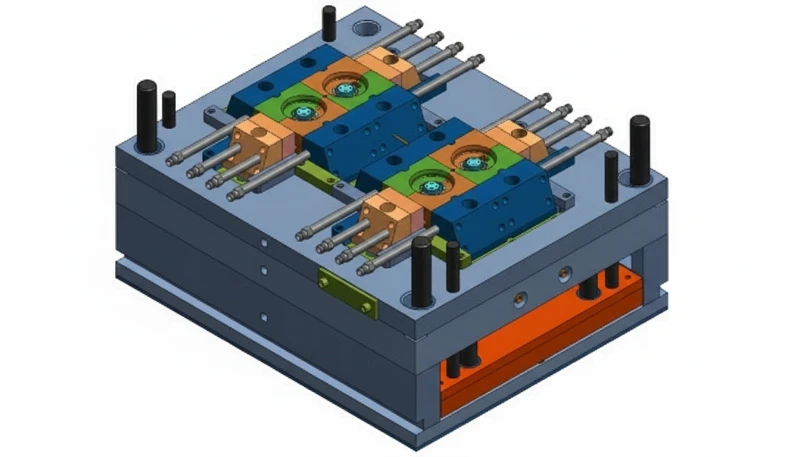
Cienkościenne formowanie wtryskowe jest dominującą metodą produkcji lekkich części do opakowań żywności, elektroniki, wyrobów medycznych, motoryzacji i zamknięć. Każdy segment ma odrębne wymagania dotyczące grubości ścianek, specyfikacji materiałów, norm jakości i skali produkcji, które bezpośrednio wpływają na projektowanie narzędzi i strategie kontroli procesu.
| Przemysł | Typowa grubość ścianki (mm) | Kluczowy materiał | Wolumen/rok |
|---|---|---|---|
| Opakowania do żywności i napojów | 0.5–0.8 | PP (gatunek zgodny z FDA) | Miliardy sztuk |
| Elektronika użytkowa | 0.8–1.2 | ABS / PC-ABS | Setki milionów |
| Jednorazowe wyroby medyczne | 0.3–0.7 | PP / PE (USP VI) | Miliardy sztuk |
| Wnętrza samochodowe | 1.0–1.5 | PA+GF / PBT | Dziesiątki milionów |
| Przemysłowe nakrętki i zamknięcia | 0.6–1.0 | PP / HDPE | Miliardy sztuk |
Najważniejsze wymagania poszczególnych rynków
Opakowania do żywności i napojów stanowią zdecydowanie największy wolumen. Cienkościenne pojemniki z PP na jogurty, produkty garmażeryjne i dania gotowe są wytwarzane z bardzo dużą wydajnością 10 000–50 000 cykli dziennie na gniazdo. Grubość ścianek wynosi zwykle 0,5–0,8 mm. Standardem są gatunki PP zgodne z FDA i wymaganiami 21 CFR, bez stabilizatorów zawierających metale ciężkie i bez BPA. Ekonomia jest przekonująca: pojemnik o ściance 0,6 mm zużywa o 25–30% mniej materiału niż odpowiednik ze ścianką 0,9 mm.
Obudowy elektroniki użytkowej stanowią drugi co do wielkości segment części cienkościennych. Obudowy smartfonów, podpórki pod dłonie w laptopach i tylne panele tabletów wymagają ścianek o grubości 0.8–1.2 mm z ABS lub mieszanek PC/ABS, aby uzyskać powierzchnię klasy A z wbudowanymi zatrzaskami i zawiasami integralnymi. Tolerancje wymiarowe są małe — zwykle ±0.1 mm — a powierzchnia musi być pozbawiona śladów płynięcia, co wymaga starannego rozmieszczenia wlewów i symulacji przepływu w formie przed wykonaniem oprzyrządowania. Operacje po formowaniu, w tym tampodruk, zgrzewanie ultradźwiękowe i powlekanie powierzchni, wymagają powtarzalności między częściami, którą prawidłowo zwalidowane procesy cienkościenne zapewniają.
| Segment | Kluczowa norma | Wymaganie krytyczne |
|---|---|---|
| Opakowania na żywność | FDA 21 CFR | Zgodność żywicy z wymaganiami, bez BPA |
| Urządzenia medyczne | USP klasa VI / ISO 10993 | Biokompatybilność, walidacja procesu |
| Motoryzacja | IATF 16949 | PPAP, Cpk ≥ 1,67 |
| Elektronika | RoHS / REACH | Materiały bezhalogenowe |
W naszej fabryce w Szanghaju pracuje 47 wtryskarek o sile od 90 do 1850 ton, w tym specjalne szybkie prasy do produkcji cienkościennej. Dzięki doświadczeniu z ponad 400 tworzywami wspieramy klientów od przeglądu DFM po masową produkcję części cienkościennych — od jednorazowych wyrobów medycznych o grubości 0,3 mm po wielkoseryjne opakowania z PP produkowane z prędkością 15 000 wtrysków na godzinę.
Jednorazowe wyroby medyczne — cylindry strzykawek, końcówki pipet, wkłady diagnostyczne i układy mikroprzepływowe — wymagają zarówno cienkich ścianek (0,3–0,7 mm), jak i materiałów biokompatybilnych (żywic z certyfikatem USP klasa VI). Produkcja w pomieszczeniach czystych i zwalidowane procesy (protokoły kwalifikacji IQ/OQ/PQ) zwiększają koszt, lecz są bezwzględnie wymagane na rynkach regulowanych. Obraz uzupełniają elementy wnętrza samochodu (obudowy zaczepów, wsporniki złączy, wkładki paneli drzwiowych), które wymagają PA lub PBT o wysokiej zawartości włókna szklanego, aby zapewnić sztywność konstrukcyjną niezbędną pod maską i w kabinie w temperaturze do 140°C.
Najczęściej zadawane pytania dotyczące cienkościennego formowania wtryskowego
Często zadawane pytania
Jaka grubość ścianki kwalifikuje się jako ‘cienkościenna’ w formowaniu wtryskowym?
Detal klasyfikuje się jako cienkościenny, gdy dowolny przekrój ma grubość poniżej 1.0 mm, a stosunek długości przepływu do grubości (L/T) przekracza 150:1. W praktyce większość opakowań mieści się w zakresie 0.5–0.8 mm. Detale o ściankach 1.0–1.5 mm i wysokim L/T (150:1–200:1) zajmują strefę przejściową, która wymaga częściowych korekt procesu cienkościennego, ale niekoniecznie dedykowanego wyposażenia. Stosunek L/T jest bardziej wiarygodnym kryterium klasyfikacji: długi, smukły przekrój 1.2 mm może podczas napełniania zachowywać się jak rzeczywisty detal cienkościenny.
Jak szybkie jest formowanie wtryskowe cienkościenne w porównaniu ze standardowym formowaniem?
Czasy cyklu części cienkościennych wynoszą zwykle 2–5 sekund, w porównaniu z 15–60 sekundami w konwencjonalnym formowaniu wtryskowym — przewaga szybkości jest 5–10-krotna. Wynika to z szybkiego odprowadzania ciepła z cienkich przekrojów, co radykalnie skraca czas chłodzenia. W ZetarMold wielkoseryjna produkcja opakowań cienkościennych osiąga 12 000–15 000 wtrysków na godzinę na narzędziach wielogniazdowych, wytwarzając ponad 100 000 gotowych części na godzinę w narzędziu 16-gniazdowym. W skali roku przewaga szybkości bezpośrednio przekłada się na niższy koszt jednostkowy i szybszą reakcję na skoki popytu.
Jakie ciśnienie wtrysku jest wymagane dla części cienkościennych?
Formowanie wtryskowe części cienkościennych wymaga ciśnienia wtrysku 140–250 MPa, w porównaniu z 70–140 MPa w formowaniu konwencjonalnym. Podwyższone ciśnienie jest konieczne, aby wtłoczyć tworzywo o dużym natężeniu przepływu do bardzo cienkich gniazd, zanim nastąpi jego zestalenie. Maszyny muszą być wyposażone w akumulatory lub serwonapędowe jednostki wtryskowe zapewniające wymagany szybki wzrost ciśnienia — konwencjonalne maszyny hydrauliczne nie reagują wystarczająco szybko. Zdecydowanie zaleca się czujniki ciśnienia w gnieździe, które monitorują i regulują rzeczywiste ciśnienie wewnątrz formy, a nie tylko ciśnienie hydrauliczne maszyny.
Czy mogę użyć posiadanej wtryskarki do detali cienkościennych?
Zwykle nie jest to możliwe bez istotnej modernizacji. Standardowe maszyny nie mają jednostki wtryskowej wspomaganej akumulatorem, niezbędnej do osiągania prędkości wtrysku 500–1 500 mm/s. Czas reakcji jednostki wtryskowej konwencjonalnej maszyny jest zbyt długi — zanim zostanie osiągnięte pełne ciśnienie, cienki przekrój zaczyna już zamarzać. Do powtarzalnej produkcji potrzebne są specjalistyczne prasy do detali cienkościennych firm Husky, Netstal lub Engel, wyposażone w układy serwoelektryczne albo hydrauliczne z akumulatorem. Niektórzy przetwórcy doposażają istniejącą maszynę w akumulator; rozwiązanie może się sprawdzić, jeśli po modernizacji zweryfikuje się prędkość wtrysku i czas reakcji.
Jaka jest minimalna grubość ścianki możliwa do uzyskania w formowaniu wtryskowym?
Minimalna osiągalna grubość ściany w produkcji wtrysku wynosi około 0,3 mm, przy użyciu PP lub LCP z wysoką przepływnością w precyzyjnych narzędziach z lokalnym ogrzewaniem. Grubości 0,5–0,6 mm są bardziej standardowo osiągalne dla różnych materiałów. Czynniki ograniczające minimalną grubość ściany obejmują lepkość materiału w temperaturze wypełnienia, dystans od wlotu do ostatniego punktu wypełnienia (długość przepływu), jednorodność temperatury formy oraz dostępne ciśnienie wtrysku. Poniżej 0,3 mm wymagany jest mikro-wtrysk z specjalistycznym sprzętem — objętości cylindra poniżej 1 cm3, precyzyjne śruby — aby utrzymać stabilność wymiarową.
Czy cienkościenne formowanie wtryskowe wymaga specjalnej stali formierskiej?
Tak. W przypadku prototypów i małych wolumenów poniżej 50 000 wtrysków oprzyrządowanie aluminiowe (Alcoa QC-10 lub odpowiednik) jest opłacalne i szybciej się obrabia. Dla średnich serii 100 000–500 000 wtrysków standardowym wyborem jest wstępnie hartowana stal P20 (30–36 HRC). Przy produkcji wielkoseryjnej powyżej 1 000 000 wtrysków — typowej dla opakowań — wymagana jest stal narzędziowa do pracy na gorąco H13 zahartowana do 48–52 HRC, aby wytrzymać wyższe ciśnienie w gnieździe, sięgające 250 MPa, i zachować dokładność wymiarową przez miliony cykli bez zużycia przewężek ani odkształcenia gniazd.
Formowanie wtryskowe: Proces produkcyjny, w którym tworzywo jest topione, wtryskiwane do gniazda formy, chłodzone, a cykl powtarzany w celu stabilnej produkcji seryjnej. ↩
Forma wtryskowa: Precyzyjne narzędzie, które określa geometrię części, przebieg chłodzenia, wypychanie, doprowadzenie tworzywa, wykończenie powierzchni i powtarzalność. ↩
Jakość: Dyscyplina produkcyjna łącząca DFM, walidację formy, okna procesowe, plany kontroli i działania korygujące w celu uzyskania powtarzalnych wyników. ↩