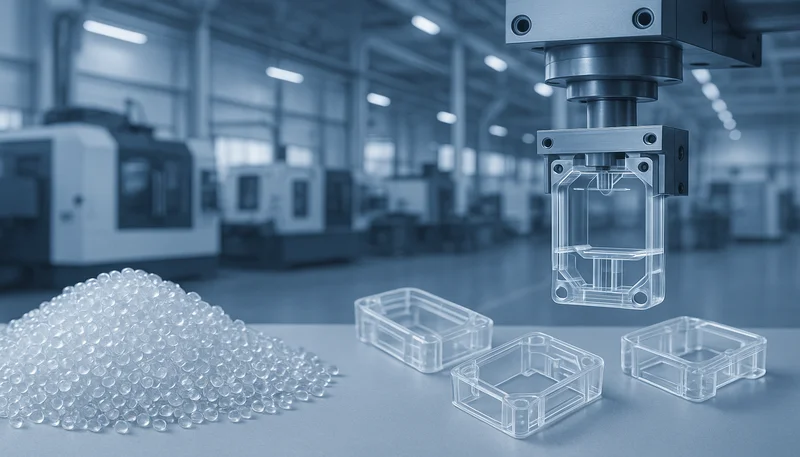
- İnce Duvar Enjeksiyon Kalıplama İçin Hangi Malzemeler En İyi Şekilde Çalışır?
- 2–5 saniyelik çevrim süreleri elde edilebilir — geleneksel kalıplamadan 5 ila 10 kat hızlıdır — bu da prosesi yüksek hacimli ambalaj ve elektronik üretimi için uygun maliyetli kılar.
- Malzeme seçimi kritiktir: MFI değeri 40–60 g/10 min olan polipropilen (PP) ile yüksek akışlı ABS veya PA66+GF sınıfları ince cidarlı uygulamalara hâkimdir.
- Takım çeliği sınıfı (prototipler için P20, 500,000 çevrimi aşan üretim serileri için H13) ve konformal soğutma kanalları, parça kalitesini ve takım ömrünü doğrudan belirler.
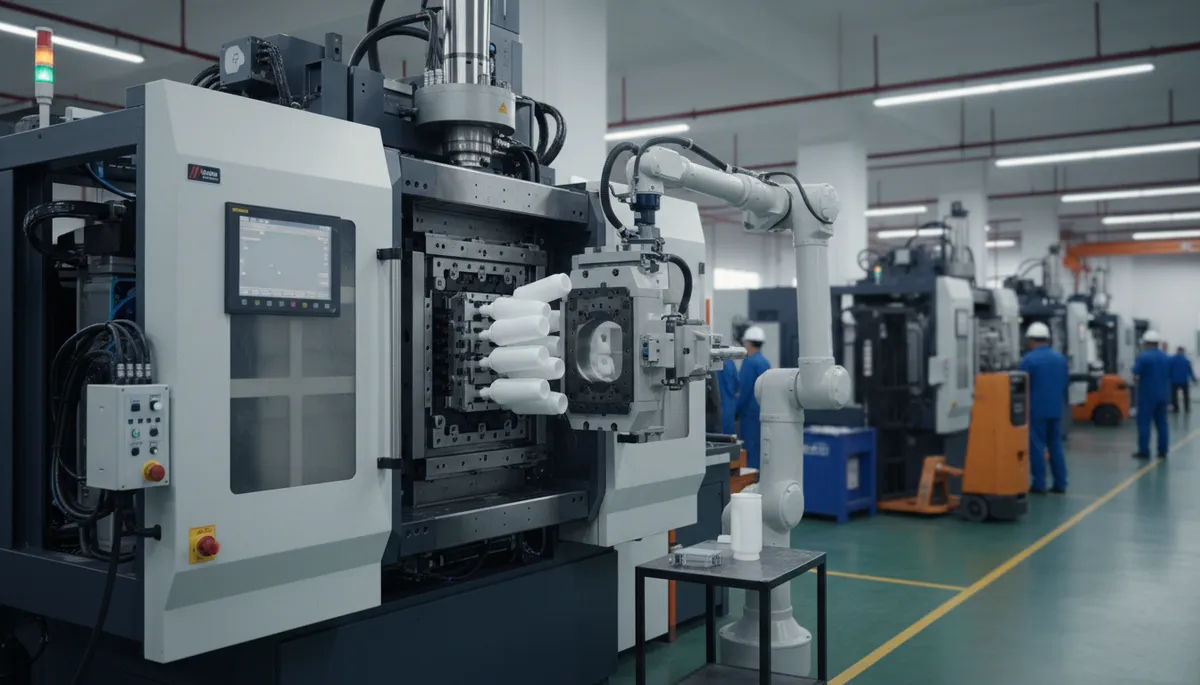
- ZetarMold, ince duvar işleri için özel yüksek hızlı presler dahil 47 enjeksiyon kalıplama makinesi işletir ve müşterileri DFM incelemesinden seri üretime kadar destekler.
İnce Duvarlı Enjeksiyon Kalıplama Nedir?
İnce cidarlı enjeksiyon kalıplama1, et kalınlığı 1 mm’nin altında olan parçaların 500–1.500 mm/sn enjeksiyon hızlarında üretildiği bir imalat prosesidir. Bu makale, et kalınlığı bir milimetrenin altına düştüğünde başarıyı belirleyen parametreleri, malzemeleri, kalıp donanımını ve kusur önleme stratejilerini ele almaktadır.
Daha geniş bir bakış için eksiksiz enjeksiyon kalıplama rehberimiz proses temellerini, malzeme davranışını ve üretim kararlarını ele almaktadır.
Daha geniş bir bağlam için bu konuyu enjeksiyon kalıplama, enjeksiyon kalıbı2 ve tedarikçi bulma rehberiyle karşılaştırın.
İnce cidarlı enjeksiyon kalıplama, et kalınlığı 1,0 mm’nin altında olan ve yüksek hacimli ambalaj ile tüketici elektroniği uygulamalarında çoğu zaman 0,4 mm’ye kadar incelen plastik parçaların üretildiği özel bir imalat prosesidir. Geleneksel kalıplamanın aksine ince cidarlı üretimde, ince malzeme kalıp içinde donmadan önce kalıp boşluğunun tamamen dolması için daha yüksek enjeksiyon hızları, artırılmış tutma basınçları ve hassas kalıp donanımı gerekir. Tasarım toleransları dardır; eriyik sıcaklığından yolluk konumuna kadar her parametre, tutarlı parça kalitesi3 elde etmek için kritik önem taşır.
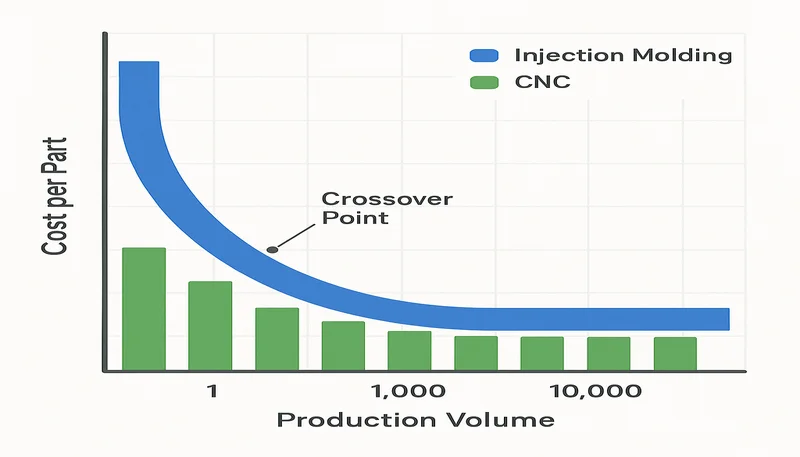
| Metrik | İnce Cidar | Geleneksel | Neden Önemlidir |
|---|---|---|---|
| Duvar kalınlığı | <1.0 mm | 1.5–4.0 mm | Dolum hızı gereksinimini belirler |
| L/T oranı | >150:1 | <100:1 | Birincil sınıflandırma ölçütü |
| Enjeksiyon hızı | 500–1,500 mm/s | 50–200 mm/s | Donmadan daha hızlı ilerlemelidir |
| Kalıp kapama kuvveti | 0.5–0.8 ton/cm2 | Değer: 0.3–0.5 ton/cm2 | Yüksek basınçta çapağa direnir |
ZetarMold fabrikamızda herhangi bir bölümü 0.8 mm’nin altında veya L/T oranı 200:1’in üzerinde olan parçayı ince duvarlı sayarız. Bu eşikte geleneksel makineler kaviteyi dolduramaz. Tüketici ambalajında pratik aralık 0.5–0.9 mm; doğru takımla elektronik ve medikal parçalar 0.3 mm’ye iner.
Proses yalnızca “daha ince duvarlı standart enjeksiyon kalıplama” değildir. Akümülatörlü özel ekipman, tamamen farklı bir giriş stratejisi, daha sıkı sıcaklık kontrolü ve en önemlisi, yüksek basınçlarda çapağa karşı gereken daha yüksek bağlama kuvvetini karşılayan bir kalıp tasarımı gerektirir. Sistemin her unsuru birlikte tasarlanmalıdır.
İnce etli enjeksiyon kalıplama nasıl çalışır?
İnce cidarlı kalıplama, geleneksel enjeksiyon kalıplamaya benzer ancak aşırı parametrelerde çalışır ve boşluk dolumlarını 150 milisaniyenin altında tamamlar. Enjeksiyon aşaması, ince cidarlı işin geleneksel çalışmadan en keskin şekilde ayrıldığı yerdir; tamamen farklı bir makine özelliği ve hızlı dolum ve hassas termal kontrol etrafında inşa edilmiş bir takım stratejisi gerektirir.
Eriyik cephesi malzemenin akışsızlık sıcaklığının altına düşmeden boşluğu doldurmak için enjeksiyon hızı 500–1,500 mm/s’ye ulaşmalıdır. Karşılaştırma için geleneksel kalıplama genellikle 50–200 mm/s hızında çalışır. Daha yüksek hız eriyiği sıkıştırır ve önemli ölçüde kesme ısısı üreterek soğuk kalıp duvarına olan hızlı ısı kaybını dengelemeye yardımcı olur. Zamanlama milisaniye cinsinden ölçülür: 0.5 mm duvarlı bir parça 0.05–0.10 saniyede dolabilir. Yüksek hızlı preslerimizde, tıkalı bir hava tahliyesine veya aşınmaya başlayan bir yolluk girişine işaret edebilecek sapmaları belirlemek için enjeksiyon süresini gerçek zamanlı izleriz.
| Aşama | İnce Cidar Kalıplama | Geleneksel Kalıplama |
|---|---|---|
| Dolum süresi | 0.05–0.15 s | 1–5 s |
| Tutma süresi | 0.5–1.5 s | 3–10 s |
| Soğutma süresi | 2–4 s | 10–45 s |
| Toplam çevrim | 2–5 s | 15–60 s |
Ütüleme ve tutma basıncı, parça katılaşırken oluşan hacimsel büzülmeyi telafi etmek için dolumdan hemen sonra uygulanır. İnce duvarlı üretimde tutma aşaması kısadır — genellikle 0.5–1.5 saniye — çünkü duvar hızla donar ve ek tutma süresi yoğunluğu artırmaz. Aşırı ütüleme, çapak ve yapışmaya neden olan yaygın bir hatadır. Fabrikamızda tutmadan doluma geçişi kalıp gözü içi basınç sensörleriyle izliyor, basınç dengelendiği anda — genellikle dolum tamamlandıktan sonraki 0.8 saniye içinde — tutmayı kesiyoruz.
İnce cidarlı kalıplamada bile çevrim süresi açısından baskın aşama soğutmadır. Et kalınlığı küçük olduğundan ısıl yayılım hızlıdır; çıkarma sıcaklığına ulaşmak için genellikle 2–4 saniye soğutma yeterlidir. Düz delinmiş kanallar yerine kavite konturunu izleyen konformal soğutma kanalları, parça genelindeki sıcaklık değişimini 40–60% azaltır ve 20–30% daha hızlı çevrim sağlar. 0.6 mm PP kapta iyi tasarlanmış konformal soğutma, 2 saniyenin altında çıkarmaya hazır parçalar sunar.
"Daha yüksek enjeksiyon hızı, ince cidarlı kalıplamada eksik dolumu azaltır."True
İnce etli parçalarda eriyik cephesi, plastik katılaşmadan önce kavitenin tüm uç noktalarına ulaşmalıdır. Enjeksiyon hızını 200 mm/sn'den 800 mm/sn'ye çıkarmak dolum süresini %75 azaltır; eriyiği tüm süreç boyunca akışsızlık sıcaklığının üzerinde tutar ve ince kesitlerdeki eksik dolumun kök nedenini ortadan kaldırır.
"İnce duvarlı parçalar için herhangi bir standart enjeksiyon makinesi kullanabilirsiniz."False
Standart makinelerde 500–1,500 mm/s enjeksiyon hızlarına ulaşmak için gereken akümülatör destekli enjeksiyon ünitesi yoktur ve kapama sistemleri ince cidarlar için gereken yüksek kavite basınçlarına (140–250 MPa) göre tasarlanmamıştır. Geleneksel makine kullanımı eksik doluma, aşırı çapağa veya makine hasarına yol açar.
İnce Cidarlı Kalıplamanın Temel İşleme Parametreleri Nelerdir?
İnce cidar işleme dar proses pencerelerinde çalışır: optimum aralıktan herhangi bir sapma hemen kusur üretir. Aşağıdaki parametreler, proses mühendislerimizin kalifikasyon sırasında ayarladığı başlıca kontrol değişkenleridir. Eriyik sıcaklığında 5°C düşüş, enjeksiyon basıncında 10 MPa azalma veya soğutma süresinde 2 saniyelik gecikme, bir parçayı kabul edilebilir durumdan %100 hurdaya çevirebilir — geleneksel 2 mm cidarlı kalıplamada önemsiz kalacak toleranslardır.
| Parametre | İnce Cidar Aralığı | Geleneksel Aralık | Sapmanın Etkisi |
|---|---|---|---|
| Enjeksiyon hızı | 500–1,500 mm/s | 50–200 mm/s | Çok düşük → eksik dolum; çok yüksek → çapak veya jetting |
| Enjeksiyon basıncı | 140–250 MPa | 70–140 MPa | Çok düşük → eksik dolum; çok yüksek → çapak, aşırı sıkma |
| Erime sıcaklığı | 220–280°C (PP) | 200–260°C | Çok yüksek → bozunma; çok düşük → donma |
| Kalıp sıcaklığı | 15–30°C (PP) | 20–60°C | Çok yüksek → çevrim süresi artar; çok düşük → çarpılma |
| Çevrim süresi | 2–5 s | 15–60 s | Çok kısa → parça itme sırasında tamamen katılaşmamış olur |
| Kalıp kapama kuvveti | 0.5–0.8 ton/cm2 | Değer: 0.3–0.5 ton/cm2 | Yetersiz → ayırma çizgisinde çapak |
İnce cidarlı kesitler geleneksel parçalardan 3–5 kat daha hızlı soğuduğu için eriyik sıcaklığı kontrolü özellikle kritiktir. Eriyik sıcaklığı önerilen aralığın 10°C altındaysa dış kabuk, eriyik cephesi son dolum bölgesine ulaşmadan donar ve azami enjeksiyon hızında bile eksik doluma yol açar. Kovan sıcaklık profilini, meme bölgesi arka bölgeden 5–10°C daha yüksek olacak şekilde ayarlar; yollukta tutarlı eriyik sıcaklığını korur ve atımlar arasındaki dolum tutarsızlığını azaltırız.
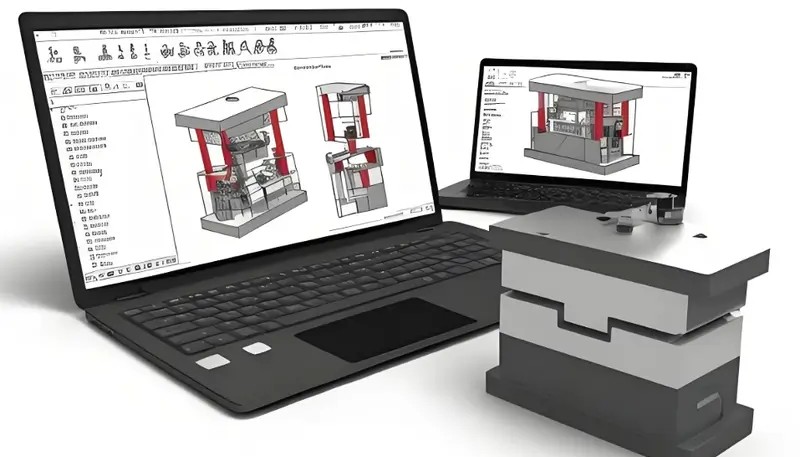
İnce cidarlı takımlar için kapatma kuvveti hesaplaması, yüksek boşluk basınçlarını hesaba katmalıdır. İzdüşümlü alan × 0.3–0.5 ton/cm2 standart tahmini yetersizdir — ince cidarlı işler için 0.5–0.8 ton/cm2 kullanın. Yetersiz kapatılmış bir takım, enjeksiyon parametreleri doğru olsa bile ayırma çizgisinde taşma yapacaktır ve sadece taşmayı durdurmak için enjeksiyon basıncını düşürmek, parçayı kısa dolumlara itecektir.
| Parametre | İnce Duvar Gereksinimi | Geleneksel Referans Değer | Temel Kural |
|---|---|---|---|
| Kalıp kapama kuvveti | 0.5–0.8 ton/cm2 | Değer: 0.3–0.5 ton/cm2 | Başlangıç noktası olarak izdüşüm alanı × 0.65 ile hesaplayın |
| Yolluk girişi kalınlığı | Duvarla eşleştirin (0.6–0.8 mm) | 0.5–1.5 mm | Asla duvar kalınlığından küçük olmamalı |
| Yolluk girişi konumu | En kalın kesit | Her konumda dengeli | Akışı ince bölgelere doğru yönlendirin, tersine değil |
| Hava tahliye derinliği | 0.015–0.025 mm | 0.02–0.04 mm | Dizel etkisini önlemek için son dolum noktalarında |
Yolluk girişi boyutlandırması ince duvarlı kalıplarda özellikle kritiktir. Fazla küçük bir giriş akışı kısıtlayıp basınç düşüşünü artırır; fazla büyük bir giriş ise püskürmeye veya kaynak çizgisi kusurlarına neden olur. 0.8 mm altındaki duvarlarda giriş kalınlığı, duvar kalınlığına eşit veya biraz fazla —genellikle 0.6–0.8 mm— olmalı ve eriyik cephesinin erken donmadan daha ince kesitlere ilerlemesi için parçanın en kalın kesimine yerleştirilmelidir.
Havalandırma çoğu zaman hafife alınır. 1,500 mm/sn’de kavitede sıkışan hava, normal ayırma çizgisi boşluklarından kaçabileceğinden daha hızlı sıkışır. Son dolum noktasındaki özel havalandırma kanalları (0.015–0.025 mm derinlik, 3–5 mm genişlik), yanık izlerini, hava ceplerinden kaynaklanan eksik dolumu ve adyabatik sıkışmanın reçineyi tutuşturmasıyla oluşan çapak benzeri dizel etkisini önler.
İnce Duvarlı Enjeksiyon Kalıplama İçin En Uygun Malzemeler Hangileridir?
İnce duvarlı parçalarda malzeme seçimini akış davranışı belirler. Reçineler, donmadan önce kaviteyi dolduracak kadar yüksek eriyik akış indeksine ve katılaştıktan sonra çatlamadan çıkarılmaya dayanacak kadar mekanik bütünlüğe sahip olmalıdır. Geleneksel kalıplamada kullanılan standart reçineler ince duvar işleri için çoğu zaman fazla viskozdur.
Polipropilen (PP), tüm ince duvarlı ambalaj üretiminin yaklaşık %60’ını oluşturan baskın ince duvar reçinesidir. İdeal sınıf, 40–60 g/10 min MFI değerine sahiptir (230°C/2.16 kg’da ölçülür). Yüksek MFI sınıfları 0.5 mm kesitlere kolayca akar ancak darbe dayanımından ödün verebilir; formülatörler bunu çekirdekleştirici maddeler ve darbe değiştiricilerle dengeler. PP’nin düşük yoğunluğu (0.90–0.91 g/cm3) parça ağırlığını da azaltır; bu, ambalaj ekonomisinin temel etkenlerinden biridir.
Yapısal ve elektronik uygulamalarda yüksek akışlı ABS sınıfları (220°C/10 kg’da MFI 15–25 g/10 dk) ile %15–30 cam elyafla takviye edilmiş PA66 tercih edilir. Cam elyaf rijitliği önemli ölçüde artırır — dolgusuz PA66 için yaklaşık 2.5 GPa’dan PA66+%30GF için 6–8 GPa’ya — ve konnektör muhafazaları, braketler ile muhafaza panelleri için gereken yapısal performansı korurken daha ince duvarlara olanak tanır.
| Malzeme | MFI değeri (g/10 min) | Min. Et Kalınlığı (mm) | En Uygun Uygulamalar | Temel Sınırlama |
|---|---|---|---|---|
| PP (yüksek akışlı) | 40–60 | 0.4 | Ambalajlar, kapaklar, kaplar | Mühendislik reçinelerinden daha düşük rijitlik |
| ABS (yüksek akışlı) | 15–25 | 0.6 | Elektronik muhafazaları, oyuncaklar | Sınırlı kimyasal direnç |
| PA66+GF15% | 10–20 | 0.5 | Konnektör muhafazaları, braketler | Nem emilimi, daha yüksek maliyet |
| HDPE (yüksek akışlı) | 20–40 | 0.5 | Kapaklar, gıda sınıfı ambalaj | Düşük rijitlik, çarpılmaya yatkın |
| LDPE / LLDPE | 15–30 | 0.4 | Esnek kapaklar, kapamalar | Rijit yapılar için uygun değildir |
Birçok alıcıyı şaşırtan malzeme kararı şudur: geleneksel takımlarınızda kullandığınız reçine sınıfı muhtemelen ince cidarlı bir takımda çalışmayacaktır. Müşterilerin 2 mm et kalınlıklı parçada kusursuz çalışan ancak 0.7 mm ince cidarlı takımda 100% eksik doluma yol açan MFI 12 g/10 min değerinde bir PP sınıfı getirdiğini sık görürüz. Reçine yeterlilik değerlendirmesi sonradan düşünülecek bir konu değil, zorunlu bir adımdır; takım onayından önce malzeme denemeleri için bir ila iki hafta ayırın.
İnce Etli Parçalar için Kalıp Nasıl Tasarlanmalıdır?
İnce cidarlı bir kalıp, beş kritik tasarım alanı ile tanımlanır: kapı geometrisi, uyumlu soğutma, havalandırma, çıkarma stratejisi ve çelik seçimi. Bunlardan herhangi birinde hata yapmak, ya kusurlu bir parça, kırık bir takım ya da kabul edilemez derecede uzun bir döngü süresi üretecektir.
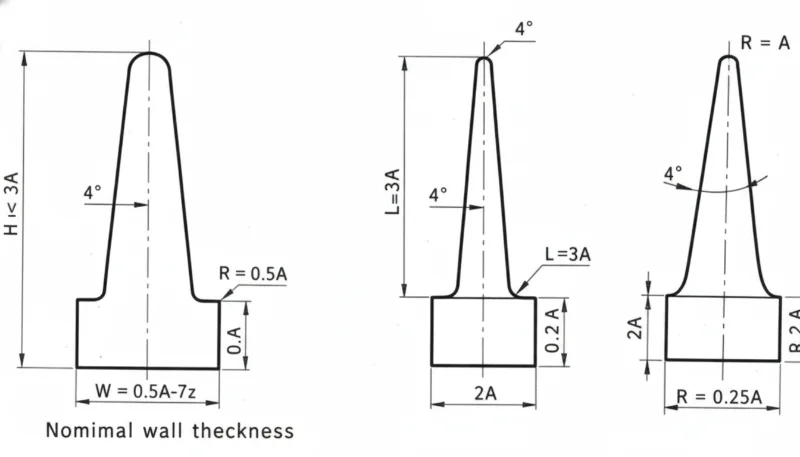
Yolluk tasarımı dolum dengesini ve kaynak çizgisi konumunu belirler. Gıda kapları gibi dikdörtgen ince duvarlı parçalarda bir kenarın tüm genişliği boyunca uzanan film yolluk en eşit dolum cephesini sağlar ve kaynak çizgilerini tamamen ortadan kaldırır. Fan yolluklar daha küçük parçalarda iyi çalışır. En kalın özellikteki, genellikle boss veya federdeki nokta yolluklar (sıcak veya soğuk) eriyiği daha ince alanlara yönlendirir, ancak görünür yüzeylerde kaynak çizgilerini önlemek için dikkatli simülasyon gerektirir.
| Cilt | Önerilen çelik | Sertlik | P20'ye Göre Maliyet |
|---|---|---|---|
| <50,000 atış | Alüminyum (QC-10) | N/A | Tıbbi tek kullanımlık ürünler — şırınga gövdesi, pipet uçları, tanı kartuşları ve mikroakışkan çipler — hem ince duvarlar (0.3–0.7 mm) hem de biyouyumlu malzemeler (USP Sınıf VI sertifikalı reçineler) gerektirir. Temiz oda üretimi ve doğrulanmış süreçler (IQ/OQ/PQ kalifikasyon protokolleri) maliyeti artırır ancak düzenlenmiş pazarlar için pazarlık konusu değildir. Otomotiv iç mekan parçaları (klips yuvaları, konnektör braketleri, kapı paneli ekleri) tabloyu tamamlar, motor bölmesi ve 140°C'ye kadar kabin ortamlarında gerekli olan yapısal sertlik için yüksek cam elyaf içeriğine sahip PA veya PBT gerektirir. |
| 100.000–500.000 vuruş | Ön sertleştirilmiş P20 | 30–36 HRC | Temel Çizgi |
| >1,000,000 atış | H13 sıcak iş takım çeliği | 48–52 HRC | 15–25% daha fazla |
| >5,000,000 atış | H13 + PVD kaplama | 58–62 HRC yüzey | %25–40 daha fazla |
Çelik seçimi üretim hacmine göre belirlenir. 50,000 baskının altındaki prototip serilerinde alüminyum (Alcoa QC-10 veya eşdeğeri) çelik takıma göre daha hızlı işlenir ve %30–50 daha az maliyetlidir. 100,000–500,000 baskılık üretim hacimlerinde P20 ön sertleştirilmiş çelik (30–36 HRC) temel tercihtir. Ambalaj sektöründe tipik olan 1,000,000 baskının üzerindeki yüksek hacimli serilerde 48–52 HRC’ye sertleştirilmiş H13 sıcak iş takım çeliği gerekir. H13, yüksek kavite basınçlarından kaynaklanan daha yüksek temas gerilimine dayanır ve milyonlarca çevrim boyunca boyutsal doğruluğu korur.
"İnce cidarlı üretimde uyumlu soğutma kanalları, ek kalıp maliyetine değer."True
Konformal soğutma kanalları kavite konturunu takip ederek sıcaklık değişimini ±15°C'den ±5°C'ye düşürür ve çevrimleri %20-30 hızlandırır. Bir ambalaj hattında yılda 10 milyon baskıda, çevrim süresinin %20 azalması yılda 2 milyon ek parça anlamına gelir — bu da %15-25 daha yüksek kalıp maliyetini kolayca karşılar.
"Standart P20 kalıp çeliği, tüm ince cidarlı üretim hacimleri için yeterlidir."False
P20 (30–36 HRC), yaklaşık 500,000 baskıya kadar prototip ve orta hacimli işler için yeterlidir. Bu eşiğin üzerinde, ince cidar kalıplamadaki yüksek kavite basınçları (250 MPa'ya kadar) hızlanmış aşınmaya ve boyutsal kaymaya neden olur. Milyonlarca çevrim boyunca giriş ve kavite ölçülerini korumak için yüksek hacimli üretimde 48–52 HRC H13 gerekir.
İnce Cidarlı Enjeksiyon Kalıplamada Yaygın Kusurlar Nelerdir ve Nasıl Önlenir?
İnce etli parçalar proses değişkenliğine son derece duyarlıdır. Nominal koşullarda zar zor kabul edilebilir bir parça üreten aynı kök neden, tek bir parametre %10 saptığında %100 hata oranına yol açar. Belirli hata türlerini anlamak, mühendislerin sıkı proses alarm sınırları belirlemesine ve duruşları önlemesine olanak tanır. ZetarMold’daki kalite sistemimizde tüm ince etli kalıplara, tepe basıncı nominal değerden ±%5’ten fazla saptığında parçayı otomatik reddeden kavite basınç sensörleri takılır; böylece eksik dolum ve çapaklar kalite kontrol aşamasına ulaşmadan yakalanır.
Aşağıdaki tablo, ince cidarlı takımlarda karşılaştığımız en yaygın yedi hatayı, bunların temel nedenlerini ve güvenilir biçimde gideren düzeltici işlemleri özetlemektedir. Birkaç hatanın aynı belirtileri gösterdiğini ancak zıt müdahaleler gerektirdiğini unutmayın — parametreleri ayarlamadan önce temel nedeni doğru belirlemek, arıza giderme süresini önemli ölçüde azaltır.
| Kusur | Karşı yüzeyde çökme izlerini önler | Önleme |
|---|---|---|
| Kısa atış | Yetersiz hız/basınç; dolum tamamlanmadan donma | Enjeksiyon hızını artırın; yolluk girişi boyutunu optimize edin; eriyik sıcaklığını artırın |
| Flaş | Aşırı enjeksiyon basıncı; yetersiz kapama kuvveti; aşınmış ayırma çizgisi | Sıkıştırma basıncını azaltın; kapama tonajını doğrulayın; ayırma çizgisini inceleyin |
| Çarpıklık | Eşit olmayan soğuma; dengesiz akış; artık gerilim | Konformal soğutma; dengeli yolluk; simetrik yolluk ağzı yerleşimi |
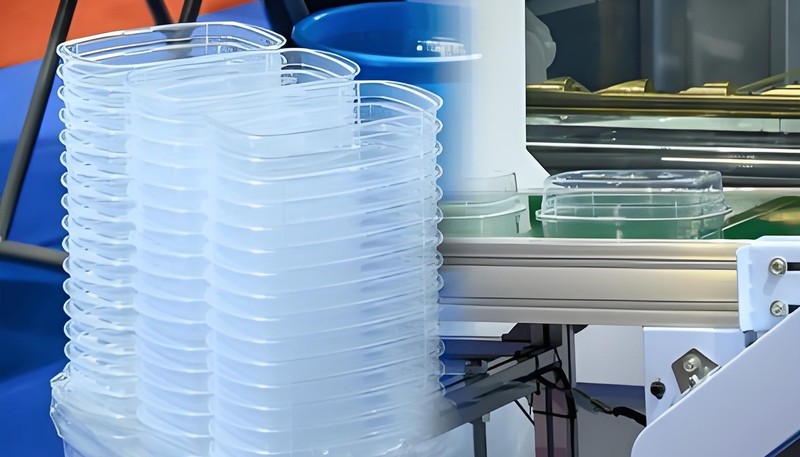
| Çöküntü izleri | Yetersiz sıkıştırma basıncı; yolluğun erken donması | İnce duvarlı gıda ambalajı kabı |
| Kaynak hatları | Yeterli ısı olmadan birleşen birden fazla akış cephesi | Yolluk girişini yeniden konumlandırın; eriyik sıcaklığını artırın; et kalınlığı değişimini azaltın |
| Yanık izleri | Hapsolmuş hava; dolum sonu bölgesinde aşırı enjeksiyon hızı | Son dolum noktalarına havalandırma ekleyin; dolumun son %5–10'unda hızı azaltın |
| Fışkırma | Giriş çok küçük; kötü giriş tasarımıyla birlikte yüksek enjeksiyon hızı | Film veya yelpaze giriş kullanın; giriş çapını artırın; girişte enjeksiyon hızını azaltın |
"İnce cidar sorunlarını giderirken proses parametrelerini ayarlamadan önce kusurun temel nedenini belirlemek zorunludur."True
Bazı ince cidar kusurları aynı görünür belirtileri paylaşsa da zıt düzeltici işlemler gerektirir. Kaynak çizgileri ve çöküntü izlerinin ikisi de yüzey çökmesi olarak görünebilir; ütüleme basıncını artırmak çöküntü izini giderir ancak kaynak çizgisinin kök nedenine (giriş konumu ve eriyik sıcaklığı) etki etmez. Benzer şekilde çapak ve eksik dolum zıt koşullardan kaynaklanır: aşırı basınca karşı yetersiz basınç. Kusurun yanlış teşhis edilmesi ve ayarın yanlış yönde değiştirilmesi genellikle sorunu ağırlaştırır, makine zamanını boşa harcar ve takıma zarar verebilir.
"Ambalaj, elektronik ve tıbbi uygulamalardaki ince duvarlı enjeksiyon kalıplamada aynı proses ayarları kullanılabilir."False
Her uygulama segmenti temelden farklı proses parametreleri ve kalite gereksinimleri ister. Ambalaj, azami çıktı ve asgari malzeme maliyetine göre optimize edilir (basit QC, FDA reçine uyumu). Elektronik, dar boyutsal toleranslarla (±0.1 mm) A Sınıfı yüzey kalitesi gerektirir. Medikal uygulamalar IQ/OQ/PQ proses doğrulaması, temiz oda üretimi ve biyouyumlu reçineler (USP Sınıf VI) ister. Otomotiv parçaları PPAP yeterliliği ve IATF 16949 kontrolleri gerektirir. Tek bir proses penceresi tüm bu segmentlere hizmet etmez; malzeme seçimi, doğrulama protokolleri ve QC titizliği önemli ölçüde farklıdır.
ZetarMold’daki üretim deneyimimizde en sık yanlış teşhis edilen ince cidar kusuru, çökme izi sanılan kaynak çizgisidir. Kaynak çizgisi, yüzeyde çoğu zaman hafif bir çöküntünün eşlik ettiği görünür bir dikiş olarak belirir. Operatörler bazen tutma basıncını artırır; bu derinliği düzeltir ancak dikişin görünürlüğünü gidermez. Asıl çözüm, iki akış cephesinin görünmeyen bir yüzeyde birleşmesi için yolluğu yeniden konumlandırmak veya üretim başladıktan sonra değil, kalıp kesilmeden önce tasarım aşamasında kaynak çizgisi konumlarını öngörüp ortadan kaldırmak üzere kalıp akış analizi simülasyonu çalıştırmaktır.
İnce Duvarlı Takımlarda Çapak Kontrolü
Taşma önleme sistematik bir yaklaşım gerektirir. Enjeksiyon parametrelerini ayarlamanın ötesinde, kapatma tonajının doğru hesaplandığını doğrulamanız gerekir — ince cidarlı parçalar için, geleneksel 0.3–0.5 ton/cm2 yerine boşluğun izdüşümlü alanının 0.5–0.8 ton/cm2 ile çarpımını kullanın. Yetersiz kapatılmış ince cidarlı takımlar düşük dolum basıncında taşar; düzgün dolum için basıncı artırmak sadece taşmayı kötüleştirir. Bir takım düşük dolum basıncında bile sürekli taşıyorsa, başka herhangi bir parametreyi ayarlamadan önce önce kapatma kuvveti hesaplamasını kontrol edin. Plakadaki dijital bir kapatma kuvveti göstergesi, gerçek zamanlı geri bildirim sağlar ve çoğu taşma kusuruna neden olan tahmin işinden kaçınmanıza yardımcı olur.
İnce Duvarlı Enjeksiyon Kalıplama Nerelerde Kullanılır?
İnce cidarlı enjeksiyon kalıplama; gıda ambalajı, elektronik, medikal, otomotiv ve kapak uygulamalarındaki hafif parçalar için baskın prosestir. Her segmentin kalıp tasarımını ve proses kontrol stratejilerini doğrudan etkileyen farklı et kalınlığı gereksinimleri, malzeme teknik özellikleri, kalite standartları ve üretim ölçeği gereksinimleri vardır.
| Endüstri | Tipik Duvar (mm) | Temel Malzeme | Hacim/Yıl |
|---|---|---|---|
| Gıda ve içecek ambalajı | 0.5–0.8 | PP (FDA sınıfı) | Milyarlarca birim |
| Tüketici elektroniği | 0.8–1.2 | ABS / PC-ABS | Yüz milyonlarca adet |
| Tek kullanımlık medikal ürünler | 0.3–0.7 | PP / PE (USP VI) | Milyarlarca birim |
| Otomotiv iç mekanı | 1.0–1.5 | PA+GF / PBT | On milyonlarca |
| Endüstriyel kapaklar & kapama elemanları | 0.6–1.0 | PP / HDPE | Milyarlarca birim |
Pazara Özgü Gereksinimlere Genel Bakış
Gıda ve içecek ambalajı açık ara en büyük hacmi oluşturur. Yoğurt, şarküteri ürünleri ve hazır yemekler için PP ince cidarlı kaplar, kavite başına günde 10,000–50,000 çevrim gibi çok yüksek hızlarda üretilir. Et kalınlığı genellikle 0.5–0.8 mm’dir. 21 CFR gerekliliklerini karşılayan FDA uyumlu PP sınıfları standarttır; ağır metal stabilizatörü ve BPA içermez. Ekonomi caziptir: 0.6 mm et kalınlıklı bir kap, 0.9 mm eşdeğerinden 25–30% daha az malzeme kullanır.
Tüketici elektroniği muhafazaları, ikinci en büyük ince duvar segmentidir. Akıllı telefon kasaları, dizüstü bilgisayar avuç içi dayanakları ve tablet arka kapakları; gömülü geçmeli özellikler ve canlı menteşelerle A Sınıfı yüzey kalitesi elde etmek için ABS veya PC/ABS karışımlarında 0.8–1.2 mm duvar gerektirir. Boyutsal toleranslar sıkıdır — tipik olarak ±0.1 mm — ve yüzey bitişinde akış izi bulunmamalıdır; bu da takım üretiminden önce dikkatli giriş konumlandırması ve kalıp akış simülasyonu gerektirir. Tampon baskı, ultrasonik kaynak ve yüzey kaplama dahil kalıplama sonrası işlemler, doğru şekilde doğrulandığında ince duvar proseslerinin sağladığı parçalar arası tutarlılığı gerektirir.
| Bölüm | Temel Standart | Kritik Gereksinim |
|---|---|---|
| Gıda ambalajları | FDA 21 CFR | Reçine uygunluğu, BPA içermez |
| Tıbbi cihazlar | USP Sınıf VI / ISO 10993 | Biyouyumluluk, proses doğrulama |
| Otomotiv | IATF 16949 | PPAP, Cpk ≥1.67 hedefi |
| Elektronik | RoHS / REACH | Halojensiz malzemeler |
Şangay fabrikamızda, ince duvar üretimi için özel yüksek hızlı presler de dahil olmak üzere, 90T'den 1850T'ye kadar 47 enjeksiyonlu kalıplama makinesi çalıştırıyoruz. 400'den fazla plastik malzeme konusundaki deneyimimizle, müşterilerimize DFM incelemesinden, 0,3 mm tıbbi tek kullanımlık malzemelerden saatte 15.000 atışla çalışan yüksek hacimli PP ambalajlara kadar ince duvarlı parçaların seri üretimi yoluyla destek veriyoruz.
Tıbbi tek kullanımlık ürünler — şırınga kovanları, pipet uçları, tanı kartuşları ve mikroakışkan çipler — hem ince cidarlar (0.3–0.7 mm) hem de biyouyumlu malzemeler (USP Sınıf VI sertifikalı reçineler) gerektirir. Temiz oda üretimi ve doğrulanmış süreçler (IQ/OQ/PQ yeterlilik protokolleri) maliyet ekler ancak düzenlemeye tabi pazarlar için vazgeçilmezdir. Otomotiv iç parçaları (klips gövdeleri, konnektör braketleri, kapı paneli insertleri) tabloyu tamamlar ve 140°C’ye kadar motor bölmesi ve kabin ortamlarında gereken yapısal rijitlik için yüksek cam elyaf içerikli PA veya PBT gerektirir.
İnce Cidarlı Enjeksiyon Kalıplama Hakkında Sık Sorulan Sorular
Sıkça Sorulan Sorular
Enjeksiyon kalıplamada hangi duvar kalınlığı ‘ince duvar’ sayılır?
Herhangi bir kesiti 1.0 mm’nin altında ve akış uzunluğunun kalınlığa oranı (L/T) 150:1’in üzerinde olan parça, ince etli olarak sınıflandırılır. Uygulamada çoğu ambalaj ürünü 0.5–0.8 mm aralığındadır. Et kalınlığı 1.0–1.5 mm ve L/T oranı yüksek (150:1–200:1) parçalar, bazı ince et proses ayarları gerektiren ancak mutlaka özel ince et ekipmanı gerektirmeyen bir geçiş bölgesindedir. Daha güvenilir sınıflandırma ölçütü L/T oranıdır: Uzun ve ince bir 1.2 mm kesit, dolum sırasında gerçek bir ince etli parça gibi davranabilir.
İnce cidarlı enjeksiyon kalıplama, standart kalıplamaya kıyasla ne kadar hızlıdır?
İnce cidarlı parçalarda çevrim genellikle 2–5 saniyedir; geleneksel enjeksiyon kalıplamadaki 15–60 saniyeye göre 5–10 kat hız avantajı sağlar. İnce kesitlerden hızlı ısı dağılımı soğutmayı ciddi ölçüde kısaltır. ZetarMold’da yüksek hacimli ince cidarlı ambalaj, çok gözlü takımlarda saatte 12,000–15,000 baskıyla çalışır ve 16 gözlü takımda saatte 100,000’den fazla bitmiş parça üretir. Yıllık ölçekte bu hız doğrudan düşük parça maliyetine ve talep artışlarına hızlı yanıta dönüşür.
İnce etli parçalar için hangi enjeksiyon basıncı gerekir?
İnce cidarlı enjeksiyon kalıplama, geleneksel kalıplamadaki 70–140 MPa’ya karşılık 140–250 MPa enjeksiyon basıncı gerektirir. Yüksek basınç, yüksek debili eriyiği donma gerçekleşmeden önce çok ince gözlere sürmek için gereklidir. Makineler gereken hızlı basınç yükselişini sağlamak üzere akümülatörler veya servo tahrikli enjeksiyon üniteleriyle donatılmalıdır; geleneksel hidrolik makineler yeterince hızlı yanıt veremez. Yalnızca makinedeki hidrolik basıncı değil, kalıp içindeki gerçek basıncı izlemek ve kontrol etmek için göz basınç sensörleri kuvvetle önerilir.
Mevcut enjeksiyon kalıplama makinemi ince cidarlı parçalar için kullanabilir miyim?
Önemli yükseltmeler olmadan genellikle mümkün değildir. Standart makinelerde 500–1.500 mm/s enjeksiyon hızına ulaşmak için gereken akümülatör destekli enjeksiyon ünitesi yoktur. Geleneksel makinenin enjeksiyon ünitesi tepki süresi fazla yavaştır; tam basınç oluşana kadar ince kesit donmaya başlamış olur. Tutarlı üretim için Husky, Netstal veya Engel’in servo-elektrik ya da akümülatör-hidrolik sistemli özel ince duvar presleri gerekir. Bazı işlemciler mevcut makineye akümülatör ekler; dönüşüm sonrasında enjeksiyon hızı ve tepki süresi doğrulanırsa bu çözüm işe yarayabilir.
Enjeksiyon kalıplamayla elde edilebilen minimum cidar kalınlığı nedir?
Üretim enjeksiyon kalıplamada elde edilebilen minimum duvar kalınlığı, yerel ısıtmalı hassas kalıplarda yüksek akışlı PP veya LCP reçineleri kullanılarak yaklaşık 0.3 mm’dir. 0.5–0.6 mm duvarlar, bir dizi malzeme arasında daha rutin olarak elde edilebilir. Minimum duvar kalınlığını sınırlayan faktörler arasında dolum sıcaklığındaki malzeme viskozitesi, kapıdan son dolum noktasına olan mesafe (akış uzunluğu), kalıp sıcaklığı düzgünlüğü ve mevcut enjeksiyon basıncı bulunur. 0.3 mm’nin altında, boyutsal tutarlılığı korumak için özel ekipmanlar — 1 cm3’ün altında namlu hacimleri, hassas vidalar — ile mikro-enjeksiyon kalıplama gereklidir.
İnce cidarlı enjeksiyon kalıplama özel kalıp çeliği gerektirir mi?
Evet. 50,000 baskının altındaki prototip ve düşük hacimli işlerde alüminyum kalıp (Alcoa QC-10 veya eşdeğeri) uygun maliyetlidir ve daha hızlı işlenir. 100,000–500,000 baskılık orta üretim serilerinde P20 ön sertleştirilmiş çelik (30–36 HRC) standart seçimdir. Ambalaj sektöründe tipik olan 1,000,000 baskının üzerindeki yüksek hacimli üretimde, 250 MPa’ya varan daha yüksek kavite basınçlarına direnmek ve milyonlarca çevrim boyunca yolluk aşınması veya kavite deformasyonu olmadan boyutsal doğruluğu korumak için 48–52 HRC’ye sertleştirilmiş H13 sıcak iş takım çeliği gerekir.
enjeksiyon kalıplama: Enjeksiyon kalıplama; plastiğin eritildiği, kalıp boşluğuna enjekte edildiği, parçanın soğutulduğu ve istikrarlı seri üretim için çevrimin tekrarlandığı üretim prosesidir. ↩
enjeksiyon kalıbı: Enjeksiyon kalıbı; parça geometrisini, soğutma davranışını, parçanın çıkarılmasını, yolluk düzenini, yüzey kalitesini ve tekrarlanabilirliği belirleyen hassas takımdır. ↩
kalite: Kalite; DFM'yi, kalıp doğrulamayı, proses pencerelerini, muayene planlarını ve düzeltici faaliyetleri tekrarlanabilir çıktıda birleştiren bir üretim disiplinidir. ↩