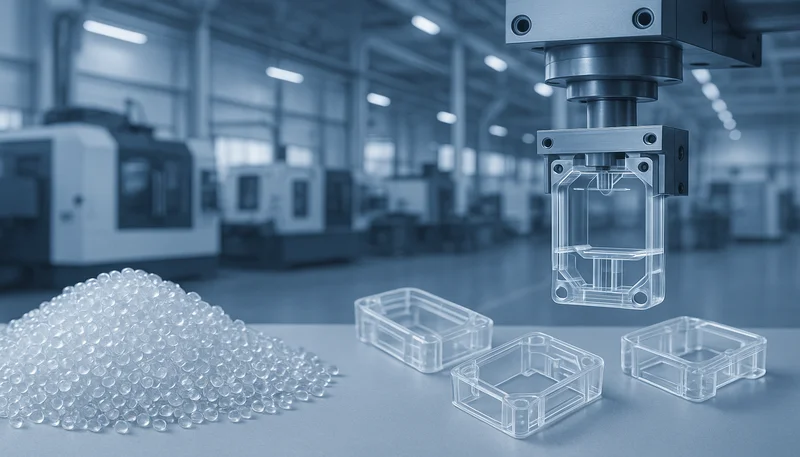
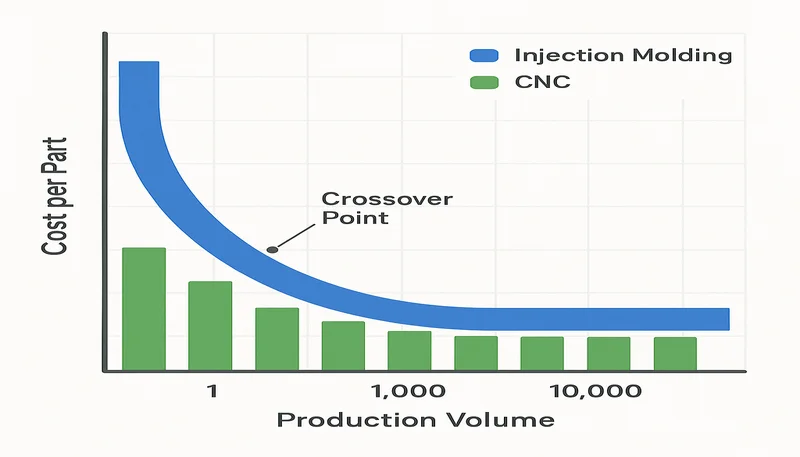
- Insufficiente → flash alla linea di separazione
- Sono possibili cicli di 2–5 secondi, da 5 a 10 volte più rapidi rispetto allo stampaggio convenzionale, rendendo il processo conveniente per imballaggi ed elettronica prodotti in grandi volumi.
- La scelta del materiale è fondamentale: il polipropilene (PP) con MFI di 40–60 g/10 min e i gradi ad alta fluidità di ABS o PA66+GF dominano le applicazioni a parete sottile.
- Il grado dell'acciaio per utensili (P20 per i prototipi, H13 per cicli di produzione superiori a 500,000 cicli) e i canali di raffreddamento conformati determinano direttamente la qualità del pezzo e la durata dello stampo.
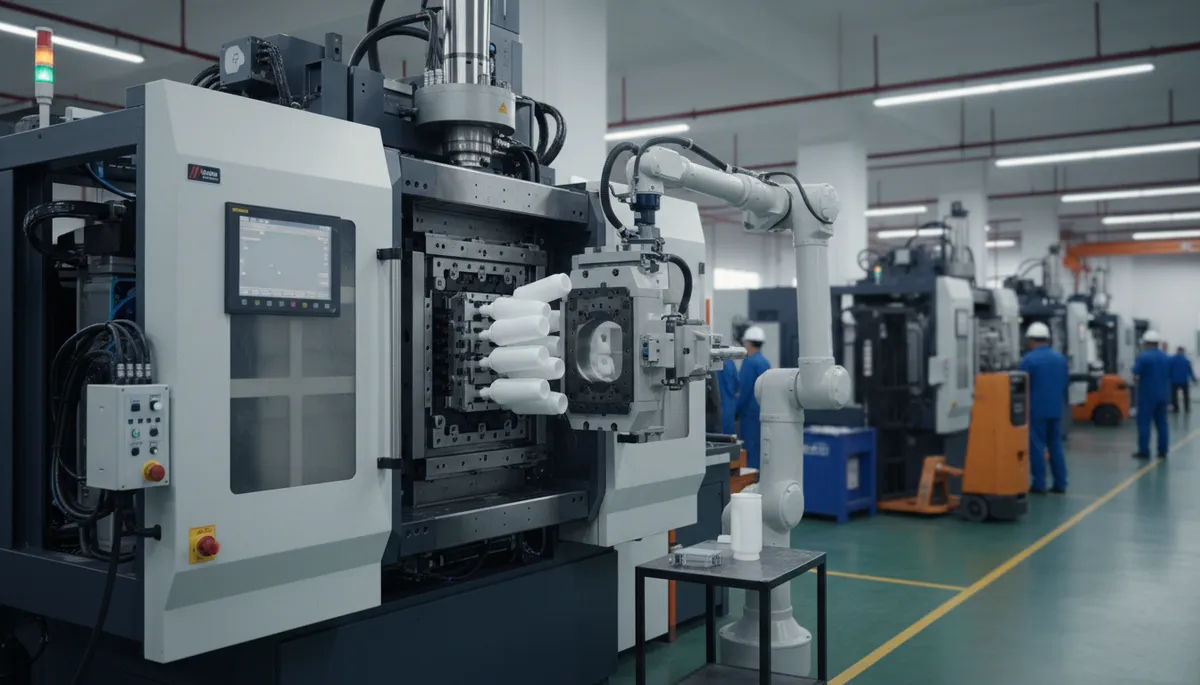
- ZetarMold gestisce 47 macchine di stampaggio a iniezione, comprese presse ad alta velocità dedicate alle pareti sottili, supportando i clienti dalla revisione DFM fino alla produzione in serie.
Che cos’è lo stampaggio a iniezione a parete sottile?
Lo stampaggio a iniezione a parete sottile1 è un processo produttivo per pezzi con pareti inferiori a 1 mm, eseguito a velocità di iniezione comprese tra 500 e 1.500 mm/s. Questo articolo illustra i parametri, i materiali, le attrezzature e le strategie di prevenzione dei difetti che determinano il successo quando lo spessore della parete scende sotto un millimetro.
Per una visione più ampia, la nostra guida completa allo stampaggio a iniezione illustra i fondamenti del processo, il comportamento dei materiali e le decisioni produttive.
Per un contesto più ampio, confrontate questo argomento con lo stampaggio a iniezione, lo stampo a iniezione2 e la guida alla selezione dei fornitori.
Lo stampaggio a iniezione a parete sottile è un processo produttivo specializzato per realizzare pezzi in plastica con pareti inferiori a 1,0 mm, che spesso arrivano a soli 0,4 mm negli imballaggi di grande serie e nell’elettronica di consumo. A differenza dello stampaggio convenzionale, la lavorazione a parete sottile richiede velocità di iniezione più elevate, maggiori pressioni di mantenimento e attrezzature di precisione per riempire completamente la cavità prima che il sottile strato di materiale solidifichi nello stampo. I margini di progettazione sono ridotti e ogni parametro, dalla temperatura del fuso alla posizione del punto di iniezione, diventa determinante per ottenere una qualità3 costante dei pezzi.
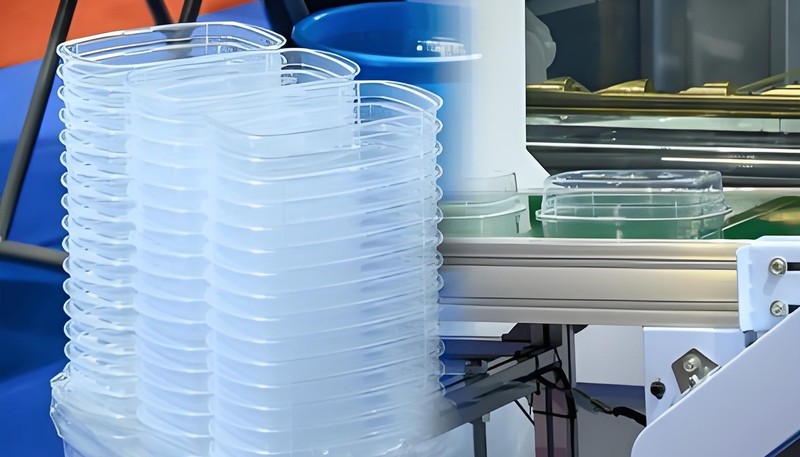
| Metrico | Parete sottile | Convenzionale | Perché è importante |
|---|---|---|---|
| Spessore della parete | <1.0 mm | 1.5–4.0 mm | Determina la velocità di riempimento richiesta |
| Rapporto L/T | >150:1 | <100:1 | Criterio di classificazione principale |
| Velocità di iniezione | 500–1,500 mm/s | 50–200 mm/s | Deve precedere la solidificazione |
| Forza di chiusura | 0,5–0,8 ton/cm² | 0,3–0,5 tonnellate/cm² | Resiste alla bava ad alta pressione |
Nella nostra fabbrica ZetarMold classifichiamo generalmente una parte come a parete sottile quando una sezione è inferiore a 0.8 mm o quando il rapporto L/T supera 200:1. A questa soglia, le macchine convenzionali non riescono semplicemente a riempire la cavità: il materiale solidifica a metà flusso e si ottiene ogni volta un riempimento incompleto. L’intervallo pratico dello spessore delle pareti per la maggior parte degli imballaggi di consumo è 0.5–0.9 mm; con la geometria corretta dell’attrezzatura, le parti elettroniche e medicali possono scendere fino a 0.3 mm.
Il processo non è semplicemente uno “stampaggio a iniezione tradizionale con pareti più sottili”. Richiede attrezzature dedicate con accumulatori, una strategia di iniezione completamente diversa, un controllo più rigoroso della temperatura e, soprattutto, uno stampo progettato per sostenere la maggiore forza di chiusura necessaria a evitare bave alle pressioni elevate. Ogni elemento del sistema deve essere progettato in modo integrato.
Come funziona lo stampaggio a iniezione a parete sottile?
Lo stampaggio a pareti sottili è simile allo stampaggio a iniezione convenzionale ma funziona con parametri estremi, completando il riempimento della cavità in meno di 150 millisecondi. La fase di iniezione è dove il lavoro a pareti sottili diverge più nettamente da quello convenzionale, richiedendo una specifica della macchina completamente diversa e una strategia di costruzione dello stampo basata su riempimento rapido e controllo termico preciso.
La velocità di iniezione deve raggiungere 500–1,500 mm/s per riempire la cavità prima che il fronte del fuso scenda al di sotto della temperatura di non flusso del materiale. Come riferimento, lo stampaggio convenzionale opera tipicamente a 50–200 mm/s. La velocità più elevata comprime il fuso e genera una notevole quantità di calore da taglio, contribuendo a compensare la rapida dispersione termica verso la parete fredda dello stampo. I tempi si misurano in millisecondi: un componente con parete di 0.5 mm può riempirsi in 0.05–0.10 secondi. Sulle nostre presse ad alta velocità monitoriamo in tempo reale il tempo di iniezione per rilevare qualsiasi deriva che possa indicare uno sfiato ostruito o un punto di iniezione che inizia a usurarsi.
| Fase | Stampaggio a parete sottile | Stampaggio convenzionale |
|---|---|---|
| Come Scegliere la Velocità di Iniezione Giusta per lo Stampaggio | 0.05–0.15 s | 1–5 s |
| Tempo di mantenimento | 0.5–1.5 s | 3–10 s |
| Tempo di raffreddamento | 2–4 s | 10–45 s |
| Ciclo totale | 2–5 s | 15–60 s |
La pressione di compattazione e mantenimento viene applicata subito dopo il riempimento per compensare il ritiro volumetrico durante la solidificazione del pezzo. Nei pezzi a parete sottile, la fase di mantenimento è breve, in genere 0.5–1.5 secondi, perché la parete congela rapidamente e un tempo aggiuntivo non migliora la densità. La sovracompressione è un errore comune che causa bava e incollaggio. Nel nostro stabilimento monitoriamo la transizione dal riempimento al mantenimento mediante sensori di pressione in cavità, interrompendo il mantenimento non appena la pressione si stabilizza, di solito entro 0.8 secondi dal completamento del riempimento.
Il raffreddamento è la fase dominante in termini di tempo ciclo anche nello stampaggio a parete sottile. Poiché lo spessore è ridotto, la diffusione termica è rapida: 2–4 secondi di raffreddamento sono generalmente sufficienti per raggiungere la temperatura di espulsione. I canali conformali che seguono il profilo della cavità, anziché canali rettilinei forati, riducono del 40–60% la variazione di temperatura sul pezzo e consentono cicli più rapidi del 20–30%. Per un contenitore in PP da 0.6 mm, un raffreddamento conformale ben progettato produce pezzi pronti per l’espulsione in meno di 2 secondi.
"Una velocità di iniezione maggiore riduce i riempimenti incompleti nello stampaggio a parete sottile."True
Nei pezzi a parete sottile, il fronte del fuso deve raggiungere tutte le estremità della cavità prima che la plastica solidifichi. Aumentare la velocità di iniezione da 200 mm/s a 800 mm/s riduce il tempo di riempimento del 75%, mantenendo il fuso sopra la temperatura di arresto del flusso per tutto il percorso ed eliminando la causa principale delle stampate incomplete nelle sezioni sottili.
"È possibile usare qualsiasi pressa a iniezione standard per pezzi a parete sottile."False
Le presse standard non dispongono dell’unità di iniezione assistita da accumulatore necessaria per raggiungere velocità di 500–1.500 mm/s e i loro sistemi di chiusura non sono progettati per le alte pressioni in cavità, pari a 140–250 MPa, richieste dalle pareti sottili. L’uso di una pressa convenzionale causa riempimenti incompleti, bave eccessive o danni alla macchina.
Quali sono i parametri di processo fondamentali per lo stampaggio a parete sottile?
La lavorazione a parete sottile opera in finestre ristrette: ogni deviazione dall’intervallo ottimale produce immediatamente difetti. I parametri seguenti sono le leve principali regolate dai nostri tecnici durante la qualificazione. Una diminuzione di 5 °C della temperatura del fuso, una riduzione di 10 MPa della pressione d’iniezione o un ritardo di 2 secondi nel raffreddamento possono trasformare un pezzo accettabile in scarto al 100%, tolleranze irrilevanti nello stampaggio convenzionale con pareti di 2 mm.
| Parametro | Intervallo delle pareti sottili | Intervallo convenzionale | Effetto della deviazione |
|---|---|---|---|
| Velocità di iniezione | 500–1,500 mm/s | 50–200 mm/s | Troppo bassa → stampata incompleta; troppo alta → bave o getto libero |
| Pressione di iniezione | 140–250 MPa | 70–140 MPa | Troppo bassa → riempimento incompleto; troppo alta → bava, serraggio eccessivo |
| Temperatura di fusione | 220–280°C (PP) | 200–260°C | Troppo alta → degradazione; troppo bassa → congelamento |
| Temperatura dello stampo | 15–30°C (PP) | 20–60°C | Troppo alta → aumento del tempo ciclo; troppo bassa → deformazione |
| Tempo di ciclo | 2–5 s | 15–60 s | Troppo breve → pezzo non completamente solidificato al momento dell'espulsione |
| Forza di chiusura | 0,5–0,8 ton/cm² | 0,3–0,5 tonnellate/cm² | Insufficiente → bava sulla linea di divisione |
Raffreddamento non uniforme; flusso sbilanciato; stress residuo
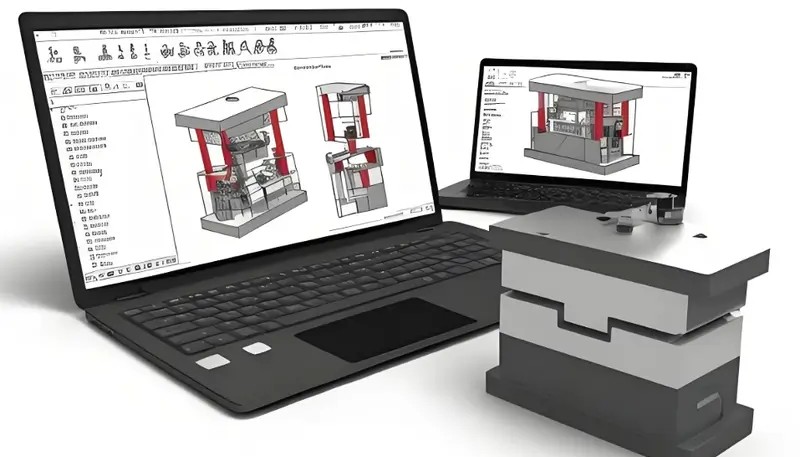
Il calcolo della forza di chiusura per gli stampi a pareti sottili deve tenere conto delle elevate pressioni in cavità. La stima standard di area proiettata × 0,3–0,5 ton/cm2 è insufficiente — utilizzare 0,5–0,8 ton/cm2 per il lavoro a pareti sottili. Uno stampo sottodimensionato in chiusura presenterà sfrido sulla linea di separazione anche quando i parametri di iniezione sono corretti, e semplicemente ridurre la pressione di iniezione per fermare lo sfrido porterà il pezzo a difetti da mancato riempimento.
| Parametro | Requisito di parete sottile | Riferimento convenzionale | Regola fondamentale |
|---|---|---|---|
| Forza di chiusura | 0,5–0,8 ton/cm² | 0,3–0,5 tonnellate/cm² | Calcolare dall'area proiettata × 0,65 come punto di partenza |
| Spessore del punto di iniezione | Uguale alla parete (0,6–0,8 mm) | 0.5–1.5 mm | Mai inferiore allo spessore della parete |
| Posizione del punto di iniezione | Sezione più spessa | Bilanciato ovunque | Flusso verso le aree sottili, non in direzione opposta |
| Profondità dello sfiato | 0.015–0.025 mm | 0.02–0.04 mm | Nei punti di fine riempimento per prevenire l'effetto diesel |
Il dimensionamento del punto di iniezione è particolarmente critico negli stampi a parete sottile. Un punto troppo piccolo limita il flusso e aumenta la caduta di pressione; uno troppo grande provoca getto libero o difetti della linea di giunzione. Per pareti inferiori a 0.8 mm, lo spessore del punto di iniezione deve corrispondere o essere leggermente superiore allo spessore della parete — generalmente 0.6–0.8 mm — e deve essere posizionato nella sezione più spessa del pezzo, per consentire al fronte del fuso di avanzare verso le sezioni più sottili senza solidificare prematuramente.
La ventilazione viene spesso sottovalutata. A 1.500 mm/s, l’aria intrappolata nella cavità si comprime più rapidamente di quanto possa uscire attraverso i normali giochi della linea di divisione. Apposite scanalature di sfiato profonde 0,015–0,025 mm e larghe 3–5 mm, collocate nell’ultimo punto di riempimento, evitano bruciature, riempimenti incompleti dovuti a sacche d’aria ed effetto diesel, un difetto simile alla bava causato dall’accensione della resina per compressione adiabatica.
Quali materiali funzionano meglio nello stampaggio a parete sottile?
La selezione dei materiali per le parti a parete sottile è dominata dal comportamento del flusso. Le resine devono avere un indice di fluidità del fuso sufficientemente elevato da riempire la cavità prima della solidificazione, ma anche un’integrità meccanica sufficiente dopo la solidificazione per resistere all’espulsione senza criccarsi. Le resine standard utilizzate nello stampaggio convenzionale sono spesso troppo viscose per le pareti sottili.
Il polipropilene (PP) è la resina dominante per pareti sottili e rappresenta circa il 60% dell’intera produzione di imballaggi a parete sottile. Il grado ideale presenta un MFI di 40–60 g/10 min (misurato a 230°C/2.16 kg). I gradi ad alto MFI scorrono facilmente in sezioni da 0.5 mm, ma possono sacrificare la resistenza all’urto; i formulatori compensano questo aspetto con agenti nucleanti e modificatori d’impatto. La bassa densità del PP (0.90–0.91 g/cm3) riduce inoltre il peso del componente, un fattore determinante per l’economia degli imballaggi.
Per applicazioni strutturali ed elettroniche sono preferibili gradi di ABS ad alta fluidità (MFI 15–25 g/10 min a 220 °C/10 kg) e PA66 rinforzato con il 15–30% di fibra di vetro. La fibra di vetro aumenta notevolmente la rigidità — da circa 2,5 GPa per il PA66 non caricato a 6–8 GPa per il PA66+30%GF — consentendo pareti più sottili pur mantenendo le prestazioni strutturali richieste per alloggiamenti di connettori, staffe e pannelli di involucri.
| Materiale | Indice MFI (g/10 min) | Parete min. (mm) | Applicazioni migliori | Limite principale |
|---|---|---|---|---|
| PP (alta fluidità) | 40–60 | 0.4 | Imballaggi, tappi, contenitori | Rigidità inferiore rispetto alle resine tecniche |
| ABS (alta fluidità) | 15–25 | 0.6 | Alloggiamenti elettronici, giocattoli | Resistenza chimica limitata |
| PA66+GF15% | 10–20 | 0.5 | Alloggiamenti per connettori, staffe | Assorbimento di umidità, costo maggiore |
| HDPE (alta fluidità) | 20–40 | 0.5 | Tappi, imballaggi per alimenti | Bassa rigidità, soggetto a deformazione |
| LDPE / LLDPE | 15–30 | 0.4 | Coperchi flessibili, chiusure | Non adatto a strutture rigide |
Una decisione sul materiale sorprende molti acquirenti: usare lo stesso grado di resina degli stampi convenzionali probabilmente non funzionerà in uno stampo a parete sottile. Vediamo spesso clienti utilizzare un grado di PP con MFI di 12 g/10 min, perfetto per un pezzo con parete da 2 mm, ma che causa il 100% di riempimenti incompleti in uno stampo con parete da 0.7 mm. La qualifica della resina è una fase obbligatoria, non un ripensamento: prevedere da una a due settimane per le prove del materiale prima dell’approvazione dello stampo.
Come progettare uno stampo per pezzi a parete sottile?
Uno stampo per pareti sottili è definito da cinque aree di progettazione critiche: geometria del punto di iniezione, raffreddamento conforme, sfiato, strategia di espulsione e selezione dell’acciaio. Sbagliare anche solo una di queste produrrà un pezzo difettoso, uno stampo rotto o un tempo di ciclo inaccettabilmente lungo.
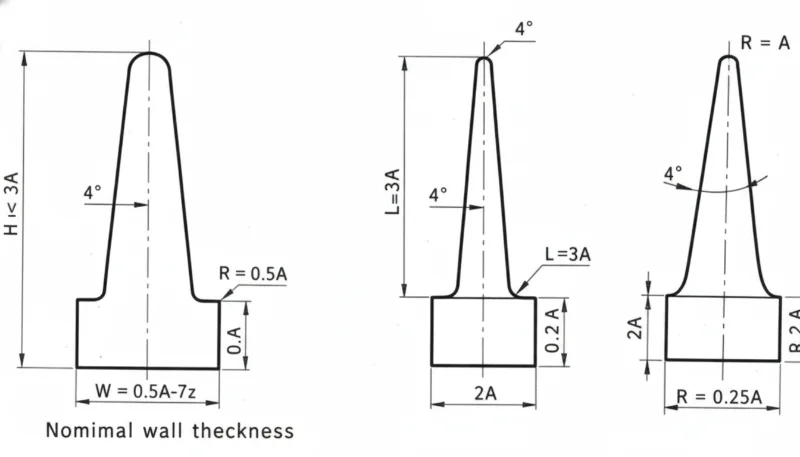
La progettazione del punto di iniezione determina il bilanciamento del riempimento e la posizione delle linee di saldatura. Per pezzi rettangolari a parete sottile, come i contenitori per alimenti, un punto di iniezione a film esteso per l’intera larghezza di un bordo produce il fronte di riempimento più uniforme ed elimina completamente le linee di saldatura. I punti di iniezione a ventaglio funzionano bene per i pezzi più piccoli. I punti di iniezione puntiformi (a caldo o a freddo), collocati sull’elemento più spesso — in genere una colonnina o una nervatura — dirigono il fuso verso le zone più sottili, ma richiedono un’attenta simulazione per evitare linee di saldatura sulle superfici visibili.
| Volume produttivo | Acciaio consigliato | Durezza | Costo rispetto al P20 |
|---|---|---|---|
| <50,000 stampate | Alluminio (QC-10) | N/A | Riduzione del 30–50% |
| 100.000–500.000 cicli | La qualità è una disciplina produttiva che collega la DFM, la validazione degli stampi, le finestre di processo, i piani di ispezione e le azioni correttive in un output ripetibile. | 30–36 HRC | Valore di riferimento |
| >1.000.000 colpi | Acciaio per utensili da lavorazione a caldo H13 | 48–52 HRC | Aumento del 15–25% |
| >5.000.000 colpi | H13 + rivestimento PVD | Superficie 58–62 HRC | Incremento: 25–40% |
La scelta dell’acciaio è determinata dal volume di produzione. Per serie prototipali inferiori a 50.000 stampate, l’alluminio (Alcoa QC-10 o equivalente) si lavora più rapidamente e costa il 30–50% in meno rispetto agli stampi in acciaio. Per volumi di produzione da 100.000 a 500.000 stampate, l’acciaio P20 pretemprato (30–36 HRC) è la scelta più versatile. Per serie ad alto volume superiori a 1.000.000 di stampate — tipiche del settore degli imballaggi — è necessario l’acciaio per utensili per lavorazioni a caldo H13, temprato a 48–52 HRC. L’H13 resiste alle maggiori sollecitazioni di contatto dovute alle elevate pressioni in cavità e mantiene la precisione dimensionale per milioni di cicli.
"I canali di raffreddamento conformati giustificano il maggior costo dello stampo nella produzione di pezzi a parete sottile."True
I canali di raffreddamento conformati seguono il profilo della cavità, riducendo la variazione di temperatura da ±15°C a ±5°C e consentendo cicli più rapidi del 20–30%. Su una linea di imballaggio da 10 milioni di cicli all'anno, una riduzione del 20% del tempo ciclo si traduce in 2 milioni di pezzi aggiuntivi all'anno, giustificando facilmente il costo dello stampo superiore del 15–25%.
"L'acciaio standard per stampi P20 è sufficiente per qualsiasi volume di produzione di componenti a parete sottile."False
Il P20 a 30–36 HRC è adeguato per prototipi e volumi medi fino a circa 500.000 stampate. Oltre tale soglia, le elevate pressioni in cavità dello stampaggio a parete sottile, fino a 250 MPa, causano usura accelerata e deriva dimensionale. Per grandi volumi serve H13 a 48–52 HRC, capace di mantenere le dimensioni di punti d'iniezione e cavità per milioni di cicli.
Quali sono i difetti comuni nello stampaggio a iniezione a parete sottile e come prevenirli?
I pezzi a parete sottile sono estremamente sensibili alle variazioni del processo. La stessa causa fondamentale che produce un pezzo appena accettabile in condizioni nominali genera un tasso di difettosità del 100% quando un parametro varia del 10%. Comprendere le specifiche modalità di guasto consente agli ingegneri di impostare limiti di allarme rigorosi e prevenire i fermi macchina. Nel nostro sistema qualità presso ZetarMold, tutte le attrezzature per pareti sottili sono dotate di sensori di pressione in cavità che attivano il rifiuto automatico del pezzo quando la pressione di picco devia di oltre ±5% dal valore nominale, intercettando riempimenti incompleti e bave prima che raggiungano la fase di ispezione qualità.
La tabella seguente riepiloga i sette difetti più comuni che riscontriamo negli stampi a parete sottile, insieme alle cause principali e alle azioni correttive che li risolvono in modo affidabile. Si noti che diversi difetti presentano sintomi comuni ma richiedono interventi opposti: identificare correttamente la causa principale prima di regolare i parametri consente di risparmiare molto tempo nella risoluzione dei problemi.
| Difetto | Causa principale | Prevenzione |
|---|---|---|
| Breve ripresa | Velocità/pressione insufficiente; congelamento prima del completamento del riempimento | Aumentare la velocità di iniezione; ottimizzare le dimensioni del punto di iniezione; aumentare la temperatura del fuso |
| Bava | Pressione di iniezione eccessiva; forza di chiusura insufficiente; linea di divisione usurata | Ridurre la pressione di mantenimento; verificare il tonnellaggio di chiusura; ispezionare la linea di divisione |
| Curvatura | Raffreddamento non uniforme; flusso sbilanciato; tensione residua | Tutto quello che devi sapere sulle pareti sottili | ZetarMold |
| Il gas intrappolato crea una contropressione che impedisce il riempimento. Controllare le prese d'aria (tipicamente profondità 0,0005" – 0,0015"). | Pressione di mantenimento insufficiente; solidificazione prematura del punto di iniezione | Aumentare pressione/tempo di mantenimento; allargare il punto di iniezione; aumentare la temperatura dello stampo |
| Linee di saldatura | Più fronti di flusso si incontrano senza calore sufficiente | Riposizionare il punto di iniezione; aumentare la temperatura del fuso; ridurre la variazione dello spessore delle pareti |
| Bruciature | Aria intrappolata; velocità di iniezione eccessiva nella zona finale di riempimento | Aggiungere sfiati nei punti di riempimento finale; ridurre la velocità nell'ultimo 5–10% del riempimento |
| Jetting | Punto di iniezione troppo piccolo; velocità di iniezione elevata con progettazione inadeguata del punto | Utilizzare un punto di iniezione a film o a ventaglio; aumentare il diametro del punto di iniezione; ridurre la velocità di iniezione in corrispondenza del punto di iniezione |
"Nella risoluzione dei problemi delle pareti sottili è essenziale individuare la causa primaria di un difetto prima di regolare i parametri di processo."True
Diversi difetti delle pareti sottili presentano sintomi visibili simili, ma richiedono interventi correttivi opposti. Le linee di saldatura e i risucchi possono entrambi manifestarsi come avvallamenti superficiali — aumentare la pressione di mantenimento corregge un risucchio, ma non interviene sulla causa primaria di una linea di saldatura (posizione del punto di iniezione e temperatura del fuso). Analogamente, bave e riempimenti incompleti derivano da condizioni opposte: pressione eccessiva rispetto a pressione insufficiente. Diagnosticare erroneamente il difetto e intervenire nella direzione sbagliata in genere aggrava il problema, fa perdere tempo macchina e può danneggiare lo stampo.
"Le stesse impostazioni di processo possono essere utilizzate per lo stampaggio a iniezione a parete sottile nei settori dell'imballaggio, dell'elettronica e medicale."False
Ogni segmento applicativo richiede parametri di processo e requisiti qualitativi radicalmente diversi. L'imballaggio ottimizza la massima produttività e il minimo costo del materiale (controllo qualità semplice, conformità FDA della resina). L'elettronica richiede superfici di classe A con tolleranze dimensionali ristrette (±0.1 mm). Le applicazioni medicali richiedono convalida del processo IQ/OQ/PQ, produzione in camera bianca e resine biocompatibili (USP Class VI). I componenti automobilistici richiedono qualifica PPAP e controlli IATF 16949. Un'unica finestra di processo non può servire tutti questi segmenti: scelta dei materiali, protocolli di convalida e rigore del controllo qualità differiscono sostanzialmente.
Nella nostra esperienza produttiva presso ZetarMold, il difetto delle pareti sottili diagnosticato erroneamente più di frequente è una linea di giunzione scambiata per un risucchio. Una linea di giunzione appare come una cucitura visibile sulla superficie, spesso con una lieve depressione. Talvolta gli operatori aumentano la pressione di mantenimento, correggendo la profondità ma non la visibilità della cucitura. La vera soluzione consiste nel riposizionare il punto di iniezione affinché i due fronti di flusso si uniscano su una superficie non visibile, oppure nell’eseguire una simulazione di analisi del flusso nello stampo prima della lavorazione dell’attrezzatura, così da prevedere ed eliminare le posizioni delle linee di giunzione in fase di progettazione anziché dopo l’avvio della produzione.
Controllo delle bave negli stampi a parete sottile
La prevenzione dello sfrido richiede un approccio sistematico. Oltre a regolare i parametri di iniezione, è necessario verificare che la forza di chiusura sia calcolata correttamente — per i pezzi a pareti sottili, utilizzare l’area proiettata della cavità moltiplicata per 0,5–0,8 ton/cm2 piuttosto che il convenzionale 0,3–0,5 ton/cm2. Gli stampi a pareti sottili sottodimensionati in chiusura presentano sfrido anche a basse pressioni di mantenimento; aumentare la pressione per riempire correttamente peggiora solo lo sfrido. Se uno stampo presenta costantemente sfrido anche a bassa pressione di mantenimento, controllare prima il calcolo della forza di chiusura prima di regolare qualsiasi altro parametro. Un indicatore digitale della forza di chiusura alla piastra fornisce un feedback in tempo reale e aiuta a evitare le congetture che causano la maggior parte dei difetti da sfrido.
Dove viene usato lo stampaggio a iniezione a parete sottile?
Lo stampaggio a iniezione a parete sottile è il processo predominante per i componenti leggeri destinati a imballaggi alimentari, elettronica, dispositivi medici, settore automobilistico e sistemi di chiusura. Ogni segmento presenta requisiti specifici in termini di spessore delle pareti, materiali, standard qualitativi e volumi produttivi, che influenzano direttamente la progettazione dello stampo e le strategie di controllo del processo.
| Industria | Parete tipica (mm) | Materiale principale | Volume/anno |
|---|---|---|---|
| Imballaggi per alimenti e bevande | 0.5–0.8 | PP (grado FDA) | Miliardi di unità |
| Elettronica di consumo | 0.8–1.2 | ABS / PC-ABS | Centinaia di milioni |
| Dispositivi medici monouso | 0.3–0.7 | PP / PE (USP VI) | Miliardi di unità |
| Interni automobilistici | 1.0–1.5 | PA+GF / PBT | Decine di milioni |
| Tappi e chiusure industriali | 0.6–1.0 | PP / HDPE | Miliardi di unità |
Panoramica dei requisiti specifici del mercato
Gli imballaggi per alimenti e bevande rappresentano di gran lunga il volume maggiore. I contenitori in PP a parete sottile per yogurt, gastronomia e piatti pronti sono prodotti a ritmi molto elevati di 10,000–50,000 cicli al giorno per cavità. Lo spessore della parete è tipicamente 0.5–0.8 mm. Sono standard i gradi di PP conformi alla FDA e ai requisiti 21 CFR: nessuno stabilizzante a base di metalli pesanti e nessun BPA. L’economia è convincente: un contenitore con parete da 0.6 mm utilizza il 25–30% di materiale in meno rispetto a un equivalente con parete da 0.9 mm.
Gli alloggiamenti per elettronica di consumo rappresentano il secondo segmento più grande dei componenti a parete sottile. Le scocche degli smartphone, i poggiapolsi dei laptop e i pannelli posteriori dei tablet richiedono pareti di 0,8–1,2 mm in ABS o miscele PC/ABS per ottenere una qualità superficiale di Classe A con elementi a scatto e cerniere integrate. Le tolleranze dimensionali sono strette, tipicamente ±0,1 mm, e la finitura superficiale deve essere priva di linee di flusso; ciò richiede un’attenta disposizione dei punti di iniezione e una simulazione del flusso nello stampo prima della costruzione dell’attrezzatura. Le operazioni successive allo stampaggio, tra cui tampografia, saldatura a ultrasuoni e rivestimento superficiale, richiedono una costanza tra i componenti che i processi a parete sottile garantiscono se correttamente validati.
| Segmento | Standard principale | Requisito critico |
|---|---|---|
| Imballaggio per alimenti | FDA 21 CFR | Conformità della resina, senza BPA |
| Dispositivi medici | USP Classe VI / ISO 10993 | Biocompatibilità, convalida del processo |
| Settore automobilistico | IATF 16949 | PPAP, Cpk ≥ 1,67 |
| Elettronica | Conformità RoHS / REACH | Materiali privi di alogeni |
Nel nostro stabilimento di Shanghai utilizziamo 47 presse a iniezione da 90T a 1850T, comprese presse dedicate ad alta velocità per la produzione a parete sottile. Grazie all’esperienza con oltre 400 materiali plastici, assistiamo i clienti dalla revisione DFM alla produzione in serie di pezzi a parete sottile, dai dispositivi medici monouso da 0.3 mm agli imballaggi in PP ad alto volume prodotti a 15,000 cicli all’ora.
I dispositivi medicali monouso, quali cilindri per siringhe, puntali per pipette, cartucce diagnostiche e chip microfluidici, richiedono sia pareti sottili (0.3–0.7 mm) sia materiali biocompatibili (resine certificate USP Class VI). La produzione in camera bianca e i processi convalidati (protocolli di qualifica IQ/OQ/PQ) aumentano i costi ma sono imprescindibili per i mercati regolamentati. Completano il quadro i componenti per interni automobilistici (alloggiamenti per clip, staffe per connettori, inserti per pannelli porta), che richiedono PA o PBT con elevato contenuto di fibra di vetro per la rigidità strutturale necessaria nel vano motore e nell’abitacolo fino a 140°C.
Domande frequenti sullo stampaggio a iniezione a parete sottile
Domande frequenti
Quale spessore di parete è considerato “parete sottile” nello stampaggio a iniezione?
Un pezzo è classificato a parete sottile quando una qualsiasi sezione trasversale è inferiore a 1.0 mm con un rapporto lunghezza di flusso/spessore (L/T) superiore a 150:1. In pratica, la maggior parte delle applicazioni di imballaggio rientra nell’intervallo 0.5–0.8 mm. I pezzi con pareti di 1.0–1.5 mm e rapporti L/T elevati (150:1–200:1) occupano una zona di transizione che richiede alcuni adeguamenti del processo per pareti sottili, ma non necessariamente attrezzature dedicate. Il rapporto L/T è il criterio di classificazione più affidabile: una sezione lunga e sottile di 1.2 mm può comportarsi come un vero pezzo a parete sottile durante il riempimento.
Quanto è rapido lo stampaggio a iniezione a parete sottile rispetto allo stampaggio standard?
I tempi di ciclo dei componenti a parete sottile sono generalmente di 2–5 secondi, rispetto ai 15–60 secondi dello stampaggio a iniezione convenzionale: un vantaggio di velocità pari a 5–10 volte. Ciò deriva dalla rapida dissipazione del calore delle sezioni sottili, che riduce drasticamente il tempo di raffreddamento. Presso ZetarMold, l’imballaggio a parete sottile ad alto volume viene prodotto a 12.000–15.000 cicli all’ora su stampi multicavità, ottenendo oltre 100.000 pezzi finiti all’ora con uno stampo a 16 cavità. Su base annua, questo vantaggio di velocità si traduce direttamente in un costo unitario inferiore e in una risposta più rapida ai picchi di domanda.
Quale pressione di iniezione è necessaria per i pezzi a parete sottile?
Lo stampaggio a iniezione di pareti sottili richiede una pressione di iniezione di 140–250 MPa, rispetto ai 70–140 MPa dello stampaggio convenzionale. La pressione elevata è necessaria per spingere il fuso ad alta portata nelle cavità molto sottili prima che si solidifichi. Le macchine devono essere dotate di accumulatori o unità di iniezione azionate da servomotori per ottenere il rapido aumento di pressione richiesto: le macchine idrauliche convenzionali non possono reagire abbastanza velocemente. Si raccomandano vivamente sensori di pressione in cavità per monitorare e controllare la pressione effettiva all’interno dello stampo, non soltanto la pressione idraulica della macchina.
Posso utilizzare la mia pressa a iniezione esistente per componenti a parete sottile?
Di solito no, senza aggiornamenti significativi. Le macchine standard non dispongono dell’unità di iniezione assistita da accumulatore necessaria per raggiungere velocità di iniezione di 500–1,500 mm/s. Il tempo di risposta dell’unità di iniezione di una macchina convenzionale è troppo lento: quando si raggiunge la pressione piena, la sezione sottile ha già iniziato a solidificarsi. Per una produzione uniforme sono necessarie presse dedicate per pareti sottili di Husky, Netstal o Engel con sistemi servo-elettrici o idraulici ad accumulatore. Alcuni trasformatori installano un accumulatore su una macchina esistente; questa soluzione può funzionare se la velocità di iniezione e il tempo di risposta vengono verificati dopo l’aggiornamento.
Qual è lo spessore minimo di parete ottenibile con lo stampaggio a iniezione?
Lo spessore minimo di parete ottenibile nella produzione per stampaggio a iniezione è di circa 0,3 mm, utilizzando resine PP o LCP ad alto flusso in stampi di precisione con riscaldamento localizzato. Pareti di 0,5–0,6 mm sono più comunemente ottenibili con una gamma di materiali. I fattori che limitano lo spessore minimo della parete includono la viscosità del materiale alla temperatura di riempimento, la distanza dal punto di iniezione all’ultimo punto di riempimento (lunghezza di flusso), l’uniformità della temperatura dello stampo e la pressione di iniezione disponibile. Sotto lo 0,3 mm, è richiesto lo stampaggio a micro-iniezione con attrezzature specializzate — volumi della canna inferiori a 1 cm3, viti di precisione — per mantenere la consistenza dimensionale.
Lo stampaggio a iniezione di pareti sottili richiede un acciaio speciale per lo stampo?
Sì. Per prototipi e bassi volumi inferiori a 50.000 stampate, le attrezzature in alluminio, Alcoa QC-10 o equivalente, sono convenienti e più rapide da lavorare. Per produzioni medie da 100.000–500.000 stampate, l’acciaio P20 pretemprato a 30–36 HRC è la scelta standard. Per grandi volumi superiori a 1.000.000 di stampate, tipici degli imballaggi, è necessario acciaio H13 per lavorazioni a caldo temprato a 48–52 HRC, capace di resistere a pressioni in cavità fino a 250 MPa e mantenere la precisione dimensionale per milioni di cicli senza usura del punto d’iniezione o deformazione della cavità.
stampaggio a iniezione: è il processo produttivo che fonde la plastica, la inietta nella cavità di uno stampo, raffredda il pezzo e ripete il ciclo per una produzione in serie stabile. ↩
stampo a iniezione: è l'attrezzatura di precisione che definisce la geometria del pezzo, il comportamento termico durante il raffreddamento, l'espulsione, i punti di iniezione, la finitura superficiale e la ripetibilità. ↩
qualità: la qualità è una disciplina produttiva che integra DFM, convalida dello stampo, finestre di processo, piani di ispezione e azioni correttive per ottenere risultati ripetibili. ↩