Kanały gorące rewolucjonizują formowanie wtryskowe, zwiększając wydajność i jakość produktów w różnych branżach.
Gorące kanały minimalizują ilość odpadów i poprawiają czas cyklu, utrzymując stopiony plastik w optymalnej temperaturze podczas formowania. Są one powszechnie stosowane w branży motoryzacyjnej, dóbr konsumpcyjnych i produkcji urządzeń medycznych. Kluczowe korzyści obejmują obniżone koszty materiałów i lepszą spójność jakości części.
Chociaż ten przegląd podkreśla zalety gorących kanałów, zrozumienie ich konstrukcji i zastosowania ma kluczowe znaczenie dla optymalizacji procesów produkcyjnych. Dowiedz się więcej, aby odkryć, w jaki sposób różne systemy gorących kanałów mogą zwiększyć wydajność produkcji.
- Układy gorącokanałowe utrzymują tworzywo w stanie stopionym w kanałach, eliminując odpady z kanałów zimnych i skracając czas cyklu cienkościennych części do poniżej 5 sekund.
- Kontrola temperatury i zrównoważony przepływ to dwa najważniejsze czynniki techniczne—niewłaściwa kontrola powoduje wady przewężki, wypływki i nierównomierne wypełnianie gniazd.
- Systemy z przewężkami zaworowymi zapewniają najwyższą precyzję, lecz wymagają najbardziej złożonej konserwacji; systemy otwarte są prostsze, ale mniej uniwersalne.
- Formy gorącokanałowe pozwalają zaoszczędzić 10–20% kosztów materiału w produkcji wielkoseryjnej dzięki całkowitemu wyeliminowaniu odpadu z kanałów wlewowych.
- Prawidłowe zaprojektowanie rozdzielacza i dysz, zweryfikowane za pomocą analizy CAE, ma zasadnicze znaczenie dla poprawnego działania formy wielogniazdowej.
Dla kupujących istotne pytanie nie brzmi, czy kanały gorące są zaawansowane, lecz czy odpowiadają rodzajowi żywicy, masie części, rocznemu wolumenowi, wymaganiom dotyczącym wyglądu śladu po przewężce oraz możliwościom serwisowym dostawcy. Układ gorącokanałowy może być opłacalną inwestycją, gdy kanał wlewowy powodowałby straty drogiego materiału, ale może też stać się ukrytym kosztem, jeśli układ jest źle zrównoważony lub trudny w serwisowaniu.
"Gorące kanały skracają czas cyklu formowania wtryskowego."True
Gorące kanały utrzymują plastik w stanie stopionym, skracając czas chłodzenia i przyspieszając cały proces produkcji.
"Gorące kanały są w każdym przypadku droższe od zimnych."False
Chociaż gorące kanały generalnie mają wyższy koszt początkowy, ich wydajność i oszczędność materiału mogą prowadzić do niższych kosztów ogólnych w długoterminowej produkcji.
Jaka jest zasada działania Hot Runnera?
Gorące kanały utrzymują stopione tworzywo w wysokiej temperaturze wewnątrz ogrzewanych kanałów formy, dzięki czemu nie powstaje zimny czop ani odpad z układu wlewowego.
Jeśli porównujesz dostawców lub planujesz zakupy, nasz przewodnik pozyskiwania dostawców usług formowania wtryskowego omawia przygotowanie RFQ, kwalifikację i kontrolę ryzyka handlowego.
Gorące kanały utrzymują temperaturę stopionego tworzywa sztucznego przez cały proces formowania, zapobiegając krzepnięciu i zmniejszając ilość odpadów. Technologia ta jest szeroko stosowana w branżach takich jak motoryzacja, produkty konsumenckie i urządzenia medyczne. Kluczowe zalety obejmują skrócenie czasu cyklu, niższe koszty materiałów i większą spójność gotowych produktów.
Systemy gorącokanałowe dzielą się na kanały adiabatyczne i mikrosystemy półgorącokanałowe1. Kanał gorący, nazywany też systemem bezkanałowym, oznacza, że tworzywo w kanale nie zestala się po każdym wtrysku, a po rozformowaniu wyrobu nie trzeba usuwać wlewu. Ponieważ tworzywo pozostaje stopione, kanał jest drożny podczas kolejnego wtrysku. Krótko mówiąc, kanał gorący stanowi przedłużenie dyszy wtryskarki.
Gorący kanał to układ grzewczy stosowany w formach wtryskowych do wprowadzania stopionego tworzywa do gniazda. Forma gorącokanałowa ma nową konstrukcję, która ogrzewa kanał wlewowy formy tradycyjnej lub trójpłytowej, dzięki czemu układu wlewowego nie trzeba usuwać po każdym cyklu formowania.
Jakie są kluczowe czynniki techniczne wpływające na gorących biegaczy?
Konstrukcja dyszy, regulacja temperatury i rodzaj przewężki to trzy zmienne decydujące o niezawodności systemu gorącokanałowego w produkcji.
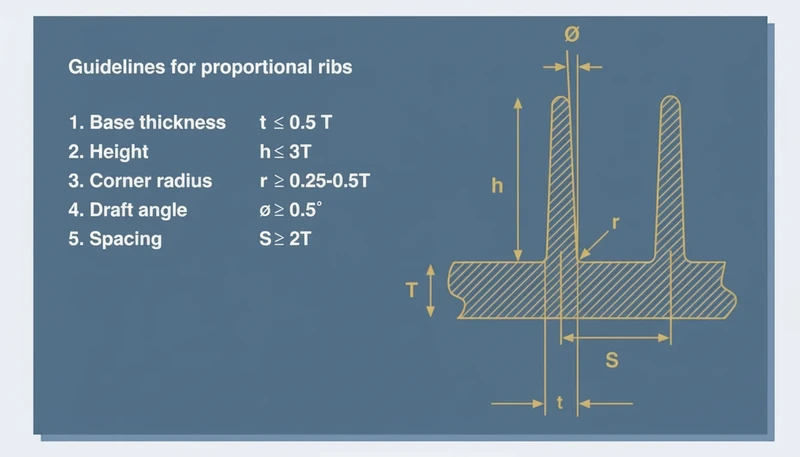
Powodzenie projektu formy gorącokanałowej wymaga spełnienia kilku warunków. Dwa najważniejsze wymagania techniczne to kontrola temperatury tworzywa oraz kontrola jego przepływu.
Kontrola temperatury tworzywa sztucznego
Kontrolowanie temperatury tworzywa sztucznego jest bardzo ważne podczas korzystania z form gorącokanałowych. Jeśli nie kontrolujesz dobrze temperatury, będziesz mieć wiele problemów z procesem i jakością swoich części. Na przykład, jeśli używasz bramy z gorącą końcówką, będziesz mieć wiele problemów z jakością bramy. Jeśli używasz zasuwy zaworowej, będziesz mieć wiele problemów z zamykaniem sworznia zaworu.
W przypadku form wielogniazdowych może wystąpić wiele problemów z czasem napełniania i jakością części. Jeśli możesz, spróbuj uzyskać system gorącokanałowy, który ma wiele stref, dzięki czemu możesz lepiej kontrolować temperaturę i mieć większą elastyczność.
Kontrola przepływu tworzywa
Tworzywa sztuczne powinny przepływać równomiernie w systemie gorącokanałowym. Bramy powinny być otwierane w tym samym czasie, aby umożliwić synchroniczne wypełnienie każdej wnęki tworzywem sztucznym. W przypadku FAMILY MOLD z dużą różnicą w masie części, rozmiar kanału powinien być zrównoważony. W przeciwnym razie niektóre części nie zostaną wypełnione z wystarczającym ciśnieniem, podczas gdy inne zostaną wypełnione ze zbyt dużym ciśnieniem lub błysk będzie zbyt duży, a jakość będzie niska. Rozmiar kanału gorącokanałowego powinien być rozsądny.
Jeżeli przekrój jest zbyt mały, strata ciśnienia będzie nadmierna. Jeżeli przekrój jest zbyt duży, wzrośnie objętość układu gorącokanałowego, a tworzywo będzie przebywać w nim zbyt długo, co pogorszy właściwości materiału i może sprawić, że uformowane części nie spełnią wymagań użytkowych. Dostępne jest już oprogramowanie CAE do analizy przepływu, takie jak MOLDCAE, które wspomaga projektowanie optymalnego kanału doprowadzającego.
Jakie są rodzaje biegaczy termicznych?
Istnieją dwa główne typy kanałów gorących: systemy otwarte i zamknięte. Otwarte umożliwiają bezpośredni przepływ stopionego tworzywa, natomiast zamknięte wykorzystują kolektor2 do utrzymania temperatury i ograniczenia odpadów. Kanały gorące są szeroko stosowane w motoryzacji, produkcji dóbr konsumpcyjnych i wyrobów medycznych, ponieważ zmniejszają zużycie materiału i poprawiają powtarzalność części.
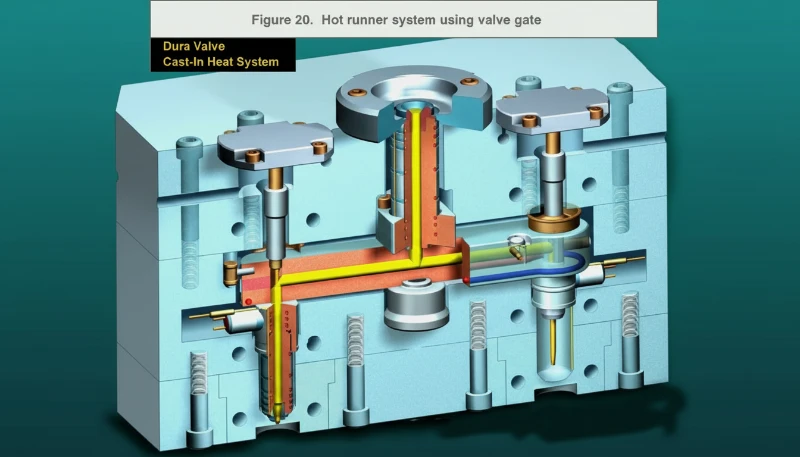
Typ zaworu iglicowego
System zasuwy zaworu to mechaniczny system iglicy zaworu, który napędza iglicę zaworu ciśnieniem powietrza. Gorące kanały zaworu iglicowego oszczędzają materiały, mają piękną plastikową powierzchnię oraz mają wysoką jakość wewnętrzną i wysoką wytrzymałość. Istnieją dwa główne typy gorących kanałów zaworów iglicowych na świecie (w oparciu o zasadę wtrysku): typ cylindra i typ sprężyny.
Jakie są rodzaje systemów gorących kanałów?
Istnieją dwa główne typy systemów gorących kanałów: otwarte i zamknięte. Systemy otwarte wystawiają stopiony materiał na działanie atmosfery, co jest prostsze, ale może prowadzić do degradacji materiału. Systemy zamknięte natomiast utrzymują stopiony materiał w zamknięciu, minimalizując ilość odpadów i zachowując integralność materiału. Oba systemy zwiększają szybkość produkcji i spójność części, co czyni je niezbędnymi w branżach takich jak motoryzacja i towary konsumpcyjne.
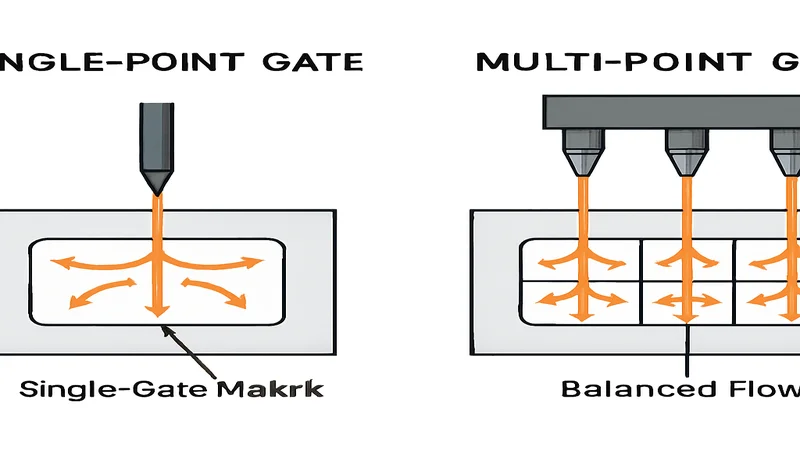
Systemy gorącokanałowe można podzielić na systemy w pełni gorącokanałowe i systemy półgorącokanałowe. Systemy gorącokanałowe można podzielić na trzy typy: systemy gorącokanałowe z pojedynczą dyszą, systemy gorącokanałowe z wieloma dyszami i systemy gorącokanałowe z zasuwą zaworową.
Jednogłowicowy system gorących kanałów
Jednogłowicowy system gorących kanałów składa się głównie z pojedynczej dyszy, głowicy dyszy, płyty łączącej dyszę, systemu kontroli temperatury itp.
Konieczne jest kontrolowanie wymiarów d, D, L i dostosowanie grubości płyty łączącej dyszy, tak aby stała płyta mocująca formy dociskała powierzchnię czołową płyty łączącej dyszy, aby kontrolować osiowe przemieszczenie dyszy, lub bezpośrednie użycie dyszy wtryskarki do podparcia powierzchni czołowej płyty łączącej dyszy, aby osiągnąć ten sam cel.
Wielogłowicowy system gorących kanałów
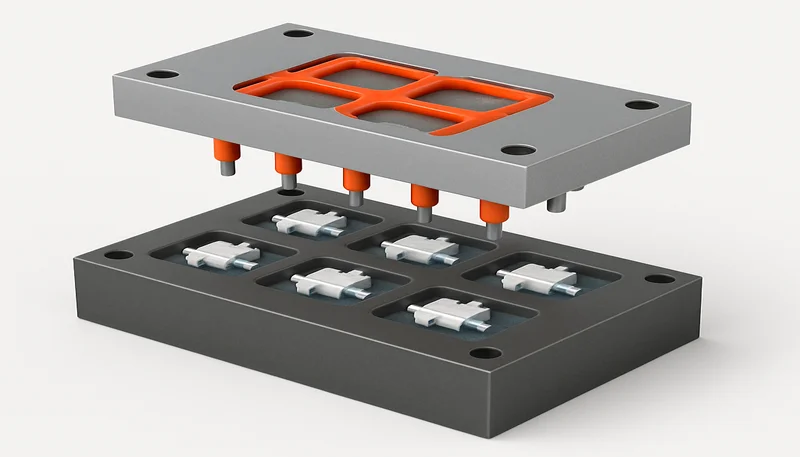
Plastikowa forma wielogłowicowego systemu gorącokanałowego jest dość skomplikowana. Stopione tworzywo sztuczne jest wtryskiwane do płyty łączącej dysze przez wtryskarkę, przepływa do dyszy przez płytę gorącokanałową, dociera do głowicy dyszy, a następnie jest wtryskiwane do wnęki. Dysza systemu gorącokanałowego musi spełniać wymagania dotyczące wymiaru promieniowego D1 i limitu wymiaru osiowego ze stałą płytą formy.
Głowica dyszy i stała wkładka formy muszą pasować do wymiaru promieniowego d, aby upewnić się, że stopione tworzywo sztuczne nie przelewa się do części bez wnęki, a twardość stałej wkładki formy musi być utwardzona do około 50HRC. Odległość L między powierzchnią podziału a osiową powierzchnią pozycjonującą gorącej dyszy musi być ściśle kontrolowana.
| Parametr | Tolerancja | Cel |
|---|---|---|
| Wymiar promieniowy D1 | ±0.01 mm | Współosiowość dyszy względem płyty |
| Wymiar promieniowy d | chłodzenie konforemne odnosi się do kanałów, które podążają za konturami wnęki formy, zapewniając bardziej równomierne chłodzenie i skracając czas cyklu w porównaniu z tradycyjnymi kanałami wierconymi. | Zapobieganie wypływaniu tworzywa |
| Luz (temperatura pokojowa) | 0.025 mm | Kompensacja rozszerzalności cieplnej |
| Twardość (wkładka) | ok. 50 HRC | Odporność na zużycie przy przewężce |
Wymiar należy określić na podstawie rzeczywistej odległości L\’ dyszy w temperaturze pokojowej plus rzeczywiste wydłużenie ΔL dyszy w normalnej temperaturze roboczej formy. Aby upewnić się, że dysza niezawodnie pasuje do płyty gorącokanałowej i nie deformuje płyty gorącokanałowej, nad górną częścią dyszy znajduje się podkładka regulacyjna.
Podkładka regulacyjna i osiowa powierzchnia pozycjonująca dyszy ograniczają ruch osiowy dyszy i skutecznie kontrolują możliwe odkształcenie płyty gorącokanałowej. W temperaturze pokojowej szczelina między podkładką regulacyjną a płytą gorącokanałową i stałą płytą formy jest kontrolowana tak, aby wynosiła 0,025 mm, dzięki czemu po podgrzaniu formy podkładka regulacyjna jest po prostu dociskana w temperaturze roboczej.
Gniazdo pozycjonujące systemu gorącokanałowego i sworzeń pozycjonujący kontrolują położenie płyty gorącokanałowej w formie. Gniazdo pozycjonujące i stała płyta formy muszą być dopasowane do wymiaru promieniowego D2, a głębokość h musi być dokładnie kontrolowana. Kierunek osiowy gniazda pozycjonującego podpiera płytę gorącokanałową i bezpośrednio przenosi ciśnienie wtrysku wtryskarki.
Kołek pozycjonujący musi pasować do stałej płyty gorącokanałowej. Pomiędzy płytą gorącokanałową a płytą formy musi być wystarczająco dużo miejsca, aby owinąć materiał izolacyjny. Płyta gorącokanałowa i płyta stała muszą mieć wystarczającą ilość rowków na przewody, aby umożliwić wyprowadzenie przewodu zasilającego z formy i podłączenie go do gniazda przewodów zainstalowanego na formie.
Między płytą przyłączeniową dyszy a płytą mocującą nieruchomej części formy obowiązuje wymóg dopasowania wymiaru promieniowego D1, aby głowica wtryskarki prawidłowo współpracowała z płytą dyszy formy. W pobliżu płyty gorących kanałów płytę nieruchomą, płytę gorących kanałów, jej płytę mocującą i płytę mocującą formę łączy się śrubami w celu zwiększenia sztywności.
System gorących kanałów Valve Gate
Co to jest zespół Hot Runner?
Zespół gorącokanałowy składa się z kolektora, dysz, grzałek i czujników, które doprowadzają stopione tworzywo bezpośrednio do każdego gniazda.
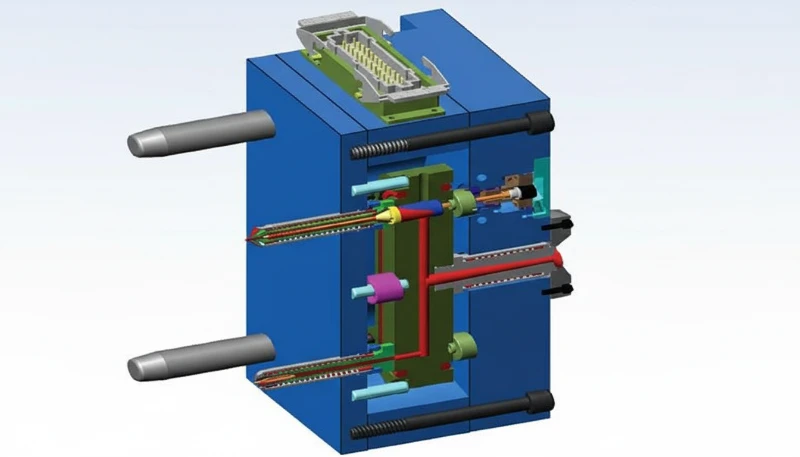
Pierścień pozycjonujący
Pierścień centrujący ustala położenie formy wtryskowej we wtryskarce, zapewniając prawidłowe wyrównanie formy względem maszyny.
Dysza główna
Gdy żywica jest wtryskiwana do formy, jest to brama, do której żywica dostaje się z dyszy wtryskarki. W zależności od rodzaju żywicy i konstrukcji gorącego kanału, element bramy może być podgrzewany w celu optymalizacji procesu formowania.
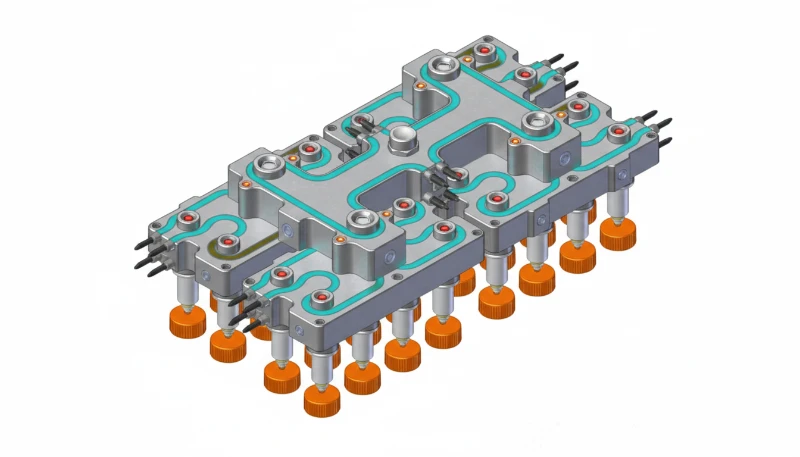
Kolektor
Rozdzielacze są stosowane w przypadku wielu wnęk w formie lub wielu punktów podawania, lub gdy masz jeden punkt podawania, ale poziom materiału jest przesunięty. Materiałem jest zazwyczaj P20 lub H13. Rozdzielacze są generalnie podzielone na dwie kategorie: standardowe i niestandardowe. Ich forma strukturalna zależy głównie od rozmieszczenia wnęk na formie, rozmieszczenia dysz i lokalizacji zasuw.
Rozdzielacze umożliwiają przepływ żywicy do różnych dysz i punktów wtrysku (bram). Rozdzielacze są zwykle używane, gdy masz wiele wnęk lub gdy potrzebujesz więcej niż jednej dyszy / bramy dla każdej części. Rozdzielacze mogą być stosowane do różnych materiałów, konstrukcji i kształtów i są zwykle optymalizowane za pomocą analizy CAE w celu usprawnienia procesu formowania.
Dysza
Istnieją dwa rodzaje dysz gorącokanałowych: otwarte i iglicowe. Rodzaj użytej dyszy określa wymagany system gorącokanałowy oraz konstrukcję formy. Systemy gorącokanałowe dzielą się zatem na otwarte i iglicowe.
Technologia grzałki
Technologia podgrzewania jest podstawą wszystkich systemów gorącokanałowych i ma duży wpływ na proces formowania i jakość części. Istnieje kilka metod ogrzewania, z których każda ma swoje wady i zalety. Należy wybrać odpowiedni system gorącokanałowy w oparciu o różne procesy formowania, wydajność części, niezawodność i wymagania kosztowe. Najpopularniejsze technologie gorących kanałów obejmują grzejniki z taśmami/płytami grzejnymi, grzejniki samoprzylepne/elastyczne lub grzejniki lutowane.
Jakie są zalety Hot Runnera?
Zalety systemu gorącokanałowego stanowią główne kategorie lub warianty omówione w tej sekcji. Systemy gorącokanałowe ograniczają odpady materiałowe nawet o 50%, skracają czasy cyklu i eliminują konieczność przemiału wlewków, dlatego są niezbędne w wielkoseryjnym formowaniu wtryskowym.
W naszej fabryce w Szanghaju pracuje 47 wtryskarek o sile zwarcia od 90T do 1850T, a zakład dysponuje własną narzędziownią. Ponad 20 lat doświadczenia pokazało nam, że w wielogniazdowej produkcji systemy gorącokanałowe konsekwentnie ograniczają odpady materiałowe o 15–30% — szczególnie na prasach o większym tonażu, gdzie objętość kanałów wlewowych byłaby w przeciwnym razie znaczna.
Skrócony cykl
Cykl formowania części ulega skróceniu. Ponieważ nie ma limitu czasu chłodzenia dla systemu kanałów, części mogą być wyrzucane w odpowiednim czasie po formowaniu i utwardzaniu. Cykl formowania wielu cienkościennych części produkowanych przy użyciu form gorącokanałowych może być krótszy niż 5 sekund.
Rozszerzenie zakresu zastosowania
Poprawa jakości produktów
Podczas produkcji części z tworzyw sztucznych za pomocą form gorącokanałowych można kontrolować temperaturę stopionego tworzywa sztucznego w systemie kanałów. Oznacza to, że tworzywo sztuczne może przepływać do każdej wnęki formy w bardziej równomierny sposób, dzięki czemu za każdym razem uzyskuje się części o tej samej jakości. Części wykonane za pomocą formy gorącokanałowej mają dobre bramy, niskie naprężenia po wyjęciu z formy i nie ulegają uszkodzeniu.
Dlatego też wiele wysokiej jakości produktów jest wytwarzanych przy użyciu form gorącokanałowych. Wiele plastikowych części w telefonach MOTOROLA, drukarkach HP i laptopach DELL jest wytwarzanych przy użyciu form gorącokanałowych.
Oszczędzaj plastik
Zmniejsz ilość odpadów
Automatyzacja produkcji
Jakie są wady Hot Runnera?
Główne wady gorących kanałów to wyższy koszt oprzyrządowania, bardziej złożona konserwacja i ryzyko degradacji cieplnej żywic wrażliwych na temperaturę.
Rosnące koszty
"Systemy gorącokanałowe z przewężkami zaworowymi pozostawiają ślady przewężek praktycznie niewidoczne na gotowym detalu."True
Przewężki iglicowe wykorzystują mechaniczny trzpień do czystego zamknięcia przewężki, pozostawiając jedynie minimalny ślad — to idealne rozwiązanie dla powierzchni dekoracyjnych, np. zewnętrznych paneli samochodowych.
"Systemy gorącokanałowe eliminują potrzebę regulacji temperatury formy."False
Gorące kanały ogrzewają wyłącznie układ kanałów doprowadzających; sama forma nadal wymaga odrębnego układu regulacji temperatury (kanałów chłodzących), aby po wypełnieniu tworzywo prawidłowo zestaliło się w detal.
Wysokie wymagania sprzętowe
Na przykład niewłaściwe uszczelnienie tworzywa prowadzi do jego wypływania i uszkodzenia elementów gorącego kanału, przerywając produkcję, a niewłaściwe wzajemne położenie wkładek dysz i punktów wtrysku powoduje poważne pogorszenie jakości produktu.
Kompleksowa obsługa i konserwacja
Formy gorącokanałowe są trudniejsze w obsłudze i konserwacji niż formy zimnokanałowe3. Nieprawidłowa obsługa może łatwo uszkodzić elementy systemu, uniemożliwić produkcję i spowodować znaczne straty finansowe. Nowi użytkownicy potrzebują dużo czasu na zdobycie doświadczenia.
Jakie są obszary zastosowań gorących kanałów?
Systemy gorącokanałowe są stosowane w branży motoryzacyjnej, medycznej, opakowaniowej, elektronicznej i dóbr konsumpcyjnych — wszędzie tam, gdzie potrzebne jest precyzyjne formowanie wielkoseryjne.
Przemysł motoryzacyjny
Przemysł elektroniczny
Dziedzina urządzeń medycznych
Często zadawane pytania
Często zadawane pytania
Jaka jest różnica między gorącym a zimnym kanałem?
System gorącokanałowy utrzymuje tworzywo w stanie stopionym wewnątrz kanału wlewowego za pomocą elektrycznie ogrzewanych elementów, dzięki czemu nie powstają odpady kanałów, a detale są czysto wypychane po każdym cyklu bez potrzeby dodatkowego okrawania. W systemie zimnokanałowym tworzywo w kanałach doprowadzających krzepnie wraz z detalem, tworząc odpad, który trzeba odciąć, zmielić lub zutylizować. Systemy gorącokanałowe oszczędzają materiał i skracają czas cyklu, lecz mają znacznie wyższy koszt początkowy i wymagają starannej kontroli temperatury. Systemy zimnokanałowe są prostsze, tańsze i lepiej nadają się do krótkich serii produkcyjnych lub częstych zmian materiału.
Ile kosztuje system gorącokanałowy?
Typowy system gorącokanałowy zwiększa całkowity koszt formy o 3 000–15 000 USD lub więcej, zależnie od liczby dysz, złożoności przewężek zaworowych, liczby stref temperaturowych i zaawansowania sterownika. W produkcji wielkoseryjnej przekraczającej 100 000 detali oszczędność materiału wynikająca z wyeliminowania odpadu wlewka często pozwala odzyskać nakłady w ciągu kilku miesięcy. Przy krótkich seriach poniżej 5 000 detali dodatkowy koszt rzadko znajduje uzasadnienie ekonomiczne. Przed wyborem systemu gorącokanałowego zawsze należy przeprowadzić szczegółowe porównanie kosztu jednostkowego, uwzględniające oszczędność materiału, skrócenie czasu cyklu i koszty konserwacji.
Czy wszystkie tworzywa sztuczne można stosować w systemach gorącego kanału?
Większość termoplastów dobrze współpracuje z gorącymi kanałami, ale materiały wrażliwe na ciepło, takie jak PVC, POM (acetal) i niektóre gatunki ognioochronne, wymagają starannego zarządzania temperaturą, aby zapobiec degradacji termicznej wewnątrz kolektora. Materiały o bardzo wąskich oknach przetwórczych lub te skłonne do generowania gazów wymagają specjalnych konstrukcji dysz i precyzyjnej kontroli temperatury strefa po strefie. Żywice napełnione szkłem również przyspieszają zużycie komponentów gorącego kanału, wymuszając utwardzanie kanałów przepływu. Twój dostawca gorącego kanału powinien potwierdzić kompatybilność z twoim konkretnym gatunkiem żywicy i dostarczyć zalecane profile temperaturowe dla optymalnych rezultatów przetwórstwa.
Jak utrzymuje się formę z gorącym kanałem?
Routine konserwacja obejmuje czyszczenie dysz i rozdzielników podczas planowanych serwisów formy, sprawdzanie opasek grzejnych i termoelementów na zużycie lub przepalenie, inspekcję pinów zaworowych na zadrapania lub wygięcia oraz weryfikację integralności uszczelnienia, aby zapobiec wycieku plastiku do kanalizacji elektrycznej. Większość zakładów produkcyjnych planuje konserwację gorącego rozdzielnika co 50 000 do 100 000 cyklów lub gdy forma jest wyjęta z prasy. Dokumentowanie odczytów stref temperatury w czasie pomaga wykryć trendy degradacji przed powodowaniem defektów jakości. Posiadanie zapasowych opasek grzejnych, termoelementów i zestawów uszczelniających minimalizuje nieplanowane przestoje podczas krytycznych serii produkcyjnych.
Co powoduje smugi kolorystyczne w części formowanych gorącym rozdzielnikiem?
Smugi kolorów w częściach z gorącego kanału zwykle wynikają z pozostałości materiału z poprzedniego koloru lub gatunku żywicy stagnującego w martwych punktach w kanałach kolektora lub dyszy. Niewystarczający czas płukania, strefy niskiej temperatury, które pozwalają na zaleganie materiału, lub zużyte powierzchnie wewnętrzne tworzące mikroskopijne kieszenie są częstymi winowajcami. Dokładne płukanie przy odpowiedniej temperaturze stopu, a następnie fizyczna kontrola kanałów przepływu podczas konserwacji, zapobiega większości problemów ze smugami. Niektóre nowoczesne konstrukcje gorących kanałów mają zoptymalizowane ścieżki przepływu i wypolerowane powierzchnie wewnętrzne, aby zminimalizować strefy martwe i przyspieszyć zmiany kolorów.
Kiedy należy wybrać rozdzielnik z zaworem zamiast rozdzielnika gorącego z otwartym wlewem?
Wybierz systemy z zaworem, gdy estetyka wlewu jest krytyczna – panele zewnętrzne samochodów, obudowy elektroniki użytkowej i osłony urządzeń medycznych wymagają wlewów praktycznie niewidocznych. Zawory umożliwiają również sekwencyjne napełnianie dla rodzin form z częściami o różnych objętościach oraz zapewniają precyzyjną kontrolę ciśnienia dla żywic klasy technicznej. Systemy z otwartym wlewem są znacznie bardziej ekonomiczne i łatwiejsze w konserwacji, co czyni je lepszym wyborem dla zastosowań nieestetycznych, żywic podstawowych jak polipropylen oraz form, gdzie mała pozostałość na powierzchni wlewu jest akceptowalna dla końcowego użytkownika.
Jak wiele stref temperatury potrzebuje gorący rozdzielnik?
Liczba stref zależy od układu kolektora, liczby gniazd i złożoności geometrii części. Prosta forma z jedną dyszą może potrzebować tylko jednej lub dwóch stref, podczas gdy złożona forma wielogniazdowa z szesnastoma lub więcej wlewami może wymagać od ośmiu do dwudziestu niezależnie sterowanych stref. Więcej stref zapewnia dokładniejszą kontrolę nad lepkością stopu przy każdym wlewie, co jest kluczowe dla form rodzinnych, w których różne gniazda produkują części o różnych wagach lub grubościach ścianek. Przeprowadzenie analizy przepływu CAE przed wykonaniem narzędzia pomaga określić optymalną konfigurację stref i wcześnie zidentyfikować potencjalne problemy z równowagą w procesie projektowania.
Czy system gorącego rozdzielnika zwiększa czas cyklu formowania?
Nie – systemy gorącego rozdzielnika generalnie zmniejszają czas cyklu, nie zwiększają go. Eliminując zimny rozdzielnik, nie ma grubego sekcji rozdzielnika, który musi się ochłodzić i stwardnieć przed wyprężeniem. Części cienkościenne produkowane gorącym rozdzielnikiem mogą osiągnąć czas cyklu poniżej pięciu sekund w produkcji. Jedyny wyjątek występuje, gdy źle zaprojektowany gorący rozdzielnik dodaje nadmierną masę termiczną do formy, która zakłóca ogólne chłodzenie, ale jest to rzadkie w profesjonalnie zaprojektowanych systemach. Redukcja czasu cyklu, połączona z oszczędnością materiału, jest jednym z najsilniejszych argumentów ekonomicznych dla inwestowania w technologię gorącego rozdzielnika dla średnio- i wysokowolumenowej produkcji.
Jaki jest główny cel systemu gorącego kanału?
Głównym celem systemu gorącego rozdzielnika jest utrzymanie płynnego plastiku gorącym wewnątrz formy aż do osiągnięcia wlewu gniazda. Redukuje lub eliminuje odpady zimnego rozdzielnika, poprawia wykorzystanie materiału i może skrócić cykl formowania, gdy rozdzielnik kontrolował czas chłodzenia. Pomaga również formom wielogniazdowym napełniać się bardziej równomiernie, gdy rozdzielnik jest odpowiednio zbalansowany. Kupujący powinien potwierdzić jakość wlewu, stabilność temperatury, dostępność konserwacyjną i wsparcie części zamiennych przed zatwierdzeniem narzędzia, ponieważ dobrze określony gorący rozdzielnik jest łatwiejszy do walidacji podczas prób produkcyjnych i unika kosztownych napraw później.
Kiedy gorący rozdzielnik jest lepszy niż zimny rozdzielnik?
Gorący kanał jest zwykle lepszy niż zimny kanał, gdy produkcja jest stabilna, żywica jest droga, kanał byłby ciężki lub ważny jest wygląd wlewu i równowaga gniazd. Jest mniej atrakcyjny dla prototypów, zadań o bardzo małej ilości, częstych zmian kolorów lub materiałów, które ulegają degradacji podczas długiego czasu przebywania w kolektorze. Decyzja powinna porównywać koszt formy, zaoszczędzoną żywicę na strzał, redukcję czasu cyklu, odpad startowy, koszt utrzymania i ryzyko przestojów, zamiast skupiać się tylko na wstępnej wycenie narzędzia od wytwórcy formy.
Jakie są typowe ryzyka związane z formami z gorącym kanałem?
Typowe ryzyka gorącego kanału obejmują wyciek stopu, awarię grzałki, dryft termopary, niezrównoważone gniazda, ciągnięcie wlewu, czarne wtrącenia, smugi kolorów i degradację materiału. Wiele z tych problemów wygląda jak kwestie procesu wtryskiwania, nawet gdy przyczyna leży w gorącej części formy. Dobry przegląd formy powinien sprawdzić układ kolektora, luz na rozszerzalność termiczną, szczelność osadzenia dyszy, trasowanie ochrony okablowania, kalibrację wielkości wlewu, chłodzenie w pobliżu wlewu oraz łatwość wymiany grzałek lub trzpieni zaworowych podczas planowanej konserwacji.
Jak kupujący powinien oceniać dostawcę gorącego rozdzielnika?
Kupujący powinien oceniać, czy dostawca może wyjaśnić typ wlewu, markę gorącego rozdzielnika, liczbę stref temperatury, metodę balansowania rozdzielnika, kompatybilność kontrolera, listę części zamiennych i plan walidacji prób. Dostawca powinien dostarczyć rysunki, mapy stref, zalecane ustawienia temperatury i dowody prób T1, nie tylko mówić, że gorący rozdzielnik oszczędzi materiał. Użyteczne dowody prób obejmują dane wagowe gniazda, krzywe ciśnienia wtrysku, fotografie wlewu, liczbę odpadów startowych, raporty inspekcji wymiarowej i listę działań korygujących wykonanych podczas prób.
Czy gorący rozdzielnik zawsze redukuje całkowity koszt formowania?
Gorący rozdzielnik nie zawsze redukuje całkowity koszt formowania. Może redukować odpady żywicy, czas chłodzenia i ręczne obsługiwanie rozdzielnika, ale również zwiększa koszt formy, koszt kontrolera, koszt konserwacji i ryzyko techniczne. Zwrot jest najsilniejszy, gdy roczna ilość wtrysków jest duża i rozdzielnik byłby ciężki lub wykonany z drogiej żywicy. Dla krótkich serii produkcyjnych poniżej 10 000 części, prosty zimny rozdzielnik może być tańszy i łatwiejszy w obsłudze, nawet jeśli generuje pewne odpady rozdzielnika, które muszą być przetworzone lub wyrzucone po każdym cyklu.
Jak gorące kanały kształtują przyszłość wtryskiwania?
Hot Runner (Hot Runner Systems) to system elementów grzewczych stosowany w formach wtryskowych do wtryskiwania stopionych cząstek tworzywa sztucznego do gniazda formy. Formy gorącokanałowe to nowa konstrukcja, która podgrzewa prowadnice i prowadnice tradycyjnych form lub form trójpłytowych, dzięki czemu prowadnice i prowadnice nie muszą być usuwane przy każdym formowaniu.
Technologię gorącokanałową wprowadzono do przemysłu tworzyw sztucznych ponad 50 lat temu. Całkowicie zmieniła możliwości procesu formowania wtryskowego, poprawiając jakość wyprasek i wydajność operacyjną, ograniczając braki oraz koszty. Kompleksowy przegląd zawiera nasz materiał o projektowaniu form wtryskowych.
system gorącokanałowy: Ogrzewany zespół wewnątrz formy wtryskowej, który utrzymuje tworzywo w stanie stopionym w kanale i ogranicza odpady powstające w kanałach zimnych. ↩
kolektor: Ogrzewany blok rozprowadzający, który kieruje stopione tworzywo z dyszy maszyny do wielu punktów doprowadzenia w formie. ↩
kanał zimny: Konwencjonalny układ zasilania formy, w którym tworzywo w kanałach zestala się w każdym cyklu i musi zostać oddzielone od wypraski. ↩