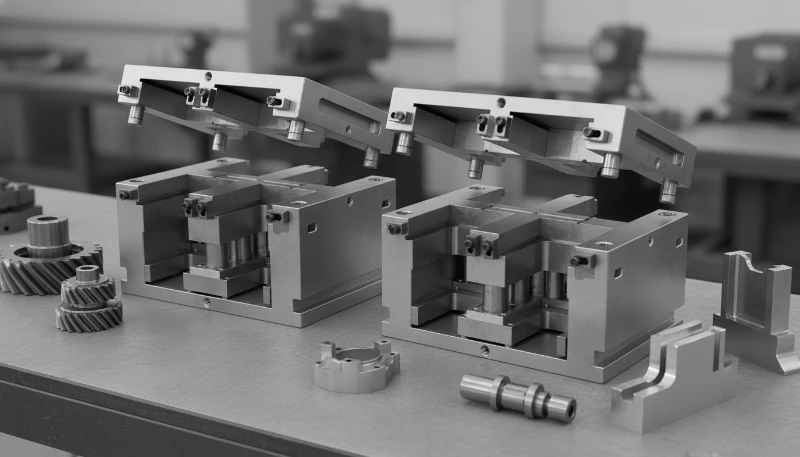
Sıcak yolluklar, enjeksiyon kalıplamayı dönüştürerek çeşitli sektörlerde verimliliği ve ürün kalitesini artırır.
Sıcak yolluklar, kalıplama sırasında plastik eriyiğini optimum sıcaklıklarda tutarak israfı en aza indirir ve döngü sürelerini iyileştirir. Otomotiv, tüketim malları ve tıbbi cihaz üretiminde yaygın olarak kullanılırlar. Temel faydaları arasında malzeme maliyetlerinin azaltılması ve parça kalitesinde tutarlılığın artırılması yer alır.
Bu genel bakış sıcak yollukların avantajlarını vurgularken, tasarımlarını ve uygulamalarını anlamak üretim süreçlerinizi optimize etmek için çok önemlidir. Farklı sıcak yolluk sistemlerinin üretim verimliliğinizi nasıl artırabileceğini keşfetmek için daha fazlasını keşfedin.
- Sıcak yolluklar plastiği yolluk sisteminde erimiş hâlde tutarak soğuk yolluk atığını ortadan kaldırır ve ince cidarlı parçalarda çevrim sürelerini 5 saniyenin altına indirir.
- Sıcaklık kontrolü ve dengeli akış en kritik iki teknik etkendir; yetersiz kontrol giriş kusurlarına, çapağa ve kalıp gözlerinin dengesiz dolmasına yol açar.
- Valf girişli sistemler en yüksek hassasiyeti sunar, ancak en karmaşık bakımı gerektirir; açık sistemler daha basit fakat daha az çok yönlüdür.
- Sıcak yolluklu kalıplar, yolluk hurdasını tamamen ortadan kaldırarak yüksek hacimli üretimde malzeme maliyetinden %10–20 tasarruf sağlar.
- CAE analiziyle doğrulanmış doğru manifold ve nozul tasarımı, çok gözlü kalıbın başarısı için gereklidir.
Alıcılar için önemli soru sıcak yollukların gelişmiş olup olmadığı değil; reçineye, parça ağırlığına, yıllık hacme, yolluk girişinin görünüm gereksinimine ve tedarikçinin bakım kapasitesine uygun olup olmadığıdır. Yolluğun pahalı malzemeyi israf edeceği durumlarda sıcak yolluk güçlü bir yatırım olabilir; ancak sistem iyi dengelenmemişse veya bakımı zorsa gizli bir maliyete de dönüşebilir.
"Sıcak yolluklar enjeksiyon kalıplamada çevrim sürelerini kısaltır."True
Sıcak yolluklar plastiği erimiş halde tutarak soğutma süresini azaltır ve genel üretim sürecini hızlandırır.
"Sıcak yolluklar her durumda soğuk yolluklardan daha pahalıdır."False
Sıcak yolluklar genellikle daha yüksek bir başlangıç maliyetine sahip olsa da, verimlilikleri ve malzeme tasarrufları uzun vadeli üretimde daha düşük genel maliyetlere yol açabilir.
Sıcak Yolluk Prensibi Nedir?
Sıcak yolluklar eriyiği ısıtılmış kalıp kanallarında sıcak tuttuğundan soğuk tapa oluşmaz ve yolluk hurdası çıkmaz.
Tedarikçileri karşılaştırıyor veya satın alma planlıyorsanız enjeksiyon kalıplama tedarikçisi bulma kılavuzumuz RFQ hazırlığını, yeterlilik değerlendirmesini ve ticari risk kontrollerini kapsar.
Sıcak yolluklar, kalıplama süreci boyunca erimiş plastiğin sıcaklığını koruyarak katılaşmayı önler ve israfı azaltır. Bu teknoloji otomotiv, tüketici ürünleri ve tıbbi cihazlar gibi sektörlerde yaygın olarak kullanılmaktadır. Temel avantajları arasında iyileştirilmiş döngü süreleri, daha düşük malzeme maliyetleri ve bitmiş ürünlerde daha fazla tutarlılık yer alır.
Sıcak yolluk sistemleri adyabatik yolluklar ve mikro yarı sıcak yolluk sistemi1 olarak ikiye ayrılır. Yolluksuz sistem olarak da bilinen sıcak yollukta, yolluktaki plastik her enjeksiyondan sonra katılaşmaz ve ürün kalıptan çıkarılırken yolluk artığının ayrılması gerekmez. Plastik katılaşmadığı için yolluk bir sonraki enjeksiyonda da açık kalır. Kısacası sıcak yolluk, enjeksiyon makinesi nozulunun uzantısıdır.
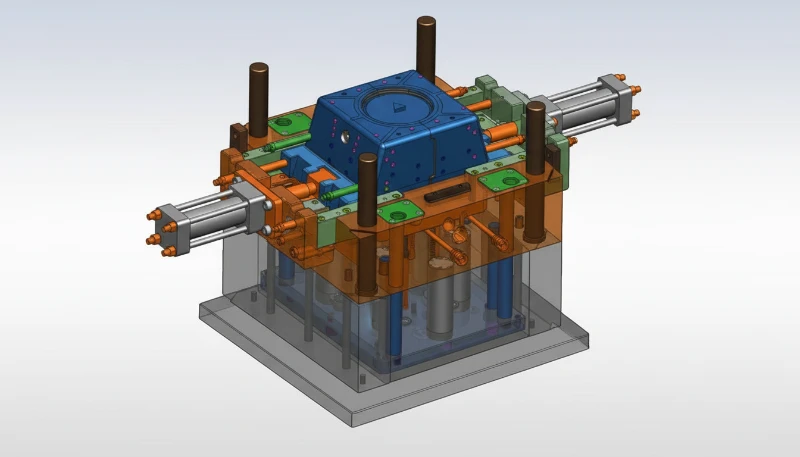
Sıcak yolluk, erimiş plastik granülleri kalıp kavitesine enjekte etmek için enjeksiyon kalıplarında kullanılan ısıtmalı bir bileşen sistemidir. Sıcak yolluklu kalıp, geleneksel veya üç plakalı kalıbın yolluk ve kanallarını ısıtan yeni bir yapıdır; böylece her kalıplama çevriminde yolluk ile kanalın çıkarılması gerekmez.
Sıcak Koşucuları Etkileyen Temel Teknik Faktörler Nelerdir?
Nozul tasarımı, sıcaklık kontrolü ve giriş türü, üretimde sıcak yolluk güvenilirliğini belirleyen üç değişkendir.
Bir sıcak yolluklu kalıp projesinin başarılı olması için bazı koşulların sağlandığından emin olmalısınız. Gerekli en önemli iki teknik unsur plastik sıcaklığının kontrolü ve plastik akışının kontrolüdür.
Plastik Sıcaklığının Kontrolü
Sıcak yolluk kalıbı kullanırken plastiğin sıcaklığını kontrol etmek çok önemlidir. Sıcaklığı iyi kontrol etmezseniz, prosesiniz ve parçalarınızın kalitesiyle ilgili birçok sorun yaşarsınız. Örneğin, sıcak uçlu bir kapak kullanırsanız, kapağınızın kalitesiyle ilgili pek çok sorun yaşarsınız. Bir valf kapısı kullanırsanız, valf piminin kapanmasıyla ilgili birçok sorun yaşarsınız.
Çok gözlü bir kalıbınız varsa, dolum süresi ve parçalarınızın kalitesiyle ilgili birçok sorun yaşarsınız. Mümkünse, sıcaklığı daha iyi kontrol edebilmeniz ve daha fazla esnekliğe sahip olabilmeniz için çok sayıda bölgesi olan bir sıcak yolluk sistemi almaya çalışın.
Plastik Akışının Kontrolü
Plastikler sıcak yolluk sisteminde dengeli akmalıdır. Plastiğin her bir boşluğu eşzamanlı olarak doldurmasını sağlamak için kapılar aynı anda açılmalıdır. Parça ağırlığında büyük fark olan AİLE KALIBI için yolluk boyutu tasarımı dengeli olmalıdır. Aksi takdirde, bazı parçalar yeterli basınçla doldurulmazken, diğerleri çok fazla basınçla doldurulacak veya flaş çok büyük olacak ve kalite düşük olacaktır. Sıcak yolluk yolluk boyutunun tasarımı makul olmalıdır.
Boyut çok küçükse basınç kaybı aşırı olur. Çok büyükse sıcak yolluk hacmi artar ve plastik sıcak yolluk sisteminde fazla uzun süre kalır; bu da malzeme özelliklerini bozarak kalıplama sonrası parçaların kullanım gereksinimlerini karşılayamamasına yol açar. Kullanıcıların en uygun yolluğu tasarlamasına özel olarak yardımcı olan MOLDCAE gibi CAE akış analizi yazılımları mevcuttur.
Ne Tür Sıcak Yolluklar Vardır?
İki temel sıcak yolluk türü vardır: açık ve kapalı sistemler. Açık sistemler eriyik plastiğin doğrudan akmasına izin verirken kapalı sistemler sıcaklığı korumak ve atığı azaltmak için bir dağıtım bloğu2 kullanır. Sıcak yolluklar otomotiv, tüketim ürünleri ve tıbbi cihazlar gibi sektörlerde yaygın biçimde kullanılır; daha az malzeme tüketimi ve daha tutarlı parçalar sağlar.
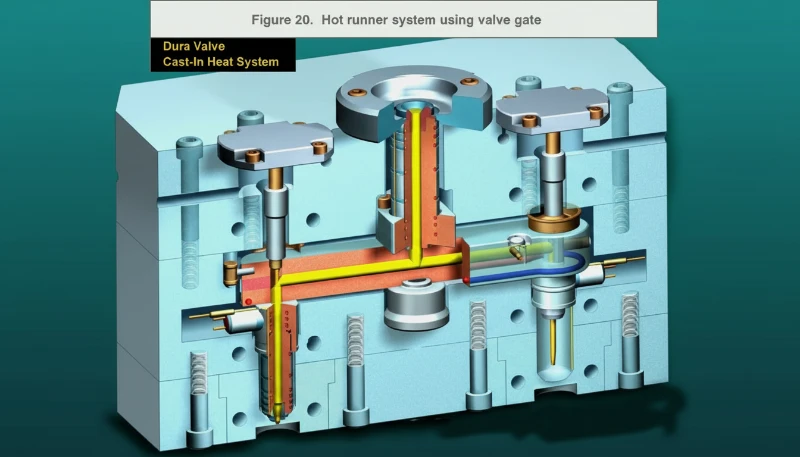
İğne Vana Tipi
Valf kapısı sistemi, valf iğnesini hava basıncı ile çalıştıran mekanik bir valf iğnesi sistemidir İğneli valf sıcak yollukları malzeme tasarrufu sağlar, güzel plastik yüzeye sahiptir ve sıkı iç kaliteye ve yüksek mukavemete sahiptir. Dünyada iki ana tip iğneli valf sıcak yolluk vardır (enjeksiyon prensibine göre): silindir tipi ve yay tipi.
Sıcak Yolluk Sistemlerinin Çeşitleri Nelerdir?
İki ana tip sıcak yolluk sistemi vardır: açık ve kapalı. Açık sistemler eriyiği atmosfere maruz bırakır, bu daha basittir ancak malzemenin bozulmasına yol açabilir. Kapalı sistemler ise eriyiği içeride tutarak atıkları en aza indirir ve malzeme bütünlüğünü korur. Her iki sistem de üretim hızını ve parça tutarlılığını artırarak otomotiv ve tüketim malları gibi sektörlerde vazgeçilmez hale gelir.
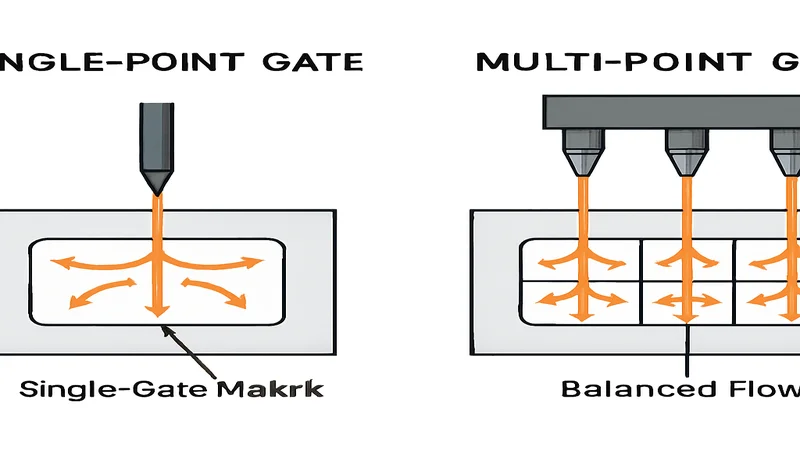
Sıcak yolluk sistemleri tam sıcak yolluk sistemi ve yarı sıcak yolluk sistemleri olarak ikiye ayrılabilir. Sıcak yolluk sistemleri üç tipe ayrılabilir: tek nozullu sıcak yolluk sistemleri, çok nozullu sıcak yolluk sistemleri ve valf kapılı sıcak yolluk sistemleri.
Tek Kafalı Sıcak Yolluk Sistemi
Tek kafalı sıcak yolluk sistemi temel olarak tek bir nozul, bir nozul başlığı, bir nozul bağlantı plakası, bir sıcaklık kontrol sistemi ve benzerlerinden oluşur.
D, D, L boyutlarını kontrol etmek ve nozul bağlantı plakasının kalınlığını ayarlamak gerekir, böylece sabit kalıp sabitleme plakası nozulun eksenel yer değiştirmesini kontrol etmek için nozul bağlantı plakasının uç yüzüne bastırır veya aynı amaca ulaşmak için nozul bağlantı plakasının uç yüzünü desteklemek için doğrudan enjeksiyon kalıplama makinesi nozulunu kullanır.
Çok Kafalı Sıcak Yolluk Sistemi
Çok kafalı sıcak yolluk sisteminin plastik kalıbı oldukça karmaşıktır. Erimiş plastik, enjeksiyon kalıplama makinesi tarafından nozül bağlantı plakasına enjekte edilir, sıcak yolluk plakasından nozüle akar, nozül kafasına ulaşır ve ardından boşluğa enjekte edilir. Sıcak yolluk sisteminin nozülü, sabit kalıp plakası ile radyal boyut D1 ve eksenel boyut sınırı gereksinimlerini karşılamalıdır.
Erimiş plastiğin boşluk olmayan parçaya taşmamasını sağlamak için nozul kafası ve sabit kalıp ek parçası d radyal boyutuna uymalıdır ve sabit kalıp ek parçasının sertliği yaklaşık 50HRC’ye kadar sertleştirilmelidir. Ayırma yüzeyi ile sıcak nozülün eksenel konumlandırma yüzeyi arasındaki L mesafesi sıkı bir şekilde kontrol edilmelidir.
| Parametre | Tolerans | Amaç |
|---|---|---|
| Radyal boyut D1 | ±0.01 mm | Meme-plaka hizalaması |
| Radyal boyut d | ±0.005 mm | Plastik taşmasını önleyin |
| Boşluk (oda sıcaklığı) | 0.025 mm | Termal genleşme telafisi |
| Sertlik (insert) | ~50 HRC sertlik | Giriş bölgesinde aşınma direnci |
Boyut, nozulun oda sıcaklığındaki gerçek mesafesi L\’ artı nozulun kalıbın normal çalışma sıcaklığındaki gerçek uzantısı ΔL temel alınarak belirlenmelidir. Memenin sıcak yolluk plakasına güvenilir bir şekilde oturmasını ve sıcak yolluk plakasını deforme etmemesini sağlamak için, memenin üst kısmında bir ayar pedi bulunur.
Ayar pedi ve nozülün eksenel konumlandırma yüzeyi, nozülün eksenel hareketini sınırlar ve sıcak yolluk plakasının olası deformasyonunu etkili bir şekilde kontrol eder. Oda sıcaklığında, ayar pedi ile sıcak yolluk plakası ve sabit kalıp plakası arasındaki boşluk 0,025 mm olacak şekilde kontrol edilir, böylece kalıp ısıtıldıktan sonra ayar pedi sadece çalışma sıcaklığında bastırılır.
Sıcak yolluk sisteminin konumlandırma yuvası ve konumlandırma pimi, sıcak yolluk plakasının kalıp içindeki konumunu kontrol eder. Konumlandırma yuvası ve sabit kalıp plakası D2 radyal boyut eşleşmesine sahip olmalı ve h derinliği doğru bir şekilde kontrol edilmelidir. Konumlandırma yuvasının eksenel yönü sıcak yolluk plakasını destekler ve doğrudan enjeksiyon makinesinin enjeksiyon basıncını taşır.
Konumlandırma pimi, sıcak yolluk plakasının sabit plakasıyla eşleşmelidir. Sıcak yolluk plakası ile kalıp plakası arasında yalıtım malzemesini sarmak için yeterli boşluk olmalıdır. Sıcak yolluk plakası ve sabit plaka, güç kablosunun kalıptan çıkmasına ve kalıba takılı kablo yuvasına bağlanmasına izin vermek için yeterli kablo kanalına sahip olmalıdır.
Enjeksiyon kalıplama makinesinin enjeksiyon kafasının kalıptaki meme bağlantı plakasıyla doğru eşleşmesi için meme bağlantı plakası ile sabit kalıp tespit plakası arasında D1 radyal boyut eşleşmesi gerekir. Sıcak yolluk plakasının yakınında sabit kalıp plakası, sıcak yolluk plakası tespit plakası ve sabit kalıp tespit plakası vidalarla bağlanarak sıcak yolluk plakasının rijitliği artırılır.
Valf Kapısı Sıcak Yolluk Sistemi
Sıcak Yolluk Tertibatı nedir?
Sıcak yolluk grubu; erimiş plastiği doğrudan her kaviteye ileten manifold, memeler, ısıtıcılar ve sensörlerden oluşur.
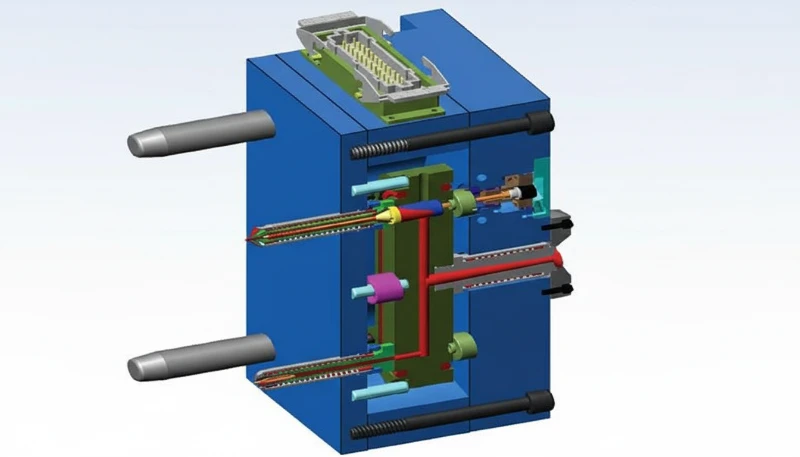
Konumlandırma Halkası
Konumlandırma bileziği, kalıbın makineyle doğru hizalanmasını sağlamak için enjeksiyon kalıbını enjeksiyon makinesinde konumlandırır.
Ana Nozul
Reçine kalıba püskürtüldüğünde, reçinenin enjeksiyon kalıplama makinesi nozülünden geldiği kapıdır. Reçine türüne ve sıcak yolluk tasarımına bağlı olarak, kapı bileşeni kalıplama sürecini optimize etmek için ısıtılabilir.
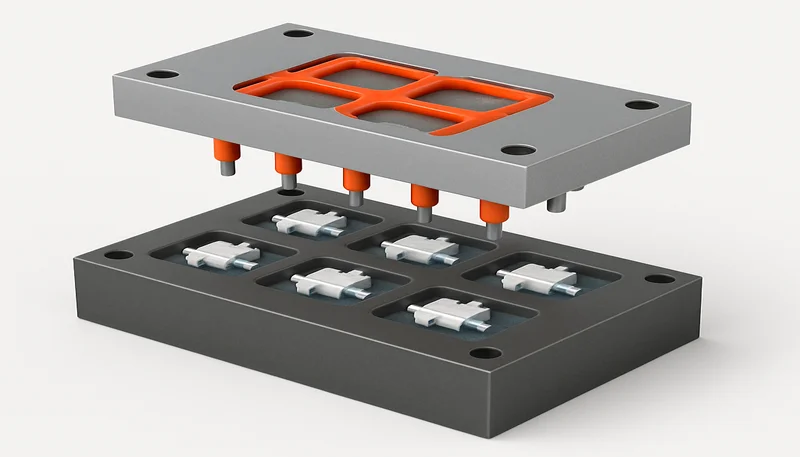
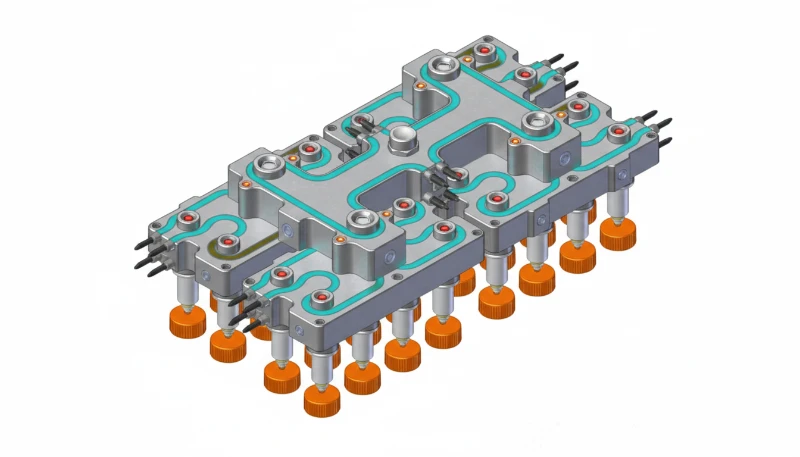
Dağıtım manifoldu
Manifoldlar, bir kalıpta birden fazla boşluğunuz olduğunda veya birden fazla besleme noktanız olduğunda veya tek bir besleme noktanız olduğunda ancak malzeme seviyesi dengelendiğinde kullanılır. Malzeme genellikle P20 veya H13’tür. Manifoldlar genellikle iki kategoriye ayrılır: standart ve standart olmayan. Yapısal biçimleri esas olarak kalıp üzerindeki boşlukların dağılımı, nozüllerin düzeni ve kapıların konumu ile belirlenir.
Manifoldlar reçinenin farklı nozullara ve enjeksiyon noktalarına (kapılara) akmasını sağlar. Manifoldlar genellikle birden fazla boşluğa sahip olduğunuzda veya her parça için birden fazla nozüle/kapağa ihtiyaç duyduğunuzda kullanılır. Manifoldlar çeşitli malzemeler, tasarımlar ve şekiller için kullanılabilir ve kalıplama sürecini iyileştirmek için genellikle CAE analizi ile optimize edilir.
Nozul
İki tür sıcak meme vardır: açık sıcak memeler ve iğne valfli sıcak memeler. Kullandığınız sıcak meme türü, ihtiyaç duyduğunuz sıcak yolluk sistemi ve yapmanız gereken kalıp türünü belirler. Bu nedenle sıcak yolluk sistemleri, açık sıcak yolluk sistemleri ve iğne valfli sıcak yolluk sistemleri olarak ayrılır.
Isıtıcı Teknolojisi
Isıtıcı teknolojisi, tüm sıcak yolluk sistemlerinin temelini oluşturur ve kalıplama süreci ile parça kalitesi üzerinde büyük bir etkiye sahiptir. Her birinin kendine özgü artıları ve eksileri olan çeşitli ısıtma yöntemleri vardır. Farklı kalıplama proseslerine, parça performansına, güvenilirliğe ve maliyet gereksinimlerine göre doğru sıcak yolluk seçin. En yaygın sıcak yolluk teknolojileri arasında ısıtma bantlı/plakalı ısıtıcılar, yapışkan/esnek ısıtıcılar veya lehimli ısıtıcılar bulunur.
Sıcak Yolluk Avantajları Nelerdir?
Sıcak yolluğun avantajları, bu bölümde açıklanan ana kategoriler veya seçeneklerdir. Sıcak yolluklar malzeme israfını %50’ye kadar azaltır, çevrim sürelerini kısaltır ve yolluk kırmasının yeniden kullanımını ortadan kaldırır; bu da onları yüksek hacimli enjeksiyon kalıplama için vazgeçilmez kılar.
Şanghay fabrikamızda, kendi kalıp üretim tesisimizle birlikte 90T ile 1850T arasında 47 enjeksiyon kalıplama makinesi çalıştırıyoruz. 20 yılı aşkın deneyimimiz, sıcak yolluk sistemlerinin çok gözlü üretim serilerinde malzeme israfını sürekli olarak %15–30 azalttığını göstermiştir; bu avantaj, yolluk hacimlerinin aksi hâlde önemli boyutlara ulaşacağı yüksek tonajlı preslerimizde özellikle belirgindir.
Kısaltılmış Döngü
Parçaların kalıplama döngüsü kısalır. Yolluk sistemi için soğutma süresi sınırı olmadığından, parçalar kalıplama ve kürlemeden sonra zamanında çıkarılabilir. Sıcak yolluk kalıpları ile üretilen birçok ince cidarlı parçanın kalıplama döngüsü 5 saniyeden az olabilir.
Uygulama Kapsamını Genişletin
Ürün Kalitesini İyileştirin
Sıcak yolluk kalıbı ile plastik parçalar üretirken, yolluk sistemindeki plastik eriyiğin sıcaklığını kontrol edebilirsiniz. Bu, plastiğin her bir kalıp boşluğuna daha eşit bir şekilde akabileceği anlamına gelir, böylece her seferinde aynı kalitede parçalar elde edersiniz. Sıcak yolluk kalıbı ile yaptığınız parçalar iyi kapılara sahiptir, kalıptan çıkardıktan sonra düşük gerilime sahiptir ve dağılmazlar.
Bu nedenle sıcak yolluk kalıplarıyla üretilen çok sayıda yüksek kaliteli ürün görürsünüz. MOTOROLA telefonlar, HP yazıcılar ve DELL dizüstü bilgisayarlardaki plastik parçaların çoğu sıcak yolluk kalıpları ile üretilmektedir.
Plastik Tasarrufu
Atıkları Azaltın
Üretim Otomasyonu
Hot Runner’ın Dezavantajları Nelerdir?
Sıcak yollukların başlıca dezavantajları; daha yüksek takım maliyeti, ek bakım karmaşıklığı ve ısıya duyarlı reçinelerde termal bozunma riskidir.
Artan Maliyetler
"Valf girişli sıcak yolluk sistemleri, bitmiş parça üzerinde neredeyse görünmez yolluk giriş izleri oluşturur."True
Valf girişleri, girişi temiz biçimde kapatmak için mekanik bir pim kullanır ve yalnızca küçük bir iz bırakır; otomotiv dış panelleri gibi kozmetik yüzeyler için idealdir.
"Sıcak yolluk sistemleri herhangi bir kalıp sıcaklığı kontrolüne duyulan ihtiyacı ortadan kaldırır."False
Sıcak yolluklar yalnızca yolluk kanalını ısıtır; dolumdan sonra parçayı doğru biçimde katılaştırmak için kalıbın yine kendi sıcaklık kontrol sistemine (soğutma kanalları) ihtiyacı vardır.
Yüksek Ekipman Gereksinimleri
Örneğin yetersiz plastik sızdırmazlığı, plastik taşmasına ve sıcak yolluk bileşenlerinin hasar görmesine neden olarak üretimi kesintiye uğratır; meme insertleri ile girişlerin göreli konumunun hatalı olması da ürün kalitesinde ciddi düşüşe yol açar.
Karmaşık İşletme ve Bakım
Sıcak yolluklu kalıpların işletilmesi ve bakımı soğuk yolluklu3 kalıplara göre daha karmaşıktır. Yanlış kullanım sıcak yolluk parçalarına kolayca zarar vererek üretimi durdurabilir ve büyük ekonomik kayıplara yol açabilir. Yeni kullanıcıların deneyim kazanması uzun zaman alır.
Sıcak Yollukların Uygulama Alanları Nelerdir?
Sıcak yolluklar; yüksek hacimli hassas kalıplamanın gerektiği her yerde otomotiv, tıp, ambalaj, elektronik ve tüketim malları sektörlerine hizmet eder.
Otomotiv Endüstrisi
Elektronik Endüstrisi
Tıbbi Cihaz Alanı
Sıkça Sorulan Sorular
Sıkça Sorulan Sorular
Sıcak Yolluk ile Soğuk Yolluk Arasındaki Fark Nedir?
Sıcak yolluk, elektrikle ısıtılan bileşenler kullanarak plastiği yolluk kanalı içinde eriyik hâlde tutar; böylece yolluk hurdası oluşmaz ve parçalar her çevrimden sonra ikincil çapak alma gerektirmeden temiz biçimde çıkar. Soğuk yollukta besleme kanallarındaki plastik parçayla birlikte katılaşır ve kesilmesi, yeniden öğütülmesi veya atılması gereken atık oluşturur. Sıcak yolluklar malzeme tasarrufu sağlar ve çevrim süresini azaltır; ancak ilk yatırım maliyeti çok daha yüksektir ve dikkatli sıcaklık yönetimi gerektirir. Soğuk yolluklar daha basit ve ucuzdur; kısa üretim serilerine veya sık malzeme değişimlerine daha uygundur.
Sıcak Yolluk Sistemi Ne Kadara Mal Olur?
Tipik bir sıcak yolluk sistemi; nozul sayısına, valf girişinin karmaşıklığına, sıcaklık bölgesi sayısına ve kontrol ünitesinin gelişmişliğine bağlı olarak toplam kalıp maliyetine 3,000 ila 15,000 ABD doları veya daha fazlasını ekler. 100,000 parçayı aşan yüksek hacimli üretimlerde yolluk hurdasının ortadan kalkmasıyla sağlanan malzeme tasarrufu, yatırımı çoğu zaman birkaç ay içinde geri öder. 5,000 parçanın altındaki kısa üretimlerde ek maliyet ekonomik açıdan nadiren kendini haklı çıkarır. Sıcak yolluk sistemine karar vermeden önce malzeme tasarrufu, çevrim süresi azalması ve bakım maliyetlerini içeren ayrıntılı bir parça başı maliyet karşılaştırması yapın.
Tüm Plastikler Sıcak Yolluk Sistemlerinde Kullanılabilir mi?
Çoğu termoplastik sıcak yolluklarla iyi çalışır; ancak PVC, POM (asetal) ve bazı alev geciktirici kaliteler gibi ısıya duyarlı malzemeler, manifold içindeki termal bozunmayı önlemek için dikkatli sıcaklık yönetimi gerektirir. Çok dar işleme aralığına sahip veya gaz üretmeye yatkın malzemeler, özel meme tasarımları ve bölge bazında hassas sıcaklık kontrolü gerektirir. Cam dolgulu reçineler de sıcak yolluk bileşenlerinin aşınmasını hızlandırdığı için sertleştirilmiş akış kanalları gerekir. Sıcak yolluk tedarikçiniz, kullandığınız reçine kalitesiyle uyumluluğu doğrulamalı ve en iyi işleme sonuçları için önerilen sıcaklık profillerini sağlamalıdır.
Sıcak Yolluk Kalıbının Bakımı Nasıl Yapılır?
Düzenli bakım; planlı kalıp servisinde memelerin ve manifoldların temizlenmesini, ısıtıcı bantlar ile termokuplların aşınma veya yanma açısından kontrolünü, valf pimlerinde çizilme veya eğilme denetimini ve plastiğin kablo kanallarına sızmasını önlemek için conta bütünlüğünün doğrulanmasını içerir. Çoğu üretim tesisi sıcak yolluk bakımını her 50,000 ila 100,000 çevrimde veya kalıp presten her çıkarıldığında planlar. Sıcaklık bölgelerinin zaman içindeki değerlerini belgelemek, bozulma eğilimlerini kalite kusurlarına yol açmadan önce belirlemeye yardımcı olur. Yedek ısıtıcı bant, termokupl ve conta kitlerini hazır bulundurmak kritik üretim çalışmaları sırasında plansız duruşu azaltır.
Sıcak Yollukla Kalıplanan Parçalarda Renk Çizgilerinin Nedeni Nedir?
Sıcak yolluk parçalarındaki renk çizgileri genellikle önceki renk veya reçine sınıfından kalan malzemenin manifold ya da meme kanallarındaki ölü noktalarda durgunlaşmasından kaynaklanır. Yetersiz temizleme süresi, malzemenin takılmasına izin veren düşük sıcaklıklı bölgeler veya mikroskobik cepler oluşturan aşınmış iç yüzeyler yaygın nedenlerdir. Doğru eriyik sıcaklığında kapsamlı temizleme ve ardından bakım sırasında akış kanallarının fiziksel kontrolü, çizgi sorunlarının çoğunu önler. Bazı modern sıcak yolluk tasarımları, ölü bölgeleri en aza indirmek ve renk değişimlerini hızlandırmak için özel olarak akıcı akış yollarına ve parlatılmış iç yüzeylere sahiptir.
Açık Girişli Sıcak Yolluk Yerine Ne Zaman Valf Girişli Sıcak Yolluk Seçmelisiniz?
Giriş görünümünün kritik olduğu durumlarda valf girişli sistemleri seçin; otomotiv dış panelleri, tüketici elektroniği muhafazaları ve tıbbi cihaz kasalarının tümü neredeyse görünmez giriş izleri gerektirir. Valf girişler ayrıca farklı hacimlerde parçalar içeren aile kalıplarında sıralı doluma olanak tanır ve mühendislik sınıfı reçineler için hassas basınç kontrolü sağlar. Açık girişli sistemler çok daha ekonomiktir ve bakımları daha kolaydır; bu nedenle görsel olmayan uygulamalar, polipropilen gibi standart reçineler ve giriş yüzeyindeki küçük izin son kullanıcı tarafından kabul edildiği kalıplar için daha iyi seçimdir.
Bir Sıcak Yolluk Kaç Sıcaklık Bölgesine İhtiyaç Duyar?
Bölge sayısı; manifold düzenine, kavite sayısına ve parça geometrisinin karmaşıklığına bağlıdır. Basit, tek nozullu bir kalıp yalnızca bir veya iki bölge gerektirebilirken, on altı ya da daha fazla çıkışlı karmaşık, çok gözlü bir kalıp bağımsız kontrol edilen sekiz ila yirmi bölge gerektirebilir. Daha fazla bölge, her girişte eriyik viskozitesinin daha hassas kontrolünü sağlar; bu, farklı kavitelerde farklı ağırlık veya et kalınlığında parçalar üreten aile kalıpları için kritiktir. Takım üretiminden önce CAE akış analizi yapmak, optimum bölge yapılandırmasını belirlemeye ve olası denge sorunlarını tasarım sürecinin başında saptamaya yardımcı olur.
Sıcak Yolluk Sistemi Kalıp Çevrim Süresini Artırır mı?
Hayır—sıcak yolluk sistemleri çevrim süresini artırmak yerine genellikle azaltır. Soğuk yolluğun ortadan kaldırılmasıyla, parça çıkarılmadan önce soğuyup katılaşması gereken kalın bir yolluk bölümü kalmaz. Sıcak yolluklarla üretilen ince cidarlı parçalar, üretimde beş saniyenin altında çevrim sürelerine ulaşabilir. Tek istisna, kötü tasarlanmış bir sıcak yolluğun kalıba genel soğutmayı engelleyecek kadar aşırı ısıl kütle eklemesidir; ancak profesyonelce tasarlanmış sistemlerde bu nadirdir. Malzeme tasarrufuyla birlikte çevrim süresindeki azalma, orta ve yüksek hacimli üretim için sıcak yolluk teknolojisine yatırım yapmanın en güçlü ekonomik gerekçelerinden biridir.
Sıcak yolluk sisteminin temel amacı nedir?
Sıcak yolluk sisteminin temel amacı, plastik eriyiği göz girişine ulaşana kadar kalıp içinde sıcak tutmaktır. Bu, soğuk yolluk hurdasını azaltır veya ortadan kaldırır, malzeme kullanımını iyileştirir ve aksi durumda yolluğun soğutma süresini belirleyeceği durumlarda kalıplama çevrimini kısaltabilir. Ayrıca manifold doğru dengelendiğinde çok gözlü kalıpların daha tutarlı dolmasına yardımcı olur. İyi tanımlanmış bir sıcak yolluk üretim denemelerinde daha kolay doğrulanıp sonradan maliyetli yeniden işlemeyi önlediğinden, alıcılar takımı onaylamadan önce giriş kalitesini, sıcaklık kararlılığını, bakım erişimini ve yedek parça desteğini doğrulamalıdır.
Sıcak yolluk ne zaman soğuk yolluktan daha iyidir?
Üretim hacmi istikrarlı, reçine pahalı, yolluk ağır olacak veya giriş görünümü ile kalıp gözleri arasındaki denge önemliyse sıcak yolluk genellikle soğuk yolluktan daha iyidir. Prototipler, çok düşük hacimli işler, sık renk değişiklikleri veya manifoldda uzun bekleme süresinde bozunan malzemeler için daha az caziptir. Kararda yalnızca kalıp üreticisinin ilk takım teklifine odaklanmak yerine kalıp maliyeti, baskı başına tasarruf edilen reçine, çevrim süresindeki azalma, başlangıç hurdası, bakım maliyeti ve duruş riski karşılaştırılmalıdır.
Sıcak yolluklu kalıpların yaygın riskleri nelerdir?
Yaygın sıcak yolluk riskleri arasında eriyik sızıntısı, ısıtıcı arızası, termokupl sapması, dengesiz kalıp gözleri, girişte ipliklenme, siyah benekler, renk çizgileri ve malzeme bozunması bulunur. Kök neden kalıbın sıcak yarısında olsa bile bu sorunların çoğu kalıplama prosesi sorunu gibi görünür. İyi bir kalıp incelemesinde manifold yerleşimi, ısıl genleşme boşluğu, meme oturma bütünlüğü, kablo koruma güzergâhı, giriş boyutu kalibrasyonu, giriş yakınındaki soğutma ve planlı bakım sırasında ısıtıcıların veya valf pimlerinin ne kadar kolay değiştirilebildiği kontrol edilmelidir.
Alıcılar bir sıcak yolluk tedarikçisini nasıl değerlendirmelidir?
Alıcılar; tedarikçinin giriş tipini, sıcak yolluk markasını, sıcaklık bölgesi sayısını, manifold dengeleme yöntemini, kontrol ünitesi uyumluluğunu, yedek parça listesini ve deneme doğrulama planını açıklayıp açıklayamadığını değerlendirmelidir. Tedarikçi yalnızca sıcak yolluğun malzeme tasarrufu sağlayacağını söylemek yerine çizimler, bölge haritaları, önerilen sıcaklık ayarları ve T1 numune kanıtı sunmalıdır. Yararlı deneme kanıtları arasında boşluk ağırlığı verileri, enjeksiyon basıncı eğrileri, giriş görünümü fotoğrafları, başlangıç hurda sayısı, boyutsal denetim raporları ve numune alma sırasında uygulanan düzeltici faaliyetlerin listesi bulunur.
Sıcak yolluk toplam kalıplama maliyetini her zaman azaltır mı?
Sıcak yolluk toplam kalıplama maliyetini her zaman düşürmez. Reçine firesini, soğutma süresini ve manuel yolluk işlemlerini azaltabilir; ancak kalıp, kontrolör ve bakım maliyetleri ile teknik riski artırır. Geri ödeme, yıllık baskı hacmi yüksek olduğunda ve yolluk ağır ya da pahalı reçineden olduğunda en güçlüdür. 10,000 parçanın altındaki kısa üretimlerde, her çevrimden sonra yeniden öğütülmesi veya atılması gereken bir miktar yolluk firesi oluştursa bile basit bir soğuk yolluk daha ucuz ve bakımı daha kolay olabilir.
Sıcak Yolluklar Enjeksiyon Kalıplamanın Geleceğini Nasıl Şekillendiriyor?
Sıcak yolluk (Hot Runner Systems), enjeksiyon kalıplarında eritilmiş plastik parçacıklarını kalıp boşluğuna enjekte etmek için kullanılan bir ısıtma bileşeni sistemidir. Sıcak yolluk kalıpları, geleneksel kalıpların veya üç plakalı kalıpların yolluklarını ve yolluklarını ısıtan yeni bir yapıdır, böylece her şekillendirmede yollukların ve yollukların çıkarılmasına gerek kalmaz.
Sıcak yolluk teknolojisi plastik sektörüne 50 yılı aşkın süre önce girdi ve enjeksiyonla kalıplanmış parçaların kalitesini ve operasyonel verimliliği artırıp hurdayı ve maliyeti azaltarak enjeksiyon kalıplama sürecini kökten değiştirdi. Kapsamlı bilgi için enjeksiyon kalıbı tasarımı kılavuzumuza bakın.
sıcak yolluk sistemi: Sıcak yolluk sistemi, plastiği yolluk kanalında eriyik hâlde tutan ve soğuk yolluk atığını azaltan, enjeksiyon kalıbı içindeki ısıtılmış bir düzenektir. ↩
dağıtım bloğu: Dağıtım bloğu, eriyik plastiği makine nozulundan kalıp içindeki birden fazla çıkış noktasına yönlendiren ısıtılmış bir parçadır. ↩
soğuk yolluk: Soğuk yolluk, yolluk plastiğinin her çevrimde katılaştığı ve kalıplanan parçadan ayrılması gerektiği geleneksel bir kalıp besleme sistemidir. ↩