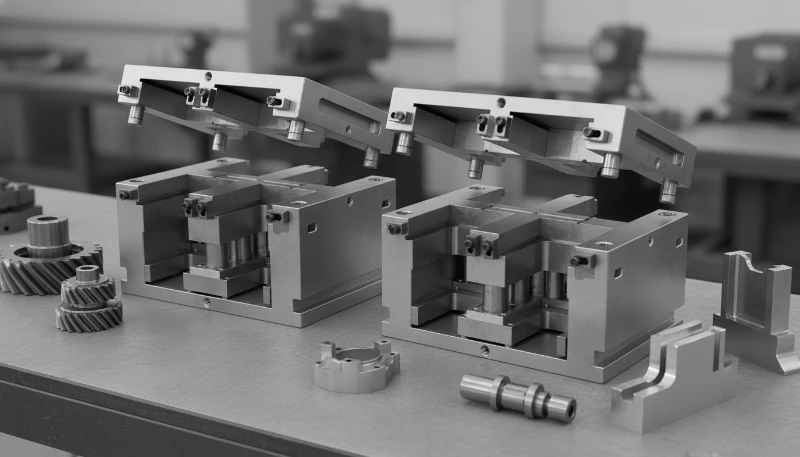
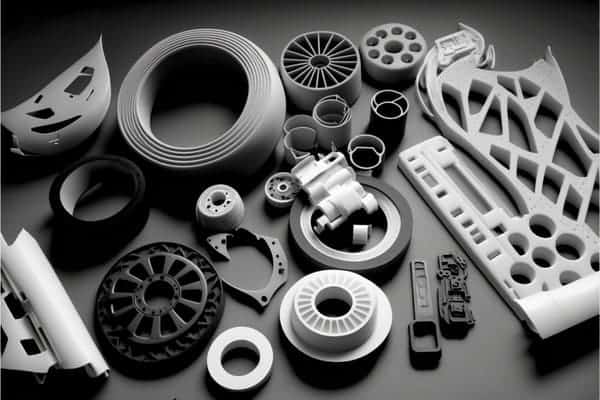
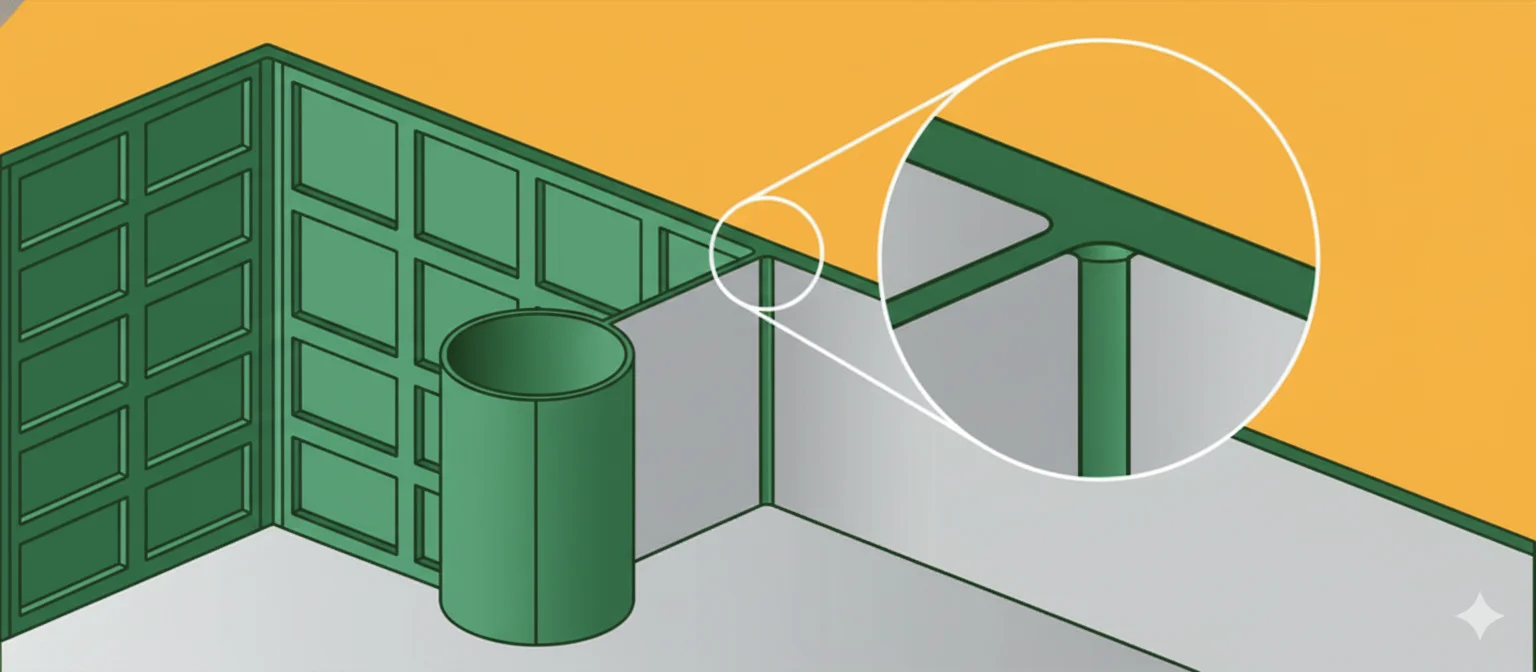
Heißkanäle revolutionieren das Spritzgießen und steigern Effizienz und Produktqualität in zahlreichen Branchen.
Heißkanäle minimieren den Ausschuss und verbessern die Zykluszeiten, indem sie die Kunststoffschmelze während des Spritzgießens auf optimalen Temperaturen halten. Sie werden häufig in der Automobil-, Konsumgüter- und Medizintechnik eingesetzt. Zu den wichtigsten Vorteilen gehören die Senkung der Materialkosten und die Verbesserung der gleichbleibenden Qualität der Teile.
Während dieser Überblick die Vorteile von Heißkanälen hervorhebt, ist das Verständnis ihrer Konstruktion und Anwendung entscheidend für die Optimierung Ihrer Produktionsprozesse. Erfahren Sie mehr darüber, wie die verschiedenen Heißkanalsysteme Ihre Produktionseffizienz steigern können.
- Heißkanäle halten den Kunststoff im Kanalsystem geschmolzen, vermeiden Kaltkanalabfall und verkürzen bei Dünnwandteilen die Zykluszeit auf unter 5 Sekunden.
- Temperaturregelung und ausgewogener Fluss sind die beiden wichtigsten technischen Faktoren – mangelhafte Regelung verursacht Anschnittfehler, Grat und eine ungleichmäßige Kavitätsfüllung.
- Nadelverschlusssysteme bieten die höchste Präzision, erfordern jedoch die aufwendigste Wartung; offene Systeme sind einfacher, aber weniger vielseitig.
- Heißkanalwerkzeuge sparen in der Großserienfertigung 10–20% Materialkosten, da Angussausschuss vollständig entfällt.
- Eine geeignete Verteiler- und Düsenkonstruktion, verifiziert durch eine CAE-Analyse, ist entscheidend für den Erfolg eines Mehrkavitätenwerkzeugs.
Für Einkäufer ist nicht entscheidend, ob Heißkanalsysteme fortschrittlich sind, sondern ob sie zum Harz, Teilegewicht, Jahresvolumen, zu den Anforderungen an die Anschnittoptik und zu den Wartungsmöglichkeiten des Lieferanten passen. Ein Heißkanal kann eine lohnende Investition sein, wenn der Anguss teures Material verschwenden würde; er kann jedoch auch zu versteckten Kosten führen, wenn das System schlecht ausbalanciert oder schwer zu warten ist.
"Heißkanäle verkürzen die Zykluszeiten beim Spritzgießen."True
Heißkanäle sorgen dafür, dass der Kunststoff geschmolzen bleibt, wodurch die Abkühlzeit verkürzt und der gesamte Produktionsprozess beschleunigt wird.
"Heißkanäle sind in jedem Fall teurer als Kaltkanäle."False
Obwohl Heißkanäle in der Regel höhere Anschaffungskosten verursachen, können ihre Effizienz und die Materialeinsparungen langfristig zu niedrigeren Gesamtkosten in der Produktion führen.
Was ist das Prinzip des Heißkanals?
Heißkanäle halten die Schmelze in beheizten Werkzeugkanälen flüssig, sodass kein Kaltpfropfen und kein Angussabfall entsteht.
Wenn Sie Anbieter vergleichen oder eine Beschaffung planen, behandelt unser Leitfaden zur Beschaffung von Spritzgießlieferanten die Vorbereitung von Angebotsanfragen, die Qualifizierung und die Prüfung kommerzieller Risiken.
Heißkanäle halten die Temperatur des geschmolzenen Kunststoffs während des gesamten Formprozesses aufrecht, verhindern ein Erstarren und reduzieren den Abfall. Diese Technologie ist in Branchen wie der Automobilindustrie, der Konsumgüterindustrie und der Medizintechnik weit verbreitet. Zu den wichtigsten Vorteilen gehören verbesserte Zykluszeiten, niedrigere Materialkosten und eine verbesserte Konsistenz der Endprodukte.
Heißkanalsysteme werden in adiabatische Kanäle und Mikro-Semi-Heißkanalsysteme1 unterteilt. Beim Heißkanal, auch angussloses System genannt, erstarrt der Kunststoff im Kanal nach dem Einspritzen nicht; beim Entformen des Kunststoffprodukts muss daher kein Anguss entfernt werden. Da der Kunststoff im Kanal flüssig bleibt, ist der Kanal auch beim nächsten Einspritzen frei. Kurz gesagt ist der Heißkanal eine Verlängerung der Düse der Spritzgießmaschine.
Der Heißkanal ist ein beheiztes Komponentensystem in Spritzgießwerkzeugen, das geschmolzenes Kunststoffgranulat in die Kavität einspritzt. Ein Heißkanalwerkzeug ist eine neue Konstruktion, bei der Verteiler und Kanal eines konventionellen oder Drei-Platten-Werkzeugs beheizt werden, sodass Verteiler und Anguss nicht bei jedem Formzyklus entfernt werden müssen.
Was sind die wichtigsten technischen Faktoren, die Heißläufer beeinflussen?
Düsenkonstruktion, Temperaturregelung und Anschnittart sind die drei Variablen, die über die Zuverlässigkeit eines Heißkanalsystems in der Produktion entscheiden.
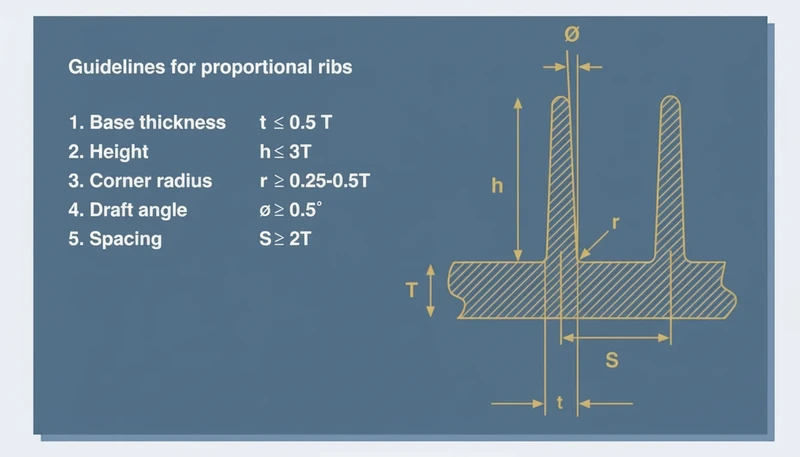
Für ein erfolgreiches Heißkanalwerkzeugprojekt müssen einige Voraussetzungen erfüllt sein. Die beiden wichtigsten technischen Faktoren sind die Kontrolle der Kunststofftemperatur und des Kunststoffflusses.
Kontrolle der Kunststofftemperatur
Die Kontrolle der Kunststofftemperatur ist bei der Verwendung eines Heißkanalwerkzeugs äußerst wichtig. Wenn Sie die Temperatur nicht gut kontrollieren, werden Sie viele Probleme mit Ihrem Prozess und der Qualität Ihrer Teile haben. Wenn Sie zum Beispiel einen Heißkanalanschnitt verwenden, werden Sie viele Probleme mit der Qualität Ihres Anschnitts haben. Wenn Sie einen Nadelverschluss verwenden, werden Sie viele Probleme mit dem Schließen der Nadel haben.
Wenn Sie ein Mehrkavitätenwerkzeug haben, werden Sie viele Probleme mit der Füllzeit und der Qualität Ihrer Teile haben. Wenn möglich, sollten Sie sich für ein Heißkanalsystem mit vielen Zonen entscheiden, damit Sie die Temperatur besser steuern können und mehr Flexibilität haben.
Steuerung des Kunststoffflusses
Die Kunststoffe sollten im Heißkanalsystem gleichmäßig fließen. Die Anschnitte sollten zur gleichen Zeit geöffnet werden, damit der Kunststoff jede Kavität synchron füllen kann. Bei FAMILY MOLD mit großen Gewichtsunterschieden zwischen den Teilen sollte die Größe des Kanals ausgeglichen sein. Andernfalls werden einige Teile nicht mit genügend Druck gefüllt, während andere mit zu viel Druck gefüllt werden, oder der Grat wird zu groß und die Qualität ist schlecht. Die Größe des Heißkanals sollte angemessen sein.
Ist die Abmessung zu klein, wird der Druckverlust zu groß. Ist sie zu groß, nimmt das Heißkanalvolumen übermäßig zu und der Kunststoff verbleibt zu lange im Heißkanalsystem. Dadurch werden die Werkstoffeigenschaften beeinträchtigt, sodass die Formteile nach dem Spritzgießen die Einsatzanforderungen nicht erfüllen. Es gibt bereits CAE-Fließanalysesoftware wie MOLDCAE, die Anwender gezielt bei der optimalen Auslegung des Verteilers unterstützt.
Welche Arten von Heißkanälen gibt es?
Es gibt zwei Hauptarten von Heißkanälen: offene und geschlossene Systeme. Offene Systeme lassen die Kunststoffschmelze direkt fließen, während geschlossene Systeme einen Verteilerblock2 verwenden, um die Temperatur zu halten und Abfall zu reduzieren. Heißkanäle kommen häufig in der Automobilindustrie, bei Konsumgütern und Medizinprodukten zum Einsatz und bieten Vorteile wie einen geringeren Materialverbrauch und gleichmäßigere Teile.
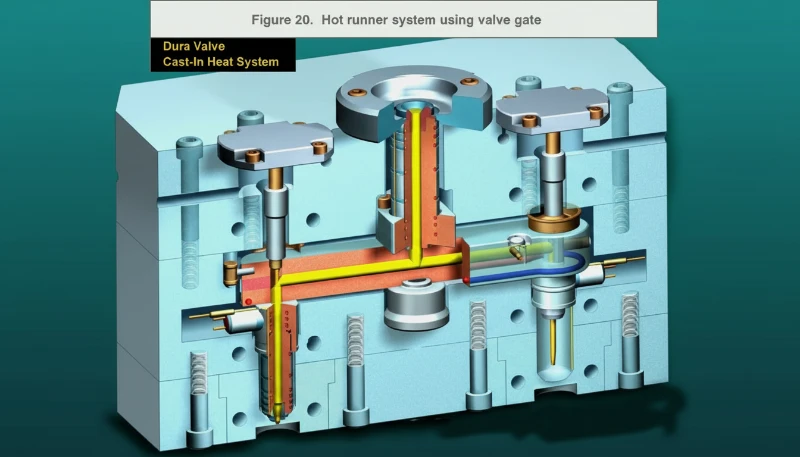
Nadelventil Typ
Das Nadelverschlusssystem ist ein mechanisches Ventilnadelsystem, das die Ventilnadel mit Luftdruck antreibt.Nadelventil-Heißkanäle sparen Material, haben eine schöne Kunststoffoberfläche und verfügen über eine dichte innere Qualität und hohe Festigkeit. Es gibt zwei Haupttypen von Nadelverschluss-Heißkanälen in der Welt (basierend auf dem Einspritzprinzip): Zylindertyp und Federtyp.
Welche Arten von Heißkanalsystemen gibt es?
Es gibt zwei Haupttypen von Heißkanalsystemen: offene und geschlossene Systeme. Offene Systeme setzen die Schmelze der Atmosphäre aus, was zwar einfacher ist, aber zu einer Verschlechterung des Materials führen kann. Geschlossene Systeme hingegen halten die Schmelze unter Verschluss, minimieren den Abfall und erhalten die Materialintegrität. Beide Systeme verbessern die Produktionsgeschwindigkeit und die Konsistenz der Teile, was sie in Branchen wie der Automobil- und Konsumgüterindustrie unverzichtbar macht.
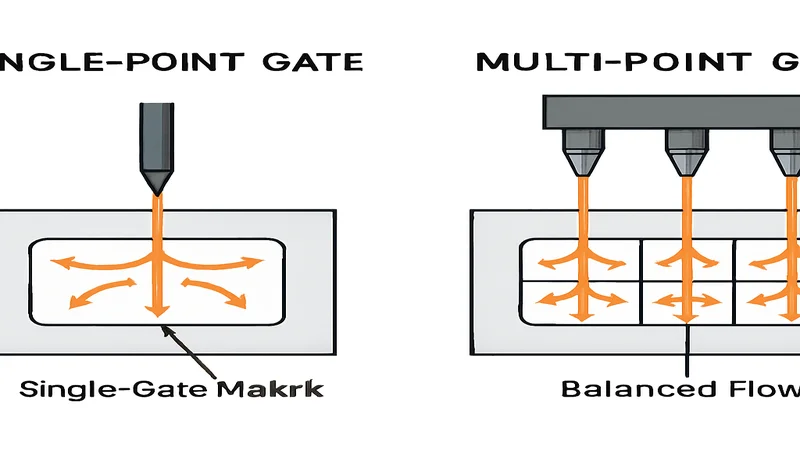
Heißkanalsysteme lassen sich in Vollheißkanalsysteme und Halbheißkanalsysteme unterteilen, die wiederum in drei Typen unterteilt werden können: Eindüsen-Heißkanalsysteme, Mehrdüsen-Heißkanalsysteme und Nadelverschluss-Heißkanalsysteme.
Ein-Kopf-Heißkanalsystem
Das Einkopf-Heißkanalsystem besteht im Wesentlichen aus einer einzelnen Düse, einem Düsenkopf, einer Düsenanschlussplatte, einem Temperaturregelsystem und so weiter.
Es ist notwendig, die Abmessungen d, D, L zu kontrollieren und die Dicke der Düsenverbindungsplatte so einzustellen, dass die feste Formbefestigungsplatte die Endfläche der Düsenverbindungsplatte drückt, um die axiale Verschiebung der Düse zu kontrollieren, oder direkt die Düse der Spritzgießmaschine zu verwenden, um die Endfläche der Düsenverbindungsplatte zu stützen, um denselben Zweck zu erreichen.
Mehrkopf-Heißkanalsystem
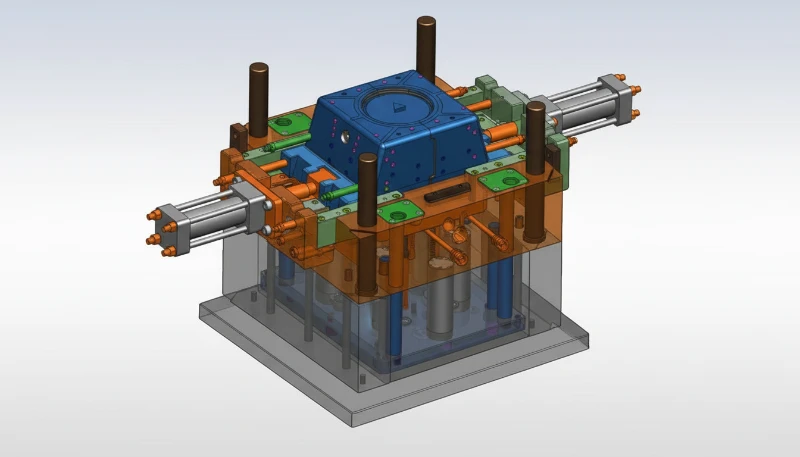
Die Kunststoffform des Mehrkopf-Heißkanalsystems ist ziemlich kompliziert. Der geschmolzene Kunststoff wird von der Spritzgießmaschine in die Düsenanschlussplatte eingespritzt, fließt durch die Heißkanalplatte zur Düse, erreicht den Düsenkopf und wird dann in die Kavität gespritzt. Die Düse des Heißkanalsystems muss die Anforderungen an die radiale Abmessung D1 und die axiale Abmessungsgrenze mit der festen Formplatte erfüllen.
Der Düsenkopf und der feste Formeinsatz müssen in der radialen Abmessung d übereinstimmen, um sicherzustellen, dass der geschmolzene Kunststoff nicht auf das nicht-hohlraumfreie Teil überläuft, und die Härte des festen Formeinsatzes muss auf etwa 50 HRC gehärtet werden. Der Abstand L zwischen der Trennebene und der axialen Positionierungsfläche der heißen Düse muss streng kontrolliert werden.
| Kenngröße | Toleranz | Zweck |
|---|---|---|
| Radialmaß D1 | ±0.01 mm | Ausrichtung von Düse und Platte |
| Radialmaß d | ±0.005 mm | Kunststoffüberlauf verhindern |
| Spalt (Raumtemperatur) | 0.025 mm | Kompensation der Wärmeausdehnung |
| Härte (Einsatz) | ca. 50 HRC | Verschleißfestigkeit am Anschnitt |
Das Maß sollte auf der Grundlage des tatsächlichen Abstands L\’ der Düse bei Raumtemperatur plus der tatsächlichen Ausdehnung ΔL der Düse bei der normalen Betriebstemperatur des Werkzeugs ermittelt werden. Um sicherzustellen, dass die Düse zuverlässig an der Heißkanalplatte anliegt und diese nicht verformt, ist oberhalb der Düse ein Einstellpolster vorgesehen.
Das Einstellpolster und die axiale Positionierungsfläche der Düse begrenzen die axiale Bewegung der Düse und kontrollieren wirksam die mögliche Verformung der Heißkanalplatte. Bei Raumtemperatur beträgt der Spalt zwischen dem Justierkissen und der Heißkanalplatte und der festen Formplatte 0,025 mm, so dass nach dem Aufheizen der Form das Justierkissen bei der Arbeitstemperatur gerade noch gedrückt wird.
Der Positioniersitz und der Positionierstift des Heißkanalsystems steuern die Position der Heißkanalplatte in der Form. Der Positioniersitz und die feste Formplatte müssen in ihren radialen Abmessungen mit D2 übereinstimmen, und die Tiefe h muss genau kontrolliert werden. Die axiale Richtung des Positioniersitzes stützt die Heißkanalplatte und trägt direkt den Einspritzdruck der Spritzgießmaschine.
Der Positionierstift muss mit der festen Platte der Heißkanalplatte übereinstimmen. Zwischen der Heißkanalplatte und der Formplatte muss genügend Platz zum Umwickeln des Isoliermaterials vorhanden sein. Die Heißkanalplatte und die feste Platte müssen über genügend Kabelkanäle verfügen, damit das Stromkabel aus dem Werkzeug herausgeführt und mit dem am Werkzeug installierten Kabelsitz verbunden werden kann.
Zwischen Düsenanschlussplatte und fester Formaufspannplatte muss das Radialmaß D1 übereinstimmen, damit der Spritzkopf der Spritzgießmaschine korrekt mit der Düsenanschlussplatte der Form zusammenwirkt. Nahe der Heißkanalplatte werden die feste Formplatte, die Befestigungsplatte der Heißkanalplatte und die feste Formaufspannplatte verschraubt, um die Steifigkeit der Heißkanalplatte zu erhöhen.
Nadelverschluss-Heißkanalsystem
Was sind die Heißkanalsysteme?
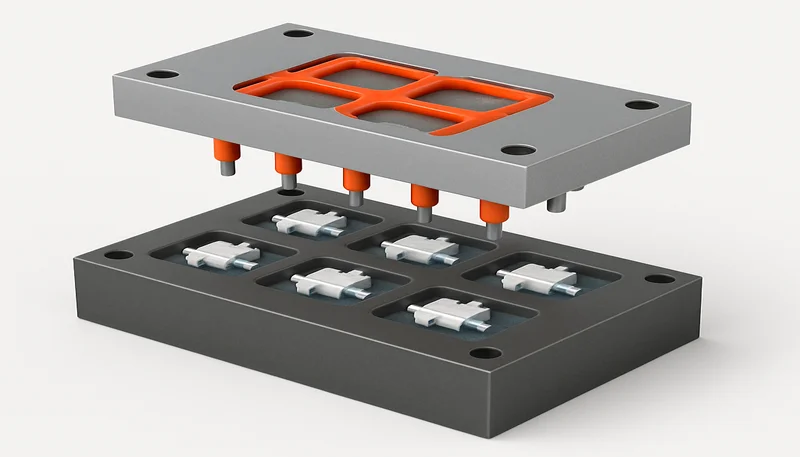
Eine Heißkanaleinheit umfasst Verteiler, Düsen, Heizelemente und Sensoren, die den geschmolzenen Kunststoff direkt zu jeder Kavität führen.
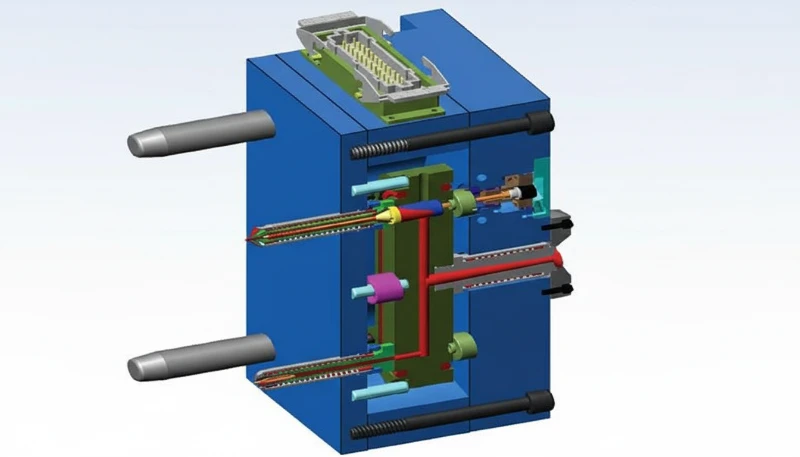
Positionierungsring
Der Zentrierring positioniert die Spritzgießform in der Spritzgießmaschine und sorgt dafür, dass Form und Maschine korrekt ausgerichtet sind.
Hauptdüse
Wenn das Harz in die Form gespritzt wird, ist dies der Anschnitt, durch den das Harz aus der Düse der Spritzgießmaschine eintritt. Je nach Art des Harzes und der Konstruktion des Heißkanals kann die Anschnittkomponente beheizt werden, um den Gießprozess zu optimieren.
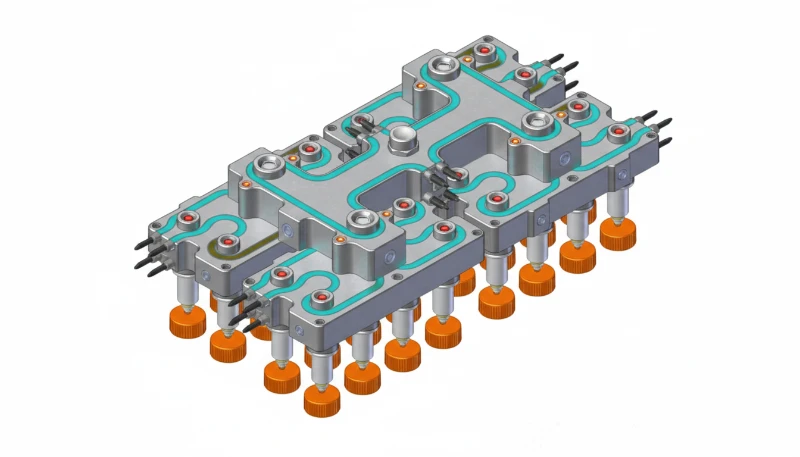
Verteiler
Verteiler werden verwendet, wenn Sie mehrere Kavitäten in einer Form haben oder wenn Sie mehrere Zuführungspunkte haben oder wenn Sie einen einzigen Zuführungspunkt haben, aber das Materialniveau versetzt ist. Das Material ist normalerweise P20 oder H13. Verteiler werden im Allgemeinen in zwei Kategorien unterteilt: Standard- und Nicht-Standard-Verteiler. Ihre strukturelle Form wird hauptsächlich durch die Verteilung der Kavitäten auf der Form, die Anordnung der Düsen und die Lage der Anschnitte bestimmt.
Verteiler ermöglichen es dem Harz, in verschiedene Düsen und Einspritzpunkte (Anschnitte) zu fließen. Verteiler werden in der Regel verwendet, wenn mehrere Kavitäten vorhanden sind oder wenn für jedes Teil mehr als eine Düse/ein Anschnitt benötigt wird. Verteiler können für eine Vielzahl von Materialien, Designs und Formen verwendet werden und werden in der Regel durch CAE-Analysen optimiert, um den Formgebungsprozess zu verbessern.
Düse
Es gibt zwei Arten von Heißkanaldüsen: offene Düsen und Nadelverschlussdüsen. Der Düsentyp bestimmt das erforderliche Heißkanalsystem und die Werkzeugausführung. Heißkanalsysteme werden daher in offene Systeme und Nadelverschlusssysteme unterteilt.
Heizungs-Technologie
Die Heizertechnologie ist die Grundlage aller Heißkanalsysteme und hat einen großen Einfluss auf den Spritzgießprozess und die Qualität der Teile. Es gibt verschiedene Heizmethoden, jede mit ihren eigenen Vor- und Nachteilen. Die Wahl des richtigen Heißkanals hängt von den verschiedenen Formgebungsverfahren, der Teileleistung, der Zuverlässigkeit und den Kostenanforderungen ab. Zu den gebräuchlichsten Heißkanaltechnologien gehören Heizungen mit Heizbändern/-platten, klebende/flexible Heizungen oder gelötete Heizungen.
Was sind die Vorteile von Heißkanälen?
Die Vorteile des Heißkanals sind die in diesem Abschnitt erläuterten Hauptkategorien beziehungsweise Optionen. Heißkanalsysteme senken den Materialabfall um bis zu 50%, verkürzen Zykluszeiten und vermeiden das Wiedervermahlen von Angüssen — damit sind sie für den Spritzguss großer Serien unverzichtbar.
In unserem Werk in Shanghai betreiben wir 47 Spritzgießmaschinen von 90T bis 1850T sowie einen eigenen Werkzeugbau. In mehr als 20 Jahren Erfahrung haben wir festgestellt, dass Heißkanalsysteme den Materialabfall bei Mehrkavitäten-Serienläufen zuverlässig um 15–30% reduzieren — insbesondere auf unseren Maschinen mit höherer Schließkraft, bei denen andernfalls erhebliche Angussvolumina anfallen würden.
Verkürzter Zyklus
Der Gießzyklus der Teile wird verkürzt. Da es keine Kühlzeitbegrenzung für das Verteilersystem gibt, können die Teile nach dem Formen und Aushärten rechtzeitig entformt werden. Der Spritzgießzyklus vieler dünnwandiger Teile, die mit Heißkanalwerkzeugen hergestellt werden, kann weniger als 5 Sekunden betragen.
Erweitern Sie den Anwendungsbereich
Verbesserung der Produktqualität
Wenn Sie Kunststoffteile mit einem Heißkanalwerkzeug herstellen, können Sie die Temperatur der Kunststoffschmelze im Verteilersystem steuern. Das bedeutet, dass der Kunststoff gleichmäßiger in jeden Formhohlraum fließen kann, sodass Sie jedes Mal Teile von gleicher Qualität erhalten. Die mit einem Heißkanalwerkzeug hergestellten Teile haben gute Anschnitte, sind nach der Entnahme aus der Form spannungsarm und werden nicht verformt.
Aus diesem Grund werden viele hochwertige Produkte mit Heißkanalwerkzeugen hergestellt. Viele der Kunststoffteile in MOTOROLA-Handys, HP-Druckern und DELL-Laptops werden mit Heißkanalwerkzeugen hergestellt.
Plastik sparen
Abfall reduzieren
Automatisierung der Produktion
Was sind die Nachteile des Heißkanals?
Die Hauptnachteile von Heißkanälen sind höhere Werkzeugkosten, zusätzlicher Wartungsaufwand und das Risiko thermischer Zersetzung wärmeempfindlicher Harze.
Steigende Kosten
"Heißkanalsysteme mit Nadelverschluss erzeugen Anschnittmarken, die am fertigen Teil praktisch unsichtbar sind."True
Nadelverschlüsse schließen den Anschnitt mit einem mechanischen Stift sauber und hinterlassen nur eine winzige Markierung — ideal für Sichtflächen wie Karosserie-Außenhautteile.
"Heißkanalsysteme machen jegliche Werkzeugtemperierung überflüssig."False
Heißkanäle erwärmen nur den Angusskanal; die Form selbst benötigt weiterhin ein eigenes Temperiersystem (Kühlkanäle), damit das Teil nach dem Füllen ordnungsgemäß erstarrt.
Hohe Anforderungen an die Ausrüstung
Eine mangelhafte Kunststoffabdichtung führt beispielsweise zum Austritt von Schmelze und zur Beschädigung von Heißkanalkomponenten, wodurch die Produktion unterbrochen wird. Eine fehlerhafte relative Position von Düseneinsätzen und Anschnitten mindert die Produktqualität erheblich.
Komplexer Betrieb und Wartung
Heißkanalformen sind in Betrieb und Wartung komplizierter als Kaltkanalformen3. Bei unsachgemäßer Bedienung können Heißkanalbauteile sehr leicht beschädigt werden, wodurch die Produktion ausfällt und hohe wirtschaftliche Verluste entstehen. Neue Anwender von Heißkanalformen benötigen lange, um ausreichende Erfahrung zu sammeln.
Was sind die Anwendungsbereiche von Heißkanälen?
Heißkanäle werden in der Automobil-, Medizin-, Verpackungs-, Elektronik- und Konsumgüterindustrie eingesetzt – überall dort, wo Präzisionsspritzgießen in hohen Stückzahlen erforderlich ist.
Autoindustrie
Elektronikindustrie
Bereich Medizinische Geräte
Häufig gestellte Fragen
Häufig gestellte Fragen
Was ist der Unterschied zwischen einem Heißkanal und einem Kaltkanal?
Ein Heißkanal hält den Kunststoff im Angusskanal mithilfe elektrisch beheizter Komponenten geschmolzen. Dadurch entsteht kein Angussabfall, und die Teile werden nach jedem Zyklus sauber ohne sekundäres Beschneiden ausgeworfen. Bei einem Kaltkanal erstarrt der Kunststoff in den Zuführkanälen zusammen mit dem Teil und erzeugt Abfall, der abgetrennt, wiedervermahlen oder entsorgt werden muss. Heißkanäle sparen Material und verkürzen die Zykluszeit, sind aber in der Anschaffung deutlich teurer und erfordern eine sorgfältige Temperaturregelung. Kaltkanäle sind einfacher, günstiger und besser für kurze Produktionsläufe oder häufige Materialwechsel geeignet.
Wie viel kostet ein Heißkanalsystem?
Ein typisches Heißkanalsystem erhöht die gesamten Formkosten um 3,000 bis 15,000 US-Dollar oder mehr, abhängig von der Anzahl der Düsen, der Komplexität der Nadelverschlussanschnitte, der Anzahl der Temperaturzonen und dem Funktionsumfang des Reglers. Bei Großserien mit mehr als 100,000 Teilen amortisiert sich die Investition durch die Materialeinsparung aufgrund des entfallenden Angussabfalls häufig innerhalb weniger Monate. Bei Kleinserien mit weniger als 5,000 Teilen ist der Mehraufwand wirtschaftlich nur selten gerechtfertigt. Führen Sie vor der Entscheidung für ein Heißkanalsystem stets einen detaillierten Stückkostenvergleich durch, der Materialeinsparungen, Zykluszeitverkürzung und Wartungskosten berücksichtigt.
Können alle Kunststoffe in Heißkanalsystemen eingesetzt werden?
Die meisten Thermoplaste eignen sich gut für Heißkanalsysteme, doch wärmeempfindliche Materialien wie PVC, POM (acetal) und bestimmte flammhemmende Typen erfordern eine sorgfältige Temperaturführung, um thermischen Abbau im Verteiler zu verhindern. Materialien mit sehr engen Verarbeitungsfenstern oder einer Neigung zur Gasbildung erfordern spezielle Düsenkonstruktionen und eine präzise zonenweise Temperaturregelung. Glasfaserverstärkte Harze beschleunigen außerdem den Verschleiß der Heißkanalkomponenten und machen gehärtete Fließkanäle erforderlich. Ihr Heißkanallieferant sollte die Kompatibilität mit Ihrer konkreten Harzsorte bestätigen und empfohlene Temperaturprofile für optimale Verarbeitungsergebnisse bereitstellen.
Wie wird ein Heißkanalwerkzeug gewartet?
Die regelmäßige Wartung umfasst die Reinigung von Düsen und Verteilern im Rahmen der planmäßigen Werkzeugwartung, die Prüfung von Heizbändern und Thermoelementen auf Verschleiß oder Durchbrennen, die Kontrolle der Verschlussnadeln auf Riefenbildung oder Verformung sowie die Überprüfung der Dichtungen, um das Eindringen von Kunststoff in die Verdrahtungskanäle zu verhindern. Die meisten Produktionsbetriebe planen die Wartung des Heißkanalsystems alle 50,000 bis 100,000 Zyklen oder bei jeder Entnahme des Werkzeugs aus der Maschine ein. Durch die fortlaufende Dokumentation der Messwerte der Temperaturzonen lassen sich Verschleißtrends erkennen, bevor sie Qualitätsmängel verursachen. Vorrätige Heizbänder, Thermoelemente und Dichtungssätze minimieren ungeplante Stillstandszeiten während kritischer Produktionsläufe.
Was verursacht Farbschlieren bei mit Heißkanal gefertigten Formteilen?
Farbschlieren an Heißkanalteilen entstehen typischerweise durch Restmaterial einer vorherigen Farbe oder Kunststoffsorte, das in Toträumen der Verteiler- oder Düsenkanäle stagniert. Häufige Ursachen sind eine zu kurze Spülzeit, Niedertemperaturzonen, in denen Material hängen bleibt, oder verschlissene Innenflächen mit mikroskopischen Taschen. Gründliches Spülen bei korrekter Schmelzetemperatur und die anschließende Sichtprüfung der Fließkanäle während der Wartung verhindern die meisten Schlierenprobleme. Einige moderne Heißkanalkonstruktionen nutzen gezielt strömungsgünstige Fließwege und polierte Innenflächen, um Totzonen zu minimieren und Farbwechsel zu beschleunigen.
Wann ist ein Nadelverschluss einem offenen Heißkanal vorzuziehen?
Wählen Sie Nadelverschluss-Systeme, wenn das optische Erscheinungsbild des Anschnitts entscheidend ist — Außenverkleidungen im Automobilbau, Gehäuse für Unterhaltungselektronik und Medizingeräte erfordern nahezu unsichtbare Anschnittmarken. Nadelverschlüsse ermöglichen zudem eine sequenzielle Füllung von Familienwerkzeugen mit unterschiedlich großen Teilen und bieten eine präzise Druckregelung für technische Kunststoffe. Open-Gate-Systeme sind deutlich wirtschaftlicher und einfacher zu warten. Damit eignen sie sich besser für Anwendungen ohne hohe optische Anforderungen, Standardkunststoffe wie Polypropylen und Werkzeuge, bei denen ein kleiner Anschnittrest an der Oberfläche für den Endanwender akzeptabel ist.
Wie viele Temperaturzonen benötigt ein Heißkanal?
Die Anzahl der Zonen hängt von der Auslegung des Verteilers, der Anzahl der Kavitäten und der Komplexität der Bauteilgeometrie ab. Eine einfache Form mit einer einzelnen Düse benötigt möglicherweise nur eine oder zwei Zonen, während eine komplexe Mehrkavitätenform mit sechzehn oder mehr Anspritzpunkten acht bis zwanzig unabhängig geregelte Zonen erfordern kann. Mehr Zonen ermöglichen eine präzisere Regelung der Schmelzeviskosität an jedem Anschnitt. Dies ist bei Familienformen entscheidend, deren unterschiedliche Kavitäten Bauteile mit verschiedenen Gewichten oder Wanddicken herstellen. Eine CAE-Fließanalyse vor dem Werkzeugbau hilft, die optimale Zonenkonfiguration zu bestimmen und mögliche Balancierungsprobleme frühzeitig im Konstruktionsprozess zu erkennen.
Verlängert ein Heißkanalsystem die Formzykluszeit?
Nein—Heißkanalsysteme verkürzen die Zykluszeit in der Regel, statt sie zu verlängern. Da der Kaltkanal entfällt, gibt es keinen dicken Angussabschnitt, der vor dem Auswerfen abkühlen und erstarren muss. Dünnwandige Teile aus Heißkanalwerkzeugen können in der Produktion Zykluszeiten von unter fünf Sekunden erreichen. Die einzige Ausnahme liegt vor, wenn ein schlecht ausgelegter Heißkanal übermäßige thermische Masse in die Form einbringt und dadurch die Gesamtkühlung beeinträchtigt; bei professionell konstruierten Systemen kommt dies jedoch selten vor. Die Verkürzung der Zykluszeit in Verbindung mit der Materialeinsparung ist eines der stärksten wirtschaftlichen Argumente für Investitionen in Heißkanaltechnik bei mittleren bis hohen Produktionsmengen.
Was ist der Hauptzweck eines Heißkanalsystems?
Der Hauptzweck eines Heißkanalsystems besteht darin, die Kunststoffschmelze im Werkzeug heiß zu halten, bis sie den Kavitätsanschnitt erreicht. Dadurch wird Kaltkanalabfall reduziert oder vermieden, die Materialausnutzung verbessert und der Formzyklus kann verkürzt werden, wenn andernfalls der Angusskanal die Kühlzeit bestimmen würde. Ein korrekt ausbalancierter Verteiler unterstützt zudem eine gleichmäßigere Füllung von Mehrkavitätenwerkzeugen. Käufer sollten Anschnittqualität, Temperaturstabilität, Wartungszugang und Ersatzteilversorgung prüfen, bevor sie das Werkzeug freigeben, da sich ein sachgerecht spezifizierter Heißkanal während der Produktionsversuche leichter validieren lässt und spätere kostspielige Nacharbeit vermeidet.
Wann ist ein Heißkanal besser als ein Kaltkanal?
Ein Heißkanal ist einem Kaltkanal üblicherweise vorzuziehen, wenn das Produktionsvolumen stabil und das Harz teuer ist, der Anguss ein hohes Gewicht hätte oder Anschnittoptik und Kavitätenbalance wichtig sind. Weniger attraktiv ist er für Prototypen, Aufträge mit sehr kleinen Stückzahlen, häufige Farbwechsel oder Materialien, die bei langer Verweilzeit im Verteiler abbauen. Bei der Entscheidung sollten Werkzeugkosten, Harzeinsparung je Schuss, Verkürzung der Zykluszeit, Anfahrausschuss, Wartungskosten und Stillstandsrisiko verglichen werden, statt nur das ursprüngliche Werkzeugangebot des Formenbauers zu betrachten.
Welche typischen Risiken bestehen bei Heißkanalwerkzeugen?
Zu den häufigen Heißkanalrisiken zählen Schmelzeleckage, Heizungsausfall, Drift von Thermoelementen, unausgeglichene Kavitäten, Fadenziehen am Anschnitt, schwarze Punkte, Farbschlieren und Materialabbau. Viele dieser Probleme wirken wie Spritzgussprozessfehler, obwohl die Ursache in der heißen Werkzeughälfte liegt. Eine fundierte Werkzeugprüfung sollte Verteilerlayout, Freiraum für Wärmeausdehnung, korrekten Düsensitz, geschützte Leitungsführung, Kalibrierung der Anschnittgröße, anschnittnahe Kühlung und die Austauschbarkeit von Heizungen oder Ventilstiften während planmäßiger Wartungen prüfen.
Wie sollten Käufer einen Heißkanallieferanten bewerten?
Einkäufer sollten prüfen, ob der Lieferant Angusstyp, Heißkanalmarke, Anzahl der Temperaturzonen, Methode zur Verteilerbalancierung, Reglerkompatibilität, Ersatzteilliste und Plan zur Versuchsvalidierung erläutern kann. Statt lediglich anzugeben, dass ein Heißkanal Material spart, sollte der Lieferant Zeichnungen, Zonenpläne, empfohlene Temperatureinstellungen und Nachweise der T1-Muster bereitstellen. Zu aussagekräftigen Versuchsnachweisen gehören Kavitätsgewichtsdaten, Einspritzdruckkurven, Fotos des Angussbilds, die Ausschussmenge beim Anfahren, Maßprüfberichte und eine Liste der während der Bemusterung umgesetzten Korrekturmaßnahmen.
Senkt ein Heißkanal immer die gesamten Spritzgusskosten?
Ein Heißkanal senkt nicht immer die gesamten Formteilkosten. Er kann Harzabfall, Kühlzeit und die manuelle Handhabung des Angusses reduzieren, erhöht jedoch Werkzeug-, Regler- und Wartungskosten sowie das technische Risiko. Die höchste Rentabilität wird erzielt, wenn die jährliche Schusszahl hoch ist und der Anguss schwer wäre oder aus teurem Harz bestünde. Bei kurzen Produktionsläufen unter 10,000 Teilen kann ein einfaches Kaltkanalsystem kostengünstiger und wartungsfreundlicher sein, selbst wenn dabei Angussabfall entsteht, der nach jedem Zyklus wiedervermahlen oder entsorgt werden muss.
Wie prägen Heißkanalsysteme die Zukunft des Spritzgießens?
Heißkanal (Heißkanalsysteme) ist ein Heizkomponentensystem, das in Spritzgießwerkzeugen verwendet wird, um geschmolzene Kunststoffpartikel in den Formhohlraum einzuspritzen. Heißkanalwerkzeuge sind eine neue Struktur, die die Angüsse und Kufen traditioneller Werkzeuge oder Dreiplattenwerkzeuge beheizt, so dass die Angüsse und Kufen nicht bei jeder Formgebung entfernt werden müssen.
Die Heißkanaltechnik wurde vor mehr als 50 Jahren in die Kunststoffindustrie eingeführt und hat die Möglichkeiten des Spritzgießverfahrens grundlegend verändert: Sie verbessert die Qualität der Spritzgussteile und die Betriebseffizienz, reduziert Ausschuss und spart Kosten. Einen umfassenden Überblick bietet unser Leitfaden zur Konstruktion von Spritzgießformen.
Heißkanalsystem: Ein Heißkanalsystem ist eine beheizte Baugruppe in einer Spritzgießform, die den Kunststoff im Angusskanal geschmolzen hält und Kaltkanalabfall reduziert. ↩
Verteilerblock: Ein Verteilerblock ist ein beheizter Verteilkörper, der geschmolzenen Kunststoff von der Maschinendüse zu mehreren Anspritzpunkten in der Form leitet. ↩
Kaltkanal: Ein Kaltkanal ist ein herkömmliches Zuführsystem einer Form, bei dem der Kunststoff im Angusskanal in jedem Zyklus erstarrt und vom Formteil getrennt werden muss. ↩