- Madurez en la utilización del ChAFTA: Los compradores de Nueva Zelanda son cada vez más sofisticados en la optimización arancelaria del ChAFTA, clasificando correctamente los componentes plásticos para el tratamiento arancelario 0% y recuperando el GST de manera eficiente, lo que reduce la brecha efectiva de costos de desembarque entre el abastecimiento chino y el nacional.
- La preselección debe comparar la propiedad del diseño del molde de inyección, la disciplina de validación y la rapidez de comunicación antes de adjudicar la RFQ.
- La capacidad de utillaje por sí sola no basta; los compradores también necesitan control de calidad documentado y gestión de cambios posterior a T1.
- Un proveedor extranjero como Zetar puede compararse con proveedores locales cuando importan la capacidad, el coste o los procesos secundarios.
- Utilice una lista de comprobación para seleccionar proveedores antes de la cotización final a fin de reducir el riesgo de lanzamiento y las sorpresas comerciales.
Esta guía, Fabricación de moldes de inyección en Nueva Zelanda: guía completa de abastecimiento, relaciona las necesidades de los compradores neozelandeses con el ámbito general de los moldes de inyección. Abarca el panorama de fabricación local, las capacidades de materiales, los estándares de calidad, los costes de referencia, los plazos y la elección del proveedor adecuado. Nueva Zelanda puede ser una pequeña nación en el extremo del Pacífico, pero sus fabricantes y desarrolladores de productos se abastecen de piezas de plástico moldeadas por inyección en todo el mundo y, cada vez más, de socios especializados en China capaces de ofrecer precisión, escala y certificación por una fracción del coste local.
¿Busca empresas de moldeo por inyección en Nueva Zelanda? Hemos preparado esta lista de proveedores consolidados y añadido una guía de abastecimiento de proveedores orientada al comprador para que pueda comparar con mayor eficacia la profundidad del diseño de moldes de inyección, los sistemas de calidad, la idoneidad de la comunicación y la preparación para la fabricación por contrato1.
Por qué importa este contexto de mercado
El entorno empresarial de habla inglesa y las expectativas de calidad son ventajas prácticas para el abastecimiento. Los compradores de Nueva Zelanda suelen trabajar con especificaciones, fichas de datos de materiales, informes de inspección y condiciones contractuales en inglés; los proyectos de procesamiento de alimentos, agricultura, atención sanitaria, sector marítimo y bienes de consumo también esperan certificaciones trazables y documentación de calidad uniforme.
El TLC, la innovación y la previsibilidad de las importaciones también son importantes. El Tratado de Libre Comercio entre Nueva Zelanda y China mantiene la competitividad de costes de muchos componentes plásticos, la cultura de I+D de Nueva Zelanda genera demanda de piezas moldeadas a medida y el marco transparente de importación/GST hace más previsible la planificación del coste en destino para los compradores registrados a efectos del GST.
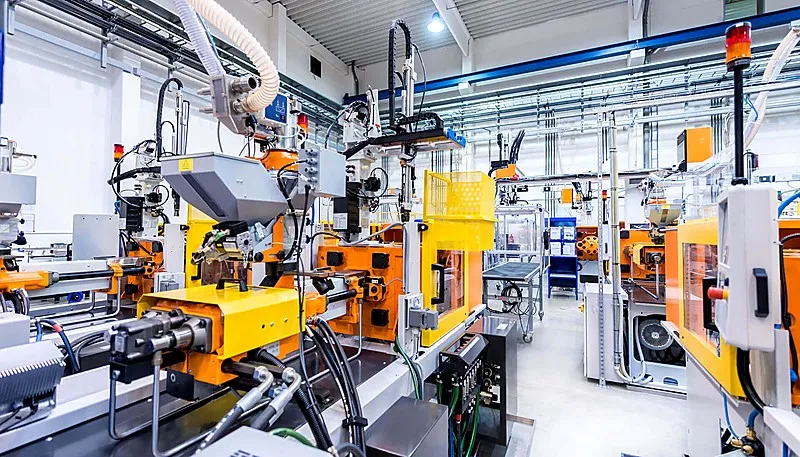
¿Cómo es el mercado del moldeo por inyección de Nueva Zelanda?
El mercado neozelandés del moldeo por inyección se define por la combinación de proveedores, los clústeres regionales y las restricciones de abastecimiento resumidas en esta sección. Comprender qué sectores impulsan la demanda de piezas moldeadas por inyección en Nueva Zelanda ayuda a proveedores y compradores a coordinar grados de material, tolerancias y certificaciones. La economía neozelandesa es diversa y los componentes de plástico están presentes en casi todos los sectores.
Equipos agrícolas y lácteos
Nueva Zelanda es uno de los mayores exportadores de productos lácteos del mundo, y las industrias primarias (agricultura, silvicultura y pesca) representan aproximadamente el 80% de sus exportaciones totales de bienes. Los fabricantes de equipos agrícolas —desde productores de maquinaria de ordeño hasta proveedores de sistemas de riego— necesitan carcasas, accesorios y componentes de plástico estabilizados contra los rayos UV y resistentes a productos químicos. Las piezas deben soportar la exposición exterior a UV, productos químicos de limpieza y esfuerzos mecánicos. El polietileno de alta densidad (HDPE), el polipropileno (PP) y el acetal (POM) son materiales habituales en este sector.
Productos náuticos y marinos
Nueva Zelanda tiene una de las tasas de propiedad de embarcaciones per cápita más altas del mundo, con más de 1.54 millones de embarcaciones registradas y aproximadamente un 40% de la población participando cada año en actividades náuticas. El sector marítimo genera una demanda constante de piezas moldeadas por inyección, como cornamusas, escotillas, carcasas de instrumentos, componentes de bombas de achique, guías para cabos y accesorios interiores. Los componentes de grado marino deben resistir los rayos UV, el agua salada y la fatiga mecánica. El ABS, el polipropileno estabilizado frente a los rayos UV y el nailon reforzado con fibra de vidrio (PA6-GF30) predominan en este campo de aplicación.
Dispositivos médicos y equipos sanitarios
Auckland y Wellington cuentan con agrupaciones crecientes de tecnología médica. Las empresas neozelandesas de dispositivos médicos requieren proveedores certificados según ISO 13485 para componentes como carcasas de instrumentos, envolventes de dispositivos de diagnóstico, piezas médicas de un solo uso y componentes de equipos hospitalarios. Estas piezas requieren materiales biocompatibles, procesos validados y documentación de trazabilidad completa.
Procesamiento y envasado de alimentos
Como gran exportador de alimentos, Nueva Zelanda posee una industria sofisticada de procesamiento. Las piezas plásticas en contacto con alimentos —componentes de transportadores, accesorios aptos y piezas de maquinaria de embalaje— deben cumplir requisitos de materiales de grado alimentario (PP, HDPE, LDPE alimentario) y las normas de la New Zealand Food Safety Authority (NZFSA).
Construcción e infraestructura
Los compradores de Nueva Zelanda son cada vez más sofisticados en la optimización de tarifas del ChAFTA, clasificando correctamente los componentes plásticos para el tratamiento de aranceles 0% y recuperando el GST eficientemente — reduciendo la brecha efectiva de costos de importación entre la fuente china y la nacional.
Centros de fabricación
La actividad manufacturera de Nueva Zelanda se concentra en varias regiones:
Auckland: la ciudad más grande de Nueva Zelanda y su principal centro manufacturero, donde se concentra la mayoría de los distribuidores de plásticos, empresas de desarrollo de productos y fabricantes orientados a la importación.
Waikato (Hamilton): una importante región de fabricación agrícola y de procesamiento de alimentos, con una fuerte demanda de componentes robustos y resistentes a los productos químicos.
Wellington: la capital cuenta con un creciente clúster de tecnología y dispositivos médicos, además de fabricación vinculada al sector público.
Christchurch: principal centro manufacturero de Canterbury, con empresas de ingeniería, construcción y cadenas de suministro agrícola.
Nelson/Marlborough: las industrias marina, acuícola y alimentaria impulsan la demanda de componentes plásticos especializados en esta región.
¿Cuáles son las 10 principales empresas de moldeo por inyección de Nueva Zelanda?
Las 10 principales empresas de moldeo por inyección de Nueva Zelanda son los proveedores comparados a continuación según su capacidad, adecuación al sector y fiabilidad de abastecimiento. La industria nacional neozelandesa del moldeo por inyección es pequeña, pero atiende nichos especializados que requieren plazos locales, utillaje propio o cumplimiento específico de Nueva Zelanda. Esta es una visión general del panorama:
Moldeadores nacionales de Nueva Zelanda
Nueva Zelanda alberga varias empresas pequeñas y medianas de moldeo por inyección, que atienden principalmente el prototipado local, la producción en series cortas y aplicaciones donde la proximidad es importante (p. ej., piezas en contacto con alimentos que requieren auditorías de la cadena de suministro local). Estas empresas suelen operar máquinas de 50–500 toneladas y se especializan en series de 500–50,000 piezas. Su propuesta de valor es la rapidez y la proximidad; sus limitaciones son el coste unitario y la complejidad de los moldes frente a los grandes fabricantes asiáticos.
Entre las empresas nacionales destacadas de moldeo por inyección y fabricantes de plásticos de Nueva Zelanda se incluyen:
Nexus Plastics: empresa de moldeo por inyección con sede en Auckland, especializada en componentes de plástico de precisión para aplicaciones industriales, agrícolas y de consumo. Ofrece utillaje interno y servicios de posprocesamiento.
Skellerup Industries: empresa neozelandesa que cotiza en bolsa y posee una amplia experiencia en productos técnicos de caucho y polímeros, incluidos componentes especiales moldeados por inyección para aplicaciones agrícolas, lácteas e industriales. Es uno de los fabricantes de plásticos más grandes y consolidados de Nueva Zelanda.
Altus NZ: fabricante de plásticos con sede en Christchurch que ofrece moldeo por inyección, conformado al vacío y fresado CNC para los mercados de la construcción, la agricultura y la industria.
Plastipak NZ: se especializa en el moldeo por inyección de envases y recipientes y atiende a clientes de procesamiento de alimentos y bienes de consumo de alta rotación en toda Nueva Zelanda.
Acorn Plastics: empresa de moldeo por inyección de precisión de la zona de Auckland que atiende a clientes OEM de los sectores médico, electrónico y agrícola; es conocida por su trabajo en componentes técnicos con tolerancias estrechas.
Visy (operaciones en Nueva Zelanda): forma parte del grupo Visy y sus operaciones neozelandesas se centran en envases y recipientes de plástico rígido para la industria de alimentos y bebidas.
Para producción en serie y utillaje de precisión complejo, la mayoría de los compradores neozelandeses complementan o sustituyen el abastecimiento local con fabricantes extranjeros. Los moldeadores por inyección chinos que operan bajo el ChAFTA suelen ofrecer costes de utillaje entre 5 y 15 veces menores, con una calidad comparable o superior para aplicaciones de gran volumen.
"Una lista de proveedores preseleccionados para Nueva Zelanda debe comparar conjuntamente moldeadores locales, opciones de asistencia australianas y socios extranjeros de utillaje."True
Esto ofrece a los compradores una visión realista del coste, plazo, profundidad del cumplimiento y suministro de respaldo antes de comprometerse con un molde.
"La oferta de utillaje más barata es automáticamente la decisión de abastecimiento más segura para los compradores de Nueva Zelanda."False
Un precio bajo del utillaje puede ocultar una revisión DFM deficiente, una propiedad del molde poco clara, la ausencia de registros de inspección o cambios de ingeniería costosos después del muestreo T1.
Proveedores con sede en Australia que atienden a NZ
Dada la proximidad geográfica y normativa, muchos compradores de Nueva Zelanda se abastecen de moldeadores por inyección australianos, especialmente para componentes que requieren certificación AS/NZS o auditorías de calidad locales. El transporte marítimo trans-Tasman tarda 3–5 días; el transporte aéreo llega en 1–2 días. Sin embargo, los costes de fabricación australianos son comparables a los de Nueva Zelanda —más altos que los de China—, lo que limita el ahorro de costes en la producción en volumen.
Fabricantes chinos (fuente principal para la producción en volumen)
La mayoría de piezas moldeadas consumidas en Nueva Zelanda se fabrica en China, principalmente en el delta del río Perla (Guangdong), el delta del Yangtsé (Jiangsu/Zhejiang) y, cada vez más, en zonas interiores. Los fabricantes chinos ofrecen:
Costes de utillaje 10–40× inferiores a las alternativas nacionales de NZ o Australia
Volúmenes de producción desde 1,000 hasta millones de piezas
Certificaciones ISO 90012, ISO 13485 e IATF 16949 para sectores regulados.
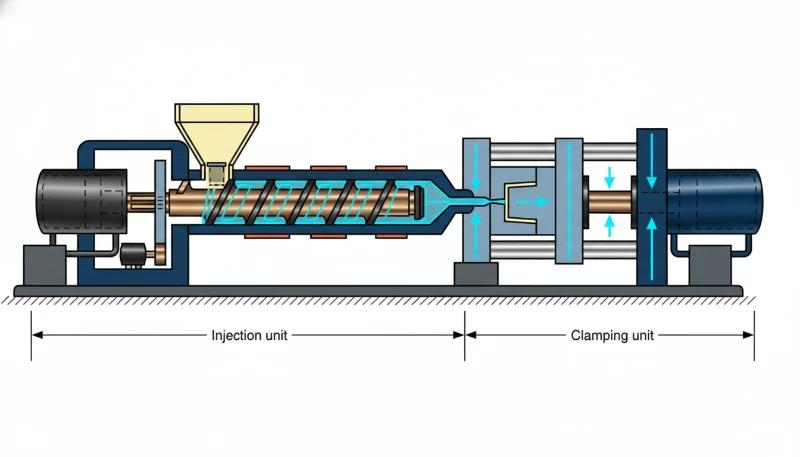
Una amplia cartera de materiales que incluye plásticos de ingeniería y compuestos especiales. Para comprobar la capacidad de las máquinas, examine cómo una máquina de moldeo por inyección de husillo afecta al control de la masa fundida y a la repetibilidad.
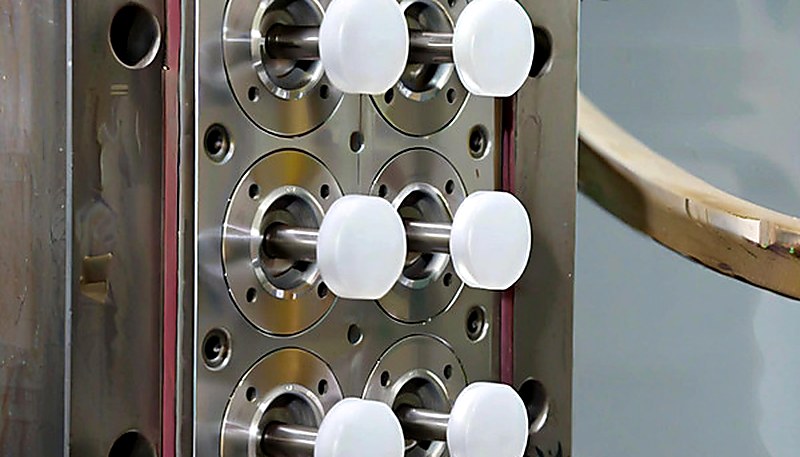
¿Qué tendencias están configurando la industria del moldeo por inyección de Nueva Zelanda?
El mercado neozelandés del moldeo por inyección está evolucionando hacia el abastecimiento dual, la sostenibilidad, la compra digital, el crecimiento de la tecnología médica y el uso maduro de ChAFTA. Estas tendencias ayudan a los compradores a preparar la selección de proveedores para el futuro en vez de comparar únicamente listas de máquinas o precios de referencia.
Conciencia del riesgo de relocalización: las interrupciones de la cadena de suministro posteriores a la COVID han llevado a muchos fabricantes neozelandeses a reevaluar su dependencia de una única fuente extranjera. La tendencia se orienta al abastecimiento dual: mantener un proveedor secundario local o australiano para necesidades críticas de tiradas cortas y conservar en el extranjero la producción principal de volumen para lograr eficiencia de costos.
Sostenibilidad y transición de materiales: la arraigada cultura medioambiental de Nueva Zelanda impulsa la demanda de materiales plásticos de origen biológico, con contenido reciclado y reciclables. Los moldeadores por inyección capaces de ofrecer PP reciclado, bio-PE o utillaje compatible con PLA están ganando terreno entre los compradores neozelandeses de bienes de consumo y envases alimentarios.
Compras digitales y auditorías remotas: los compradores neozelandeses gestionan cada vez más las relaciones con proveedores extranjeros de forma totalmente digital, mediante visitas virtuales a fábricas, auditorías de calidad remotas y gestión de proyectos en la nube en lugar de visitas presenciales. Esta tendencia favorece a los proveedores extranjeros con una sólida infraestructura de comunicación digital y equipos de habla inglesa.
Crecimiento de la tecnología médica y la fabricación de precisión: los crecientes clústeres de tecnología médica de Auckland y Wellington están impulsando la demanda de moldeo por inyección de precisión con certificación ISO 13485, especialmente para dispositivos médicos de un solo uso, equipos de diagnóstico y componentes de instrumentos quirúrgicos.
Madurez en el aprovechamiento de ChAFTA: los compradores neozelandeses son cada vez más competentes en la optimización arancelaria de ChAFTA, clasifican correctamente los componentes de plástico para aplicarles un arancel del 0% y recuperan el GST con eficiencia, lo que reduce la diferencia efectiva de coste puesto en destino entre el abastecimiento chino y el nacional.
¿Qué capacidades de materiales son importantes para el moldeo por inyección en Nueva Zelanda?
La capacidad clave en materia de materiales consiste en elegir termoplásticos3 que se ajusten al entorno de uso, los requisitos de cumplimiento y el volumen de producción de Nueva Zelanda.
Plásticos de uso general (alto volumen, sensibles al coste)
Polipropileno (PP): el material de referencia para accesorios agrícolas, recipientes de alimentos, piezas de maquinaria de embalaje y componentes de automoción. Excelente resistencia química y estabilidad moderada frente a UV. Amplia disponibilidad de grados aptos para alimentos.
Polietileno (HDPE/LDPE/LLDPE): utilizado para depósitos, accesorios de tuberías, películas agrícolas y componentes de flotabilidad marina. El HDPE ofrece una excelente resistencia al impacto y estabilidad UV cuando se formula adecuadamente.
ABS: estándar para electrónica de consumo, carcasas de instrumentos marinos y envolventes generales. Se puede pintar, mecanizar y unir fácilmente.
Plásticos de ingeniería (aplicaciones técnicas)
Nailon (PA6/PA66/PA6-GF30): utilizado en engranajes de equipos agrícolas, accesorios marinos sometidos a carga y componentes industriales que requieren una elevada relación resistencia-peso. Los grados reforzados con fibra de vidrio aportan estabilidad dimensional durante los ciclos térmicos.
Acetal (POM): accesorios para equipos lácteos y de procesamiento de alimentos donde se requieren baja fricción, precisión dimensional y resistencia química. Hay disponibles grados que cumplen con la FDA.
Policarbonato (PC): carcasas de dispositivos médicos, equipos de seguridad y componentes transparentes que requieren resistencia al impacto y claridad óptica.
Mezclas de PC/ABS: carcasas para dispositivos médicos y electrónica de consumo que requieren la resistencia al impacto del PC con la procesabilidad del ABS.
Materiales especiales y de altas prestaciones
PEEK: Componentes médicos e industriales de alto rendimiento que requieren una resistencia térmica y química extrema.
TPE/TPU: Sobremoldeados suaves al tacto para mangos de equipos marinos y agrícolas, empuñaduras médicas y ergonomía de productos de consumo.
Grados estabilizados frente a los rayos UV: fundamentales para las aplicaciones exteriores de Nueva Zelanda dado el elevado índice UV del país, especialmente en Canterbury y otras regiones de la Isla Sur.
Grados ignífugos (UL94 V-0): necesarios para componentes de carcasas eléctricas en aplicaciones de construcción e industriales.
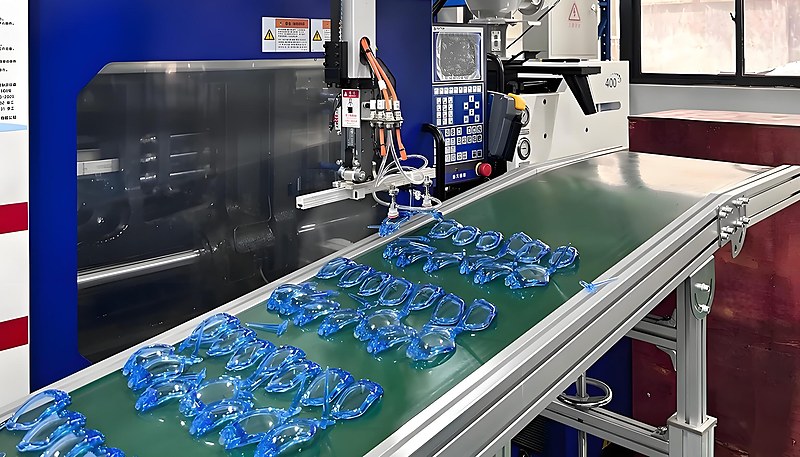
¿Qué normas de calidad y certificaciones deben exigir los compradores de Nueva Zelanda?
La base de calidad consiste en control ISO documentado, materiales trazables y pruebas de conformidad específicas para la aplicación antes de aprobar la producción.
"La capacidad de fabricación por contrato es importante cuando el proyecto requiere moldeo junto con montaje, embalaje o soporte recurrente para exportación."True
Los compradores de Nueva Zelanda suelen necesitar un único proveedor responsable de la fabricación del molde, las piezas moldeadas, las operaciones secundarias, el embalaje para exportación y la documentación.
"Una lista de proveedores está completa en cuanto incluye empresas con máquinas de moldeo por inyección."False
La capacidad de las máquinas por sí sola no demuestra control de calidad, trazabilidad de materiales, comunicación del proyecto ni compatibilidad comercial a largo plazo.
ISO 9001: sistema de gestión de calidad
ISO 9001 es la certificación básica de gestión de la calidad para cualquier proveedor de moldeo por inyección que atienda al mercado industrial de Nueva Zelanda. Establece procedimientos documentados de control de procesos, inspección, gestión de no conformidades y mejora continua. Para componentes industriales generales, agrícolas, navales y de construcción, la certificación ISO 9001 del proveedor es la norma mínima aceptable.
ISO 13485: Dispositivos médicos
El creciente sector de dispositivos médicos de Nueva Zelanda requiere socios de moldeo por inyección certificados según ISO 13485 para cualquier componente utilizado en aplicaciones médicas o de diagnóstico. ISO 13485 añade requisitos de validación del diseño, trazabilidad, capacidad de envasado estéril y vigilancia poscomercialización a la base de ISO 9001. Medsafe (el regulador de dispositivos médicos de Nueva Zelanda) espera que los fabricantes de dispositivos médicos se abastezcan de proveedores de componentes certificados según ISO 13485.
Normas AS/NZS
Australia y Nueva Zelanda comparten un organismo conjunto de normalización (Standards Australia / Standards New Zealand), que publica normas AS/NZS sobre materiales, ensayos de productos y parámetros de rendimiento pertinentes para las piezas moldeadas por inyección:
AS/NZS 4020: Ensayos de productos en contacto con agua potable, pertinente para accesorios de fontanería, componentes de tratamiento de agua y piezas de riego.
Serie AS/NZS 1462: Métodos de ensayo de tuberías y accesorios de plástico.
AS 4491 / AS/NZS 1580: Pinturas y recubrimientos superficiales — pertinentes para piezas moldeadas que reciben un acabado superficial.
Seguridad alimentaria y cumplimiento agrícola
Los componentes utilizados en equipos de procesamiento de alimentos destinados a Nueva Zelanda deben cumplir la normativa de la New Zealand Food Safety Authority (NZFSA), que se ajusta a las normas internacionales sobre materiales en contacto con alimentos. Los compradores deben exigir a los proveedores documentación de materiales conforme con la FDA o con EU 10/2011 para las piezas moldeadas por inyección en contacto con alimentos.
Conformidad con REACH y RoHS
Nueva Zelanda sigue de cerca las normativas internacionales sobre sustancias peligrosas. Para bienes de consumo y componentes electrónicos, los proveedores deben aportar documentación de conformidad con REACH y RoHS que confirme que los materiales y pigmentos no contienen sustancias restringidas. Pida al proveedor que vincule cada resina, colorante y aditivo con el expediente de conformidad declarado antes de autorizar la orden de compra. Documente pronto las excepciones.
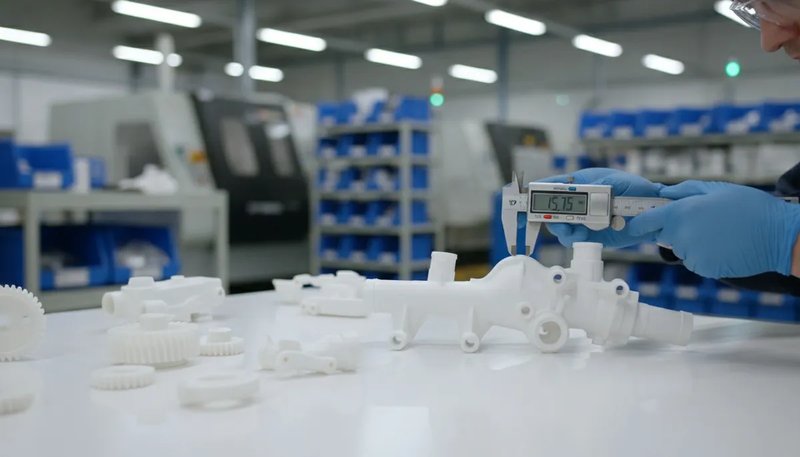
¿Cómo se compara el coste del moldeo por inyección en Nueva Zelanda con el de China?
El coste es el factor más importante para que los compradores neozelandeses recurran al abastecimiento extranjero. Esta es una comparación transparente de las estructuras de costes del moldeo por inyección en los principales destinos de abastecimiento disponibles para ellos.
| País | Coste del utillaje (molde típico) | Coste unitario (por 10,000 piezas) | Índice de coste laboral | Plazo de entrega (molde) | Arancel de Nueva Zelanda |
|---|---|---|---|---|---|
| Nueva Zelanda (nacional) | Ningbo a Auckland: | Alta | 100 (referencia) | 8–16 semanas | N/A |
| Australia | AUD 20,000–70,000 | Alta | 95–110 | 8–14 semanas | 0% (ANZCERTA) |
| China | USD 2,000–15,000 | Bajo | 15–25 | 4–8 semanas | 0 % (ChAFTA) |
| Vietnam | USD 3,000–18,000 | Bajo–Medio | 20–35 | 5–10 semanas | 0% (AANZFTA) [ 10 ] |
| Tailandia | USD 5,000–20,000 | Medio | 30–45 | 6–10 semanas | 0% (AANZFTA) |
Dato clave sobre costes: los costes del utillaje de moldeo por inyección en China suelen ser entre 5 y 15 veces inferiores a los de las alternativas nacionales de Nueva Zelanda o Australia. Para un molde de complejidad media que cuesta NZD 50,000 en Nueva Zelanda, una herramienta equivalente fabricada en China suele tener un coste final de USD 4,000–8,000 (aproximadamente NZD 7,000–14,000). Junto con los aranceles de importación del 0% en virtud del ChAFTA y unos costes de producción unitarios competitivos, China ofrece el perfil de costes más atractivo para piezas moldeadas por inyección en volumen destinadas a Nueva Zelanda.
Consideraciones sobre el coste total puesto en destino para compradores de Nueva Zelanda:
Transporte marítimo (de Guangdong a Auckland): USD 800–2,500 por contenedor de 20 pies (según el mercado)
Transporte aéreo: USD 4–8 por kg, adecuado para reposiciones urgentes o envíos de muestras
GST de importación (15%): se aplica sobre el valor CIF; totalmente recuperable para las empresas neozelandesas registradas a efectos del GST
Arancel aduanero: 0% para la mayoría de los componentes de plástico conforme al ChAFTA
Inspección de bioseguridad: el MPI puede inspeccionar los materiales de embalaje; los embalajes de madera deben tener certificación ISPM-15
¿Cuánto tardan los plazos de entrega y la logística de los pedidos para Nueva Zelanda?
La gestión de plazos es fundamental para los compradores neozelandeses debido a la lejanía geográfica del país. Comprender los plazos realistas, desde el utillaje hasta la entrega, evita retrasos de producción. Para planificar con detalle, compare los supuestos de su RFQ con intervalos realistas de tiempo de producción del moldeo por inyección antes de fijar una fecha de lanzamiento.
Plazos del utillaje
Utillaje de prototipo/puente: 2–3 semanas (utillaje de aluminio, número limitado de cavidades)
Utillaje de producción en acero P20: 4–6 semanas
Utillaje de producción con gran número de cavidades (acero H13/S136): 6–10 semanas
Utillaje multicavidad complejo o de precisión: 8–14 semanas
Plazos de producción
Serie inicial de producción: 2–4 semanas tras aprobar el utillaje
Pedidos de producción repetidos: 1–3 semanas (utillaje ya disponible)
Producción urgente (tiempo de máquina dedicado): 5–10 días laborables para una complejidad estándar
Transporte marítimo: de China a Nueva Zelanda
El transporte marítimo es el modo de envío estándar para pedidos de gran volumen. Las principales rutas de puerto a puerto:
De Guangzhou/Shenzhen/Shanghai a Auckland: 23–28 días de tránsito
De Shanghái a Auckland: 20–25 días de tránsito
De Ningbo a Auckland: 21–26 días de tránsito
De Guangzhou/Shenzhen a Wellington/Lyttelton: 25–32 días de tránsito (tramo costero adicional desde Auckland)
La mayoría de los compradores neozelandeses utiliza FCL (carga de contenedor completo) para pedidos grandes y servicios de consolidación LCL (carga inferior a un contenedor) para envíos pequeños. El LCL añade entre 5 y 8 días al tránsito debido a las operaciones de consolidación y desconsolidación.
Transporte aéreo: de China a Nueva Zelanda
De Shenzhen/Guangzhou a Auckland: 5–8 días de puerta a puerta
De Shanghái a Auckland: 5–7 días de puerta a puerta
Coste: USD 4–8 por kg (adecuado para pedidos urgentes de menos de aproximadamente 200 kg)
Aduanas y bioseguridad del MPI
El Ministerio de Industrias Primarias de Nueva Zelanda (MPI) aplica estrictos requisitos de bioseguridad. Requisitos clave para importar piezas moldeadas por inyección:
Todos los materiales de embalaje de madera deben cumplir la norma ISPM-15 (marca de tratamiento térmico)
Las propias piezas de plástico rara vez provocan una retención de MPI, pero cualquier contaminación orgánica en las piezas o el embalaje causará retrasos
Documentación comercial de importación: factura comercial, lista de empaque, conocimiento de embarque/carta de porte aéreo y declaración MPI cuando sea necesaria
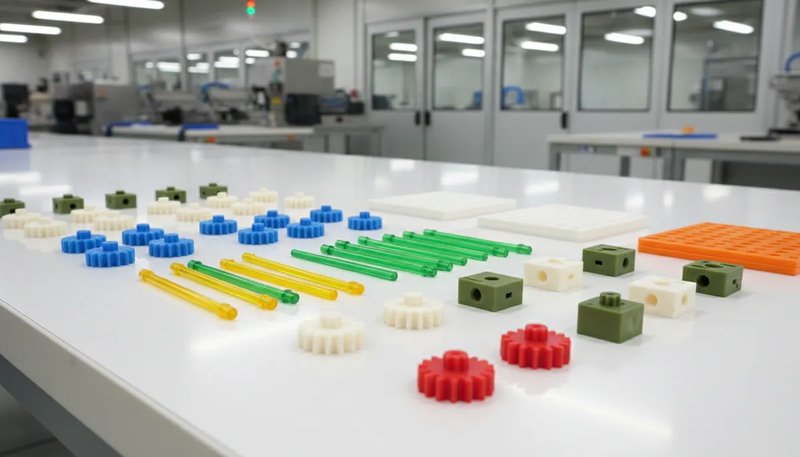
¿Cuándo es Nueva Zelanda la opción de abastecimiento adecuada para el moldeo por inyección?
Nueva Zelanda es la opción de aprovisionamiento adecuada cuando la comunicación, la proximidad regional y la producción de volumen medio importan más que el precio unitario más bajo. A pesar de la sólida ventaja de costes del aprovisionamiento en el extranjero, existen situaciones reales en las que mantener la producción local —o dentro de la región de Australasia— es la decisión más inteligente. Comprender estas compensaciones ayuda a los compradores neozelandeses a tomar la decisión correcta para cada proyecto, en lugar de aplicar por defecto un único enfoque a todas las situaciones.
Nueva Zelanda Moldeo por Inyección
Prototipado de series cortas y NPI: para las primeras series de introducción de nuevos productos de menos de 500 piezas, los moldeadores locales pueden entregar en días en lugar de semanas, eliminando el riesgo logístico de los primeros ciclos de desarrollo.
Reposición y reparación urgentes: cuando una herramienta de producción existente necesita una reparación rápida o una línea de producción está detenida, un moldeador local con taller de utillaje propio puede responder mucho más deprisa que un socio extranjero.
Productos con cambios frecuentes de ingeniería: los productos iniciales aún en evolución se benefician de utillaje local que puede modificarse rápida y económicamente sin envíos internacionales en cada iteración.
Nichos especializados náuticos y agrícolas: algunos moldeadores neozelandeses poseen un profundo conocimiento de componentes de grado marino y agrícola, incluidas formulaciones propias probadas para las condiciones locales de radiación UV y exposición química.
Para producción de volumen —normalmente más de 5,000 piezas anuales— y utillaje de precisión complejo, la diferencia de coste hace del abastecimiento exterior, especialmente China bajo ChAFTA, la opción clara. ZetarMold combina certificación ISO, gestión en inglés y experiencia logística específica de Nueva Zelanda.
¿Cómo elegir un proveedor de moldeo por inyección en Nueva Zelanda?
Elegir un proveedor de moldeo por inyección en Nueva Zelanda depende de su capacidad de utillaje, sistemas de calidad, comunicación y adecuación comercial. Tanto si evalúa moldeadores nacionales de Nueva Zelanda como proveedores australianos o fabricantes chinos extranjeros, un marco de evaluación estructurado garantiza que seleccione al socio adecuado para su aplicación, volumen y requisitos normativos específicos.
Paso 1: Defina sus requisitos técnicos
Antes de dirigirse a cualquier proveedor, documente:
Geometría y tolerancias de la pieza (planos 2D y archivos CAD 3D)
Especificación del material (incluidos los requisitos de contacto con alimentos, resistencia a los rayos UV o resistencia química)
Requisitos de acabado superficial (textura, nivel de brillo, superficies estéticas)
Volumen anual de producción y frecuencia de los pedidos
Normas aplicables (ISO 13485, AS/NZS, FDA para contacto con alimentos, etc.)
Paso 2: Verifique las certificaciones y los sistemas de calidad
Solicite lo siguiente a los posibles proveedores:
Certificado ISO 9001 (alcance, organismo emisor, fecha de caducidad)
Certificado ISO 13485 (si se trata de componentes médicos)
IATF 16949 (si son componentes de automoción)
Documentación de conformidad del material (REACH, RoHS, declaraciones de contacto con alimentos)
Capacidad PPAP/FAI (para automoción o sectores regulados)
Paso 3: Evalúe la capacidad de fabricación
Evaluar:
Intervalo de tonelaje de la máquina y capacidad de cavitación
Taller de moldes interno (fundamental para la rapidez del mantenimiento y la modificación de moldes)
Capacidad de procesamiento secundario (montaje, pintura, soldadura ultrasónica, tampografía)
Equipos de metrología (CMM, medición óptica, laboratorio de ensayos de materiales)
Paso 4: Solicite y evalúe muestras
Nunca se comprometa con el utillaje de producción sin muestras físicas. Para proveedores extranjeros, solicite:
stats.govt.nz
Muestras T2 tras las correcciones para la aprobación final antes de autorizar la producción
Informes de ensayo de materiales (tracción, impacto, MFR) para aplicaciones reguladas
Paso 5: Evalúe la comunicación y la gestión de proyectos
Los compradores neozelandeses suelen citar los fallos de comunicación como principal causa de problemas de abastecimiento exterior. Evalúe:
Dominio del inglés (comunicación técnica, no solo ventas)
Director de proyecto o contacto de atención al cliente dedicado
Tiempo de respuesta a consultas técnicas (objetivo: el mismo día laborable)
Transparencia en el seguimiento del proyecto (actualizaciones de hitos, documentación fotográfica)
Paso 6: Aclarar la protección de la propiedad intelectual
Los desarrolladores de productos neozelandeses están justificadamente preocupados por la propiedad intelectual al abastecerse en China. Las mejores prácticas incluyen:
NDA firmado antes de compartir archivos CAD o especificaciones técnicas
Cláusulas de propiedad del molde en el contrato de suministro (usted es propietario del utillaje)
Registro de marca en China (la legislación china de marcas se rige por el principio del primero en presentar)
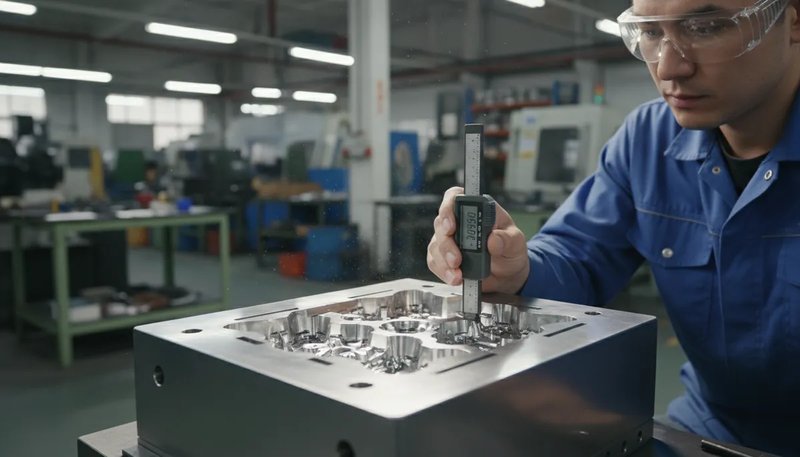
¿Por qué ZetarMold es el socio adecuado para los compradores de Nueva Zelanda?
ZetarMold es un fabricante de moldeo por inyección con sede en Shanghái y más de 20 años de experiencia en utillajes de exportación y producción. Según nuestra experiencia, los compradores de Nueva Zelanda valoran tanto como el precio unitario una respuesta DFM clara, una respuesta T1 rápida y la documentación de exportación. Nuestros ingenieros respaldan proyectos médicos, automotrices, electrónicos, industriales y de bienes de consumo con comunicación en inglés y controles de calidad documentados.
Certificaciones que cumplen los requisitos de Nueva Zelanda
ISO 9001:2015: sistema integral de gestión de calidad que abarca el utillaje, la producción, la inspección y la entrega.
ISO 13485:2016: gestión de calidad de dispositivos médicos para el creciente sector de tecnología médica de Nueva Zelanda.
Documentación de cumplimiento del material: FDA para contacto con alimentos, REACH y RoHS previa solicitud
Escala y capacidad de fabricación
47 máquinas de moldeo por inyección, fuerza de cierre de 90–1,850 toneladas
Taller de utillaje interno con CNC, EDM, corte por hilo y medición CMM
Entrega del molde en 45 días para utillaje de producción estándar
Volúmenes de producción de 1,000 a millones de piezas al año
Servicios secundarios: montaje, tampografía, soldadura ultrasónica, pintura y embalaje
Experiencia en materiales para las principales industrias de Nueva Zelanda
Agricultura y sector marino: PP estabilizado frente a UV, HDPE, PA6-GF30, POM
Medicina: PC, PP y PE controlados conforme a ISO 13485, y TPE biocompatible
Procesamiento de alimentos: PP, HDPE, POM y grados modificados con PTFE conformes con FDA/UE
Bienes de consumo y electrónica: ABS, PC/ABS y PP con diversos acabados superficiales
Comunicación primero en inglés
Nuestro equipo de atención al cliente se comunica exclusivamente en inglés, desde la RFQ inicial hasta la aprobación del utillaje, la producción y el soporte posterior a la entrega. Los compradores de Nueva Zelanda reciben gestión de cuenta dedicada, actualizaciones fotográficas de los hitos y respuestas el mismo día a las consultas técnicas durante el horario laboral habitual (que coincide en gran medida con el horario comercial de NZ dada la alineación de las zonas horarias UTC+8 / UTC+12).
Experiencia de exportación específica para Nueva Zelanda
Embalaje de madera con certificación ISPM-15 para cumplir los requisitos de bioseguridad de MPI
Opciones de envío consolidado FCL y LCL a los puertos de Auckland, Wellington y Lyttelton
Documentación de factura comercial y lista de empaque con el formato exigido para el despacho de aduanas de Nueva Zelanda y del MPI
Incoterms flexibles: EXW, FOB y CIF para adaptarse a su transitario o preferencia de importación directa
Reducción de riesgos para compradores de Nueva Zelanda
Proceso de aprobación de muestras T1/T2 antes de autorizar la producción
Propiedad del molde garantizada por escrito: su utillaje, su propiedad intelectual
Inspección previa al envío (terceros disponibles previa solicitud)
Garantía del utillaje: reparación o retrabajo gratuitos de los defectos del molde durante el período de garantía
¿Está listo para adquirir piezas moldeadas por inyección para Nueva Zelanda?
El abastecimiento de piezas moldeadas por inyección para Nueva Zelanda resulta más sencillo cuando el utillaje, el control de calidad y el embalaje de exportación están a cargo de un único equipo responsable. ZetarMold atiende solicitudes de cotización con producción certificada según ISO, jefes de proyecto de habla inglesa, entrega de moldes en 45 días y embalaje de exportación certificado según ISPM-15. Obtenga una cotización detallada para su proyecto en un plazo de 24 horas.
Obtenga un presupuesto gratuito
Preguntas frecuentes
¿Qué debo comprobar antes de solicitar un presupuesto a un proveedor de moldeo por inyección de Nueva Zelanda?
Comience por los fundamentos comerciales y de ingeniería: planos de la pieza, volumen anual, grado del material, tolerancias críticas, requisitos estéticos y fecha de lanzamiento prevista. Después, verifique si el proveedor dispone de utillaje interno, cómo se gestiona la aprobación de muestras, qué registros de inspección puede compartir y si las solicitudes de cambio se documentan formalmente. Para una preselección en Nueva Zelanda, confirme también la comunicación para exportación, los requisitos de embalaje y el soporte tras el lanzamiento, de modo que compare la capacidad real de ejecución en lugar de limitarse a listas de máquinas o precios destacados. Una RFQ sólida debe obligar a todos los finalistas a responder las mismas preguntas operativas con el mismo formato.
¿Puede un proveedor de Nueva Zelanda encargarse tanto de fabricar el molde como del moldeo de producción?
Algunos proveedores pueden gestionar ambas actividades bajo el mismo techo, mientras que otros se centran en el moldeo y subcontratan la fabricación del molde. Esta diferencia importa porque la propiedad del molde, los cambios en el acero, el control de los plazos y la responsabilidad del mantenimiento se vuelven más difíciles de gestionar cuando el utillaje y el moldeo están separados. Al comparar proveedores, pregunte quién diseña el molde, quién aprueba la especificación del acero, dónde se realiza el muestreo T1 y quién paga las rondas de modificaciones después de la revisión del primer artículo. Las respuestas revelan si el proveedor puede realmente llevar el programa desde la RFQ hasta una producción estable en volumen. También muestran si el plazo de entrega cotizado es viable desde el punto de vista operativo.
¿Cuándo debo comparar proveedores extranjeros como Zetar con una fuente local de moldeo por inyección de Nueva Zelanda?
Suele tener sentido cuando el proyecto necesita mayor capacidad de utillaje, menor coste puesto en destino o más apoyo de procesos secundarios de lo que ofrece una lista local. La comparación no debe plantearse solo como local frente a extranjero. Compare la profundidad del diseño, comunicación, disciplina de validación, embalaje, frecuencia de envíos y rapidez de respuesta tras T1. Si un equipo extranjero documenta claramente esos controles y ofrece un mejor paquete comercial, merece figurar junto a los proveedores locales en la decisión final.
¿Qué documentos de calidad deben solicitar los compradores antes de adjudicar la producción por moldeo por inyección?
Un proveedor serio debe poder presentar un flujo de proceso, un plan de control, controles de materiales entrantes, registros de inspección dimensional, pruebas de aprobación de muestras y certificaciones pertinentes para su sector. En programas regulados o de alta precisión, solicite un plan de muestreo claro, una estrategia de calibres y una vía de escalado para piezas no conformes. Si se incluye el utillaje, pregunte por la propiedad del diseño del molde, las expectativas de mantenimiento y el método de control de revisiones utilizado cuando se aprueban cambios en el acero. Estos documentos muestran si el proveedor puede operar un sistema de producción repetible, en lugar de tratar el pedido como un trabajo puntual.
¿Cuántos proveedores de moldeo por inyección debo comparar antes de hacer una selección final?
Entre tres y cinco proveedores cualificados suele ser el rango más eficiente. Con menos de tres resulta difícil comparar los supuestos técnicos, mientras que demasiados proveedores generan ruido y ralentizan la retroalimentación. Utilice la primera ronda de evaluación para reducir la lista según la capacidad, la calidad de la comunicación y las pruebas de control del proceso. Después, solicite presupuestos comparables a los finalistas utilizando el mismo paquete de RFQ, los mismos supuestos de material y los mismos requisitos de calidad. Esta estructura ofrece una comparación comercial clara sin obligar al equipo de ingeniería a evaluar un conjunto disperso de propuestas incoherentes.
fabricación por contrato: acuerdo de producción mediante el cual un proveedor fabrica piezas o conjuntos conforme a los planos, requisitos de calidad y condiciones comerciales del cliente. ↩
ISO 9001: norma internacional de gestión de la calidad que define cómo documenta, controla y mejora una organización sus procesos de producción repetibles. ↩
termoplásticos: materiales poliméricos que se ablandan al calentarse y vuelven a solidificarse al enfriarse, lo que los hace aptos para ciclos repetidos de moldeo por inyección. ↩