- Bemerkenswerte inländische Spritzgussunternehmen und Kunststoffhersteller in Neuseeland umfassen:
- Vor der RFQ-Vergabe sollte die Vorauswahl Eigentum an der Spritzgießformkonstruktion, Validierungsdisziplin und Kommunikationsgeschwindigkeit vergleichen.
- Werkzeugkapazität allein reicht nicht aus; Käufer benötigen außerdem eine dokumentierte Qualitätskontrolle und ein dokumentiertes Änderungsmanagement nach T1.
- Ein ausländischer Lieferant wie Zetar kann mit lokalen Anbietern verglichen werden, wenn Kapazität, Kosten oder Sekundärprozesse entscheidend sind.
- Verwenden Sie vor dem endgültigen Angebot eine Checkliste für die Lieferantenauswahl, um Anlaufrisiken und kommerzielle Überraschungen zu reduzieren.
Dieser Leitfaden – Spritzgussformherstellung in Neuseeland: Ein vollständiger Beschaffungsleitfaden – verbindet die Bedürfnisse neuseeländischer Käufer mit den breiteren Anforderungen an Spritzgussformen. Es deckt die lokale Fertigungslandschaft, Materialkapazitäten, Qualitätsstandards, Kostenbenchmarks, Lieferzeiten und die Auswahl des richtigen Lieferanten ab. Neuseeland mag ein kleines Land am Rande des Pazifiks sein, aber seine Hersteller und Produktentwickler beziehen Spritzgussteile aus Kunststoff aus der ganzen Welt – und zunehmend auch von spezialisierten Partnern in China, die Präzision, Skalierung und Zertifizierung zu einem Bruchteil der lokalen Kosten liefern können.
Suchen Sie nach Spritzgussunternehmen in Neuseeland? Wir haben diese Auswahlliste etablierter Lieferanten zusammengestellt und einen Beschaffungsleitfaden für käuferseitige Lieferanten hinzugefügt, damit Sie die Designtiefe der Spritzgussformen, die Qualitätssysteme, die Kommunikationsfähigkeit und die Bereitschaft zur Auftragsfertigung1 effizienter vergleichen können.
Warum dieser Marktkontext wichtig ist
Das englischsprachige Geschäftsumfeld und die Qualitätserwartungen bieten praktische Beschaffungsvorteile. Käufer in Neuseeland arbeiten üblicherweise mit englischen Spezifikationen, Werkstoffdatenblättern, Prüfberichten und Vertragsbedingungen. Projekte in Lebensmittelverarbeitung, Landwirtschaft, Gesundheitswesen, Schifffahrt und Konsumgüterindustrie erwarten außerdem rückverfolgbare Zertifizierungen und eine konsistente Qualitätsdokumentation.
FTA, Innovation und Berechenbarkeit der Einfuhr sind ebenfalls wichtig. Das NZ-China Free Trade Agreement hält viele Kunststoffkomponenten preislich wettbewerbsfähig, Neuseelands R&D-Kultur schafft Nachfrage nach kundenspezifischen Formteilen, und der transparente Einfuhr-/GST-Rahmen ermöglicht GST-registrierten Käufern eine verlässlichere Planung der Einstandskosten.
Wie sieht der neuseeländische Spritzgussmarkt aus?
Der neuseeländische Spritzgussmarkt wird durch den Anbietermix, regionale Cluster und die in diesem Abschnitt zusammengefassten Beschaffungsbeschränkungen geprägt. Das Verständnis dafür, welche Branchen die Nachfrage nach Spritzgussteilen in Neuseeland antreiben, hilft Lieferanten und Einkäufern, sich bei Materialtypen, Toleranzen und Zertifizierungen abzustimmen. Neuseelands Wirtschaft ist vielfältig, und Kunststoffkomponenten kommen in nahezu jedem Sektor zum Einsatz.
Landwirtschafts- und Milchwirtschaftsgeräte
Neuseeland gehört zu den weltweit größten Exporteuren von Milchprodukten; die Primärindustrien (Landwirtschaft, Forstwirtschaft und Fischerei) machen etwa 80 % der gesamten neuseeländischen Warenexporte aus. Hersteller landwirtschaftlicher Geräte – von Melkmaschinenherstellern bis zu Lieferanten von Bewässerungssystemen – benötigen UV-stabilisierte, chemikalienbeständige Kunststoffgehäuse, Fittings und Komponenten. Die Teile müssen UV-Strahlung im Freien, Reinigungschemikalien und mechanischen Belastungen standhalten. Polyethylen hoher Dichte (HDPE), Polypropylen (PP) und Acetal (POM) sind in diesem Sektor gängige Werkstoffoptionen.
Produkte für Schifffahrt und Bootsbau
Neuseeland weist mit mehr als 1,54 Millionen registrierten Wasserfahrzeugen und rund 40 % der Bevölkerung, die jährlich Boot fährt, eine der weltweit höchsten Quoten an Bootseigentümern pro Kopf auf. Der Marinesektor erzeugt eine kontinuierliche Nachfrage nach Spritzgussteilen wie Klampen, Luken, Instrumentengehäusen, Komponenten für Bilgenpumpen, Seilführungen und Innenausstattungen. Komponenten für den Marineeinsatz müssen UV-Strahlung, Salzwasser und mechanischer Ermüdung standhalten. ABS, UV-stabilisiertes Polypropylen und glasfaserverstärktes Nylon (PA6-GF30) dominieren diesen Anwendungsbereich.
Medizinprodukte und Gesundheitsgeräte
Auckland und Wellington verfügen über wachsende Medizintechnik-Cluster. Neuseeländische Medizinprodukteunternehmen benötigen nach ISO 13485 zertifizierte Lieferanten für Komponenten wie Instrumentengehäuse, Gehäuse diagnostischer Geräte, medizinische Einwegteile und Komponenten von Krankenhausgeräten. Diese Bauteile erfordern biokompatible Materialien, validierte Prozesse und eine vollständige Rückverfolgbarkeitsdokumentation.
Lebensmittelverarbeitung und Verpackung
Als bedeutender Lebensmittelexporteur verfügt Neuseeland über eine hochentwickelte Lebensmittelverarbeitungsindustrie. Kunststoffteile mit Lebensmittelkontakt — Förderkomponenten, lebensmittelgeeignete Anschlüsse, Teile von Verpackungsmaschinen — müssen die Anforderungen für Lebensmittelwerkstoffe (PP, HDPE, lebensmittelgeeignetes LDPE) und die Standards der New Zealand Food Safety Authority (NZFSA) erfüllen.
Bauwesen und Infrastruktur
Der anhaltende Ausbau der Infrastruktur und der Bauboom in Neuseeland erzeugen Nachfrage nach Kunststoffrohren, Rohrfittings, Elektrogehäusen und Zubehör für Bauprodukte. Dabei handelt es sich typischerweise um preissensible Großserienanwendungen, die sich für die Massenproduktion im Ausland eignen.
Fertigungszentren
Neuseelands Fertigungsaktivitäten konzentrieren sich auf mehrere Regionen:
Auckland: Neuseelands größte Stadt und wichtigstes Fertigungszentrum, in dem die meisten Kunststoffhändler, Produktentwicklungsunternehmen und importorientierten Hersteller ansässig sind.
Waikato (Hamilton): Eine bedeutende Produktionsregion für Landwirtschaft und Lebensmittelverarbeitung mit hoher Nachfrage nach robusten, chemikalienbeständigen Komponenten.
Wellington: In der Hauptstadt wächst neben der regierungsnahen Fertigung ein Cluster für Technologie und Medizinprodukte.
Christchurch: wichtigster Produktionsstandort Canterburys mit Unternehmen aus Maschinenbau, Bauwesen und landwirtschaftlicher Lieferkette.
Nelson/Marlborough: Die Schifffahrts-, Aquakultur- und Lebensmittelverarbeitungsindustrie treibt in dieser Region die Nachfrage nach spezialisierten Kunststoffbauteilen an.
Welches sind die 10 führenden Spritzgießunternehmen in Neuseeland?
Die zehn führenden Spritzgussunternehmen in Neuseeland sind die nachfolgend nach Fähigkeiten, Brancheneignung und Beschaffungszuverlässigkeit verglichenen Lieferanten. Neuseelands heimische Spritzgussindustrie ist klein, bedient jedoch spezialisierte Nischen, die kurze lokale Reaktionszeiten, eigene Werkzeuge oder neuseelandspezifische Konformität erfordern. Hier ist ein Überblick über die Marktlandschaft:
Inländische Spritzgießer in Neuseeland
In Neuseeland gibt es mehrere kleine bis mittlere Spritzgussunternehmen, die hauptsächlich lokale Prototypenfertigung, Kleinserien und Anwendungen bedienen, bei denen Nähe wichtig ist, beispielsweise Teile mit Lebensmittelkontakt, die lokale Lieferkettenaudits erfordern. Diese Unternehmen betreiben typischerweise Maschinen mit 50–500 Tonnen und sind auf Serien von 500–50.000 Teilen spezialisiert. Ihr Wertversprechen sind Geschwindigkeit und Nähe; ihre Einschränkungen gegenüber asiatischen Großherstellern liegen bei Stückkosten und Werkzeugkomplexität.
Zu den namhaften inländischen Spritzgussunternehmen und Kunststoffherstellern in Neuseeland gehören:
Nexus Plastics – Ein in Auckland ansässiger Spritzgießer, der sich auf Präzisionskunststoffkomponenten für Industrie-, Landwirtschafts- und Verbraucheranwendungen spezialisiert hat. Bietet interne Werkzeug- und Nachbearbeitungsdienste.
Skellerup Industries – Ein in Neuseeland börsennotiertes Unternehmen mit umfassender Expertise in technischen Gummi- und Polymerprodukten, einschließlich spezieller Spritzgusskomponenten für landwirtschaftliche, Molkerei- und Industrieanwendungen. Einer der größten und etabliertesten Kunststoffhersteller Neuseelands.
Altus NZ – Kunststoffhersteller mit Sitz in Christchurch, der Spritzguss, Vakuumformen und CNC-Fräsen für Bau-, Landwirtschafts- und Industriemärkte anbietet.
Plastipak NZ – ist auf das Spritzgießen von Verpackungen und Behältern spezialisiert und bedient Kunden aus der Lebensmittelverarbeitung und FMCG in ganz Neuseeland.
Acorn Plastics – Präzisionsspritzgießer im Raum Auckland, der OEM-Kunden in den Bereichen Medizin, Elektronik und Landwirtschaft bedient; bekannt für Arbeiten mit engen Toleranzen an technischen Bauteilen.
Visy (NZ Operations) – Teil der breiteren Visy-Gruppe, deren neuseeländische Aktivitäten sich auf Verpackungen und starre Kunststoffbehälter für die Lebensmittel- und Getränkeindustrie konzentrieren.
Für Serienproduktion und komplexe Präzisionswerkzeuge ergänzen oder ersetzen die meisten Käufer in Neuseeland die lokale Beschaffung durch ausländische Hersteller. Chinesische Spritzgießer, die unter ChAFTA tätig sind, bieten bei Großserienanwendungen typischerweise 5–15× niedrigere Werkzeugkosten bei vergleichbarer oder höherer Qualität.
"Eine Lieferantenauswahl für Neuseeland sollte lokale Spritzgießer, australische Supportoptionen und ausländische Werkzeugbaupartner gemeinsam vergleichen."True
So erhalten Käufer vor der Entscheidung für ein Werkzeug ein realistisches Bild von Kosten, Lieferzeit, Umfang der Konformität und Ersatzversorgung.
"Das günstigste Werkzeugangebot ist für neuseeländische Einkäufer automatisch die sicherste Beschaffungsentscheidung."False
Ein niedriger Werkzeugpreis kann eine mangelhafte DFM-Prüfung, unklare Eigentumsverhältnisse am Werkzeug, fehlende Prüfprotokolle oder kostspielige technische Änderungen nach der T1-Bemusterung verbergen.
In Australien ansässige Lieferanten für NZ
Aufgrund der geografischen und regulatorischen Nähe beziehen viele neuseeländische Einkäufer Produkte von australischen Spritzgießern, insbesondere Komponenten, die eine AS/NZS-Zertifizierung oder lokale Qualitätsaudits erfordern. Der Seefrachttransport über die Tasmansee dauert 3–5 Tage; Luftfracht trifft in 1–2 Tagen ein. Die australischen Fertigungskosten sind jedoch mit denen Neuseelands vergleichbar — und höher als in China —, wodurch die Kosteneinsparungen bei der Serienproduktion begrenzt sind.
Chinesische Hersteller (Hauptquelle für die Serienfertigung)
Die meisten in Neuseeland verbrauchten Spritzgussteile werden in China hergestellt — vor allem im Perlflussdelta (Guangdong), im Jangtse-Delta (Jiangsu/Zhejiang) und zunehmend in inländischen Fertigungszonen. Chinesische Hersteller bieten:
10–40-mal niedrigere Werkzeugkosten als bei Alternativen aus Neuseeland oder Australien
Produktionsmengen von 1.000 bis zu mehreren Millionen Teilen
ISO 90012-, ISO 13485- und IATF 16949-Zertifizierungen für regulierte Branchen
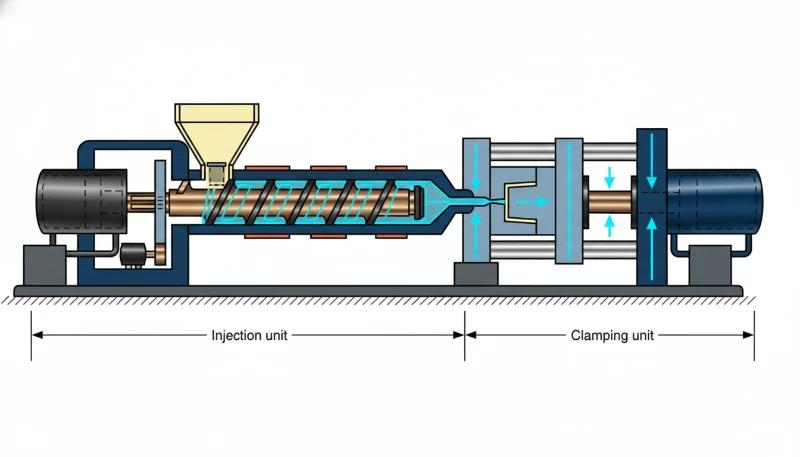
Ein breites Materialportfolio, einschließlich technischer Kunststoffe und Spezialcompounds. Überprüfen Sie für maschinenseitige Leistungsfähigkeitsprüfungen, wie sich eine Schneckenspritzgießmaschine auf die Schmelzekontrolle und Wiederholbarkeit auswirkt.
Welche Trends prägen die Spritzgussindustrie Neuseelands?
Der neuseeländische Spritzgießmarkt verlagert sich hin zu dualer Beschaffung, Nachhaltigkeit, digitalem Einkauf, Wachstum in der Medizintechnik und einer etablierten Nutzung des ChAFTA. Diese Trends helfen Einkäufern, ihre Lieferantenauswahl zukunftssicher zu gestalten, statt nur Maschinenlisten oder Schlagzeilenpreise zu vergleichen.
Bewusstsein für Rückverlagerungsrisiken: Lieferkettenstörungen nach COVID haben viele neuseeländische Hersteller veranlasst, die Abhängigkeit von einzelnen Offshore-Quellen neu zu bewerten. Der Trend geht zur dualen Beschaffung — ein lokaler oder australischer Zweitlieferant deckt kritische Kleinserienbedarfe ab, während die primäre Volumenproduktion aus Kostengründen im Ausland verbleibt.
Nachhaltigkeit und Materialwandel: Neuseelands ausgeprägtes Umweltbewusstsein treibt die Nachfrage nach biobasierten, rezyklathaltigen und recyclingfähigen Kunststoffen an. Spritzgießer, die recyceltes PP, Bio-PE oder PLA-kompatible Werkzeuge anbieten können, gewinnen bei neuseeländischen Käufern in den Bereichen Konsumgüter und Lebensmittelverpackungen an Bedeutung.
Digitale Beschaffung und Fernaudits: Käufer aus Neuseeland verwalten Beziehungen zu Offshore-Lieferanten zunehmend vollständig digital — mit Video-Werksführungen, Fernaudits der Qualität und cloudbasiertem Projektmanagement statt persönlicher Besuche. Dieser Trend begünstigt Offshore-Lieferanten mit einer starken digitalen Kommunikationsinfrastruktur und englischsprachigen Teams.
Wachstum in Medizintechnik und Präzisionsfertigung: Die wachsenden Medizintechnik-Cluster in Auckland und Wellington treiben die Nachfrage nach ISO 13485-zertifiziertem Präzisionsspritzguss an, insbesondere für medizinische Einwegprodukte, Diagnosegeräte und Komponenten chirurgischer Instrumente.
Reife bei der ChAFTA-Nutzung: Käufer aus Neuseeland optimieren ChAFTA-Zölle zunehmend professionell, klassifizieren Kunststoffkomponenten korrekt für eine Zollbehandlung von 0 % und holen GST effizient zurück — dadurch sinkt die effektive Differenz der Landekosten zwischen chinesischer und inländischer Beschaffung.
Welche Werkstoffkompetenzen sind für das Spritzgießen in Neuseeland wichtig?
Die wichtigste Materialkompetenz liegt in der Auswahl von Thermoplasten3, die der neuseeländischen Einsatzumgebung, den Compliance-Anforderungen und dem Produktionsvolumen entsprechen.
Standardkunststoffe (hohe Stückzahlen, kostensensitiv)
Polypropylen (PP): Der Allrounder für landwirtschaftliche Armaturen, Lebensmittelbehälter, Teile von Verpackungsmaschinen und Automobilkomponenten. Hervorragende Chemikalienbeständigkeit und mäßige UV-Stabilität. Lebensmittelgeeignete Typen sind weithin erhältlich.
Polyethylen (HDPE/LDPE/LLDPE): Wird für Tanks, Rohrverbindungen, Agrarfolien und Auftriebskörper im Marinebereich verwendet. Bei geeigneter Compoundierung bietet HDPE eine hervorragende Schlagzähigkeit und UV-Stabilität.
ABS: Standard für Unterhaltungselektronik, Gehäuse von Schiffsinstrumenten und Universalgehäuse. Lackierbar, spanend bearbeitbar und leicht zu verkleben.
Technische Kunststoffe (technische Anwendungen)
Nylon (PA6/PA66/PA6-GF30): Verwendet für Zahnräder in Landmaschinen, belastete Schiffsbeschläge und Industriekomponenten, die ein hohes Festigkeits-Gewichts-Verhältnis erfordern. Glasfaserverstärkte Typen bieten Maßhaltigkeit bei Temperaturwechseln.
Acetal (POM): Armaturen für Molkerei- und Lebensmittelverarbeitungsanlagen, bei denen geringe Reibung, Maßgenauigkeit und Chemikalienbeständigkeit erforderlich sind. FDA-konforme Typen sind verfügbar.
Polycarbonat (PC): Gehäuse für Medizinprodukte, Sicherheitsausrüstung und transparente Komponenten, die Schlagfestigkeit und optische Klarheit erfordern.
PC/ABS-Blends: Gehäuse für Medizintechnik und Unterhaltungselektronik, die die Schlagzähigkeit von PC mit der Verarbeitbarkeit von ABS verbinden müssen.
Spezial- und Hochleistungsmaterialien
PEEK: Medizinische und industrielle Hochleistungskomponenten, die eine extreme Wärme- und Chemikalienbeständigkeit erfordern.
TPE/TPU: Soft-Touch-Umspritzungen für Griffe in Schifffahrt und Landwirtschaft, medizinische Griffe und die Ergonomie von Konsumgütern.
UV-stabilisierte Typen: Aufgrund des hohen UV-Index des Landes entscheidend für Außenanwendungen in Neuseeland — insbesondere in Canterbury und anderen Regionen der Südinsel.
Flammhemmende Typen (UL94 V-0): erforderlich für elektrische Gehäusekomponenten im Bauwesen und in industriellen Anwendungen.
Welche Qualitätsstandards und Zertifizierungen sollten Käufer aus Neuseeland verlangen?
Die Qualitätsgrundlage bilden eine dokumentierte ISO-Kontrolle, rückverfolgbare Werkstoffe und anwendungsspezifische Konformitätsnachweise vor der Produktionsfreigabe.
"Auftragsfertigungskompetenz ist wichtig, wenn ein Projekt neben dem Formen auch Montage, Verpackung oder wiederkehrende Exportunterstützung erfordert."True
Neuseeländische Käufer benötigen häufig einen verantwortlichen Lieferanten für Werkzeugbau, Formteile, Sekundärbearbeitung, Exportverpackung und Dokumentation.
„Eine Lieferantenliste ist vollständig, sobald sie Unternehmen mit Spritzgießmaschinen enthält.“False
Die Maschinenkapazität allein belegt weder Qualitätskontrolle noch Materialrückverfolgbarkeit, Projektkommunikation oder langfristige geschäftliche Eignung.
ISO 9001: Qualitätsmanagementsystem
ISO 9001 ist die grundlegende Zertifizierung für das Qualitätsmanagement jedes Spritzgusslieferanten, der den neuseeländischen Industriemarkt bedient. Sie legt dokumentierte Verfahren für Prozesskontrolle, Prüfung, Abweichungsmanagement und kontinuierliche Verbesserung fest. Für allgemeine industrielle, landwirtschaftliche, maritime und bautechnische Komponenten ist eine ISO-9001-Zertifizierung des Lieferanten der akzeptable Mindeststandard.
ISO 13485: Medizinprodukte
Der wachsende neuseeländische Medizinproduktesektor benötigt für alle Komponenten in medizinischen oder diagnostischen Anwendungen nach ISO 13485 zertifizierte Spritzgusspartner. ISO 13485 ergänzt die Grundlagen von ISO 9001 um Anforderungen an Konstruktionsvalidierung, Rückverfolgbarkeit, sterile Verpackungsfähigkeit und Überwachung nach dem Inverkehrbringen. Medsafe (die neuseeländische Aufsichtsbehörde für Medizinprodukte) erwartet von Medizinprodukteherstellern die Beschaffung bei nach ISO 13485 zertifizierten Komponentenlieferanten.
AS/NZS-Normen
Australien und Neuseeland haben ein gemeinsames Normungsgremium (Standards Australia / Standards New Zealand), das AS/NZS-Normen zu Werkstoffen, Produktprüfungen und Leistungsrichtwerten veröffentlicht, die für Spritzgussteile relevant sind:
AS/NZS 4020: Prüfung von Produkten im Kontakt mit Trinkwasser — relevant für Sanitärarmaturen, Wasseraufbereitungskomponenten und Bewässerungsteile.
Normenreihe AS/NZS 1462: Prüfverfahren für Kunststoffrohre und Formstücke.
AS 4491 / AS/NZS 1580: Farben und Oberflächenbeschichtungen — relevant für Formteile, die eine Oberflächenveredelung erhalten.
Lebensmittelsicherheit und Einhaltung landwirtschaftlicher Vorschriften
Komponenten für Lebensmittelverarbeitungsanlagen, die für Neuseeland bestimmt sind, müssen den Vorschriften der New Zealand Food Safety Authority (NZFSA) entsprechen, die an internationalen Standards für Lebensmittelkontaktmaterialien ausgerichtet sind. Käufer sollten von Lieferanten FDA-konforme oder EU-10/2011-konforme Materialunterlagen für Spritzgussteile mit Lebensmittelkontakt verlangen.
REACH- und RoHS-Konformität
Neuseeland orientiert sich eng an internationalen Vorschriften für gefährliche Stoffe. Bei Konsumgütern und Elektronikkomponenten sollten Lieferanten REACH- und RoHS-Konformitätsunterlagen bereitstellen, die bestätigen, dass Werkstoffe und Pigmente frei von beschränkten Stoffen sind. Fordern Sie den Lieferanten auf, jedes Harz, Farbmittel und Additiv vor Freigabe der Bestellung der deklarierten Konformitätsdatei zuzuordnen. Dokumentieren Sie Ausnahmen frühzeitig.
Wie sind die Spritzgusskosten in Neuseeland im Vergleich zu China?
Die Kosten sind der wichtigste Grund für neuseeländische Käufer, im Ausland zu beschaffen. Hier folgt ein transparenter Vergleich der Spritzgießkostenstrukturen an den wichtigsten Beschaffungsstandorten, die neuseeländischen Käufern zur Verfügung stehen.
| Land | Werkzeugkosten (typisches Werkzeug) | Stückkosten (je 10.000 Teile) | Arbeitskostenindex | Lieferzeit (Werkzeug) | Neuseeländischer Zolltarif |
|---|---|---|---|---|---|
| Neuseeland (Inland) | NZD 25,000–80,000 | Hoch | 100 (Referenzwert) | 8–16 Wochen | N/A |
| Australien | AUD 20,000–70,000 | Hoch | 95–110 | 8–14 Wochen | 0% (ANZCERTA) |
| China | USD 2,000–15,000 | Niedrig | Engineering-Harzkunststoff-Produktionslinie | 4–8 Wochen | 0% (ChAFTA) |
| Vietnam | USD 3,000–18,000 | Niedrig–Mittel | 20–35 | 5–10 Wochen | 0% (AANZFTA) [ 10 ] |
| Thailand | USD 5,000–20,000 | Mittel | 30–45 | 6–10 Wochen | 0% (AANZFTA) |
Zentrale Kostenerkenntnis: Chinesische Spritzgusswerkzeuge kosten typischerweise 5–15-mal weniger als inländische Alternativen aus Neuseeland oder Australien. Bei einer mittelkomplexen Form, die in Neuseeland NZD 50.000 kostet, liegt ein gleichwertiges, in China gefertigtes Werkzeug häufig bei USD 4.000–8.000 (etwa NZD 7.000–14.000) einschließlich Lieferung. In Verbindung mit 0 % Einfuhrzoll im Rahmen von ChAFTA und wettbewerbsfähigen Stückkosten bietet China das überzeugendste Kostenprofil für in Großserie spritzgegossene Teile, die für Neuseeland bestimmt sind.
Überlegungen zu den gesamten Einstandskosten für neuseeländische Einkäufer:
Seefracht (Guangdong nach Auckland): USD 800–2.500 pro 20-Fuß-Container (marktabhängig)
Luftfracht: USD 4–8 pro kg, geeignet für dringende Nachlieferungen oder Mustersendungen
Einfuhr-GST (15%): wird auf den CIF-Wert erhoben; für GST-registrierte NZ-Unternehmen vollständig erstattungsfähig
IATF 16949 (falls Automobilkomponenten)
Biosicherheitskontrolle: MPI kann Verpackungsmaterialien prüfen; Holzverpackungen müssen nach ISPM 15 zertifiziert sein
Wie lange dauern Lieferzeiten und Logistik bei Bestellungen aus Neuseeland?
Aufgrund der geografischen Abgelegenheit des Landes ist das Vorlaufzeitmanagement für neuseeländische Käufer von entscheidender Bedeutung. Das Verständnis realistischer Zeitpläne – vom Werkzeugbau bis zur Lieferung – verhindert Produktionsverzögerungen. Um detaillierte Planungsdetails zu erhalten, vergleichen Sie Ihre RFQ-Annahmen mit realistischen Zeitspannen für die Spritzgussproduktion, bevor Sie einen Starttermin festlegen.
Vorlaufzeiten für Werkzeuge
Prototypen-/Brückenwerkzeug: 2–3 Wochen (Aluminiumwerkzeug, begrenzte Kavitätenzahl)
Produktionswerkzeug aus P20-Stahl: 4–6 Wochen
Serienwerkzeuge mit hoher Kavitätenzahl (H13-/S136-Stahl): 6–10 Wochen
Komplexe Mehrkavitäten- oder Präzisionswerkzeuge: 8–14 Wochen
Produktionsdurchlaufzeiten
Erster Produktionslauf: 2–4 Wochen nach Werkzeugfreigabe
Wiederholungsaufträge für die Serienproduktion: 1–3 Wochen (Werkzeug bereits verfügbar)
Expressproduktion (reservierte Maschinenzeit): 5–10 Arbeitstage bei Standardkomplexität
Seefracht: China nach Neuseeland
Seefracht ist die Standardversandart für Großaufträge. Die wichtigsten Hafen-zu-Hafen-Routen:
Guangzhou/Shenzhen/Shanghai nach Auckland: 23–28 Tage Transitzeit
Shanghai nach Auckland: 20–25 Tage Transitzeit
Ningbo nach Auckland: 21–26 Tage Transitzeit
Guangzhou/Shenzhen nach Wellington/Lyttelton: 25–32 Tage Transitzeit (zusätzliche Küstenetappe ab Auckland)
Die meisten neuseeländischen Einkäufer nutzen FCL (volle Containerladung) für große Bestellungen und LCL-Sammeldienste (Teilladung) für kleinere Sendungen. LCL verlängert die Transitzeit wegen Konsolidierung und Dekonsolidierung um 5–8 Tage.
Luftfracht: China nach Neuseeland
Shenzhen/Guangzhou nach Auckland: 5–8 Tage von Tür zu Tür
Shanghai nach Auckland: 5–7 Tage von Tür zu Tür
Kosten: USD 4–8 pro kg (geeignet für Eilaufträge unter etwa 200 kg)
Zoll und MPI-Biosicherheit
Das neuseeländische Ministry for Primary Industries (MPI) setzt strenge Biosicherheitsanforderungen durch. Zentrale Anforderungen für die Einfuhr von Spritzgussteilen:
Alle Verpackungsmaterialien aus Holz müssen ISPM-15 entsprechen (Kennzeichnung der Wärmebehandlung)
Kunststoffteile selbst führen nur selten zu einer MPI-Sperre — organische Verunreinigungen an Teilen oder Verpackungen verursachen jedoch Verzögerungen
Kommerzielle Importdokumentation: Handelsrechnung, Packliste, Konnossement/Luftfrachtbrief und gegebenenfalls MPI-Erklärung
Wann ist Neuseeland die richtige Beschaffungswahl für Spritzguss?
Neuseeland ist die richtige Beschaffungswahl, wenn Kommunikation, regionale Nähe und Produktion mittlerer Stückzahlen wichtiger sind als der niedrigste Stückpreis. Trotz der deutlichen Kostenvorteile einer Beschaffung im Ausland gibt es reale Szenarien, in denen eine lokale Produktion — oder eine Produktion innerhalb der australasiatischen Region — die klügere Entscheidung ist. Wer diese Zielkonflikte versteht, kann als Käufer in Neuseeland für jedes Projekt die richtige Wahl treffen, statt standardmäßig immer denselben Ansatz zu verfolgen.
Regulatorische Lieferkettenaudits: Manche Einkäufer aus der Lebensmittelverarbeitung und Medizintechnik müssen zu Compliance-Zwecken die lokale Kontrolle ihrer Lieferkette nachweisen. Ein Spritzgießer in Neuseeland oder Australien ermöglicht Vor-Ort-Audits ohne internationale Reisen oder Kosten für externe Prüfungen.
Prototypen-Kleinserien und NPI: Bei ersten Markteinführungsserien unter 500 Teilen können lokale Spritzgießer innerhalb von Tagen statt Wochen liefern und damit das Logistikrisiko aus frühen Entwicklungszyklen entfernen.
Dringende Nachlieferung und Reparatur: Wenn ein bestehendes Produktionswerkzeug schnell repariert werden muss oder eine Produktionslinie stillsteht, kann ein lokaler Spritzgießer mit eigener Werkzeugmacherei wesentlich schneller reagieren als ein Partner im Ausland.
Produkte mit häufigen Konstruktionsänderungen: Produkte in einer frühen Entwicklungsphase profitieren von lokalen Werkzeugen, die schnell und kostengünstig geändert werden können, ohne dass bei jeder Iteration ein internationaler Versand erforderlich ist.
Spezialisierte Nischen in Schifffahrt und Landwirtschaft: Einige neuseeländische Spritzgießer verfügen über umfassendes Anwendungswissen bei Komponenten für Schifffahrt und Landwirtschaft, einschließlich eigener Materialrezepturen, die auf lokale UV- und Chemikalienbedingungen geprüft sind.
Bei Serienfertigung — typischerweise mehr als 5.000 Teile pro Jahr — und komplexen Präzisionswerkzeugen macht der Kostenunterschied die Beschaffung im Ausland, insbesondere aus China unter ChAFTA, zur eindeutigen Wahl. ZetarMolds Kombination aus ISO-Zertifizierung, englischsprachigem Projektmanagement und NZ-spezifischer Logistikerfahrung ist genau auf dieses Szenario ausgelegt.
Wie wählen Sie einen Spritzgießlieferanten in Neuseeland aus?
Bei der Auswahl eines Spritzgießlieferanten in Neuseeland zählen Werkzeugkompetenz, Qualitätssysteme, Kommunikation und kaufmännische Eignung. Ob Sie neuseeländische Spritzgießer, australische Lieferanten oder chinesische Auslandshersteller bewerten: Ein strukturierter Bewertungsrahmen stellt sicher, dass Sie für Anwendung, Stückzahl und Konformitätsanforderungen den richtigen Partner auswählen.
Schritt 1: Technische Anforderungen definieren
Dokumentieren Sie vor der Kontaktaufnahme mit einem Lieferanten:
Bauteilgeometrie und Toleranzen (2D-Zeichnungen und 3D-CAD-Dateien)
Materialspezifikation (einschließlich Anforderungen an Lebensmittelkontakt, UV- oder Chemikalienbeständigkeit)
Anforderungen an die Oberflächengüte (Struktur, Glanzgrad, Sichtflächen)
Jährliches Produktionsvolumen und Bestellhäufigkeit
Anwendbare Normen (ISO 13485, AS/NZS, FDA-Lebensmittelkontakt usw.)
Schritt 2: Zertifizierungen und Qualitätssysteme prüfen
Fordern Sie von potenziellen Lieferanten Folgendes an:
ISO-9001-Zertifikat (Geltungsbereich, ausstellende Stelle, Ablaufdatum)
ISO 13485-Zertifikat (bei Medizinprodukten)
IATF 16949 (bei Automobilkomponenten)
T1/T2 Musterfreigabeprozess vor Produktionsfreigabe
PPAP-/FAI-Fähigkeit (für die Automobilindustrie oder regulierte Branchen)
Schritt 3: Fertigungskapazität bewerten
Bewerten:
Maschinentonnagebereich und Kavitätenfähigkeit
Eigener Werkzeugbau (entscheidend für schnelle Werkzeugwartung und -änderung)
Fähigkeiten zur Nachbearbeitung (Montage, Lackierung, Ultraschallschweißen, Tampondruck)
Messtechnik (CMM, optische Messung, Materialprüflabor)
Schritt 4: Muster anfordern und bewerten
Legen Sie sich niemals ohne physische Muster auf Produktionswerkzeuge fest. Fordern Sie bei Lieferanten aus Übersee Folgendes an:
T1-Muster (erster Schuss) zur Maßprüfung
T2-Muster nach der Korrektur zur endgültigen Freigabe vor der Produktionsfreigabe
Materialprüfberichte zu Zugfestigkeit, Schlagzähigkeit und MFR für regulierte Anwendungen
Schritt 5: Kommunikation und Projektmanagement bewerten
Neuseeländische Käufer nennen Kommunikationsprobleme häufig als Hauptursache für Schwierigkeiten bei der Beschaffung im Ausland. Prüfen Sie:
Englischkenntnisse (technische Kommunikation, nicht nur Vertrieb)
Fester Projektmanager oder Ansprechpartner für Kundenerfolg
Reaktionszeit auf technische Fragen (Ziel: am selben Arbeitstag)
Transparenz bei der Projektverfolgung (Meilensteinaktualisierungen, Fotodokumentation)
Schritt 6: Schutz des geistigen Eigentums klären
Neuseeländische Produktentwickler sind bei der Beschaffung in China zu Recht um ihr geistiges Eigentum besorgt. Bewährte Vorgehensweisen sind:
Unterzeichnete Vertraulichkeitsvereinbarung vor Weitergabe von CAD-Dateien oder technischen Spezifikationen
Klauseln zum Eigentum an der Form im Liefervertrag (Sie besitzen das Werkzeug)
Markenanmeldung in China (das chinesische Markenrecht folgt dem Erstanmelderprinzip)
Warum ist ZetarMold der richtige Partner für Käufer aus Neuseeland?
ZetarMold ist ein Spritzgießhersteller mit Sitz in Shanghai und über 20 Jahren Erfahrung mit Exportwerkzeugen und Produktion. Nach unserer Erfahrung legen Käufer aus Neuseeland ebenso viel Wert auf klares DFM-Feedback, schnelle T1-Reaktionen und Exportdokumentation wie auf den Stückpreis. Unsere Ingenieure unterstützen Projekte in den Bereichen Medizin, Automobil, Elektronik, Industrie und Konsumgüter mit englischsprachiger Kommunikation und dokumentierten Qualitätskontrollen.
Zertifizierungen, die den Anforderungen Neuseelands entsprechen
ISO 9001:2015 – Umfassendes Qualitätsmanagementsystem für Werkzeuge, Produktion, Inspektion und Lieferung
ISO 13485:2016 – Qualitätsmanagement für Medizinprodukte für Neuseelands wachsenden Medizintechniksektor
Dokumentation zur Werkstoffkonformität: FDA-Lebensmittelkontakt, REACH, RoHS auf Anfrage
Fertigungsumfang und Leistungsfähigkeit
47 Spritzgießmaschinen, 90–1.850 Tonnen Schließkraft
Eigener Werkzeugbau mit CNC, EDM, Drahterodieren und KMG-Messtechnik
45 Tage Lieferzeit für Standard-Produktionswerkzeuge
Produktionsmengen von 1,000 bis zu Millionen Teilen pro Jahr
Sekundärleistungen: Montage, Tampondruck, Ultraschallschweißen, Lackieren, Verpacken
Materialkompetenz für Neuseelands Schlüsselindustrien
Landwirtschaft und Schifffahrt: UV-stabilisiertes PP, HDPE, PA6-GF30, POM
Medizintechnik: nach ISO 13485 kontrolliertes PC, PP, PE und biokompatibles TPE
Lebensmittelverarbeitung: FDA-/EU-konforme PP-, HDPE-, POM- und PTFE-modifizierte Typen
Konsumgüter und Elektronik: ABS, PC/ABS, PP mit verschiedenen Oberflächengüten
Kommunikation primär auf Englisch
Unser Customer-Success-Team kommuniziert ausschließlich auf Englisch — von der ersten RFQ über die Werkzeugfreigabe und Produktion bis zum Support nach der Lieferung. Kunden aus Neuseeland erhalten eine dedizierte Kundenbetreuung, Foto-Updates zu Meilensteinen und noch am selben Tag Antworten auf technische Fragen während der regulären Geschäftszeiten (die sich aufgrund der Zeitzonenabstimmung UTC+8 / UTC+12 weitgehend mit den neuseeländischen Geschäftszeiten überschneiden).
Neuseelandspezifische Exporterfahrung
ISPM-15-zertifizierte Holzverpackung zur Erfüllung der MPI-Biosicherheitsanforderungen
Konsolidierte FCL- und LCL-Versandoptionen zu den Häfen Auckland, Wellington und Lyttelton
Handelsrechnung und Packlistendokumentation im Format für die Abfertigung durch NZ Customs und MPI
Flexible Incoterms: EXW, FOB, CIF passend zu Ihrem Spediteur oder Ihrer Präferenz für den Direktimport
Risikominderung für Käufer aus Neuseeland
Freigabeprozess für T1/T2-Muster vor Produktionsfreigabe
Neuseeland Spritzgießen
Inspektion vor dem Versand (Drittanbieter auf Anfrage verfügbar)
Werkzeuggarantie: kostenlose Reparatur oder Nacharbeit bei Formfehlern innerhalb der Garantiezeit
Bereit, Spritzgussteile für Neuseeland zu beschaffen?
Die Beschaffung spritzgegossener Teile für Neuseeland ist einfacher, wenn Werkzeugbau, Qualitätssicherung und Exportverpackung von einem verantwortlichen Team übernommen werden. ZetarMold unterstützt Angebotsanfragen mit ISO-zertifizierter Produktion, englischsprachigen Projektmanagern, Werkzeuglieferung in 45 Tagen und ISPM-15-zertifizierter Exportverpackung. Sie erhalten innerhalb von 24 Stunden ein detailliertes Angebot für Ihr Projekt.
Kostenloses Angebot anfordern
Häufig gestellte Fragen
Was sollte ich prüfen, bevor ich ein Angebot von einem neuseeländischen Spritzgießlieferanten anfordere?
Beginnen Sie mit den kaufmännischen und technischen Grundlagen: Bauteilzeichnungen, Jahresvolumen, Materialsorte, kritische Toleranzen, optische Anforderungen und erwarteter Markteinführungstermin. Prüfen Sie anschließend, ob der Lieferant einen eigenen Werkzeugbau besitzt, wie die Musterfreigabe erfolgt, welche Prüfaufzeichnungen bereitgestellt werden können und ob Änderungsanforderungen formal dokumentiert werden. Bestätigen Sie bei einer neuseeländischen Auswahlliste außerdem Exportkommunikation, Verpackungserwartungen und Unterstützung nach der Markteinführung, damit Sie tatsächliche Ausführungsfähigkeit und nicht nur Maschinenlisten oder beworbene Preise vergleichen. Eine gute Angebotsanfrage sollte jeden Finalisten zwingen, dieselben operativen Fragen im selben Format zu beantworten.
Kann ein neuseeländischer Lieferant sowohl den Werkzeugbau als auch die Spritzgussproduktion übernehmen?
Einige Lieferanten können beide Tätigkeiten unter einem Dach abwickeln, während andere sich auf das Spritzgießen konzentrieren und den Werkzeugbau auslagern. Dieser Unterschied ist wichtig, weil Werkzeugeigentum, Stahländerungen, Terminkontrolle und Wartungsverantwortung schwieriger zu steuern sind, wenn Werkzeugbau und Spritzguss getrennt sind. Fragen Sie beim Lieferantenvergleich, wer das Werkzeug konstruiert, wer die Stahlspezifikation freigibt, wo die T1-Bemusterung stattfindet und wer die Änderungsrunden nach der Erstteilprüfung bezahlt. Die Antworten zeigen, ob der Lieferant das Programm wirklich von der Angebotsanfrage bis zur stabilen Serienproduktion tragen kann. Außerdem wird deutlich, ob die angegebene Lieferzeit operativ glaubwürdig ist.
Wann sollte ich Offshore-Lieferanten wie Zetar mit einer lokalen neuseeländischen Spritzgießquelle vergleichen?
Dies ist meist sinnvoll, wenn ein Projekt mehr Werkzeugbaukapazität, geringere Gesamtlandekosten für Werkzeuge oder umfassendere Unterstützung bei Sekundärprozessen benötigt, als eine lokale Auswahlliste bieten kann. Der Vergleich sollte nicht allein als lokal gegen Offshore betrachtet werden. Vergleichen Sie stattdessen Tiefe der Werkzeugkonstruktion, Projektkommunikation, Validierungsdisziplin, Verpackung, Versandrhythmus und Reaktionsgeschwindigkeit des Engineerings nach T1. Kann ein Offshore-Team diese Kontrollen klar dokumentieren und dennoch ein besseres kommerzielles Gesamtpaket liefern, gehört es neben lokale Anbieter in die endgültige Beschaffungsentscheidung.
Welche Qualitätsdokumente sollten Käufer vor der Vergabe einer Spritzgießproduktion anfordern?
Ein seriöser Lieferant sollte einen Prozessablauf, Kontrollplan, Wareneingangskontrollen, Maßprüfprotokolle, Nachweise zur Musterfreigabe und für Ihre Branche relevante Zertifizierungen vorlegen können. Fordern Sie für regulierte oder hochpräzise Programme einen klaren Stichprobenplan, eine Messmittelstrategie und einen Eskalationsweg für nichtkonforme Teile an. Ist ein Werkzeug enthalten, fragen Sie nach den Eigentumsrechten am Werkzeuglayout, den Wartungsvorgaben und dem Verfahren zur Revisionskontrolle bei freigegebenen Stahländerungen. Diese Dokumente zeigen, ob der Lieferant ein wiederholbares Produktionssystem betreiben kann, statt den Auftrag als einmaligen Job abzuwickeln.
Wie viele Spritzgießlieferanten sollte ich vergleichen, bevor ich eine endgültige Auswahl treffe?
Drei bis fünf qualifizierte Lieferanten sind in der Regel die effizienteste Spanne. Bei weniger als drei lassen sich technische Annahmen nur schwer vergleichen, während zu viele Anbieter unnötiges Rauschen erzeugen und die Rückmeldungen verlangsamen. Grenzen Sie die Liste in der ersten Prüfrunde anhand von Fähigkeiten, Kommunikationsqualität und Nachweisen zur Prozesskontrolle ein. Fordern Sie anschließend von den Finalisten vergleichbare Angebote an, die auf demselben RFQ-Paket, denselben Werkstoffannahmen und denselben Qualitätsanforderungen beruhen. Diese Struktur ermöglicht einen klaren kaufmännischen Vergleich, ohne Ihr Engineering-Team zur Bewertung verstreuter, uneinheitlicher Vorschläge zu zwingen.
Auftragsfertigung: Auftragsfertigung ist eine Produktionsvereinbarung, bei der ein Lieferant Teile oder Baugruppen nach den Zeichnungen, Qualitätsanforderungen und Geschäftsbedingungen eines Kunden herstellt. ↩
ISO 9001: ISO 9001 ist eine internationale Qualitätsmanagementnorm, die festlegt, wie eine Organisation wiederholbare Produktionsprozesse dokumentiert, steuert und verbessert. ↩
Thermoplaste: Thermoplaste sind Polymerwerkstoffe, die beim Erwärmen weich und beim Abkühlen wieder fest werden, wodurch sie sich für wiederholbare Spritzgießzyklen eignen. ↩