- 이 목록의 뉴질랜드 공급업체는 의료, 열가소성 수지, 정밀 산업 성형 프로그램을 지원합니다.
- 선정 과정에서는 견적 수주 전에 사출 금형 설계 소유권, 검증 절차, 의사소통 속도를 비교해야 합니다.
- 금형 역량만으로는 충분하지 않습니다; 구매자는 문서화된 품질 관리와 T1 이후 변경 관리도 필요로 합니다.
- 대역폭, 비용 또는 2차 공정이 중요할 때 Zetar와 같은 해외 공급업체를 현지 업체와 함께 비교 평가할 수 있습니다.
- 최종 견적 전에 공급업체 선정 체크리스트를 사용하여 출시 리스크와 상업적 돌발 상황을 줄이세요.
이 가이드 — 뉴질랜드 사출 금형 제조: 완벽한 소싱 가이드 — 는 뉴질랜드 구매자의 요구를 더 넓은 사출 금형 분야와 연결합니다. 현지 제조 환경, 소재 역량, 품질 표준, 비용 기준, 리드타임, 적합한 공급업체 선택법을 다룹니다. 뉴질랜드는 태평양 끝의 작은 나라지만 제조업체와 제품 개발자는 전 세계에서 사출 플라스틱 부품을 조달하며, 현지 비용의 일부만으로 정밀도·규모·인증을 제공하는 중국 전문 파트너를 점점 더 많이 이용합니다.
뉴질랜드의 사출 성형 업체를 찾고 계십니까? 기존 공급업체의 후보 목록과 구매자 관점의 공급업체 소싱 가이드를 마련해 사출 금형 설계 역량, 품질 시스템, 소통 적합성, 위탁 제조1 준비도를 더 효율적으로 비교할 수 있게 했습니다.
이 시장 배경이 중요한 이유
영어 기반의 비즈니스 환경과 높은 품질 기대 수준은 실질적인 조달 이점입니다. 뉴질랜드 구매자는 보통 영문 사양서, 소재 데이터시트, 검사 보고서 및 계약 조건을 사용합니다. 식품 가공, 농업, 의료, 해양 및 소비재 프로젝트에서도 추적 가능한 인증과 일관된 품질 문서를 요구합니다.
FTA, 혁신 및 수입 예측 가능성도 중요합니다. NZ-China Free Trade Agreement 덕분에 많은 플라스틱 부품이 가격 경쟁력을 유지하고, 뉴질랜드의 R&D 문화는 맞춤형 성형 부품 수요를 창출하며, 투명한 수입/GST 체계는 GST 등록 구매자가 도착원가를 더 예측 가능하게 계획하도록 합니다.
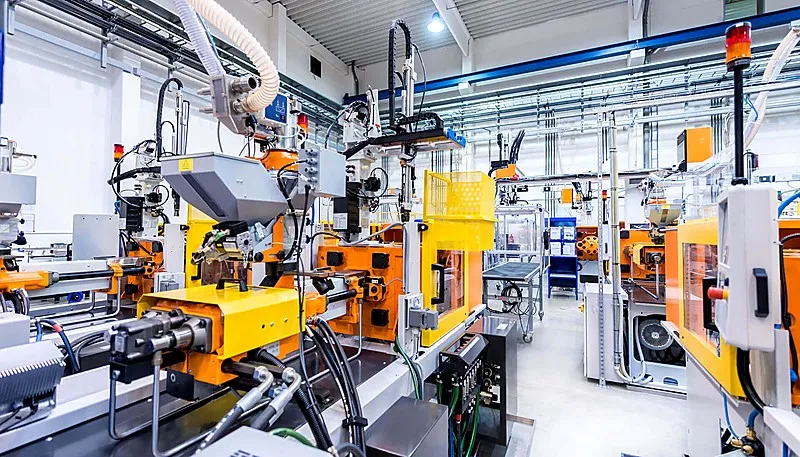
뉴질랜드의 사출 성형 시장은 어떻습니까?
뉴질랜드 사출 성형 시장은 이 절에서 요약한 공급업체 구성, 지역 클러스터, 조달 제약으로 정의됩니다. 뉴질랜드에서 어떤 산업이 사출 성형 부품 수요를 이끄는지 이해하면 공급업체와 구매자가 재료 등급, 공차, 인증에 대한 기준을 맞출 수 있습니다. 뉴질랜드 경제는 다각화되어 있으며 플라스틱 부품은 거의 모든 산업에 사용됩니다.
농업 및 낙농 장비
뉴질랜드는 세계 최대 유제품 수출국 중 하나이며, 1차 산업(농업, 임업, 어업)이 뉴질랜드 전체 상품 수출의 약 80%를 차지합니다. 착유기 제조업체부터 관개 시스템 공급업체까지 농업 장비 제조업체에는 UV 안정성과 내화학성을 갖춘 플라스틱 하우징, 피팅 및 부품이 필요합니다. 부품은 실외 UV 노출, 세척 화학물질 및 기계적 응력을 견뎌야 합니다. 고밀도 폴리에틸렌(HDPE), 폴리프로필렌(PP) 및 아세탈(POM)이 이 분야에서 흔히 선택되는 소재입니다.
해양 및 보트 제품
뉴질랜드는 1인당 보트 보유율이 세계에서 가장 높은 국가 중 하나로, 등록 선박이 154만 척을 넘고 인구의 약 40%가 매년 보트 활동에 참여합니다. 해양 산업은 클리트, 해치, 계기 하우징, 빌지 펌프 부품, 로프 가이드, 내장 피팅 등 사출성형 부품의 지속적인 수요를 창출합니다. 해양용 부품에는 UV, 염수 및 기계적 피로에 대한 내성이 필요합니다. ABS, UV 안정화 폴리프로필렌 및 유리섬유 강화 나일론(PA6-GF30)이 이 분야에서 주로 사용됩니다.
의료기기 및 헬스케어 장비
Auckland와 Wellington에서는 의료 기술 클러스터가 성장하고 있습니다. 뉴질랜드 의료기기 기업은 기기 하우징, 진단 장치 인클로저, 일회용 의료 부품 및 병원 장비 부품에 대해 ISO 13485 인증 공급업체를 요구합니다. 이러한 부품에는 생체적합성 재료, 검증된 공정 및 완전한 추적성 문서가 필요합니다.
식품 가공 및 포장
주요 식품 수출국인 뉴질랜드는 고도화된 식품 가공 산업을 갖추고 있습니다. 컨베이어 부품, 식품용 피팅, 포장기계 부품과 같은 식품 접촉용 플라스틱 부품은 식품 등급 소재 요건(PP, HDPE, 식품 등급 LDPE)을 충족하고 뉴질랜드 식품안전청(NZFSA) 표준을 준수해야 합니다.
건설 및 인프라
뉴질랜드의 지속적인 인프라 개발과 건설 호황으로 플라스틱 전선관, 파이프 피팅, 전기 하우징 부품 및 건축 제품 액세서리 수요가 발생합니다. 이들은 일반적으로 해외 대량 생산에 적합한 대량·가격 민감형 품목입니다.
제조 허브
뉴질랜드의 제조 활동은 다음 여러 지역에 집중되어 있습니다.
오클랜드: 뉴질랜드 최대 도시이자 주요 제조 중심지로, 대부분의 플라스틱 유통업체, 제품 개발회사 및 수입 중심 제조업체가 위치합니다.
Waikato (Hamilton): 견고하고 내화학성이 높은 부품 수요가 많은 주요 농업 및 식품 가공 제조 지역입니다.
웰링턴: 수도인 이 도시는 정부 연계 제조업과 함께 기술 및 의료기기 클러스터가 성장하고 있습니다.
크라이스트처치: 캔터베리의 주요 제조 허브로, 엔지니어링, 건설 및 농업 공급망 기업이 밀집해 있습니다.
Nelson/Marlborough: 이 지역에서는 해양, 양식 및 식품 가공 산업이 특수 플라스틱 부품 수요를 견인합니다.
뉴질랜드의 상위 10대 사출 성형 업체는 어디입니까?
뉴질랜드 상위 10개 사출성형업체는 역량, 산업 적합성, 조달 신뢰성을 기준으로 아래에서 비교한 공급업체입니다. 뉴질랜드의 국내 사출성형 산업은 규모가 작지만 현지의 빠른 대응, 독점 금형, 뉴질랜드 고유 규정 준수가 필요한 특화 시장을 지원합니다. 다음은 시장 개요입니다:
뉴질랜드 국내 성형업체
뉴질랜드에는 주로 현지 프로토타이핑, 단기 생산 및 근접성이 중요한 용도(예: 현지 공급망 감사가 필요한 식품 접촉 부품)에 대응하는 여러 중소 사출 성형업체가 있습니다. 이들은 일반적으로 50–500 tonne 장비를 운영하며 500–50,000개 생산을 전문으로 합니다. 강점은 속도와 근접성이며, 대규모 아시아 제조업체와 비교하면 단가와 금형 복잡도에 한계가 있습니다.
뉴질랜드의 주요 사출 성형업체와 플라스틱 제조업체는 다음과 같습니다:
Nexus Plastics — 오클랜드에 위치한 사출 성형업체로 산업, 농업, 소비재용 정밀 플라스틱 부품을 전문으로 하며 사내 툴링과 후가공 서비스를 제공합니다.
Skellerup Industries — 뉴질랜드 상장사로 농업, 낙농, 산업용 특수 사출 부품을 포함한 엔지니어링 고무 및 폴리머 제품에 깊은 전문성을 보유합니다. 뉴질랜드에서 규모가 크고 역사가 깊은 플라스틱 제조업체 중 하나입니다.
Altus NZ — 크라이스트처치 소재 플라스틱 제조업체로 건설, 농업, 산업 시장에 사출 성형, 진공 성형, CNC 라우팅을 제공합니다.
Plastipak NZ — 포장 및 용기 사출 성형을 전문으로 하며 뉴질랜드 전역의 식품 가공 및 FMCG 고객에게 공급합니다.
Acorn Plastics — 오클랜드 지역의 정밀 사출 성형업체로 의료, 전자, 농업 분야 OEM 고객에 공급하며 기술 부품의 엄격한 공차 작업으로 알려져 있습니다.
Visy(뉴질랜드 사업부) — Visy Group의 일부로 뉴질랜드에서는 식음료 산업용 포장과 경질 플라스틱 용기에 주력합니다.
대량 생산과 복잡한 정밀 금형의 경우, 대부분의 뉴질랜드 바이어는 해외 제조업체를 활용해 현지 조달을 보완하거나 대체합니다. ChAFTA에 따라 운영되는 중국 사출 성형업체는 대량 생산 용도에서 동등하거나 더 우수한 품질을 제공하면서 일반적으로 금형 비용을 5–15× 낮춥니다.
"뉴질랜드 공급업체 후보 목록에서는 현지 성형 업체, 호주의 지원 옵션 및 해외 금형 파트너를 함께 비교해야 합니다."True
이를 통해 구매자는 금형을 발주하기 전에 비용, 리드타임, 규정 준수 수준 및 대체 공급 능력을 현실적으로 파악할 수 있습니다.
"가장 저렴한 금형 견적이 뉴질랜드 구매자에게 자동으로 가장 안전한 조달 결정이 됩니다."False
낮은 금형 가격 뒤에는 부실한 DFM 검토, 불명확한 금형 소유권, 누락된 검사 기록, T1 샘플링 후의 고비용 설계 변경이 숨어 있을 수 있습니다.
NZ에 공급하는 호주 기반 공급업체
지리적·규제적 근접성으로 인해 많은 뉴질랜드 구매자는 특히 AS/NZS 인증이나 현지 품질 감사가 필요한 부품을 호주 사출 성형업체에서 조달합니다. 태즈먼해 횡단 해상 운송은 3–5일, 항공 운송은 1–2일이 걸립니다. 그러나 호주의 제조 비용은 뉴질랜드와 비슷하고 중국보다 높아 대량 생산의 비용 절감 효과가 제한적입니다.
중국 제조업체(대량 생산의 주요 공급원)
뉴질랜드에서 소비되는 사출 성형 부품의 대부분은 중국에서 생산되며, 주요 생산지는 주강 삼각주(광둥), 장강 삼각주(장쑤/저장)와 비중이 커지는 내륙 제조 지역이다. 중국 제조업체가 제공하는 이점은 다음과 같다.
뉴질랜드 또는 호주 현지 대안 대비 10–40× 낮은 금형 비용
1,000개부터 수백만 개까지의 생산 수량
규제 산업을 위한 ISO 90012, ISO 13485, IATF 16949 인증
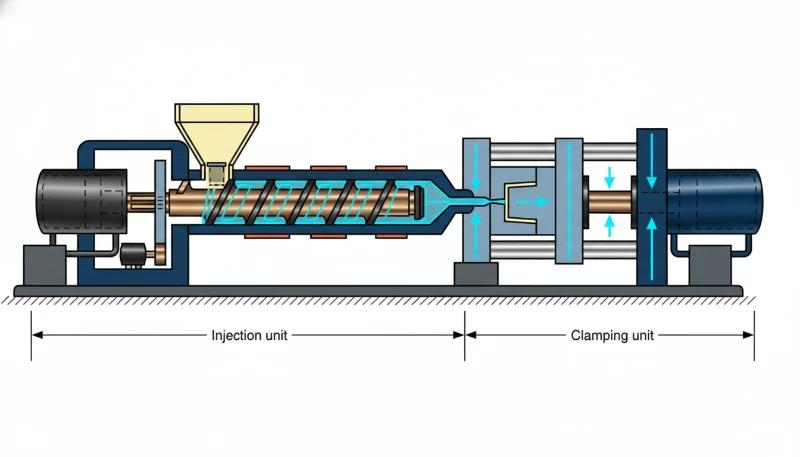
엔지니어링 플라스틱과 특수 컴파운드를 포함한 폭넓은 소재 포트폴리오. 기계 측 역량을 확인하려면 스크루 사출 성형기가 용융 제어와 반복성에 미치는 영향을 검토하십시오.
뉴질랜드 사출 성형 산업을 형성하는 동향은 무엇입니까?
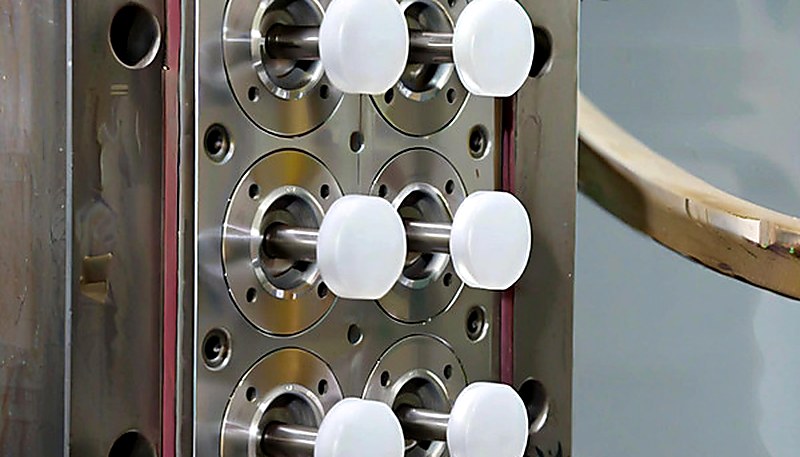
뉴질랜드의 사출 성형 시장은 이원화 소싱, 지속 가능성, 디지털 조달, 의료기술 성장 및 성숙한 ChAFTA 활용으로 전환되고 있습니다. 이러한 추세를 고려하면 장비 목록이나 표면적인 가격만 비교하지 않고 미래 변화에 대응할 수 있는 공급업체를 선정할 수 있습니다.
리쇼어링 위험 인식: Post-COVID 공급망 차질로 많은 뉴질랜드 제조업체가 단일 해외 공급원 의존도를 재검토하게 되었습니다. 중요한 단기 소량 수요에는 현지 또는 호주 소재의 보조 공급업체를 유지하고, 비용 효율성을 위해 주력 대량 생산은 해외에서 유지하는 이원화 조달이 추세입니다.
지속 가능성과 재료 전환: New Zealand의 강한 환경 문화로 인해 바이오 기반, 재활용 함유 및 재활용 가능한 플라스틱 재료의 수요가 증가하고 있습니다. 재활용 PP, bio-PE 또는 PLA 호환 금형을 제공할 수 있는 사출 성형업체는 소비재와 식품 포장 분야의 NZ 구매자에게 주목받고 있습니다.
디지털 조달 및 원격 감사: 뉴질랜드 구매자는 대면 방문 대신 화상 공장 투어, 원격 품질 감사, 클라우드 기반 프로젝트 관리를 이용해 해외 공급업체 관계를 전면적으로 디지털 관리하는 추세입니다. 이는 강력한 디지털 커뮤니케이션 인프라와 영어 대응 팀을 갖춘 해외 공급업체에 유리합니다.
의료기술 및 정밀 제조 성장: 오클랜드와 웰링턴에서 성장 중인 의료기술 클러스터는 특히 일회용 의료기기, 진단 장비 및 수술 기구 부품용 ISO 13485 인증 정밀 사출 성형 수요를 견인하고 있습니다.
ChAFTA 활용 성숙도: 뉴질랜드 구매자들은 ChAFTA 관세 최적화에 점점 능숙해지고 있습니다. 플라스틱 부품을 올바르게 분류해 0% 관세를 적용하고 GST를 효율적으로 환급받아 중국과 현지 조달 간 실질적인 착지 원가 격차를 줄입니다.
뉴질랜드 사출성형에서 중요한 소재 역량은 무엇인가?
핵심 소재 역량은 뉴질랜드의 사용 환경, 규정 준수 요구, 생산량에 맞는 열가소성 플라스틱3을 선택하는 것입니다.
범용 플라스틱(대량 생산, 비용 민감형)
폴리프로필렌(PP): 농업용 피팅, 식품 용기, 포장기계 부품 및 자동차 부품에 폭넓게 쓰이는 핵심 소재입니다. 내화학성이 우수하고 UV 안정성은 보통이며, 식품용 등급을 쉽게 구할 수 있습니다.
Polyethylene (HDPE/LDPE/LLDPE): 탱크, 배관 피팅, 농업용 필름 및 해양 부력 부품에 사용됩니다. HDPE는 적절히 컴파운딩하면 우수한 내충격성과 UV 안정성을 제공합니다.
ABS: 소비자 전자제품, 선박용 계기 하우징 및 범용 인클로저의 표준 소재다. 도장과 기계가공이 가능하고 접합이 쉽다.
엔지니어링 플라스틱(기술 용도)
나일론(PA6/PA66/PA6-GF30): 농업 장비 기어, 하중을 받는 선박용 피팅, 높은 비강도가 필요한 산업용 부품에 사용됩니다. 유리섬유 강화 등급은 온도 사이클에서도 치수 안정성을 제공합니다.
아세탈(POM): 저마찰, 정밀 치수 및 내화학성이 필요한 유제품·식품 가공 장비 피팅에 사용됩니다. FDA 준수 등급을 사용할 수 있습니다.
폴리카보네이트(PC): 내충격성과 광학적 투명성이 필요한 의료기기 하우징, 안전 장비 및 투명 부품.
PC/ABS 블렌드: PC의 충격 성능과 ABS의 가공성이 필요한 의료기기 및 소비자 전자제품 하우징.
특수 및 고성능 재료
PEEK: 극한의 내열성과 내화학성이 필요한 고성능 의료 및 산업 부품.
TPE/TPU: 해양·농업용 손잡이, 의료용 그립 및 소비재의 인체공학성을 위한 소프트 터치 오버몰드.
UV 안정화 등급: UV 지수가 높은 뉴질랜드, 특히 캔터베리와 남섬 지역의 옥외 용도에 필수적입니다.
난연 등급(UL94 V-0): 건축 및 산업용 전기 하우징 부품에 필요합니다.
뉴질랜드 구매자는 어떤 품질 표준과 인증을 요구해야 합니까?
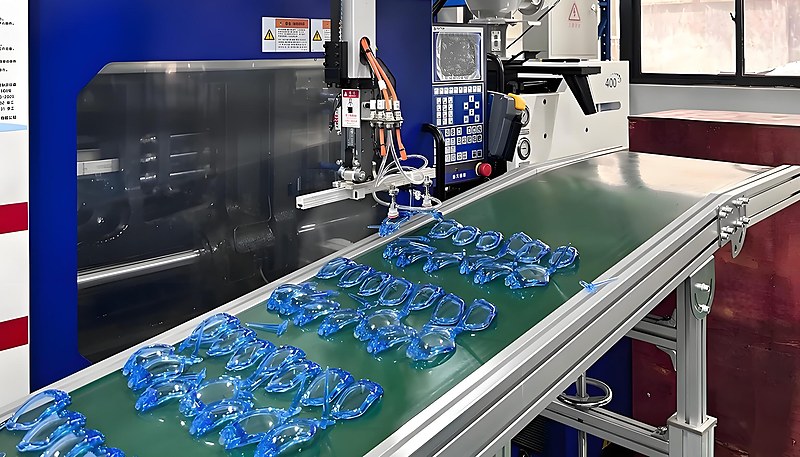
품질 기준은 양산 승인 전에 문서화된 ISO 관리, 추적 가능한 소재 및 적용 분야별 규정 준수 증빙을 확보하는 것입니다.
"프로젝트에 성형뿐 아니라 조립, 포장 또는 반복 수출 지원이 필요하다면 계약 제조 역량이 중요합니다."True
New Zealand 구매자는 금형 제작, 성형 부품, 2차 가공, 수출 포장, 문서화를 일괄 책임지는 공급업체를 필요로 하는 경우가 많다.
"사출 성형기를 보유한 업체들이 포함되면 공급업체 목록은 완성된 것입니다."False
기계 능력만으로는 품질 관리, 재료 추적성, 프로젝트 커뮤니케이션 또는 장기적인 상업적 적합성을 입증하지 못합니다.
ISO 9001: 품질 관리 시스템
ISO 9001은 뉴질랜드 산업 시장에 서비스를 제공하는 모든 사출 성형 공급업체의 기본 품질 관리 인증입니다. 이 인증은 공정 관리, 검사, 부적합 관리 및 지속적인 개선을 위한 문서화된 절차를 확립합니다. 일반 산업, 농업, 해양 및 건설 부품에 대해 공급업체의 ISO 9001 인증은 최소 허용 기준입니다.
ISO 13485: 의료 기기
뉴질랜드의 성장하는 의료 기기 부문은 의료 또는 진단 응용 분야에 사용되는 모든 구성 요소에 대해 ISO 13485 인증을 받은 사출 성형 파트너를 필요로 합니다. ISO 13485는 ISO 9001의 기준 위에 설계 검증, 추적 가능성, 무균 포장 능력 및 시장 후 감시 요구 사항을 추가합니다. Medsafe(뉴질랜드 의료 기기 규제 기관)는 의료 기기 제조업체가 ISO 13485 인증 구성 요소 공급업체로부터 조달할 것을 기대합니다.
AS/NZS 표준
호주와 뉴질랜드는 공동 표준 기관(Standards Australia / Standards New Zealand)을 공유하며, 이 기관은 사출 성형 부품에 관련된 재료, 제품 테스트 및 성능 기준을 포함하는 AS/NZS 표준을 발행합니다:
AS/NZS 4020: 음용수 접촉 제품 테스트 — 배관 부품, 수처리 구성 요소 및 관개 부품에 관련됨.
AS/NZS 1462 시리즈: 플라스틱 파이프 및 피팅의 시험 방법.
AS 4491 / AS/NZS 1580: 페인트 및 표면 코팅 — 표면 처리를 받는 성형 부품에 관련됨.
식품 안전 및 농업 규정 준수
뉴질랜드로 수송되는 식품 가공 장비에 사용되는 부품은 국제 식품 접촉 재료 기준과 일치하는 뉴질랜드 식품 안전청(NZFSA) 규정을 준수해야 합니다. 구매자는 식품 접촉 사출 성형 부품에 대해 FDA 준수 또는 EU 10/2011 준수 재료 문서를 공급업체에 요청해야 합니다.
REACH 및 RoHS 준수
뉴질랜드는 국제 유해 물질 규정을 엄격히 준수합니다. 소비재 및 전자 부품의 경우, 공급업체는 REACH 및 RoHS 적합성 문서를 제공하여 재료와 색소가 제한 물질을 포함하지 않음을 확인해야 합니다. 발주 전에 공급업체에 각 수지, 착색제 및 첨가제를 선언된 적합성 파일에 매핑하도록 요청하십시오. 예외 사항은 조기에 문서화하십시오.
뉴질랜드와 중국의 사출 성형 비용은 어떻게 다릅니까?
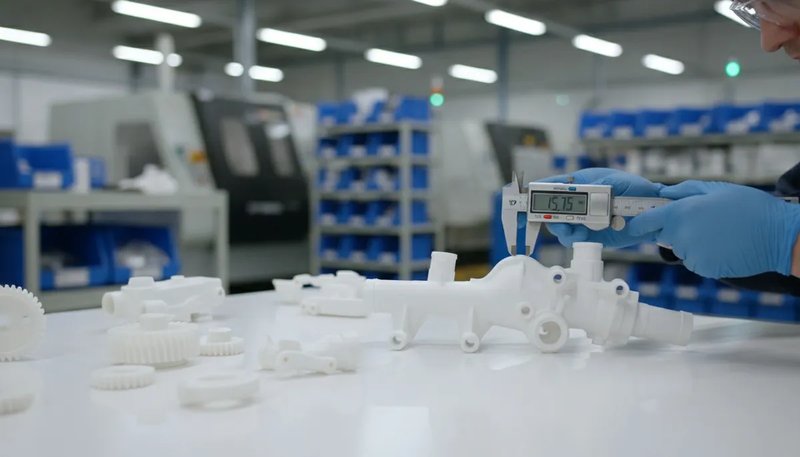
비용은 뉴질랜드 구매자가 해외에서 조달하는 가장 중요한 요소입니다. 여기 뉴질랜드 구매자가 이용할 수 있는 주요 조달 대상지의 사출 성형 비용 구조를 투명하게 비교합니다.
| 국가 | 금형 비용 (일반적인 금형) | 단위 비용 (10,000개당) | 노동 비용 지수 | 리드 타임 (금형) | 뉴질랜드 관세 |
|---|---|---|---|---|---|
| 뉴질랜드(국내) | NZD 25,000–80,000 | 높음 | 100 (기준선) | 8–16주 | N/A |
| 호주 | AUD 20,000–70,000 | 높음 | 95–110 | 8–14주 | 0% (ANZCERTA) |
| 중국 | USD 2,000–15,000 | 낮음 | 15–25 | 4~8주 | 0% (ChAFTA) |
| 베트남 | USD 3,000–18,000 | 낮음–중간 | 20–35 | 5–10주 | 0% (AANZFTA) [ 10 ] |
| 태국 | USD 5,000–20,000 | 중간 | 30–45 | 6–10주 | 0% (AANZFTA) |
핵심 비용 통찰력: 중국 사출 성형 금형 비용은 일반적으로 국내 뉴질랜드 또는 호주 대안보다 5–15배 낮습니다. 중간 복잡도의 금형이 뉴질랜드에서 NZD 50,000인 경우, 동등한 중국제 금형은 종종 USD 4,000–8,000(약 NZD 7,000–14,000)에 도달합니다. ChAFTA 하의 0% 수입 관세와 경쟁력 있는 단위 생산 비용과 결합하여, 중국은 뉴질랜드로 수송되는 대량 사출 성형 부품에 대해 가장 매력적인 비용 구조를 제공합니다.
뉴질랜드 구매자를 위한 총 도착 비용 고려사항:
해상 운송 (광둥에서 오클랜드): 20피트 컨테이너당 USD 800–2,500 (시장 상황에 따라 다름)
항공 운송: USD 4–8/kg, 긴급 재고 보충 또는 샘플 발송에 적합
수입 GST (15%): CIF 가치에 적용; GST 등록 뉴질랜드 기업은 전액 환급 가능
관세: ChAFTA에 따라 대부분의 플라스틱 구성 요소에 대해 0% 적용
생물안전 검사: MPI는 포장 재료를 검사할 수 있으며; 목재 포장은 ISPM-15 인증을 받아야 합니다
뉴질랜드 주문의 리드타임과 물류에는 얼마나 걸립니까?
뉴질랜드 구매자에게는 지리적 원격성 때문에 리드타임 관리가 매우 중요합니다. 툴링부터 납품까지 현실적인 일정을 이해하면 생산 지연을 예방할 수 있습니다. 출시일을 확정하기 전에 RFQ의 일정 가정을 현실적인 사출 성형 생산 시간 범위와 비교하십시오.
금형 제작 소요 시간
시제품/브리지 금형: 2–3주(알루미늄 금형, 제한된 캐비티 수)
생산용 P20 강재 금형: 4–6주
고캐비티 양산 금형(H13/S136 steel): 6–10주
복잡한 다수 캐비티 또는 정밀 금형: 8–14주
생산 리드 타임
초도 양산: 금형 승인 후 2–4주
반복 생산 주문: 1–3주(금형 보유)
긴급 생산(전용 장비 시간): 표준 복잡도 기준 5–10 business days
해상 운송: 중국에서 뉴질랜드까지
해상 운송은 대량 주문의 표준 운송 방식입니다. 주요 항구 간 노선은 다음과 같습니다:
Guangzhou/Shenzhen/Shanghai에서 Auckland까지: 운송 기간 23–28 days
상하이에서 오클랜드까지: 운송 기간 20–25일
닝보에서 오클랜드까지: 운송 기간 21–26일
광저우/선전에서 웰링턴/리틀턴까지: 운송 25–32일(오클랜드에서 연안 운송 구간 추가)
뉴질랜드 구매자는 대량 주문에 FCL(Full Container Load)을, 소량 화물에는 LCL(Less than Container Load) 혼재 서비스를 주로 이용합니다. LCL은 혼재 및 분리 작업으로 인해 운송 기간이 5–8일 늘어납니다.
항공 운송: 중국에서 뉴질랜드까지
선전/광저우에서 오클랜드까지: 도어 투 도어 5–8일
상하이에서 오클랜드까지: 도어 투 도어 5–7일
비용: kg당 USD 4–8(약 200 kg 미만의 긴급 주문에 적합)
세관 및 MPI 생물보안
New Zealand의 Ministry for Primary Industries (MPI)는 엄격한 생물보안 요건을 시행한다. 사출성형 부품 수입의 주요 요건:
모든 목재 포장재는 ISPM-15(열처리 마크)를 준수해야 합니다.
플라스틱 부품 자체는 MPI 보류를 거의 유발하지 않지만 부품이나 포장의 유기 오염은 지연을 초래합니다.
상업 수입 서류: 상업 송장, 포장 명세서, 선하증권/항공화물운송장 및 필요한 경우 MPI 신고서
뉴질랜드가 사출 성형 조달에 적합한 경우는 언제인가?
뉴질랜드는 최저 단가보다 커뮤니케이션, 지역적 근접성 및 중간 물량 생산이 더 중요할 때 적합한 소싱 선택지입니다. 해외 소싱의 비용상 이점이 크더라도 생산을 현지 또는 오스트랄라시아 지역 내에 유지하는 편이 더 현명한 실제 상황이 있습니다. 이러한 상충관계를 이해하면 뉴질랜드 구매자가 모든 상황에 한 가지 방식만 적용하지 않고 프로젝트별로 올바른 결정을 내릴 수 있습니다.
규제 목적의 공급망 감사: 일부 식품 가공 및 의료기기 구매자는 규정 준수를 위해 현지 공급망 관리 능력을 입증해야 합니다. 뉴질랜드 또는 호주 성형업체를 이용하면 해외 출장이나 제3자 검사 비용 없이 현장 감사를 수행할 수 있습니다.
단기 프로토타이핑 및 NPI: 500개 미만의 신제품 초기 도입 생산에서는 현지 성형업체가 수주가 아니라 수일 내에 납품하여 초기 개발 주기의 물류 위험을 줄일 수 있습니다.
긴급 보충 및 수리: 기존 양산 금형을 신속히 수리해야 하거나 생산라인이 중단된 경우, 자체 툴룸을 보유한 현지 성형업체가 해외 파트너보다 훨씬 빠르게 대응할 수 있습니다.
설계 변경이 잦은 제품: 아직 개발 중인 초기 제품은 반복할 때마다 국제 운송을 하지 않고도 빠르고 경제적으로 수정할 수 있는 현지 금형이 유리합니다.
해양 및 농업 특수 틈새시장: 일부 뉴질랜드 성형업체는 현지 자외선 및 화학 환경에서 시험한 독자적 재료 배합을 포함하여 해양 등급 및 농업용 부품에 대한 깊은 응용 지식을 보유하고 있습니다.
일반적으로 연간 5,000+개의 양산과 복잡한 정밀 금형에서는 비용 차이 때문에 해외 조달, 특히 ChAFTA 적용이 가능한 중국 조달이 확실한 선택입니다. ZetarMold는 ISO 인증, 영어로 소통하는 프로젝트 관리 및 NZ 특화 물류 경험을 결합해 바로 이러한 상황에 대응합니다.
뉴질랜드에서 사출 성형 공급업체를 어떻게 선정합니까?
뉴질랜드에서 사출성형 공급업체를 선정할 때는 금형 역량, 품질 시스템, 소통 및 상업적 적합성을 평가해야 합니다. 뉴질랜드 현지 성형업체, 호주 공급업체 또는 중국의 해외 제조업체 중 어디를 검토하든 체계적인 평가 기준을 적용하면 구체적인 용도, 생산량 및 규제 준수 요구사항에 맞는 파트너를 선정할 수 있습니다.
1단계: 기술 요구사항 정의
공급업체에 접촉하기 전에 다음 사항을 문서화한다:
부품 형상 및 공차(2D 도면 및 3D CAD 파일)
재료 사양(식품 접촉, UV 또는 내화학성 요건 포함)
표면 마감 요구사항(텍스처, 광택 수준, 외관 표면)
연간 생산량과 주문 빈도
적용 표준(ISO 13485, AS/NZS, FDA food-contact 등)
2단계: 인증 및 품질 시스템 확인
잠재 공급업체에 다음 자료를 요청하십시오:
ISO 9001 인증서(인증 범위, 발급 기관, 만료일)
ISO 13485 인증서(의료용 부품인 경우)
IATF 16949(자동차 부품인 경우)
재료 규정 준수 문서(REACH, RoHS, 식품 접촉 적합성 선언서)
PPAP/FAI 수행 역량(자동차 또는 규제 산업용)
3단계: 제조 역량 평가
평가 항목:
장비 형체력 범위와 캐비티 구성 역량
사내 금형실(금형 유지보수 및 수정 속도에 필수)
2차 가공 역량(조립, 도장, 초음파 용착, 패드 인쇄)
계측 장비(CMM, 광학 측정, 재료 시험실)
4단계: 샘플 요청 및 평가
물리적 샘플 없이 생산 금형을 확정하지 마십시오. 해외 공급업체에 요청하세요:
치수 검증을 위한 T1(첫 샷) 샘플
생산 개시 전 최종 승인을 위한 수정 후 T2 샘플
규제 대상 응용 분야를 위한 재료 시험 보고서 (인장, 충격, MFR)
5단계: 커뮤니케이션 및 프로젝트 관리 평가
뉴질랜드 구매자들은 종종 커뮤니케이션 실패를 해외 조달 문제의 주요 원인으로 지적합니다. 평가하세요:
영어 능력 (영업뿐만 아닌 기술 커뮤니케이션)
전담 프로젝트 매니저 또는 고객 성공 담당자
기술 문의에 대한 응답 시간 (목표: 당일 업무 시간 내)
프로젝트 추적 투명성 (마일스톤 업데이트, 사진 문서화)
6단계: 지식재산권 보호 명확화
뉴질랜드 제품 개발자들은 중국에서 소싱할 때 지적 재산권에 대해 당연히 우려합니다. 모범 사례는 다음과 같습니다:
CAD 파일 또는 기술 사양을 공유하기 전에 서명된 비밀 유지 계약서(NDA)
공급 계약의 금형 소유권 조항 (도구는 귀사 소유)
중국 내 상표 등록 (중국 상표법은 선등록주의)
왜 ZetarMold이 뉴질랜드 구매자에게 적합한 파트너인가요?
ZetarMold은 20년 이상의 수출 금형 및 생산 경험을 보유한 상하이 기반 사출 성형 제조업체입니다. 우리의 경험에 따르면, 뉴질랜드 구매자들은 단가만큼이나 명확한 DFM 피드백, 빠른 T1 응답, 그리고 수출 서류를 중요하게 여깁니다. 우리의 엔지니어들은 의료, 자동차, 전자, 산업 및 소비재 프로젝트를 영어 커뮤니케이션과 문서화된 품질 관리로 지원합니다.
뉴질랜드 요구사항에 부합하는 인증
ISO 9001:2015 — 툴링, 생산, 검사, 납품을 포괄하는 전체 품질경영시스템
ISO 13485:2016 — 성장하는 뉴질랜드 의료기술 분야를 위한 의료기기 품질 관리
재질 규정 준수 문서: 요청 시 FDA 식품 접촉, REACH, RoHS
제조 규모 및 능력
47대 사출 성형기, 90~1,850톤 클램핑력
CNC, EDM, 와이어컷, CMM 측정 장비를 갖춘 자체 금형 작업장
표준 생산 금형에 대한 45일 금형 납기
연간 1,000개부터 수백만 개에 이르는 생산량
2차 서비스: 조립, 패드 인쇄, 초음파 용접, 도장, 포장
뉴질랜드 주요 산업을 위한 재질 전문성
농업 및 해양: UV 안정화 PP, HDPE, PA6-GF30, POM
의료: ISO 13485 관리 PC, PP, PE 및 생체 적합성 TPE
식품 가공: FDA/EU 준수 PP, HDPE, POM, PTFE 변성 등급
소비재 및 전자제품: ABS, PC/ABS, PP 및 다양한 표면 마감 처리
영어 우선 커뮤니케이션
우리의 고객 성공 팀은 초기 RFQ부터 금형 승인, 생산, 납품 후 지원까지 모든 커뮤니케이션을 영어로 진행합니다. 뉴질랜드 구매자들은 전담 계정 관리, 마일스톤 사진 업데이트, 그리고 표준 업무 시간(UTC+8 / UTC+12 시간대 일치로 뉴질랜드 업무 시간과 크게 겹침) 내 기술 문의에 대한 당일 응답을 받습니다.
뉴질랜드 특화 수출 경험
MPI 생물 안전 요건 충족을 위한 ISPM-15 인증 목재 포장
오클랜드, 웰링턴, 리틀턴 항구까지의 FCL 및 LCL 통합 선적 옵션
뉴질랜드 세관 및 MPI 통관을 위한 형식의 상업 송장 및 포장 목록 서류
유연한 인코텀즈: EXW, FOB, CIF로 귀하의 화물 운송업체 또는 직접 수입 선호도에 맞춤
뉴질랜드 구매자를 위한 위험 감소
생산 개시 전 T1/T2 샘플 승인 절차
서면으로 보장된 금형 소유권 — 귀사의 금형, 귀사의 지식재산권
선적 전 검사 (요청 시 제3자 검사 가능)
금형 보증: 보증 기간 내 금형 결함에 대한 무료 수리 또는 재작업
뉴질랜드를 위한 사출 성형 부품 조달 준비가 되셨나요?
뉴질랜드를 위한 사출 성형 부품 조달은 금형, 품질 관리, 수출 포장이 하나의 책임 있는 팀에 의해 처리될 때 더 쉬워집니다. ZetarMold은 ISO 인증 생산, 영어 가능 프로젝트 관리자, 45일 금형 납기, ISPM-15 인증 수출 포장으로 RFQ를 지원합니다. 24시간 이내에 귀하의 프로젝트에 대한 상세 견적을 받아보세요.
무료 견적 받기
자주 묻는 질문
뉴질랜드 사출 성형 공급업체에 견적을 요청하기 전에 무엇을 확인해야 하나요?
상업적 및 기술적 기본 사항부터 시작하세요: 부품 도면, 연간 생산량, 재질 등급, 핵심 허용 공차, 외관 요구사항, 그리고 예상 출시 시기. 그 다음, 공급업체가 자체 금형을 보유하고 있는지, 샘플 승인이 어떻게 처리되는지, 어떤 검사 기록을 공유할 수 있는지, 그리고 변경 요청이 공식적으로 문서화되는지 확인하세요. 뉴질랜드 후보 업체 선정 시에는 수출 통신, 포장 기대사항, 출시 후 지원도 확인하여 단순한 장비 목록이나 표면적인 가격이 아닌 실제 실행 능력을 비교하세요. 강력한 RFQ는 모든 최종 후보 업체가 동일한 운영 질문에 동일한 형식으로 답변하도록 해야 합니다.
뉴질랜드 공급업체가 금형 제작과 생산 사출 성형을 모두 처리할 수 있을까요?
일부 공급업체는 두 가지 작업을 한 곳에서 관리할 수 있는 반면, 다른 업체는 성형에 집중하고 금형 제작은 외부에 위탁합니다. 이러한 차이는 금형 소유권, 강철 변경, 일정 관리, 유지보수 책임이 금형 제작과 성형이 분리되면 관리하기 어려워지기 때문에 중요합니다. 공급업체를 비교할 때 누가 금형을 설계하는지, 누가 강철 사양을 승인하는지, T1 샘플링이 어디서 이루어지는지, 첫 번째 검토 후 수정 라운드 비용을 누가 부담하는지 물어보세요. 이러한 답변은 해당 공급업체가 RFQ부터 안정적인 대량 생산까지 프로그램을 진정으로 수행할 수 있는지 여부를 보여줍니다. 또한 제시된 리드 타임이 운영상 신뢰할 수 있는지도 나타냅니다.
Zetar와 같은 해외 공급업체를 뉴질랜드 현지 사출 성형 업체와 언제 비교해야 할까요?
이는 일반적으로 프로젝트가 현지 단기 목록이 제공할 수 있는 것보다 더 강력한 공구 대역폭, 더 낮은 착륙 공구 비용 또는 더 광범위한 2차 공정 지원이 필요할 때 합리적입니다. 비교는 단순히 현지 대 해외로만 구성되어서는 안 됩니다. 대신, 금형 설계 깊이, 프로젝트 커뮤니케이션, 검증 절차, 포장, 출하 주기 및 T1 이후의 엔지니어링 대응 속도를 비교하십시오. 해외 팀이 이러한 통제를 명확하게 문서화하고 여전히 더 나은 상업적 패키지를 제공할 수 있다면, 최종 조달 결정에서 현지 공급업체와 함께 자리할 자격이 있습니다.
구매자는 사출 성형 생산을 수주하기 전에 어떤 품질 문서를 요청해야 합니까?
진지한 공급업체는 프로세스 흐름, 통제 계획, 입고 재료 통제, 치수 검사 기록, 샘플 승인 증거 및 귀하의 산업과 관련된 인증 범위를 제공할 수 있어야 합니다. 규제 대상이거나 고정밀 프로그램의 경우, 명확한 샘플링 계획, 게이지 전략 및 부적합 부품에 대한 에스컬레이션 경로를 요청하십시오. 금형이 포함된 경우, 금형 레이아웃 소유권, 유지보수 기대 사항 및 강철 변경이 승인될 때 사용되는 개정 통제 방법을 요청하십시오. 이러한 문서는 공급업체가 주문을 일회성 작업으로 처리하는 대신 반복 가능한 생산 시스템을 운영할 수 있는지 여부를 보여줍니다.
최종 선택 전에 몇 개의 사출 성형 공급업체를 벤치마킹해야 합니까?
3~5개의 자격을 갖춘 공급업체가 일반적으로 가장 효율적인 범위입니다. 3개 미만은 기술적 가정을 비교하기 어렵게 만들고, 너무 많은 공급업체는 혼란을 일으키고 피드백을 늦춥니다. 첫 번째 심사 라운드를 통해 능력, 커뮤니케이션 품질 및 공정 통제 증거에 따라 목록을 좁히십시오. 그런 다음 동일한 RFQ 패키지, 재료 가정 및 품질 요구 사항을 사용하여 최종 후보자들로부터 비교 가능한 견적을 요청하십시오. 이러한 구조는 엔지니어링 팀이 일관성 없는 제안들의 산발적인 집합을 평가하도록 강제하지 않으면서도 깔끔한 상업적 비교를 제공합니다.