- Les fournisseurs néo-zélandais de cette liste couvrent les programmes de moulage médical, thermoplastique et industriel de précision.
- La présélection doit comparer la propriété de la conception du moule, la rigueur de la validation et la rapidité de communication avant l’attribution de la RFQ.
- La capacité d’outillage seule ne suffit pas ; les acheteurs ont également besoin d’un contrôle qualité documenté et d’une gestion des modifications après T1.
- Un fournisseur offshore comme Zetar peut être comparé aux fournisseurs locaux lorsque la capacité, le coût ou les opérations secondaires sont importants.
- Utilisez une liste de contrôle de sélection des fournisseurs avant le devis final afin de réduire les risques de lancement et les surprises commerciales.
Ce guide — Fabrication de moules d’injection en Nouvelle-Zélande : guide complet d’approvisionnement — met en relation les besoins des acheteurs néo-zélandais et le secteur plus vaste du moule d’injection. Il couvre le paysage manufacturier local, les capacités en matière de matériaux, les normes qualité, les coûts de référence, les délais et la sélection du bon fournisseur. La Nouvelle-Zélande est peut-être un petit pays aux confins du Pacifique, mais ses fabricants et concepteurs de produits s’approvisionnent en pièces plastiques moulées par injection dans le monde entier — et de plus en plus auprès de partenaires spécialisés chinois capables d’offrir précision, volume et certifications pour une fraction du coût local.
Recherchez-vous des entreprises de moulage par injection en Nouvelle-Zélande ? Nous avons établi cette sélection de fournisseurs reconnus et ajouté un guide de sélection des fournisseurs destiné aux acheteurs afin de comparer plus efficacement leur maîtrise de la conception des moules d’injection, leurs systèmes qualité, leur aptitude à communiquer et leur capacité de fabrication sous contrat1.
Pourquoi ce contexte de marché est important
L’environnement commercial anglophone et les attentes qualité facilitent l’approvisionnement. Les acheteurs néo-zélandais utilisent généralement spécifications, fiches matière, rapports d’inspection et contrats en anglais ; les projets agroalimentaires, agricoles, médicaux, maritimes et de biens de consommation exigent aussi des certifications traçables et une documentation qualité constante.
La FTA, l’innovation et la prévisibilité des importations sont également importantes. L’accord de libre-échange NZ-Chine maintient la compétitivité de nombreux composants plastiques, la culture néo-zélandaise de R&D crée une demande de pièces moulées sur mesure, et la transparence du cadre d’importation/GST rend la planification du coût rendu plus prévisible pour les acheteurs enregistrés à la GST.
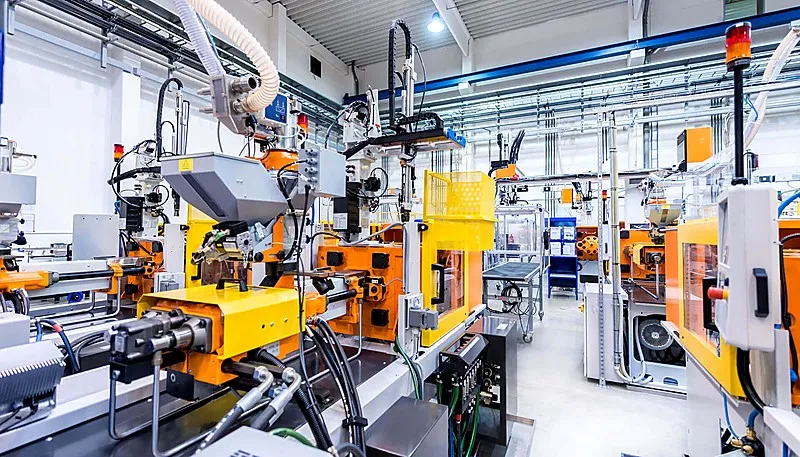
À quoi ressemble le marché du moulage par injection en Nouvelle-Zélande ?
Le marché néo-zélandais du moulage par injection se caractérise par la diversité des fournisseurs, les pôles régionaux et les contraintes d’approvisionnement résumés dans cette section. Comprendre les secteurs qui stimulent la demande de pièces moulées par injection en Nouvelle-Zélande aide fournisseurs et acheteurs à s’accorder sur les grades de matériaux, tolérances et certifications. L’économie néo-zélandaise est diversifiée, et les composants plastiques concernent presque tous les secteurs.
Équipements agricoles et laitiers
La Nouvelle-Zélande est l’un des principaux exportateurs mondiaux de produits laitiers ; les industries primaires (agriculture, sylviculture et pêche) représentent environ 80% de ses exportations totales de biens. Les fabricants d’équipements agricoles — des machines de traite aux systèmes d’irrigation — ont besoin de boîtiers, raccords et composants plastiques stabilisés aux UV et résistants aux produits chimiques. Les pièces doivent résister à l’exposition extérieure aux UV, aux produits de nettoyage et aux contraintes mécaniques. Le polyéthylène haute densité (HDPE), le polypropylène (PP) et le polyacétal (POM) sont des choix courants dans ce secteur.
Produits nautiques et marins
La Nouvelle-Zélande affiche l’un des taux de possession de bateaux par habitant les plus élevés au monde, avec plus de 1.54 million de navires immatriculés et environ 40% de la population pratiquant la navigation chaque année. Le secteur maritime génère une demande durable de taquets, trappes, boîtiers d’instruments, composants de pompes de cale, guides de cordage et garnitures intérieures moulés par injection. Ces composants doivent résister aux UV, à l’eau salée et à la fatigue mécanique. L’ABS, le polypropylène stabilisé aux UV et le nylon chargé de verre (PA6-GF30) dominent ces applications.
Dispositifs médicaux et équipements de santé
Auckland et Wellington abritent des pôles de technologies médicales en croissance. Les entreprises néo-zélandaises de dispositifs médicaux exigent des fournisseurs certifiés ISO 13485 pour des composants tels que les boîtiers d’instruments et d’appareils de diagnostic, les pièces médicales à usage unique et les composants d’équipements hospitaliers. Ces pièces requièrent des matériaux biocompatibles, des procédés validés et une documentation de traçabilité complète.
Transformation et emballage alimentaires
Grand exportateur alimentaire, la Nouvelle-Zélande possède une industrie agroalimentaire avancée. Les pièces plastiques en contact avec les aliments — éléments de convoyeurs, raccords alimentaires, pièces de machines d’emballage — doivent respecter les exigences des matériaux de qualité alimentaire (PP, HDPE, LDPE alimentaire) et les normes de la New Zealand Food Safety Authority (NZFSA).
Construction et infrastructures
Le développement continu des infrastructures et l’essor de la construction en Nouvelle-Zélande créent une demande de gaines plastiques, raccords de tuyauterie, boîtiers électriques et accessoires de bâtiment — des applications généralement produites en grande série, sensibles au coût et adaptées à une production de masse offshore.
Pôles de fabrication
L’activité manufacturière néo-zélandaise est concentrée dans plusieurs régions :
Auckland : plus grande ville et principal centre industriel de Nouvelle-Zélande, regroupant la majorité des distributeurs de plastiques, bureaux de développement produit et fabricants orientés vers l’importation.
Waikato (Hamilton) : grande région de production agricole et agroalimentaire, avec une forte demande de composants robustes et résistants aux produits chimiques.
Wellington : la capitale possède un pôle technologique et de dispositifs médicaux en croissance, ainsi qu’une industrie manufacturière liée au secteur public.
Christchurch : principal pôle manufacturier de Canterbury, qui regroupe des entreprises d’ingénierie, de construction et de la chaîne d’approvisionnement agricole.
Nelson/Marlborough : les industries maritimes, aquacoles et agroalimentaires stimulent la demande régionale de composants plastiques spécialisés.
Quelles sont les 10 principales entreprises de moulage par injection en Nouvelle-Zélande ?
Les 10 principales entreprises de moulage par injection en Nouvelle-Zélande sont les fournisseurs comparés ci-dessous selon leurs capacités, leur adéquation sectorielle et la fiabilité de leur approvisionnement. L’industrie nationale néo-zélandaise du moulage par injection est modeste, mais dessert des niches spécialisées qui exigent des délais locaux, des outillages propriétaires ou une conformité propre à la Nouvelle-Zélande. Voici un aperçu du marché :
Mouleurs nationaux néo-zélandais
La Nouvelle-Zélande compte plusieurs petites et moyennes entreprises de moulage par injection, qui servent principalement le prototypage local, la production en petite série et les applications pour lesquelles la proximité est importante (par exemple, les pièces destinées au contact alimentaire exigeant des audits locaux de la chaîne d’approvisionnement). Ces entreprises exploitent généralement des machines de 50–500 tonnes et se spécialisent dans des séries de 500–50,000 pièces. Leur proposition de valeur repose sur la rapidité et la proximité ; leurs limites sont le coût unitaire et la complexité des moules par rapport aux grands fabricants asiatiques.
Parmi les principaux mouleurs par injection et fabricants de plastiques néo-zélandais figurent :
Nexus Plastics — Mouleur par injection établi à Auckland et spécialisé dans les composants plastiques de précision destinés aux applications industrielles, agricoles et grand public. Propose en interne la fabrication d’outillages et des services de post-traitement.
Skellerup Industries — Entreprise néo-zélandaise cotée en bourse dotée d’une expertise approfondie dans les produits techniques en caoutchouc et en polymère, notamment les composants spéciaux moulés par injection pour les secteurs agricole, laitier et industriel. C’est l’un des fabricants de plastiques les plus grands et les mieux établis de Nouvelle-Zélande.
Altus NZ — Fabricant de plastiques établi à Christchurch, qui propose le moulage par injection, le thermoformage sous vide et le détourage CNC aux marchés de la construction, de l’agriculture et de l’industrie.
Plastipak NZ — Spécialiste du moulage par injection d’emballages et de contenants, au service des entreprises de transformation alimentaire et de produits de grande consommation dans toute la Nouvelle-Zélande.
Acorn Plastics — Mouleur par injection de précision de la région d’Auckland, au service de clients OEM des secteurs médical, électronique et agricole ; réputé pour ses composants techniques à tolérances serrées.
Visy (activités en Nouvelle-Zélande) — Entité du groupe Visy dont les activités néo-zélandaises portent sur les emballages et les contenants rigides en plastique destinés à l’industrie agroalimentaire.
Pour la production en série et les outillages de précision complexes, la plupart des acheteurs néo-zélandais complètent ou remplacent l’approvisionnement local par des fabricants étrangers. Les mouleurs par injection chinois opérant sous le régime de la ChAFTA proposent généralement des coûts d’outillage 5–15× inférieurs, avec une qualité comparable ou supérieure pour les applications en série.
"Une présélection de fournisseurs en Nouvelle-Zélande doit comparer à la fois les mouleurs locaux, les solutions d’assistance australiennes et les partenaires d’outillage offshore."True
Cela donne aux acheteurs une vision réaliste du coût, du délai, du niveau de conformité et de la solution d’approvisionnement de secours avant qu’ils ne s’engagent sur un moule.
« Le devis d’outillage le moins cher constitue automatiquement la décision d’approvisionnement la plus sûre pour les acheteurs néo-zélandais. »False
Un faible prix d’outillage peut masquer une étude DFM insuffisante, une propriété du moule mal définie, l’absence de rapports d’inspection ou de coûteuses modifications techniques après l’échantillonnage T1.
Fournisseurs basés en Australie desservant la NZ
Compte tenu de la proximité géographique et réglementaire, de nombreux acheteurs néo-zélandais s’approvisionnent auprès de mouleurs australiens, notamment pour les composants exigeant une certification AS/NZS ou des audits qualité locaux. Le fret maritime trans-Tasman prend 3–5 jours ; l’aérien arrive en 1–2 jours. Toutefois, les coûts industriels australiens sont comparables à ceux de la Nouvelle-Zélande — et supérieurs à ceux de la Chine — ce qui limite les économies en grande série.
Fabricants chinois (source principale pour la production en volume)
La majorité des pièces moulées par injection consommées en Nouvelle-Zélande sont fabriquées en Chine — principalement dans le delta de la rivière des Perles (Guangdong), le delta du Yangtsé (Jiangsu/Zhejiang) et, de plus en plus, dans les zones industrielles de l’intérieur. Les fabricants chinois offrent :
Coûts d’outillage 10–40× inférieurs aux solutions nationales néo-zélandaises ou australiennes
Volumes de production de 1,000 à plusieurs millions de pièces
Certifications ISO 90012, ISO 13485 et IATF 16949 pour les secteurs réglementés
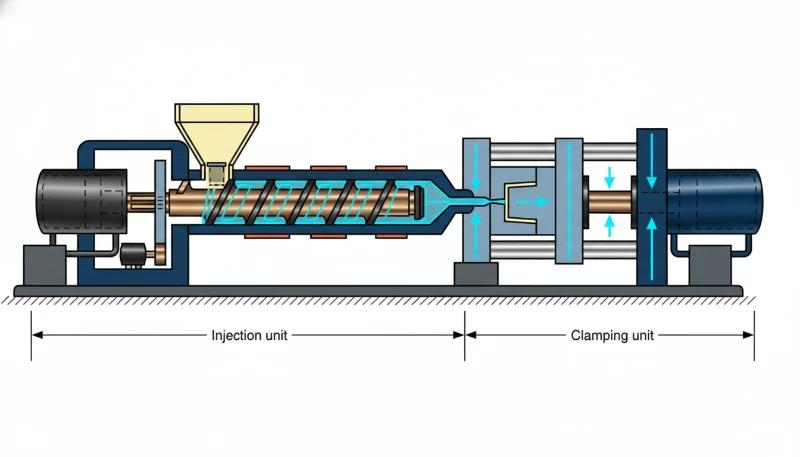
Un large éventail de matériaux comprenant des plastiques techniques et des composés spéciaux. Pour contrôler les capacités des machines, examinez l’incidence d’une presse de moulage par injection à vis sur la maîtrise de la fusion et la répétabilité.
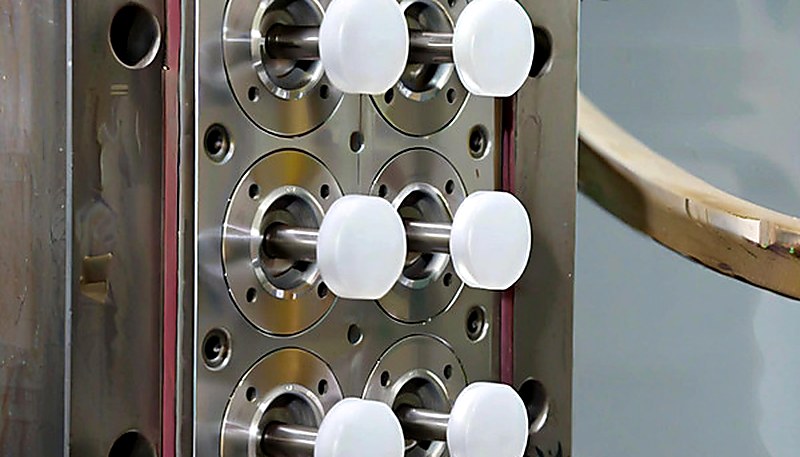
Quelles tendances façonnent le secteur du moulage par injection en Nouvelle-Zélande ?
Le marché néo-zélandais du moulage par injection évolue vers le double approvisionnement, la durabilité, les achats numériques, la croissance des technologies médicales et une utilisation mature de la ChAFTA. Ces tendances aident les acheteurs à pérenniser leur sélection au lieu de comparer uniquement les listes de machines ou les prix affichés.
Sensibilisation au risque de relocalisation : les perturbations des chaînes d’approvisionnement après la COVID ont conduit de nombreux fabricants néo-zélandais à réévaluer leur dépendance à une source offshore unique. La tendance est au double approvisionnement : conserver un fournisseur secondaire local ou australien pour les besoins critiques en petites séries, tout en maintenant la production principale en volume à l’étranger pour optimiser les coûts.
Durabilité et transition des matières : la forte culture environnementale de la Nouvelle-Zélande stimule la demande de matières plastiques biosourcées, recyclées et recyclables. Les mouleurs par injection capables de proposer du PP recyclé, du bio-PE ou des outillages compatibles avec le PLA gagnent du terrain auprès des acheteurs néo-zélandais des secteurs des biens de consommation et des emballages alimentaires.
Achats numériques et audits à distance : les acheteurs néo-zélandais gèrent de plus en plus leurs relations avec les fournisseurs étrangers entièrement en ligne, au moyen de visites d’usine vidéo, d’audits qualité à distance et d’une gestion de projet dans le cloud plutôt que de visites sur site. Cette tendance favorise les fournisseurs étrangers dotés d’une solide infrastructure de communication numérique et d’équipes anglophones.
Croissance des technologies médicales et de la fabrication de précision : l’essor des pôles medtech d’Auckland et de Wellington stimule la demande de moulage par injection de précision certifié ISO 13485, notamment pour les dispositifs médicaux à usage unique, les équipements de diagnostic et les composants d’instruments chirurgicaux.
Maturité d’utilisation du ChAFTA : les acheteurs néo-zélandais maîtrisent de mieux en mieux l’optimisation tarifaire ChAFTA, classent correctement les composants plastiques au taux de 0% et récupèrent efficacement la GST, réduisant ainsi l’écart de coût rendu entre approvisionnement chinois et national.
Quelles capacités matière sont importantes pour le moulage par injection en Nouvelle-Zélande ?
La capacité essentielle en matière de matériaux consiste à choisir des thermoplastiques3 adaptés à l’environnement d’utilisation néo-zélandais, aux exigences de conformité et au volume de production.
Plastiques de grande consommation (grands volumes, sensibles aux coûts)
Polypropylène (PP) : matière polyvalente pour raccords agricoles, contenants alimentaires, pièces de machines d’emballage et composants automobiles. Excellente résistance chimique, stabilité UV modérée et large disponibilité de grades alimentaires.
Polyéthylène (HDPE/LDPE/LLDPE) : utilisé pour les réservoirs, raccords de tuyauterie, films agricoles et éléments de flottabilité marine. Correctement formulé, le HDPE offre une excellente résistance aux chocs et aux UV.
ABS : matériau standard pour l’électronique grand public, les boîtiers d’instruments marins et les enveloppes polyvalentes. Peut être peint, usiné et collé facilement.
Plastiques techniques (applications techniques)
Nylon (PA6/PA66/PA6-GF30) : utilisé pour les engrenages de machines agricoles, les raccords marins sous charge et les composants industriels exigeant un rapport résistance/poids élevé. Les grades renforcés de fibres de verre assurent une stabilité dimensionnelle lors des cycles thermiques.
Acétal (POM) : raccords d’équipements laitiers et agroalimentaires exigeant faible friction, précision dimensionnelle et résistance chimique. Grades conformes FDA disponibles.
Polycarbonate (PC) : boîtiers de dispositifs médicaux, équipements de sécurité et composants transparents exigeant résistance aux chocs et clarté optique.
Mélanges PC/ABS : boîtiers médicaux et d’électronique grand public nécessitant la résistance aux chocs du PC et l’aptitude à la transformation de l’ABS.
Matériaux spéciaux et hautes performances
PEEK : composants médicaux et industriels hautes performances exigeant une résistance thermique et chimique extrême.
TPE/TPU : Surmoulages doux au toucher pour poignées marines et agricoles, grips médicaux et ergonomie des produits grand public.
Grades stabilisés aux UV : essentiels pour les applications extérieures en Nouvelle-Zélande compte tenu de l’indice UV élevé du pays — notamment à Canterbury et dans les autres régions de l’île du Sud.
Grades ignifuges (UL94 V-0) : requis pour les composants de boîtiers électriques dans les applications de construction et industrielles.
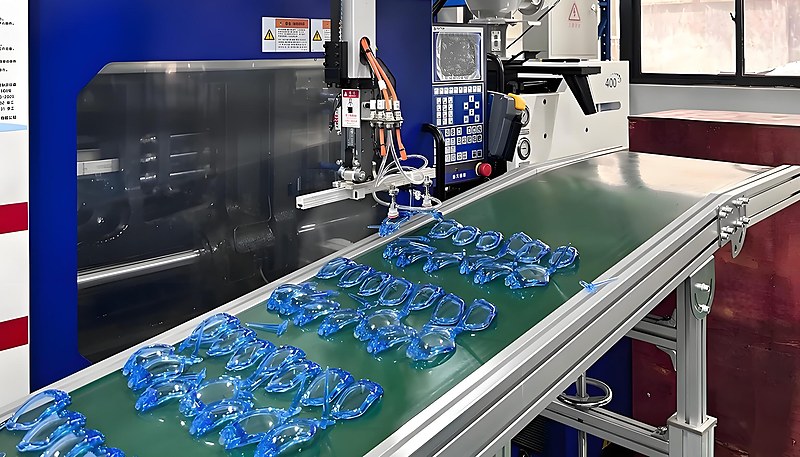
Quelles normes qualité et certifications les acheteurs néo-zélandais doivent-ils exiger ?
Le socle qualité repose sur un contrôle ISO documenté, des matériaux traçables et des preuves de conformité propres à l’application avant l’approbation de la production.
"La capacité de fabrication sous contrat est importante lorsque le projet exige moulage, assemblage, emballage ou assistance récurrente à l’exportation."True
Les acheteurs néo-zélandais ont souvent besoin d’un fournisseur unique responsable de la fabrication de l’outillage, des pièces moulées, des opérations secondaires, de l’emballage export et de la documentation.
"Une liste de fournisseurs est complète dès qu’elle comprend des entreprises équipées de presses à injecter."False
La capacité des machines ne suffit pas à démontrer la maîtrise de la qualité, la traçabilité des matériaux, la communication sur les projets ou l’adéquation commerciale à long terme.
ISO 9001 : système de management de la qualité
ISO 9001 est la certification de base du management de la qualité pour tout fournisseur d’injection desservant le marché industriel néo-zélandais. Elle établit des procédures documentées de maîtrise des procédés, de contrôle, de gestion des non-conformités et d’amélioration continue. Pour les composants industriels, agricoles, marins et de construction, cette certification constitue le minimum acceptable.
ISO 13485 : Dispositifs médicaux
Le secteur croissant des dispositifs médicaux en Nouvelle-Zélande nécessite des partenaires de moulage par injection certifiés ISO 13485 pour tout composant utilisé dans des applications médicales ou diagnostiques. L’ISO 13485 ajoute des exigences de validation de conception, de traçabilité, de capacité d’emballage stérile et de surveillance post-commercialisation en plus des exigences de base de l’ISO 9001. Medsafe (le régulateur des dispositifs médicaux de Nouvelle-Zélande) s’attend à ce que les fabricants de dispositifs médicaux s’approvisionnent auprès de fournisseurs de composants certifiés ISO 13485.
Normes AS/NZS
L’Australie et la Nouvelle-Zélande partagent un organisme de normalisation commun (Standards Australia / Standards New Zealand), qui publie les normes AS/NZS couvrant les matériaux, les tests produits et les références de performance pertinentes pour les pièces moulées par injection :
AS/NZS 4020 : Essai des produits en contact avec l’eau potable — pertinent pour les raccords de plomberie, les composants de traitement de l’eau et les pièces d’irrigation.
Série AS/NZS 1462 : Méthodes d’essai des tuyaux et raccords en plastique.
AS 4491 / AS/NZS 1580 : Peintures et revêtements de surface — pertinents pour les pièces moulées recevant une finition de surface.
Sécurité alimentaire et conformité agricole
Les composants utilisés dans les équipements de transformation alimentaire destinés à la Nouvelle-Zélande doivent être conformes aux règlements de la New Zealand Food Safety Authority (NZFSA), qui s’alignent sur les normes internationales relatives aux matériaux au contact des aliments. Les acheteurs doivent exiger que les fournisseurs fournissent une documentation sur les matériaux conforme à la FDA ou au règlement UE 10/2011 pour les pièces moulées par injection au contact des aliments.
Conformité REACH et RoHS
La Nouvelle-Zélande suit de près les réglementations internationales sur les substances dangereuses. Pour les biens de consommation et les composants électroniques, les fournisseurs doivent fournir une documentation de conformité REACH et RoHS, confirmant que les matériaux et pigments sont exempts de substances restreintes. Demandez au fournisseur de cartographier chaque résine, colorant et additif par rapport au dossier de conformité déclaré avant la libération du bon de commande. Documentez les exceptions dès le début.
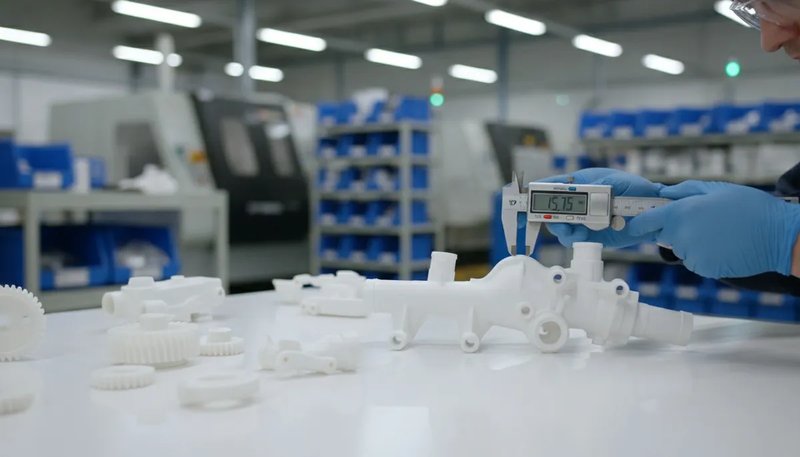
Comment le coût du moulage par injection en Nouvelle-Zélande se compare-t-il à celui de la Chine ?
Le coût est le facteur le plus significatif pour les acheteurs néo-zélandais qui s’approvisionnent à l’étranger. Voici une comparaison transparente des structures de coûts du moulage par injection parmi les principales destinations d’approvisionnement disponibles pour les acheteurs néo-zélandais.
| Pays | Coût de l'outillage (moule typique) | Coût unitaire (par 10 000 pièces) | Indice des coûts de main-d'œuvre | Délai (moule) | Tarif douanier de la Nouvelle-Zélande |
|---|---|---|---|---|---|
| Nouvelle-Zélande (domestique) | 25 000 – 80 000 NZD | Haut | 100 (référence) | 8–16 semaines | N/A |
| Australie | 20 000 – 70 000 AUD | Haut | 95–110 | 8–14 semaines | 0% (ANZCERTA) |
| Chine | 2 000 à 15 000 USD | Faible | 15–25 | 4 à 8 semaines | 0% (ChAFTA) |
| Viêt Nam | 3 000 – 18 000 USD | Faible–Moyen | 20–35 | 5 à 10 semaines | 0% (ANZFTA) [ 10 ] |
| Thaïlande | 5 000 à 20 000 USD | Moyen | 30–45 | 6–10 semaines | 0% (ANZFTA) |
Aperçu des coûts clés : Les coûts des outillages de moulage par injection chinois sont généralement 5 à 15 fois inférieurs aux alternatives domestiques néo-zélandaises ou australiennes. Pour un moule de complexité moyenne coûtant 50 000 NZD en Nouvelle-Zélande, un outillage équivalent fabriqué en Chine se situe souvent entre 4 000 et 8 000 USD (environ 7 000 à 14 000 NZD). Combiné aux droits d’importation de 0% dans le cadre de l’ANZFTA et à des coûts de production unitaires compétitifs, la Chine offre le profil de coût le plus attractif pour les pièces moulées par injection en volume destinées à la Nouvelle-Zélande.
Considérations sur le coût total à l’arrivée pour les acheteurs néo-zélandais :
Fret maritime (Guangdong à Auckland) : 800–2 500 USD par conteneur de 20 pieds (selon le marché)
Fret aérien : 4 à 8 USD par kg, adapté aux réapprovisionnements urgents ou aux envois d’échantillons
TVA à l’importation (15%) : Appliquée sur la valeur CAF ; intégralement récupérable pour les entreprises néo-zélandaises enregistrées à la TVA
Droits de douane : 0% sur la plupart des composants plastiques sous l’ALECAC
Inspection de biosécurité : Le MPI peut inspecter les matériaux d’emballage ; les emballages en bois doivent être certifiés ISPM-15
Quels sont les délais de fabrication et de logistique pour les commandes néo-zélandaises ?
La gestion des délais est cruciale pour les acheteurs néo-zélandais en raison de l’éloignement géographique du pays. Comprendre les calendriers réalistes — de l’outillage à la livraison — permet d’éviter les retards de production. Pour planifier précisément, comparez les hypothèses de votre appel d’offres à des délais réalistes de production par moulage par injection avant d’arrêter une date de lancement.
Délais de fabrication des outillages
Outillage prototype/pont : 2 à 3 semaines (outillage en aluminium, cavitation limitée)
Outillage de production en acier P20 : 4 à 6 semaines
Outillage de production à haute cavitation (acier H13/S136) : 6 à 10 semaines
Outillage complexe multi-empreintes ou de précision : 8 à 14 semaines
Délais de production
Première série de production : 2 à 4 semaines après validation de l’outillage
Commandes de production répétées : 1–3 semaines (outillage déjà disponible)
Production urgente (temps machine dédié) : 5–10 jours ouvrés pour une complexité standard
Fret maritime : de la Chine vers la Nouvelle-Zélande
Le fret maritime est le mode d’expédition standard pour les commandes en volume. Principales liaisons port à port :
Guangzhou/Shenzhen/Shanghai vers Auckland : 23–28 jours de transit
Shanghai à Auckland : 20–25 jours de transit
De Ningbo à Auckland : 21–26 jours de transit
Guangzhou/Shenzhen vers Wellington/Lyttelton : 25–32 jours de transit (trajet côtier supplémentaire depuis Auckland)
La plupart des acheteurs néo-zélandais utilisent le FCL (Full Container Load) pour les grosses commandes et les services de groupage LCL (Less than Container Load) pour les petites expéditions. Le LCL ajoute 5–8 jours au délai de transport en raison des opérations de groupage et de dégroupage.
Fret aérien : de la Chine vers la Nouvelle-Zélande
De Shenzhen/Guangzhou à Auckland : 5–8 jours porte à porte
De Shanghai à Auckland : 5–7 jours porte à porte
Coût : USD 4–8 par kg (adapté aux commandes urgentes inférieures à environ 200 kg)
Douanes et biosécurité MPI
Le ministère néo-zélandais des Industries primaires (MPI) applique des exigences strictes en matière de biosécurité. Principales exigences pour l’importation de pièces moulées par injection :
Tous les matériaux d’emballage en bois doivent être conformes à ISPM-15 (marque de traitement thermique)
Les pièces plastiques elles-mêmes entraînent rarement une retenue MPI — mais toute contamination organique des pièces ou de l’emballage provoquera des retards
Documents commerciaux d’importation : facture commerciale, liste de colisage, connaissement/lettre de transport aérien et déclaration MPI lorsqu’elle est requise
Quand la Nouvelle-Zélande est-elle le bon choix d’approvisionnement pour le moulage par injection ?
La Nouvelle-Zélande est un choix d’approvisionnement pertinent lorsque la communication, la proximité régionale et la production en volumes moyens priment sur le prix unitaire minimal. Malgré l’avantage économique marqué de l’approvisionnement offshore, certaines situations justifient réellement de maintenir la production locale ou dans la région australasienne. Comprendre ces arbitrages aide les acheteurs néo-zélandais à choisir la bonne approche pour chaque projet au lieu d’en appliquer une seule à toutes les situations.
Audits réglementaires de la chaîne d’approvisionnement : certains acheteurs de l’agroalimentaire et des dispositifs médicaux doivent démontrer la maîtrise locale de leur chaîne d’approvisionnement à des fins de conformité. Un mouleur néo-zélandais ou australien permet des audits sur site sans déplacement international ni frais d’inspection par un tiers.
Prototypage en petite série et NPI : pour les premières séries d’introduction de nouveaux produits de moins de 500 pièces, les mouleurs locaux peuvent livrer en quelques jours plutôt qu’en plusieurs semaines — supprimant ainsi le risque logistique des premiers cycles de développement.
Réapprovisionnement et réparation urgents : lorsqu’un outil de production existant doit être réparé rapidement ou qu’une ligne de production est à l’arrêt, un mouleur local disposant de son propre atelier d’outillage peut intervenir bien plus vite qu’un partenaire à l’étranger.
Produits soumis à de fréquentes modifications techniques : les produits en phase initiale qui évoluent encore bénéficient d’un outillage local, modifiable rapidement et à moindre coût sans expédition internationale à chaque itération.
Niches marines et agricoles spécialisées : certains mouleurs néo-zélandais possèdent une connaissance approfondie des applications liées aux composants de qualité marine et agricole, notamment des formulations de matériaux exclusives testées pour les conditions locales d’exposition aux UV et aux produits chimiques.
Pour la production en série — généralement 5,000+ pièces/an — et les outillages de précision complexes, l’écart de coût favorise clairement l’approvisionnement offshore, notamment en Chine sous ChAFTA. La certification ISO, la gestion de projet anglophone et l’expérience logistique néo-zélandaise de ZetarMold répondent précisément à ce cas.
Comment choisir un fournisseur de moulage par injection en Nouvelle-Zélande ?
Le choix d’un fournisseur de moulage par injection en Nouvelle-Zélande dépend de ses capacités d’outillage, de ses systèmes qualité, de sa communication et de son adéquation commerciale. Que vous évaluiez des mouleurs néo-zélandais, des fournisseurs australiens ou des fabricants chinois offshore, un cadre d’évaluation structuré permet de sélectionner le partenaire adapté à votre application, vos volumes et vos exigences de conformité.
Étape 1 : définir vos exigences techniques
Avant de contacter un fournisseur, documentez :
Géométrie et tolérances de la pièce (plans 2D et fichiers CAO 3D)
Spécification du matériau (y compris les éventuelles exigences relatives au contact alimentaire, à la résistance aux UV ou aux produits chimiques)
Exigences d’état de surface (texture, niveau de brillance, surfaces esthétiques)
Volume annuel de production et fréquence des commandes
Normes applicables (ISO 13485, AS/NZS, FDA contact alimentaire, etc.)
Étape 2 : vérifier les certifications et les systèmes qualité
Demandez les éléments suivants aux fournisseurs potentiels :
Certificat ISO 9001 (périmètre, organisme émetteur, date d’expiration)
Certificat ISO 13485 (pour les composants médicaux)
IATF 16949 (pour les composants automobiles)
Documentation de conformité matière (REACH, RoHS, déclarations de contact alimentaire)
Capacité PPAP/FAI (pour l’automobile ou les secteurs réglementés)
Étape 3 : évaluer les capacités de fabrication
Évaluez :
Plage de tonnage des machines et capacité en nombre d’empreintes
Atelier d’outillage intégré (essentiel pour la rapidité de maintenance et de modification des moules)
Capacité de transformation secondaire (assemblage, peinture, soudage ultrasonique, tampographie)
Équipements de métrologie (CMM, mesure optique, laboratoire d’essais de matériaux)
Étape 4: demander et évaluer des échantillons
Ne vous engagez jamais sur un outillage de production sans échantillons physiques. Pour les fournisseurs étrangers, demandez :
Échantillons T1 (première injection) pour vérification dimensionnelle
Échantillons T2 après correction pour approbation finale avant lancement en production
Rapports d’essais matière (traction, choc, MFR) pour applications réglementées
Étape 5 : évaluer la communication et la gestion de projet
Les acheteurs néo-zélandais citent souvent les problèmes de communication comme la principale cause des difficultés d’approvisionnement à l’étranger. Évaluez :
Capacité en anglais (communication technique, pas seulement commerciale)
Chef de projet dédié ou contact réussite client
Délai de réponse aux questions techniques (objectif : même jour ouvrable)
Transparence du suivi de projet (mises à jour des étapes clés, documentation photographique)
Étape 6 : Clarifier la protection de la propriété intellectuelle
Les développeurs de produits néo-zélandais sont légitimement préoccupés par la propriété intellectuelle lors de l’approvisionnement en Chine. Les meilleures pratiques incluent :
NDA signé avant le partage des fichiers CAO ou des spécifications techniques
Clauses de propriété des moules dans le contrat d’approvisionnement (vous possédez l’outillage)
Enregistrement de marque en Chine (le droit des marques chinois suit le principe du premier déposant)
Pourquoi ZetarMold est-il le bon partenaire pour les acheteurs néo-zélandais ?
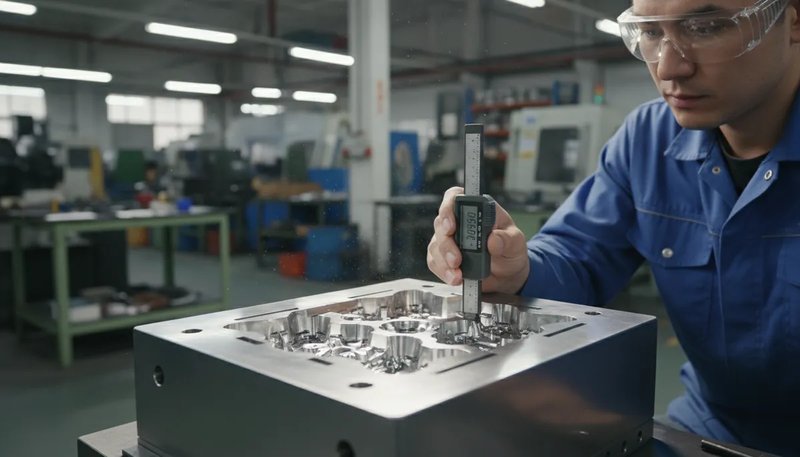
ZetarMold est un fabricant de moulage par injection basé à Shanghai, avec plus de 20 ans d’expérience dans l’exportation d’outillages et la production. Selon notre expérience, les acheteurs néo-zélandais valorisent autant les retours clairs sur la fabrication, une réponse rapide de T1 et la documentation d’exportation que le prix unitaire. Nos ingénieurs accompagnent des projets médicaux, automobiles, électroniques, industriels et de biens de consommation avec une communication en anglais et des contrôles qualité documentés.
Certifications conformes aux exigences de la Nouvelle-Zélande
ISO 9001:2015 — Système complet de management de la qualité couvrant l’outillage, la production, le contrôle et la livraison
ISO 13485:2016 — Management de la qualité des dispositifs médicaux pour le secteur néo-zélandais des technologies médicales en pleine croissance
Documentation de conformité des matériaux : contact alimentaire FDA, REACH, RoHS sur demande
Échelle et capacité de fabrication
47 machines de moulage par injection, force de serrage de 90 à 1 850 tonnes
Atelier d’outillage interne avec CNC, EDM, découpe par fil et mesure par CMM
Livraison du moule en 45 jours pour l’outillage de production standard
Volumes de production de 1 000 à plusieurs millions de pièces par an
Services secondaires : assemblage, tampographie, soudage par ultrasons, peinture, emballage
Expertise en matériaux pour les industries clés de la Nouvelle-Zélande
Agriculture et marine : PP stabilisé aux UV, HDPE, PA6-GF30, POM
Médical : PC, PP, PE contrôlés ISO 13485 et TPE biocompatible
Transformation alimentaire : PP conforme FDA/UE, HDPE, POM, grades modifiés PTFE
Biens de consommation et électronique : ABS, PC/ABS, PP avec diverses finitions de surface
Communication en anglais prioritaire
Notre équipe de réussite client communique exclusivement en anglais — du premier RFQ à l’approbation de l’outillage, la production et le support après-livraison. Les acheteurs néo-zélandais bénéficient d’une gestion de compte dédiée, de mises à jour photographiques des étapes clés et de réponses le jour même aux questions techniques pendant les heures ouvrables standard (qui coïncident largement avec les heures ouvrables NZ étant donné l’alignement des fuseaux horaires UTC+8 / UTC+12).
Expérience d’exportation spécifique à la Nouvelle-Zélande
Emballage en bois certifié ISPM-15 pour répondre aux exigences de biosécurité du MPI
Options d’expédition FCL et consolidation LCL vers les ports d’Auckland, Wellington et Lyttelton
Facture commerciale et liste de colisage formatées pour les douanes néo-zélandaises et le dédouanement par le MPI
Incoterms flexibles : EXW, FOB, CIF pour s’adapter à votre transitaire ou préférence d’importation directe
Réduction des risques pour les acheteurs néo-zélandais
Processus d’approbation d’échantillons T1/T2 avant lancement de la production
Propriété du moule garantie par écrit — votre outillage, votre propriété intellectuelle
Inspection pré-expédition (tiers disponible sur demande)
Garantie d’outillage : réparation ou retouche gratuite pour les défauts de moule pendant la période de garantie
Prêt à vous approvisionner en pièces moulées par injection pour la Nouvelle-Zélande ?
S’approvisionner en pièces moulées par injection pour la Nouvelle-Zélande est plus facile lorsque l’outillage, le contrôle qualité et l’emballage d’exportation sont gérés par une seule équipe responsable. ZetarMold prend en charge les RFQ avec une production certifiée ISO, des chefs de projet anglophones, une livraison de moules en 45 jours et un emballage d’exportation certifié ISPM-15. Obtenez un devis détaillé pour votre projet en 24 heures.
Obtenir un devis gratuit
Questions fréquemment posées
Que dois-je vérifier avant de demander un devis à un fournisseur de moulage par injection en Nouvelle-Zélande ?
Commencez par les bases commerciales et techniques : dessins des pièces, volume annuel, grade de matériau, tolérances critiques, exigences esthétiques et votre calendrier de lancement prévu. Vérifiez ensuite si le fournisseur possède un outillage interne, comment l’approbation des échantillons est gérée, quels enregistrements d’inspection peuvent être partagés et si les demandes de modification sont documentées formellement. Pour une liste restreinte néo-zélandaise, confirmez également la communication à l’exportation, les attentes en matière d’emballage et le support post-lancement, afin de comparer les capacités réelles d’exécution plutôt que seulement les listes de machines ou les prix affichés. Un bon appel d’offres doit obliger chaque finaliste à répondre aux mêmes questions opérationnelles dans le même format.
Un fournisseur néo-zélandais peut-il gérer à la fois la fabrication de moules et le moulage de production ?
Certains fournisseurs peuvent gérer les deux activités sur un même site, tandis que d’autres se concentrent sur le moulage et sous-traitent la fabrication de l’outillage. Cette différence est importante, car la propriété du moule, les changements d’acier, la maîtrise des délais et la responsabilité de la maintenance deviennent plus difficiles à gérer lorsque l’outillage et le moulage sont séparés. Lorsque vous comparez les fournisseurs, demandez qui conçoit le moule, qui approuve la spécification de l’acier, où se déroule l’échantillonnage T1 et qui paie les séries de modifications après l’examen du premier article. Les réponses indiquent si le fournisseur peut réellement prendre en charge le programme depuis la RFQ jusqu’à une production en série stable. Elles montrent également si le délai annoncé est crédible sur le plan opérationnel.
Quand dois-je comparer des fournisseurs offshore comme Zetar avec une source locale de moulage par injection en Nouvelle-Zélande ?
Cette solution est généralement pertinente lorsque le projet exige une capacité d’outillage supérieure, un coût rendu inférieur pour l’outillage ou un éventail de procédés secondaires plus large que ne peut l’offrir une présélection locale. La comparaison ne doit pas se limiter à l’opposition entre local et étranger. Comparez plutôt la profondeur de conception des moules, la communication du projet, la rigueur de validation, l’emballage, la cadence d’expédition et la rapidité de la réponse technique après T1. Si une équipe étrangère peut documenter clairement ces contrôles tout en proposant une meilleure offre commerciale, elle mérite de figurer aux côtés des fournisseurs locaux dans la décision finale d’approvisionnement.
Quels documents qualité les acheteurs doivent-ils demander avant d’attribuer la production par moulage par injection ?
Un fournisseur sérieux doit pouvoir fournir un flux de processus, un plan de contrôle, des contrôles des matières entrantes, des relevés d’inspection dimensionnelle, des preuves d’approbation des échantillons et les certifications pertinentes pour votre secteur. Pour les programmes réglementés ou de haute précision, demandez un plan d’échantillonnage clair, une stratégie de mesure et une procédure d’escalade pour les pièces non conformes. Si l’outillage est inclus, renseignez-vous sur la propriété du plan du moule, les exigences de maintenance et la méthode de gestion des révisions utilisée lorsque des modifications de l’acier sont approuvées. Ces documents montrent si le fournisseur est capable d’exploiter un système de production répétable plutôt que de traiter la commande comme une opération ponctuelle.
Combien de fournisseurs de moulage par injection dois-je comparer avant de faire un choix définitif ?
Trois à cinq fournisseurs qualifiés constituent généralement la plage la plus efficace. Avec moins de trois, il est difficile de comparer les hypothèses techniques ; un nombre excessif de fournisseurs crée du bruit et ralentit les retours. Utilisez la première phase de sélection pour réduire la liste en fonction des capacités, de la qualité de la communication et des preuves de maîtrise des procédés. Demandez ensuite aux finalistes des devis comparables à partir du même dossier RFQ, des mêmes hypothèses matière et des mêmes exigences de qualité. Cette structure fournit une comparaison commerciale claire sans contraindre votre équipe d’ingénierie à évaluer un ensemble dispersé de propositions incohérentes.
Fabrication sous contrat : la fabrication sous contrat est un accord de production dans lequel un fournisseur fabrique des pièces ou des assemblages conformément aux plans, aux exigences qualité et aux conditions commerciales d’un client. ↩
ISO 9001 : l’ISO 9001 est une norme internationale de management de la qualité qui définit la manière dont une organisation documente, maîtrise et améliore des processus de production répétables. ↩
Thermoplastiques : les thermoplastiques sont des matériaux polymères qui ramollissent lorsqu’ils sont chauffés et se solidifient de nouveau en refroidissant, ce qui les rend adaptés aux cycles répétitifs de moulage par injection. ↩