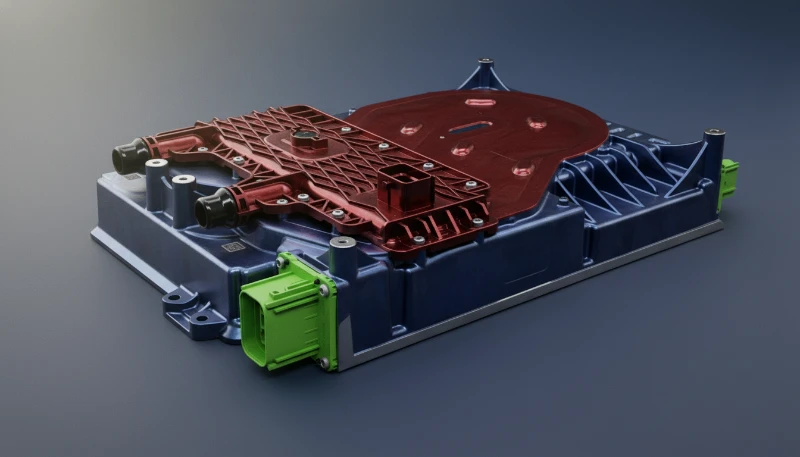
Warum bestimmen diese 10 Faktoren die Qualität von Spritzgießwerkzeugen?
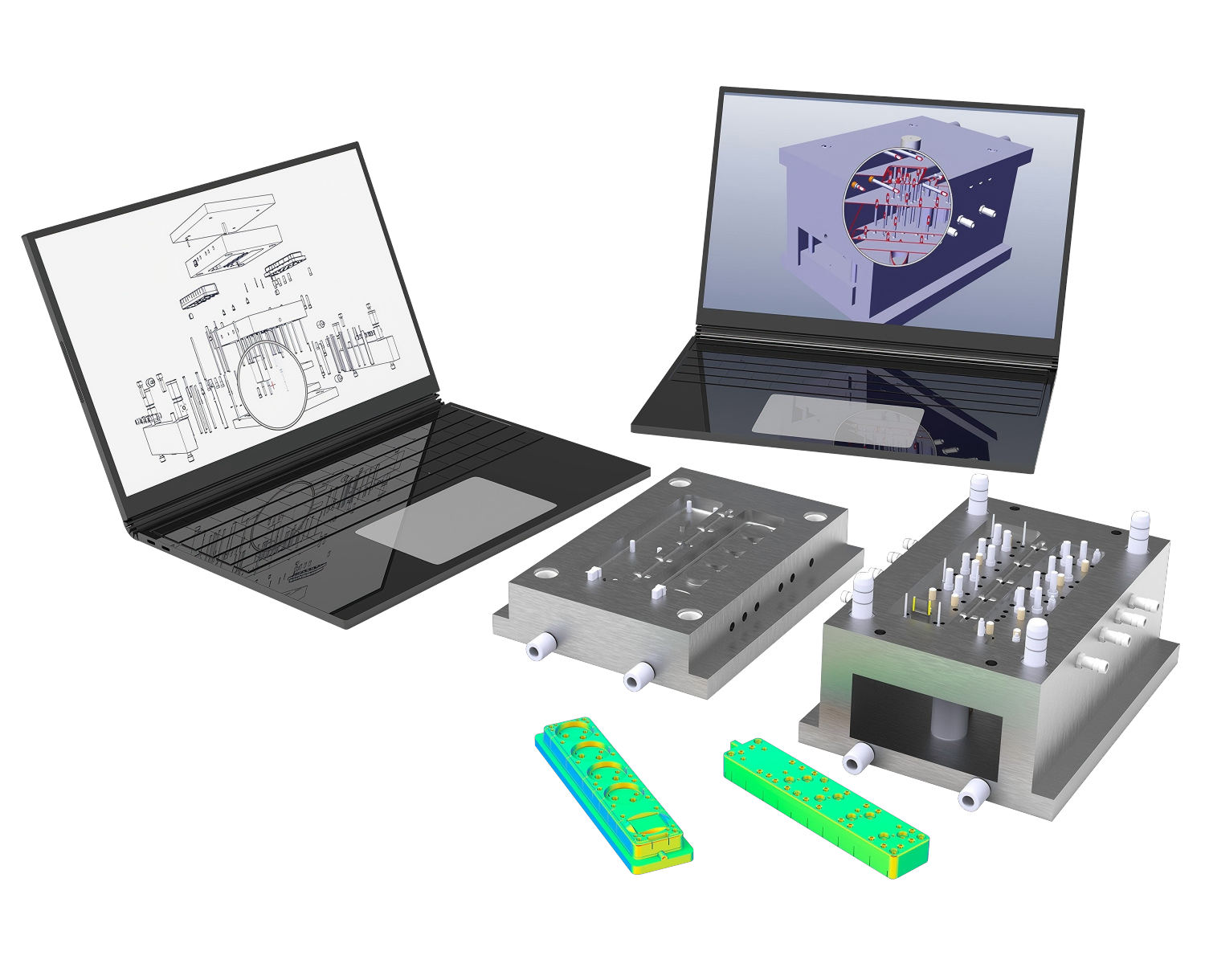
Die Qualität eines Spritzgießwerkzeugs wird durch das Zusammenspiel von zehn kritischen Faktoren bestimmt: Rohstoffeigenschaften, Auswahl des Werkzeugstahls, Auslegung des Kühlsystems, Anschnittgestaltung, Angusssystem, Auswerfersystem, Qualität der Trennfläche, Regelung der Prozessparameter, Maschinenzustand und vorbeugende Wartung. In unserem Werk bewerten wir bei jedem neuen Werkzeug vor dem ersten Produktionslauf alle zehn Faktoren systematisch. Werden nur ein oder zwei davon berücksichtigt und die übrigen vernachlässigt, entstehen regelmäßig Qualitätsprobleme, die schwer zu diagnostizieren sind, weil die Grundursache durch das Zusammenspiel mehrerer Variablen verdeckt wird.
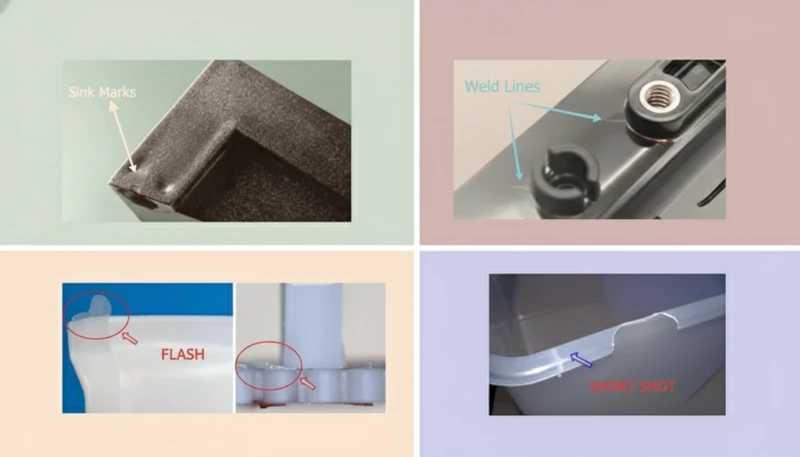
Die zehn Faktoren haben nicht in jedem Projekt dasselbe Gewicht. Bei einem Gehäuse für Medizinprodukte mit engen Maßtoleranzen dominieren Materialqualität und gleichmäßige Kühlung. Bei einem hochglänzenden Konsumprodukt sind Trennflächenqualität und Anschnittlage entscheidend. Bei einem Großserienteil bestimmen Maschinenzustand und Wartungsplan die langfristige Qualitätskonstanz. Zu verstehen, welche Faktoren für eine konkrete Anwendung am wichtigsten sind, ist der erste Schritt zu einem Qualitätskontrollplan.
Wie beeinflusst die Rohstoffqualität die Leistung des Spritzgießwerkzeugs?
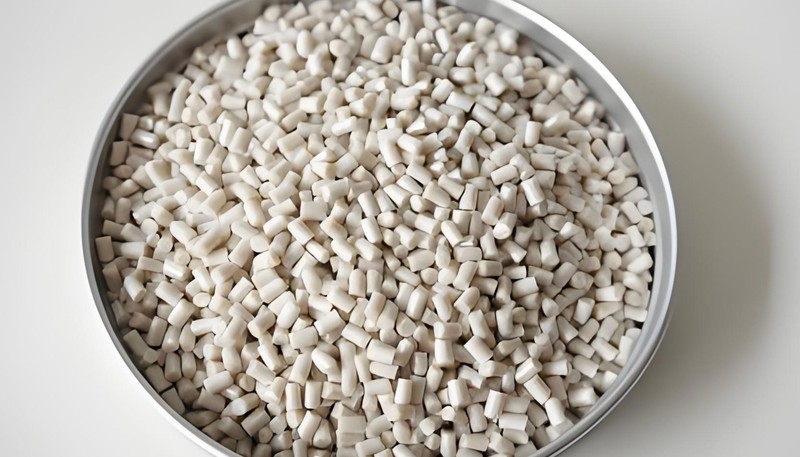
Die Rohmaterialqualität ist die grundlegende Variable für die Qualität von Spritzgusswerkzeugen – jeder andere Faktor wirkt auf das Material, das in den Zylinder eintritt. Schlechte Materialqualität zeigt sich als unbeständige Viskosität, Verunreinigung-bedingte Verfärbung, Feuchtigkeit-bezogene Defekte (Spritzer, Blasen) und unvorhersehbare Schrumpfung. Wir haben über 25% der Erstschuss-Qualitätsabweichungen in unserer Anlage auf Materialchargen-Variation oder Vor-Trocknungsfehler zurückgeführt.
| Materialproblem | Verursachter Fehler | Vorbeugungsmethode |
|---|---|---|
| Unzureichende Trocknung (hygroskopische Kunststoffe) | Silberschlieren, Blasen, beeinträchtigte Oberflächengüte | Nach Vorgabe trocknen: ABS 80 °C/4 Std., PC 120 °C/4 Std., Nylon 80 °C/6 Std. |
| MFI-Schwankung zwischen Chargen | Maßverschiebung, Änderung des Fülldrucks | MFI-Zertifikat je Charge anfordern, Prozess anpassen |
| Verunreinigung (Fremdmaterial) | Schwarze Punkte, Weißbruch am Anschnitt, schwache Bindennähte | Separate Trichter, Spülen vor der Produktion |
| Zu hoher Regeneratanteil | Verringerte Schlagzähigkeit, uneinheitliche Farbe | Mahlgut bei Strukturbauteilen auf höchstens 15–20% begrenzen |
| Falsche Farbstoffkonzentration | Farbabweichung, Sichtbarkeit von Fließnähten | Masterbatch-Anteil beim Produktionsstart kalibrieren |
„Regeneriertes Plastik kann in jedem Prozentanteil verwendet werden, ohne die Werkzeugqualität zu beeinflussen.“False
Jedes Mal, wenn Thermoplast durch den Zylinder verarbeitet wird, bauen sich die Polymerketten durch die Wärmeeinwirkung ab, wodurch Molekulargewicht und mechanische Eigenschaften sinken. Bei einem Rezyklatanteil von über 20 % kann die Schlagfestigkeit um 15–30 % abnehmen und die Farbkonsistenz sich verschlechtern. Die meisten Qualitätsnormen begrenzen Rezyklat bei strukturellen Anwendungen auf 15–20 %.
„Das Trocknen hygroskopischer Kunststoffe wie Nylon und PC nach Herstellerspezifikationen vor dem Spritzen ist essentiell für die Vermeidung von Spritzerdefekten.“True
Hygroskopische Harze nehmen Feuchtigkeit aus der Luft auf. Werden sie mit einer Restfeuchte von über 0.02 % (PC) oder 0.2 % (Polyamid 6) verarbeitet, verdampft das Wasser im Zylinder schlagartig. Dadurch entstehen Silberschlieren auf der Bauteiloberfläche und eine hydrolytische Zersetzung, die Molekulargewicht und mechanische Festigkeit dauerhaft verringert.
Wie beeinflussen Werkzeugstahl und Qualität der Kavitätsoberfläche das fertige Teil?
Die Wahl des Werkzeugstahls und der Zustand der Kavitätsoberfläche bestimmen unmittelbar die Oberflächengüte und Maßhaltigkeit des Bauteils sowie die Dauer, über die das Werkzeug in seiner Produktionslebenszeit die Qualität hält. Wir wählen Stahlsorten nach den Anwendungsanforderungen: P20 für die allgemeine Produktion, H13 für Hochtemperaturharze und abrasive gefüllte Materialien sowie S136 (rostfreier 420er Stahl) für korrosive Harze und optische Flächen mit Hochglanzanforderung.

Die Oberflächengüte der Kavität wird auf der SPI-Skala (A1 bis D3) spezifiziert. Eine A1-Güte (diamantpoliert auf Ra ≤ 0,012 µm) ist für optische Linsen erforderlich; eine B2-Güte (Ra 0,4–0,8 µm) ist Standard für allgemeine Konsumgehäuse. Werkzeugstahl muss auf die erforderliche SPI-Güte polierbar sein – nicht alle Stähle erreichen A-Güten, egal wie lange die Polierzeit ist. Wir haben festgestellt, dass die gemeinsame Spezifikation von Stahl und Oberflächengüte-Anforderung im Designstadium kostspielige Nacharbeit an Werkzeugen verhindert, die mit dem falschen Stahl für die vorgesehene kosmetische Anforderung gebaut wurden.
Warum ist die Auslegung des Kühlsystems die wichtigste Entscheidung bei der Werkzeugkonstruktion?
Das Kühlsystem führt in jedem Einspritzzyklus etwa 70 % der gesamten eingebrachten Wärme ab. Seine Auslegung bestimmt Zykluszeit, Maßgenauigkeit und Verzug des Bauteils—drei der wirtschaftlich wichtigsten Qualitätsparameter im Produktionsspritzgießen. In unserem Werk haben wir noch nie eine überdimensionierte Kühlauslegung gesehen; häufig begegnen uns jedoch unterdimensionierte Konstruktionen, die jahrelange Qualitätsprobleme verursachen.
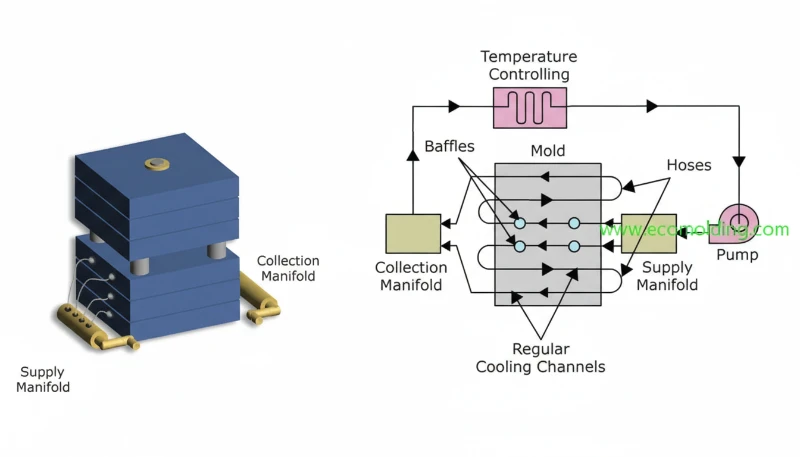
Our design rules for cooling channels: place channels within 10–15 mm of the cavity surface (closer is better, as long as structural integrity allows), space channels 25–35 mm apart for uniform heat extraction, maintain turbulent flow (Reynolds number >4,000) using 8–12 mm diameter channels with high flow rates, and always provide independent temperature control circuits for cavity and core sides. Differential temperature between cavity and core sides causes predictable bow or warp in the moulded part—something that can be corrected only by rebalancing the cooling, not by adjusting injection parameters.
Wie beeinflusst die Anschnittgestaltung die Qualität von Spritzgusswerkzeugen?
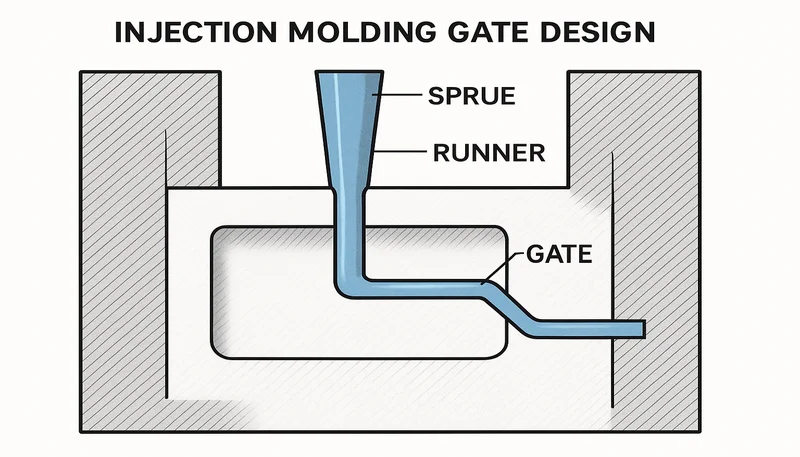
Anschnittauslegung1 umfasst Anschnittart, -position und -abmessungen. Diese drei Variablen bestimmen gemeinsam den Eintritt der Schmelze in die Kavität und damit Füllbild, Druckverteilung, Position der Bindenaht2, Eigenspannungen und Optik des Anschnittbereichs. Eine falsche Auslegung ist besonders teuer, da ihre Korrektur fast immer eine Änderung oder einen Austausch von Stahl erfordert.
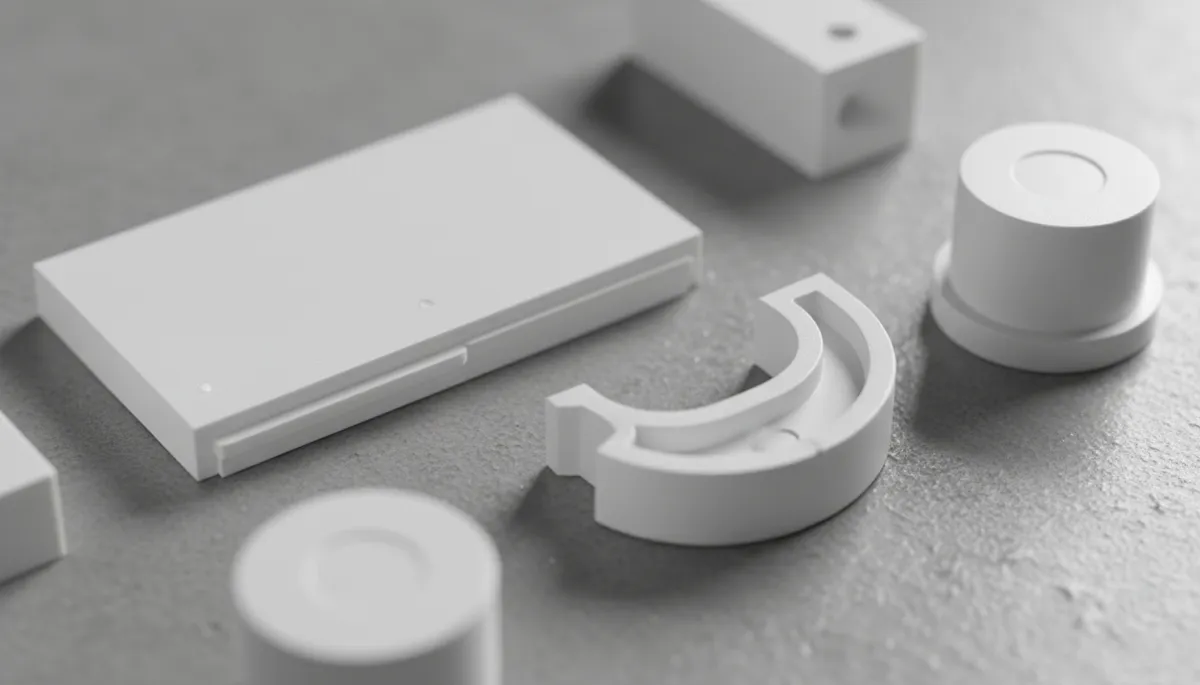
Wir befolgen diese Richtlinien zur Anschnittdimensionierung: Bei amorphen Harzen (ABS, PC, PS) sollte die Anschnitttiefe 50–75 % der Wanddicke betragen, bei teilkristallinen Harzen (PP, Nylon, POM) 60–80 % der Wanddicke. Zu kleine Anschnitte frieren ein, bevor ein ausreichender Nachdruck anliegt, und verursachen Einfallstellen, Hohlräume und zu dünne Wände. Wir positionieren Anschnitte stets am dicksten Wandabschnitt, um ein vorzeitiges Einfrieren zu verhindern und den Fluss mit maximalem Druck zu den dünnen Bereichen zu lenken.
Wie beeinflusst die Konstruktion von Anguss- und Auswerfersystem die Teilequalität?
Das Angusssystem transportiert Material vom Anguss zum Anschnitt. Eine schlechte Auslegung verschwendet Material, erzeugt hohen Druckverlust und verursacht Füllungleichgewichte in Mehrkavitätenwerkzeugen. Bei Kaltkanalsystemen bevorzugen wir Vollrundkanäle wegen minimalem Druckverlust und maximaler thermischer Effizienz. In Großserien beseitigen Heißkanalsysteme3 den Angussabfall vollständig und erlauben sequenzielle Nadelverschlusssteuerung.
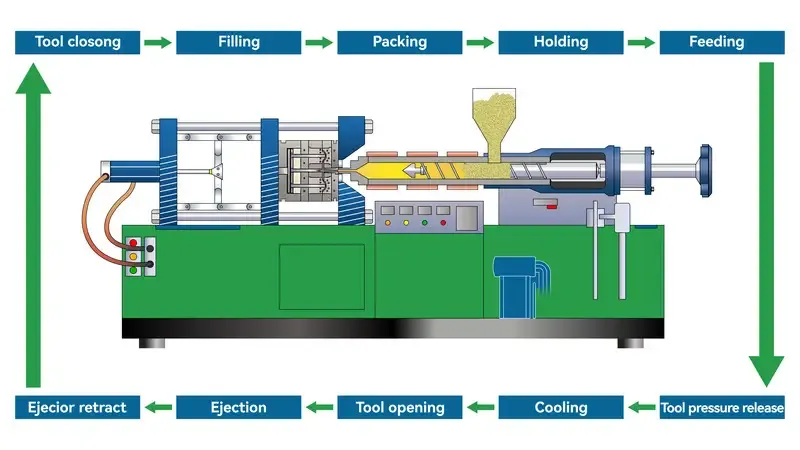
Das Auswerfersystem entfernt das Teil aus dem Werkzeug, ohne es zu markieren, zu verformen oder zu brechen. Die Position der Auswerferstifte muss die Auswerferkraft auf die stärksten Bereiche des Teils verteilen (dicke Bereiche, Dome, Rippen) und konzentrierte Kräfte auf dünne Sichtflächen vermeiden. Wir berechnen die erforderliche Auswerferfläche so, dass die Kontaktspannung bei den meisten Harzen unter 10 MPa und bei spröden Werkstoffen wie ungefülltem POM oder glasfaserverstärkten Nylons bei hoher Auswerfergeschwindigkeit unter 5 MPa bleibt.
„Spritzer an der Trennfuge werden hauptsächlich durch übermäßigen Spritzdruck verursacht.“False
Ein zu hoher Einspritzdruck kann zwar Gratbildung verursachen, die häufigste Ursache ist jedoch eine im Verhältnis zur projizierten Kavitätsfläche unzureichende Schließkraft oder verschlissene beziehungsweise beschädigte Trennflächen, durch die Kunststoff austritt. Eine korrekt berechnete Schließkraft von typischerweise 2–5 Tonnen pro Quadratzoll projizierter Fläche verhindert unabhängig vom Einspritzdruck Gratbildung, sofern die Trennflächen in gutem Zustand sind.
„Die Stabilität der Prozessparameter über Schichten und Bediener ist ebenso wichtig wie Werkzeugqualität für langfristige Produktionsqualität.“True
Ein hochwertig gebautes Werkzeug erzeugt nur dann gleichbleibende Qualität, wenn die Prozessparameter — Schmelzetemperatur, Einspritzgeschwindigkeit, Nachdruck, Kühlzeit — stabil bleiben. Abweichungen zwischen den Schichten ohne dokumentierte Prozessblätter und automatisierte Parameterüberwachung führen regelmäßig zu 5–15 % Qualitätsstreuung, unabhängig vom Werkzeugzustand.
Wie schützen Maschinenzustand und vorbeugende Wartung die langfristige Formqualität?
Maschinenzustand und Werkzeugwartung sind die beiden am häufigsten übersehenen Qualitätsfaktoren im Produktionsspritzgießen. Nach unserer Erfahrung liefert ein gut konstruiertes und gefertigtes Werkzeug auf einer verschlissenen Maschine durchgehend schlechtere Ergebnisse als ein durchschnittliches Werkzeug auf einer gut gewarteten Maschine. Zu den maschinenseitigen Qualitätsfaktoren gehören: Verschleiß von Zylinder und Schnecke (verursacht schwankendes Schussvolumen und Schmelzetemperatur), Genauigkeit der Schließkraft (eine unzureichende Kraft lässt die Trennlinie während des Einspritzens öffnen) und Parallelität der Holme (ungleichmäßige Schließkraft verursacht unterschiedliche Kavitätsdrücke).
Unser vorbeugender Wartungsplan für Präzisionsformen: alle 50,000 Schüsse—Kühlkanäle reinigen, Spiel der Auswerferstifte prüfen, Ebenheit der Trennfläche kontrollieren und Rostschutzmittel auf alle unlackierten Flächen auftragen; alle 250,000 Schüsse—kritische Kavitätsmaße stichprobenartig per CMM prüfen, verschlissene Auswerferstifte ersetzen, beeinträchtigte Kavitätsoberflächen polieren und Durchflussmengen der Kühlkanäle erneut zertifizieren. Wir erfassen sämtliche Wartungsarbeiten in einem jeder Form zugeordneten Protokoll. Formen ohne Wartungsprotokoll gelten als Werkzeuge mit unbekanntem Zustand und erfordern vor der Produktionsfreigabe eine vollständige Maßzertifizierung.
Häufig gestellte Fragen

Was ist die häufigste Ursache für Einfallstellen bei Spritzgussteilen?
Einfallstellen entstehen am häufigsten durch unzureichenden Nachdruck oder ein vorzeitiges Erstarren des Angusses, das verhindert, dass Material die Volumenschwindung während der Kühlung ausgleicht. Weitere Ursachen sind zu abrupte Wandstärkenübergänge, die eine unterschiedliche Schwindung verursachen, und Kühlkanäle, die zu weit von der Kavitätsoberfläche entfernt liegen, um Wärme wirksam abzuführen. Die meisten Probleme mit Einfallstellen beheben wir durch eine Verlängerung der Nachdruckzeit, eine Anpassung der Angussgröße oder eine Umkonstruktion der Übergänge von dick zu dünn.
Wie beeinflusst die Auslegung der Entlüftung die Qualität eines Spritzgusswerkzeugs?
Unzureichende Entlüftung schließt an den zuletzt gefüllten Stellen Luft ein und verursacht Brandstellen (Dieseleffekt), unvollständige Formfüllung und hohen lokalen Druck, der empfindliche Bauteilgeometrien aufbrechen kann. Wir entlüften Kavitäten an allen natürlichen Einschlussstellen auf eine Tiefe von 0.01–0.02 mm und fügen bei komplexen Teilen alle 25–50 mm Entlüftungen an der Trennlinie hinzu. Saubere, richtig dimensionierte Entlüftungen sind die kostengünstigste verfügbare Qualitätsverbesserung – eine zweistündige Entlüftungsreinigung in vorbeugenden Wartungsintervallen verhindert Fehler, die stundenlange Fehlersuche verursachen würden.
Wie beeinflusst die Entformungsschräge die Auswerfqualität?
Eine unzureichende Entformungsschräge verursacht zu hohe Auswerfkräfte. Dadurch können beim Auswerfen Abdrücke der Auswerferstifte, Teileverformungen oder Risse entstehen. Unsere standardmäßigen Mindestschrägen betragen: 0.5–1° je 0.025 mm Strukturtiefe bei strukturierten Oberflächen, 1–2° bei polierten Oberflächen und 3–5° bei rauen oder matten Oberflächen. Bei glasfaserverstärkten Kunststoffen mit höherer Reibung erhöhen wir den Standardmindestwert um 0.5–1°.
Was ist das SPI-Klassifizierungssystem für Formen und wie hängt es mit der Qualität zusammen?
Das Werkzeugklassensystem der SPI (Society of the Plastics Industry, heute Plastics Industry Association) bewertet Spritzgießwerkzeuge von Class 101 (höchste Qualität, 1M+ Schuss, gehärteter Stahl) bis Class 105 (niedrige Qualität, <500 Schuss, Prototypenwerkzeug). Die Klassenbezeichnung legt Stahlhärte, Anforderungen an Kühlkanäle und Prüfstandards fest. Ein Werkzeug der Class 102 ist mit H13- oder 420SS-Stahl für 500,000–1 Million Schuss zertifiziert; ein Werkzeug der Class 104 verwendet Aluminium oder P20 und ist für <100,000 Schuss ausgelegt. Die Abstimmung der Werkzeugklasse auf die Produktionsanforderungen ist entscheidend, um eine gleichbleibende Teilequalität bei niedrigsten langfristigen Kosten zu erreichen.
Wie beeinflusst die Einspritzgeschwindigkeit die Oberflächenqualität beim Spritzgießen?
Die Einspritzgeschwindigkeit steuert die Scherrate im Verteilerkanal und Anschnitt und beeinflusst dadurch Oberflächenglanz, Sichtbarkeit der Bindenaht und Bildung von Fließmarken. Bei zu langsamer Einspritzung kühlt das Material ab und erstarrt, bevor die Füllung abgeschlossen ist (wodurch Fließmarken und Bindenähte entstehen). Eine zu schnelle Einspritzung erzeugt übermäßige Scherwärme und kann Verbrennungen, Anschnittschlieren oder Freistrahlbildung verursachen. Wir optimieren die Einspritzgeschwindigkeit mit einer reinen Füllstudie (Kurzschüsse bei 95% Füllung), um den optimalen Geschwindigkeitsbereich zu ermitteln, in dem sich das Teil gleichmäßig und ohne sichtbare Fließfehler füllt.
Kann die Qualität eines Spritzgießwerkzeugs nach Kavitätsverschleiß wiederhergestellt werden?
Ja, in den meisten Fällen. Geringer Kavitätsverschleiß (Maßverlust von 0.02–0.1 mm) kann durch Schweißen und erneute Bearbeitung des betroffenen Bereichs mittels WIG-Schweißen mit passendem Stahlstab sowie anschließendes Härten und Nachpolieren behoben werden. Starker Verschleiß erfordert Senkerodieren zum Entfernen der verschlissenen Oberfläche, Auftragschweißen zur Materialwiederherstellung und eine vollständige Neubearbeitung. Wir bewerten die Reparaturfähigkeit anhand der verbleibenden Stahlwanddicke; Kavitäten mit weniger als 8–10 mm Wanddicke an der Reparaturstelle werden typischerweise ersetzt statt repariert.
Zusammenfassung
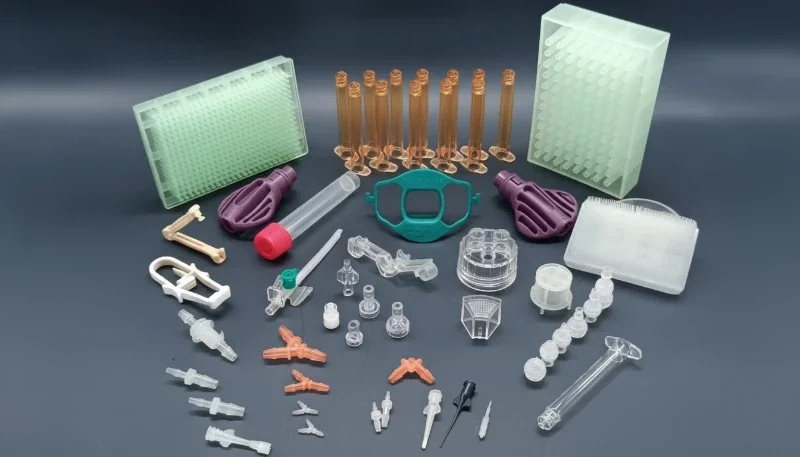
Die zehn Faktoren, die die Qualität von Spritzgusswerkzeugen beeinflussen – Rohmaterial, Stahlauswahl, Kühlungsdesign, Angussdesign, Angusskanalsystem, Ausstoßsystem, Trennfugenqualität, Prozessparameter, Maschinenzustand und Wartungsplan – bilden ein miteinander verbundenes System. In unserer Fabrik behandeln wir Qualitätsprobleme als Systemprobleme: Wir gehen nicht davon aus, dass ein einzelner Faktor dafür verantwortlich ist, bis wir alle zehn geprüft und die primären sowie begleitenden Ursachen systematisch identifiziert haben.
Teams, die die Spritzgießformqualität verbessern möchten, sollten mit den drei einflussreichsten Faktoren beginnen: Wareneingangskontrolle der Rohstoffe, Prüfung der thermischen Gleichmäßigkeit des Kühlsystems sowie Dokumentation und Überwachung der Prozessparameter. Nach unserer Erfahrung erklären sie zusammen 55–65 % der Produktionsqualitätsschwankungen. Beheben Sie diese Punkte und bearbeiten Sie die übrigen nach Relevanz. Einen umfassenden Überblick bietet unser vollständiger Spritzgießformleitfaden.
-
Die Anschnittauslegung bezeichnet Konfiguration, Position und Abmessungen des Eintrittspunkts, durch den Schmelze vom Angusssystem in die Formkavität fließt. Die Wahl der Anschnittart (Kanten-, Punkt-, Tunnel-, Heißspitzen- oder Nadelverschlussanschnitt) beeinflusst Optik, Maßgenauigkeit und Entfernbarkeit des Anschnitts erheblich. ↩
-
Eine Bindenaht entsteht dort, wo zwei getrennte Schmelzefronten beim Kavitätsfüllen zusammentreffen und verschmelzen. Sie ist strukturell schwächer als das umgebende Material, typischerweise mit 10–30 % geringerer Zugfestigkeit, und kann besonders bei pigmentierten oder glasfasergefüllten Harzen als sichtbare Linie auftreten. ↩
-
Ein Heißkanalsystem ist eine beheizte Verteiler- und Düsenbaugruppe in der Form, die den Kunststoff während des gesamten Produktionszyklus in den Angusskanälen flüssig hält und den festen Angussabfall herkömmlicher Kaltkanalsysteme vermeidet. Es verbessert Materialeffizienz und Zykluszeit, erfordert jedoch höhere Werkzeugkosten und präzise Temperaturregelung. ↩
Erhalten Sie wettbewerbsfähige Preise, DFM-Feedback und einen Produktionszeitplan vom Ingenieurteam von ZetarMold.
Kostenloses Angebot anfordern → Einen umfassenden Überblick finden Sie in unserem vollständigen Leitfaden zum Spritzgießen.