POM Enjeksiyon Kalıplama Nedir ve Neden Bu Kadar Yaygın Kullanılır?
- POM (polioksimetilen), hassas parçalar için ideal, düşük sürtünmeli ve yüksek rijitlikte bir mühendislik termoplastiğidir.
- Homopolimer POM daha yüksek mukavemet sunar; kopolimer POM daha iyi termal kararlılıkla daha kolay işlenir.
- Formaldehit gazı çıkışını ve parça kusurlarını önlemek için kovan sıcaklıklarını 220°C'nin altında tutun.
- POM'un 1.8–2.5% çekmesini yönetmek için 1.0–3.5 mm eşit duvar kalınlığıyla tasarlayın.
- POM'un doğal yağlayıcılığı, onu kendinden yağlamalı dişliler ve yataklar için ilk tercih yapar.
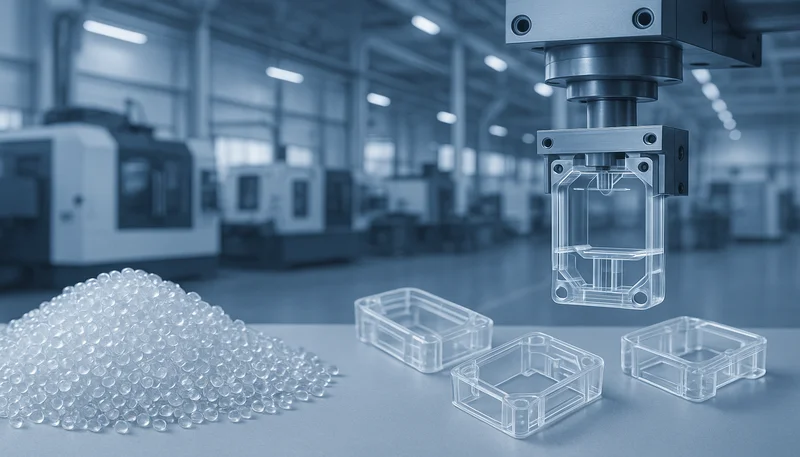
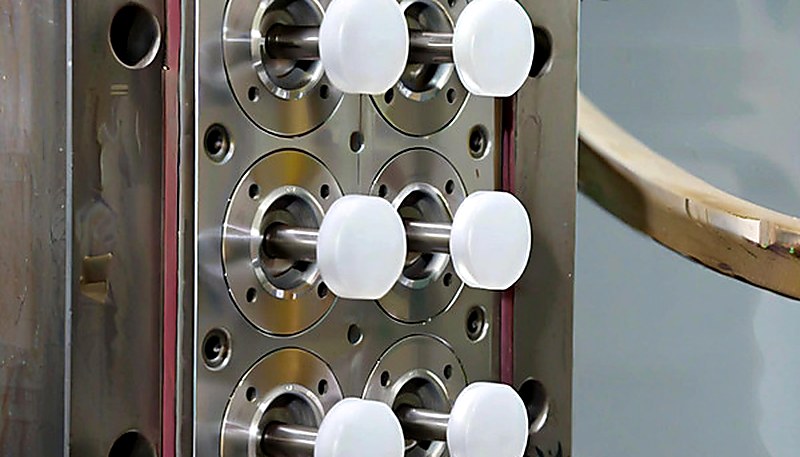
POM enjeksiyon kalıplama, polioksimetileni—bir mühendislik termoplastiği1—hassas parçalara şekillendirme prosesidir. Daha düşük ağırlıkta metal benzeri rijitliği nedeniyle POM'a “metal ikame plastiği” diyoruz.
Tedarikçileri karşılaştırıyor veya satın alma planlıyorsanız, enjeksiyon kalıplama tedarikçisi bulma kılavuzumuz RFQ hazırlığını, yeterlilik değerlendirmesini ve ticari risk kontrollerini kapsar.
POM iki ana türde sunulur: homopolimer (DuPont'un Delrin'i gibi) ve kopolimer (Celanese'in Celcon'u veya BASF'ın Ultraform'u gibi). Homopolimer POM biraz daha yüksek mekanik mukavemet ve rijitlik sunarken kopolimer POM daha iyi termal kararlılık, daha kolay işleme ve daha az merkez hattı gözenekliliği sağlar.
POM enjeksiyonla kalıplanmış parçalara yönelik küresel talep, otomotiv endüstrisinin daha hafif bileşen arayışı ve elektronik sektörünün boyutsal olarak kararlı muhafaza ihtiyacıyla büyümeye devam ediyor. POM'un kendinden yağlamalı özellikleri, onu aksi takdirde ilave yağlayıcılarla metal-metal teması gerektirecek hareketli parçalar için ideal kılar.
POM'u Enjeksiyon Kalıplama İçin İdeal Kılan Temel Özellikler Nelerdir?
Bu bölümde açıklanan ana kategoriler veya seçenekler, POM'u enjeksiyon kalıplama için ideal kılan temel özelliklerdir. POM, enjeksiyon kalıplama için idealdir; çünkü yüksek çekme mukavemeti (65–70 MPa), düşük sürtünme (0.20–0.35 katsayısı), mükemmel sürünme direnci2 ve minimum nem emiliminin nadir bir birleşimini sunar—bu özellikler onu işlediğimiz en çok yönlü mühendislik plastiklerinden biri yapar.
| Özellik | Homopolimer POM | Kopolimer POM | Birim |
|---|---|---|---|
| Çekme Mukavemeti | 65–70 | 58–65 | MPa |
| Eğilme Modülü | 2,800–3,200 | 2,500–2,900 | MPa |
| Kopma Uzaması | 25–45 | 40–75 | % |
| Darbe Mukavemeti (Izod, çentikli) | 65–80 | 50–65 | J/m |
| Erime Noktası | 175 | 165 | °C |
| HDT (1.8 MPa'da) | 110 | 100 | °C |
| Sürtünme Katsayısı | 0.20–0.35 | 0.25–0.38 | — |
| Kalıp çekme3 | 1.8–2.5 | 1.8–2.2 | % |
| Su Emilimi (24h) | 0.20 | 0.22 | % |
POM'u farklı kılan özelliklerden biri sürünme direncidir. Sürekli yük altında deforme olan birçok plastiğin aksine POM, yüksek sıcaklıklarda sürekli gerilim altında bile şeklini korur. Yük altında 10,000+ saat çalışan POM dişlilerinde 0.3 mm'den az boyutsal değişim test ettik.
““POM'un düşük nem emilimi, onu hassas parçalar için boyutsal olarak en kararlı plastiklerden biri yapar.””Doğru
Yalnızca 24 saat içinde 0.20% su emen POM, nemli ortamlarda bile dar toleransları korur. Bu nedenle hassas dişliler, yataklar ve cihaz muhafazaları için tercih edilen malzemedir.
““POM naylon gibi çok fazla nem emer, bu nedenle kalıplamadan önce her zaman ön kurutma gerekir.””Yanlış
POM'un su emilimi çok düşüktür (24 saat içinde 0.20–0.22%) ve naylonun 1.5–2.8% değerinden çok daha azdır. Optimum yüzey kalitesi için 80°C'de 2–4 saat ön kurutma önerilse de POM, poliamidlere göre neme çok daha az duyarlıdır.
POM Enjeksiyon Kalıplama İçin Optimum Proses Parametreleri Nelerdir?
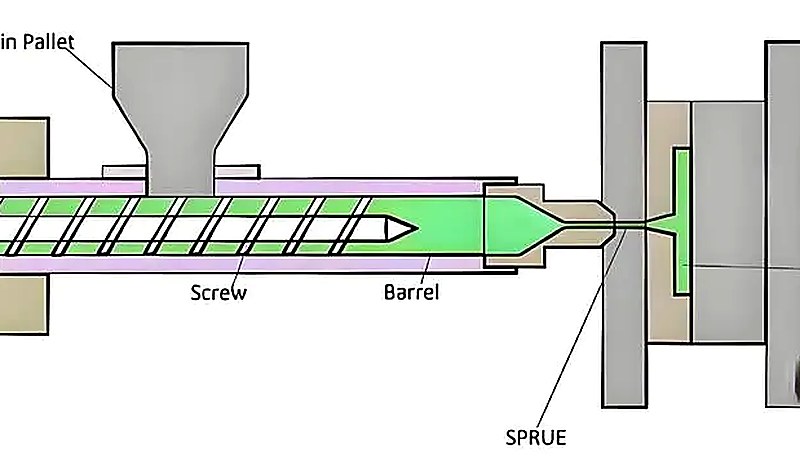
Optimum POM kalıplama; 175–210°C kovan sıcaklıkları, 80–120°C kalıp sıcaklıkları ve 70–120 MPa enjeksiyon basınçları gerektirir. Bu parametreleri doğru ayarlamak, kusursuz parçalar ile hurda arasındaki farkı belirler.
| Parametre | Homopolimer POM | Kopolimer POM | Notlar |
|---|---|---|---|
| Kovan Sıcaklığı (arka) | 180–190°C | 175–185°C | Sıcaklığın 220°C'yi aşmasını önleyin |
| Kovan Sıcaklığı (orta) | 190–200°C | 185–195°C | Kademeli artış |
| Kovan Sıcaklığı (ön) | 200–210°C | 190–205°C | Meme 5°C daha düşük |
| Kalıp Sıcaklığı | 80–120°C | 80–110°C | Daha yüksek = daha iyi kristallik |
| Enjeksiyon Basıncı | 80–120 MPa | 70–110 MPa | Duvar kalınlığına göre ayarlayın |
| Tutma Basıncı | Enjeksiyon basıncının 50–80%'i | Enjeksiyon basıncının 50–75%'i | Çekme açısından kritik |
| Enjeksiyon Hızı | Orta | Ortadan orta-yükseğe | Aşırı hız gaz çıkışına neden olur |
| Geri Basınç | 5–15 MPa | 5–10 MPa | Kalış süresini en aza indirin |
| Soğutma Süresi | 15–40s | 15–35s | Duvar kalınlığına bağlıdır |
| Kurutma | 80°C / 2–4h | 80°C / 2–4h | Önerilir, kritik değildir |
Deneyimlerimize göre POM ile ilgili en yaygın hata aşırı ısıtmadır. POM termal olarak bozunduğunda kabarcıklara, gümüşlenme izlerine ve keskin bir kokuya neden olan formaldehit gazı salar. Kovan sıcaklıklarını kesinlikle 220°C'nin altında tutuyor ve kovandaki kalış süresini 5 dakikanın altına indiriyoruz.
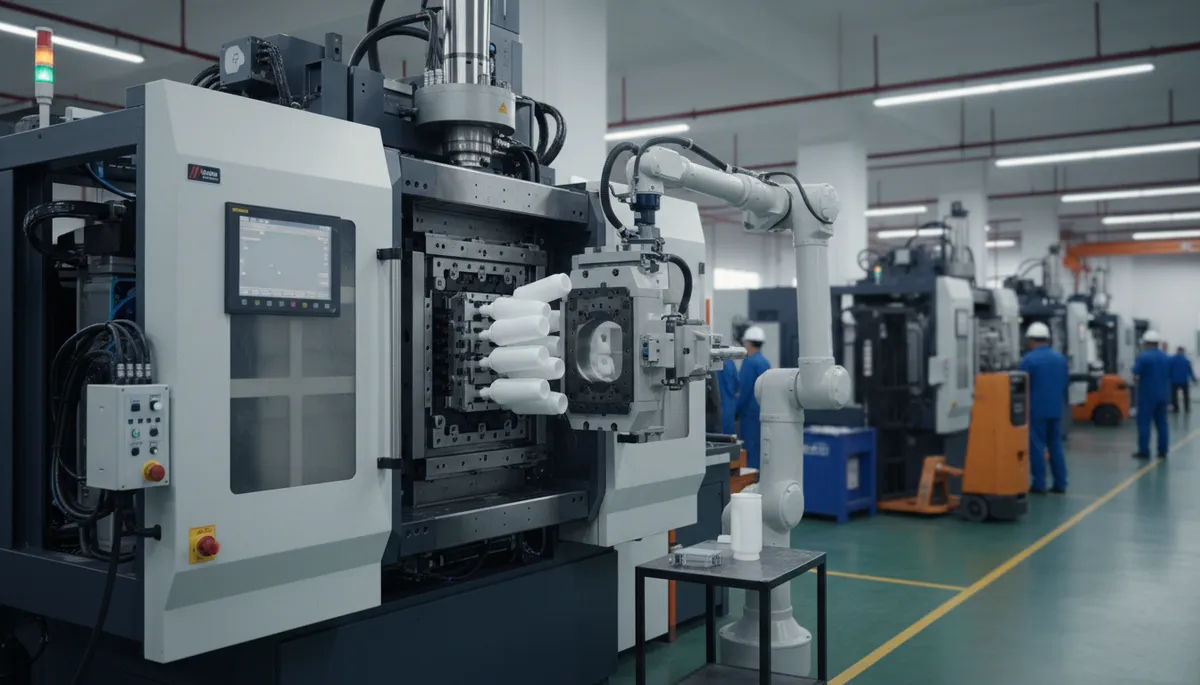
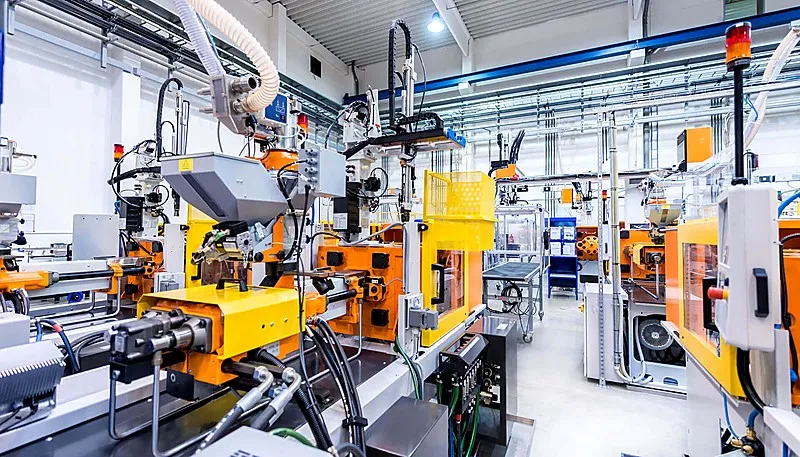
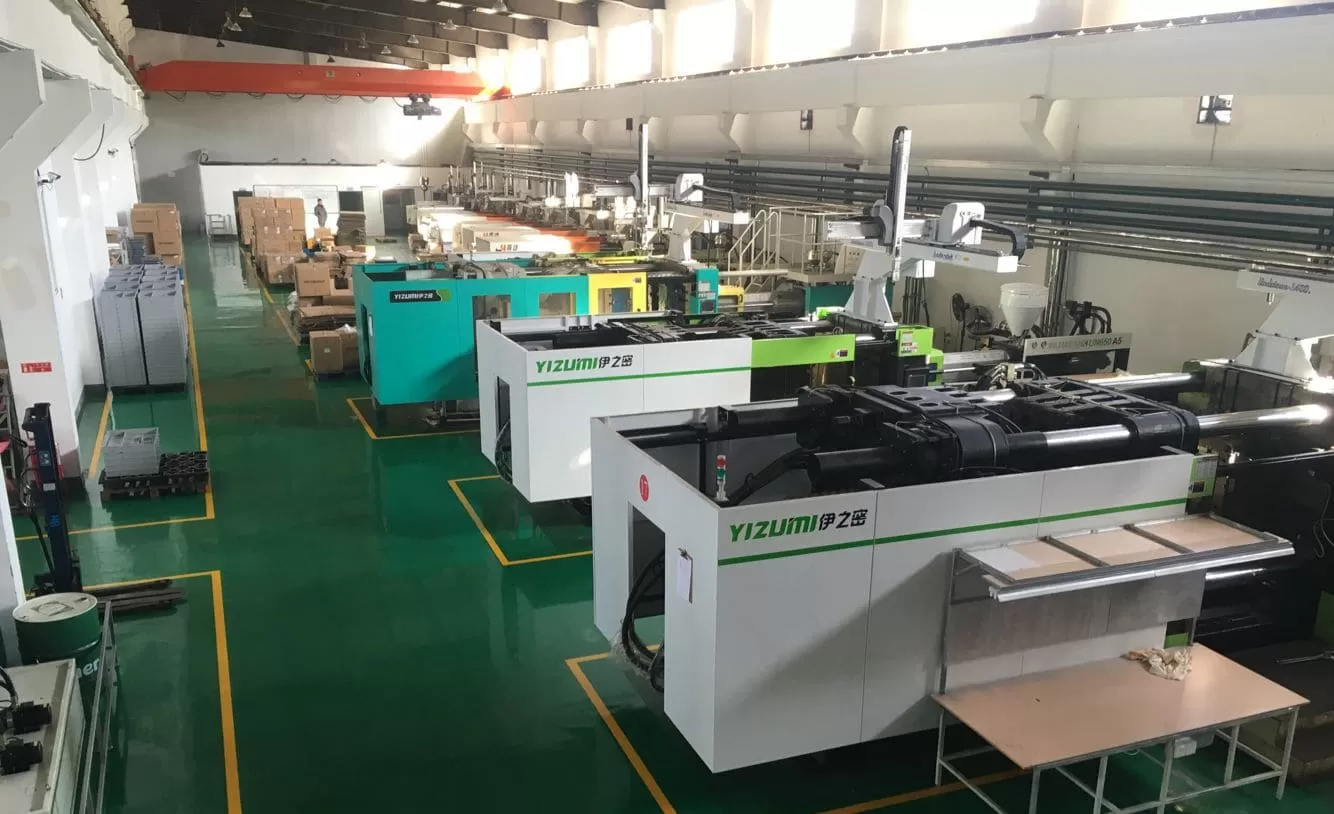
Şanghay fabrikamızda 90T ile 1850T arasında değişen 47 enjeksiyon kalıplama makinesi çalıştırıyor ve birden fazla POM sınıfı dahil 400'den fazla malzeme işliyoruz. Bu ekipman aralığı, küçük hassas dişlilerden büyük otomotiv bileşenlerine kadar POM parçaları kalıplamamızı sağlar.
Kalıp sıcaklığı POM parça kalitesinde kritik rol oynar. Çoğu parça için kalıpları genellikle 90–100°C'de çalıştırıyoruz. Daha yüksek kalıp sıcaklıkları (120°C'ye kadar) kristalliği, yüzey kalitesini ve boyutsal kararlılığı artırır ancak çevrim süresini uzatır. Dişliler ve hassas bileşenlerde her zaman daha yüksek sıcaklık kullanıyoruz.
Yaygın POM Enjeksiyon Kalıplama Kusurları Nelerdir ve Nasıl Giderilir?
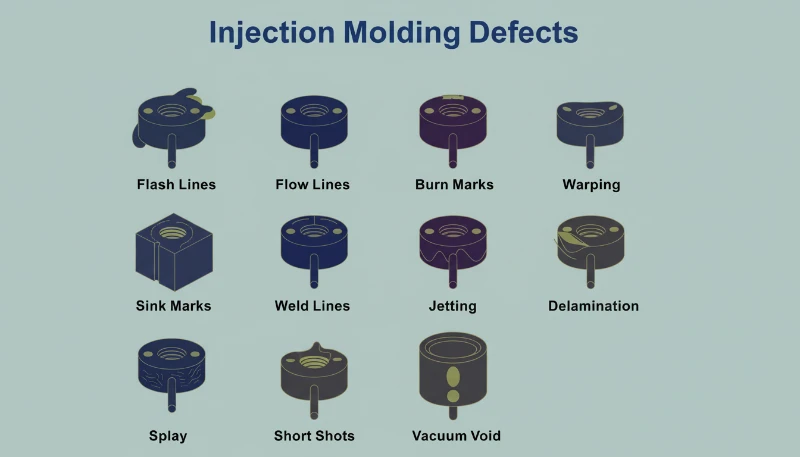
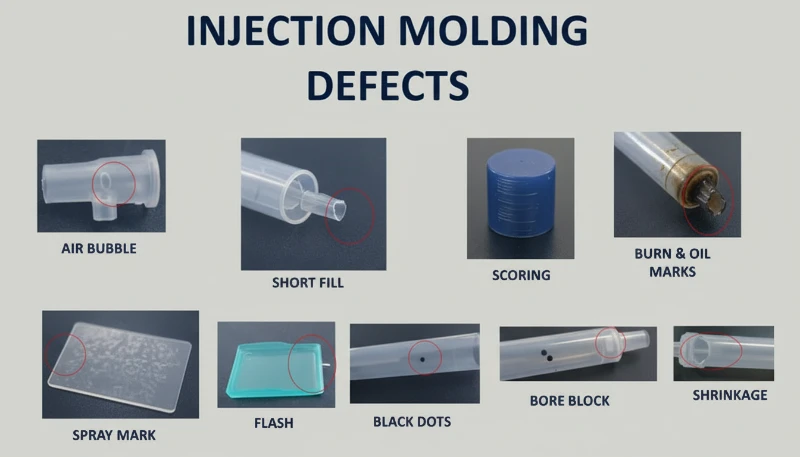
En yaygın POM kusurları çökme izleri, çarpılma, merkez hattı gözenekliliği ve gümüşlenmedir—bunlar sıcaklık ve basınç kontrol edilerek önlenebilir. Aşağıda hedefe yönelik çözümler yer almaktadır.
| Kusur | Kök Neden | Çözüm |
|---|---|---|
| Çökme İzleri | Yetersiz tutma basıncı; kalın kesitler | Tutma basıncını/süresini artırın; duvar kalınlığını azaltın; iç boşaltma ekleyin |
| Çarpılma | Eşit olmayan soğutma; farklı çekme | Eşit duvar kalınlığı; soğutma kanallarını optimize edin; kalıp sıcaklığını ayarlayın |
| Merkez Hattı Gözenekliliği | Kalın duvarlar; yetersiz ütüleme (homopolimer) | Kopolimer POM kullanın; tutma basıncını artırın; duvar kalınlığını azaltın |
| Gümüşlenme/Gümüş Çizgiler | Nem; termal bozulma | Malzemeyi önceden kurutun; kovan sıcaklığını düşürün; kalış süresini azaltın |
| Formaldehit Gaz Çıkışı | Sıcaklığın 220°C'nin üzerine çıkması | Kovan sıcaklığını düşürün; kalış süresini en aza indirin; düzenli olarak purj yapın |
| Kırılgan Parçalar | Aşırı kristalleşme; kontaminasyon | Kalıp sıcaklığını düşürün; malzeme saflığını kontrol edin |
| Çapak | Aşırı enjeksiyon basıncı; aşınmış kalıp | Basıncı düşürün; kalıp ayırma yüzeylerini onarın |
Yakından izlediğimiz POM'a özgü kusurlardan biri merkez hattı gözenekliliğidir. Bu kusur esas olarak kalın kesitli homopolimer POM parçalarda oluşur. Dış kabuk katılaşıp kristalleşirken merkez hâlâ eriyiktir ve merkez çektiğinde kendi içinden ayrılarak iç boşluklar oluşturur. Kopolimer POM'a geçmek veya parçaları içi boşaltılmış kesitlerle yeniden tasarlamak bu sorunu çoğu durumda ortadan kaldırır.
POM Enjeksiyonla Kalıplanmış Parçalar Hangi Uygulamalarda Kullanılır?
POM enjeksiyonla kalıplanmış parçalar; hassasiyet, dayanıklılık ve düşük sürtünme gerektiren neredeyse her endüstride bulunur. Malzemenin benzersiz özellik birleşimi, onu birçok uygulamada vazgeçilmez kılar.
Otomotiv (40% POM tüketimi): Yakıt sistemi bileşenleri (yakıt seviye vericileri, yakıt kapakları), emniyet kemeri mekanizmaları, kapı kilit sistemleri, cam regülatör dişlileri, HVAC aktüatör dişlileri ve iç trim klipsleri. Büyük bir Alman OEM için tek bir arıza olmadan 500,000+ çevrim çalışan yakıt rayı klipsleri ürettik.
Tüketici Elektroniği: Klavye mekanizmaları, yazıcı dişlileri, fan yatakları, fermuar sürgüleri ve kalem mekanizmaları. POM'un geçmeli bağlantı kabiliyeti ve geri yaylanma özellikleri, onu elektronik cihazlardaki klipsler ve mandallar için ideal kılar.
Endüstriyel: Konveyör zincir baklaları, pompa çarkları, valf gövdeleri, yatak burçları ve yay elemanları. POM'un yorulma direnci, endüstriyel otomasyon ekipmanlarında milyonlarca yük çevrimine dayanır.
““POM'un doğal yağlayıcılığı, onu harici yağlama olmadan çalışan dişliler ve yataklar için en iyi plastiklerden biri yapar.””Doğru
POM, mühendislik plastikleri arasındaki en düşük değerlerden biri olan 0.20–0.35 sürtünme katsayısına sahiptir. POM-POM ve POM-metal temas yüzeyleri yağlama olmadan iyi performans gösterir; bu da POM'u kendinden yağlamalı dişliler, yataklar ve kayma mekanizmaları için tercih edilen malzeme yapar.
““POM mükemmel UV direncine sahip olduğu için dış mekan uygulamalarında çok iyi bir tercihtir.””Yanlış
POM'un UV direnci zayıftır ve uzun süreli güneş ışığına maruz kaldığında bozunur. Dış mekandaki POM parçalar UV stabilizatörü katkıları veya koruyucu kaplamalar gerektirir. Yalnızca dış mekanda kullanılacak uygulamalar için ASA veya UV stabilize ABS gibi malzemeler daha iyi tercihlerdir.
Tıbbi Cihazlar: İnhaler mekanizmaları, insülin kalemi bileşenleri ve cerrahi alet sapları. Tıbbi sınıf POM (FDA uyumlu kopolimer), sağlık hizmetlerinde gereken hassasiyet ve kimyasal direnci sağlar.
Sıhhi Tesisat ve Hırdavat: Musluk kartuşları, valf milleri, musluk kolları ve boru bağlantı parçaları. POM'un sıcak suya (sürekli olarak 80°C'ye kadar) ve temizlik kimyasallarına direnci, onu sıhhi tesisat uygulamaları için ideal kılar.
POM Enjeksiyon Kalıplama İçin Parçaları Nasıl Tasarlamalısınız?
POM parçalar için temel tasarım kuralları; eşit 1.0–3.5 mm duvarlar, her tarafta 0.5°–1.5° kalıp çıkış açısı ve 50–60% nervür/duvar oranıdır; böylece enjeksiyon kalıbındaki 1.8–2.5% çekme yönetilir.
| Tasarım Parametresi | Önerilen Değer | Neden Önemlidir |
|---|---|---|
| Duvar Kalınlığı | 1.0–3.5 mm (eşit) | Çökme izlerini ve merkez hattı gözenekliliğini önler |
| Kalıp Çıkış Açısı | 0.5°–1.5° (her tarafta) | POM maçalara çekerek oturur; ABS'den daha fazla kalıp çıkış açısı gerekir |
| Nervür Kalınlığı | Duvarın 50–60%'ı | Karşı yüzeyde çökme izlerini önler |
| Nervür Yüksekliği | ≤ 3× duvar kalınlığı | Daha yüksek nervürlerin doldurulması ve itilmesi zordur |
| Köşe Yarıçapı | ≥ 0.5 mm (0.25× duvar) | Keskin köşeler gerilim yığılmasına neden olur |
| Boss Dış Çapı | 2× vida çapı | Vida takılırken çatlamayı önler |
| Geçmeli Bağlantı Gerinimi | ≤ 4% (tek kullanım), ≤ 2% (tekrarlı) | POM'un canlı menteşeler için yorulma sınırı |
| Çekme Payı | 1.8–2.5% (akış), 1.6–2.0% (akışa dik) | Anizotropik çekme yönsel telafi gerektirir |
Tasarım incelemelerimizde POM parçalardaki bir numaralı sorun, eşit olmayan duvar kalınlığıdır. Kalın ve ince kesitler birleştiğinde kalın kesit daha yavaş soğur ve çarpılma ile çökme izlerine yol açan farklı çekme oluşturur. Kalın kesitlerin içini boşaltmayı ve parça genelinde duvar kalınlığı değişimini ±10% içinde tutmayı her zaman öneriyoruz.
POM, mükemmel geri yaylanma özellikleri sayesinde geçmeli bağlantılar ve canlı menteşeler için en iyi plastiklerden biridir. Bununla birlikte gerinimi, tek kullanımlık geçmelerde 4% ve tekrarlı montaj/sökmede 2% ile sınırlamayı öneriyoruz. Dişli dişlerinde AGMA kalite sınıflarını tutturmak için çekmeye karşı diş profili başına 0.02–0.04 mm telafi uyguluyoruz.
Kalıp Tasarımı POM Parça Kalitesini Nasıl Etkiler?
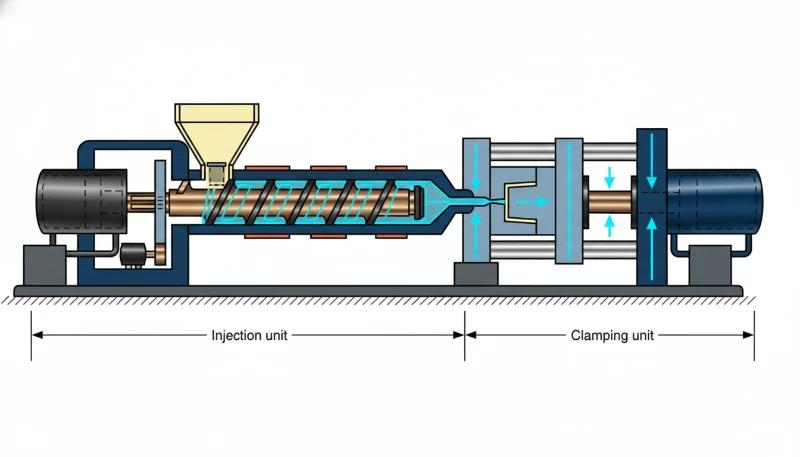
POM için en kritik kalıp tasarımı faktörleri yolluk girişi yerleşimi, eşit soğutma ve havalandırmadır. POM'un yüksek çekmesi ve formaldehit gazı çıkışı, hassas kalıp tasarımını zorunlu kılar.
Yolluk Girişi Tasarımı: Otomatik yolluk ayırmaya olanak tanıdığı ve minimum iz bıraktığı için POM parçalarda tünel yolluk veya iğne yolluk tasarımlarını tercih ediyoruz. Dişlilerde diyafram yolluk girişleri en eşit dolumu sağlar ve diş bölgesindeki birleşme çizgilerini en aza indirir. Yolluk girişi boyutu duvar kalınlığının 50–70%'i olmalıdır.
Soğutma Sistemi: POM için eşit soğutma kritik önemdedir. Kalıp yüzeyindeki sıcaklık değişimi ±5°C içinde kalmalıdır. Karmaşık geometrilerde konformal soğutma kanalları, daha hızlı ısı çekilmesi gereken bölgelerde berilyum bakır insertler kullanıyoruz. Dişlilerde çoğunlukla dişli profilini izleyen dairesel soğutma kanalları kullanıyoruz.
Havalandırma: POM işleme sırasında formaldehit gazı üretir, bu nedenle yeterli havalandırma şarttır. Havalandırma derinliği 0.01–0.02 mm olmalıdır (POM düşük viskoziteli olduğu için daha derin havalandırmalarda çapak yapar). Kalıp akış analiziyle belirlenen her birleşme çizgisi konumuna ve en son dolan bölgelere havalandırma yerleştiriyoruz.
İtme: POM'un yüksek çekmesi, parçaların maçaları sıkıca kavramasına neden olur. Geniş kalıp çıkış açıları (0.5°–1.5°) tasarlıyor, eşit dağıtılmış birden fazla itici pim kullanıyor ve bazen maça yüzeylerine kalıp ayırıcı kaplamalar uyguluyoruz. Derin çekimli parçalarda hava destekli itme vakum kilitlenmesini önler.
POM Enjeksiyon Kalıplama Hakkında Sıkça Sorulan Sorular
POM boyanabilir veya kaplanabilir mi?
POM'un yüzey enerjisi çok düşüktür; bu da yüzey işlemi olmadan boyanmasını veya kaplanmasını zorlaştırır. Alev işlemi, plazma işlemi veya kimyasal dağlama yapışmayı iyileştirebilir. Ancak dekoratif parçalarda genellikle boyayı ve kaplamayı çok daha kolay kabul eden ABS veya PC/ABS'ye geçilmesini öneriyoruz.
POM homopolimer ile kopolimer arasındaki fark nedir?
Homopolimer POM (Delrin gibi), 5–10% daha yüksek mekanik mukavemet ve rijitlik sunar ancak kalın kesitlerde merkez hattı gözenekliliğine daha yatkındır ve proses penceresi daha dardır. Kopolimer POM (Celcon veya Ultraform gibi) daha kolay işlenir, daha iyi kimyasal dirence sahiptir ve termal olarak bozunma olasılığı daha düşüktür. Çoğu uygulamada kopolimeri öneriyoruz.
POM kalıplamadan önce kurutulmalı mı?
POM'un düşük nem emilimi (0.20%), çoğu uygulama için kurutmanın önerildiği ancak kesinlikle gerekli olmadığı anlamına gelir. Optimum yüzey kalitesini sağlamak için standart uygulama olarak 80°C'de 2–4 saat ön kurutma yapıyoruz. Kritik kozmetik parçalarda kurutma şarttır.
POM gıda temasında FDA onaylı mıdır?
Evet, belirli kopolimer POM sınıfları (Celcon M90 ve Hostaform C9021 gibi) gıda teması uygulamalarında FDA uyumludur. Üretimden önce ilgili sınıfın FDA durumunu her zaman reçine tedarikçisiyle doğrulayın.
POM kalıp yüzeylerindeki beyaz kalıntıya ne sebep olur?
Beyaz kalıntı, POM işleme sırasında açığa çıkan formaldehit ve trioksan oligomerleridir. Düzenli kalıp temizliği (her 4–8 üretim saatinde), yeterli havalandırma ve kovan sıcaklıklarının 215°C'nin altında tutulması bu birikimi en aza indirir. Bazı işletmeler POM kalıntıları için özel olarak tasarlanmış kalıp temizleme bileşikleri kullanır.
Dişli uygulamalarında POM ile naylon nasıl karşılaştırılır?
Dişlilerde POM genellikle naylona tercih edilir; çünkü daha düşük nem emilimine (0.2% vs. 2.5%), daha iyi boyutsal kararlılığa, daha düşük sürtünme katsayısına ve nem aralıklarında daha tutarlı mekanik özelliklere sahiptir. Naylon daha yüksek darbe mukavemeti ve daha iyi yüksek sıcaklık performansı sunar. Islak veya nemli ortamlarda çalışan dişliler için POM açık ara kazanır.
POM Enjeksiyon Kalıplama İçin Temel Çıkarımlar Nelerdir?
POM enjeksiyon kalıplama, yüksek hassasiyetli, düşük sürtünmeli ve boyutsal olarak kararlı plastik parçalar üretmek için kanıtlanmış bir imalat prosesidir. İster otomotiv şanzımanı için dişliler ister tüketici elektroniği için klipsler tasarlıyor olun, POM metalin mekanik performansını maliyetin ve ağırlığın çok küçük bir kısmıyla sunar. Başarının anahtarları; proses sıcaklıklarını 220°C'nin altında kontrol etmek, 1.8–2.5% çekmeyi yönetmek için eşit duvar kalınlığı tasarlamak ve formaldehit gazı çıkışını yönetmek için yeterli kalıp havalandırması sağlamaktır.
Biz ZetarMold'da otomotiv, endüstri ve tüketici uygulamalarında 20 yılı aşkın süredir POM işliyoruz. Ekibimiz DFM incelemeleri ve kalıp tasarımından seri üretim ve kalite muayenesine kadar her şeyi yürütür. POM enjeksiyonla kalıplanmış parçalar gerektiren bir proje üzerinde çalışıyorsanız ücretsiz DFM incelemesi ve teklif için mühendislik ekibimize ulaşın. Kapsamlı bir genel bakış için Enjeksiyon Kalıplama Tam Kılavuzumuza bakın.
Enjeksiyon Kalıplama Projeniz İçin Teklif Alın
Rekabetçi fiyatlandırma, DFM geri bildirimi ve üretim takvimini ZetarMold mühendislik ekibinden alın.
Ücretsiz Teklif İsteyin →
-
mühendislik termoplastiği: Mühendislik termoplastiği, emtia plastiklerine kıyasla üstün mekanik ve termal özellikler sunan, yapısal ve hassas uygulamalara uygun plastik malzemeler kategorisini ifade eder. ↩
-
sürünme direnci: Sürünme direnci, bir malzemenin zaman içinde sürekli mekanik gerilim altında kademeli deformasyona direnme kabiliyetidir ve yük taşıyan bileşenler için kritik önem taşır. ↩
-
çekme: POM çekmesi, eriyik POM kalıp gözünde soğuyup katılaşırken meydana gelen yüzde 1.8 ila 2.5 oranındaki hacimsel azalmayı ifade eder. ↩