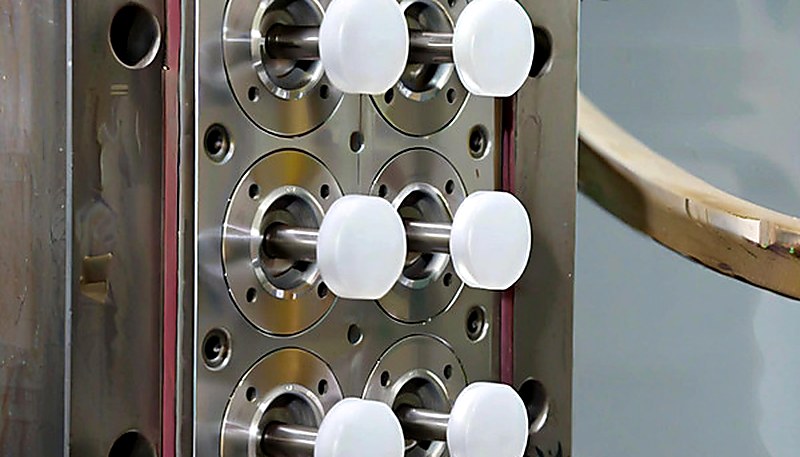
Che cos'è lo stampaggio a iniezione del POM e perché è così diffuso?
- Il POM (poliossimetilene) è un termoplastico tecnico a basso attrito e alta rigidità, ideale per componenti di precisione.
- Il POM omopolimero offre una maggiore resistenza; il POM copolimero si lavora più facilmente e presenta una migliore stabilità termica.
- Mantieni la temperatura del cilindro al di sotto di 220°C per evitare il degassamento di formaldeide e i difetti dei componenti.
- Progetta pareti uniformi con spessore di 1.0–3.5 mm per gestire il ritiro del POM pari a 1.8–2.5%.
- La lubrificazione naturale del POM lo rende la scelta migliore per ingranaggi e cuscinetti autolubrificanti.
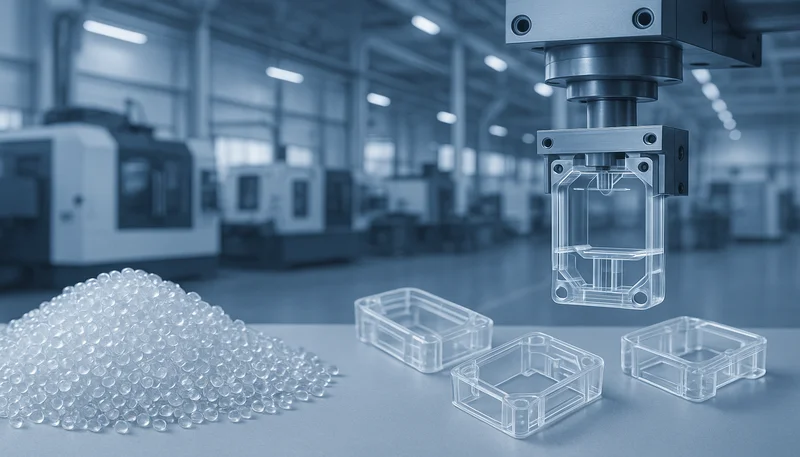
Lo stampaggio a iniezione del POM è il processo di formatura del poliossimetilene, un termoplastico tecnico1, trasformandolo in componenti di precisione. Chiamiamo il POM la “plastica sostitutiva del metallo” per la sua rigidità simile a quella del metallo a fronte di un peso inferiore.
Se stai confrontando fornitori o pianificando gli acquisti, la nostra guida alla selezione dei fornitori per lo stampaggio a iniezione illustra la preparazione della RFQ, la qualificazione e i controlli sui rischi commerciali.
Il POM è disponibile in due tipi principali: omopolimero (come il Delrin di DuPont) e copolimero (come il Celcon di Celanese o l’Ultraform di BASF). Il POM omopolimero offre resistenza meccanica e rigidità leggermente superiori, mentre il POM copolimero garantisce una migliore stabilità termica e una lavorazione più agevole, con minore porosità centrale.
La domanda globale di componenti in POM stampati a iniezione continua a crescere, trainata dalla ricerca di componenti più leggeri nell’industria automobilistica e dalla necessità del settore elettronico di alloggiamenti dimensionalmente stabili. Le proprietà autolubrificanti del POM lo rendono ideale per parti mobili che altrimenti richiederebbero un contatto metallo-metallo con l’aggiunta di lubrificanti.
Quali sono le proprietà chiave che rendono il POM ideale per lo stampaggio a iniezione?
Le proprietà chiave che rendono il POM ideale per lo stampaggio a iniezione sono le principali categorie o opzioni illustrate in questa sezione. Il POM è ideale per lo stampaggio a iniezione perché offre una rara combinazione di elevata resistenza a trazione (65–70 MPa), basso attrito (coefficiente 0.20–0.35), eccellente resistenza allo scorrimento viscoso2 e minimo assorbimento di umidità: proprietà che lo rendono uno dei tecnopolimeri più versatili che lavoriamo.
| Proprietà | POM omopolimero | POM copolimero | Unità |
|---|---|---|---|
| Resistenza a trazione | 65–70 | 58–65 | MPa |
| Modulo flessionale | 2,800–3,200 | 2,500–2,900 | MPa |
| Allungamento a rottura | 25–45 | 40–75 | % |
| Resistenza all'urto (Izod, con intaglio) | 65–80 | 50–65 | J/m |
| Punto di fusione | 175 | 165 | °C |
| HDT a 1.8 MPa | 110 | 100 | °C |
| Coefficiente di attrito | 0.20–0.35 | 0.25–0.38 | — |
| Ritiro di stampaggio3 | 1.8–2.5 | 1.8–2.2 | % |
| Assorbimento d'acqua (24h) | 0.20 | 0.22 | % |
Una proprietà che distingue il POM è la sua resistenza allo scorrimento viscoso. A differenza di molte plastiche che si deformano sotto carichi prolungati, il POM mantiene la forma anche sotto sollecitazione continua a temperature elevate. Abbiamo collaudato ingranaggi in POM per 10,000+ ore sotto carico, rilevando una variazione dimensionale inferiore a 0.3 mm.
““Il basso assorbimento di umidità del POM lo rende una delle plastiche dimensionalmente più stabili per componenti di precisione.””Vero
Con un assorbimento d’acqua di appena 0.20% in 24 ore, il POM mantiene tolleranze ristrette anche in ambienti umidi. Per questo è il materiale di riferimento per ingranaggi di precisione, cuscinetti e alloggiamenti per strumenti.
““Il POM assorbe molta umidità come il nylon, quindi deve sempre essere pre-essiccato prima dello stampaggio.””Falso
Il POM presenta un assorbimento d’acqua molto basso (0.20–0.22% in 24 ore), nettamente inferiore all’1.5–2.8% del nylon. Sebbene la pre-essiccazione a 80°C per 2–4 ore sia consigliata per ottenere una finitura superficiale ottimale, il POM è molto meno sensibile all’umidità rispetto alle poliammidi.
Quali sono i parametri di processo ottimali per lo stampaggio a iniezione del POM?
Lo stampaggio ottimale del POM richiede temperature del cilindro di 175–210°C, temperature dello stampo di 80–120°C e pressioni di iniezione di 70–120 MPa. Impostare correttamente questi parametri fa la differenza tra componenti perfetti e scarti.
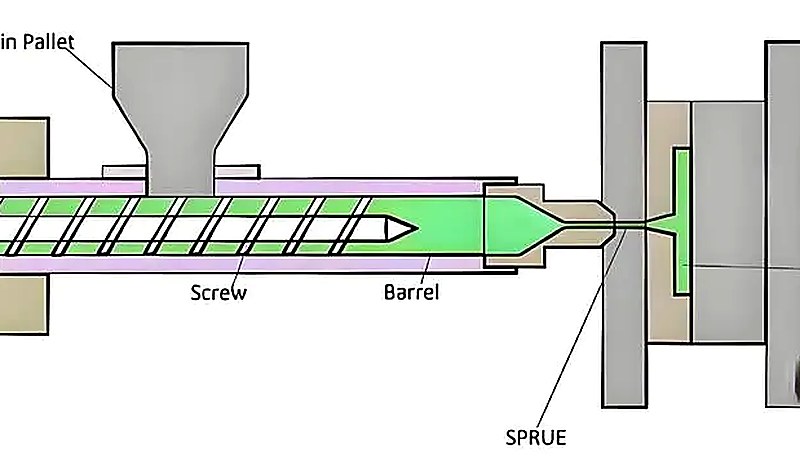
| Parametro | POM omopolimero | POM copolimero | Note |
|---|---|---|---|
| Temperatura del cilindro (posteriore) | 180–190°C | 175–185°C | Evitare di superare 220°C |
| Temperatura del cilindro (centrale) | 190–200°C | 185–195°C | Incremento graduale |
| Temperatura del cilindro (anteriore) | 200–210°C | 190–205°C | Ugello 5°C più freddo |
| Temperatura dello stampo | 80–120°C | 80–110°C | Maggiore = migliore cristallinità |
| Pressione di iniezione | 80–120 MPa | 70–110 MPa | Regolare in base allo spessore della parete |
| Pressione di mantenimento | 50–80% della pressione di iniezione | 50–75% della pressione di iniezione | Critica per il ritiro |
| Velocità di iniezione | Media | Da media a medio-alta | Una velocità eccessiva provoca degassamento |
| Contropressione | 5–15 MPa | 5–10 MPa | Ridurre al minimo il tempo di permanenza |
| Tempo di raffreddamento | 15–40s | 15–35s | Dipende dallo spessore della parete |
| Essiccazione | 80°C / 2–4h | 80°C / 2–4h | Consigliata, non indispensabile |
Nella nostra esperienza, l’errore più comune con il POM è il surriscaldamento. Quando il POM si degrada termicamente, rilascia gas di formaldeide, che causa bolle, striature argentate e un odore pungente. Manteniamo rigorosamente la temperatura del cilindro sotto 220°C e limitiamo il tempo di permanenza nel cilindro a meno di 5 minuti.
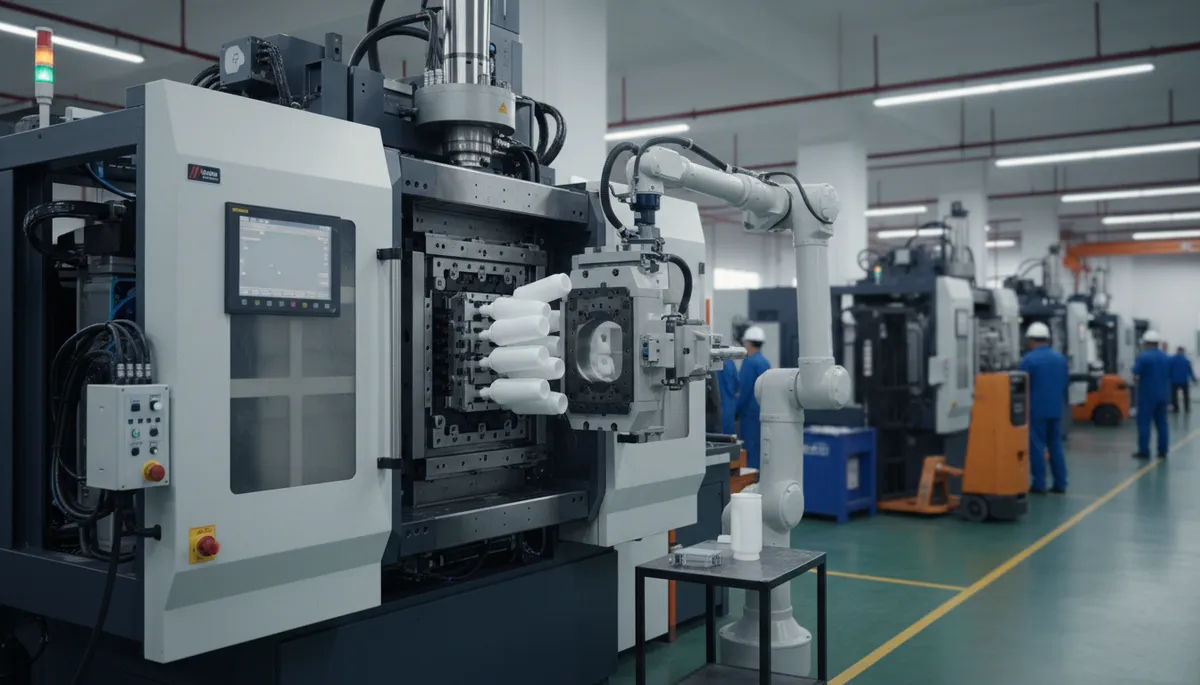
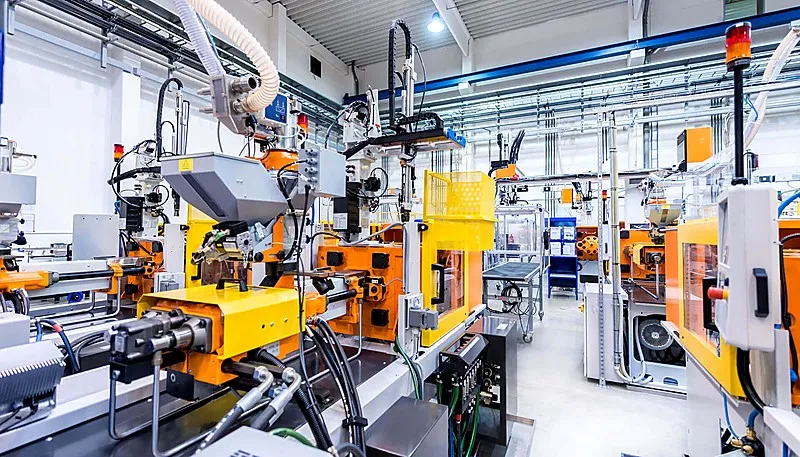
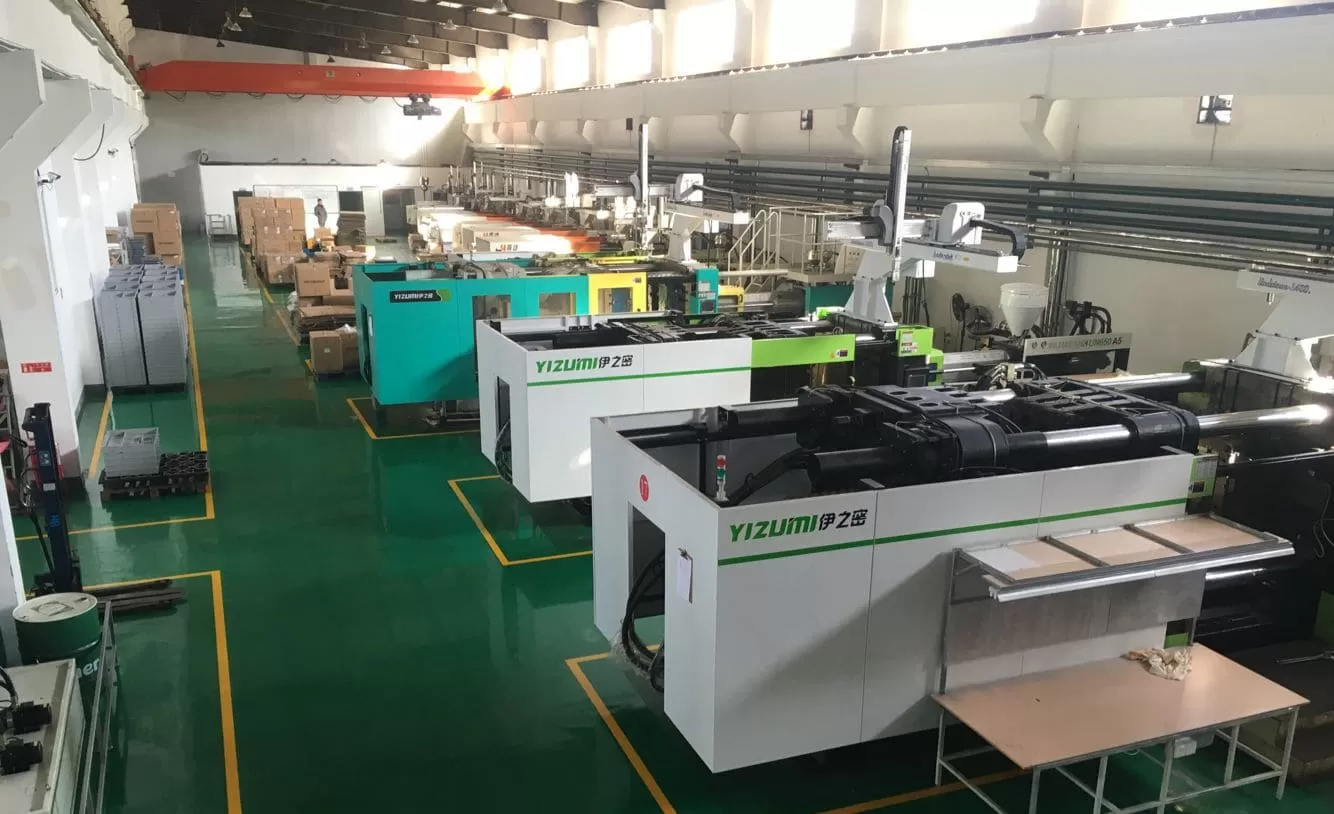
Nel nostro stabilimento di Shanghai utilizziamo 47 presse a iniezione da 90T a 1850T e lavoriamo oltre 400 materiali, inclusi diversi gradi di POM. Questa gamma di attrezzature ci consente di stampare componenti in POM, dai minuscoli ingranaggi di precisione ai grandi componenti automobilistici.
La temperatura dello stampo svolge un ruolo cruciale nella qualità dei componenti in POM. Per la maggior parte dei componenti utilizziamo normalmente stampi a 90–100°C. Temperature dello stampo più elevate (fino a 120°C) migliorano la cristallinità, la finitura superficiale e la stabilità dimensionale, ma allungano il tempo di ciclo. Per ingranaggi e componenti di precisione scegliamo sempre temperature più elevate.
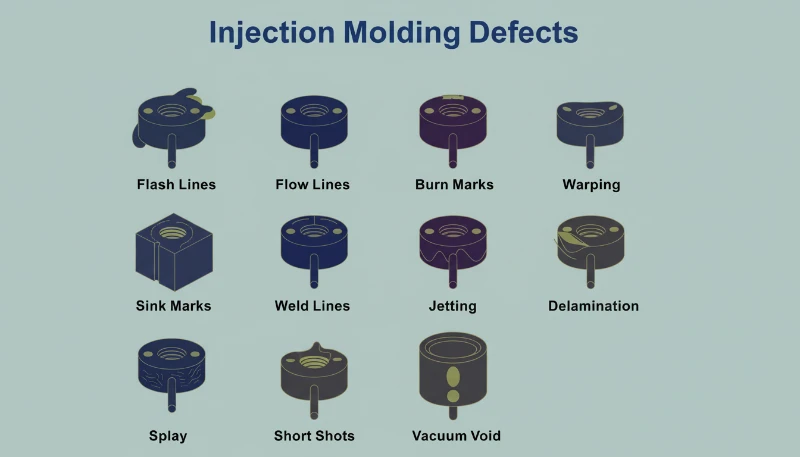
Quali sono i difetti comuni nello stampaggio a iniezione del POM e come risolverli?
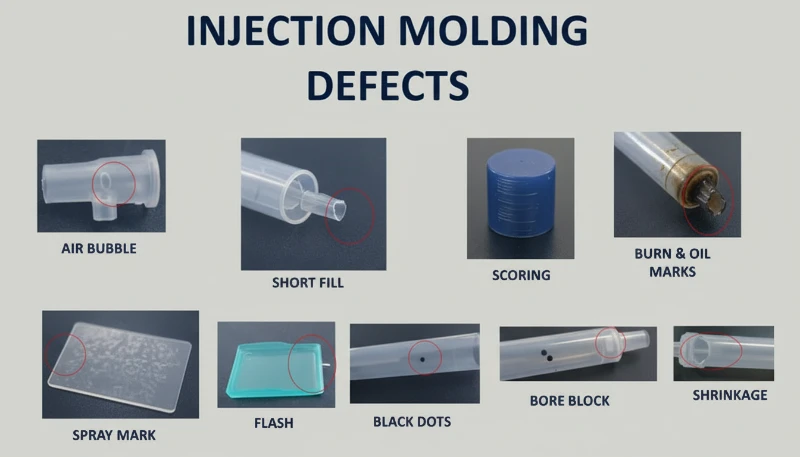
I difetti più comuni del POM sono risucchi, deformazione, porosità centrale e striature, prevenibili controllando temperatura e pressione. Di seguito sono riportate soluzioni mirate.
| Difetto | Causa principale | Soluzione |
|---|---|---|
| Risucchi | Pressione di mantenimento insufficiente; sezioni spesse | Aumentare la pressione e il tempo di mantenimento; ridurre lo spessore della parete; aggiungere svuotamenti |
| Deformazione | Raffreddamento non uniforme; ritiro differenziale | Uniformare lo spessore della parete; ottimizzare i canali di raffreddamento; regolare la temperatura dello stampo |
| Porosità centrale | Pareti spesse; compattazione insufficiente (omopolimero) | Usare POM copolimero; aumentare la pressione di mantenimento; ridurre lo spessore della parete |
| Striature/striature argentate | Umidità; degradazione termica | Pre-essiccare il materiale; abbassare la temperatura del cilindro; ridurre il tempo di permanenza |
| Degassamento di formaldeide | Surriscaldamento oltre 220°C | Ridurre la temperatura del cilindro; limitare il tempo di permanenza; spurgare regolarmente |
| Componenti fragili | Cristallizzazione eccessiva; contaminazione | Ridurre la temperatura dello stampo; controllare la purezza del materiale |
| Bave | Pressione di iniezione eccessiva; stampo usurato | Ridurre la pressione; riparare le superfici di separazione dello stampo |
Un difetto specifico del POM che monitoriamo attentamente è la porosità centrale. Si verifica soprattutto nei componenti in POM omopolimero con sezioni trasversali spesse. Il guscio esterno solidifica e cristallizza mentre l’interno è ancora fuso e, quando quest’ultimo si ritira, si separa da se stesso creando vuoti interni. Il passaggio al POM copolimero o la riprogettazione dei componenti con sezioni svuotate elimina questo problema nella maggior parte dei casi.
Quali applicazioni utilizzano componenti in POM stampati a iniezione?
I componenti in POM stampati a iniezione si trovano praticamente in ogni settore che richiede precisione, durata e basso attrito. La combinazione unica di proprietà del materiale lo rende insostituibile in molte applicazioni.
Settore automobilistico (40% del consumo di POM): Componenti del sistema di alimentazione (unità indicatrici del livello carburante, tappi del serbatoio), meccanismi delle cinture di sicurezza, sistemi di chiusura delle portiere, ingranaggi degli alzacristalli, ingranaggi degli attuatori HVAC e clip per finiture interne. Abbiamo prodotto clip per rail del carburante destinate a un importante OEM tedesco che hanno superato 500,000+ cicli senza un solo guasto.
Elettronica di consumo: Meccanismi per tastiere, ingranaggi per stampanti, cuscinetti per ventole, cursori per cerniere e meccanismi per penne. La capacità del POM di realizzare incastri a scatto e le sue proprietà di ritorno elastico lo rendono perfetto per clip e fermi nei dispositivi elettronici.
Industria: Maglie per catene di trasporto, giranti di pompe, corpi valvola, boccole per cuscinetti ed elementi elastici. La resistenza a fatica del POM sopporta milioni di cicli di carico nelle apparecchiature di automazione industriale.
““La lubrificazione naturale del POM lo rende una delle migliori plastiche per ingranaggi e cuscinetti che funzionano senza lubrificazione esterna.””Vero
Il POM ha un coefficiente di attrito di 0.20–0.35, uno dei più bassi tra i tecnopolimeri. Le superfici di contatto POM su POM e POM su metallo funzionano bene senza lubrificazione, rendendolo il materiale preferito per ingranaggi, cuscinetti e meccanismi scorrevoli autolubrificanti.
““Il POM è un’ottima scelta per applicazioni all’aperto perché presenta un’eccellente resistenza ai raggi UV.””Falso
Il POM presenta una scarsa resistenza ai raggi UV e si degrada se esposto a lungo alla luce solare. I componenti in POM per esterni richiedono additivi stabilizzanti UV o rivestimenti protettivi. Per applicazioni esclusivamente all’aperto, materiali come ASA o ABS stabilizzato ai raggi UV sono scelte migliori.
Dispositivi medici: Meccanismi per inalatori, componenti di penne per insulina e impugnature di strumenti chirurgici. Il POM di grado medicale (copolimero conforme FDA) offre la precisione e la resistenza chimica necessarie in ambito sanitario.
Idraulica e ferramenta: Cartucce per rubinetti, steli di valvole, maniglie di rubinetti e raccordi per tubi. La resistenza del POM all’acqua calda (fino a 80°C in continuo) e ai prodotti chimici per la pulizia lo rende ideale per applicazioni idrauliche.
Come progettare componenti per lo stampaggio a iniezione del POM?
Le principali regole di progettazione per i componenti in POM sono pareti uniformi di 1.0–3.5 mm, un angolo di sformo di 0.5°–1.5° per lato e un rapporto tra nervatura e parete del 50–60% per gestire il ritiro di 1.8–2.5% nello stampo a iniezione.
| Parametro di progettazione | Valore consigliato | Perché è importante |
|---|---|---|
| Spessore della parete | 1.0–3.5 mm (uniforme) | Previene i risucchi e la porosità centrale |
| Angolo di sformo | 0.5°–1.5° per lato | Il POM si ritira sulle anime; richiede un angolo di sformo maggiore rispetto all’ABS |
| Spessore delle nervature | 50–60% della parete | Previene i risucchi sulla superficie opposta |
| Altezza delle nervature | ≤ 3× lo spessore della parete | Le nervature più alte sono difficili da riempire e da espellere |
| Raggio degli angoli | ≥ 0.5 mm (0.25× la parete) | Gli spigoli vivi causano concentrazioni di tensione |
| Diametro esterno del boss | 2× il diametro della vite | Previene le cricche durante l’inserimento della vite |
| Deformazione dell’incastro a scatto | ≤ 4% (uso singolo), ≤ 2% (ripetuto) | Limite di fatica del POM per cerniere integrate |
| Compensazione del ritiro | 1.8–2.5% (flusso), 1.6–2.0% (trasversale al flusso) | Il ritiro anisotropo richiede una compensazione direzionale |
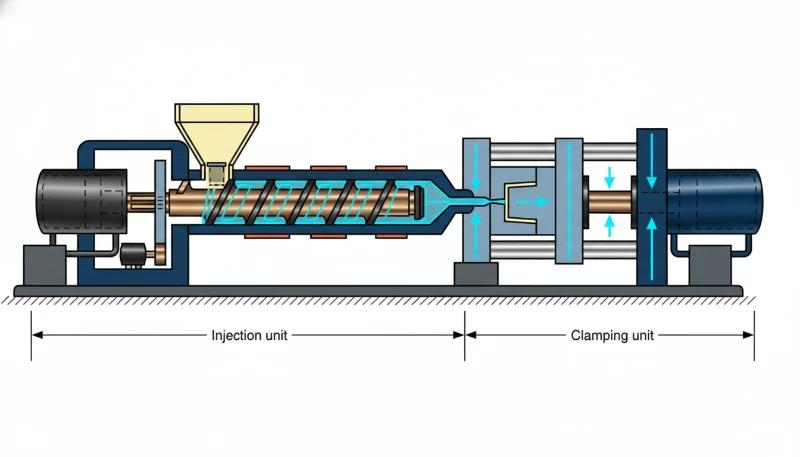
Nelle nostre revisioni di progettazione, il problema principale dei componenti in POM è lo spessore non uniforme delle pareti. Quando sezioni spesse e sottili si incontrano, la sezione spessa si raffredda più lentamente, creando un ritiro differenziale che causa deformazioni e risucchi. Consigliamo sempre di svuotare le sezioni spesse e di mantenere la variazione dello spessore delle pareti entro ±10% sull’intero componente.
Il POM è una delle migliori plastiche per incastri a scatto e cerniere integrate grazie alle sue eccellenti proprietà di ritorno elastico. Tuttavia, consigliamo di limitare la deformazione al 4% per gli incastri monouso e al 2% per assemblaggi e disassemblaggi ripetuti. Per i denti degli ingranaggi applichiamo una compensazione del profilo di 0.02–0.04 mm per dente, così da raggiungere i gradi di qualità AGMA.
In che modo la progettazione dello stampo influisce sulla qualità dei componenti in POM?
I fattori più critici nella progettazione dello stampo per POM sono il posizionamento dei punti di iniezione, l’uniformità del raffreddamento e lo sfiato. L’elevato ritiro del POM e il degassamento di formaldeide rendono essenziale una progettazione precisa dello stampo.
Progettazione del punto di iniezione: Per i componenti in POM preferiamo punti di iniezione secondari o a spillo, perché consentono la separazione automatica e lasciano segni minimi. Per gli ingranaggi, i punti di iniezione a diaframma garantiscono il riempimento più uniforme e riducono al minimo le linee di saldatura nell’area dei denti. La dimensione del punto di iniezione deve essere pari al 50–70% dello spessore della parete.
Sistema di raffreddamento:Un raffreddamento uniforme è fondamentale per il POM. La variazione di temperatura sulla superficie dello stampo deve restare entro ±5°C. Utilizziamo canali di raffreddamento conformati per geometrie complesse e inserti in rame-berillio nelle aree che richiedono un’estrazione del calore più rapida. Per gli ingranaggi utilizziamo spesso canali di raffreddamento circolari che seguono il profilo dell’ingranaggio.
Sfiato: Durante la lavorazione il POM genera gas di formaldeide, quindi uno sfiato adeguato è essenziale. La profondità degli sfiati deve essere di 0.01–0.02 mm (il POM ha una bassa viscosità e produrrà bave con sfiati più profondi). Posizioniamo gli sfiati in corrispondenza di ogni linea di saldatura e nelle ultime aree da riempire individuate tramite l’analisi del flusso.
Espulsione: L’elevato ritiro del POM fa sì che i componenti aderiscano saldamente alle anime. Progettiamo angoli di sformo generosi (0.5°–1.5°), utilizziamo più perni estrattori distribuiti uniformemente e talvolta applichiamo rivestimenti distaccanti alle superfici delle anime. Per i componenti a imbutitura profonda, l’espulsione assistita ad aria evita il bloccaggio dovuto al vuoto.
Domande frequenti sullo stampaggio a iniezione del POM
Il POM può essere verniciato o placcato?
Il POM presenta un’energia superficiale molto bassa, che rende difficile verniciarlo o placcarlo senza un trattamento superficiale. Il trattamento alla fiamma, il trattamento al plasma o l’incisione chimica possono migliorare l’adesione. Tuttavia, per i componenti decorativi consigliamo normalmente di passare all’ABS o al PC/ABS, che accettano verniciatura e placcatura molto più facilmente.
Qual è la differenza tra POM omopolimero e copolimero?
Il POM omopolimero (come Delrin) offre resistenza meccanica e rigidità superiori del 5–10%, ma è più soggetto a porosità centrale nelle sezioni spesse e presenta una finestra di processo più ristretta. Il POM copolimero (come Celcon o Ultraform) si lavora più facilmente, presenta una migliore resistenza chimica ed è meno soggetto a degradazione termica. Per la maggior parte delle applicazioni consigliamo il copolimero.
Il POM deve essere essiccato prima dello stampaggio?
Il basso assorbimento di umidità del POM (0.20%) significa che l’essiccazione è consigliata, ma non strettamente necessaria per la maggior parte delle applicazioni. Come prassi standard, pre-essicchiamo il materiale a 80°C per 2–4 ore per garantire una qualità superficiale ottimale. Per i componenti estetici critici, l’essiccazione è essenziale.
Il POM è approvato dalla FDA per il contatto alimentare?
Sì, alcuni gradi di POM copolimero (come Celcon M90 e Hostaform C9021) sono conformi FDA per applicazioni a contatto con alimenti. Verifica sempre con il fornitore della resina lo stato FDA del grado specifico prima della produzione.
Che cosa causa il residuo bianco sulle superfici dello stampo per POM?
Il deposito bianco è costituito da formaldeide e oligomeri di triossano rilasciati durante la lavorazione del POM. La pulizia regolare dello stampo (ogni 4–8 ore di produzione), uno sfiato adeguato e il mantenimento della temperatura del cilindro sotto 215°C riducono al minimo questo accumulo. Alcuni stabilimenti utilizzano composti per la pulizia degli stampi formulati specificamente per i residui di POM.
Come si confronta il POM con il nylon nelle applicazioni per ingranaggi?
Per gli ingranaggi, il POM è generalmente preferito al nylon perché presenta un assorbimento di umidità inferiore (0.2% contro 2.5%), una migliore stabilità dimensionale, un coefficiente di attrito più basso e proprietà meccaniche più costanti al variare dell’umidità. Il nylon offre una maggiore resistenza agli urti e migliori prestazioni alle alte temperature. Per gli ingranaggi che operano in ambienti bagnati o umidi, il POM è nettamente superiore.
Quali sono i punti chiave dello stampaggio a iniezione del POM?
Lo stampaggio a iniezione del POM è un processo produttivo collaudato per realizzare componenti in plastica ad alta precisione, basso attrito e dimensionalmente stabili. Che tu stia progettando ingranaggi per una trasmissione automobilistica o clip per l’elettronica di consumo, il POM offre le prestazioni meccaniche del metallo a una frazione del costo e del peso. Le chiavi del successo sono controllare le temperature di lavorazione al di sotto di 220°C, progettare uno spessore uniforme delle pareti per gestire il ritiro di 1.8–2.5% e garantire uno sfiato adeguato dello stampo per gestire il degassamento di formaldeide.
In ZetarMold lavoriamo il POM da oltre 20 anni per applicazioni automobilistiche, industriali e di consumo. Il nostro team gestisce ogni fase, dalle revisioni DFM e dalla progettazione dello stampo fino alla produzione di massa e all’ispezione qualità. Se stai lavorando a un progetto che richiede componenti in POM stampati a iniezione, contatta il nostro team di ingegneri per una revisione DFM e un preventivo gratuiti. Consulta la nostra Guida completa allo stampaggio a iniezione per una panoramica esaustiva.
Richiedi un preventivo per il tuo progetto di stampaggio a iniezione
Ottieni prezzi competitivi, feedback DFM e una tempistica di produzione dal team di ingegneri di ZetarMold.
Richiedi un preventivo gratuito →
-
termoplastico tecnico: Per termoplastico tecnico si intende una categoria di materiali plastici che offre proprietà meccaniche e termiche superiori rispetto alle plastiche di largo consumo ed è adatta ad applicazioni strutturali e di precisione. ↩
-
resistenza allo scorrimento viscoso: La resistenza allo scorrimento viscoso è la capacità di un materiale di opporsi alla deformazione graduale nel tempo sotto una sollecitazione meccanica prolungata ed è fondamentale per i componenti portanti. ↩
-
stampaggio: Il ritiro del POM indica la riduzione volumetrica da 1.8 a 2.5 percento che si verifica quando il POM fuso si raffredda e solidifica nella cavità dello stampo. ↩