POM射出成形とは何か、なぜ広く使われているのか?
- POM(ポリオキシメチレン)は、低摩擦で剛性の高いエンジニアリング熱可塑性プラスチックであり、精密部品に最適です。
- ホモポリマーPOMはより高い強度を提供し、コポリマーPOMは加工性が良く、熱安定性に優れています。
- ホルムアルデヒドのガス発生や部品の不良を防ぐため、シリンダー温度は220°C以下に保ってください。
- POMの1.8–2.5%の収縮に対応するため、肉厚を均一な1.0–3.5 mmに設計します。
- POMは自己潤滑性に優れているため、自己潤滑式の歯車や軸受に最適な材料です。
POM射出成形は、エンジニアリング熱可塑性樹脂1であるポリオキシメチレンを精密部品に成形する工程です。POMは、軽量でありながら金属のような剛性を持つため、「金属代替プラスチック」と呼ばれます。
ベンダー比較や調達を計画している場合は、当社の射出成形サプライヤー調達ガイドで、RFQの準備、適格性評価、商取引リスクの確認を解説しています。
POMには、ホモポリマー(DuPontのDelrinなど)とコポリマー(CelaneseのCelconやBASFのUltraformなど)の2種類があります。ホモポリマーPOMは機械的強度と剛性がわずかに高く、コポリマーPOMは熱安定性に優れ、中心部の空隙が少なく加工も容易です。
POM射出成形品の世界需要は、自動車業界の軽量部品化と、電子機器分野での寸法安定性に優れたハウジング需要を背景に拡大を続けています。POMの自己潤滑性は、本来なら潤滑剤を加えた金属同士の接触が必要となる可動部品に最適です。
POMが射出成形に適する主な特性とは?
このセクションでは、POMが射出成形に適する主な特性を説明します。POMは、高い引張強度(65–70 MPa)、低摩擦(摩擦係数0.20–0.35)、優れた耐クリープ性2、極めて低い吸湿性を兼ね備えており、当社が加工するエンジニアリングプラスチックの中でも特に用途の広い材料です。
| プロパティ | POMホモポリマー | POMコポリマー | 単位 |
|---|---|---|---|
| 引張強度 | 65–70 | 58–65 | 単位:MPa |
| 曲げ弾性率 | 2,800–3,200 | 2,500–2,900 | 単位:MPa |
| 破断伸度 | 25–45 | 40–75 | % |
| 衝撃強度(アイゾット、ノッチ付き) | 65–80 | 50–65 | J/m |
| 融点 | 175 | 165 | °C |
| 1.8 MPa荷重時のHDT | 110 | 100 | °C |
| 摩擦係数 | 0.20–0.35 | 0.25–0.38 | — |
| 金型内での収縮3 | 1.8–2.5 | 1.8–2.2 | % |
| 吸水率(24h) | 0.20 | 0.22 | % |
POMを際立たせる特性の一つは、そのクリープ抵抗です。持続的な荷重下で変形する多くのプラスチックとは異なり、POMは高温下での連続応力下でも形状を維持します。当社では、負荷下で10,000時間以上作動するPOM製ギアをテストし、0.3 mm未満の寸法変化を確認しました。
「POMは吸湿性が低いため、精密部品に用いられるプラスチックの中でも特に寸法安定性に優れています。」True
24時間吸水率がわずか0.20%のPOMは、湿潤環境でも厳しい公差を維持します。このため精密歯車、軸受、計器ハウジングの定番材料です。
「POMはナイロンのように多量の水分を吸収するため、成形前に必ず予備乾燥が必要である。」False
POMの吸水率は非常に低く(24時間で0.20–0.22%)、ナイロンの1.5–2.8%を大きく下回ります。最適な表面仕上げには80°Cで2–4時間の予備乾燥が推奨されますが、POMはポリアミドより水分の影響をはるかに受けにくい材料です。
POM射出成形に最適な加工条件とは?
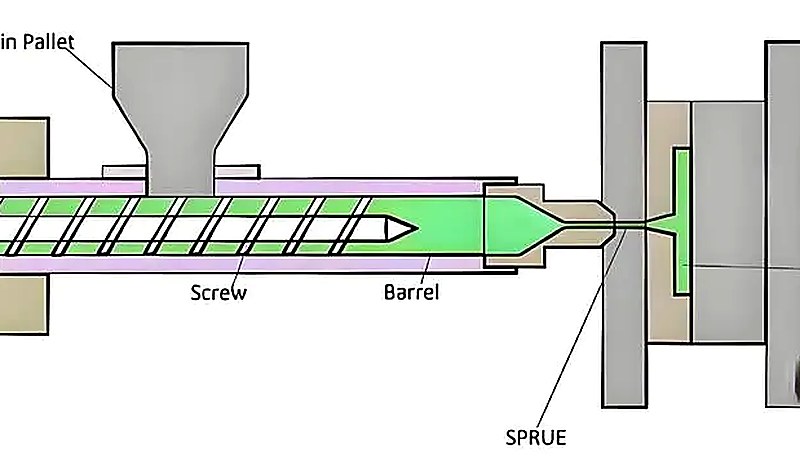
最適なPOM成形には、シリンダー温度175~210°C、金型温度80~120°C、射出圧力70~120 MPaが必要です。これらのパラメータを適切に設定することが、完璧な部品と不良品の分かれ目となります。
| パラメータ | ホモポリマーPOM | POMコポリマー | 備考 |
|---|---|---|---|
| シリンダー温度(後部) | 180–190°C | 175–185°C | 220°Cを超えないようにする |
| バレル温度(中央) | 190–200°C | 185–195°C | 徐々に増加 |
| シリンダー温度(前部) | 200–210°C | 190–205°C | ノズル温度を5°C低くする |
| 金型温度 | 80–120°C | 80–110°C | 高いほど結晶化度が良好 |
| 射出圧力 | 80–120 MPa | 70–110 MPa | 肉厚に合わせて調整 |
| 保持圧力 | 射出圧力の50–80% | 射出時の50~75% | 収縮に重大な影響 |
| 射出速度 | ミディアム | 中~やや高 | 速すぎるとガス放出が生じます |
| 背圧 | 5–15 MPa | 5–10 MPa | 滞留時間を最小化 |
| 冷却時間 | 15–40s | 15–35s | 肉厚による |
| 乾燥 | 80°C / 2–4h | 80°C / 2–4h | 推奨だが必須ではない |
当社の経験では、POMで最も一般的な誤りは過熱です。POMが熱劣化するとホルムアルデヒドガスを放出し、気泡、シルバーマーク、刺激臭を引き起こします。当社はバレル温度を厳格に220°C未満とし、バレル内滞留時間を5分未満に抑えています。
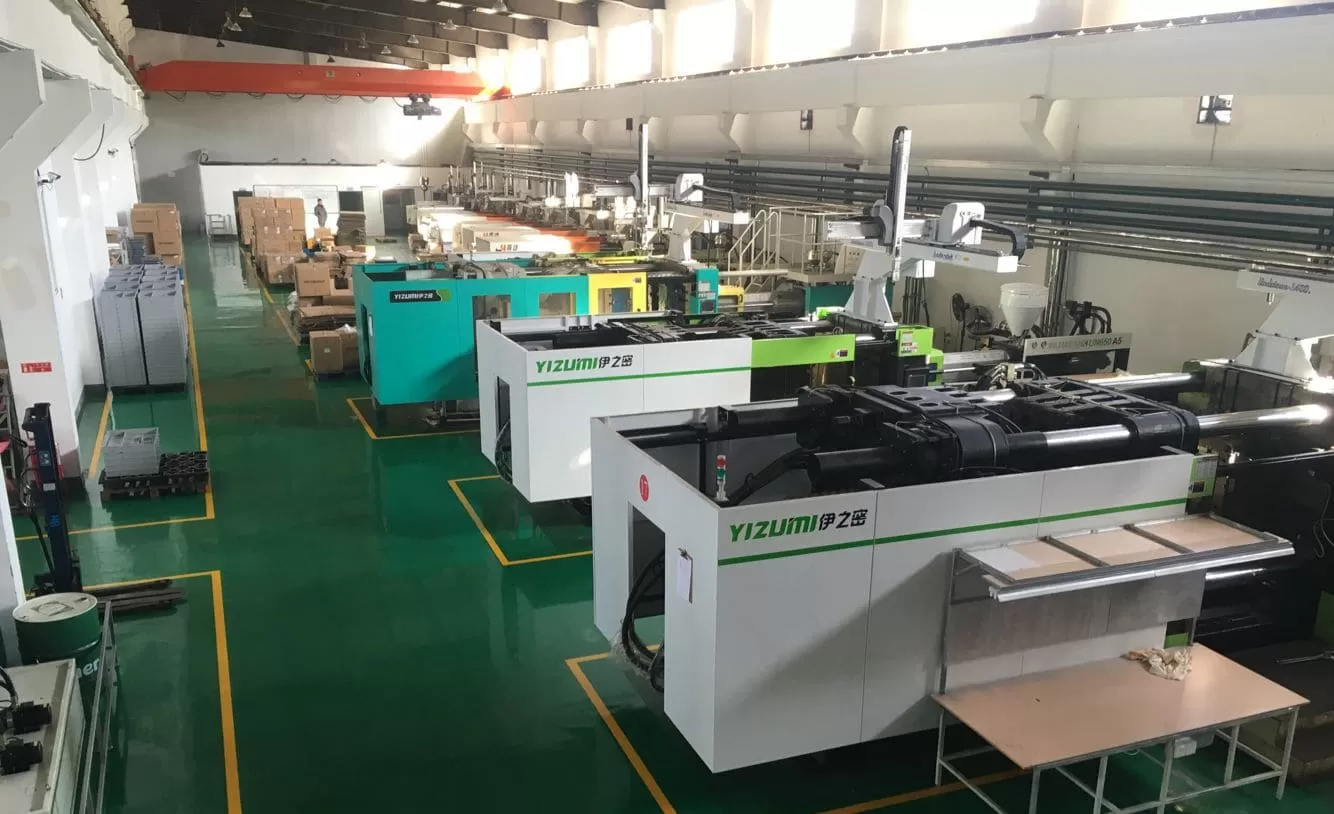
当社の上海工場では、90Tから1850Tまでの射出成形機47台を稼働しており、複数のPOMグレードを含む400以上の材料を加工しています。この設備範囲により、微小な精密歯車から大きな自動車部品まで、POM部品を成形できます。
金型温度はPOM部品の品質に重要な役割を果たします。当社では大半の部品で通常90~100°Cに設定します。金型温度を高くする(最大120°C)と結晶化度、表面仕上げ、寸法安定性が向上しますが、サイクル時間は延びます。歯車や精密部品では常に高めに設定します。
POM射出成形でよくある不良と、その解決方法は?
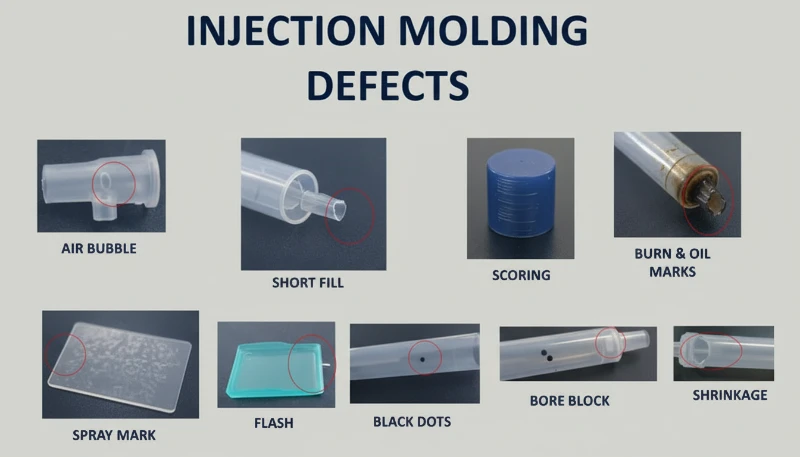
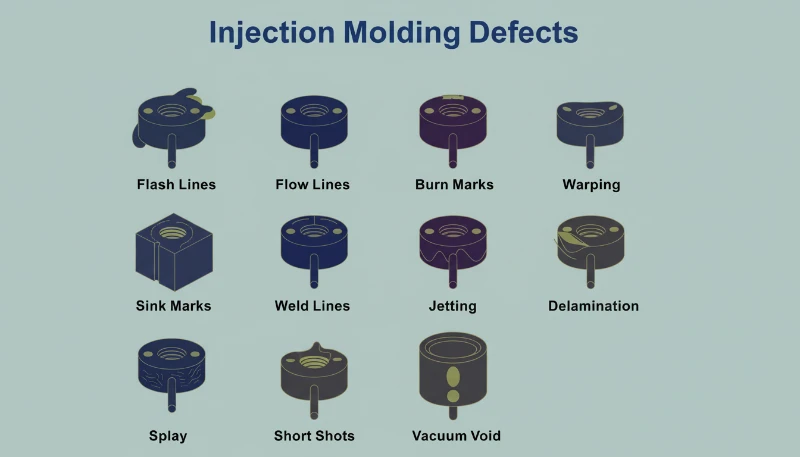
最も一般的なPOMの不良は、シンクマーク、反り、中心部ボイド、スプレーです。これらは温度と圧力を制御することで防止できます。以下に具体的な解決策を示します。
| 欠陥 | 根本原因 | ソリューション |
|---|---|---|
| シンクマーク | 保圧不足、厚肉部 | 保圧/保圧時間を増やす;肉厚を減らす;肉抜きを追加する |
| 反り | 不均一な冷却、収縮差 | 肉厚を均一化し、冷却流路を最適化し、金型温度を調整 |
| 中心線ポロシティ | 厚肉、保圧不足(ホモポリマー) | コポリマーPOMを使用し、保圧を上げ、肉厚を薄くする |
| シルバー/銀条 | 水分;熱劣化 | 1.8–2.5 % (流れ方向)、1.6–2.0 % (クロスフロー) |
| ホルムアルデヒドの放散 | 220°Cを超える過熱 | バレル温度を下げる;滞留時間を最小限にする;定期的にパージする |
| 脆い部品 | 過結晶化、汚染 | 金型温度を下げ、材料の純度を確認する |
| フラッシュ | 過度な射出圧力、摩耗した金型 | 圧力を下げる;金型のパーティング面を補修する |
当社が特に注意を払うPOM特有の欠陥の一つは、中心部ボイドです。これは主に肉厚断面を持つホモポリマーPOM部品で発生します。外殻が固化・結晶化している間に中心部はまだ溶融状態であり、中心部が収縮する際に内部から引き離されることで内部ボイドが生じます。コポリマーPOMへの変更や、中空化した設計への変更により、ほとんどの場合この問題は解消されます。
POM射出成形部品はどのような用途で使われますか?
POM射出成形部品は、精度、耐久性、低摩擦が求められるほぼすべての産業で使用されています。その独自の特性の組み合わせにより、多くの用途で代替不可能な材料となっています。
自動車(POM消費量の40%):燃料系部品(燃料センダーユニット、燃料キャップ)、シートベルト機構、ドアロックシステム、ウインドーレギュレーターギア、HVACアクチュエーターギア、内装クリップ。当社はドイツの大手OEM向けに、500,000+サイクルを無故障で稼働するフューエルレールクリップを製造しました。
民生用電子機器:キーボード機構、プリンターギア、ファンベアリング、ファスナースライダー、筆記具機構。POMはスナップフィット性と復元性に優れ、電子機器のクリップやラッチに最適です。
産業用途:コンベヤチェーンリンク、ポンプインペラー、バルブボディ、軸受ブッシュ、ばね部品。POMの耐疲労性は、産業オートメーション設備で数百万回の荷重サイクルに耐えます。
"「POMは自己潤滑性に優れ、外部潤滑なしで動作する歯車や軸受に最適な樹脂の一つである。」"True
POM の摩擦係数は 0.20~0.35 で、エンジニアリングプラスチックの中でも最低水準です。POM 同士および POM と金属の接触面は無潤滑でも良好に機能するため、自己潤滑ギア、軸受、摺動機構に適した材料です。
"“POMは優れた耐UV性を備えているため、屋外用途に最適です。”"False
POMは耐UV性が低く、長期間の日光曝露で劣化します。屋外POM部品にはUV安定剤または保護コーティングが必要です。屋外専用ならASAやUV安定化ABSが適します。
医療機器:吸入器機構、インスリンペン部品、手術器具ハンドル。医療グレードPOM(FDA適合コポリマー)は、医療用途に必要な精度と耐薬品性を備えています。
配管・金物:蛇口カートリッジ、バルブステム、蛇口ハンドル、管継手。POMは温水(連続使用で最大80°C)と洗浄薬品に強く、配管用途に適しています。
POM射出成形向け部品はどのように設計すべきですか?
POM部品の主要な設計則は、均一な肉厚1.0–3.5 mm、片側0.5°–1.5°の抜き勾配、リブ厚を肉厚の50–60%とし、射出成形金型内で1.8–2.5%の収縮を管理することです。
| 設計パラメータ | 推奨値 | 重要な理由 |
|---|---|---|
| 壁厚 | 1.0–3.5 mm(均一) | ヒケと中心部の気孔を防止 |
| ドラフト角度 | 片側0.5°–1.5° | POMはコアへ収縮するため、ABSより大きな抜き勾配が必要 |
| リブ厚さ | 肉厚の50~60% | 反対側表面のヒケを防止 |
| リブの高さ | 肉厚の≤ 3× | 高いリブは充填と突き出しが困難 |
| コーナー半径 | 0.5 mm以上(肉厚の0.25倍) | 鋭角部は応力集中を引き起こす |
| ボス外径 | スクリュー直径の2× | ねじ挿入時の割れを防止 |
| スナップフィットひずみ | ≤ 4%(単回使用)、≤ 2%(反復使用) | リビングヒンジにおけるPOMの疲労限度 |
| 収縮代 | 1.8–2.5%(流動方向)、1.6–2.0%(直交方向) | POM射出成形:アセタール成形の完全ガイド |
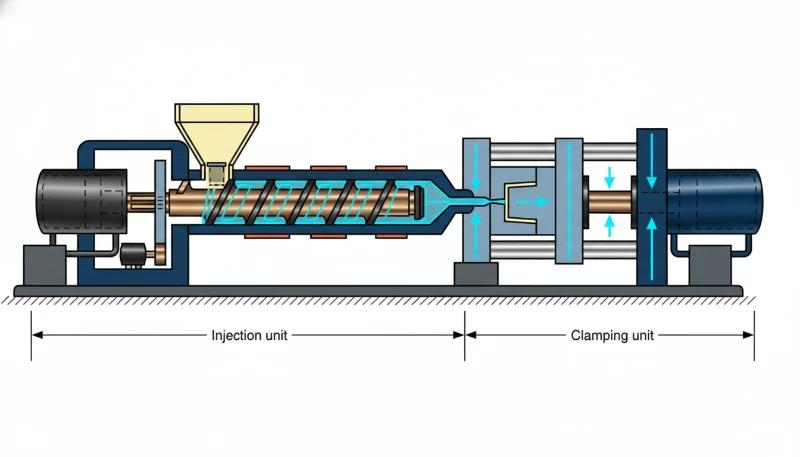
当社の設計レビューにおいて、POM部品に関する最大の問題は肉厚の不均一です。肉厚部分と薄肉部分が接合する場合、肉厚部分は冷却が遅れ、収縮差が生じて反りやシンクマークの原因となります。肉厚部分は必ず中空化し、部品全体の肉厚変動を±10%以内に保つことを常にお勧めします。
POMは優れた復元性を持つため、スナップフィットやリビングヒンジに最適なプラスチックの一つです。ただし、ひずみは単回使用のスナップで4%、繰り返し組立・分解で2%以下にすることを推奨します。歯車の歯では、AGMA品質等級を満たすため、収縮に対して歯形1枚当たり0.02~0.04 mmを補正します。
金型設計はPOM部品の品質にどう影響するか?
POMにとって最も重要な金型設計要素は、ゲートの配置、冷却の均一性、そしてベンティングです。POMの高い収縮率とホルムアルデヒドのガス発生は、精密な金型設計を必須とします。
ゲート設計:POM部品には、自動でゲートを切断でき、痕跡が小さいサブマリンゲートまたはピンゲートを推奨します。ギアではダイヤフラムゲートが最も均一に充填し、歯部のウェルドラインを最小化します。ゲート寸法は肉厚の50–70%とします。
冷却システム:POMでは均一な冷却が不可欠です。金型表面の温度差は±5°C以内に保つ必要があります。複雑形状にはコンフォーマル冷却水路を、熱を早く逃がす必要がある箇所にはベリリウム銅インサートを使用します。ギアには、歯形に沿う円形冷却水路をよく採用します。
ガス抜き:POMは加工中にホルムアルデヒドガスを発生するため、十分なベントが不可欠です。ベント深さは0.01–0.02 mmとします(POMは低粘度で、深いベントではバリが出ます)。すべてのウェルドライン位置と、モールドフロー解析で特定した最終充填部にベントを設けます。
離型:POMは収縮率が高く、部品がコアに強く密着します。十分な抜き勾配(0.5°–1.5°)を設け、複数のエジェクターピンを均等に配置し、必要に応じてコア表面に離型コーティングを施します。深絞り形状には、真空ロックを防ぐエアアシスト離型を使用します。
POM射出成形に関するよくある質問
POMは塗装またはめっきできるか?
POMは表面エネルギーが非常に低く、表面処理なしでは塗装やめっきが困難です。火炎処理、プラズマ処理、化学エッチングで密着性を改善できます。ただし装飾部品では、塗装やめっきをはるかに容易に行えるABSまたはPC/ABSへの変更を通常推奨します。
POMホモポリマーとコポリマーの違いは何ですか?
ホモポリマーPOM(Delrinなど)は、機械的強度と剛性が5–10%高い一方、厚肉部に中心部の空隙が生じやすく、加工条件範囲も狭くなります。コポリマーPOM(CelconやUltraformなど)は加工が容易で、耐薬品性に優れ、熱劣化しにくい特性があります。ほとんどの用途ではコポリマーを推奨します。
POMは成形前に乾燥が必要ですか?
POMは吸湿率が低い(0.20%)ため、乾燥は推奨されますが、ほとんどの用途で必須ではありません。当社では最適な表面品質を確保するため、標準手順として80°Cで2~4時間予備乾燥します。外観が重要な部品では乾燥が不可欠です。
POMは食品接触用途でFDA承認を受けていますか?
はい、一部のコポリマーPOMグレード(Celcon M90やHostaform C9021など)は、食品接触用途についてFDAに適合しています。量産前に、対象グレードのFDA適合状況を必ず樹脂サプライヤーに確認してください。
POM金型表面に白い残留物が生じる原因は?
白色付着物はPOM加工中に放出されるホルムアルデヒドとトリオキサンオリゴマーです。定期的な金型清掃(生産4~8時間ごと)、十分なベント、バレル温度を215°C未満に保つことで堆積を最小限にできます。POM残留物専用の金型洗浄剤を使用する工場もあります。
歯車用途でPOMとナイロンを比較すると?
POMは吸湿率が低く(0.2%対2.5%)、寸法安定性に優れ、摩擦係数が低く、湿度範囲を通じて機械的特性がより安定しているため、一般に歯車にはナイロンより適しています。ナイロンは衝撃強度と高温性能に優れます。湿潤環境や高湿度環境で稼働する歯車には、POMが明らかに優位です。
POM 射出成形の重要ポイントとは?
POM射出成形は、高精度、低摩擦、寸法安定性に優れたプラスチック部品を製造する実績ある工法です。自動車トランスミッション用ギアでも民生電子機器用クリップでも、POMは金属の機械的性能をはるかに低いコストと重量で実現します。成功の鍵は、加工温度を220°C未満に管理し、均一な肉厚設計で1.8–2.5%の収縮に対応し、ホルムアルデヒドのガス発生に対応できる十分な金型ベントを確保することです。
ZetarMoldでは、自動車、産業用、民生用を含む様々な用途において、20年以上にわたりPOMの加工を手掛けてきました。当社のチームは、DFMレビューや金型設計から量産、品質検査まで全てを担当します。POM射出成形部品を必要とするプロジェクトに取り組んでいる場合、無料のDFMレビューと見積もりのために、当社のエンジニアリングチームまでご連絡ください。総合的な概要については、当社の「射出成形完全ガイド」をご覧ください。
射出成形プロジェクトの見積もりを取得する
ZetarMoldのエンジニアリングチームから、競争力のある価格、DFMフィードバック、量産スケジュールを入手してください。
無料見積りを依頼 →