Gösterişli bir web sitesi ve rekabetçi teklifi olan bir enjeksiyon kalıplama tedarikçisi buldunuz. Peşinatı havale etmeden önce kendinize sorun: Gerçekte neyin içine girdiğinizi biliyor musunuz? Alıcıların hiçbir zaman kullanılabilir parça üretmeyen kalıplara altı haneli tutarlar kaybettiğini ve ilk kalite anlaşmazlığından sonra tedarikçilerin ortadan kaybolduğunu gördük. Başarılı bir projeyle pahalı bir ders arasındaki fark genellikle sözleşmeyi imzalamadan önce sorduğunuz sorulara bağlıdır. Bu kılavuz, enjeksiyon kalıplama alanındaki yirmi yıllık gerçek üretim deneyimine dayanarak en önemli doğrulama sorularını kapsar.
- Bir tedarikçiyle anlaşmadan önce makine sayısını ve tonaj aralığını doğrulayın
- Takımların şirket içinde sahiplenilmesinde ve belgeli kalıp bakım planlarında ısrar edin
- Yalnızca pazarlama iddialarını değil, ISO sertifikalarını ve gerçek denetim verilerini talep edin
- Malzeme uzmanlığını gerçek test raporları ve işleme kayıtlarıyla doğrulayın
- Fabrika denetimlerini reddeden veya teknik sorulardan kaçan tedarikçilerden uzak durun
Bir Tedarikçinin İmalat Kapasitesi Hakkında Neler Sormalısınız?
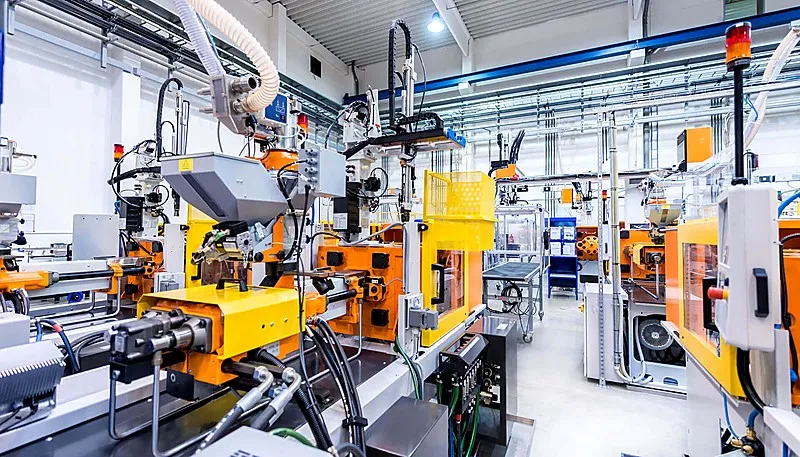
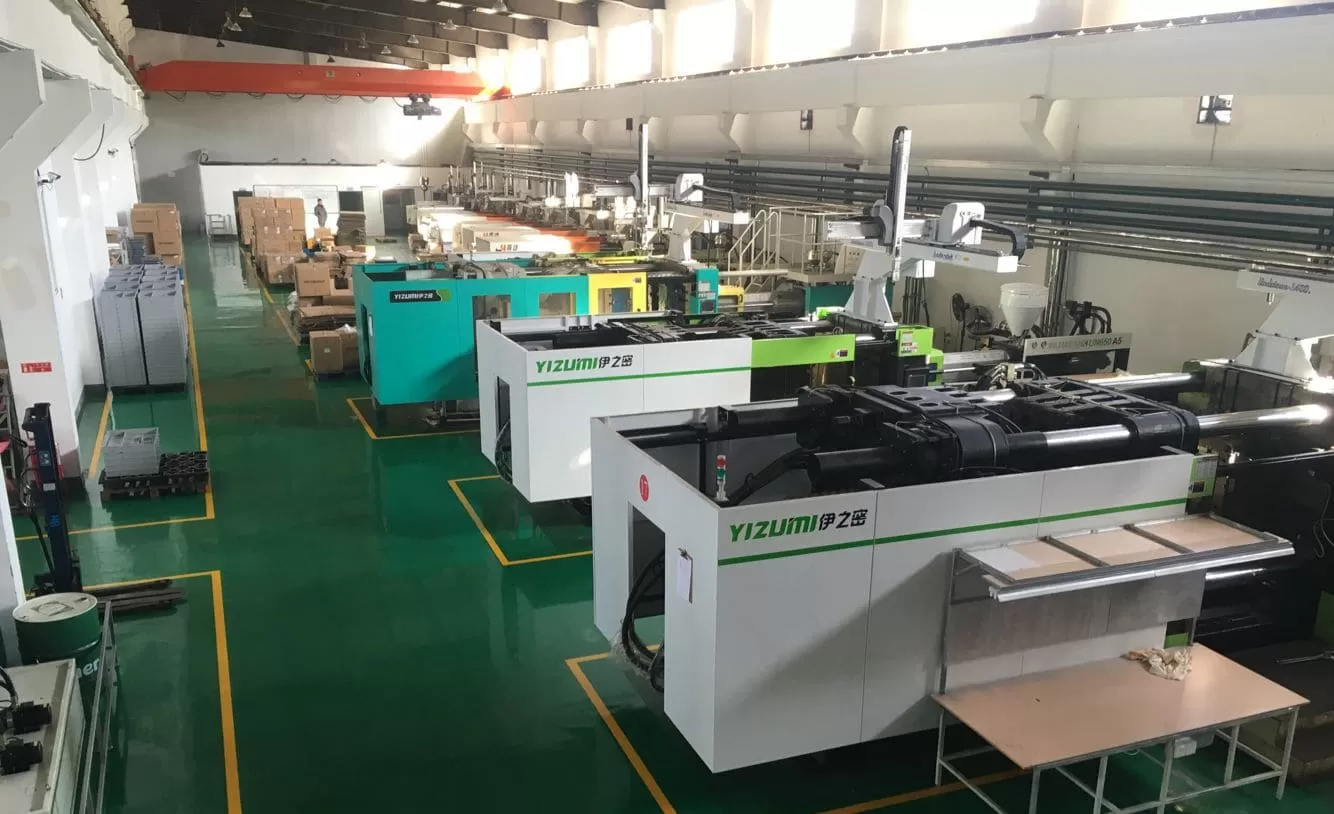
Önce tedarikçinin parçalarınızı gerçekten üretip üretemeyeceğini doğrulayın. Birçok ticaret şirketi kendini üretici olarak tanıtır, ancak tüm işleri bilinmeyen atölyelere yaptırır. Doğrudan sorun: Kaç enjeksiyon kalıplama makinesi işletiyorsunuz ve tonaj aralığınız nedir? 200T altında 5 makinesi olan bir tedarikçi, 1200T kapama kuvveti gerektiren bir otomotiv muhafazasını üretemez. Şanghay fabrikamızda 90T ile 1850T arasında 47 enjeksiyon kalıplama makinesi işletiyoruz; bu aralık, mikro tıbbi bileşenlerden büyük endüstriyel muhafazalara kadar her şeyi tek çatı altında üretmeye yeterlidir.
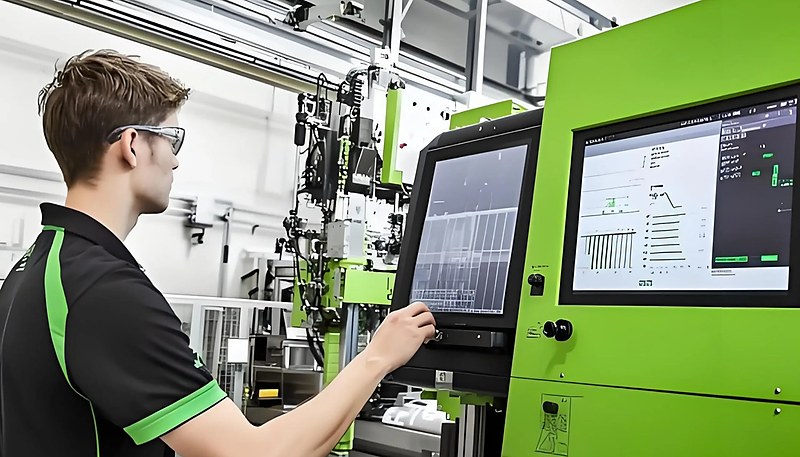
Otomasyon ve proses kontrolünü sorun. Robotik parça alma kullanıyorlar mı? Kapalı çevrim basınç izleme var mı? Ayrıştırılmış proseslerle bilimsel kalıplama ilkelerini uyguluyorlar mı? Makineleri hâlâ manuel modda ve operatöre bağlı kaliteyle çalışan bir tedarikçi, birkaç yüz parçanın üzerindeki her üretim için risktir. Makine bakım programlarını da isteyin; belgeli servis geçmişine sahip, bakımlı 10 yıllık bir makine genellikle önleyici bakım planı olmayan yepyeni bir makineden iyidir. Tedarikçilerin kolon yağlamasını aylarca atlayıp ardından baskıdan baskıya tutarlılıklarının neden 15% değiştiğini sorguladıklarını gördük.
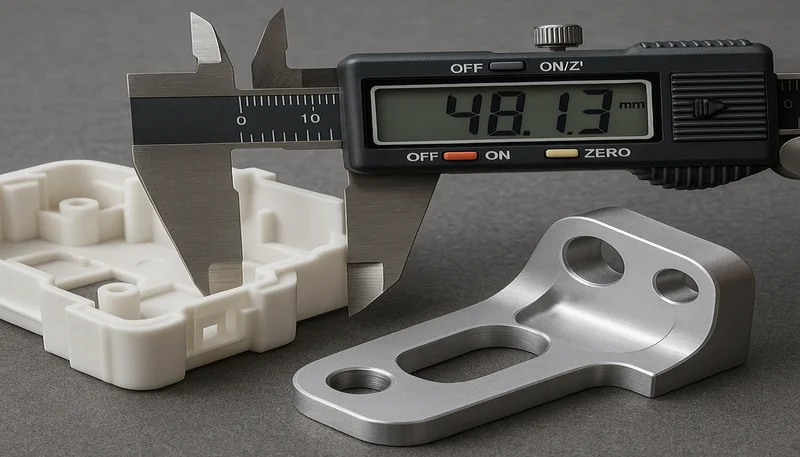
Ayrıca tedarikçinin, parçanızın özgül geometrisi için enjeksiyon kalıplama tolerans kapasitesini CNC işleme alternatifleriyle nasıl karşılaştırdığını sorun. Enjeksiyon kalıplamanın ne zaman yeterli tolerans sağladığını ve ne zaman CNC ile son işlem gerektiğini anlaması, gerçek mühendislik muhakemesini gösterir. Bu prosesler arasındaki tolerans ödünleşimlerini açıklayabilen ve hacim ile hassasiyet gereksinimleriniz için en uygun maliyetli yaklaşımı önerebilen bir tedarikçi, üretim ortaklarını yalnızca sipariş alanlardan ayıran teknik derinliğe sahiptir.
Şanghay'daki fabrikamızda 90T ile 1850T aralığında 47 enjeksiyon kalıplama makinesi çalıştırıyor; hassas mikro parçalardan büyük otomotiv bileşenlerine kadar her işi gerçekleştirebiliyoruz. Bu geniş ekipman yelpazesi, mevcut parçanızı üretmemizi ve ürün grubunuz büyürken tedarikçi değişikliği gerektirmeden gelecekteki projelere ölçeklenmemizi sağlar.
Takım ve Kalıp Üretim Kalitesini Nasıl Doğrularsınız?
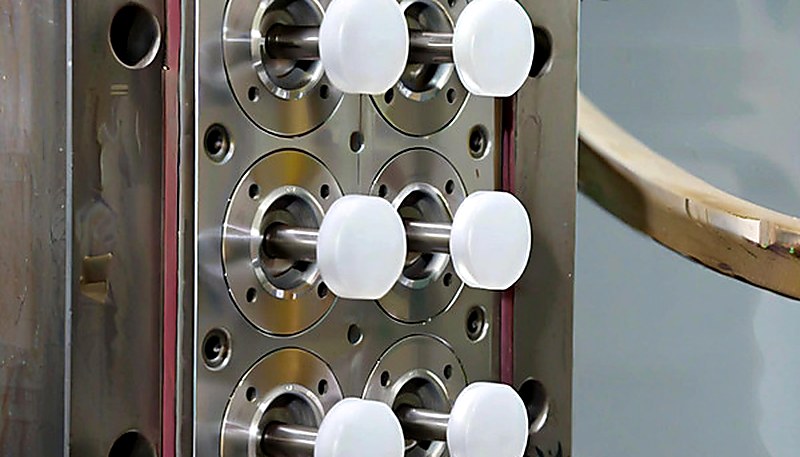
Her enjeksiyon kalıplama projesinde paranın çoğu kalıpta kaybedilir. Kalıp, maliyeti 5.000 ila 200.000+ USD arasında değişen hassas bir araçtır ve onu yapan kişi yıllar boyunca üretim kaderinizi kontrol eder. Kritik soru, tedarikçinin kendi enjeksiyon kalıbı üretim kabiliyetine sahip olup olmadığı veya işi üçüncü taraf bir kalıp atölyesine verip vermediğidir. Kalıp işi dışarı verildiğinde çeliğinizi kesen kişilerle doğrudan bağlantınız olmaz; revizyon gerektiğinde her değişiklik talebi mühendislik amacını anlamayabilecek bir aracıdan geçer. Bu, her tasarım yinelemesinde büyüyen maliyet, gecikme ve iletişimsizlik riski ekler.
Değerlendirmeniz sırasında şu özel soruları sorun: Kalıphaneyi bizzat ziyaret edebilir miyim? Ayda ortalama kaç kalıp seti üretiyorsunuz? Çekirdekler ve kalıp boşlukları için hangi çelik sınıflarını, neden kullanıyorsunuz? Çeliği kesmeden önce kalıp akış analizi yapıyor musunuz? Atım cinsinden standart kalıp ömrü garantiniz nedir? Kurum içi takım üretimine sahip bir tedarikçi genellikle daha hızlı yineleme çevrimleri sunabilir; T1 numune üretiminde boyutsal bir sorun belirlediğimizde takım mühendislerimiz, dışarıdaki bir işletmenin işi sırasına almasını günlerce beklemek yerine çelik değişikliğini 24 ila 48 saat içinde uygulayabilir. Bu hız avantajı, birden çok tasarım revizyonu içeren projenin ömrü boyunca katlanarak büyür.
Kendi bünyemizdeki kalıp imalat tesisimiz ayda 100'den fazla kalıp seti üretir; böylece kalıp süreci boyunca kaliteyi, zamanlamayı ve mühendislik iletişimini doğrudan kontrol ederiz.
Bir Tedarikçi Hangi Kalite Sertifikalarına ve Sistemlerine Sahip Olmalıdır?
Kalite sertifikaları, tedarikçinin belgelenmiş süreçleri izlediğine ilişkin asgari kanıttır. ISO90011 temel gereksinimdir; sektörünüze bağlı olarak tıbbi ürünlerde ISO134852, otomotivde ise IATF169493 zorunlu eklerdir. Her tedarikçi kaliteli olduğunu söyler; asıl doğrulama sorusu kanıt gösterebilip gösteremediğidir. Tıbbi bileşenlerde ISO 13485 dünya çapındaki düzenleyicilerce istenir. Otomotiv parçalarında IATF 16949 tanınmış tedarik zinciri standardıdır. Çevre yönetimi (ISO 14001) ve iş sağlığı (ISO 45001) sertifikaları, tepkisel kriz çözme yerine sistematik yönetime yatırım yapan olgun bir işletmeye işaret eder. Ancak günlük uyum kanıtı olmadan duvardaki sertifikaların hiçbir anlamı yoktur.
Her üretim siparişinde boyutsal, görsel ve işlevsel muayene yapan 10'dan fazla QC uzmanından oluşan özel bir ekiple ISO 9001, ISO 13485, ISO 14001 ve ISO 45001 sertifikalı kalite yönetim sistemleri kapsamında çalışıyoruz. Kalite laboratuvarımız; her parçanın tüm üretim serileri boyunca spesifikasyon gereksinimlerinizi tutarlı biçimde karşılamasını sağlamak için koordinat ölçüm makineleri, optik karşılaştırıcılar ve yüzey pürüzlülüğü ölçüm cihazlarıyla donatılmıştır.
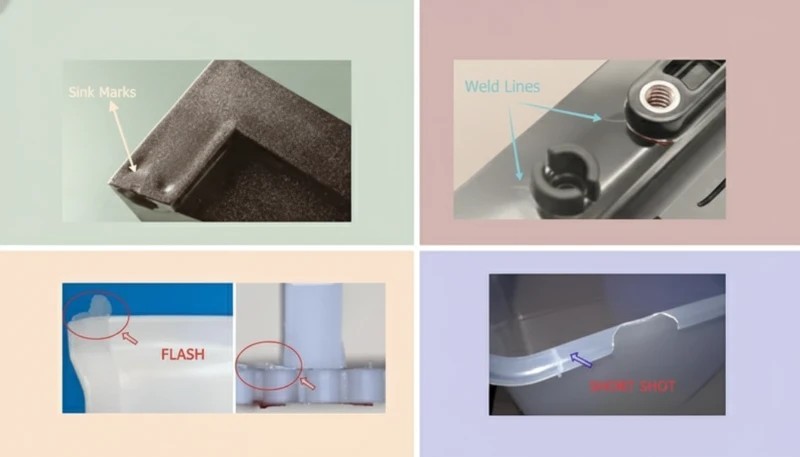
Sertifikaların ötesinde, tedarikçinin günlük faaliyetlerinde birleşme çizgisi, çöküntü izi, çapak ve eksik dolum gibi enjeksiyon kalıplama kusurlarını nasıl ele aldığını inceleyin. Sağlam bir kalite sistemi; her kusur için sistematik kök neden analizi, atanmış sorumlular ve son tarihlerle düzeltici faaliyet takibi ve yalnızca üretim sonrası kontrole dayanmak yerine doğrudan süreç parametrelerine işlenmiş önleyici tedbirler içermelidir. Son üretim çalışmalarına ait kusur kayıtlarını isteyin; kusurları tür ve sıklığa göre izleyip sınıflandıran tedarikçiler, sevkiyat sonrası müşteri şikâyetlerine tepki vermekle kalmayıp kaliteyi etkin biçimde yönetir. Ayrıca hurda oranı hedeflerini ve zaman içindeki iyileşmeyi nasıl ölçtüklerini sorun.
Bin parça başına güncel hata oranını söyleyemeyen bir fabrika, kaliteyi proaktif biçimde yönetmiyordur.
"Teklife hızlı yanıt verilmesi her zaman iyi tedarikçi iletişimini gösterir."True
Yanlış. Teklif hızı ve iletişim kalitesi farklı konulardır. Soru sormadan iki saatte teklif veren bir tedarikçi kestirme yollara başvuruyor olabilir. Teknik derinlikle birlikte hızlı yanıt arayın.
"ISO 9001 sertifikası tutarlı parça kalitesini garanti eder."False
Yanlış. ISO 9001, tedarikçinin dokümante edilmiş proseslere sahip olduğunu belgelendirir; her parçanın spesifikasyonu karşıladığını değil. Gerçek koşullardaki tutarlılığı doğrulamak için daima fiili muayene verilerini ve SPC kayıtlarını isteyin.
Malzeme Uzmanlığı İyi Tedarikçileri Kötülerden Neden Ayırır?
Malzeme uzmanlığı, bir tedarikçinin tutarlı kalite mi yoksa maliyetli sürprizler mi sunacağını öngören en güçlü tek göstergedir. Yalnızca hangi malzemeyi istediğinizi sorup sipariş eden bir tedarikçi, üretim ortağı değil standart ürün komisyoncusudur. Doğru tedarikçi malzeme seçiminizi sorgulamalı, alternatifler önermeli ve ödünleşimleri açıklamalıdır. Tüm ABS kalitelerinin aynı performansı göstermediğini, naylonun dikkatle kurutulması gerektiğini ve PC’nin küçük sıcaklık sapmalarının sararmaya veya kırılganlığa neden olduğu dar bir işlem penceresine sahip olduğunu bilmelidir. Düzenli olarak kaç farklı malzeme işlediklerini sorun. 400+ malzemeyle çalışan bir tedarikçi, üç reçinede uzmanlaşmış bir işletmenin hiç karşılaşmayacağı sorunları görmüş ve çözmüştür.
Belirli partileriniz için malzeme test raporlarını (MTR) isteyin. Gelen malzeme kontrollerini sorun: Malzeme makineye yüklenmeden önce eriyik akış indeksini, nem içeriğini ve kirlenmeyi doğruluyorlar mı? Bitmiş bir parçayı belirli reçine lotuna bağlayabilen bir malzeme izlenebilirlik sistemi kullanıyorlar mı? Üretime başladıktan altı ay sonra sahada oluşan bir arızayı araştırırken bu uygulamalar son derece önemlidir. Lot izlenebilirliği olmadan kök neden analizi tahmine dönüşür.
20+ yılda 400'den fazla plastik malzemenin işlenmesiyle edinilen deneyim sayesinde, ilk deneme üretiminden itibaren çevrim sürelerini ve parça kalitesini optimize etmemize yardımcı olan ayrıntılı proses parametresi veri tabanları tutuyoruz.
İletişim ve Proje Yönetimini Nasıl Değerlendirirsiniz?
İletişim, bir projenin sorunsuz ilerlemesini veya aylar süren bir sıkıntıya dönüşmesini belirleyen görünmez maliyettir. En pratik test şudur: Tedarikçiye teknik bir soru gönderin; hem yanıt süresini hem yanıt kalitesini ölçün. “Evet, yapabiliriz” gibi tek satırlık bir yanıt uyarı işaretidir. Uygulamanız, tolerans gereksinimleriniz ve hacim öngörüleriniz hakkında açıklayıcı sorular soran düşünülmüş bir yanıt, projenizi gerçekten anlayan bir ekibe işaret eder.
Özellikle İngilizce mühendislik desteklerini sorun. Birçok Çinli tedarikçinin iyi İngilizce konuşan satış görevlileri vardır ancak mühendisleri yalnızca Mandarin Çincesiyle iletişim kurar. Teknik sorunlar çıktığında — ki mutlaka çıkar — sorunu ve önerilen çözümü açıkça anlatabilecek mühendislere ihtiyacınız vardır. Proje takip sistemlerini de sorun: Fotoğraflı düzenli ilerleme güncellemeleri sağlıyorlar mı? Çeliği kesmeden önce kalıp tasarımını onayınıza sunabiliyorlar mı? Ölçü verileri içeren standartlaştırılmış numune raporları kullanıyorlar mı? Bunlar lüks özellikler değil, ciddi her enjeksiyon kalıplama tedariki projesinin temel beklentileridir.
Ekibimizde akıcı İngilizce konuşan 30+ kişi ve teknik kararlar hakkında uluslararası müşterilerle doğrudan iletişim kuran 8 kıdemli mühendis bulunur; böylece yalnızca satış aracılarına güvenmekten kaynaklanan bilgi kaybı ortadan kalkar.
Hangi Kırmızı Bayraklar Bir Tedarikçiden Uzaklaşmanıza Neden Olmalı?
En büyük uyarı işareti, fabrika denetimine izin verilmemesidir; böyle bir durumda hemen vazgeçin. Yirmi yılda yüzlerce tedarikçiyi değerlendirdikten sonra proje başarısızlığını öngören işaretleri tanımayı öğrendik. Bir tedarikçi sizin veya üçüncü taraf denetçinizin üretim alanını gezmesine izin vermiyorsa bir şey saklıyor demektir; sertifikasız atölyelere taşeronluk veriyor, kötü çalışma koşullarına sahip veya beyanlarına uymayan ekipman kullanıyor olabilir. Hiçbir meşru üretici makul bir denetim talebini reddetmez.
Diğer uyarı işaretleri şunlardır: tasarrufun nasıl sağlandığı açıkça açıklanmadan rakiplerden çok daha düşük teklifler; sektörünüzdeki mevcut müşterilerden referans vermeye isteksizlik; belgelenmiş kalite yönetim sisteminin bulunmaması; prototiplemeyi atlayıp doğrudan üretim kalıbına geçme baskısı ve izlenebilirlik olmadan malzeme tedariki hakkında belirsiz yanıtlar. Belki de en tehlikeli işaret, her talebi itiraz etmeden kabul eden tedarikçidir. İyi bir üretim ortağı tasarımınızda sorun olduğunda, tolerans beklentileriniz gerçekçi olmadığında veya malzeme seçiminiz gereksiz risk yarattığında bunu size söyler. Her şeye evet diyenler pahalı hatalar yapar.
"Görüntülü aramayla yapılan fabrika turu, yerinde denetimle aynı doğrulama değerini sağlar."True
Yanlış. Görüntülü turlar yalnızca tedarikçinin görmenizi istediği şeyleri gösterir. Ön eleme aracı olarak yararlıdırlar; ancak üretim sahasında dolaşmanın, ekipman durumunu kontrol etmenin ve tesisin pazarlama iddialarıyla eşleştiğini doğrulamanın yerini tutamazlar.
"En düşük teklif, enjeksiyon kalıplamada genellikle en iyi değeri sunar."False
Yanlış. Olağandışı düşük teklifler çoğu zaman şu gizli maliyetlere işaret eder: kalıplarda düşük kaliteli çelik sınıfları, kalite muayenesinin olmaması veya nihai faturayı şişiren planlı değişiklik siparişleri. Teklifleri kalem kalem karşılaştırın ve önemli fiyat farklarını tedarikçilere açıklatın.
Ne Zaman Fabrika Denetimi Talep Etmelisiniz ve Neleri Kontrol Etmelisiniz?
Makul bir eşiğin üzerindeki takım yatırımına karar vermeden önce denetim isteyin. Takım maliyeti 10,000 USD’nin altındaki projelerde video turu ve referans kontrolü yeterli olabilir. Daha büyük projelerde yerinde ziyaret planlayın veya üçüncü taraf inceleme şirketi tutun. Denetim sırasında showroom’un ötesine bakın — her tedarikçinin ziyaretçiler için temiz bir odası vardır. Parçalarınızın üretileceği gerçek üretim alanını görmeyi isteyin. Makinelerin durumunu kontrol edin: çalışıyorlar mı, bakımları iyi mi ve parça boyutunuz ile malzemenize uygunlar mı? Depoya bakın: malzemeler çevresel kontroller altında doğru biçimde saklanıyor mu? Kalite laboratuvarını kontrol edin: güncel sertifika etiketleri bulunan kalibre edilmiş ölçüm ekipmanları var mı?
İnsanlara dikkat edin. Operatörler işlerine odaklı mı, yoksa belirgin biçimde ilgisiz mi? Üretim alanı sorumlusu teknik soruları güvenle yanıtlıyor mu? 5S veya yalın üretim uygulamalarına dair kanıt var mı? Bu gözlemler, günlük operasyon kalitesi hakkında duvardaki herhangi bir sertifikadan daha fazlasını anlatır. Hurda takip sistemlerini de görmek isteyin; hurda oranını ölçmeyen bir fabrika bunu iyileştiremez, oranı gizleyen bir fabrika ise muhtemelen bundan utanıyordur.
Enjeksiyon Kalıplama Tedarikçisi Doğrulaması Hakkında En Yaygın Sorular Nelerdir?
Sıkça Sorulan Sorular
Kalifiye bir tedarikçinin kaç enjeksiyon kalıplama makinesi olmalıdır?
Evrensel bir minimum yoktur, ancak 10’dan az makinesi olan bir tedarikçi, yoğun dönemlerde kapasite esnekliği konusunda zorlanabilir. Toplam sayıdan daha önemli olan, tonaj aralıklarının spesifik parça gereksinimlerinizi karşılayıp karşılamadığıdır. 5 makinesi olan ve hepsi 200T’nin altında olan bir tedarikçi, deneme isteği ne olursa olsun, 800T kapanma kuvveti gerektiren bir parça üretemez. Her zaman, keyfi bir makine sayısı kriterine güvenmek yerine, tedarikçi ekipman profilini gerçek üretim ihtiyaçlarınızla eşleştirin. Ayrıca kullanım oranlarını da sorun— kapasiteyle çalışan bir fabrikanın acele siparişleriniz için hiç boş yeri yoktur.
Bir enjeksiyon kalıplama tedarikçisi için en önemli sertifika nedir?
ISO 9001, herhangi bir endüstriyel enjeksiyon kalıplama tedarikçisi için temel başlangıç noktasıdır. Tıbbi cihaz bileşenleri üretiyorsanız, düzenleyici uyumluluk için ISO 13485 kesinlikle kritik hale gelir. Otomotiv uygulamaları için, IATF 16949 küresel tedarik zincirinde tanınan standarttır. Ancak, sertifikalar tek başına üretim alanında tutarlı parça kalitesini garanti etmez. Sertifikalı sistemlerin yıllık gözetim denetimleri sırasında değil, günlük operasyonlarda aktif olarak takip edildiğini doğrulamak için her zaman gerçek denetim kayıtlarını, SPC grafiklerini, Cpk verilerini ve son üçüncü taraf denetim raporlarını talep edin.
Sipariş vermeden önce her zaman fabrikayı ziyaret etmeli miyim?
10.000 USD üzerindeki kalıp yatırımları için, fabrikanın pazarlama iddialarına uyup uymadığını doğrulamak amacıyla bir yerinde ziyaret veya üçüncü taraf denetimi şiddetle tavsiye edilir. Bu eşiğin altında, sektörünüzdeki mevcut müşterilerden referans kontrolleriyle birleştirilmiş detaylı bir video turu, ilk üretim siparişleri için makul bir güvence sağlayabilir. Temel ilke, kişisel bir ziyaret sırasında kendi gözlerinizden gelsin veya enjeksiyon kalıplama kalite gereksinimlerini anlayan ve gözlemlediklerini değerlendirebilen güvenilir bir üçüncü taraf denetim ortağından gelsin, bağımsız kanıtla doğrulamadır.
Kalıp bakımı hakkında hangi soruları sormalıyım?
Önleyici bakım programlarını, yedek parça envanterlerini ve kalıp depolama koşullarını detaylı olarak sorun. Kalifiye bir tedarikçi size ejektör pimlerini ne sıklıkla kontrol ettiklerini, kayar bileşenleri nasıl yağladıklarını ve soğutma kanallarını nasıl temizlediklerini tam olarak söyleyebilmelidir. Uygun kalıp bakımı, parça tutarlılığını ve genel kalıp ömrünü doğrudan etkiler—rutin bakımı ihmal etmek, bir milyon döngü için derecelendirilmiş bir kalıbın ömrünü yarıya indirebilir. Ayrıca, uzun süreli depolamadan önce kalıp durumunu fotoğraflayıp belgelediklerini ve depolanmış bir kalıbı yeni bir üretim serisi için yeniden başlatmadan önce kuru döngü testi yapıp yapmadıklarını sorun.
Bir ticaret şirketi, bir fabrika ile aynı kaliteyi sağlayabilir mi?
Ticaret şirketleri üretimi etkili bir şekilde koordine edebilir, ancak sizinle parçalarınızı gerçekten üreten kişiler arasında önemli bir iletişim mesafesi katmanı eklerler. Geniş toleranslara sahip basit emtia parçaları için bu düzen kabul edilebilir ve uygun maliyetli olabilir. Sıkı toleranslar, düzenleyici gereksinimler veya karmaşık geometri gerektiren herhangi bir şey için doğrudan fabrika erişimi, kalite sonuçları üzerinde daha iyi kontrol, daha hızlı sorun çözme ve üretim sırasında sorunlar ortaya çıktığında daha net hesap verebilirlik sağlar. Doğru seçim, projenizin karmaşıklığına ve kalite risk toleransınıza bağlıdır.
Bir tedarikçinin gerçekten kendi bünyesinde üretim yaptığını nasıl doğrularım?
Makinelerin aktif olarak çalıştığı üretim katını gösteren canlı bir video görüşmesi talep edin, ekipmanlarının seri numaralarıyla birlikte isim plakalarının fotoğraflarını isteyin ve iddia ettikleri makine listesini bir fabrika ziyatiniz sırasında gözlemlediklerinizle karşılaştırın. Ayrıca, izin verilen üretim faaliyetlerini ve kayıtlı adresini belirten imalat işletme ruhsatlarını isteyebilirsiniz. Bir diğer etkili doğrulama yöntemi, son işlerden makine atamalarını gösteren üretim kayıtları talep etmektir—aynı makineler birden fazla müşteri siparişinde tutarlı bir şekilde görünüyorsa, fabrika muhtemelen işi bilinmeyen atölyelere taşeronluk yapmak yerine kendi bünyesinde yapıyordur.
Doğrulanmış Bir Enjeksiyon Kalıplama Ortağıyla Çalışmaya Hazır mısınız?
Doğru enjeksiyon kalıplama tedarikçisini seçmek, ürün kalitenizi, zaman çizelgenizi ve toplam maliyetinizi gelecek yıllar boyunca etkileyen bir karardır. ZetarMold’da sorularınızı ve denetimlerinizi memnuniyetle karşılıyoruz—çünkü şeffaf üretimin kalıcı ortaklıklar kurduğuna inanıyoruz. Şangay tesisimiz, kendi iç kalıphane imkanları, ISO sertifikalı kalite sistemleri ve projenizi konseptten üretime kadar desteklemeye hazır 30’dan fazla İngilizce konuşan profesyonelden oluşan bir ekiple 47 enjeksiyon kalıplama makinesi ile çalışmaktadır.
Ücretsiz Teklif Alın — Parça tasarımınızı ve gereksinimlerinizi bize gönderin. 24 saat içinde şeffaf fiyatlandırma, malzeme önerileri ve üretim takvimi içeren ayrıntılı bir teklif sunacağız. Gizli ücret, sürpriz yok; yalnızca doğru kararı vermeniz için gereken bilgiler.