Vous avez trouvé un fournisseur de moulage par injection avec un site Web élégant et un devis compétitif. Avant d’effectuer un dépôt, demandez-vous : savez-vous réellement dans quoi vous achetez ? Nous avons vu des acheteurs perdre six chiffres sur des outils qui n’ont jamais produit de pièce utilisable, et des fournisseurs disparaître après le premier litige sur la qualité. La différence entre un projet réussi et une leçon coûteuse réside généralement dans les questions que vous posez avant de signer le contrat. Ce guide couvre les questions de vérification les plus importantes, sur la base de deux décennies d’expérience réelle en production dans le domaine du moulage par injection.
- Vérifiez le nombre de machines et leur plage de tonnage avant de vous engager auprès d’un fournisseur
- Exigez la maîtrise interne des outillages et des plans documentés de maintenance des moules
- Exigez des certifications ISO et de véritables données de contrôle, pas seulement des arguments commerciaux
- Confirmer l'expertise matière au moyen de rapports d'essai et de relevés de transformation réels
- Écartez les fournisseurs qui refusent les audits d’usine ou éludent les questions techniques
Quelles questions poser sur les capacités de fabrication d’un fournisseur ?
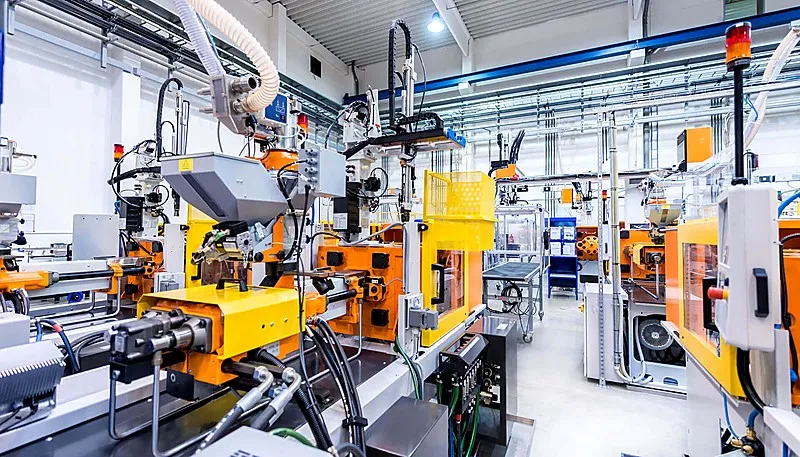
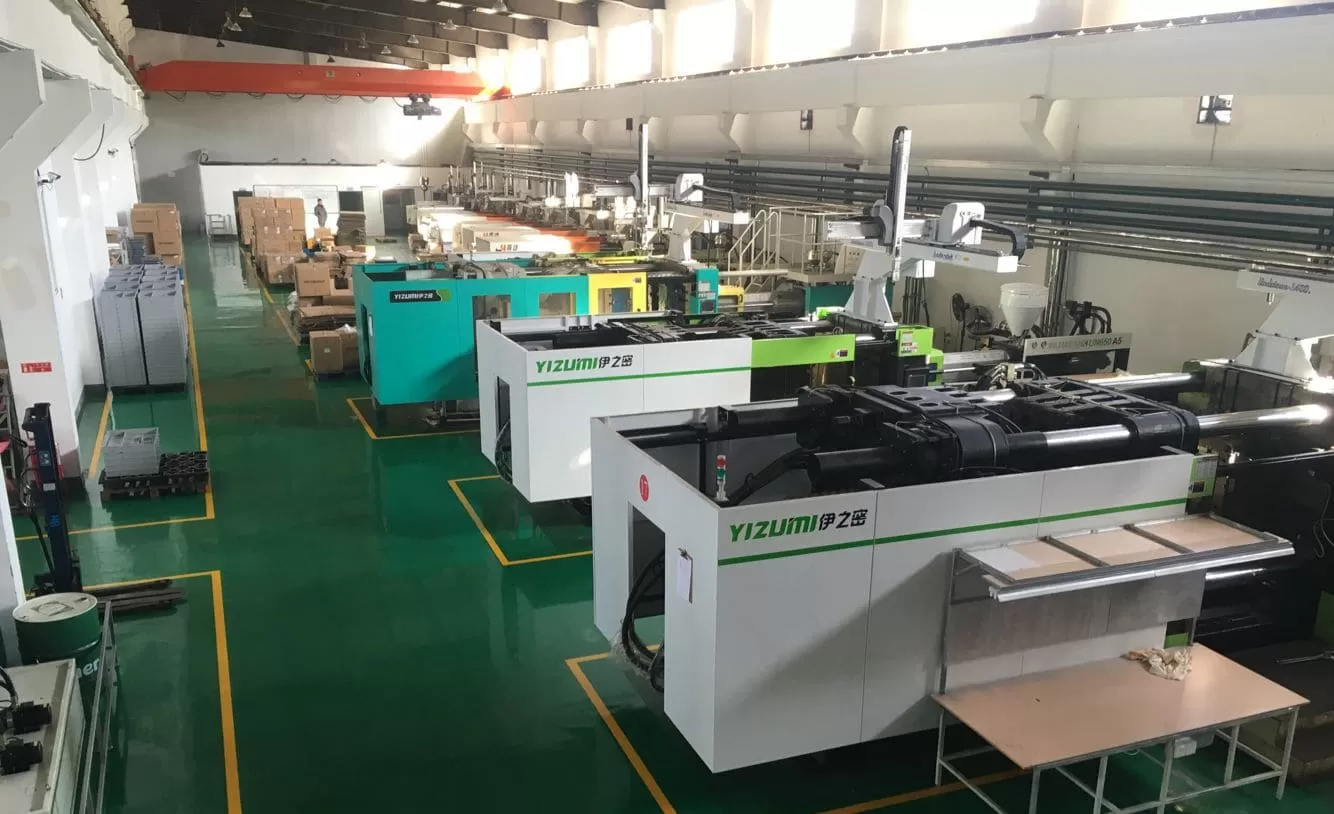
La première vérification consiste à déterminer si un fournisseur peut réellement produire vos pièces. De nombreuses sociétés de négoce se présentent comme des fabricants, mais sous-traitent tout à des ateliers inconnus. Demandez directement : combien de presses à injecter exploitez-vous et quelle est leur plage de tonnage ? Un fournisseur disposant de 5 machines de moins de 200T ne peut pas fabriquer un boîtier automobile nécessitant une force de fermeture de 1200T. Dans notre usine de Shanghai, nous exploitons 47 presses à injecter de 90T à 1850T — une plage suffisante pour produire sous un même toit des microcomposants médicaux aux grands boîtiers industriels.
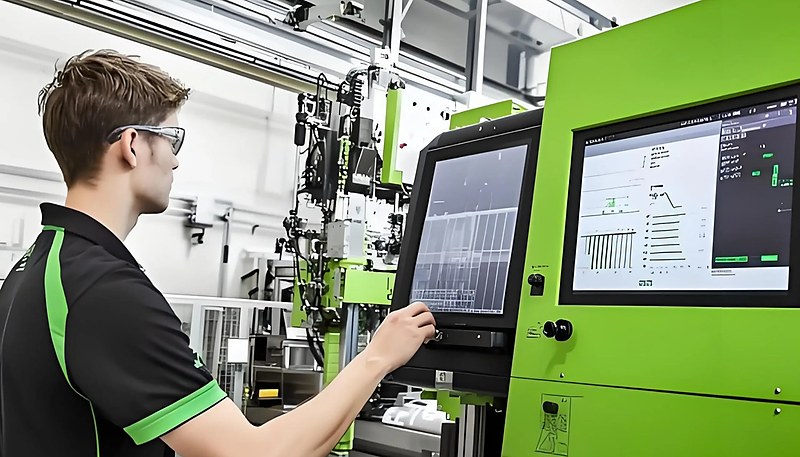
Interrogez le fournisseur sur l’automatisation et la maîtrise des procédés. Utilise-t-il une dépose robotisée des pièces ? Une surveillance de pression en boucle fermée ? Les principes du moulage scientifique avec procédés découplés ? Un fournisseur qui exploite encore ses machines en mode manuel avec une qualité dépendante des opérateurs représente un risque pour toute série de plus de quelques centaines de pièces. Demandez aussi son calendrier de maintenance : une machine de 10 ans bien entretenue avec un historique documenté est généralement préférable à une machine neuve sans plan de maintenance préventive. Nous avons vu des fournisseurs omettre pendant des mois la lubrification des colonnes, puis s’étonner d’une dérive de 15% de leur régularité entre injections.
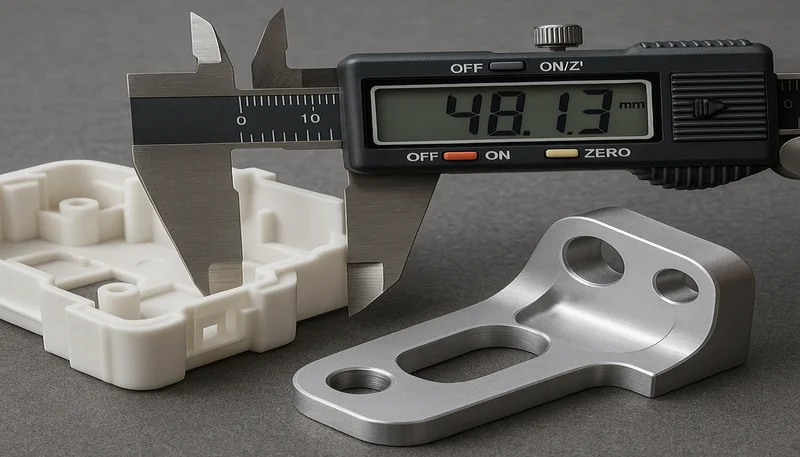
Demandez également comment le fournisseur compare les tolérances réalisables par moulage par injection aux solutions d’usinage CNC pour la géométrie précise de votre pièce. Savoir quand le moulage par injection atteint une tolérance suffisante et quand une reprise par usinage CNC est nécessaire témoigne d’un véritable jugement technique. Un fournisseur capable d’expliquer les compromis de tolérance entre ces procédés et de recommander l’approche la plus économique pour vos exigences de volume et de précision démontre la profondeur technique qui distingue un partenaire industriel d’un simple preneur de commandes.
Dans notre usine de Shanghai, nous exploitons 47 presses à injecter d’un tonnage allant de 90T à 1850T, ce qui nous permet de produire aussi bien des micropièces de précision que de grands composants automobiles. Cette gamme d’équipements nous permet de fabriquer votre pièce actuelle et de prendre en charge vos futurs projets sans changer de fournisseur à mesure que votre gamme de produits s’élargit.
Comment vérifier la qualité de fabrication des outillages et des moules ?
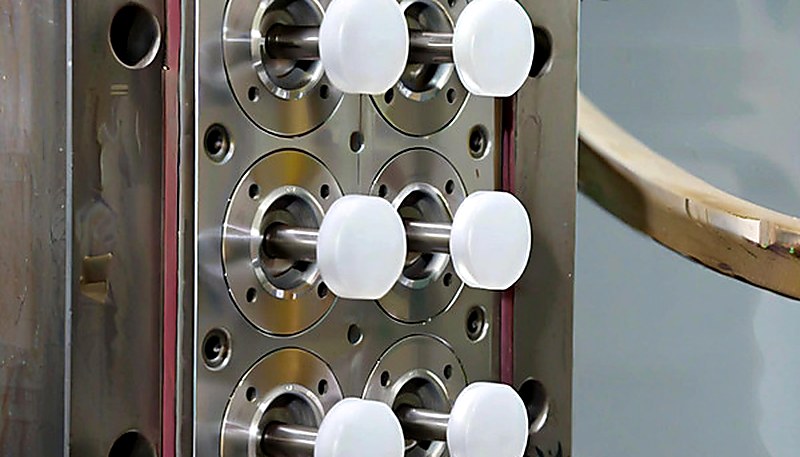
L’outillage est l’endroit où la plupart de l’argent est perdu dans tout projet de moulage par injection. Un moule est un instrument de précision qui coûte entre 5 000 et plus de 200 000 USD, et celui qui le construit contrôle le destin de votre production pour les années à venir. La question cruciale est de savoir si le fournisseur dispose de sa propre capacité de fabrication de moules à injection ou s’il sous-traite à un atelier d’outillage tiers. Lorsque l’outillage est externalisé, vous n’avez aucune ligne directe avec les personnes qui coupent votre acier et lorsqu’une révision est nécessaire, chaque demande de modification passe par un intermédiaire qui peut ne pas comprendre l’intention de l’ingénierie. Cela ajoute des coûts, des retards et des risques de mauvaise communication qui s’aggravent à chaque itération de conception.
Posez ces questions précises lors de votre évaluation : puis-je visiter l’atelier d’outillage en personne ? Combien de jeux de moules produisez-vous en moyenne par mois ? Quelles nuances d’acier utilisez-vous pour les noyaux et les empreintes, et pourquoi ? Effectuez-vous une analyse d’écoulement avant d’usiner l’acier ? Quelle durée de vie standard garantissez-vous pour le moule, en nombre d’injections ? Un fournisseur disposant d’un atelier interne peut généralement proposer des cycles d’itération plus rapides : lorsqu’un problème dimensionnel est détecté lors de l’échantillonnage T1, nos ingénieurs outillage peuvent modifier l’acier sous 24 à 48 heures au lieu d’attendre plusieurs jours qu’un atelier externe intègre le travail à son planning. Cet avantage de rapidité s’accumule tout au long d’un projet comportant plusieurs révisions de conception.
Notre atelier intégré produit plus de 100 jeux de moules par mois, assurant un contrôle direct de la qualité, des délais et des échanges techniques pendant tout l'outillage.
Quelles certifications et quels systèmes qualité un fournisseur doit-il posséder ?
Les certifications de qualité sont la preuve minimale qu’un fournisseur suit des processus documentés. ISO90011 est l’exigence de base, avec ISO134852 pour le médical et IATF169493 pour l’automobile comme ajouts essentiels en fonction de votre secteur. Chaque fournisseur revendique la qualité. La vraie question de vérification est de savoir s’il peut vous montrer la preuve. Pour les composants médicaux, la norme ISO 13485 est exigée par les régulateurs du monde entier. Pour les pièces automobiles, l’IATF 16949 est la norme reconnue en matière de chaîne d’approvisionnement. Les certifications de gestion environnementale (ISO 14001) et de santé au travail (ISO 45001) signalent une opération mature qui investit dans une gestion systématique plutôt que dans une lutte réactive contre les incendies. Mais les certificats affichés sur un mur ne signifient rien sans une preuve de conformité quotidienne.
Nous appliquons des systèmes de management de la qualité certifiés ISO 9001, ISO 13485, ISO 14001 et ISO 45001. Une équipe dédiée de plus de 10 spécialistes QC effectue des contrôles dimensionnels, visuels et fonctionnels sur chaque commande de production. Notre laboratoire qualité est équipé de machines à mesurer tridimensionnelles, de comparateurs optiques et de rugosimètres afin de garantir que chaque pièce respecte systématiquement vos spécifications d'une série de production à l'autre.
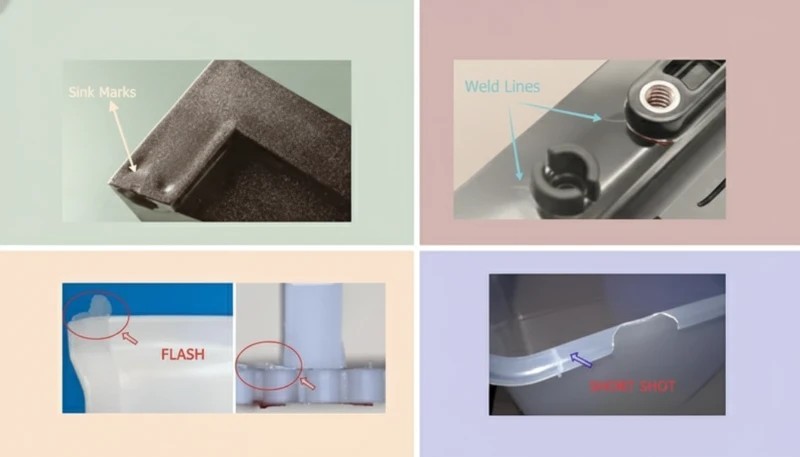
Au-delà des certifications, examinez la gestion quotidienne des lignes de soudure, retassures, bavures et manques. Un système qualité solide prévoit une analyse systématique des causes, le suivi des actions correctives avec responsables et délais, et des mesures préventives intégrées aux paramètres plutôt qu’un simple contrôle final. Demandez le registre récent des défauts : un fournisseur qui les classe par type et fréquence pilote activement la qualité au lieu de réagir après livraison. Demandez aussi ses objectifs de rebut et la mesure des progrès.
Une usine incapable d’indiquer son taux actuel de défauts pour mille pièces ne gère pas la qualité de façon proactive.
"Une réponse rapide à une demande de prix indique toujours une bonne communication du fournisseur."True
Faux. La rapidité du devis et la qualité de communication sont distinctes. Un fournisseur qui chiffre en deux heures sans poser de questions peut bâcler le travail. Recherchez réactivité et profondeur technique.
« La certification ISO 9001 garantit une qualité constante des pièces. »False
Faux. ISO 9001 certifie qu’un fournisseur dispose de processus documentés, pas que chaque pièce respecte les spécifications. Demandez toujours des données de contrôle réelles et des relevés SPC pour vérifier la régularité en conditions réelles.
Pourquoi l’expertise matière distingue-t-elle les bons fournisseurs des mauvais ?
L’expertise matériaux est le meilleur indicateur de la capacité d’un fournisseur à assurer une qualité constante plutôt qu’à réserver de coûteuses surprises. Un fournisseur qui se contente de demander le matériau souhaité puis de le commander est un courtier en produits courants, pas un partenaire industriel. Le bon fournisseur doit remettre votre choix en question, proposer des solutions de remplacement et expliquer les compromis. Il doit savoir que toutes les qualités d’ABS ne se comportent pas de la même manière, que le nylon exige un séchage rigoureux et que le PC possède une fenêtre de transformation étroite où de faibles écarts de température provoquent jaunissement ou fragilité. Demandez combien de matériaux différents il transforme régulièrement. Un fournisseur qui travaille avec 400+ matériaux a rencontré et résolu des problèmes qu’un spécialiste de trois résines ne connaîtra jamais.
Demandez les rapports d’essais des matériaux (MTR) propres à vos lots. Renseignez-vous sur leur contrôle des matières à la réception : vérifient-ils l’indice de fluidité, la teneur en humidité et la contamination avant de charger la matière dans la machine ? Maintiennent-ils un système de traçabilité des matériaux permettant de relier une pièce finie au lot de résine précis ? Ces pratiques sont essentielles lorsqu’il faut diagnostiquer une défaillance sur le terrain six mois après le début de la production. Sans traçabilité des lots, l’analyse des causes profondes devient approximative.
Forts de plus de 20 ans d’expérience dans la transformation de plus de 400 matières plastiques, nous tenons des bases détaillées de paramètres de procédé qui nous permettent d’optimiser les temps de cycle et la qualité des pièces dès le premier essai.
Comment évaluer la communication et la gestion de projet ?
La communication est le coût invisible qui détermine si un projet se déroule sans heurts ou devient une épreuve de plusieurs mois. Le test le plus pratique consiste à envoyer une demande technique au fournisseur et à mesurer le délai comme la qualité de sa réponse. Une réponse d’une ligne telle que « oui, nous pouvons le faire » est un signal d’alerte. Une réponse réfléchie qui demande des précisions sur votre application, vos tolérances et vos volumes prévisionnels révèle une équipe qui comprend réellement votre projet.
Renseignez-vous spécifiquement sur leur support technique en anglais. De nombreux fournisseurs chinois ont des vendeurs qui parlent un anglais correct mais des ingénieurs qui ne communiquent qu’en mandarin. Lorsque des problèmes techniques surviennent (et ils surviennent toujours), vous avez besoin d’ingénieurs capables d’expliquer clairement le problème et la solution proposée. Renseignez-vous également sur leurs systèmes de suivi de projet : fournissent-ils des mises à jour régulières de l’avancement avec des photos ? Peuvent-ils partager la conception du moule pour approbation avant de couper l’acier ? Utilisent-ils des rapports d’échantillonnage standardisés avec des données dimensionnelles ? Ce ne sont pas des fonctionnalités de luxe : ce sont des attentes de base pour tout projet sérieux de approvisionnement en moulage par injection.
Notre équipe compte plus de 30 anglophones et 8 ingénieurs seniors qui échangent directement avec les clients internationaux sur les décisions techniques, éliminant ainsi la perte d’information liée au recours exclusif à des intermédiaires commerciaux.
Quels signaux d’alerte doivent vous faire renoncer à un fournisseur ?
Le principal signal d’alerte est le refus d’un audit d’usine : partez immédiatement. Après deux décennies et des centaines de fournisseurs évalués, nous reconnaissons les signes annonçant l’échec. Si un fournisseur refuse l’accès de son atelier à vous ou à un inspecteur tiers, il cache quelque chose : sous-traitance à des ateliers non certifiés, mauvaises conditions de travail ou équipements non conformes à ses déclarations. Aucun fabricant légitime ne refuse une demande d’audit raisonnable.
Autres signaux d’alerte : devis nettement inférieurs à ceux des concurrents sans explication claire des économies ; refus de fournir des références de clients actuels de votre secteur ; absence de système de management de la qualité documenté ; pression pour éviter le prototypage et passer directement à l’outillage de production ; réponses vagues sur l’approvisionnement matière sans traçabilité. Le signe le plus dangereux est peut-être un fournisseur qui accepte toutes les demandes sans objection. Un bon partenaire industriel vous signale les défauts de conception, les tolérances irréalistes ou les risques inutiles liés au choix matière. Les fournisseurs complaisants commettent des erreurs coûteuses.
"Une visite d’usine en visioconférence offre la même valeur de vérification qu’un audit sur site."True
Faux. Les visites vidéo ne montrent que ce que le fournisseur souhaite vous faire voir. Elles constituent un outil de présélection utile, mais ne remplacent pas une visite de l’atelier, le contrôle de l’état des équipements et la vérification de la conformité du site aux déclarations commerciales.
"Le devis le moins cher offre généralement le meilleur rapport qualité-prix en moulage par injection."False
Faux. Des offres anormalement basses cachent souvent des coûts : acier de moule de qualité inférieure, absence de contrôle qualité ou avenants prévus qui gonflent la facture finale. Comparez les devis ligne par ligne et demandez aux fournisseurs d'expliquer les écarts de prix importants.
Quand devez-vous demander un audit d’usine et que faut-il contrôler ?
Demandez un audit avant tout investissement d’outillage dépassant un seuil modeste. Pour les projets d’outillage inférieurs à 10 000 USD, une visite vidéo et une vérification des références peuvent suffire. Au-delà, prévoyez une visite sur site ou mandatez une société d’inspection tierce. Pendant l’audit, ne vous limitez pas au showroom : chaque fournisseur dispose d’une salle propre pour les visiteurs. Demandez à voir l’atelier réel où vos pièces seront produites. Vérifiez l’état des machines : fonctionnent-elles, sont-elles bien entretenues et adaptées à la taille et au matériau de votre pièce ? Examinez l’entrepôt : les matériaux sont-ils correctement stockés avec contrôle de l’environnement ? Vérifiez le laboratoire qualité : dispose-t-il d’instruments de mesure étalonnés portant des vignettes de certification valides ?
Portez attention aux personnes. Les opérateurs sont-ils concentrés sur leur travail ou visiblement désengagés ? Le chef d’atelier répond-il aux questions techniques avec assurance ? Y a-t-il des preuves de pratiques 5S ou de production lean ? Ces observations vous en disent plus sur la qualité opérationnelle quotidienne que n’importe quel certificat au mur. Demandez également à voir leur système de suivi des rebuts—une usine qui ne mesure pas son taux de rebut ne peut pas l’améliorer, et une usine qui cache son taux de rebut en a probablement honte.
Quelles sont les questions les plus courantes sur la vérification d’un fournisseur de moulage par injection ?
Questions fréquemment posées
Combien de machines de moulage par injection un fournisseur qualifié devrait-il avoir ?
Il n’y a pas de minimum universel, mais un fournisseur avec moins de 10 machines peut avoir des difficultés de flexibilité de capacité pendant les périodes de pointe. Plus important que le nombre total est de savoir si leur gamme de tonnage couvre vos besoins spécifiques en pièces. Un fournisseur avec 5 machines toutes inférieures à 200T ne peut pas produire une pièce nécessitant une force de serrage de 800T, quelle que soit sa volonté d’essayer. Adaptez toujours le parc de machines du fournisseur à vos besoins réels de production plutôt que de vous fier à un seuil arbitraire de nombre de machines. Demandez également leur taux d’utilisation—une usine fonctionnant à 95 % de capacité n’a pas de place pour vos commandes urgentes.
Quelle est la certification la plus importante pour un fournisseur de moulage par injection ?
L’ISO 9001 est la référence essentielle pour tout fournisseur de moulage par injection industriel. Si vous produisez des composants de dispositifs médicaux, l’ISO 13485 devient absolument critique pour la conformité réglementaire. Pour les applications automobiles, l’IATF 16949 est la norme reconnue dans la chaîne d’approvisionnement mondiale. Cependant, les certifications seules ne garantissent pas une qualité constante des pièces en production. Demandez toujours les registres d’inspection réels, les cartes SPC, les données Cpk et les rapports d’audit tiers récents pour vérifier que les systèmes certifiés sont activement suivis dans les opérations quotidiennes, et pas seulement lors des audits de surveillance annuels.
Dois-je toujours visiter l’usine avant de passer une commande ?
Pour les investissements en outillage supérieurs à 10 000 USD, une visite sur site ou un audit tiers est fortement recommandé pour vérifier que l’usine correspond à ses déclarations commerciales. En dessous de ce seuil, une visite vidéo détaillée combinée à des vérifications de références auprès de clients actuels de votre secteur peut fournir une assurance raisonnable pour les premières commandes de production. Le principe clé est la vérification par des preuves indépendantes, qu’elles proviennent de vos propres yeux lors d’une visite personnelle ou d’un partenaire d’inspection tiers de confiance qui comprend les exigences de qualité du moulage par injection et peut évaluer ce qu’il observe.
Quelles questions dois-je poser sur la maintenance des moules ?
Renseignez-vous en détail sur leur calendrier de maintenance préventive, leur stock de pièces de rechange et leurs conditions de stockage des moules. Un fournisseur qualifié devrait pouvoir vous dire exactement à quelle fréquence ils inspectent les éjecteurs, lubrifient les composants coulissants et nettoient les canaux de refroidissement. Une maintenance adéquate des moules affecte directement la cohérence des pièces et la durée de vie globale du moule—négliger la maintenance de routine peut réduire de moitié la durée de vie d’un moule conçu pour un million de cycles. Demandez également s’ils photographient et documentent l’état du moule avant un stockage à long terme, et s’ils effectuent un test de cycle à sec avant de redémarrer un moule stocké pour une nouvelle série de production.
Une société de négoce peut-elle offrir la même qualité qu’une usine ?
Les sociétés de négoce peuvent coordonner la production efficacement, mais elles ajoutent une couche importante de distance de communication entre vous et les personnes qui fabriquent réellement vos pièces. Pour des pièces de commodité simples avec des tolérances généreuses, cet arrangement peut être acceptable et rentable. Pour tout ce qui a des tolérances serrées, des exigences réglementaires ou une géométrie complexe, l’accès direct à l’usine vous donne un meilleur contrôle sur les résultats de qualité, une résolution plus rapide des problèmes et une responsabilité plus claire lorsque des problèmes surviennent pendant la production. Le bon choix dépend de la complexité de votre projet et de votre tolérance au risque qualité.
Comment vérifier qu’un fournisseur fabrique réellement en interne ?
Demandez un appel vidéo en direct montrant l’atelier de production avec les machines en fonctionnement actif, demandez des photos des plaques signalétiques de leurs équipements avec les numéros de série, et recoupez la liste de machines qu’ils déclarent avec ce que vous observez lors d’une visite d’usine. Vous pouvez également demander leur licence d’exploitation manufacturière, qui précise les activités de production autorisées et l’adresse enregistrée. Une autre méthode de vérification efficace consiste à demander les registres de production de travaux récents montrant l’affectation des machines—si les mêmes machines apparaissent régulièrement sur plusieurs commandes clients, l’usine effectue probablement le travail en interne plutôt que de le sous-traiter à des ateliers inconnus.
Prêt à travailler avec un partenaire de moulage par injection vérifié ?
Choisir le bon fournisseur de moulage par injection est une décision qui affecte la qualité de votre produit, le calendrier et le coût total pour les années à venir. Chez ZetarMold, nous accueillons vos questions et vos audits—parce que nous croyons qu’une fabrication transparente construit des partenariats durables. Notre établissement de Shanghai exploite 47 machines de moulage par injection avec un outillage interne, des systèmes qualité certifiés ISO et une équipe de plus de 30 professionnels anglophones prêts à soutenir votre projet du concept à la production.
Obtenez un devis gratuit — Envoyez-nous la conception et les exigences de votre pièce. Nous vous fournirons un devis détaillé avec des prix transparents, des recommandations de matériaux et un calendrier de production dans les 24 heures. Pas de frais cachés, pas de surprises : juste les informations dont vous avez besoin pour prendre la bonne décision.
ISO9001 : ISO9001 fait référence aux exigences des systèmes de gestion de la qualité ISO 9001 : 2015 ↩
ISO13485 : ISO13485 fait référence à la norme ISO 13485 :2016, Systèmes de gestion de la qualité des dispositifs médicaux ↩
IATF16949 : IATF16949 fait référence à la norme iATF 16949:2016 sur le système de gestion de la qualité automobile ↩