U hebt een spuitgietleverancier gevonden met een gelikte website en concurrerende offerte. Vraag vóór de aanbetaling: weet u werkelijk waarin u stapt? We zagen kopers bedragen met zes cijfers verliezen aan gereedschap dat nooit bruikbare onderdelen maakte en leveranciers verdwijnen na het eerste kwaliteitsgeschil. Het verschil tussen een geslaagd project en een dure les zit doorgaans in de vragen vóór ondertekening. Deze gids behandelt de belangrijkste verificatievragen, gebaseerd op twintig jaar echte productie-ervaring met spuitgieten.
- Controleer het aantal machines en het tonnagebereik voordat u zich aan een leverancier bindt
- Sta op intern eigendom van het gereedschap en gedocumenteerde onderhoudsplannen voor de matrijs
- Eis ISO-certificeringen en echte inspectiegegevens, niet alleen marketingclaims
- Bevestig de materiaalkennis aan de hand van echte testrapporten en verwerkingsgegevens
- Loop weg bij leveranciers die fabrieksaudits weigeren of technische vragen ontwijken
Welke vragen moet u stellen over de productiecapaciteiten van een leverancier?
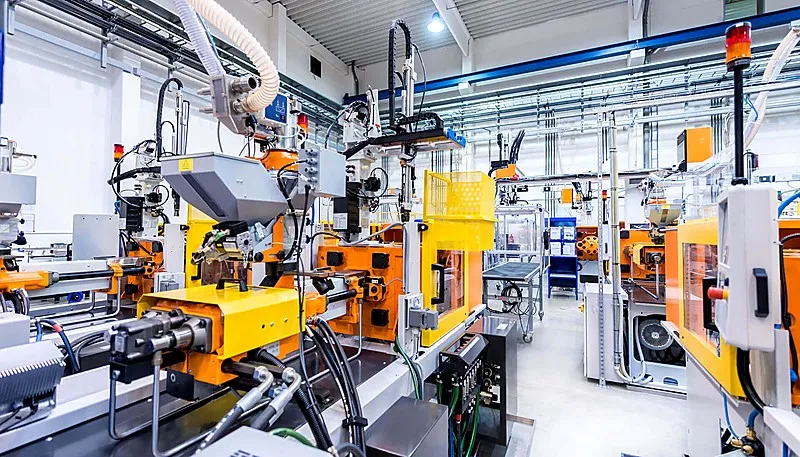
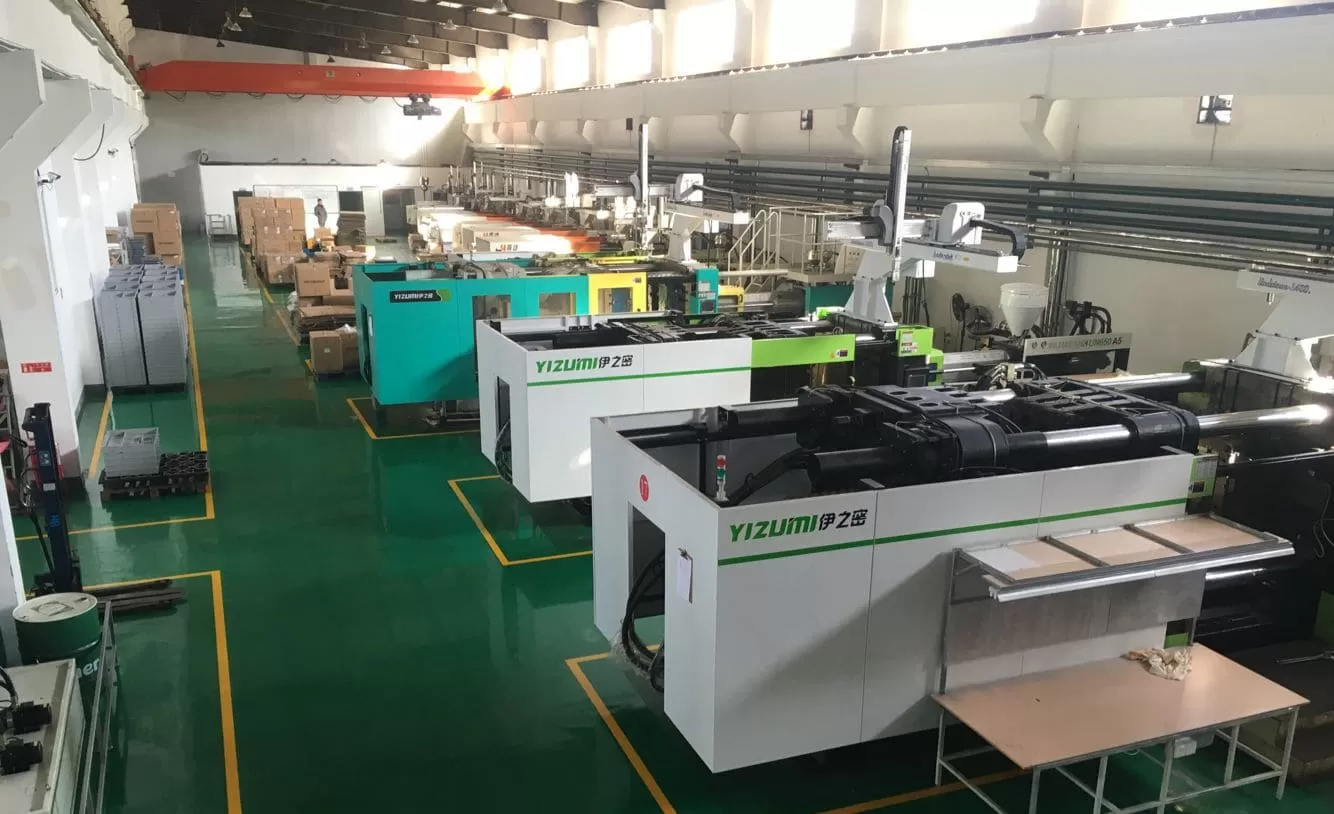
Het eerste dat u moet verifiëren, is of een leverancier uw onderdelen daadwerkelijk kan produceren. Veel handelsbedrijven presenteren zich als fabrikant, maar besteden alles uit aan onbekende werkplaatsen. Vraag rechtstreeks: hoeveel spuitgietmachines gebruikt u en wat is uw tonnagebereik? Een leverancier met 5 machines onder 200T kan geen autobehuizing maken waarvoor 1200T sluitkracht nodig is. In onze fabriek in Shanghai gebruiken we 47 spuitgietmachines van 90T tot 1850T—voldoende bereik voor alles van medische microcomponenten tot grote industriële behuizingen onder één dak.
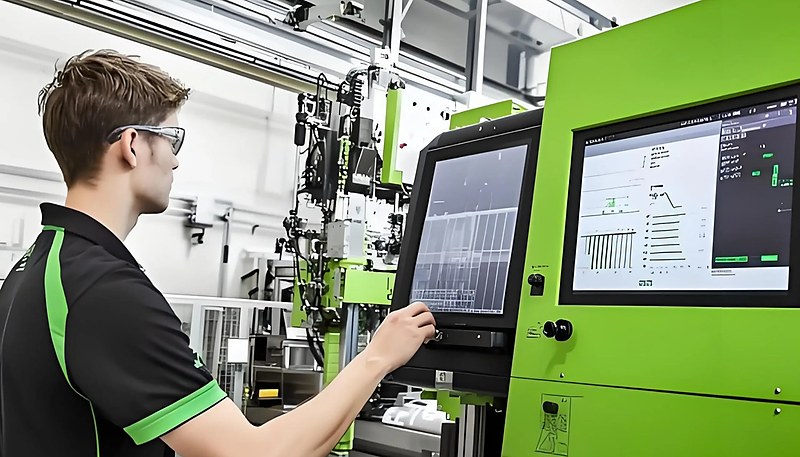
Vraag naar automatisering en procesbeheersing. Gebruiken ze robots om onderdelen uit te nemen? Gesloten-lusdrukbewaking? Scientific molding met ontkoppelde processen? Een leverancier die machines nog handmatig bedient en wiens kwaliteit van operators afhangt, vormt een risico voor elke serie boven enkele honderden stuks. Vraag ook het machineonderhoudsschema op—een goed onderhouden tien jaar oude machine met gedocumenteerde historie is doorgaans beter dan een nieuwe machine zonder preventief onderhoudsplan. Wij zagen leveranciers maandenlang de trekstangen niet smeren en zich vervolgens afvragen waarom hun shotconsistentie 15% afweek.
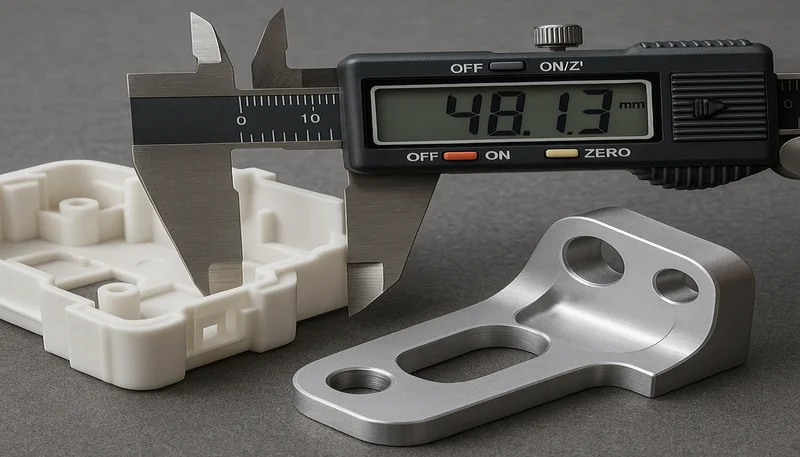
Vraag ook hoe de leverancier de haalbare toleranties van spuitgieten vergelijkt met alternatieven in CNC-bewerking voor uw specifieke onderdeelgeometrie. Begrijpen wanneer spuitgieten voldoende tolerantie bereikt en wanneer nabewerking met CNC nodig is, getuigt van echt technisch inzicht. Een leverancier die de tolerantieafwegingen tussen deze processen kan uitleggen en de kosteneffectiefste aanpak voor uw volume- en precisie-eisen kan aanbevelen, toont de technische diepgang die productiepartners onderscheidt van orderverwerkers.
In onze fabriek in Shanghai draaien 47 spuitgietmachines met een sluitkrachtbereik van 90T tot 1850T, zodat we alles aankunnen van precisiemicro-onderdelen tot grote auto-onderdelen. Dankzij deze machinebreedte kunnen we uw huidige onderdeel produceren en toekomstige projecten opschalen zonder dat u bij groei van uw productlijn van leverancier hoeft te wisselen.
Hoe verifieert u de kwaliteit van gereedschaps- en matrijsproductie?
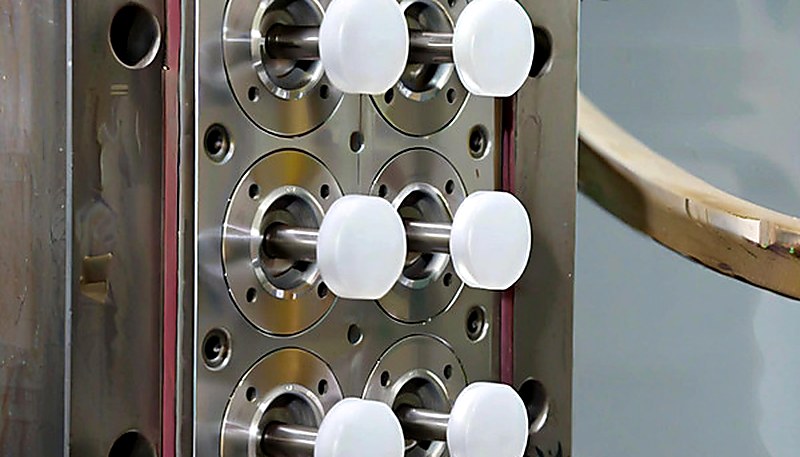
Bij elk spuitgietproject gaat het meeste geld verloren aan gereedschap. Een matrijs is een precisie-instrument van 5.000 tot meer dan 200.000 USD; de bouwer bepaalt jarenlang uw productielot. De kernvraag is of de leverancier zelf spuitgietmatrijzen maakt of dit uitbesteedt. Bij uitbesteding hebt u geen directe lijn met de mensen die uw staal verspanen; elke revisie loopt via een tussenpersoon die de technische bedoeling mogelijk niet begrijpt. Dat vergroot kosten, vertraging en miscommunicatie bij elke ontwerpiteratie.
Stel tijdens uw beoordeling deze specifieke vragen: Kan ik de matrijswerkplaats persoonlijk bezoeken? Hoeveel matrijssets produceert u gemiddeld per maand? Welke staalsoorten gebruikt u voor kernen en holten, en waarom? Voert u vóór het verspanen een matrijsstroomanalyse uit? Welke standaardgarantie biedt u op de matrijslevensduur in schoten? Een leverancier met interne matrijsbouw kan doorgaans sneller itereren—wanneer we tijdens T1-bemonstering een maatprobleem vaststellen, kunnen onze matrijsengineers binnen 24 tot 48 uur een staalwijziging uitvoeren, zonder dagen te wachten tot een externe werkplaats ruimte heeft. Dit snelheidsvoordeel neemt gedurende een project met meerdere ontwerprevisies verder toe.
Onze eigen matrijzenmakerij produceert meer dan 100 matrijzensets per maand, waardoor we gedurende het volledige matrijzenbouwproces directe controle hebben over kwaliteit, planning en technische communicatie.
Over welke kwaliteitscertificeringen en -systemen moet een leverancier beschikken?
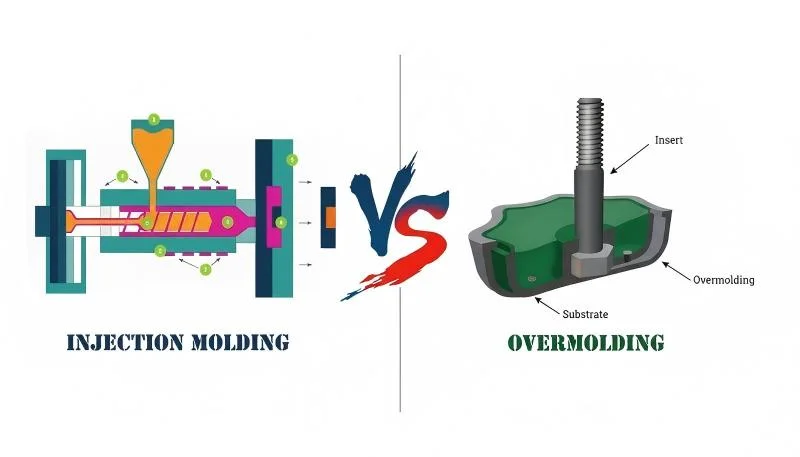
Kwaliteitscertificeringen zijn het minimale bewijs van gedocumenteerde processen. ISO90011 is de basis; afhankelijk van uw sector zijn ISO134852 voor medisch en IATF169493 voor automobiel essentieel. Iedereen claimt kwaliteit; de vraag is of men bewijs toont. ISO 13485 is wereldwijd vereist voor medische componenten en IATF 16949 is de erkende automobielnorm. ISO 14001 en ISO 45001 signaleren een volwassen, systematisch beheerde organisatie. Maar certificaten aan de muur betekenen niets zonder bewijs van dagelijkse naleving.
Wij werken volgens gecertificeerde kwaliteitsmanagementsystemen ISO 9001, ISO 13485, ISO 14001 en ISO 45001. Een speciaal team van ruim 10 QC-specialisten voert bij elke productieorder maat-, visuele en functionele inspecties uit. Ons kwaliteitslaboratorium beschikt over coördinatenmeetmachines, optische comparatoren en oppervlakteruwheidsmeters om te waarborgen dat elk onderdeel bij alle productieruns consequent aan uw specificaties voldoet.
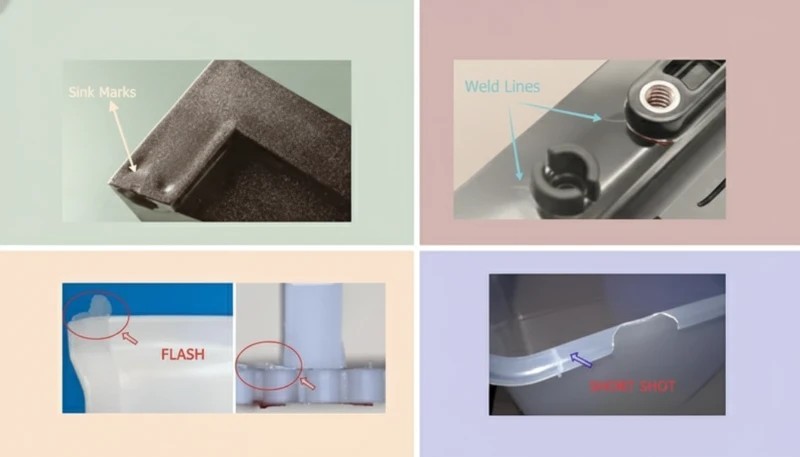
Kijk naast certificeringen hoe de leverancier dagelijks omgaat met lasnaden, inval, braam en onvolledige vulling. Een robuust kwaliteitssysteem omvat systematische oorzaakanalyse, opvolging van corrigerende maatregelen met eigenaar en deadline, en preventie in procesparameters in plaats van alleen eindinspectie. Vraag recente defectlogboeken, afvaldoelen en meetbare verbetering in de tijd.
Een fabriek die haar actuele uitvalpercentage per duizend onderdelen niet kan aangeven, beheert de kwaliteit niet proactief.
"Een snelle reactie op een offerteaanvraag duidt altijd op goede communicatie door de leverancier."True
Onjuist. Offertesnelheid en communicatiekwaliteit zijn verschillende zaken. Een leverancier die binnen twee uur offreert zonder vragen te stellen, slaat mogelijk stappen over. Zoek naar reactiesnelheid in combinatie met technische diepgang.
"ISO 9001-certificering garandeert een constante onderdeelkwaliteit."False
Onjuist. ISO 9001 certificeert dat een leverancier gedocumenteerde processen heeft, niet dat elk onderdeel aan de specificatie voldoet. Vraag altijd werkelijke inspectiegegevens en SPC-registraties om de praktijkconsistentie te verifiëren.
Waarom onderscheidt materiaalkennis goede leveranciers van slechte?
Materiaalkennis is de sterkste voorspeller van de vraag of een leverancier een constante kwaliteit levert of voor kostbare verrassingen zorgt. Een leverancier die alleen vraagt welk materiaal u wilt en dit vervolgens bestelt, is een grondstoffenhandelaar en geen productiepartner. De juiste leverancier moet uw materiaalkeuze ter discussie stellen, alternatieven voorstellen en de afwegingen toelichten. Hij moet weten dat niet alle ABS-kwaliteiten hetzelfde presteren, dat nylon zorgvuldig moet worden gedroogd en dat PC een smal procesvenster heeft waarin kleine temperatuurafwijkingen vergeling of brosheid veroorzaken. Vraag hoeveel verschillende materialen de leverancier regelmatig verwerkt. Een leverancier die met 400+ materialen werkt, heeft problemen gezien en opgelost die een specialist in drie harssoorten nooit zal tegenkomen.
Vraag materiaaltestrapporten (MTR) voor uw specifieke batches. Informeer naar de ingangscontrole: worden smeltindex, vochtgehalte en verontreiniging gecontroleerd voordat materiaal de machine ingaat? Is er een traceerbaarheidssysteem dat een eindproduct aan de specifieke harsbatch koppelt? Deze werkwijzen zijn cruciaal bij onderzoek naar een praktijkstoring na zes maanden productie. Zonder batchtraceerbaarheid wordt oorzaakanalyse giswerk.
Dankzij ruim 20 jaar ervaring met meer dan 400 kunststoffen beschikken we over gedetailleerde databases met procesparameters, waarmee we vanaf de eerste proefrun cyclustijden en productkwaliteit optimaliseren.
Hoe beoordeelt u communicatie en projectmanagement?
Communicatie is de onzichtbare kostenpost die bepaalt of een project soepel verloopt of maandenlang aansleept. De praktischste test: stuur de leverancier een technische vraag en meet reactietijd én kwaliteit. Een antwoord van één regel zoals “ja, dat kunnen we” is een waarschuwingssignaal. Een doordacht antwoord met vragen over toepassing, toleranties en volumeprognoses wijst op een team dat uw project begrijpt.
Vraag specifiek naar Engelstalige technische ondersteuning. Veel Chinese leveranciers hebben Engelssprekende verkopers, maar engineers die alleen Mandarijn spreken. Bij onvermijdelijke technische problemen hebt u engineers nodig die probleem en oplossing helder uitleggen. Vraag ook naar projecttracking: regelmatige updates met foto’s, matrijsontwerp ter goedkeuring vóór staalverspaning en gestandaardiseerde bemonsteringsrapporten met meetdata. Dit zijn basisverwachtingen bij een serieus spuitgietinkoopproject.
Ons team telt ruim 30 vloeiend Engelssprekende medewerkers en 8 senior engineers die technische beslissingen rechtstreeks met internationale klanten bespreken. Zo voorkomen we informatieverlies door uitsluitend op verkoopintermediairs te vertrouwen.
Welke waarschuwingssignalen zouden u moeten doen afzien van een leverancier?
Het grootste alarmsignaal is dat een leverancier een fabrieksaudit weigert: trek u dan onmiddellijk terug. Na honderden leveranciers in twee decennia te hebben beoordeeld, hebben we de waarschuwingssignalen leren herkennen die projectfalen voorspellen. Als een leverancier u of uw externe inspecteur niet op de productievloer toelaat, verbergt hij iets. Het kan gaan om uitbesteding aan niet-gecertificeerde werkplaatsen, slechte arbeidsomstandigheden of apparatuur die niet overeenkomt met de beweringen. Geen enkele legitieme fabrikant weigert een redelijk auditverzoek.
Andere alarmsignalen zijn: offertes die zonder duidelijke verklaring aanzienlijk lager liggen dan die van concurrenten; weigering om referenties van huidige klanten in uw sector te geven; geen gedocumenteerd kwaliteitsmanagementsysteem; druk om prototyping over te slaan en direct productiematrijzen te maken; en vage antwoorden over materiaalinkoop zonder traceerbaarheid. Het gevaarlijkste signaal is wellicht een leverancier die zonder tegenspraak met elk verzoek instemt. Een goede productiepartner vertelt u wanneer uw ontwerp problemen heeft, uw tolerantie-eisen onrealistisch zijn of uw materiaalkeuze onnodig risico veroorzaakt. Jaknikkers maken kostbare fouten.
"Een fabrieksrondleiding via videogesprek biedt dezelfde verificatiewaarde als een audit ter plaatse."True
Onjuist. Videorondleidingen tonen alleen wat de leverancier u wil laten zien. Ze zijn nuttig als voorlopig screeningsmiddel, maar kunnen een rondgang over de productievloer, controle van de staat van de apparatuur en verificatie dat de faciliteit overeenkomt met marketingclaims niet vervangen.
"De laagste offerte biedt doorgaans de beste waarde voor spuitgieten."False
Onjuist. Abnormaal lage offertes wijzen vaak op verborgen kosten: inferieure staalsoorten voor matrijzen, geen kwaliteitsinspectie of geplande wijzigingsorders die de eindfactuur verhogen. Vergelijk offertes regel voor regel en vraag leveranciers om aanzienlijke prijsverschillen toe te lichten.
Wanneer moet u een fabrieksaudit aanvragen en wat moet u controleren?
Vraag een audit aan voordat u een wezenlijke gereedschapsinvestering aangaat. Voor projecten met minder dan 10,000 USD aan gereedschap kunnen een videotour en referentiecontrole volstaan. Plan voor grotere projecten een locatiebezoek of huur een onafhankelijke inspecteur in. Kijk tijdens de audit verder dan de showroom — elke leverancier heeft een nette bezoekersruimte. Vraag naar de werkelijke productievloer voor uw onderdelen. Controleer of machines draaien, goed onderhouden zijn en passen bij onderdeelgrootte en materiaal. Controleer in het magazijn of materiaal correct en onder gecontroleerde omstandigheden wordt opgeslagen. Controleer in het kwaliteitslab of gekalibreerde meetmiddelen geldige certificeringsstickers hebben.
Let op de mensen. Zijn operators geconcentreerd aan het werk of zichtbaar niet betrokken? Beantwoordt de productieleider technische vragen met vertrouwen? Zijn er aanwijzingen voor 5S of lean manufacturing? Deze observaties zeggen meer over de dagelijkse operationele kwaliteit dan welk certificaat aan de muur ook. Vraag ook naar het systeem voor schrootregistratie—een fabriek die het schrootpercentage niet meet, kan dit niet verbeteren, en een fabriek die het verbergt, schaamt zich er waarschijnlijk voor.
Wat Zijn de Meest Voorkomende Vragen Over Verificatie van Spuitgietleveranciers?
Veelgestelde vragen
Hoeveel spuitgietmachines zou een gekwalificeerde leverancier moeten hebben?
Er is geen universeel minimum, maar een leverancier met minder dan 10 machines kan moeite hebben met capaciteitsflexibiliteit tijdens piekperiodes. Belangrijker dan het totale aantal is of hun tonnagebereik voldoet aan uw specifieke onderdeelvereisten. Een leverancier met 5 machines die allemaal onder de 200T liggen, kan geen onderdeel produceren dat 800T sluitkracht vereist, ongeacht de bereidheid om het te proberen. Stem het uitrustingsprofiel van de leverancier altijd af op uw werkelijke productiebehoeften in plaats van te vertrouwen op een willekeurige machine-aantal benchmark. Vraag ook naar hun bezettingsgraad—een fabriek die op 95 procent capaciteit draait heeft geen ruimte voor uw spoedorders.
Wat is de belangrijkste certificering voor een spuitgietleverancier?
ISO 9001 is de essentiële basislijn voor elke industriële spuitgietleverancier. Als u medische hulpmiddelen produceert, wordt ISO 13485 absoluut cruciaal voor regelgevingsconformiteit. Voor automotive toepassingen is IATF 16949 de erkende standaard in de wereldwijde toeleveringsketen. Certificeringen alleen garanderen echter geen consistente onderdeelkwaliteit op de productievloer. Vraag altijd naar actuele inspectierecords, SPC-grafieken, Cpk-gegevens en recente auditrapporten van derden om te verifiëren dat gecertificeerde systemen actief worden gevolgd in de dagelijkse operaties, niet alleen tijdens jaarlijkse surveillance-audits.
Moet ik altijd de fabriek bezoeken voordat ik een bestelling plaats?
Voor investeringen in gereedschap boven 10.000 USD wordt een bezoek ter plaatse of een audit door een derde partij sterk aanbevolen om te verifiëren dat de fabriek overeenkomt met hun marketingclaims. Onder die drempel kan een gedetailleerde videorondleiding gecombineerd met referentiechecks van huidige klanten in uw branche een redelijke zekerheid bieden voor initiële productieorders. Het belangrijkste principe is verificatie via onafhankelijk bewijs, of dat nu komt van uw eigen ogen tijdens een persoonlijk bezoek of van een vertrouwde inspectiepartner van een derde partij die de kwaliteitseisen voor spuitgieten begrijpt en kan evalueren wat zij waarnemen.
Welke vragen moet ik stellen over matrijsonderhoud?
Vraag gedetailleerd naar hun preventief onderhoudsschema, voorraad reserveonderdelen en opslagcondities van matrijzen. Een gekwalificeerde leverancier moet u precies kunnen vertellen hoe vaak ze uitstootpennen inspecteren, glijdende componenten smeren en koelkanalen reinigen. Correct matrijsonderhoud heeft direct invloed op de consistentie van onderdelen en de totale levensduur van de matrijs—het verwaarlozen van routinematig onderhoud kan een matrijs die geschikt is voor een miljoen cycli terugbrengen tot de helft. Vraag ook of ze de conditie van de matrijs fotograferen en documenteren voordat deze voor lange tijd wordt opgeslagen, en of ze een droge cyclus test uitvoeren voordat een opgeslagen matrijs opnieuw wordt gestart voor een nieuwe productierun.
Kan een handelsbedrijf dezelfde kwaliteit bieden als een fabriek?
Handelsbedrijven kunnen de productie effectief coördineren, maar ze voegen een belangrijke laag communicatieafstand toe tussen u en de mensen die uw onderdelen daadwerkelijk maken. Voor eenvoudige standaardonderdelen met ruime toleranties kan deze regeling acceptabel en kosteneffectief zijn. Voor alles met strakke toleranties, regelgevende vereisten of complexe geometrie geeft directe toegang tot de fabriek u meer controle over kwaliteitsresultaten, snellere probleemoplossing en duidelijkere aansprakelijkheid wanneer zich problemen voordoen tijdens de productie. De juiste keuze hangt af van de complexiteit van uw project en uw tolerantie voor kwaliteitsrisico’s.
Hoe kan ik verifiëren dat een leverancier daadwerkelijk in-house produceert?
Vraag om een live videogesprek waarbij de productievloer wordt getoond met actief draaiende machines, vraag om foto’s van de naambordjes van hun apparatuur met serienummers, en vergelijk hun opgegeven machinelijst met wat u waarneemt tijdens een fabrieksbezoek. U kunt ook vragen om hun productievergunning, waarin de toegestane productieactiviteiten en het geregistreerde adres zijn gespecificeerd. Een andere effectieve verificatiemethode is het opvragen van productierecords van recente opdrachten die machine-toewijzingen tonen—als dezelfde machines consistent voorkomen bij meerdere klantorders, voert de fabriek het werk waarschijnlijk in-house uit in plaats van het uit te besteden aan onbekende werkplaatsen.
Klaar om te Werken met een Geverifieerde Spuitgietpartner?
Het kiezen van de juiste spuitgietleverancier is een beslissing die uw productkwaliteit, tijdlijn en totale kosten voor de komende jaren beïnvloedt. Bij ZetarMold verwelkomen wij uw vragen en uw audits—omdat wij geloven dat transparante productie duurzame partnerschappen opbouwt. Onze fabriek in Shanghai heeft 47 spuitgietmachines met in-house gereedschap, ISO-gecertificeerde kwaliteitssystemen en een team van meer dan 30 Engelssprekende professionals die klaar staan om uw project te ondersteunen van concept tot productie.
Vraag een gratis offerte aan — stuur uw onderdeelontwerp en eisen. Binnen 24 uur leveren we een gedetailleerde offerte met transparante prijzen, materiaaladvies en productieplanning. Geen verborgen kosten of verrassingen, alleen de informatie voor de juiste beslissing.
ISO9001: ISO9001 verwijst naar ISO 9001:2015, eisen voor kwaliteitsmanagementsystemen. ↩
ISO13485: ISO13485 verwijst naar ISO 13485:2016, kwaliteitsmanagementsystemen voor medische hulpmiddelen. ↩
IATF16949: IATF16949 verwijst naar IATF 16949:2016, de norm voor kwaliteitsmanagementsystemen in de automobielsector. ↩